

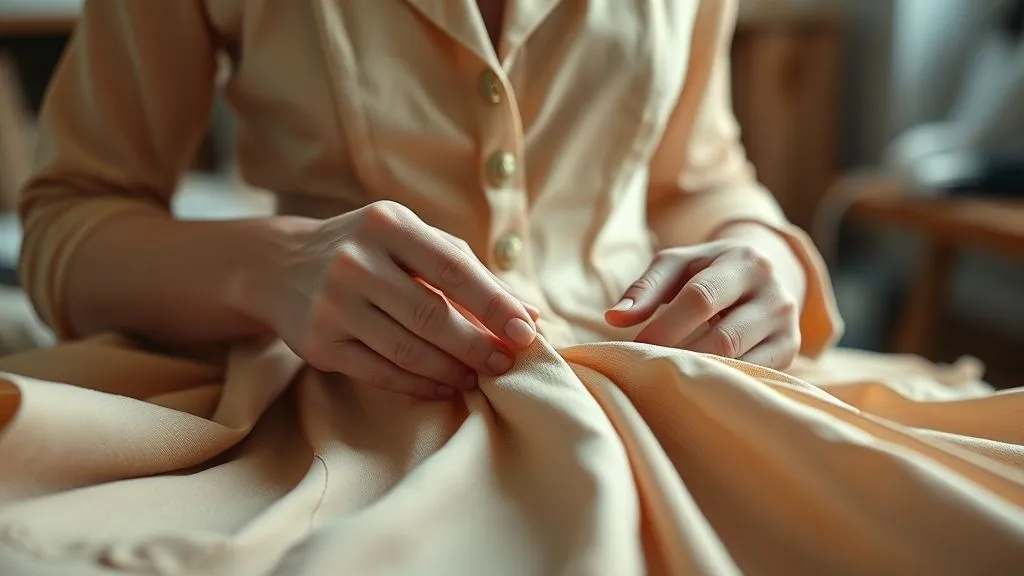
How to Sustain Avant-Garde Haute Couture Innovation Ethically?
For over two decades immersed in the ethereal world of haute couture, I’ve witnessed the breathtaking evolution of avant-garde design. From McQueen's subversive narratives to Iris van Herpen's mesmerizing technological fusions, the pinnacle of fashion has always been about pushing boundaries. Yet, beneath the glamour and groundbreaking artistry, a silent tension has grown – the imperative to innovate fiercely while adhering to an increasingly critical ethical compass.
Many designers, particularly those striving for the next disruptive silhouette, grapple with this dichotomy. How do you source rare, exquisite materials responsibly? How do you ensure the intricate handwork, so central to couture, uplifts artisans rather than exploits them? The dream of sustainable, ethical innovation often feels like an oxymoron, a creative straitjacket that threatens to stifle the very essence of avant-garde freedom.
This article isn't just a discussion; it's a framework born from years of navigating these very challenges. I will share actionable strategies, drawing on real-world insights and the wisdom of industry pioneers, to help you not just embrace, but master the art of sustaining avant-garde haute couture innovation ethically, transforming perceived limitations into unparalleled creative opportunities.
The Foundational Shift: Redefining “Luxury” Through Ethical Lenses
The very definition of luxury is undergoing a profound transformation. What once signified exclusivity through rarity and price now increasingly encompasses provenance, impact, and integrity. Consumers, particularly the discerning clientele of haute couture, are more informed and demand accountability. They seek not just beauty, but a narrative of responsibility that resonates with their values.
Transparency as the New Gold Standard
In my experience, the first step towards ethical innovation is absolute transparency. This isn't about revealing trade secrets, but about opening up your processes to scrutiny, from the origin of your silk to the conditions of your atelier. It builds trust, which is the bedrock of modern luxury.
"True luxury in the 21st century is not just about what you own, but how it came to be owned, and the story of integrity woven into its very fabric."
Brands that proactively share their ethical journey, even their challenges, are seen as authentic leaders. This transparency can be a powerful tool for storytelling, allowing your clients to connect deeply with the values embedded in each exquisite piece.

Cultivating Ethical Supply Chains: From Fiber to Finish
The supply chain for haute couture is notoriously complex, often spanning continents and involving countless specialized artisans. Ensuring ethical practices here is paramount, yet incredibly challenging. It requires diligent research, strong relationships, and a willingness to invest in auditing and verification.
Actionable Steps for Ethical Sourcing:
- Map Your Entire Supply Chain: Beyond immediate suppliers, trace materials back to their raw origins (e.g., cotton farm, silkworm hatchery, mine).
- Vet Suppliers Thoroughly: Conduct due diligence on their labor practices, environmental impact, and certifications (e.g., GOTS for organic textiles, Fair Trade). Don't just rely on their word; ask for evidence.
- Build Long-Term Relationships: Foster partnerships based on mutual respect and fair payment. This incentivizes ethical behavior and ensures consistent quality.
- Implement Codes of Conduct: Establish clear ethical guidelines for all suppliers and ensure they are understood and adhered to.
- Conduct Regular Audits: Work with independent third-party auditors to verify compliance, especially for high-risk areas.
According to a Deloitte study on consumer trends, a significant portion of luxury buyers are willing to pay a premium for ethically sourced goods. This demonstrates that investing in an ethical supply chain is not just a moral obligation, but a strategic business advantage.
| Material Type | Ethical Challenge | Sustainable Alternative |
|---|---|---|
| Traditional Silk | Sericulture practices, chemical processing | Peace Silk (Ahimsa), Tencel Luxe (Lyocell) |
| Exotic Leather | Animal welfare, deforestation | Mushroom Leather (Mylo), Piñatex (Pineapple Leaf Fiber) |
| Synthetic Dyes | Water pollution, toxic chemicals | Natural Dyes (plant-based), Closed-Loop Dyeing Systems |
| Embellishments | Child labor in mining/crafting | Recycled glass beads, Lab-grown gems, Upcycled elements |
Embracing Circularity: Design for Longevity and Regeneration
Avant-garde design, by its nature, often explores the transient and the ephemeral. However, ethical innovation demands a shift towards circularity – designing not just for the moment, but for longevity, recyclability, and even regeneration. This means rethinking the entire lifecycle of a garment.
Case Study: Elysian Threads' Regenerative Approach
Elysian Threads, a fictional avant-garde couture house, faced the challenge of creating elaborate, sculptural pieces while minimizing waste. By implementing a three-pronged circularity strategy, they transformed their process. First, they adopted zero-waste pattern cutting techniques, often incorporating off-cuts into new, intricate details. Second, they designed many of their garments to be modular, allowing sections to be detached, repaired, or replaced, extending the life of the core piece. Third, they established a take-back program for their most complex creations, offering clients the option to return garments for deconstruction and material regeneration. This resulted in an estimated 70% reduction in fabric waste and fostered a unique client loyalty program, positioning them as pioneers in regenerative luxury.
This approach isn't about sacrificing creativity; it's about channeling it into new forms. Think about modular designs that allow for bespoke customization and repair, or garments crafted from innovative materials that can biodegrade or be upcycled into new creations.
As the Ellen MacArthur Foundation consistently highlights, a circular economy for fashion is not just aspirational, but an urgent necessity. For haute couture, this means leveraging the inherent value of craftsmanship to create pieces that are cherished, repaired, and ultimately, reimagined.
Fair Labor and Craftsmanship: Honoring the Artisans Behind the Art
The hands that bring avant-garde haute couture to life are its most valuable asset. The intricate embroidery, the delicate beading, the precise draping – these are skills honed over generations. Ethical innovation absolutely demands that these artisans are treated with the respect, dignity, and fair compensation they deserve.
I've seen firsthand the devastating impact of exploitation in craft communities. Conversely, I've also witnessed the flourishing of creativity and quality when artisans are empowered, paid fairly, and work in safe, supportive environments. This isn't merely a cost; it's an investment in the preservation of invaluable heritage and the future of your brand's integrity.
Core Principles of Fair Labor in Couture:
- Living Wages: Ensure all artisans receive a wage that covers basic needs and provides discretionary income, not just minimum wage.
- Safe Working Conditions: Provide clean, well-lit, and safe environments free from hazards, with appropriate breaks and reasonable hours.
- Non-Discrimination: Uphold principles of equality in hiring, payment, and promotion, irrespective of gender, age, or background.
- No Child or Forced Labor: Strictly prohibit any form of child labor or forced labor at any point in your supply chain.
- Skills Development: Invest in training and upskilling programs for artisans, fostering their growth and preserving traditional crafts.
- Cultural Respect: Understand and respect the cultural context and traditions of the communities where your artisans work.
The International Labour Organization (ILO) provides extensive guidelines and conventions on decent work, which serve as an excellent benchmark for ethical labor practices. Integrating these principles ensures that the beauty of your designs is matched by the integrity of their creation.
Technological Integration: AI, Blockchain, and Digital Transparency
Technology, often perceived as antithetical to the artisanal spirit of haute couture, can actually be a powerful ally in sustaining ethical innovation. From ensuring provenance to optimizing material usage, digital tools offer unprecedented opportunities for transparency and efficiency.
Leveraging Blockchain for Provenance and Authenticity
Imagine a haute couture garment with a digital twin on a blockchain. Each material, each artisan's touch, each stage of creation could be immutably recorded. This not only verifies authenticity – a crucial concern in luxury – but also provides an unassailable record of ethical sourcing and production. Clients could scan a QR code and instantly access the entire ethical journey of their unique piece.
AI can assist in optimizing pattern cutting for zero waste, predicting material needs to reduce overproduction, and even identifying ethical suppliers through vast datasets. These tools don't replace human creativity; they augment it, freeing designers and artisans to focus on the truly innovative aspects of their craft while the technology handles the complex ethical tracking.
"Technology is not the enemy of tradition; it is the enabler of its ethical evolution."
By integrating these advanced technologies, avant-garde houses can set new standards for accountability and build deeper trust with their clientele, proving that innovation and ethics can thrive hand-in-hand.

Navigating the Regulatory Landscape and Industry Standards
The ethical landscape of fashion is constantly evolving, with new regulations, certifications, and industry standards emerging regularly. Staying abreast of these developments is crucial for any haute couture house committed to ethical innovation, not just to avoid penalties, but to demonstrate leadership.
From EU directives on supply chain due diligence to national labeling requirements for sustainable materials, the legal framework is becoming more stringent. Proactive engagement with these standards, and even exceeding them, positions a brand as a true leader.
Key Certifications and Standards to Consider:
- GOTS (Global Organic Textile Standard): For organic fibers, ensuring ecological and social criteria.
- Fair Trade Certified: Guarantees fair wages and working conditions for producers.
- SA8000: A global social accountability standard for decent working conditions.
- OEKO-TEX Standard 100: Ensures textiles are free from harmful substances.
- BCorp Certification: For companies meeting high standards of verified performance, accountability, and transparency on factors from employee benefits and charitable giving to supply chain practices and input materials.
Actively participating in industry discussions and collaborating with organizations like the Global Fashion Agenda or the Fashion Pact can provide invaluable insights and demonstrate a commitment beyond mere compliance. This engagement not only helps shape the future of ethical fashion but also strengthens your brand's reputation.
The Power of Collaboration: Cross-Industry Partnerships for Impact
No single haute couture house, no matter how influential, can solve the complex challenges of ethical innovation alone. The most impactful changes often arise from collaboration – partnering with NGOs, scientific researchers, material innovators, and even other brands.
Shared Vision, Shared Progress
I've seen how powerful a partnership between an avant-garde designer and a material science lab can be. Imagine a couturier working with biotechnologists to develop custom-grown, biodegradable textiles that offer unprecedented textures and forms. Or a collaboration with an ethical mining organization to source conflict-free precious stones for embellishments.
These partnerships bring diverse expertise to the table, accelerating the development of sustainable solutions that would be impossible in isolation. They also amplify impact, creating a ripple effect that can elevate ethical standards across the entire industry. For instance, sharing best practices in fair labor or circular design with smaller ateliers can raise the bar for everyone.
Collaboration also extends to advocacy. Joining forces with other luxury brands or industry bodies to lobby for stronger ethical regulations can drive systemic change, ensuring a more level playing field for all who commit to responsible practices.
Communicating Authenticity: Telling Your Ethical Innovation Story
Once you've meticulously built an ethical framework for your avant-garde creations, the next crucial step is to communicate it authentically to your audience. This is not about 'greenwashing' or superficial claims, but about sharing your genuine journey, challenges, and triumphs.
In haute couture, storytelling is paramount. Your clients invest in a dream, an aspiration. When that dream is imbued with integrity and a positive impact on the world, its value multiplies. Don't be afraid to be vulnerable about the difficulties you encounter; it adds to your authenticity.
Strategies for Authentic Ethical Communication:
- Be Specific and Evidenced: Instead of saying 'sustainable materials,' specify 'GOTS-certified organic silk from a cooperative in Thailand.'
- Show, Don't Just Tell: Use visuals – videos of your artisans, photos of your ethical supply chain, infographics explaining your circular processes.
- Educate Your Audience: Help your clients understand the 'why' behind your ethical choices and the value they add.
- Engage in Dialogue: Create platforms for discussion, invite feedback, and be responsive to questions.
- Integrate Ethics into Brand Identity: Ensure your ethical commitment is woven into every aspect of your brand's communication, not just an add-on.
- Avoid Perfectionism: Acknowledge that sustainability is a journey, not a destination. Share your progress and your future goals.
As marketing guru Seth Godin often says, "People do not buy goods and services. They buy relations, stories, and magic." For avant-garde haute couture, the magic is amplified when it's infused with a compelling, ethical narrative that resonates deeply with conscious consumers.
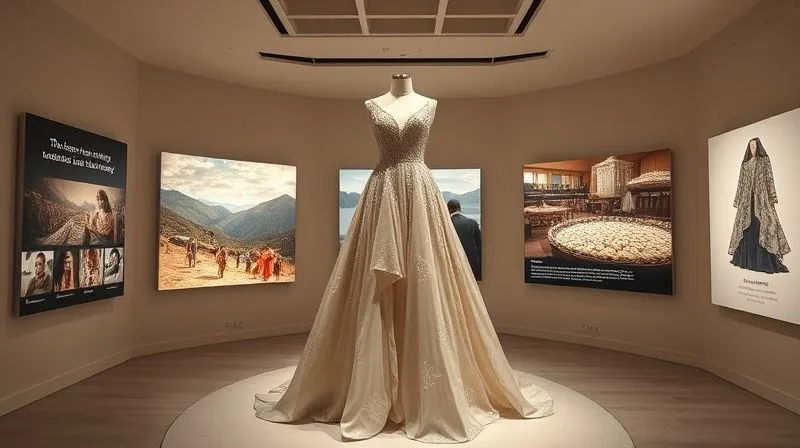
Frequently Asked Questions (FAQ)
Is ethical avant-garde haute couture financially viable? Absolutely. While initial investments in ethical sourcing and sustainable processes might seem higher, the long-term benefits include enhanced brand reputation, increased consumer loyalty, reduced regulatory risks, and access to new markets. Discerning luxury consumers are increasingly willing to pay a premium for transparency and integrity, turning ethical practices into a significant competitive advantage and a driver of sustainable profitability.
How do small avant-garde brands compete with larger ones on ethics? Small brands often have an inherent advantage in agility and direct relationships. They can implement ethical practices more quickly, build closer ties with artisans, and offer unparalleled transparency. Focusing on niche markets, collaborating with local ethical suppliers, and telling a compelling, authentic story can allow smaller brands to carve out a unique and highly respected position, often outmaneuvering larger, slower-moving corporations.
What's the role of the consumer in sustaining ethical avant-garde innovation? Consumers are pivotal. By demanding transparency, supporting brands committed to ethical practices, and making informed purchasing decisions, they create market pressure that drives innovation. Their willingness to invest in pieces with integrity empowers designers to prioritize ethical considerations, effectively co-creating a more responsible future for haute couture.
How can designers balance creative freedom with ethical constraints? Ethical considerations should not be viewed as constraints but as creative challenges that spark new forms of innovation. Working within parameters, such as using upcycled materials or designing for modularity, can lead to entirely new aesthetic expressions and design solutions that are both groundbreaking and responsible. It pushes designers to think outside conventional boundaries and discover novel approaches to beauty and form.
What are the biggest hurdles to ethical innovation in haute couture? The primary hurdles include the complexity of global supply chains, the cost implications of ethical sourcing and fair labor, the lack of standardized ethical certifications, and the inertia of traditional industry practices. Overcoming these requires significant investment in research, technology, and building robust, transparent relationships across the entire value chain.
Key Takeaways and Final Thoughts
- Redefine luxury to encompass transparency, provenance, and positive impact.
- Invest diligently in mapping and vetting your entire ethical supply chain.
- Embrace circular design principles, focusing on longevity, regeneration, and waste reduction.
- Prioritize fair labor practices and empower the artisans who bring your visions to life.
- Leverage technology like AI and blockchain for enhanced transparency and efficiency.
- Stay informed and actively engage with evolving industry standards and regulations.
- Seek out collaborations across industries to amplify your ethical impact and innovation.
- Communicate your ethical journey authentically, making integrity a core part of your brand's narrative.
The journey to sustain avant-garde haute couture innovation ethically is complex, demanding both unwavering commitment and audacious creativity. But as I've seen over the years, it's a journey that yields not just exquisite garments, but profound purpose and enduring legacy. By integrating these principles, you're not just creating fashion; you're crafting a more beautiful, responsible future for the entire industry. The avant-garde, after all, has always been about leading the way – and now, that leadership extends beyond aesthetics to the very soul of design.
Recommended Reading
- Is Virtual Try-On Accurate for Clothes? The Surprising Truth!
- Dress for Power: 7 Ways to Convey Authority in Client Meetings
- Greenwashing Busters: 5 Pillars for Sustainable Activewear Brands' Integrity
- Scaling Bio-Engineered Weaves: 7 Strategies to Preserve Quality
- Best Comfort Shoes for Plantar Fasciitis Relief: Your Ultimate Guide


Your email address will not be published. Required fields are marked *