


How to Scale a Secondhand Fashion Boutique While Maintaining Authenticity?
For over fifteen years immersed in the sustainable fashion movement, I've watched countless passionate entrepreneurs launch secondhand boutiques, driven by a genuine love for unique pieces and a commitment to circularity. Their initial success often hinges on that deeply personal connection they forge with their inventory and their community. But then comes the inevitable question: 'How do I grow this without losing what makes it special?'
This isn't just a business challenge; it's an existential dilemma for many. The very essence of a secondhand boutique – its curated selection, its unique story, its local charm – seems inherently at odds with the demands of scaling. The fear is real: expand too quickly, compromise on curation, dilute the brand, and suddenly, you're just another generic store, losing the authenticity that was your initial superpower.
But what if I told you that scaling doesn't have to mean sacrificing your soul? In this definitive guide, I'll draw upon my extensive experience to provide you with a strategic framework, actionable insights, and real-world analogies. We'll explore how to navigate growth, optimize operations, and expand your reach, all while fiercely protecting the unique identity and genuine connection that defines your secondhand fashion boutique.
1. Defining Your Authentic Core: The Non-Negotiables
Before you even think about growth, you must crystalize what 'authenticity' truly means for your specific boutique. This isn't a vague feeling; it's a set of tangible principles, a unique blend of aesthetic, values, and customer experience that sets you apart. I've seen businesses falter because they never clearly articulated this foundation.
What is your unique selling proposition (USP)? Is it a specific era of vintage, a dedication to certain designers, a focus on repair and upcycling, or perhaps a commitment to community events? Pinpoint these elements. Your authentic core is the filter through which all future scaling decisions must pass.

Actionable Steps to Define Your Core:
- Document Your Brand Story: Write down the origin story of your boutique. What sparked its creation? What values drive your daily operations?
- Identify Your Ideal Customer: Who are they, beyond demographics? What do they value? What experience do they seek from your boutique?
- List Your Non-Negotiable Curation Principles: What quality standards, styles, or ethical considerations will you absolutely never compromise on, regardless of growth?
- Create a Brand Authenticity Statement: A concise declaration that encapsulates your unique identity and promises to your customers. Share this internally and externally.
“Authenticity isn't about being perfect; it's about being real. For a secondhand boutique, this means transparently sharing the story behind your garments and your brand's journey, fostering trust and genuine connection.”
2. Strategic Sourcing & Curation at Scale
One of the biggest anxieties around scaling a secondhand boutique is maintaining the quality and uniqueness of inventory. When you grow, your demand for product increases, and the temptation to compromise on curation can be immense. However, this is precisely where your authentic core must guide you.
Scaling sourcing isn't about buying more; it's about buying smarter and establishing reliable, authentic channels. This might involve cultivating relationships with private sellers, exploring new geographical areas, or even developing a consignment program that aligns with your brand's specific aesthetic and quality standards. As Harvard Business Review often emphasizes in supply chain management, consistency and reliability are key, even in a non-traditional sourcing context.
Expanding Your Sourcing Network:
- Develop a Consignment Model: Create clear guidelines for what you accept, ensuring it aligns with your brand. Offer competitive rates and transparent processes to attract quality consignors.
- Forge Relationships with Estate Liquidators: These professionals often uncover hidden gems that fit specific niche aesthetics. Building long-term relationships can provide a steady stream of unique inventory.
- Explore Niche Online Marketplaces & Auctions: Beyond mainstream platforms, there are specialized online communities and auction sites for specific vintage eras or designer items.
- Train Your Team to Spot Authenticity: As you delegate sourcing, invest in training your team to understand your aesthetic, quality standards, and the nuances of identifying genuine vintage or designer pieces.
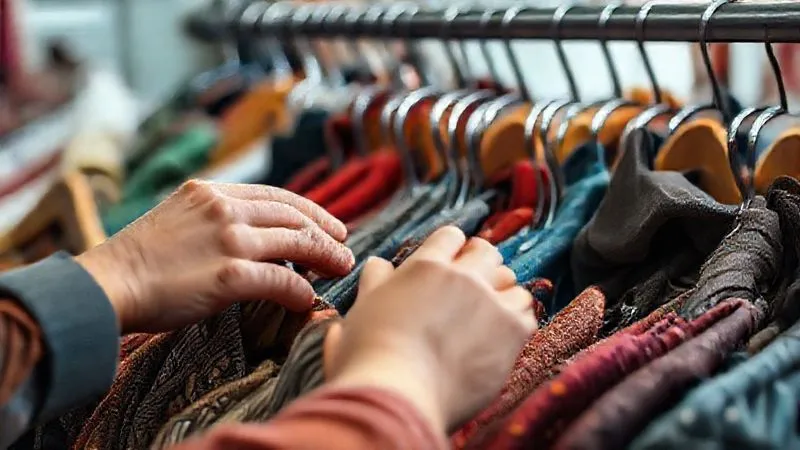
3. Leveraging Digital to Extend Your Reach, Not Dilute Your Brand
The digital realm offers unparalleled opportunities to scale, but it must be approached thoughtfully to maintain authenticity. Simply throwing your inventory onto a generic e-commerce platform without a strategic brand presence is a recipe for dilution. Your online presence should be an extension of your physical store's unique atmosphere.
Think about how to translate the tactile experience of discovering a unique piece into a digital format. This means high-quality photography, detailed descriptions that tell the garment's story, and a website design that mirrors your boutique's aesthetic. Your digital storefront is not just a catalogue; it's another curated experience. Forbes often highlights the power of brand storytelling in the digital age, a crucial lesson for secondhand boutiques.
Digital Strategies for Authentic Growth:
- Invest in Professional Product Photography: High-quality images that capture texture, detail, and the garment's unique character are non-negotiable for online sales. Consider lifestyle shots that evoke your brand's aesthetic.
- Craft Compelling Item Descriptions: Each piece has a story. Share its era, potential history, unique features, and styling suggestions. This humanizes the transaction and adds value.
- Design an Immersive E-commerce Experience: Your website should reflect your physical store's vibe. Use consistent branding, intuitive navigation, and perhaps even virtual styling sessions or curated collections.
- Utilize Social Media for Storytelling: Beyond showcasing products, use platforms like Instagram and TikTok to share behind-the-scenes glimpses of your sourcing, restoration processes, and the stories of your customers.
4. Building a Community, Not Just a Customer Base
Authenticity thrives on connection. As you scale, the challenge is to maintain that intimate, community-driven feel that often characterizes successful local boutiques. This means actively fostering a sense of belonging, rather than simply processing transactions. Your customers aren't just buyers; they're enthusiasts, storytellers, and advocates for sustainable fashion.
Engage your community through workshops, styling events, or even collaborative projects. Encourage user-generated content, where customers share how they style their unique finds. This not only builds loyalty but also reinforces your brand's authentic, community-centric ethos. As marketing guru Seth Godin often says, "People do not buy goods and services. They buy relations, stories, and magic."
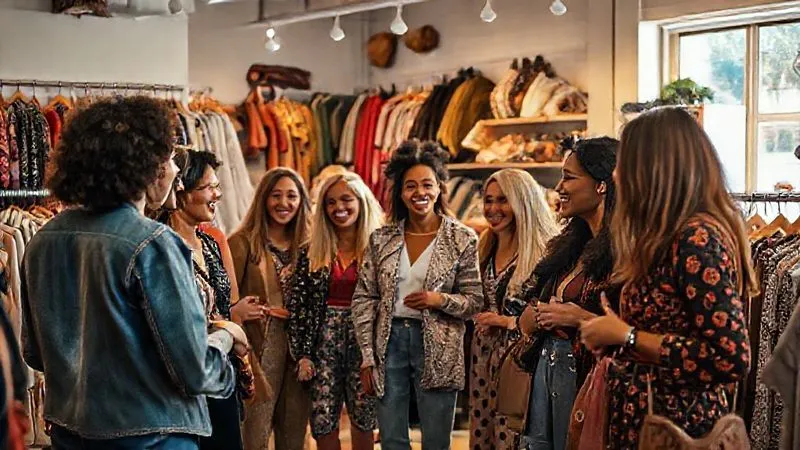
Community-Focused Growth Tactics:
- Host Regular Events: Organize vintage markets, styling workshops, mending circles, or swap meets. These events bring people together and reinforce your brand's values.
- Create a Loyalty Program with a Twist: Beyond discounts, offer exclusive early access to new collections, personalized styling advice, or invitations to members-only events.
- Encourage User-Generated Content: Run contests for best styled outfits, feature customer photos on your social media, and create a branded hashtag for customers to use.
- Collaborate with Local Artists & Businesses: Partner with local artisans for upcycling projects, or with other sustainable businesses for cross-promotional events. This expands your network authentically.
5. Operational Efficiencies Without Losing the Human Touch
Scaling invariably brings increased operational complexity. Without streamlining processes, you risk becoming overwhelmed, leading to errors, delays, and a diluted customer experience. However, the key is to implement efficiencies that support, rather than replace, the human element that defines your authentic brand.
Automate repetitive tasks like inventory management, order processing, and basic customer inquiries, but always ensure there's a clear path for personalized interaction. The goal is to free up your team's time so they can focus on what truly matters: curating, storytelling, and building relationships with customers. The Ellen MacArthur Foundation's work on the circular economy highlights efficiency as crucial for sustainable business models.
Case Study: How 'ReThreaded Finds' Scaled Its Operations
ReThreaded Finds, a small but beloved vintage boutique specializing in 1950s-70s fashion, faced a bottleneck in their manual inventory and consignment tracking. As their online sales grew, managing hundreds of unique pieces and consignor payouts became a full-time, error-prone job for the founder. By implementing a specialized inventory management system designed for unique items and integrating it with their e-commerce platform, they transformed their efficiency. This allowed them to automate price adjustments, track sales in real-time, and generate accurate consignor reports with a click. The result? A 40% reduction in administrative time, allowing the founder and her small team to dedicate more hours to sourcing, styling, and customer engagement, directly enhancing their authentic brand experience.
Implementing Smart Operational Systems:
- Adopt a Specialized Inventory Management System: Look for software designed to handle unique, non-uniform items, allowing for detailed descriptions, condition reports, and seamless integration with your sales channels.
- Standardize Processing Workflows: Create clear, documented procedures for receiving, cleaning, photographing, describing, pricing, and packaging items. This ensures consistency as your team grows.
- Automate Customer Communications: Use email marketing platforms for order confirmations, shipping updates, and follow-up surveys. However, always offer a direct channel for personalized support.
- Outsource Non-Core Activities: Consider outsourcing tasks like professional cleaning, minor repairs, or even specialized photography to free up internal resources for core authenticity-driving activities.
| Process | Before Optimization | After Optimization |
|---|---|---|
| Inventory Tagging | Manual handwritten tags, prone to errors | Barcode system with digital descriptions, real-time updates |
| Consignor Payouts | Manual calculation, monthly delays | Automated system, bi-weekly payments, transparent reports |
| Customer Inquiries | All handled manually, slow response | FAQ chatbot for common queries, human support for complex issues |
| Product Photography | Inconsistent lighting and angles | Standardized photo booth, consistent visual branding |
6. The Art of Storytelling: Every Piece Has a Past
The inherent authenticity of secondhand fashion lies in its history. Each garment carries a narrative, and as an expert, I've observed that the most successful boutiques are master storytellers. As you scale, the challenge is to maintain this narrative richness across a larger inventory and a broader audience. Don't just sell clothes; sell stories, memories, and the promise of a unique future for each piece.
This means going beyond basic product descriptions. Research the era, potential designers, and cultural context of your items. Share anecdotes, styling inspiration, and the sustainable impact of choosing pre-loved. Your storytelling is a powerful tool to connect with customers on an emotional level, reinforcing the unique value of your authentic brand.
Enhancing Your Storytelling:
- Research & Contextualize: For truly special pieces, delve into their history. What era are they from? What trends were prominent then? Who might have worn them?
- Use Rich Visuals: Pair your items with imagery that evokes their era or highlights their unique details. Think mood boards, vintage photographs, or styled flat lays.
- Create 'Story Tags': Attach small, beautifully designed tags to garments in-store and online that share a snippet of their story, care instructions for longevity, and their sustainable impact.
- Feature Customer Stories: Encourage buyers to share their own stories with their new-found treasures. How do they style it? What new memories are they creating?
“In a world of fast fashion, the story is the ultimate differentiator for secondhand. It transforms a garment from a commodity into a treasure, fostering a deeper connection and justifying its value.”
7. Smart Partnerships and Collaborations
Scaling doesn't mean doing it all alone. Strategic partnerships can significantly expand your reach and reinforce your authenticity without compromising your core values. Look for collaborators who share your commitment to sustainability, quality, and unique aesthetics. This could be local artists, complementary businesses, or even influencers who genuinely embody your brand's ethos.
When I advise clients on partnerships, I always emphasize alignment. A collaboration should feel natural and additive, not forced or purely transactional. The right partnership can introduce your brand to new audiences, enhance your offerings, and amplify your message of authentic, sustainable fashion. This is about symbiotic growth, not just cross-promotion.
Identifying Authentic Partnerships:
- Local Artisans & Upcyclers: Partner with creators who can mend, alter, or upcycle pieces from your inventory, adding unique value and promoting local craftsmanship.
- Sustainable Brands & Businesses: Collaborate with ethical jewelry makers, eco-friendly home goods stores, or sustainable beauty brands for joint events or curated collections.
- Community Organizations: Support local charities or environmental groups. This demonstrates your commitment to broader sustainable values and builds community goodwill.
- Micro-Influencers & Stylists: Work with individuals who genuinely love secondhand fashion and have an engaged, authentic following that aligns with your target audience. Avoid purely transactional influencer deals that feel inauthentic.
| Partner Type | Benefit |
|---|---|
| Local Artisans | Adds unique value, promotes local economy, offers repair services |
| Sustainable Brands | Cross-promotion, expands product offering, reinforces eco-values |
| Community Groups | Boosts brand reputation, supports local causes, increases engagement |
| Micro-Influencers | Authentic reach to niche audiences, organic content generation |
Frequently Asked Questions (FAQ)
Question: How can I ensure my team maintains the boutique's authentic aesthetic as we grow and hire new staff? Maintaining a consistent aesthetic across a growing team requires clear guidelines and ongoing training. Start by developing a comprehensive 'Brand Style Guide' that details your boutique's visual identity, preferred eras/styles, quality standards, and even the language used in item descriptions. Conduct regular training sessions, perhaps even 'sourcing trips' or workshops, to immerse new team members in your brand's unique eye. Empower your senior staff to mentor new hires, ensuring the 'eye' for curation is passed down authentically. Regular feedback and team discussions about new arrivals can also help calibrate everyone's understanding of your authentic core.
Question: Is it possible to scale internationally without losing the local charm of my secondhand boutique? Scaling internationally is certainly possible, but it requires a very strategic approach to preserve local charm. Instead of trying to replicate your exact local store globally, focus on translating your brand's authentic core values and aesthetic. This might mean partnering with local curators or small boutiques in target countries who understand the local market while adhering to your brand's quality standards. Your online presence should be globally accessible but localize content and marketing where appropriate. Emphasize the unique, global story of secondhand fashion, celebrating its diversity while maintaining your distinctive brand voice. Think of it as a curated global marketplace under your authentic brand umbrella.
Question: How do I handle increased inventory volume without sacrificing the 'one-of-a-kind' feel? The perception of 'one-of-a-kind' doesn't necessarily diminish with volume if curation remains paramount. The key is to refine your sourcing to maintain uniqueness while increasing quantity. This could involve diversifying sourcing channels, developing a robust network of individual sellers, or even exploring smaller, specialized batches from different suppliers. Crucially, your presentation must continue to highlight the individuality of each piece – detailed photos, unique descriptions, and personalized styling tips. Consider creating smaller, themed collections online and in-store, ensuring that even with more items, the discovery process still feels curated and special.
Question: What are the biggest pitfalls to avoid when trying to scale a secondhand fashion boutique while maintaining authenticity? The biggest pitfalls often stem from a lack of clarity on your authentic core and succumbing to external pressures. Avoid: 1) Compromising on quality or aesthetic for volume, which dilutes your brand; 2) Neglecting customer community in favor of purely transactional growth; 3) Automating customer service to the point where personal connection is lost; 4) Partnering with brands or influencers whose values don't genuinely align with yours; and 5) Failing to empower and train your team to uphold your brand's unique 'eye' and values. Always refer back to your defined authentic core before making significant scaling decisions.
Question: How can technology truly enhance authenticity rather than detract from it in a secondhand business? Technology can be a powerful amplifier of authenticity when used strategically. It allows you to tell stories more effectively through rich media, create immersive online experiences that mirror your physical store, and connect with a wider community. Tools like advanced inventory systems can free up time for your team to focus on curation and customer relationships. AI can help personalize recommendations, making the discovery process more tailored and 'authentic' to individual tastes. The goal is to use technology to enhance the human elements – storytelling, connection, and curation – not to replace them.
Key Takeaways and Final Thoughts
- Define Your Authentic Core: Clearly articulate your brand's non-negotiable values, aesthetic, and unique selling proposition before embarking on any growth strategy.
- Curate Strategically, Not Just More: Scale your sourcing by building robust networks and training your team to maintain your specific quality and style standards.
- Digital as an Extension: Leverage online platforms to extend your brand's unique experience, focusing on rich storytelling and immersive design, not just transactions.
- Community is Key: Actively foster a loyal community through engaging events and personalized interactions, turning customers into brand advocates.
- Smart Efficiencies Support Humanity: Automate repetitive tasks to free up your team for what matters most: curation, storytelling, and customer connection.
- Storytelling is Your Superpower: Emphasize the unique narrative of each garment, connecting with customers on an emotional level.
- Partner for Purpose: Seek collaborations that genuinely align with your values, expanding your reach and reinforcing your authentic mission.
Scaling a secondhand fashion boutique while maintaining authenticity is not a contradiction; it's a strategic imperative. It demands a deep understanding of your brand's soul, a commitment to your values, and the courage to grow thoughtfully. I've seen firsthand how powerful a truly authentic, scaled secondhand business can be – not just for its bottom line, but for its profound impact on the sustainable fashion movement. Embrace these strategies, trust your vision, and continue to tell the beautiful, unique stories that only your boutique can tell. Your journey is not just about selling clothes; it's about shaping a more conscious and stylish future.
Recommended Reading
- 7 Proven Strategies: Solving Smart Fabric Failure in Commercial Laundry Cycles
- The Secret to Preserving Vintage Silk Heirlooms: A Home Guide
- 7 Expert Steps: How to Transform Vintage Jewelry into Unique Modern Designs
- Mastering Stability: 7 Techniques for Extreme Avant-Garde Couture
- Unlock Natural Poses: 7 Secrets to Stop Stiff Fashion Modeling



Your email address will not be published. Required fields are marked *