


How to Prove Ethical Sourcing to Avoid Greenwashing Claims?
For over 15 years in sustainable fashion, I've witnessed a seismic shift in consumer values. What was once a niche concern for a few conscious shoppers has become a mainstream expectation: brands must operate ethically and sustainably. Yet, with this demand comes a significant challenge – the rise of greenwashing, where misleading claims erode trust faster than any marketing campaign can build it.
The problem isn't just about consumer skepticism; it's about the integrity of the entire sustainable fashion movement. Brands that genuinely invest in ethical practices find their efforts diluted by those who merely pay lip service. This creates a “race to the bottom” for credibility, making it incredibly difficult for consumers to discern genuine commitment from slick marketing.
This article isn't just another guide; it’s a definitive framework. I’m going to share the actionable insights and strategies I’ve gleaned from years of navigating complex global supply chains. You’ll learn how to establish verifiable ethical sourcing practices, communicate them authentically, and ultimately, how to prove ethical sourcing to avoid greenwashing claims, building an unshakeable foundation of trust with your audience.
The Greenwashing Gauntlet: Understanding the Challenge
What is Greenwashing and Why is it Rampant?
Greenwashing, at its core, is the act of making unsubstantiated or misleading claims about the environmental benefits of a product, service, or company practice. It's pervasive in fashion because “sustainability” is a broad, often unregulated term. Brands can highlight one small “green” aspect – say, using organic cotton – while overlooking significant ethical or environmental failings elsewhere in their supply chain.
The reasons for its prevalence are multifaceted. Consumers are actively seeking sustainable options, creating a market incentive for brands to appear green. However, genuinely transforming supply chains is expensive and complex, leading some brands to opt for the easier path of deceptive marketing. This is where the challenge of how to prove ethical sourcing to avoid greenwashing claims becomes paramount.
The Cost of Untrustworthy Claims
The fallout from greenwashing is severe. For consumers, it leads to confusion, cynicism, and a loss of faith in the entire sustainable movement. For brands caught greenwashing, the consequences include reputational damage, consumer backlash, legal challenges, and a significant drop in sales. In today’s hyper-connected world, a single exposed greenwashing incident can unravel years of brand building. According to a Deloitte study, consumers are increasingly willing to pay more for sustainable products, but only if they trust the claims.
Pillar 1: Establish Robust Supply Chain Traceability
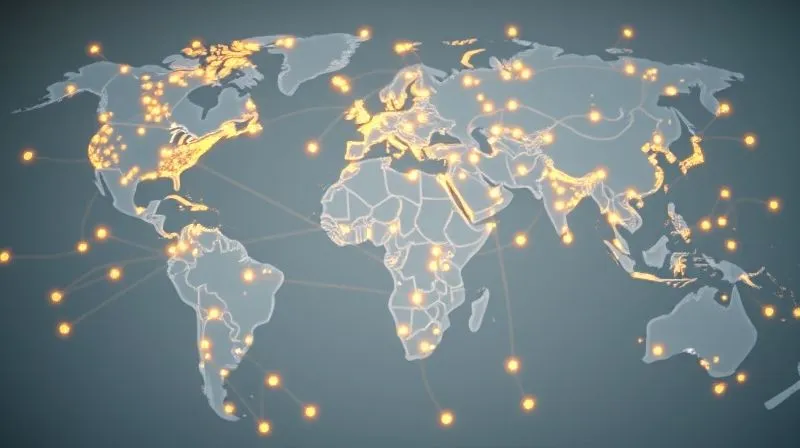
True ethical sourcing begins with knowing your supply chain inside and out. You can't manage what you don't measure, and you can't prove what you can't trace. This isn't just about knowing your Tier 1 suppliers; it's about understanding every link, from the raw material source to the finished garment.
Mapping Your Supply Chain: From Fiber to Finished Product
This process is painstaking but essential. It involves identifying all entities involved: farmers, spinners, weavers, dyers, cut-and-sew facilities, and logistics partners. Each step requires documentation and verification. I often advise brands to start small, perhaps with one product line, and then scale up.
- Identify All Tiers: Go beyond your direct (Tier 1) suppliers. Map Tier 2 (fabric mills), Tier 3 (yarn spinners), and even Tier 4 (raw material producers like cotton farms).
- Gather Documentation: Collect invoices, shipping manifests, production records, and any certifications from each supplier.
- Verify Locations and Contacts: Ensure you have accurate addresses and contact information for all facilities. Physical verification, where possible, adds immense value.
- Assess Risk Hotspots: Once mapped, identify areas prone to ethical or environmental risks, such as regions known for forced labor or high pollution.
Pillar 2: Implement Credible Third-Party Certifications
While internal traceability is crucial, external validation from reputable third-party certification bodies provides an unbiased stamp of approval. These certifications are often recognized industry-wide and give consumers a clear, concise indicator of a brand's commitment.
Navigating the Certification Landscape
Not all certifications are created equal. It's vital to choose those with rigorous standards, transparent processes, and strong auditing mechanisms. Look for certifications that cover specific aspects of ethical sourcing, such as labor practices, environmental impact, or material origin.
- Global Organic Textile Standard (GOTS): For organic fibers, ensuring ecological and social criteria throughout the supply chain.
- Fair Trade Certified: Focuses on fair wages, safe working conditions, and community development.
- OEKO-TEX: Tests for harmful substances in textiles, ensuring product safety.
- Bluesign: A holistic system for sustainable textile production, eliminating harmful substances from the beginning of the manufacturing process.
- B Corp Certification: A comprehensive assessment of a company's social and environmental performance, accountability, and transparency.
| Certification | Focus Area | Key Benefit | Trust Level |
|---|---|---|---|
| GOTS | Organic & Social | End-to-end organic integrity | High |
| Fair Trade | Labor Ethics | Worker empowerment, fair wages | High |
| OEKO-TEX | Product Safety | No harmful chemicals | Medium-High |
| Bluesign | Environmental Production | Resource efficiency, chemical management | High |
| B Corp | Overall ESG | Holistic social & environmental performance | High |
Pillar 3: Conduct Regular & Transparent Audits
Certifications are a good start, but they are often periodic. To truly how to prove ethical sourcing to avoid greenwashing claims, regular, unannounced, and transparent audits are indispensable. These go beyond checking boxes; they involve deep dives into working conditions, environmental practices, and management systems.
Beyond the Checklist: Deep Dive Audits
Effective audits should include interviews with workers (without management present), review of payroll records, safety inspections, and waste management assessments. Transparency means being open about audit findings, including areas for improvement, and demonstrating a clear action plan for remediation.
“An audit is not a punitive measure; it’s a diagnostic tool. Its true value lies in revealing hidden issues and guiding continuous improvement, not just in passing a test.” – This has been my mantra for years in the field.

Pillar 4: Embrace Blockchain and Digital Transparency Tools
Technology offers powerful new avenues for transparency that were unimaginable a decade ago. Blockchain, in particular, provides an immutable, decentralized ledger for tracking products and materials through the supply chain, offering unparalleled levels of verification.
The Power of Immutable Records
Imagine a system where every step of a garment's journey – from farm to factory to store – is recorded and timestamped on a blockchain. This creates a digital fingerprint that is virtually impossible to tamper with, offering consumers and regulators irrefutable proof of origin and ethical adherence. Other digital tools like QR codes on products can link directly to this data, providing instant access to a product’s story.
Case Study: EcoThread's Blockchain Journey
EcoThread, a fictional sustainable apparel brand, faced skepticism regarding its “ethically sourced organic cotton” claims. By implementing a blockchain-based traceability system, they assigned a unique digital ID to each bale of cotton from their partner farms in India. This ID was then tracked through spinning, weaving, dyeing, and garment production. Consumers could scan a QR code on the final product to see the entire journey, including farm-level certifications and worker wage data. This resulted in a 40% increase in consumer trust scores and a significant reduction in customer service inquiries about their sustainability claims, proving their ethical sourcing to avoid greenwashing claims effectively.
Pillar 5: Engage and Empower Your Workers
Ethical sourcing isn't just about environmental impact; it's fundamentally about people. The treatment of workers throughout your supply chain is perhaps the most critical indicator of genuine commitment. Empowered workers are the best advocates for ethical practices.
Beyond Compliance: Fostering a Culture of Ethical Labor
This goes beyond simply paying minimum wage or adhering to basic safety standards. It involves creating environments where workers feel safe, respected, and have a voice. Providing fair living wages, opportunities for skill development, and robust grievance mechanisms are key components.
- Worker Voice Mechanisms: Implement anonymous feedback channels, worker committees, or union representation to ensure workers can raise concerns without fear of reprisal.
- Living Wage Assessments: Go beyond minimum wage to ensure workers are paid a living wage that covers basic needs and allows for discretionary income.
- Capacity Building: Invest in training programs for workers on their rights, health and safety, and skill development.
- Health and Safety Committees: Establish worker-led committees to identify and address workplace hazards proactively.
Pillar 6: Transparently Communicate Your Impact and Challenges
Authentic communication is the antidote to greenwashing. It means being honest about your progress, your challenges, and your future goals. No brand is perfectly sustainable, and trying to appear so is a red flag.
Honesty is the Best Policy: Impact Reporting
Publish detailed, annual sustainability reports that go beyond marketing fluff. These reports should include quantifiable data on environmental metrics (e.g., water usage, carbon emissions, waste diversion) and social metrics (e.g., worker wages, training hours, grievance resolution rates). Be transparent about where you're falling short and what steps you're taking to improve.

Consider using established frameworks like the Global Reporting Initiative (GRI) standards to structure your reports, which adds another layer of credibility.
Pillar 7: Cultivate Long-Term Supplier Relationships
Ethical sourcing is a journey, not a destination, and it's a journey best undertaken with trusted partners. Short-term, transactional relationships with suppliers often incentivize cost-cutting at the expense of ethical practices. Long-term partnerships foster mutual trust, shared goals, and a collaborative approach to sustainability.
Partnership Over Transaction: Building Trust
When you view your suppliers as extensions of your own team, you invest in their capabilities, share knowledge, and work together to solve challenges. This includes providing stable order volumes, fair payment terms, and technical support to help them improve their social and environmental performance. As Harvard Business Review often highlights, strong supplier relationships are foundational to supply chain resilience and ethical integrity.
Measuring Progress: Key Performance Indicators for Ethical Sourcing
To genuinely avoid greenwashing, you must be able to measure and demonstrate progress. Establishing clear Key Performance Indicators (KPIs) for your ethical sourcing initiatives is crucial. These aren't just for internal tracking; they form the basis of your external communication.
KPIs for Social and Environmental Performance
I recommend a balanced scorecard approach, covering both social and environmental aspects. This allows for a holistic view of your impact and helps you identify areas needing more attention. Regularly tracking and reporting on these KPIs is how to prove ethical sourcing to avoid greenwashing claims to your stakeholders.
| Category | KPI | Measurement | Target |
|---|---|---|---|
| Social | Living Wage Gap | Percentage difference from local living wage benchmark | 0% |
| Social | Worker Grievance Resolution Rate | % of grievances resolved within 30 days | >95% |
| Social | Training Hours Per Worker (Ethics/Safety) | Average hours per worker annually | >8 hours |
| Environmental | Water Consumption Per Unit (Product) | Liters/kg of fabric or per garment | -20% by 2025 |
| Environmental | Carbon Emissions (Scope 1 & 2) | Tons CO2e | -30% by 2030 |
| Environmental | Waste Diversion Rate | % of production waste recycled/reused | >80% |

For more detailed insights on ethical practices and consumer expectations, resources like Ethical Consumer are invaluable.
Frequently Asked Questions (FAQ)
Q: How can small brands compete with larger corporations in proving ethical sourcing without massive budgets? A: Small brands actually have an advantage in agility and direct relationships. Focus on deep traceability for a select few products, prioritize one or two highly relevant certifications, and leverage storytelling with authentic, behind-the-scenes content. Niche certifications, local sourcing, and community-based verification can be more affordable and equally credible. Transparency doesn't always require a huge budget; it requires commitment.
Q: What if my suppliers are resistant to sharing detailed supply chain information? A: This is a common hurdle. Start by building trust and demonstrating the mutual benefits. Explain how transparency can enhance their reputation, attract more business, and streamline their own operations. Offer support, perhaps even joint training. Frame it as a partnership for improvement, not an interrogation. If resistance persists, it might be a red flag indicating deeper issues, and you may need to reconsider the relationship in the long term.
Q: Is it possible to be 100% ethically sourced, or is that an unrealistic goal? A: In my experience, aiming for 100% perfection can be paralyzing. The goal should be continuous improvement and radical transparency about the journey. Acknowledge the complexities and challenges. Consumers appreciate honesty about imperfections far more than false claims of absolute purity. Focus on verifiable progress and a clear commitment to addressing issues as they arise.
Q: How do I communicate my ethical sourcing efforts to consumers without sounding preachy or defensive? A: Storytelling is key. Instead of listing facts, share the human stories behind your products – the farmers, the artisans, the positive impact. Use visuals, videos, and interactive content. Be authentic, humble, and educational. Frame it as inviting consumers into your journey, rather than lecturing them. Highlight the 'why' behind your efforts, not just the 'what'.
Q: What's the biggest mistake brands make when trying to prove ethical sourcing? A: The biggest mistake is focusing solely on marketing claims without doing the foundational work. Many brands rush to label themselves “sustainable” without investing in robust traceability, audits, or genuine worker empowerment. This creates a fragile facade that inevitably crumbles under scrutiny. True ethical sourcing must be embedded in your operations, not just your advertising.
Key Takeaways and Final Thoughts
Navigating the complex landscape of ethical sourcing and greenwashing requires more than good intentions; it demands rigorous systems, unwavering transparency, and a commitment to continuous improvement. As an industry specialist, I've seen firsthand that the brands that thrive are those that embed ethics into their very DNA.
- Traceability is Non-Negotiable: Know your entire supply chain, from raw material to finished product.
- Validate with Third Parties: Leverage credible certifications to build external trust.
- Audit Relentlessly: Go beyond checklists with deep, transparent, and regular audits.
- Embrace Technology: Utilize blockchain and digital tools for irrefutable proof.
- Empower Your People: Invest in fair labor practices and worker well-being.
- Communicate Authentically: Be honest about progress and challenges in your reporting.
- Build Partnerships: Cultivate long-term, collaborative relationships with suppliers.
The imperative to prove ethical sourcing to avoid greenwashing claims is not just a regulatory or consumer demand; it's an opportunity to build a more resilient, equitable, and sustainable fashion industry. By adopting these pillars, you’re not just protecting your brand; you’re contributing to a better future for everyone involved. For further inspiration and resources, explore initiatives like Fashion Revolution and the UN Global Compact.
Recommended Reading
- 5 Causes & Cures: Under-Breast Rash from Sports Bras in Humid Gyms
- 7 Proven Ways to Stop Pilling in High-Stretch Yoga Apparel Effectively
- Scaling Vintage: 7 Strategies to Preserve Authenticity & Grow Your Brand
- 5 Proven Steps: Eliminate Daily Outfit Decisions for Busy Professionals
- Unlocking the Secret: How Fashion Jewelry Trends Shape Design




Your email address will not be published. Required fields are marked *