

How to scale a vintage clothing business without losing authenticity?
For over two decades in the vintage fashion industry, I've had the privilege of witnessing countless businesses blossom from a passion project into a thriving enterprise. Yet, I've also seen a recurring challenge: the delicate balance between expanding operations and preserving the very essence that makes a vintage brand unique and beloved. It's a tightrope walk where one misstep can lead to a loss of identity, diluting what customers initially fell in love with.
The tension between growth and authenticity is a common dilemma, particularly in a niche built on rarity, history, and individuality. Many entrepreneurs fear that scaling will inevitably mean compromising on quality, resorting to mass sourcing, or losing the personal touch that defines their brand. This apprehension often paralyzes businesses, preventing them from reaching their full potential and sharing their unique finds with a wider audience.
In this definitive guide, I'll share the frameworks, strategies, and hard-earned wisdom I've gathered from years in the trenches. My goal is to equip you with actionable insights, expert perspectives, and real-world examples that demonstrate precisely how to scale a vintage clothing business without losing authenticity. We'll explore how to grow your reach, optimize your operations, and build a resilient brand that honors its roots while embracing a vibrant future.
The Authenticity Blueprint: Defining Your Non-Negotiables
Before you even think about scaling, you must first define what 'authenticity' truly means for your brand. In my experience, this isn't a vague feeling; it's a concrete set of principles that guides every decision. Without a clear blueprint, you risk drifting off course as external pressures or opportunities arise.
Crafting Your Core Values Statement
Start by articulating your core values. Are you about historical accuracy, sustainable fashion, democratic access to vintage, or a specific aesthetic? These values should be your compass. For example, if 'meticulous restoration' is a core value, then even as you grow, every piece must undergo your defined restoration process, no exceptions.
"Authenticity in vintage isn't merely about age; it's about the verifiable story, the craftsmanship, and the ethical journey of each garment. Define these non-negotiables early, and they will serve as your brand's unwavering foundation."
Consider what makes your brand's vintage offering unique. Is it the rarity of the pieces, the specific eras you specialize in, or perhaps your commitment to detailed provenance? Document these elements. This isn't just an internal exercise; it's a promise to your customers. Your authenticity blueprint becomes the lens through which all scaling decisions are made, ensuring that growth reinforces, rather than erodes, your identity.
- Identify Your Brand's 'Soul': What specific elements make your vintage business truly unique?
- Document Your Standards: Create clear, written guidelines for sourcing, quality control, and customer experience.
- Communicate Internally: Ensure every team member understands and embodies these core authentic values.
- Articulate Externally: Weave your authenticity blueprint into your marketing and brand story.
Mastering Ethical Sourcing: Growth Without Compromise
One of the biggest anxieties about scaling a vintage business is maintaining ethical and authentic sourcing practices. The temptation to buy in bulk from less reputable channels can be strong, but it's a slippery slope. My advice? Diversify your sourcing intelligently and build strong, trust-based relationships.
Diversifying Sourcing Channels Beyond Flea Markets
While local flea markets and estate sales are charming, they rarely offer the volume needed for significant scaling. You need to expand your network without sacrificing quality or provenance. This means exploring a wider array of channels, each with its own considerations for authenticity.
- Cultivate Private Collectors & Dealers: Build relationships with individuals who have extensive, well-documented collections. They often prefer to sell to someone who appreciates the history of the pieces.
- Engage with Consignment Networks: Partner with high-end consignment stores or online platforms that specialize in designer or curated vintage. Ensure their authenticity verification processes align with yours.
- Attend Specialized Auctions: Look for auctions focused on vintage textiles, historical garments, or specific fashion eras. These often yield rare and highly authentic pieces.
- International Scouting (Strategic): If your brand has a global appeal, consider partnering with trusted scouts or small businesses in other countries. This expands your reach for unique finds but requires rigorous vetting.
- Textile Recycling & Upcycling Hubs (with caution): Some textile recycling centers might have hidden gems, but this requires more intensive sorting and authentication processes. Only pursue if you have robust internal capacity.
The principles of the circular economy, championed by organizations like the Ellen MacArthur Foundation, are intrinsically aligned with the vintage business model, emphasizing longevity and resource efficiency. Ethical sourcing ensures your growth is not just profitable but also responsible.
| Sourcing Channel | Pros | Cons |
|---|---|---|
| Local Flea Markets | Unique finds, low cost, personal connection | Inconsistent supply, time-consuming, limited volume |
| Online Auctions/Wholesalers | Volume potential, wider reach, efficiency | Authenticity checks paramount, higher competition, less personal story |
| Estate Sales/Private Collections | Curated lots, high value, rich provenance | Limited access, specialist knowledge required, often competitive |
| Consignment Partnerships | Access to high-quality, pre-vetted items, shared risk | Revenue sharing, potential for brand misalignment if not chosen carefully |
According to a recent report by McKinsey & Company on the State of Fashion, consumers are increasingly prioritizing ethical sourcing and transparency. This makes a well-defined sourcing strategy not just an ethical choice, but a critical component of market competitiveness and brand trust as you scale.
Curatorial Excellence at Scale: Maintaining Quality Standards
Scaling often brings the fear of sacrificing quality for quantity. However, in the vintage world, quality is non-negotiable. Your reputation hinges on the integrity of every piece you sell. My strategy for maintaining curatorial excellence is to standardize your quality control without stifling the unique charm of vintage.
Developing a Robust Quality Control Protocol
As you grow, you can't personally inspect every single item. This is where a documented, multi-stage quality control (QC) protocol becomes indispensable. It allows you to delegate while ensuring consistency. This protocol should cover everything from initial intake to final packaging.
- Initial Assessment: Upon arrival, each piece gets a preliminary check for major flaws, authenticity markers (labels, construction), and era verification.
- Detailed Inspection: A more thorough examination by a trained specialist, looking for fabric integrity, seam strength, zipper function, button security, and any minor imperfections.
- Cleaning & Restoration Standards: Define your cleaning methods (dry cleaning, hand wash, spot treatment) and your restoration philosophy (e.g., invisible mending, visible repair as a design element).
- Photography & Description Guidelines: Ensure product photos accurately represent the item's condition, and descriptions are detailed, honest, and highlight both features and any charming flaws.
- Final Review: A quick check before shipping to ensure the item matches its description and meets all standards.
Case Study: 'Timeless Threads' Quality Journey
Timeless Threads, a burgeoning online vintage boutique, initially struggled with inconsistent quality as they scaled their sourcing. Their founder, Anya, noticed a rise in returns and negative reviews, impacting their reputation. By implementing a rigorous 5-point inspection protocol—examining fabric integrity, seam strength, stain assessment, repair necessity, and historical accuracy—and training her growing team extensively, they transformed their quality assurance. This led to a 40% reduction in returns within six months and a significant boost in customer loyalty, proving that quality control isn't a bottleneck but a growth enabler. This meticulous approach allowed them to expand their inventory without compromising the brand's core promise of exceptional vintage.
Your QC protocol should be a living document, updated as you learn and grow. It's about empowering your team to uphold your standards, turning quality control into a shared responsibility rather than a single bottleneck. This commitment to excellence will differentiate you in a crowded market and solidify customer trust.

Building a Brand Story that Resonates and Grows
In the vintage world, every item has a story. Your brand's story is the overarching narrative that connects these individual pieces and deeply resonates with your audience. As you scale, it's crucial that this narrative strengthens, rather than gets diluted. It's how you communicate your authenticity beyond just the garments themselves.
Leveraging Digital Storytelling and Community Engagement
Your brand story isn't just about what you sell; it's about why you sell it, your passion, and the values you uphold. Digital platforms offer incredible opportunities to share this story authentically with a wider audience.
"Authenticity isn't about perfection; it's about transparency and consistency in your narrative. Tell the story of your finds, your ethics, and your passion, and your community will grow with you."
- Behind-the-Scenes Content: Share glimpses of your sourcing trips, restoration processes, and team's expertise. This builds trust and shows the human element.
- Highlight Individual Pieces: Go beyond a basic product description. Tell the story of a particularly rare find, its era, its potential previous life, and its unique characteristics.
- Customer Spotlights: Feature customers wearing your vintage pieces, sharing their own stories and how they integrate vintage into their modern wardrobe. This fosters community and relatability.
- Educational Content: Create blog posts or social media series about vintage fashion history, fabric care for older garments, or sustainable style. Position yourself as an expert and educator.
As marketing guru Seth Godin often says, "People don't buy goods and services. They buy relations, stories, and magic." Your vintage business thrives on stories. By consistently and compellingly sharing your unique narrative, you not only attract new customers but also deepen the loyalty of your existing ones, turning them into brand advocates. This organic word-of-mouth is invaluable for scaling authentically.
Strategic Inventory Management: Scaling Smart, Not Just Big
Managing inventory for a vintage clothing business is inherently complex because each item is unique. Scaling means potentially managing hundreds or thousands of one-of-a-kind pieces. Without a robust system, you risk disorganization, lost items, and a fragmented customer experience. The key is to implement advanced systems that respect the individuality of each garment.
Implementing Advanced Inventory Systems
Move beyond spreadsheets. Modern inventory management software, tailored or adaptable for unique items, is crucial. It allows you to track, categorize, and manage your stock efficiently, freeing up your time for curation and customer engagement.
- Unique Item Identification: Assign a unique SKU or ID to every single piece, not just by category. This allows for precise tracking and prevents overselling.
- Detailed Item Records: For each ID, store comprehensive information: era, size, measurements, fabric composition, condition notes, restoration history, purchase price, selling price, and high-resolution photos.
- Location Tracking: As your stock grows, know exactly where each item is stored – whether in a warehouse, on a showroom floor, or at an off-site event.
- Integration with E-commerce: Ensure your inventory system seamlessly integrates with your online store to update stock levels in real-time, preventing frustrating customer experiences.
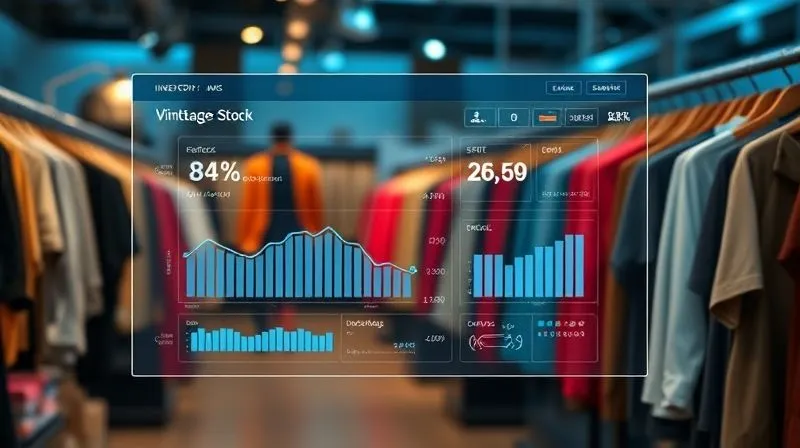
- Reporting & Analytics: Use data to understand which eras, styles, or price points are selling fastest. This informs your sourcing strategy and helps you scale effectively.
| System Feature | Benefit for Vintage |
|---|---|
| Unique Item Tagging & Tracking | Assigns individual ID to each piece, prevents duplication, tracks condition changes over time, preserves individual story |
| Detailed Item Attributes | Records specific measurements, fabric, era, provenance, and condition for accurate listings and customer inquiries |
| Multi-Channel Sync | Real-time inventory updates across online store, physical boutique, and pop-ups, preventing overselling |
| Sales & Sourcing Analytics | Identifies best-selling categories, informs strategic sourcing, optimizes pricing for unique items |
By investing in the right inventory management system, you transform what could be a chaotic bottleneck into a streamlined asset. This allows you to grow your stock with confidence, ensuring that the unique story and details of each vintage garment are preserved and accessible, both to your team and your customers.
Empowering Your Team: The Custodians of Authenticity
As your business grows, you'll inevitably need to bring on more hands. These new team members aren't just employees; they are the custodians of your brand's authenticity. Their knowledge, passion, and understanding of vintage are critical to maintaining your unique identity. Neglecting team training is a surefire way to lose your authentic edge.
Training for Vintage Expertise and Brand Ethos
I've always advocated for comprehensive training that goes beyond basic retail skills. Your team needs to be immersed in the world of vintage and deeply understand your brand's specific ethos.
- Curate a Comprehensive Training Manual: Develop a detailed guide covering fabric identification (e.g., distinguishing rayon from silk), era-specific styles and silhouettes, common vintage repair techniques, and your brand's unique sourcing ethics and quality standards.
- Hands-On Workshops: Organize regular sessions where team members can handle, inspect, and discuss various vintage pieces. This fosters a deeper understanding and appreciation for the nuances of different eras and construction methods.
- Mentorship Programs: Pair new hires with seasoned vintage experts within your team. This informal knowledge transfer is invaluable for passing on nuanced expertise, from spotting rare labels to understanding care instructions for delicate fabrics.
- Customer Interaction Scenarios: Train staff on how to articulate the story behind each piece, its historical context, and why certain imperfections contribute to its charm, not detract from it. They should be able to answer detailed questions about provenance and care.
- Incentivize Knowledge Acquisition: Reward employees who demonstrate exceptional vintage knowledge, contribute innovative ideas for preserving authenticity, or excel in customer education. This encourages continuous learning and engagement.
Your team should be able to speak confidently and passionately about your vintage collection. They are your frontline authenticators and storytellers. Investing in their education and fostering a shared passion for vintage will ensure that every customer interaction, regardless of who handles it, reinforces your brand's commitment to authenticity. This collective expertise is a powerful asset for scaling while staying true to your roots.
Tech Integration for Seamless Growth: When to Automate, When to Stay Manual
Technology is a double-edged sword for vintage businesses. It can streamline operations and extend your reach exponentially, but it can also depersonalize your brand if not used thoughtfully. The key is strategic integration: automate tasks that are repetitive and mundane, freeing up human talent for the areas where authenticity truly matters.
Choosing the Right E-commerce Platform and Tools
Your tech stack should support your unique business model, not force you into a generic mold. This means selecting platforms and tools that offer flexibility and allow for detailed customization, especially for showcasing one-of-a-kind items.
- E-commerce Platform: Choose a platform (like Shopify, WooCommerce, or Etsy for specific niches) that allows for rich product descriptions, multiple high-quality images, and custom fields to highlight vintage-specific attributes.
- Customer Relationship Management (CRM): Implement a CRM to track customer preferences, purchase history, and interactions. This allows for personalized communication and targeted recommendations, maintaining a personal touch even with a larger customer base.
- Social Media Management Tools: Use tools to schedule posts, analyze engagement, and manage conversations across platforms. This helps you maintain a consistent and engaging online presence without consuming all your time.
- Shipping & Fulfillment Software: Automate shipping label generation, tracking, and carrier selection. This is a prime area for efficiency gains, allowing your team to focus on careful packaging and personalized notes.
For instance, while a sophisticated POS system can track sales efficiently, the personal touch of a handwritten thank-you note or a detailed garment description crafted by a human expert remains irreplaceable. It's about finding that sweet spot, which, according to a Harvard Business Review article on the human side of digital transformation, is crucial for sustainable innovation. Use technology to enhance the customer experience and operational efficiency, but always preserve the human element where it truly adds value and reinforces your brand's unique, authentic personality.
Community Building: Your Authentic Growth Engine
In the vintage fashion world, your customers are often more than just buyers; they're enthusiasts, collectors, and advocates. Building a strong, engaged community around your brand is one of the most powerful and authentic ways to scale. This community provides invaluable feedback, organic marketing, and a sense of belonging that transcends transactional relationships.
Fostering a Loyal Customer Base and Brand Advocates
Authentic growth often comes from within your existing customer base. Nurture these relationships, and they will become your most effective growth engine.
- Host Virtual & In-Person Events: Organize online styling sessions, vintage history talks, or local pop-up markets. These events create opportunities for direct engagement and shared experiences.
- Create Exclusive Content: Offer your community members early access to new drops, behind-the-scenes content, or special discounts. This fosters a sense of exclusivity and appreciation.
- Encourage User-Generated Content: Invite customers to share photos of themselves wearing your vintage pieces using a specific hashtag. Feature their content on your channels, celebrating their style and loyalty.
- Build a Loyalty Program: Reward repeat customers with points, special perks, or personalized recommendations. Ensure the program feels authentic to your brand, not just a generic discount scheme.
- Listen and Respond: Actively engage with comments, messages, and feedback across all platforms. Show that you value their input and are responsive to their needs.
A thriving community not only provides a stable customer base but also becomes a powerful engine for organic growth. When customers feel connected to your brand and its values, they become your most enthusiastic marketers, spreading the word about your authentic finds and exceptional service. This word-of-mouth marketing is invaluable for scaling authentically, as it carries a weight of trust that paid advertising simply cannot replicate.
Frequently Asked Questions (FAQ)
How do I maintain consistent quality when sourcing from various individual sellers? Maintaining consistent quality requires a multi-pronged approach. I always advise establishing a clear, documented quality standard checklist for every item. This includes specific criteria for fabric condition, seam integrity, presence of stains or damage, and historical accuracy. Train your sourcing team or even provide this checklist to individual sellers as a guide. Implement a two-tier inspection process: an initial assessment upon receipt and a final, detailed inspection before listing. Building long-term relationships with trusted sellers who understand your standards is also key to ensuring a reliable supply of high-quality, authentic pieces.
Is it possible to scale internationally without diluting my brand's local essence? Absolutely, but it requires strategic planning. The key is to understand that 'local essence' can be a strong global selling point. Instead of diluting it, aim to *translate* and *celebrate* it. This could mean highlighting the specific regional history or craftsmanship of your pieces in your marketing. For logistics, partner with reliable international shipping services. For marketing, understand cultural nuances in your target international markets and adapt your storytelling without changing your core brand values. Consider pop-up shops or collaborations in new territories to test the waters and gather local insights before a full-scale launch, ensuring your expansion is respectful and authentic.
What role does technology play in maintaining authenticity for a vintage business? Technology is a powerful enabler, not a threat, to authenticity. It helps streamline operations that might otherwise consume time you'd rather spend on curation. For instance, advanced inventory management systems can track each unique vintage piece with detailed descriptions and photos, maintaining its individual story. E-commerce platforms with robust tagging allow customers to filter by era, style, or material, enhancing their authentic shopping experience. Social media tools help you share compelling stories and connect with your community directly. The trick is to use technology to *support* your authentic mission, allowing you to scale operations while preserving precious time for the human touch of curation, storytelling, and customer engagement.
How can I educate my customers about the value of authentic vintage to justify pricing? Education is paramount. I've found that transparency and storytelling are your best allies. On your product pages, provide detailed descriptions that include the garment's era, its unique history, fabric composition, and any restoration efforts. Use high-quality photography that highlights both its beauty and any charming imperfections. Create blog content or social media posts that delve into vintage fashion history, the quality of old-world craftsmanship, and the environmental benefits of circular fashion. Host workshops or virtual events where you discuss these topics. When customers understand the intrinsic value, craftsmanship, and sustainability aspect, they'll appreciate and pay for the authenticity, transforming from shoppers into educated collectors.
What are the biggest pitfalls to avoid when trying to scale a vintage clothing business? The biggest pitfall I've observed is losing sight of your 'why' – your core passion for vintage. This often manifests as compromising on quality for volume, neglecting your unique brand story, or failing to invest in your team's expertise. Another common mistake is over-automating customer interaction, stripping away the personal touch that vintage buyers cherish. Lastly, underestimating the complexity of inventory management for one-of-a-kind items can lead to significant operational headaches, impacting efficiency and customer satisfaction. Remember, scaling isn't about becoming a fast-fashion giant; it's about growing your unique niche thoughtfully and sustainably, always prioritizing authenticity over sheer size.
Recommended Reading
- The Ultimate Guide: How to Pick a Perfume That Lasts All Day on Your Skin
- Why Couture Costs Millions: 7 Pillars Justifying Extreme Prices
- 5 Secrets: Seamlessly Integrate Smart Textiles into High-Fashion Garments?
- 7 Proven Ways: Build Buyer Trust for Authentic 1920s Vintage Pieces
- Unlock the Secret: How to Style Oversized Sweaters Without Looking Frumpy?
Main Points and Final Considerations
- Define Your Authenticity Blueprint: Clearly articulate your brand's non-negotiable values and standards from the outset to serve as your guiding compass.
- Master Ethical Sourcing & Quality Control: Develop robust, diversified systems for acquiring and inspecting every piece, ensuring consistent quality and verifiable provenance.
- Cultivate Your Brand Story: Leverage digital and personal storytelling to connect deeply with your audience, articulating your unique value and the rich history behind your garments.
- Implement Smart Inventory Management: Utilize advanced technology to track unique items efficiently, preserving their individual narratives while optimizing operations.
- Empower Your Team: Invest significantly in training your staff to become true vintage experts and passionate advocates for your brand's authentic ethos.
- Strategically Integrate Technology: Use tools to streamline operations and extend your reach, freeing up time for curation and customer engagement, rather than replacing them.
- Build a Strong Community: Foster a loyal customer base that champions your brand, providing invaluable feedback and acting as your most powerful authentic growth engine.
Scaling a vintage clothing business without losing authenticity is not just possible; it's the only sustainable path to long-term success and enduring brand loyalty. It requires intention, dedication, and a deep understanding of your brand's soul. As you embark on this journey, remember that growth doesn't have to mean compromise. With these strategies, you can expand your reach, delight more customers, and solidify your legacy as a beacon of authentic vintage fashion. Your passion for the past can indeed build a thriving, authentic future.


Your email address will not be published. Required fields are marked *