


What causes chronic under-breast rash from sports bras in humid gyms?
For over two decades, I've dedicated my career to understanding activewear and its profound impact on athletic performance and, crucially, skin health. I've seen countless athletes, from beginners to seasoned pros, grapple with a silent, persistent adversary: chronic under-breast rash. It's a problem that often goes unaddressed, dismissed as 'just sweat,' but the truth is, it can significantly hinder comfort, confidence, and consistency in your fitness routine.
This isn't merely an uncomfortable annoyance; it's a complex dermatological challenge exacerbated by the very environment designed for fitness – the humid gym. The combination of intense physical activity, restrictive clothing, and a warm, moist atmosphere creates a perfect storm for various skin irritations, with the under-breast area being particularly vulnerable.
In this definitive guide, I'll draw upon my extensive experience in the fashion and activewear industry to dissect the root causes of chronic under-breast rash. You'll gain not just theoretical knowledge, but actionable strategies, informed by real-world insights and the latest understanding of skin science, to finally achieve lasting relief and reclaim your workout comfort.
The Humid Gym Environment: A Perfect Storm for Skin Issues
The moment you step into a humid gym, your body's natural cooling mechanisms kick into high gear. Sweat production increases, and in an environment where the air is already saturated with moisture, that sweat struggles to evaporate efficiently. This creates a perpetually damp microclimate on your skin, especially in areas where skin folds meet, like under the breasts.
Understanding Intertrigo: The Medical Term for Your Rash
The most common culprit behind under-breast rash in humid environments is a condition called intertrigo. In my experience, many people suffer from this without ever knowing its proper name. Intertrigo is an inflammatory skin condition that occurs in skin folds where two skin surfaces rub together, leading to friction, heat, and moisture accumulation. This irritation can manifest as redness, itching, stinging, and even peeling or cracking of the skin.
The constant dampness and warmth create an ideal breeding ground for opportunistic microorganisms. What might start as simple chafing can quickly escalate into a secondary infection, often fungal (like yeast, Candida) or bacterial, making the rash more severe and persistent. This is why understanding the initial triggers is so vital for effective prevention and treatment.
The Role of Friction and Heat
Beyond moisture, friction is a primary mechanical cause of under-breast rash. As you move during exercise, your sports bra and breast tissue rub against the sensitive skin underneath. In a humid, sweaty environment, this friction is amplified, leading to micro-abrasions and a breakdown of the skin's protective barrier. This makes the skin more susceptible to irritation and infection.
Heat further exacerbates the problem by promoting increased sweat production and creating a warm, enclosed space. This constant warmth, combined with moisture and friction, compromises the skin's natural defenses, leading to the chronic inflammation that defines a persistent rash.
Expert Insight: "Moisture is the enemy of healthy skin in skin folds. It not only softens the skin, making it more prone to friction damage, but also provides the perfect incubator for microbial growth. Controlling moisture is paramount."
Sports Bra Design Flaws: When 'Support' Becomes 'Suffocation'
While sports bras are essential for support, their design can inadvertently contribute to under-breast rash if not chosen carefully. I've spent years analyzing fabric technologies and garment construction, and I can tell you, not all sports bras are created equal when it comes to skin health.
Material Matters: Why Cotton is Your Enemy, Not Your Friend
Many assume natural fibers like cotton are best for skin. However, in high-intensity, humid environments, cotton is perhaps the worst choice for activewear. Cotton absorbs moisture readily but dries very slowly. Once saturated with sweat, a cotton-rich sports bra becomes a heavy, damp, abrasive cloth clinging to your skin, trapping heat and creating an ideal environment for rash development.
Instead, look for advanced synthetic blends specifically engineered for activewear. These typically include polyester, nylon, and spandex, often treated with moisture-wicking technologies. These fabrics draw sweat away from your skin to the fabric's outer surface, where it can evaporate more quickly, keeping you drier and reducing the risk of irritation.
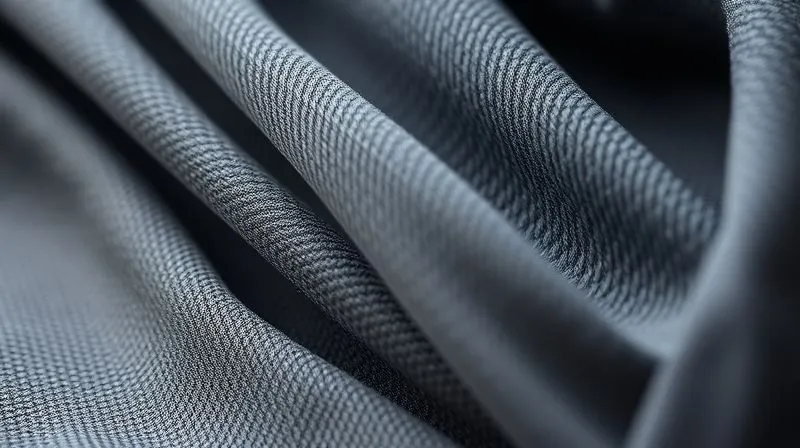
- Moisture-Wicking: Actively pulls sweat away from the skin.
- Quick-Drying: Evaporates moisture rapidly, preventing dampness.
- Breathable: Allows air circulation to help regulate temperature.
- Smooth Seams: Minimizes friction and chafing points.
Fit Failures: The Hidden Dangers of Ill-Fitting Bras
An improperly fitted sports bra is a significant, yet often overlooked, contributor to under-breast rash. A bra that is too tight can create excessive pressure and friction, digging into the skin and preventing proper airflow. Conversely, a bra that is too loose allows for excessive movement and rubbing, leading to chafing.
The band of the sports bra, in particular, needs to fit snugly but not restrictively. If the band rides up or bunches, it can create hot spots and areas of increased friction and moisture. Straps that are too tight can also pull the bra into the skin, exacerbating the problem. A well-fitting sports bra should provide ample support without compressing the skin or creating deep indentations.
Microbial Mayhem: Fungi, Bacteria, and Your Skin Microbiome
As an industry specialist, I've learned that understanding the microscopic world living on our skin is key to addressing chronic skin issues. The under-breast area, especially when damp and warm, becomes a hospitable environment for various microorganisms, leading to secondary infections that complicate simple irritation.
Yeast Infections (Candida) Under the Breast
The most common secondary infection associated with intertrigo is candidiasis, a yeast infection caused by the fungus Candida albicans. This fungus thrives in warm, moist, dark environments, making the under-breast area in a humid gym its preferred habitat. A Candida rash typically presents as intensely red, itchy, sometimes burning patches with distinct scalloped borders and satellite lesions (smaller red spots) around the main rash.
If your rash has these characteristics and is not responding to basic hygiene measures, a fungal infection is highly probable. Over-the-counter antifungal creams containing ingredients like clotrimazole or miconazole can often be effective, but persistent cases may require a doctor's visit.

Bacterial Overgrowth: A Less Common but Stubborn Culprit
While less frequent than fungal infections, bacterial overgrowth can also occur, particularly with bacteria like Staphylococcus aureus or Streptococcus species. A bacterial rash might appear more pustular, weeping, or crusted, and can sometimes be accompanied by a foul odor. Unlike fungal infections, bacterial rashes usually require topical or oral antibiotics prescribed by a healthcare professional.
Understanding the difference is crucial because treating a fungal infection with antibiotics (or vice versa) can actually worsen the problem by disrupting the natural skin microbiome further. For more in-depth information on intertrigo and its causes, I often refer to reliable medical resources like the American Academy of Dermatology Association.
Personal Hygiene Habits: Unseen Contributors to Chronic Irritation
Even with the perfect bra and understanding of microbial factors, your daily habits play a monumental role in preventing or perpetuating under-breast rash. These are often the easiest, yet most overlooked, areas for improvement.
Post-Workout Protocol: The Critical Window
The moments immediately following your workout are critical. Leaving sweaty activewear on for extended periods is a direct invitation for rash development. The longer your skin is exposed to moisture, heat, and trapped microbes, the higher the risk. I've seen this mistake countless times, and it's a primary driver of chronic irritation.
Your goal should be to remove wet clothing and cleanse the affected area as soon as possible. A quick shower, even if it's just a rinse of the torso, followed by thorough drying, can make a world of difference. If a shower isn't immediately possible, changing into dry, clean clothes and using a clean, soft towel or a gentle, alcohol-free wipe to clean and dry the under-breast area is a good interim step.
Laundry Habits: Are You Washing Your Bras Correctly?
It's not just about what you wear, but how you care for it. Sports bras, especially those made from synthetic materials, require specific washing routines to remain effective and hygienic. Improper washing can leave behind sweat, skin cells, and microbial residues, which can then be transferred back to your skin during your next workout.
Using harsh detergents, excessive fabric softener, or washing with hot water can also degrade the moisture-wicking properties of your bra, making it less effective. Conversely, not washing frequently enough or at a high enough temperature (when appropriate for the fabric) can allow bacteria and fungi to proliferate on the garment itself. Always follow the care instructions on the bra's label, but generally, a gentle cycle with a sports-specific detergent and air drying is best.
Expert Insight: "Think of your post-workout routine as an extension of your workout itself. Just as you cool down your muscles, you need to cool down and cleanse your skin. Procrastination here directly feeds the rash cycle."
Beyond the Bra: Other Lifestyle & Physiological Factors
While sports bras and gym environments are primary culprits, chronic under-breast rash can also be influenced by broader lifestyle and physiological factors. As an industry veteran, I encourage a holistic view of skin health.
Diet and Inflammation: A Surprising Connection
What you eat can impact your skin's overall health and inflammatory response. Diets high in refined sugars, processed foods, and unhealthy fats can contribute to systemic inflammation, potentially making your skin more reactive and prone to conditions like intertrigo. Conversely, a diet rich in anti-inflammatory foods – fruits, vegetables, lean proteins, and healthy fats – can support skin barrier function and reduce overall inflammation.
While not a direct cause, an imbalanced diet can create an internal environment where your body is less equipped to heal and fight off minor irritations or infections. Supporting your gut microbiome through fermented foods and probiotics can also indirectly benefit skin health, as there's a growing understanding of the gut-skin axis.
Skin Sensitivity and Allergies
Some individuals simply have more sensitive skin or are prone to allergic reactions (contact dermatitis). This sensitivity can be triggered by various factors:
- Detergents: Residual chemicals from laundry detergents can irritate sensitive skin.
- Fabric Dyes: Certain dyes used in activewear can cause reactions.
- Topical Products: Lotions, powders, or deodorants applied near the area.
- Synthetic Fibers: Though rare, some individuals may react to specific synthetic materials.
If you suspect an allergic reaction, it's crucial to identify and eliminate the allergen. Switching to hypoallergenic, fragrance-free detergents and testing new products on a small skin patch before widespread use can be helpful.
| Skin Type | Rash Susceptibility | Key Needs |
|---|---|---|
| Oily/Acne-Prone | High (bacterial) | Frequent cleansing, breathable fabrics |
| Sensitive/Allergic | Moderate (irritant contact dermatitis) | Hypoallergenic products, natural fibers, seamless designs |
| Dry/Eczema-Prone | Moderate (chafing, barrier disruption) | Moisturizing, gentle detergents, smooth fabrics |
| Normal/Combination | Low-Moderate (sweat-induced) | Moisture-wicking, good airflow |
My Expert-Backed Action Plan: Eliminating Under-Breast Rash for Good
Now that we've thoroughly explored the causes of chronic under-breast rash from sports bras in humid gyms, it's time for the actionable strategies. This isn't just about temporary relief; it's about fundamentally changing your approach to activewear and skin care.
Step 1: Re-evaluate Your Sports Bra Wardrobe
- Prioritize Performance Fabrics: Ditch cotton and invest in high-quality, moisture-wicking synthetic blends (polyester, nylon, spandex). Look for terms like 'dry-fit,' 'sweat-wicking,' or 'performance fabric.' These are engineered to pull moisture away from your skin.
- Get Professionally Fitted: Don't guess your size. Visit a specialty activewear store for a professional sports bra fitting. A well-fitting bra minimizes friction and maximizes support without digging in. The band should be firm but comfortable, and the cups should fully encapsulate your breasts without gaping or spilling.
- Consider Design for Airflow: Look for bras with mesh panels, keyhole cutouts, or breathable zones, especially under the bust and in the back. Racerback designs can sometimes exacerbate under-breast issues for some, so experiment with different strap configurations like cross-back or traditional H-back styles.
- Rotate Your Bras: Don't wear the same bra two days in a row. Allow your bras to fully dry and air out between wears. Ideally, have 3-5 high-quality sports bras in rotation.
Step 2: Master Post-Workout Skin Care
- Immediate Change and Shower: As soon as your workout is done, remove your sweaty sports bra. Shower promptly, using a mild, pH-balanced cleanser. Avoid harsh soaps that can strip your skin's natural barrier.
- Thorough Drying: This is perhaps the most critical step. Gently but thoroughly dry the under-breast area. Pat, don't rub. You can even use a hairdryer on a cool setting to ensure the area is completely dry before getting dressed. Residual moisture is the enemy.
- Apply a Protective Barrier: Once dry, consider a thin layer of an anti-chafing balm, a non-talc powder (such as cornstarch or an antifungal powder), or a zinc oxide cream. These create a barrier against moisture and friction. If you suspect a fungal component, an over-the-counter antifungal powder or cream can be applied daily.
- Avoid Heavy Lotions: While moisturizing is good, heavy, occlusive lotions can trap moisture and heat in skin folds. Opt for lightweight, breathable formulations if you need to moisturize.
Step 3: Optimize Your Laundry Routine
- Wash After Every Wear: Even if it seems like a light workout, wash your sports bra after every use to remove sweat, bacteria, and dead skin cells.
- Use Sports-Specific Detergents: These are formulated to break down sweat and odor molecules without damaging performance fabrics. Avoid detergents with heavy perfumes or dyes if you have sensitive skin.
- Skip Fabric Softener: Fabric softeners can clog the pores of moisture-wicking fabrics, reducing their effectiveness over time. They can also leave residues that irritate skin.
- Air Dry or Low Heat: High heat can damage the elasticity and fabric integrity of your sports bras. Air dry whenever possible, or use the lowest heat setting on your dryer.
Case Study: Sarah's Journey to Rash-Free Workouts
Sarah, a dedicated CrossFit enthusiast, came to me frustrated by a persistent, itchy under-breast rash that had plagued her for months. She was wearing cotton-blend sports bras and often stayed in her sweaty gear for an hour or more after her morning sessions. By implementing the three-step plan I outlined above – investing in true moisture-wicking bras, meticulously drying her skin post-workout, and switching to a sports-specific detergent – she saw a dramatic improvement within two weeks. Within a month, her chronic rash was completely gone. This resulted in her being able to train more comfortably, improving her consistency and overall enjoyment of her fitness journey, proving that small, consistent changes yield significant results.

Advanced Strategies and When to Seek Professional Help
For some, the problem might be more stubborn, requiring a slightly more aggressive approach or even medical intervention. It's important to know when to escalate your treatment.
Topical Treatments and Preventatives
- Antifungal Creams/Powders: If you suspect a yeast infection, over-the-counter creams containing clotrimazole, miconazole, or terbinafine can be very effective. Ensure the area is clean and dry before application.
- Zinc Oxide Creams: Diaper rash creams containing zinc oxide can create a protective barrier and have mild anti-inflammatory properties. Apply a thin layer to clean, dry skin.
- Hydrocortisone Cream (Short-Term): For intense inflammation and itching, a 0.5% or 1% over-the-counter hydrocortisone cream can provide temporary relief. However, avoid prolonged use (more than 7-10 days) without medical supervision, as it can thin the skin.
- Antiperspirants: For individuals with excessive sweating, a clinical-strength antiperspirant applied at night (when sweat glands are less active) to the under-breast area can significantly reduce moisture. Look for formulations designed for sensitive skin.
When to Consult a Dermatologist
While my strategies cover the vast majority of cases, there are instances when professional medical advice is essential. You should consult a dermatologist if:
- The rash is not improving after 2-3 weeks of consistent home treatment.
- The rash is spreading, worsening, or becoming intensely painful.
- You develop open sores, blistering, pus, or a foul odor.
- You suspect a bacterial infection, which may require prescription antibiotics.
- You have recurring rashes despite diligent prevention, as there might be an underlying condition.
A dermatologist can accurately diagnose the type of rash (fungal, bacterial, allergic, purely irritant) and prescribe stronger topical medications or oral treatments if necessary. They can also rule out other skin conditions that might mimic intertrigo. For finding a qualified professional, resources like the American Academy of Dermatology are invaluable.
Frequently Asked Questions (FAQ)
Can certain foods make the rash worse? While not a direct cause, diets high in refined sugars and processed foods can contribute to systemic inflammation and may promote yeast overgrowth in some individuals, potentially exacerbating fungal intertrigo. Focusing on a balanced, anti-inflammatory diet can support overall skin health.
How often should I replace my sports bras? The lifespan of a sports bra depends on its quality and how often it's worn and washed. As a general rule, consider replacing your sports bras every 6-12 months, or sooner if you notice signs of wear like stretched-out elastic, loss of support, or persistent odor even after washing. A worn-out bra loses its ability to wick moisture and provide adequate support, contributing to rash issues.
Are anti-chafing sticks effective for under-breast rash? Yes, absolutely. Many anti-chafing sticks are designed to create a breathable, invisible barrier on the skin, reducing friction and repelling moisture. They are an excellent preventative measure for the under-breast area, especially before intense workouts in humid conditions. Look for formulations that are non-comedogenic and free of harsh chemicals.
What's the difference between intertrigo and heat rash? Heat rash (miliaria) occurs when sweat ducts become blocked, trapping sweat under the skin, leading to small, itchy bumps or blisters. Intertrigo, while also heat and sweat-related, is primarily an inflammatory condition caused by skin-on-skin friction in moist folds, often leading to secondary infections. While they share common triggers, intertrigo typically involves larger, redder patches in skin folds and is more prone to fungal involvement.
Can I use regular body lotion under my breasts? It's generally not recommended to use heavy body lotions under your breasts, especially if you're prone to rash. Many lotions can be occlusive, trapping moisture and heat, which is precisely what we want to avoid. If your skin feels dry, opt for very lightweight, non-comedogenic, and breathable formulations, or better yet, use specific anti-chafing balms or powders designed for skin folds.
Key Takeaways and Final Thoughts
- Chronic under-breast rash is often intertrigo, an inflammatory condition exacerbated by moisture, friction, and heat in humid gym environments.
- Poor sports bra choices (e.g., cotton, ill-fitting designs) are major contributors. Prioritize high-performance, moisture-wicking fabrics and ensure a professional fit.
- Secondary infections, particularly fungal (Candida), are common. Recognize the signs and consider antifungal treatments.
- Diligent post-workout hygiene, including immediate showering and thorough drying, is non-negotiable for prevention.
- Optimizing your laundry routine, understanding lifestyle factors, and knowing when to seek professional medical advice are crucial for lasting relief.
Overcoming chronic under-breast rash requires a multi-faceted approach, combining smart activewear choices with meticulous skin care and hygiene. As someone who has spent years perfecting the intersection of fashion and function in activewear, I assure you that consistent application of these strategies will lead to significant improvement. Don't let a preventable rash diminish your passion for fitness. Take control, implement these expert insights, and enjoy your workouts in comfort and confidence.
Recommended Reading
- Eco-Kids Apparel: 5 Steps to Green Marketing Without Accusations
- Eco-Friendly Kids Clothes: Last Longer & Save You Money!
- The Ultimate Guide: How to Prevent Glasses from Slipping Down Your Nose Permanently!
- 5 Proven Strategies to Conquer Kids Accessory Supply Chain Delays
- 7 Smart Moves: Elevate Your Casual Menswear Style Beyond Basics




Your email address will not be published. Required fields are marked *