

How to prevent pilling in high-stretch yoga apparel fabrics effectively?
For over 15 years in the activewear industry, I've had countless conversations with designers, manufacturers, and most importantly, the end-users – passionate yogis and fitness enthusiasts. A recurring frustration I've heard isn't about design or comfort, but about durability: the dreaded pilling on their favorite high-stretch yoga apparel. It’s a common issue that can make even the highest quality leggings look worn out prematurely, diminishing both their aesthetic appeal and your confidence.
Pilling, those tiny, unsightly balls of fiber that accumulate on the surface of fabric, is more than just a cosmetic nuisance. It signals a breakdown in the fabric's integrity, often leaving your expensive activewear feeling rough and looking tired. This isn't just about poor quality; it's often a complex interplay of fabric composition, manufacturing techniques, and crucially, your daily care habits. Many assume it's an unavoidable fate for their beloved stretchy gear.
But I'm here to tell you it doesn't have to be. In this definitive guide, I'll share my insider knowledge and proven strategies on how to prevent pilling in high-stretch yoga apparel fabrics effectively. We'll delve into everything from understanding why pilling occurs to selecting the right garments and implementing a meticulous care routine, ensuring your activewear stays smooth, supportive, and ready for every pose.
Understanding the Enemy: What Exactly is Fabric Pilling?
Before we can prevent pilling, we need to understand its root causes. Imagine your high-stretch yoga leggings – they're typically made from synthetic fibers like nylon, polyester, and spandex (Lycra). These fibers are incredibly strong and elastic, giving you that perfect form-fitting stretch and moisture-wicking capability. However, their very nature also makes them susceptible to pilling.
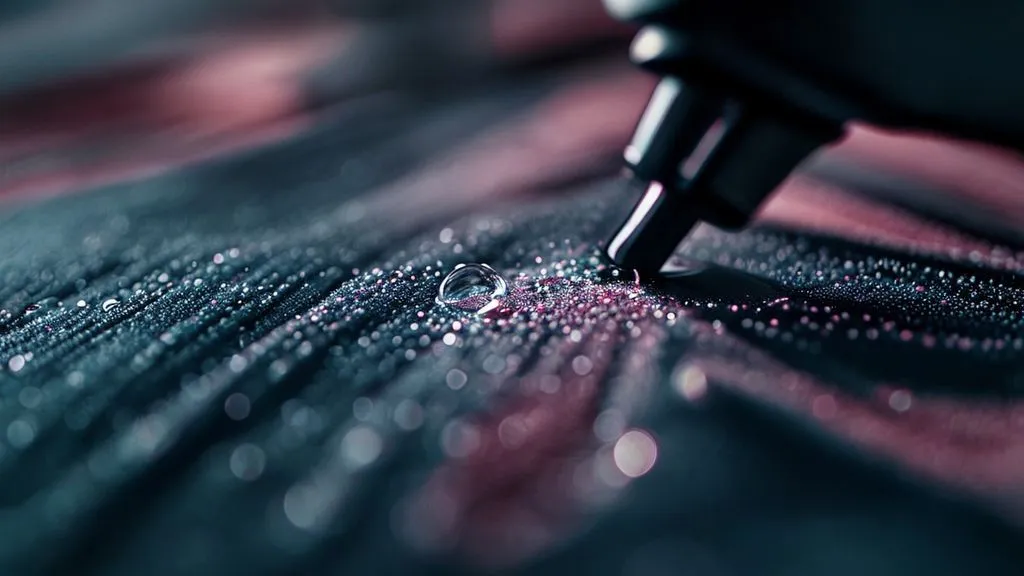
Pilling occurs when short or broken fibers on the fabric surface become tangled together into small, fuzzy balls. This usually happens due to friction, which can come from various sources: rubbing against other fabrics, your skin, abrasive surfaces (like yoga mats or gym benches), or even during the washing and drying process. The stronger the fibers, the more tenaciously these pills cling to the fabric surface, making them harder to remove.
The construction of the fabric also plays a vital role. Tightly woven or knitted fabrics generally pill less than loosely constructed ones because their fibers are more securely held in place. However, many high-stretch yoga fabrics are designed for flexibility and breathability, often involving specific knitting patterns that can, paradoxically, expose more fiber ends to friction. Understanding this fundamental mechanism is the first step towards effective prevention.
The Fabric Factor: Choosing Quality to Combat Pilling
In my experience, the battle against pilling often begins long before you even wear your yoga apparel. It starts with informed purchasing decisions. Not all high-stretch fabrics are created equal, and understanding key material characteristics can significantly reduce your risk of pilling.
- Fiber Length and Type: Longer, stronger, and more uniform fibers tend to pill less. This is why natural fibers like merino wool, known for its long staples, can be quite pill-resistant despite being 'fuzzier' than synthetics. For synthetics, look for high-quality nylon or polyester. Microfibers, while soft, can sometimes be more prone to pilling if not constructed well, due to their very fine strands breaking and tangling easily.
- Fabric Construction: Densely knitted or woven fabrics are generally more pill-resistant. When inspecting yoga apparel, feel the fabric. Does it feel tightly integrated, or can you see individual fibers easily? A smooth, almost slick surface often indicates a tighter knit.
- Yarn Twist: Fabrics made from yarns with a high twist degree are less likely to pill because the fibers are more tightly bound within the yarn, making it harder for them to break free and form pills.
When shopping, don't hesitate to ask about fabric composition and construction. Reputable activewear brands often highlight these details, as they are indicators of quality and durability. Investing a little more in a well-constructed garment made from premium fibers can save you significant frustration and cost in the long run.
Washing Wisdom: Gentle Care for Lasting Smoothness
The washing machine is a primary culprit for pilling if not used correctly. The harsh agitation, friction with other garments, and incorrect water temperatures can all contribute to fiber breakage and subsequent pilling. Adopt these gentle washing practices to protect your high-stretch yoga apparel:
- Turn Garments Inside Out: This is perhaps the simplest yet most effective step. By turning your leggings inside out, you protect the outer surface – the one everyone sees – from direct friction during the wash cycle.
- Use a Laundry Bag: Place your yoga apparel in a mesh laundry bag. This creates a protective barrier, preventing friction with zippers, buttons, or rougher fabrics from other clothes in the load.
- Wash with Like Fabrics: Avoid washing your delicate yoga wear with abrasive items like denim, towels, or anything with hooks or Velcro. Stick to washing with other activewear or soft, smooth fabrics.
- Cold Water, Gentle Cycle: Always opt for cold water and the delicate or gentle cycle. Hot water can degrade elastic fibers (like spandex) over time, and aggressive agitation increases friction and stress on the fabric.
- Mild Detergent: Use a mild, liquid detergent. Harsh detergents, especially powders that might not fully dissolve, can leave residues that attract dirt and contribute to fabric breakdown. Avoid excessive detergent, as it can be difficult to rinse out fully.
- Skip Fabric Softener: While tempting, fabric softeners can actually coat the fibers of performance fabrics, reducing their moisture-wicking properties and potentially contributing to a sticky residue that attracts lint and pills.
Expert Insight: "The less friction your high-stretch fabrics endure during washing, the longer they will maintain their original smooth surface. Think of your washing machine as a gentle stream, not a turbulent river, for these delicate garments."
Drying Do's and Don'ts: Air Drying is Your Best Friend
Just as washing can cause damage, improper drying is another major contributor to pilling and overall fabric degradation. High heat and tumbling action are the enemies of high-stretch synthetic fabrics.
- Air Dry Whenever Possible: This is the golden rule for yoga apparel. Lay your items flat on a clean, dry surface or hang them on a padded hanger (to avoid marks). Air drying eliminates all the friction and heat associated with tumble drying. It preserves the integrity of the elastic fibers and prevents the surface fibers from breaking and tangling.
- Avoid Direct Sunlight: While air drying, keep your garments out of direct, prolonged sunlight. UV rays can cause colors to fade and can degrade elastic fibers over time.
- If You Must Tumble Dry (Rarely!): If air drying isn't an option, use the absolute lowest heat setting or, even better, the 'no heat' or 'air fluff' setting. Tumble dry for the shortest possible time, and remove items while they are still slightly damp to finish air drying. Again, ensure they are inside out and ideally in a mesh bag.
- No Dryer Sheets: Like fabric softeners, dryer sheets can leave a residue on performance fabrics that hinders their wicking capabilities and can attract lint.
Remember, patience is a virtue when it comes to drying high-stretch yoga apparel. The extra time spent air drying will be amply rewarded with garments that look and feel new for much longer.
Smart Storage and Usage Habits: Minimizing External Friction
Even after proper washing and drying, how you store and use your yoga apparel can impact its longevity and susceptibility to pilling. External friction is a constant threat.
- Store Neatly: Avoid stuffing your yoga apparel into overly crowded drawers or baskets where they can rub against each other or other garments. Fold them neatly or hang them to minimize friction.
- Be Mindful of Abrasive Surfaces: When practicing yoga or exercising, be aware of the surfaces you're on. Rough concrete, textured gym benches, or even certain types of yoga mats can create friction against your leggings, leading to pilling, especially on areas like the glutes and outer thighs.
- Avoid Contact with Velcro or Zippers: Always be cautious when your activewear comes into contact with items that have Velcro, sharp zippers, or rough embellishments. These can snag and pull fibers, initiating the pilling process.
- Rotate Your Wardrobe: Just like with any cherished item, rotating your yoga apparel allows each piece to rest and reduces the frequency of wear and wash cycles for individual garments, extending their overall life.
Case Study: How ZenFit Activewear Boosted Customer Satisfaction
ZenFit Activewear, a boutique brand specializing in high-performance yoga wear, faced a wave of customer complaints regarding pilling, despite using premium fabrics. Their solution wasn't to change suppliers, but to empower their customers. By creating a comprehensive 'Care Guide' – prominently featured on their website, included with every purchase, and emphasized in their email marketing – they educated their community on the exact washing, drying, and storage practices I've outlined. Within six months, customer service inquiries related to pilling dropped by 60%, and their customer satisfaction scores saw a significant uptick. This demonstrates that even with top-tier fabrics, user education is paramount in preventing pilling and fostering brand loyalty.
Tackling Existing Pilling: Tools and Techniques
Despite your best efforts, some pilling might still occur, especially on older garments or areas of high friction. Don't despair! There are effective tools to safely remove pills and restore your fabric's smooth appearance.
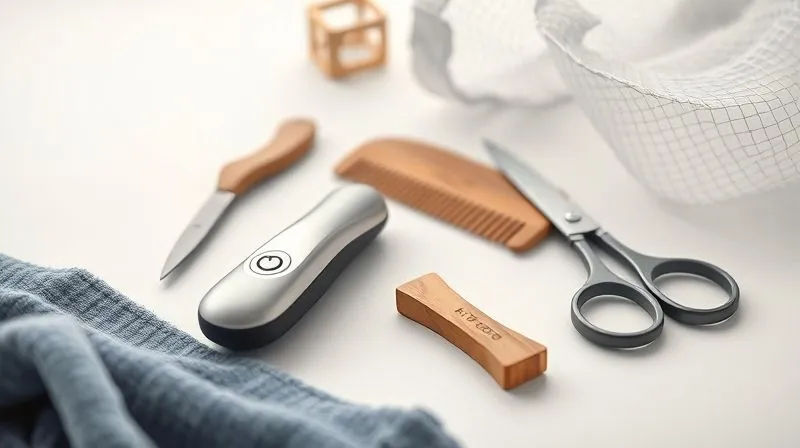
- Fabric Shavers (Lint Removers): These battery-operated devices are designed to gently shave off pills without damaging the underlying fabric. They are highly effective and my top recommendation. Always test on an inconspicuous area first.
- Sweater Combs or Stones: These manual tools work by gently scraping pills off the fabric surface. They are excellent for more delicate fabrics or if you prefer a non-electric option. Use short, light strokes.
- Scissors: For very large, stubborn pills, a small pair of sharp scissors can be used. Carefully snip the pills off close to the fabric surface, ensuring not to cut the fabric itself. This requires a steady hand and patience.
- Sticky Lint Rollers: While great for removing lint and pet hair, lint rollers are generally less effective for removing deeply embedded pills. They might pull at the fabric, potentially exacerbating the problem. Use them for surface fuzz, not true pills.
According to textile care experts, consistent and gentle removal of pills prevents them from becoming larger and more entrenched, making future maintenance easier. Regular de-pilling can significantly extend the wearable life of your activewear.
| Pilling Prevention Strategy | Key Action | Benefit |
|---|---|---|
| Pre-Purchase Fabric Check | Examine knit density, fiber length, yarn twist | Higher initial quality, less prone to pilling |
| Gentle Washing Routine | Inside out, mesh bag, cold water, gentle cycle, mild detergent | Minimizes fiber friction and degradation |
| Proper Drying Method | Air dry flat, away from direct sun/heat | Preserves elastic fibers, prevents heat damage and friction |
| Mindful Usage/Storage | Avoid abrasive surfaces, store neatly, rotate wear | Reduces external friction, extends garment life |
| Pill Removal | Use fabric shaver/sweater comb for existing pills | Restores smooth appearance, prevents further entanglement |
Frequently Asked Questions (FAQ)
Q: Is pilling a sign of poor quality fabric? Not always. While low-quality fabrics with short, loosely twisted fibers are more prone to pilling, even premium high-stretch synthetic fabrics can pill due to friction from wear, washing, or interaction with rough surfaces. It's often a combination of fabric characteristics and care habits.
Q: Can I prevent pilling entirely? Achieving 100% pilling prevention over the lifetime of a garment is challenging, especially for high-stretch activewear that endures significant friction. However, by consistently applying the expert strategies outlined in this guide, you can dramatically reduce the occurrence and severity of pilling, extending your apparel's lifespan significantly.
Q: Do expensive yoga brands pill less? Generally, higher-end brands often invest in better quality fabrics with more durable fiber constructions and finishes, which can offer better pill resistance. However, price isn't the sole indicator. Even expensive items can pill if subjected to harsh conditions or improper care. Always check fabric composition and care instructions.
Q: What's the difference between pilling and lint? Pilling refers to small balls of fibers from the garment itself that have broken off and tangled on the surface. Lint, on the other hand, is typically loose fibers or debris from other fabrics or the environment that have adhered to your garment. While a lint roller can remove lint, a fabric shaver or comb is needed for true pills.
Q: Can I use a regular razor to remove pills? While some people use a regular razor, I advise extreme caution. A razor is much more aggressive than a dedicated fabric shaver and can easily cut or damage the fabric, leading to holes or thinning. It's best to invest in a proper fabric shaver for safety and effectiveness.
Key Takeaways and Final Thoughts
Pilling on high-stretch yoga apparel is a common, yet largely preventable, issue. By adopting a proactive approach that combines informed purchasing with diligent care, you can significantly extend the life and maintain the pristine appearance of your favorite activewear. Remember, these garments are an investment in your comfort, performance, and well-being, and proper care is crucial to protecting that investment.
- Choose Wisely: Prioritize fabrics with tight knits and high-quality, long fibers.
- Wash Gently: Always turn inside out, use a mesh bag, cold water, and a gentle cycle with mild detergent.
- Air Dry Always: Avoid the dryer's heat and friction as much as possible.
- Mind Your Environment: Be conscious of abrasive surfaces and proper storage.
- Address Promptly: Use a fabric shaver or comb for any existing pills.
Embrace these practices, and you'll find your high-stretch yoga apparel remains smooth, vibrant, and supportive for countless workouts and peaceful poses to come. It's not just about fabric care; it's about nurturing your active lifestyle. For more insights on textile durability, consider exploring resources from Textile World or academic papers on fabric science, like those often found on Google Scholar. Understanding the science behind your clothing helps you make smarter choices. And for general activewear maintenance tips, reputable sources like REI's Expert Advice often provide excellent guidance.
Recommended Reading
- Unlock the Magic: How to Integrate Animatronics into Creature Costumes Seamlessly
- 7 Manufacturing Hurdles for Innovative Boots: A Guide to Overcome Them
- 5 Steps to Guarantee Quality in Outsourced Fashion Photo Retouching
- Combat Activewear Odor: 5 Advanced Fabric Technologies Revealed
- Beyond Certs: How to Verify Ethical Sourcing in Global Textiles

Your email address will not be published. Required fields are marked *