

How to prevent heat damage on fragile, color-treated hair?
For over 15 years in the beauty fashion industry, I've seen countless vibrant hair colors fade prematurely and precious strands snap under the relentless assault of heat styling. It’s a heartbreakingly common scenario, especially for those who invest time and money into achieving that perfect hue.
The allure of sleek straight locks or bouncy curls is powerful, but when your hair is both color-treated and inherently fragile, the stakes are incredibly high. Without the right precautions, you’re not just styling; you’re actively compromising your hair’s integrity, leading to dullness, breakage, and ultimately, a loss of that coveted vibrancy.
This definitive guide is born from years of hands-on experience and deep dives into hair science. I will equip you with actionable frameworks, expert insights, and specific product recommendations to empower you. You’ll learn precisely how to prevent heat damage on fragile, color-treated hair, ensuring your strands remain strong, shiny, and beautifully vibrant.
Understanding the Double Threat: Why Color-Treated Hair is Vulnerable to Heat
Before we dive into solutions, it’s crucial to understand why color-treated hair, especially if it’s already fragile, is particularly susceptible to heat damage. It’s a one-two punch that compromises the very structure of your hair.
The Science of Color and Heat
When you color your hair, chemicals are used to open the hair’s cuticle layer, allowing dye molecules to penetrate the cortex. This process, while necessary for color deposition, can leave the cuticle slightly raised or compromised, making the hair more porous and less resilient.
Heat, then, acts as an accelerant to this vulnerability. High temperatures can further lift and chip away at the already weakened cuticle, leading to a loss of moisture, protein, and ultimately, the precious color molecules. This is why you often see color fading more rapidly in heat-damaged hair; the color literally escapes through the damaged cuticles.
Recognizing the Signs of Heat Damage
Identifying heat damage early is key to mitigating its effects. I've trained many clients to spot these tell-tale signs, which often start subtly before escalating:
- Increased Frizz and Dullness: The hair loses its natural shine and becomes rough to the touch.
- Dryness and Brittleness: Strands feel straw-like and lack elasticity, making them prone to snapping.
- Split Ends and Breakage: The ends fray, and you might notice small pieces of hair breaking off, especially when brushing.
- Color Fading and Brassiness: Your vibrant color seems to wash out quickly or develops unwanted tones.
- Lack of Manageability: Hair becomes difficult to style and doesn't hold its shape as well.
The Foundation of Protection: Your Pre-Styling Ritual
Prevention starts long before your styling tool even heats up. A robust pre-styling ritual is your first and most critical line of defense against heat damage on fragile, color-treated hair.
Choosing the Right Heat Protectant (It's Not One-Size-Fits-All)
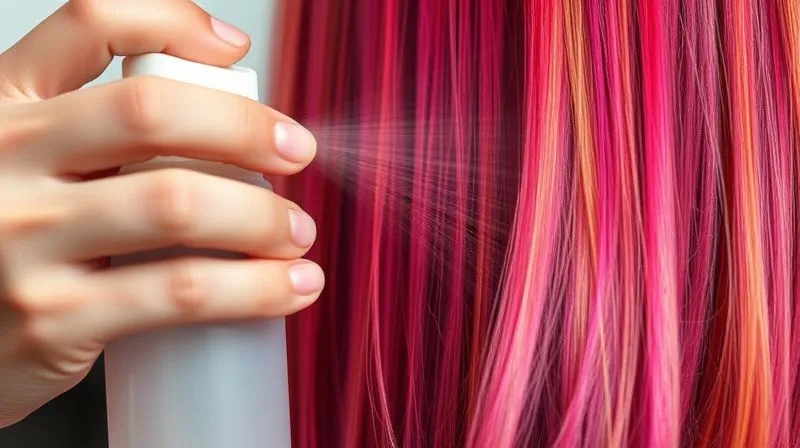
A heat protectant isn't just another product; it's a non-negotiable shield. These formulations create a barrier between your hair and the heat, slowing down heat conduction and minimizing direct thermal assault. But selecting the right one is paramount.
Look for ingredients like silicones (e.g., dimethicone, cyclomethicone) which provide a smooth, heat-resistant coating. Hydrolyzed proteins (like keratin or wheat protein) help strengthen the hair shaft, while natural oils (argan, coconut, avocado) offer conditioning and shine. Sprays are great for even distribution, creams for added moisture, and serums for targeted smoothing and intense protection.
"Many clients believe any heat protectant will do. In my experience, the efficacy lies in understanding your hair's specific needs and the ingredients that genuinely offer thermal protection and repair for color-treated, fragile strands."
Applying it correctly is just as important as choosing the right product. Always apply to damp, towel-dried hair, ensuring even saturation from roots to ends. For thicker hair, sectioning can help guarantee every strand is coated.
The Importance of a Gentle Wash Day
Your wash day routine sets the stage for everything that follows. For fragile, color-treated hair, gentleness is key. Harsh sulfates can strip color and essential moisture, leaving hair even more vulnerable.
Opt for sulfate-free shampoos and conditioners specifically formulated for color-treated hair. These products are designed to cleanse without stripping, helping to preserve your color and maintain the hair’s natural moisture balance. Follow up with a rich, hydrating conditioner, focusing on the mid-lengths and ends.
Mastering Low-Heat Styling Techniques for Longevity
The goal isn't to eliminate heat styling entirely, but to master techniques that minimize damage. This means adopting a mindful approach to how and when you apply heat.
The Art of Air Drying (and How to Speed it Up Safely)
Air drying is undoubtedly the kindest method for your fragile, color-treated hair. Whenever possible, allow your hair to air dry at least 70-80% before introducing any heat. This significantly reduces the hair's exposure time to high temperatures.
To speed up air drying, use a microfiber towel to gently squeeze excess water, rather than rough rubbing. Apply a lightweight leave-in conditioner or styling cream, which can also help smooth the cuticle as it dries. Some experts, like those at the American Academy of Dermatology, advocate for air drying as a primary method to prevent hair damage.
Strategic Blow Drying: Diffusers and Cool Shots
When blow drying is necessary, technique makes all the difference. Think of your blow dryer not as a weapon, but as a precision tool.
- Towel Dry Thoroughly: Remove as much moisture as possible before you begin.
- Apply Heat Protectant: Re-apply if necessary, ensuring even coverage.
- Use a Nozzle Attachment: This concentrates the airflow, allowing for more controlled drying and less frizz.
- Lower the Heat Setting: Always use the lowest effective heat setting. For fragile, color-treated hair, medium heat is often sufficient, combined with a higher airflow.
- Keep Moving: Never hold the dryer in one spot for too long.
- Finish with a Cool Shot: The cool air blast helps to close the hair cuticles, locking in shine and setting your style.
Curling and Straightening with Care: Temperature Control is Key
This is where many clients go wrong. The common misconception is that higher heat equals better, longer-lasting styles. For fragile, color-treated hair, this is a direct path to damage. The optimal temperature for styling varies significantly based on hair type and condition.
As research published in the Journal of Cosmetic Science indicates, excessive heat can lead to significant protein degradation and cuticle damage. Therefore, maintaining precise temperature control is paramount.
| Hair Type | Recommended Temperature Range | Notes |
|---|---|---|
| Fine/Fragile/Color-Treated | 250-320°F (120-160°C) | Always start at the lowest setting and increase only if necessary. Use quick passes. |
| Medium/Normal | 320-375°F (160-190°C) | Still use caution, ensure even heat distribution. |
| Thick/Coarse/Resistant | 375-410°F (190-210°C) | Fragile or color-treated hair should generally avoid these higher temps. |
"Many people think they need sizzling heat for their style to last. The truth? For fragile, color-treated hair, it's about quick, controlled passes at a lower temperature, letting the heat protectant do its job. Quality tools with accurate temperature settings are non-negotiable."
Beyond Styling: Ongoing Care and Damage Repair
Preventing heat damage isn't just about what you do during styling; it's a holistic, ongoing commitment to your hair's health. Repair and maintenance are equally vital for fragile, color-treated strands.
Weekly Deep Conditioning and Hair Masks
Think of deep conditioners and hair masks as intensive therapy for your hair. These treatments deliver a concentrated dose of moisture, protein, and nutrients that regular conditioners can't. Look for ingredients like keratin, argan oil, shea butter, and hyaluronic acid to replenish lost moisture and strengthen the hair's internal structure.
I recommend incorporating a deep conditioning mask into your routine at least once a week, or more frequently if your hair feels particularly dry or damaged. Apply after shampooing, leave on for the recommended time (usually 5-15 minutes), and rinse thoroughly.
The Power of Bond-Building Treatments
For truly fragile and color-treated hair, bond-building treatments have been a game-changer. These innovative products work at a molecular level to repair and rebuild the broken disulfide bonds within the hair shaft that are often compromised during coloring, bleaching, and heat styling.
Brands like Olaplex and K18 have popularized this technology, offering treatments that can significantly improve the strength and resilience of damaged hair. Incorporating a bond-builder into your routine, either as a pre-shampoo treatment or a leave-in, can dramatically reduce breakage and enhance the longevity of your color. For more in-depth information on how these revolutionary products work, you can explore resources from reputable beauty science publications like Byrdie's guide to bond-building treatments.
Case Study: Sarah's Hair Transformation
Case Study: How Sarah Revived Her Brittle, Faded Hair
Sarah, a long-time client, came to me with hair that was dull, brittle, and her vibrant copper color faded within weeks. She loved her hot tools and confessed to using them daily at maximum heat, often skipping heat protectant. Her hair was classic fragile, color-treated hair suffering from severe heat damage.
My strategy for Sarah involved a three-pronged approach: first, a strict regimen of low-heat styling using a diffuser and always applying a silicone-based heat protectant. Second, weekly bond-building treatments combined with a hydrating mask. Third, we adjusted her color formula to be gentler and introduced a color-depositing conditioner to maintain vibrancy between salon visits.
Within three months, Sarah's hair was visibly transformed. Her breakage significantly reduced, the texture became soft and manageable, and her copper color held its vibrancy for much longer. She learned that prevention and consistent care were far more effective than trying to repair irreversible damage.
Regular Trims: Your Best Friend Against Split Ends
Even with the best preventative measures, split ends can still occur, especially on fragile hair. Once a strand splits, there’s no way to fuse it back together. Leaving split ends unchecked can lead to the split traveling further up the hair shaft, causing more extensive damage and breakage.
Regular trims, typically every 6-8 weeks, are essential to snip away these damaged ends before they can cause further problems. Think of it as pruning a plant; it encourages healthier growth and maintains the overall integrity of your style.
Product Spotlight: My Top Recommendations for Fragile, Color-Treated Hair
Navigating the vast world of hair products can be overwhelming. Based on my experience and client feedback, here are categories and types of products that consistently deliver results for preventing heat damage on fragile, color-treated hair.
Heat Protectants
- Silicone-based Sprays: Look for lightweight sprays that contain ingredients like dimethicone or amodimethicone. They create a smooth, heat-resistant barrier without weighing hair down.
- Cream or Serum Formulas: Ideal for hair that needs extra moisture and frizz control. These often contain nourishing oils alongside thermal protectors.
Shampoos & Conditioners
- Sulfate-Free & Color-Safe: This is non-negotiable. These formulas gently cleanse and condition, preserving your color and natural oils.
- Strengthening & Repairing: Products infused with keratin, biotin, or amino acids can help reinforce fragile strands.
Leave-in Treatments & Serums
- Hydrating Leave-ins: Provide continuous moisture and can act as an additional layer of protection.
- Bond-Building Serums: For targeted repair and strengthening, especially after coloring or significant heat exposure.
Lifestyle Habits That Support Hair Health
Your hair's health is a reflection of your overall well-being. Beyond products and styling techniques, certain lifestyle habits can significantly contribute to preventing heat damage and maintaining the vitality of your fragile, color-treated hair.
Nutrition and Hydration
What you put into your body directly impacts your hair. A diet rich in protein, vitamins (especially A, C, E, and B vitamins like biotin), and essential fatty acids (omega-3s) provides the building blocks for strong, healthy hair. Hydration is equally crucial; drinking plenty of water ensures your hair cells are adequately moisturized from within. As many health experts, including those often cited by publications like Forbes Health, emphasize, proper nutrition is foundational for hair growth and strength.
Silk Pillowcases and Gentle Hair Ties
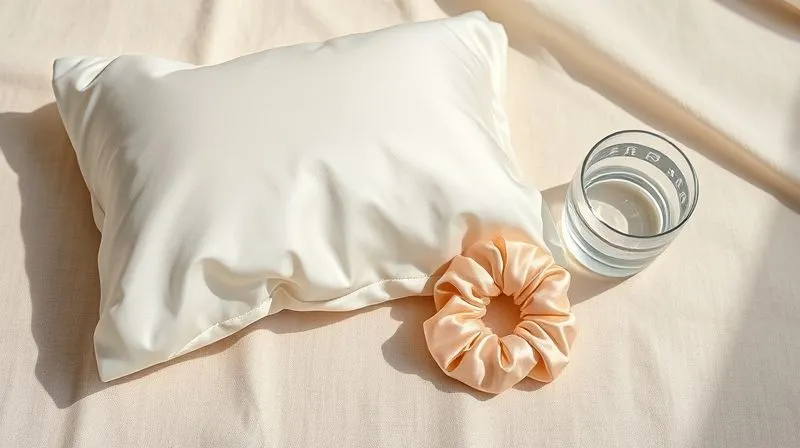
The friction from cotton pillowcases can cause breakage, especially for fragile hair. Switching to a silk or satin pillowcase reduces this friction, preventing tangles, frizz, and breakage while you sleep. Similarly, ditch tight elastic hair ties that pull and snap strands. Opt for silk scrunchies or gentle fabric ties that minimize stress on your hair.
Frequently Asked Questions (FAQ)
Can I still use hot tools at all if my hair is fragile and color-treated? Absolutely! The key is moderation and method. Always use a high-quality heat protectant, keep your heat settings as low as possible (ideally below 320°F/160°C), and minimize the frequency of heat styling. Air drying partially before blow-drying and using quick passes with flat irons or curling wands are crucial.
How often should I use a heat protectant? You should use a heat protectant every single time you apply heat to your hair, whether it's blow-drying, flat ironing, or curling. Think of it as sunscreen for your hair—it's essential for consistent protection. Even if you're just touching up a style, reapply if necessary.
What's the best temperature for my flat iron if my hair is fragile and color-treated? For fragile, color-treated hair, I strongly recommend staying in the 250-320°F (120-160°C) range. Start at the lowest setting and only increase if absolutely necessary to achieve your desired style, always ensuring quick passes and never clamping down for extended periods.
Will bond-builders fix all my existing heat damage? While bond-building treatments are incredibly effective at repairing broken bonds within the hair shaft and significantly improving strength and resilience, they can't reverse irreversible damage like completely fried ends. They are best used as a preventative measure and to strengthen hair that is susceptible to or has experienced damage. Regular trims are still necessary for truly compromised ends.
How long until I see results from changing my heat styling habits? You'll likely notice an improvement in your hair's texture and shine within a few weeks, especially if you're diligent with heat protectants and lower temperatures. For significant reduction in breakage and improved hair health, give it 2-3 months of consistent effort, combined with regular trims to remove existing damage.
Key Takeaways and Final Thoughts
Protecting your fragile, color-treated hair from heat damage is not just about avoiding hot tools; it's about embracing a comprehensive, mindful approach to hair care. It's a journey that requires patience, consistency, and the right knowledge.
- Prioritize Heat Protection: Always use a high-quality heat protectant and apply it correctly.
- Master Low-Heat Techniques: Embrace air drying, lower heat settings, and strategic styling methods.
- Invest in Ongoing Care: Regular deep conditioning, bond-building treatments, and consistent trims are non-negotiable.
- Nourish from Within: A healthy diet and hydration contribute significantly to hair strength.
- Choose Your Tools Wisely: Opt for styling tools with accurate temperature control and gentle materials.
Remember, your hair is an investment, a reflection of your personality and style. By integrating these expert-backed strategies into your routine, you’re not just preventing damage; you're preserving the vibrancy, strength, and beauty of your color-treated hair for years to come. Embrace these changes, and watch your hair transform into its healthiest, most radiant self.
Recommended Reading
- 5 Proven Strategies: Guarding Your Sneaker Brand from Counterfeits
- 7 Proven Strategies: Elevating Everyday Accessories for High-End Clients
- 6 Strategic Moves When Your Streetwear Drop Flops: A Veteran's Guide
- Mastering Couture: 7 Strategies for Flawless Fit Despite Posture Issues
- Ethical Avant-Garde: 7 Ways to Sustain Haute Couture Innovation

Your email address will not be published. Required fields are marked *