

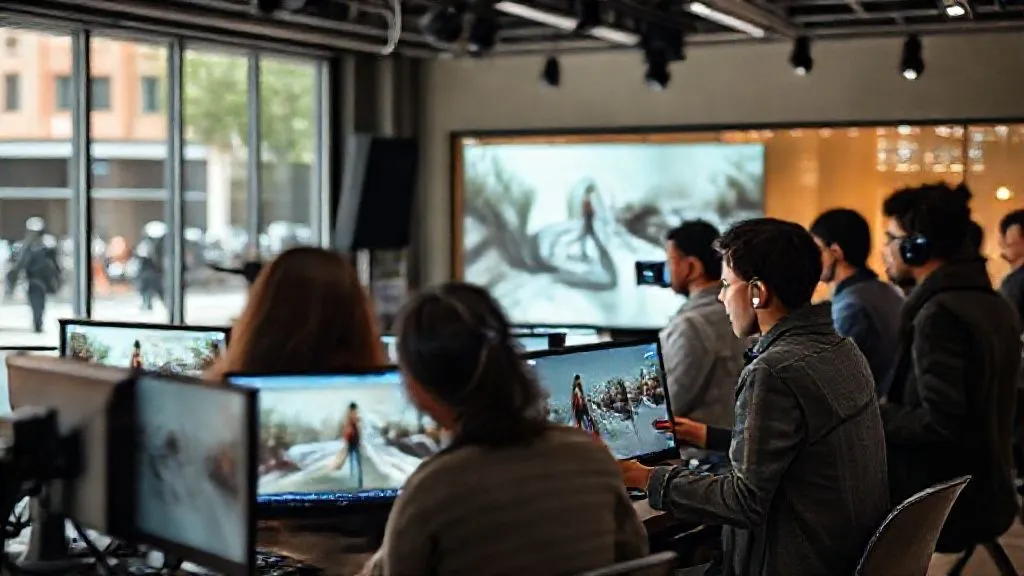
How to Prevent Chaos on Complex Multi-Location Fashion Shoots?
For over two decades in the demanding world of fashion photography, I've witnessed firsthand the exhilaration of a perfectly executed editorial spread and the absolute nightmare of a shoot spiraling into disarray. The most challenging scenarios almost always involve complex, multi-location productions, where the potential for chaos multiplies with every added variable.
The pain points are familiar: miscommunications between teams across different time zones, misplaced props, talent arriving at the wrong location, unexpected weather delays, and budgets blowing up. These aren't just minor inconveniences; they threaten the entire creative vision, exhaust the crew, and ultimately, compromise the quality of the final images.
But it doesn't have to be this way. In this definitive guide, I'll share the battle-tested frameworks, strategic insights, and practical methodologies I've developed and refined over countless shoots. You'll learn how to build an impenetrable foundation of planning, foster seamless communication, leverage technology, and cultivate a resilient mindset to prevent chaos on complex multi-location fashion shoots, ensuring your creative vision is realized flawlessly.
The Foundation: Meticulous Pre-Production Planning
In my experience, 90% of shoot day problems can be traced back to insufficient pre-production. This isn't just about booking models and locations; it's about foreseeing every potential pitfall and building a robust plan to mitigate it.
1. The Master Plan: Comprehensive Shoot Bible
Every complex multi-location fashion shoot absolutely demands a 'Shoot Bible' – a single, comprehensive document that serves as the ultimate reference point for every single person involved. This isn't just a schedule; it's the operational DNA of your entire production.
- Vision & Concept: Clearly articulate the editorial story, mood board, color palette, and desired aesthetic. Include reference imagery and a detailed creative brief.
- Detailed Schedule & Call Sheets: Break down every hour, every minute. Include travel times between locations, buffer periods, lunch breaks, and contingency slots. Each team member should have a personalized call sheet.
- Location Logistics: Provide exact addresses, parking instructions, access codes, contact persons for each location, and specific shoot times allocated per spot.
- Talent & Crew Roster: Full contact details, roles, responsibilities, and specific timings for models, stylists, hair & makeup artists, assistants, and digital techs.
- Wardrobe, Props & Equipment Lists: Itemized lists for each look and location, detailing who is responsible for what, where it should be, and when it's needed.
- Communication Protocols: Outline primary communication channels (e.g., WhatsApp group, dedicated app), key decision-makers, and emergency contacts.
- Risk Assessment & Contingency Plans: Address potential issues like bad weather, equipment failure, talent delays, or lost items, and outline clear backup strategies.
I always ensure this Shoot Bible is distributed well in advance, and a mandatory briefing is held where everyone confirms they've read and understood it. This proactive approach drastically reduces misunderstandings.
2. Location Scouting & Logistics: More Than Just Pretty Backdrops
For multi-location shoots, scouting isn't just aesthetic; it's logistical. You need to understand the practicalities of moving people, gear, and wardrobe efficiently between points.
Beyond beautiful visuals, I scrutinize access points, power availability, changing facilities, proximity to amenities, and noise levels. It's crucial to obtain all necessary permits and secure explicit permissions for photography, especially in public or private spaces that might have restrictions. Misjudging this can lead to costly delays or even legal issues.

Consider travel times between locations not just at ideal conditions, but during peak traffic. Always factor in buffer time for unexpected delays. A site visit with key department heads (e.g., stylist, hair/makeup, production manager) is non-negotiable to ensure everyone is aligned on the practicalities.
3. Budgeting & Resource Allocation: The Financial Blueprint
Complex shoots require complex budgets. I advocate for an extremely detailed, line-item budget that allocates funds not just to categories, but to specific tasks and locations. This allows for granular tracking and prevents overspending in one area from crippling another.
A critical component is the contingency fund. For multi-location shoots, I typically recommend a 15-20% contingency budget, higher than a single-location shoot, due to the increased variables. This safeguards against unforeseen costs like last-minute permit fees, extended equipment rentals, or additional transportation needs.
| Category | Allocated Budget | Contingency Buffer |
|---|---|---|
| Talent (Models, HMU, Stylist) | 30% | 10% |
| Location Fees & Permits | 20% | 15% |
| Equipment Rental & Digital Tech | 15% | 10% |
| Travel & Logistics (Vehicles, Fuel, Flights) | 15% | 20% |
| Catering & Craft Services | 5% | 5% |
| Post-Production (Retouching, Editing) | 10% | 5% |
| Miscellaneous & Emergency Fund | 5% | 100% |
Regular budget reviews with the production manager are essential. Transparency in financial management builds trust and allows for quick adjustments if unexpected costs arise. As highlighted by Harvard Business Review, clear financial planning is crucial for project success.
Building an Unstoppable Team: Communication & Roles
A multi-location fashion shoot is a symphony, and every musician needs to know their part and be able to hear the conductor. This requires impeccable team building and communication strategies.
1. Clear Roles & Responsibilities: No Room for Ambiguity
Ambiguity is the enemy of efficiency. On a complex shoot, every team member must have a crystal-clear understanding of their role, their direct report, and their decision-making authority. I've found that creating a simple organizational chart, even for smaller teams, is incredibly helpful.
- Lead Photographer: Oversees creative vision, directs talent, manages lighting.
- Production Manager: The logistical mastermind, overseeing schedules, budgets, permits, and overall flow.
- 1st Photo Assistant (Digital Tech): Manages gear, data workflow, tethering, and image review. Crucial for quality control.
- Stylist & Assistant: Manages wardrobe, accessories, and ensures continuity across locations and looks.
- Hair & Makeup Artist(s): Responsible for talent's appearance, often traveling with talent between locations.
- Location Scout/Manager: On-site contact, handles local logistics, access, and problem-solving.
It's vital that everyone knows who to go to for specific problems. This prevents bottlenecks and ensures quick resolution of issues, especially when teams are spread across different sites.
2. The Communication Matrix: Bridging Distances
Effective communication is the lifeblood of multi-location shoots. It’s not just about having a phone; it’s about having a system. I insist on a communication matrix that defines channels, frequency, and purpose.
- Primary Channel: A dedicated messaging app (e.g., Slack, WhatsApp Business) for instant team-wide updates and critical messages.
- Daily Briefings/Debriefings: Short, mandatory check-ins (virtual if necessary) at the start and end of each shoot day to review the schedule, address concerns, and confirm next steps.
- Role-Specific Channels: Smaller groups for specific departments (e.g., styling team, production team) for granular discussions.
- Emergency Protocol: Clearly defined steps and contacts for urgent situations, ensuring everyone knows how to escalate issues.
I always emphasize concise, clear communication. Avoid lengthy texts; get straight to the point. Regular check-ins with remote teams are non-negotiable to maintain alignment and morale.
Case Study: Streamlining the 'Urban Nomad' Campaign
I once led a challenging editorial campaign titled 'Urban Nomad' that required shooting across three distinct locations in a single day: a bustling city market, a serene rooftop garden, and a minimalist gallery space. The initial plan was fraught with potential for delays. By implementing a rigorous communication matrix and a detailed Shoot Bible, we transformed potential chaos into seamless execution.
On-Location Execution: Precision in Motion
Even with the best planning, the shoot day itself requires vigilant oversight and agile problem-solving. This is where the rubber meets the road, and your preparedness truly shines.
1. The On-Site Command Center: Centralizing Control
At each location, designate a clear 'command center' – a physical or virtual hub where the production manager or a designated lead can oversee operations. This person is the point of contact for all immediate questions and issues. They should have a copy of the full Shoot Bible, all necessary contact information, and decision-making authority for minor adjustments.
This central point minimizes confusion and ensures that issues are funneled through a single, informed channel, preventing multiple people from trying to solve the same problem or, worse, conflicting solutions. Empowering this individual is key to maintaining control.
2. Time Management & Schedule Adherence: Every Minute Counts
On multi-location shoots, time is a non-renewable resource that evaporates quickly. My advice is always to build in buffer time – not just for travel, but for setup, unexpected wardrobe changes, or a model needing an extra moment. A rigid schedule without flexibility is a recipe for disaster.
Regular, subtle time checks are crucial. The production manager should be gently reminding department heads of upcoming transitions. If a delay occurs, the command center must immediately assess its impact on subsequent locations and adjust the overall schedule, communicating changes to everyone involved.
"In the complex dance of multi-location fashion photography, flexibility isn't a weakness; it's your greatest strength. Rigidity breaks, adaptability thrives."
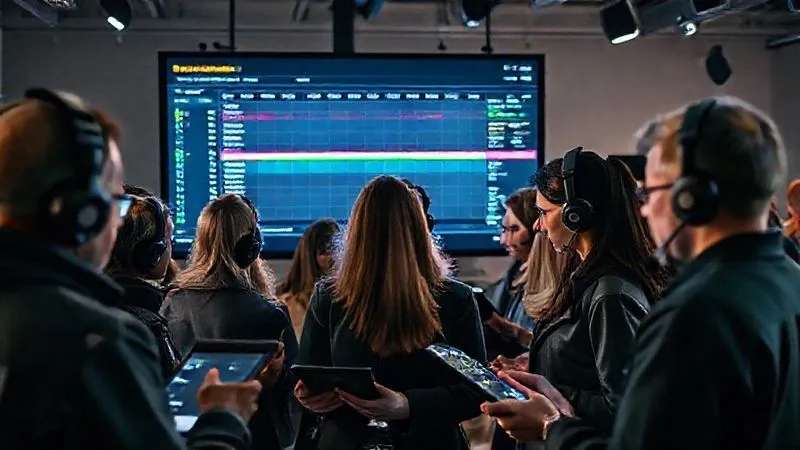
This proactive approach ensures that minor hiccups don't snowball into major delays, protecting the overall integrity of the schedule and the shoot.
3. Contingency Planning: Expect the Unexpected
No matter how well you plan, something will inevitably go wrong. The expert's edge isn't preventing problems, but having a plan for when they occur. For multi-location shoots, this means having backup options for almost everything.
- Weather: Always have an indoor alternative location or a rain-proof setup if shooting outdoors.
- Equipment: Pack backup cameras, lenses, and essential lighting gear.
- Personnel: Have a list of reliable freelancers who can step in for key roles if someone falls ill.
- Wardrobe/Props: Redundancy for critical items or a plan for quick local sourcing.
- Transportation: Backup vehicles or alternative routes.
This isn't about being pessimistic; it's about being prepared. As Forbes emphasizes, contingency planning is vital for mitigating risks and maintaining operational continuity.
Technology as Your Ally: Tools for Seamless Operations
Modern technology offers powerful solutions to the inherent complexities of multi-location shoots. Leveraging the right tools can centralize information, streamline communication, and enhance real-time coordination.
1. Project Management Platforms: Your Digital Hub
Forget endless email chains. Tools like Asana, Trello, or Monday.com can be game-changers. I use them to create shared project boards where every task, deadline, and assigned person is visible to the relevant team members. This centralizes all information, from location permits to wardrobe lists, ensuring everyone works from the most current data.
These platforms also allow for real-time updates on task completion, flagging potential delays before they impact the entire schedule. It's an indispensable tool for keeping complex projects on track and transparent.
2. Real-time Communication & Sharing: Instant Updates
Beyond basic messaging apps, consider platforms that facilitate instant file sharing and collaborative document editing. Google Drive, Dropbox, or dedicated production apps allow immediate sharing of shot lists, mood board updates, or even preliminary image selects for remote review.
For critical decisions requiring visual input, live video calls with screen sharing can connect the creative director, photographer, and client, no matter their physical location. This ensures that everyone is literally on the same page, seeing the same images and making informed decisions together.
| Tool Category | Recommended Tools | Key Benefit |
|---|---|---|
| Project Management | Asana, Trello, Monday.com | Centralized task tracking, shared timelines, progress visibility |
| File Sharing & Collaboration | Google Drive, Dropbox, WeTransfer | Instant document & image sharing, version control, remote access |
| Real-time Communication | Slack, Microsoft Teams, WhatsApp Business | Instant messaging, dedicated channels, quick problem-solving |
| Call Sheets & Scheduling | SetHero, ProductionPro, Google Calendar | Automated call sheet distribution, real-time schedule updates, notifications |
The right tech stack can significantly reduce miscommunication and enhance the agility required for complex, distributed teams.
Creative Direction & Consistency Across Locations
One of the biggest challenges on multi-location shoots is maintaining a cohesive creative vision. Different environments, lighting conditions, and even local teams can lead to stylistic inconsistencies if not managed proactively.
1. The Visual Storyboard: Unifying the Vision
A detailed visual storyboard and mood board are non-negotiable. This goes beyond a few reference images; it should illustrate specific shots, camera angles, styling details, and even desired expressions for each location and look. This acts as a visual 'bible' for the entire creative team, ensuring everyone understands the desired aesthetic.
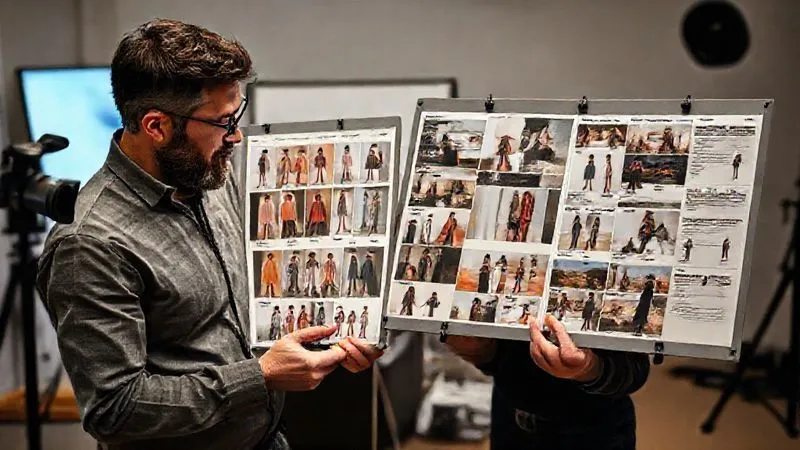
For styling, provide detailed styling guides for each outfit, specifying accessories, hair, and makeup. Consistency in creative direction ensures that despite varied backdrops, the overall editorial narrative remains strong and unified.
2. Quality Control & Feedback Loops: Maintaining Standards
Implementing a clear quality control process is crucial. The digital tech should be reviewing images in real-time for technical issues (focus, exposure) and creative alignment with the storyboard. For remote creative directors or clients, establish a rapid feedback loop using shared galleries (e.g., Capture One Live, Photo Mechanic) for immediate review and approval.
This real-time feedback ensures that any deviations from the creative vision can be corrected on the spot, rather than discovered in post-production, which can be far more costly and time-consuming. According to a Deloitte study, effective feedback mechanisms are key to quality and efficiency.
Post-Production Preparedness: The Final Stretch
The shoot isn't over when the cameras stop clicking. Efficient post-production planning is an extension of preventing chaos.
1. Data Management & Archiving: Secure Your Assets
Establish a clear data management protocol before the first shot is taken. This includes naming conventions for files, immediate backup procedures (on-site and off-site), and a secure archiving system. On complex multi-location shoots, data can quickly become overwhelming.
Ensure that digital techs are responsible for daily backups to multiple drives and that these drives are transported securely. A lost or corrupted memory card can undo days of work and create immense chaos.
2. Debrief & Learn: Continuous Improvement
After every complex multi-location shoot, I schedule a mandatory debriefing session with key team members. This is not about blame, but about learning. What went well? What could have been better? Were there any unexpected challenges and how were they handled?
Documenting these insights and updating your standard operating procedures (SOPs) ensures that each complex shoot makes the next one smoother. This commitment to continuous improvement is a hallmark of truly experienced professionals in fashion photography.
Frequently Asked Questions (FAQ)
Q: How do I manage time zone differences for remote team members effectively? A: Establish a 'core overlap' time for critical meetings and communication. Leverage asynchronous communication tools for non-urgent updates. Clearly designate a lead for each time zone to disseminate information and manage local team schedules. Always state times in a universally understood format (e.g., UTC) alongside local times.
Q: What's the best approach for managing wardrobe and props across multiple locations? A: Assign a dedicated styling assistant for each location or a lead stylist who travels with the core team. Create a detailed inventory checklist for each look and location. Use clear labeling and organized packing systems (e.g., wheeled racks, labeled boxes). Pre-ship non-critical items to locations if feasible, and always have a contingency plan for lost or damaged items.
Q: How can I ensure creative consistency when different photographers or teams are shooting simultaneously in different locations? A: A highly detailed visual storyboard and style guide are paramount. Conduct thorough pre-shoot briefings where all photographers and creative leads review the vision together. Implement a real-time image review process, ideally with a central digital tech or creative director providing immediate feedback and adjustments to ensure stylistic alignment across all concurrently shot content.
Q: What are the biggest legal pitfalls to watch out for on multi-location shoots? A: Key pitfalls include inadequate location permits (especially for public spaces or private property), talent release forms not covering all usage rights, child labor laws (if minors are involved), and intellectual property rights for props or artwork. Always have a legal review of all contracts and permits, and err on the side of caution by obtaining comprehensive documentation for every aspect of the shoot.
Q: How do I keep my team motivated and prevent burnout on demanding multi-location shoots? A: Acknowledge the demanding nature of the work and foster a positive, supportive environment. Ensure adequate breaks, provide good catering, and maintain clear communication to reduce stress. Celebrate small wins and provide positive feedback. Post-shoot, ensure sufficient rest days and consider a team appreciation event. Leading with empathy and clear direction is key.
Key Takeaways and Final Thoughts
Mastering complex multi-location fashion shoots is less about magic and more about methodical, expert-level planning and execution. It’s a testament to the power of foresight, clear communication, and a resilient team.
- Plan meticulously: The Shoot Bible is your ultimate guide, covering every conceivable detail.
- Communicate relentlessly: Establish clear channels and protocols to keep everyone informed and aligned.
- Empower your team: Define roles clearly and trust your department leads to manage their areas.
- Leverage technology: Use project management and communication tools to centralize information and streamline workflows.
- Embrace contingency: Always have backup plans for the inevitable unexpected challenges.
- Maintain creative consistency: Use detailed storyboards and real-time feedback to unify the artistic vision.
- Learn and adapt: Debrief after every shoot to refine your processes for future success.
In my career, I've learned that preventing chaos isn't about avoiding problems; it's about being so thoroughly prepared that when problems arise, they're manageable blips, not catastrophic failures. By implementing these strategies, you're not just organizing a shoot; you're orchestrating a masterpiece. Go forth, plan diligently, and capture breathtaking fashion narratives, no matter how vast your canvas.
Recommended Reading
- 12+ Hours Flawless: How to Make Makeup Last on Oily Skin Under Studio Lights?
- 7 Steps: Curating Unique Scarf Collections for Elite Retail Clients
- Unveiling the Secrets: How Intricate Embellishments Are Crafted in Haute Couture
- The Secret to Preserving Vintage Silk Heirlooms: A Home Guide
- Mastering Statement Accessories: 7 Steps to Curate a Collection That Sells



Your email address will not be published. Required fields are marked *