

How to Monetize Archived Runway Masterpieces Effectively?
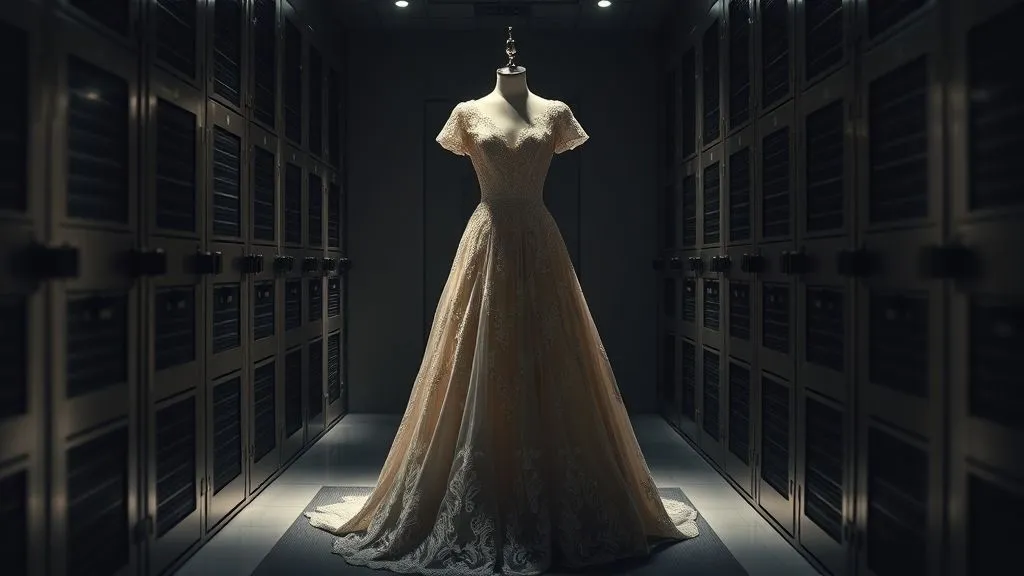
For over two decades in the rarefied air of haute couture, I've observed a fascinating paradox: brands pour immense resources into creating runway masterpieces, yet often leave their most valuable assets—their archives—languishing in storage. This isn't just a missed opportunity; it's a profound oversight in an industry increasingly valuing heritage and authenticity.
The challenge isn't merely about preserving these sartorial treasures; it's about activating them. Many brands struggle with the perception that archived pieces are static historical artifacts, failing to see their dynamic potential as revenue generators, brand amplifiers, and powerful storytelling tools. This neglect can lead to significant financial and brand equity losses, as these masterpieces hold intrinsic value far beyond their initial creation cost.
In this definitive guide, I will share the actionable frameworks and expert insights I've developed and witnessed firsthand. You'll learn not just how to protect your runway masterpieces, but how to transform them into vibrant, monetizable assets that drive profit, enhance brand prestige, and connect with a new generation of luxury consumers. We'll explore innovative strategies, delve into real-world applications, and provide the steps necessary to unlock this dormant treasure trove.
1. Curated Exhibitions and Experiential Marketing
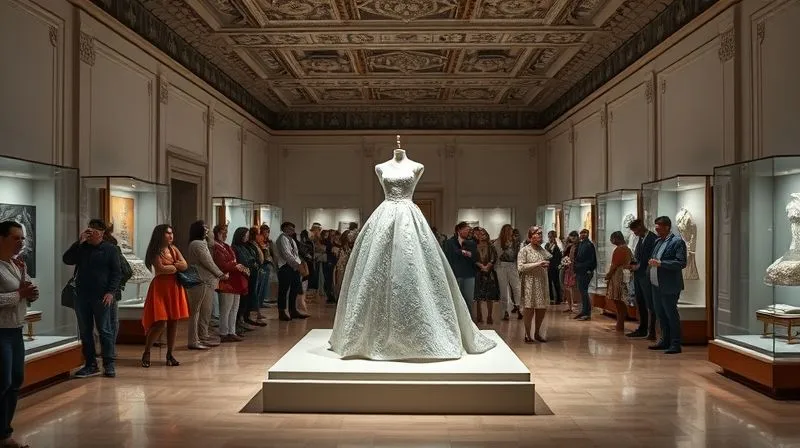
One of the most powerful, yet often underutilized, avenues for monetizing archived runway masterpieces is through meticulously curated exhibitions. These are not merely displays; they are immersive brand experiences that tell a story, evoke emotion, and reinforce a brand's legacy and craftsmanship.
Developing a Narrative-Driven Exhibition Strategy
When I advise brands on this, I emphasize that the key lies in storytelling. Each exhibition should have a compelling narrative, focusing on a specific designer, an iconic collection, a revolutionary technique, or a historical period. This narrative transforms garments from static objects into dynamic cultural artifacts.
- Define the Theme: Identify a specific angle or story the exhibition will tell. Is it 'The Evolution of the Silhouette' or 'Chanel's Revolutionary Twists'?
- Select Masterpieces: Choose pieces that best embody the theme, focusing on their historical significance, craftsmanship, and visual impact.
- Partner with Institutions: Collaborate with renowned museums (e.g., The Met, V&A, Musée des Arts Décoratifs) or art galleries. These partnerships lend immense credibility and provide access to vast audiences.
- Craft the Experience: Consider lighting, sound, interactive elements, and educational content to create an unforgettable journey for visitors.
- Monetization Avenues:
- Ticket Sales: Direct revenue from visitors.
- Merchandise: Exclusive, high-quality merchandise (books, scarves, prints) inspired by the exhibition.
- Sponsorships: Partner with luxury brands (jewelry, beauty, automotive) that align with your brand's values.
- VIP Events: Private viewings, gala dinners, or masterclasses with designers/curators for high-net-worth individuals.
According to a report by the Art Newspaper, major fashion exhibitions consistently draw massive crowds, often outperforming traditional art shows. This demonstrates the immense public appetite for engaging with fashion as a cultural phenomenon.
2. Strategic Licensing and Intellectual Property (IP) Leverage
Beyond direct display, the intellectual property embedded within archived masterpieces offers a rich vein for monetization. This includes patterns, motifs, construction techniques, and even the historical narrative itself. It’s about leveraging your brand’s creative legacy in new, profitable ways.
Unlocking Value Through Brand Extensions
I’ve seen how luxury brands can extend their reach without diluting their core identity by carefully licensing elements of their archives. This requires a meticulous approach to ensure brand integrity is maintained at all costs.
- Identify Key IP Assets: Catalog recurring motifs, signature embellishments, specific silhouettes, or unique fabric manipulations from your archives.
- Targeted Licensing: Explore licensing agreements for specific product categories where your brand's heritage can add significant value. This could be high-end homeware, limited-edition accessories, or even luxury stationery.
- Collaborations with Contemporary Artists/Designers: Invite modern creatives to reinterpret archived elements, creating capsule collections that bridge past and present. This injects new energy while honoring heritage.
- Digital Licensing: Consider licensing patterns or textures for digital applications, such as NFTs, metaverse wearables, or high-end digital art installations.
- Educational Content: Develop and license educational modules or workshops based on historical techniques or design philosophies from your archive to fashion schools or industry professionals.
“The true value of an archive isn't just in its preservation, but in its strategic activation. It's a wellspring of inspiration and a tangible link to a brand's soul, ready to be reinterpreted for new markets.”
Case Study: Reimagining Archival Motifs for New Markets
Case Study: How 'Atelier Lumière' Revitalized Its Legacy
Atelier Lumière, a fictional haute couture house known for its intricate floral embroidery from the 1930s, faced declining relevance among younger luxury consumers. By implementing a strategic IP leverage program, they identified three recurring floral motifs from their archives. They then licensed these motifs for a limited-edition collection of silk scarves and luxury candles, produced by high-end manufacturers that upheld their quality standards. This move generated a 15% increase in brand mentions among a younger demographic and contributed to a 7% uplift in overall brand revenue within 18 months, proving the commercial viability of their historical assets. They also developed a series of masterclasses on embroidery techniques, further monetizing their intrinsic knowledge.3. High-End Resale and Direct-to-Consumer Vintage Sales
The burgeoning luxury resale market presents an unprecedented opportunity for haute couture houses to directly monetize their archived masterpieces. Far from devaluing new collections, controlled vintage sales can enhance brand desirability and create a circular economy for luxury.
Establishing an Authenticated Vintage Program
In my experience, consumers are increasingly seeking authenticated, unique pieces with a story. A brand-led vintage program offers unparalleled trust and provenance, setting it apart from third-party resellers.
- Archive Audit & Selection: Identify pieces suitable for sale—those in excellent condition, historically significant, or particularly desirable.
- Restoration & Authentication: Employ expert conservators to meticulously restore pieces to their original glory. Provide ironclad authentication certificates.
- Exclusive Sales Channels: Create a dedicated, high-end online platform or a special 'heritage salon' within flagship stores for these pieces.
- Storytelling & Provenance: Each piece should come with its unique story—its designer, collection, and any notable history (e.g., worn by a celebrity, featured in an iconic editorial).
- Pricing Strategy: Price pieces based on historical significance, rarity, condition, and current market demand for vintage couture. These are investments, not discounts.
The luxury resale market is projected to reach €50-60 billion by 2030, according to Bain & Company. Brands that participate directly can capture a significant share of this growing pie, while also controlling their brand narrative.
4. Bespoke Re-Edition and Made-to-Order Archival Pieces
For truly iconic pieces, a bespoke re-edition program offers an exclusive and highly profitable monetization strategy. This caters to the ultra-luxury client who desires a unique piece of history, recreated with modern precision and personalized touches.
Crafting Exclusivity Through Re-Creations
This is where the 'masterpiece' truly comes alive again. It requires unparalleled craftsmanship and a deep understanding of the original garment's construction.
- Identify Iconic Designs: Select a very limited number of highly coveted, identifiable designs from the archive.
- Technical Deconstruction & Reconstruction: Archive specialists and couturiers must meticulously study the original patterns, fabrics, and construction techniques.
- Made-to-Order Service: Offer these re-editions as a bespoke service, tailored to the client's exact measurements and preferences, while adhering to the original design's integrity.
- Limited Editions: Strictly limit the number of re-editions to maintain exclusivity and rarity.
- Premium Pricing: Price these pieces commensurate with their bespoke nature, historical significance, and the extraordinary craftsmanship involved.
This strategy not only generates significant revenue but also reinforces the brand's commitment to craftsmanship and its historical legacy, attracting discerning collectors.
5. Digitalization and Immersive Virtual Experiences
The digital realm offers boundless opportunities to monetize archived runway masterpieces, reaching a global audience without physical limitations. This is particularly relevant for engaging younger, digitally native luxury consumers.
Building a Digital Archive and Metaverse Presence
I advocate for a comprehensive digital strategy that encompasses more than just online images. It's about creating interactive, engaging experiences.
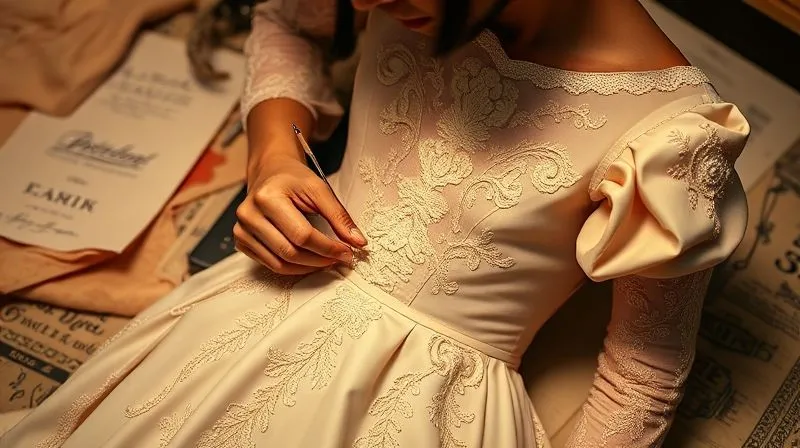
- High-Resolution 3D Scanning: Digitize key archived pieces using advanced 3D scanning technology to create hyper-realistic virtual models.
- Virtual Exhibitions & Tours: Host online exhibitions that allow users to explore 3D models of garments, zoom in on details, and access historical information.
- NFTs and Digital Collectibles: Create limited-edition NFTs of iconic runway looks, patterns, or even moments from historical shows. These can be traded and collected in the metaverse.
- Metaverse Integration: Design virtual versions of archived pieces for avatars in popular metaverse platforms, allowing users to 'wear' digital couture.
- Augmented Reality (AR) Experiences: Develop AR filters or apps that allow users to virtually 'try on' archived pieces or see them in their environment.
As Seth Godin often highlights, in a crowded market, unique experiences and authentic stories are paramount. Digitalization allows brands to scale these experiences globally. Learn more about digital fashion's potential here on Vogue Business.
6. Educational Programs and Masterclasses
The knowledge embedded within haute couture archives—from design philosophy to intricate techniques—is an invaluable asset that can be monetized through educational initiatives. This positions the brand as a thought leader and nurtures future talent.
Sharing Expertise for Revenue and Reputation
This strategy not only generates income but also significantly enhances brand prestige and creates a deeper connection with the fashion community.
- Archive-Inspired Masterclasses: Offer workshops (online or in-person) focused on specific skills or historical techniques derived from the archive (e.g., 'The Art of Draping from the 1950s').
- Accredited Courses: Partner with leading fashion institutions to develop more extensive, accredited courses based on your brand's heritage and design principles.
- Guest Lectures & Speaking Engagements: Brand historians, designers, or archivists can command fees for speaking at conferences, universities, or private events.
- Publishing: Produce high-quality books, digital guides, or even documentaries that delve into the history, techniques, and philosophy embodied by the archived masterpieces.
- Exclusive Workshops for Designers: Offer intensive, high-cost workshops specifically for emerging or established designers looking to refine their craft through historical study.
This approach transforms the archive from a storage facility into a vibrant learning center, attracting a niche audience willing to invest in specialized knowledge.
7. Strategic Partnerships with Film, Television, and Media
Archived runway masterpieces are often sought after by the entertainment industry for their authenticity and visual impact. Lending or leasing these pieces for film, television, editorial shoots, or even music videos can provide significant exposure and revenue.
Leveraging Media for Brand Visibility and Profit
I’ve overseen numerous projects where a single archival piece transformed a scene or an editorial, creating powerful brand moments. This is about calculated exposure.
- Curated Lending Program: Establish clear guidelines and a fee structure for lending pieces. Ensure strict insurance, handling, and security protocols are in place.
- High-Profile Placements: Target prestigious film productions, critically acclaimed TV series, and leading fashion magazines for placements that align with your brand's image.
- Behind-the-Scenes Content: Negotiate for 'making-of' or 'archive spotlight' content to be created, showcasing the journey of the piece from archive to screen/page.
- Exclusivity & Embargoes: Manage media interest strategically, sometimes granting exclusive access to certain outlets for maximum impact.
- Brand Integration: Explore opportunities for deeper brand integration within media projects, beyond just garment placement, such as narrative tie-ins or historical consultation.
This strategy provides invaluable brand visibility and cultural relevance, often reaching demographics that traditional advertising might miss. It’s a powerful way to keep the brand's legacy alive in contemporary culture. For insights into luxury brand collaborations, see this Harvard Business Review article.
| Monetization Strategy | Primary Revenue | Brand Impact | Complexity |
|---|---|---|---|
| Exhibitions | Ticket sales, Merchandise | Prestige, Storytelling | High |
| Licensing IP | Licensing fees | Brand extension, Innovation | Medium |
| Vintage Sales | Direct sales | Authenticity, Circularity | Medium |
| Re-Editions | Bespoke sales | Exclusivity, Craftsmanship | Very High |
| Digitalization | NFTs, Digital assets | Innovation, New audience | High |
| Education | Course fees, Publishing | Thought leadership, Talent nurturing | Medium |
| Media Partnerships | Lending fees, Exposure value | Visibility, Cultural relevance | Medium |
Frequently Asked Questions (FAQ)
Question: How do I ensure brand integrity when monetizing archived pieces? Maintaining brand integrity is paramount. I always recommend establishing clear guidelines for any monetization activity. For licensing, partner only with companies that uphold your brand's quality and aesthetic standards. For re-editions or vintage sales, ensure meticulous restoration and authentication. Every touchpoint should reinforce your brand's luxury positioning, not dilute it. Transparency about the origin and condition of pieces is also key to building trust.
Question: What are the biggest risks involved in opening up an archive for commercial purposes? The primary risks include potential damage to delicate historical garments, loss of exclusivity if not managed carefully, and brand dilution if monetization efforts are not aligned with the brand's core values. There's also the risk of misrepresenting historical context or losing control over the narrative if external partners aren't properly vetted. Robust legal agreements, insurance, and expert conservation are essential mitigations.
Question: How can smaller or emerging luxury brands approach archive monetization without vast resources? Smaller brands can start by focusing on digital strategies, which often have lower overhead. High-resolution photography and compelling storytelling on social media can initiate interest. Limited, highly curated capsule collections inspired by archival elements, or small-scale educational workshops, can also be effective. Collaborating with local museums or galleries for smaller, focused exhibitions can also be a more accessible entry point. The key is to be strategic and start small, building momentum.
Question: Is there a conflict between selling vintage pieces and promoting new collections? Not if managed correctly. In my view, a well-executed vintage program can actually enhance the desirability of new collections by highlighting the brand's enduring legacy and craftsmanship. It creates a sense of continuity and investment. It also caters to a different segment of the market – collectors seeking unique historical pieces versus those wanting the latest fashion. The two can coexist and even synergize, with vintage sales driving interest back to the brand's current offerings.
Question: How important is documentation and conservation for effective monetization? Extremely important. Without meticulous documentation (photos, sketches, construction notes, provenance) and professional conservation, the historical and commercial value of an archived piece diminishes significantly. Accurate documentation validates authenticity for buyers and licensees, while proper conservation ensures the physical integrity of the garment, allowing it to be displayed, handled, or even re-editioned without risk. These are foundational elements for any successful archive monetization strategy.
Key Takeaways and Final Thoughts
- Archived runway masterpieces are not just historical artifacts; they are dynamic, monetizable assets.
- Strategic monetization enhances brand prestige, creates new revenue streams, and engages new audiences.
- A multi-faceted approach, combining physical experiences, digital innovation, and intellectual property leverage, yields the best results.
- Brand integrity, meticulous conservation, and authentic storytelling must be at the core of every monetization strategy.
- The luxury resale, digital collectibles, and experiential markets offer significant untapped potential for heritage brands.
The journey to effectively monetize archived runway masterpieces is a strategic one, requiring vision, dedication, and a deep understanding of both heritage and contemporary market dynamics. By embracing these expert-driven strategies, luxury brands can transform their archives from dormant repositories into vibrant engines of profit and prestige, ensuring their legacy continues to inspire and captivate for generations to come. It's time to unlock the hidden value within your brand's sartorial soul.
Recommended Reading
- 5 Ways to Ensure Textile Functionality After Repeated Washing
- Achieving High-Performance Fabrics: 7 Eco-Friendly Material Strategies
- 5 Critical Steps: What to Do When a Custom Bridal Gown Arrives Flawed
- Unlock Profit: 7 Steps to Source & Sell Vintage Gems
- 7 Proven Strategies: How to Spot Fashion Micro-Trends Early for Blog Content


Your email address will not be published. Required fields are marked *