


How to Spot Fashion Micro-Trends for Original Blog Content Early?
For over 15 years in the dynamic world of fashion blogging and industry analysis, I’ve seen countless content creators struggle with the same fundamental challenge: how to stay fresh, relevant, and truly original. The fashion cycle moves at an exhilarating, sometimes dizzying, pace, and the easiest trap to fall into is simply reacting to what’s already mainstream. This leads to generic content, low engagement, and ultimately, a loss of audience trust.
The pain point is palpable: you want your blog to be the go-to source for what's next, not what's now. You crave that 'aha!' moment of discovering a burgeoning style direction before it hits the mass market, allowing you to craft truly unique narratives and establish yourself as a visionary. But how do you sift through the noise to find those nascent signals? How do you distinguish a fleeting fad from a genuine micro-trend with staying power?
This comprehensive guide will equip you with a robust, multi-faceted framework to proactively identify fashion micro-trends. I'll share my proven strategies, from leveraging cutting-edge data analytics to immersing yourself in subcultures, ensuring your blog is always a step ahead. You’ll learn not just what to look for, but precisely how to interpret the subtle cues that herald the next big thing, transforming your content from reactive to revolutionary.
Understanding the DNA of a Micro-Trend: Why They Matter for Bloggers
Before we dive into the 'how,' let's clarify the 'what.' A **micro-trend** is a distinct, often subtle, shift in consumer preference or aesthetic that emerges within a specific niche or demographic before potentially expanding into a broader market. Unlike macro-trends, which are long-term, overarching societal shifts (e.g., sustainability, athleisure), micro-trends are shorter-lived, more specific, and often more agile. Think 'cottagecore' before it exploded, or the specific resurgence of '90s minimalist slip dresses versus the broader '90s revival.
For fashion bloggers, spotting these early is your golden ticket. It allows you to create original content that isn't saturated elsewhere. When you're the first to cover a specific silhouette, a unique color palette, or a burgeoning subculture's style, you establish thought leadership. This builds immense **authority** and **trust** with your audience, who will begin to view you as their personal trend whisperer. Moreover, early adoption means you can ride the wave as the trend grows, maximizing your content's reach and potential for monetization.
Expert Insight: "The true power of a micro-trend lies in its novelty. It offers a fresh perspective, a new story to tell, and a unique angle that hasn't been overplayed. This is where original blog content thrives."
The Digital Observatory: Mastering Social Media & Data Analytics
In today's hyper-connected world, the internet is your most powerful tool for early trend detection. Social media platforms, in particular, act as a real-time, global fashion barometer. However, it's not about passively scrolling; it's about active, strategic observation and data analysis.
1. Strategic Social Listening & Hashtag Tracking
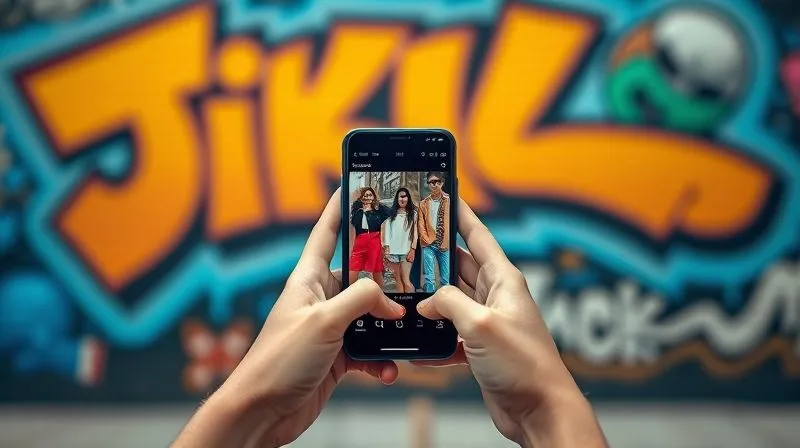
This is your primary reconnaissance mission. Instead of just following mainstream influencers, delve into niche communities. Look for emerging hashtags that aren't yet widely adopted but show consistent, organic growth. Use tools like Brandwatch or Hootsuite to monitor keyword mentions and sentiment.
- Identify Niche Communities: Search for smaller, specialized fashion groups on Reddit, Discord, or even private Facebook groups focused on specific aesthetics (e.g., 'Dark Academia Style,' 'Avant-Garde DIY Fashion').
- Monitor Emerging Hashtags: Look for hashtags with a low but steadily increasing number of posts. Pay attention to user-generated content that uses unique descriptive terms.
- Analyze Visual Cues: Don't just read captions; meticulously analyze the imagery. Are there recurring patterns in styling, accessories, color combinations, or even photo aesthetics?
- Engage & Observe: Participate authentically in these communities. Ask questions, observe discussions, and understand the underlying motivations behind specific style choices.
2. Leveraging Pinterest & TikTok for Visual Forecasting
Pinterest is a goldmine for visual trend forecasting, often preceding other platforms. Users curate mood boards and save aspirational images, providing a glimpse into future desires. TikTok, with its rapid-fire trends and user-generated challenges, is another crucial platform.
- Pinterest Predicts: While not always 'micro,' their annual report offers excellent macro context. Dive deeper by exploring related searches and 'more like this' suggestions on individual pins.
- Search Volume Analysis: Use Pinterest Trends (if available in your region) or Google Trends to see rising search queries related to specific fashion items or aesthetics.
- TikTok's 'For You Page' (FYP) Algorithm: Train your FYP to show you emerging fashion content by actively engaging with niche fashion creators and specific style hashtags. Look for sounds, filters, or specific clothing items gaining traction.
- Micro-Influencer Spotting: On both platforms, identify micro- and nano-influencers (under 50k followers) who consistently showcase unique styles. Their content often reflects genuine community interests before they're commercialized.
3. Data Analytics Tools for Deeper Insights
Beyond social media, various platforms offer deeper analytical insights into consumer behavior and product trends. WGSN and Stylus are industry leaders, but even accessible tools can provide valuable data.
| Platform | Focus | Benefit for Bloggers |
|---|---|---|
| Google Trends | Search interest over time, related queries, geographical popularity | Identifies rising curiosity for specific terms/styles, validates potential micro-trends |
| Exploding Topics | Fast-growing topics across various categories, including fashion | Highlights nascent trends before they hit mainstream news, great for early content planning |
| Edited (Retail Analytics) | Real-time product data, pricing, stock levels, popular categories | Shows what retailers are investing in, what's selling out, confirming commercial viability of a trend |
| Trendalytics | Consumer demand, social buzz, product adoption data | Comprehensive view of a trend's lifecycle, helps differentiate fads from true trends |
According to a report by McKinsey & Company on 'The State of Fashion,' data analytics is becoming increasingly crucial for brands to predict consumer demand, indicating its undeniable value for content creators aiming for foresight. Don't underestimate the power of quantitative data to validate your qualitative observations.
From Runway to Retail: Decoding Industry Signals
While micro-trends often bubble up from the streets, the industry still plays a significant role in amplifying and shaping them. Understanding the traditional fashion calendar and its nuances is critical for anticipating what will eventually hit stores.
1. Observing Fashion Weeks and Showrooms with a Critical Eye
Fashion weeks (New York, London, Milan, Paris, and even smaller, regional ones) are not just about grand statements; they're fertile ground for micro-trend spotting. Don't just look at the 'hero' pieces; scrutinize the details.
- Accessory Focus: Are there recurring bag shapes, shoe styles, or jewelry motifs across multiple designers? Often, a micro-trend starts with an accessory before moving to apparel.
- Color & Fabric Palettes: Beyond the dominant seasonal colors, look for subtle, unexpected color combinations or unusual fabric choices that appear in several collections.
- Styling Cues: How are garments being worn? Are there specific layering techniques, new ways to tuck in shirts, or unique proportions being explored?
- Emerging Designers: Pay close attention to smaller, independent designers showcasing during off-calendar events or digital presentations. They are often more experimental and can be harbingers of future directions.
2. Trade Shows & B2B Platforms: The Commercial Barometer
These events are where buyers make their purchasing decisions for upcoming seasons. While often closed to the public, following industry news and publications that cover them can provide invaluable insights.
- Wholesale Portals: Sites like JOOR or NuORDER, though typically B2B, often have press releases or industry reports that highlight top-selling categories or emerging brands.
- Fabric & Textile Fairs: Events like Première Vision showcase the materials that designers will be working with 12-18 months in advance. New sustainable materials, innovative weaves, or specific prints can signal a micro-trend.
- Industry Publications: Read WWD, Business of Fashion, and other trade journals diligently. They often report on buyer sentiment and forecasted retail trends.
Street Style & Subcultures: Where Innovation Begins
While runways dictate, the streets often innovate. Many micro-trends originate organically from subcultures, creative communities, and individual expression before being adopted by designers and retailers.
1. Immersing in Global Street Style Capitals
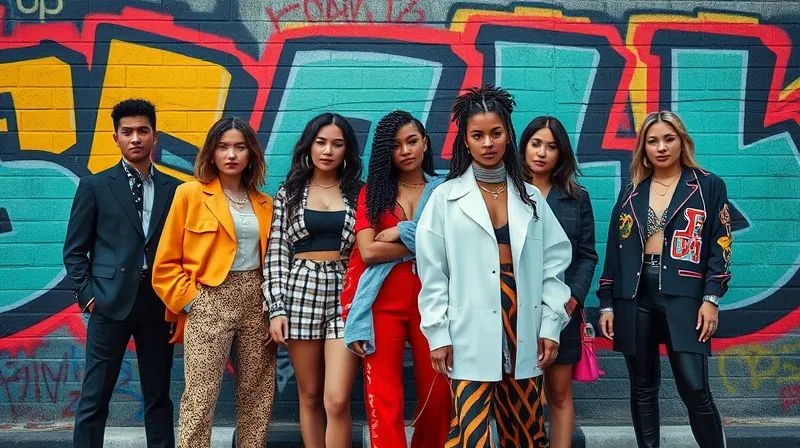
Cities like Tokyo (Harajuku, Shibuya), Seoul, London (Shoreditch), and Berlin (Kreuzberg) are renowned for their vibrant street style scenes. Follow photographers and bloggers who document these urban fashion landscapes.
- Focus on Individuality: Look beyond the 'influencer uniform.' Seek out unique combinations, DIY elements, and unconventional styling that hasn't been widely replicated.
- Observe Specific Neighborhoods: Different districts within a city often harbor distinct subcultures and style tribes. Research these areas and follow local photographers.
- Identify Emerging Silhouettes & Proportions: Are people experimenting with oversized tailoring, extreme crop tops, or new ways of layering? These often start as street experiments.
2. Exploring Subcultural Aesthetics & Communities
From punk to goth, cottagecore to dark academia, subcultures are powerful incubators of style. They provide a rich tapestry of niche aesthetics that often inform broader trends.
- Online Forums & Art Platforms: Explore communities on platforms like Tumblr, DeviantArt, or specific subculture forums. These are places where aesthetics are often first defined and shared.
- Music & Art Scenes: Pay attention to the style of emerging musicians, artists, and performers. Their sartorial choices often influence their fan bases and can signal shifts in aesthetic.
- Vintage & Second-Hand Markets: These spaces are where trends are often recycled, reinterpreted, and given new life. What styles are gaining traction among vintage collectors or resellers?
Expert Insight: "True micro-trends often start with a story, a philosophy, or a community. The clothes are merely an outward expression of an inner world. Understand the 'why' behind the style, and you'll understand its potential."
Leveraging Niche Communities & Influencers for Early Signals
The rise of the creator economy has decentralized trendsetting. Niche communities and micro-influencers are now powerful vectors for emerging styles, often operating below the radar of mainstream media.
1. Deep Diving into Niche Online Forums and Groups
Beyond general fashion groups, seek out highly specific interest groups. These could be dedicated to:
- Specific fashion decades (e.g., '70s Disco Revival')
- Ethical or sustainable fashion practices (e.g., 'Upcycling & DIY Fashion')
- Specific garment types (e.g., 'Avant-Garde Knitwear Enthusiasts')
- Body positivity and inclusive fashion
In these spaces, you'll find authentic discussions about what people are *actually* wearing, desiring, and creating, often long before these ideas are picked up by major brands or publications. Look for consensus on specific items, styling dilemmas, or desired aesthetics.
2. Identifying & Cultivating Relationships with Micro-Influencers
Micro-influencers (typically 10k-100k followers) and nano-influencers (under 10k) are invaluable. They often have highly engaged, loyal audiences who trust their recommendations. They are also more likely to experiment with unique styles that haven't yet been commodified.
- Authenticity over Audience Size: Prioritize influencers whose style feels genuine and whose engagement rates are high, rather than just large follower counts.
- Platform Diversity: Don't just look on Instagram. Explore TikTok, YouTube, and even platforms like Lemon8 or Bereal for different visual languages and communities.
- Analyze Comment Sections: The comments are a goldmine. What questions are followers asking? What items are they expressing desire for? Are there specific terms or aesthetics being discussed?
- Collaborate & Observe: Consider reaching out to collaborate on content, or simply observe their evolving style. Their early adoption of a particular item or aesthetic can be a strong indicator.
As marketing guru Seth Godin often says, "People like us do things like this." Micro-influencers embody this principle, fostering communities around shared tastes. Seth Godin's blog offers profound insights into community building and marketing that are highly relevant here.
The Art of Synthesis: Connecting Disparate Dots
Spotting a micro-trend isn't just about identifying a single item or style; it's about recognizing patterns, connecting seemingly unrelated observations, and synthesizing them into a coherent narrative. This is where your expertise truly shines.
Case Study: How 'Coastal Grandmother' Became a Blog Content Phenomenon
Consider the 'Coastal Grandmother' micro-trend. It didn't emerge from a single runway show. Instead, savvy bloggers and content creators noticed several disparate dots converging:
A rising interest in quiet luxury and comfort, a nostalgic appreciation for classic, timeless aesthetics, a shift towards more natural fabrics like linen and cotton, and an increasing popularity of media depicting aspirational, relaxed lifestyles (e.g., Nancy Meyers films). Individually, these were just observations. But by synthesizing them, one blogger identified a nascent aesthetic that resonated deeply with a segment of the audience seeking sophisticated, relaxed elegance. They published content defining the look, offering styling tips, and creating shopping guides long before major retailers or magazines explicitly labeled it. This proactive approach generated significant traffic and established them as an authority in lifestyle trends.
This process involves asking:
- What are the underlying cultural shifts driving these aesthetic preferences?
- Are there similar patterns emerging in other creative fields (interior design, art, music)?
- How does this micro-trend connect to broader societal values (e.g., sustainability, wellness, escapism)?
Content Creation & Monetization: Turning Trends into Trust
Once you've identified a promising micro-trend, the next step is to translate that insight into compelling, original blog content that resonates with your audience and potentially generates revenue.
1. Crafting Unique Narratives & Visual Storytelling
Don't just report on the trend; tell its story. Explain its origins, its key elements, and why it's gaining traction. Use high-quality imagery that visually captures the essence of the trend.
- Editorial Spreads: Create your own styled shoots that embody the micro-trend.
- DIY & Upcycling Guides: If the trend involves specific techniques or materials, offer tutorials.
- Historical Context: Explore the trend's roots or past iterations, providing depth.
- Personal Interpretation: Show how *you* are incorporating the trend into your own style.
2. Strategic Monetization & Affiliate Marketing
Early trend spotting offers unique monetization opportunities, as you can be among the first to create shopping guides or product recommendations.
- Curated Shopping Guides: Link to products that fit the micro-trend from various price points and retailers.
- Brand Collaborations: Approach brands that align with the emerging aesthetic for sponsored content or product reviews.
- Digital Products: Create e-books, style guides, or mood board templates based on the micro-trend.
- Exclusive Content: Offer premium content or workshops for a deeper dive into the trend for a paying audience.
Avoiding the Hype Trap: Distinguishing Fleeting Fads from True Trends
Not every viral moment is a micro-trend with staying power. As an experienced industry specialist, I've seen countless 'fads' burn brightly and then fizzle out. The key is discernment.
1. Assess the Underlying 'Why'
A true micro-trend usually has a deeper cultural or psychological resonance. It often reflects a shift in values, lifestyle, or aspiration. A fad, on the other hand, is often purely superficial, driven by novelty or a fleeting celebrity endorsement.
- Ask: Does this style address a genuine need (e.g., comfort, self-expression, sustainability)?
- Ask: Is it adaptable? Can it be interpreted in various ways, or is it a very specific, one-note look?
2. Observe Longevity and Evolution
Fads typically have a very short, intense lifespan. Micro-trends, while shorter than macro-trends, show signs of evolution and adaptation over several months, sometimes even a year or two. Look for:
- Consistency Across Platforms: Is the trend appearing in different contexts (social media, street style, niche retail)?
- Organic Growth: Does it feel like something people genuinely want to wear, or is it heavily pushed by marketing?
- Adaptability: Is it being reinterpreted by different demographics or subcultures?
For more on distinguishing trends from fads, consider resources like Harvard Business Review, which often publishes articles on market analysis and consumer behavior patterns that apply broadly to fashion.
Frequently Asked Questions (FAQ)
Question? How long do fashion micro-trends typically last? Micro-trends are generally shorter-lived than macro-trends, often lasting anywhere from 6 months to 2 years. Their lifespan depends on how deeply they resonate with consumers and whether they get adopted by mainstream retailers. Spotting them early allows you to maximize your content's relevance during their peak.
Question? Can I rely solely on social media for micro-trend spotting? While social media is an incredibly powerful tool, relying solely on it can be misleading. It's prone to echo chambers and fleeting viral moments. For genuinely valuable insights, combine social listening with industry reports, street style observations, and data analytics. A multi-pronged approach provides a more robust validation of an emerging trend.
Question? How do I validate a micro-trend before committing to extensive content creation? To validate, look for triangulation: if you see a pattern on TikTok, then notice similar aesthetics on Pinterest, then find a rising search query on Google Trends, and finally spot it in a niche retail collection, you likely have a validated micro-trend. The more data points confirming the pattern, the stronger the signal.
Question? Is it possible to predict which micro-trends will become macro-trends? It's challenging to predict with certainty, but some indicators include broad appeal across demographics, alignment with larger societal values (e.g., sustainability, comfort, self-expression), and adaptability to various price points. Micro-trends that tap into a fundamental human need or desire have a higher chance of evolving into macro-trends.
Question? What if I spot a micro-trend but don't have the budget for elaborate photoshoots? Authenticity trumps production value. Focus on clear, well-lit photos using your phone, flat lays, or even collages of inspirational images (with proper attribution). User-generated content that you've curated and commented on can also be highly effective. The value is in your unique insight and perspective, not just high-end photography.
Key Takeaways and Final Thoughts
Mastering **how to spot fashion micro-trends for original blog content early** is an invaluable skill that will elevate your blog from a reactive commentary to a visionary platform. It's a blend of keen observation, strategic data analysis, and an intuitive understanding of cultural shifts.
- Be a Digital Detective: Actively seek out niche communities and emerging hashtags on social media.
- Connect the Dots: Synthesize observations from street style, runways, industry reports, and data.
- Validate with Data: Use tools like Google Trends and retail analytics to confirm your qualitative insights.
- Focus on the 'Why': Understand the underlying cultural or societal drivers behind a trend for true longevity.
- Create Unique Narratives: Tell the story of the trend, don't just report on it, to build trust and authority.
Embrace the role of a fashion forecaster. It requires patience, curiosity, and a willingness to look beyond the obvious. By honing these skills, you won't just keep your blog relevant; you'll make it indispensable, guiding your audience through the ever-evolving landscape of style with unparalleled foresight and originality. The fashion world is constantly whispering its next move – are you ready to listen?
Recommended Reading
- Unlock the Future: 7 Steps to Sustainable, High-Performance Functional Textiles
- Unlock Your Dream: How to Get Your Fashion Editorial Published Now!
- The Ultimate Secret: How to Properly Prevent Pilling on Yoga Leggings
- 9 Steps: How to Verify Ethical Labor in Eco-Friendly Shoe Factories?
- Unlock Profit: How to Avoid Missing Crucial Fashion Trend Shifts?



Your email address will not be published. Required fields are marked *