

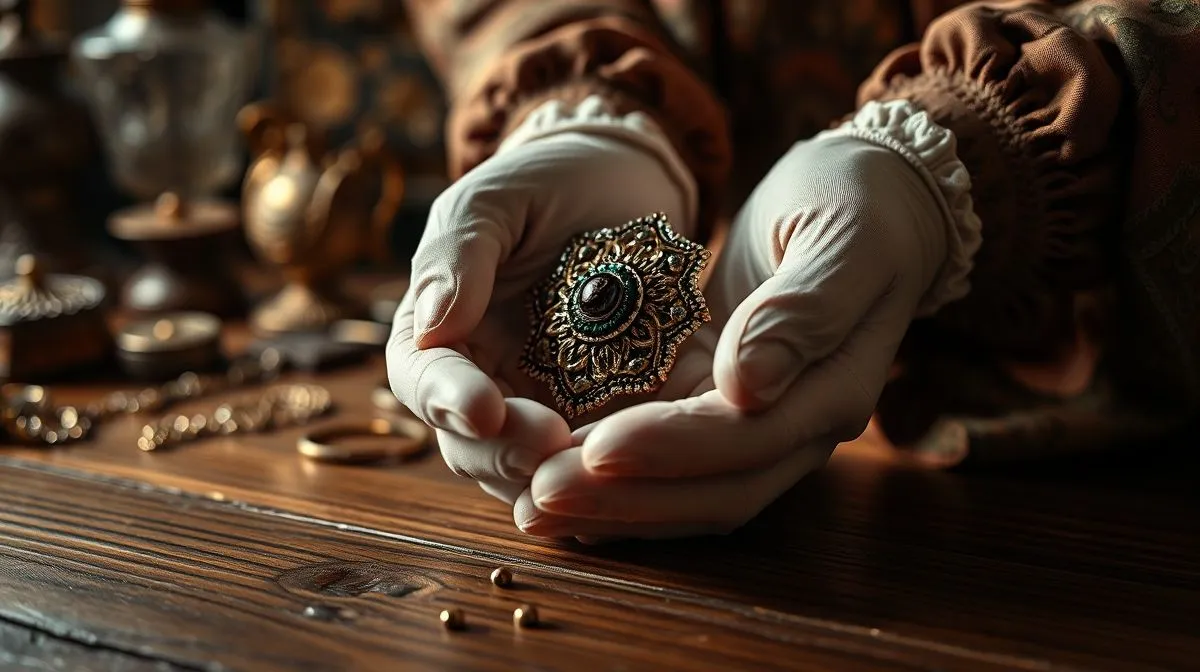
How to Profit from Sourcing Unique Vintage Secondhand Gems?
For over two decades in the vintage fashion industry, I've had the privilege of witnessing its evolution from a niche hobby to a thriving, sustainable economy. I’ve seen countless passionate individuals stumble, not because they lacked an eye for beauty, but because they lacked a robust strategy for turning their finds into true profit. The thrill of the hunt is undeniable, but converting that thrill into tangible income requires more than just luck; it demands expertise, patience, and a keen business sense.
Many aspiring vintage entrepreneurs face a common dilemma: they find incredible pieces, but struggle with valuation, authentication, and ultimately, moving inventory at a profitable price. They get overwhelmed by the sheer volume of information, or worse, fall prey to common misconceptions about the market. This often leads to stagnant inventory, lost capital, and ultimately, burnout. It's a problem I've helped many overcome, transforming their passion into a sustainable livelihood.
In this definitive guide, I will share the distilled wisdom gained from my extensive experience. You’ll learn precisely how to profit from sourcing unique vintage secondhand gems by mastering the art of the hunt, understanding true value, building an authentic brand, and implementing proven sales strategies. This isn't just about finding old clothes; it's about curating history, understanding market dynamics, and creating a valuable enterprise. Let’s dive deep into the actionable frameworks that will elevate your vintage business.
The Art of the Hunt: Mastering Sourcing Channels
The foundation of any successful vintage enterprise lies in its sourcing. It’s not just about where you look, but how you look. In my early days, I spent countless hours sifting through dusty bins, learning the hard way what to prioritize. Now, I approach sourcing with a laser-focused strategy, maximizing my time and investment.
Understanding Your Niche: Before you even step foot in a store, define your niche. Are you focusing on designer vintage, specific eras (e.g., 60s mod, 90s grunge), workwear, or perhaps unique accessories? A clear niche helps you filter out noise and become an expert in a specific domain. This expertise makes you a trusted authority and attracts a dedicated customer base.
Diversifying Your Sourcing Channels: Relying on just one source is a rookie mistake. The best gems often come from unexpected places. Here are my go-to channels:
- Estate Sales & Auctions: Often overlooked, these are treasure troves for high-value items. Research local listings, arrive early, and don't be afraid to dig. Look for specific designers, unique fabrics, and handmade details.
- Thrift Stores & Charity Shops: The bread and butter for many, but require patience. Visit frequently, especially on re-stocking days. Develop a keen eye for quality and potential.
- Online Marketplaces (eBay, Etsy, Depop, Poshmark): Excellent for finding specific items or reaching sellers in different regions. Master search terms and set up alerts for desired items.
- Flea Markets & Antique Fairs: Great for networking with other dealers and finding unique, often uncatalogued items. Haggling is often expected here, so hone your negotiation skills.
- Private Collections/Consignments: As you build your reputation, individuals may approach you directly to sell or consign their vintage pieces. This is where truly rare, pristine items often surface.
“The true vintage expert doesn't just find; they forge relationships and uncover stories, making every acquisition a meaningful addition to their curated collection.”
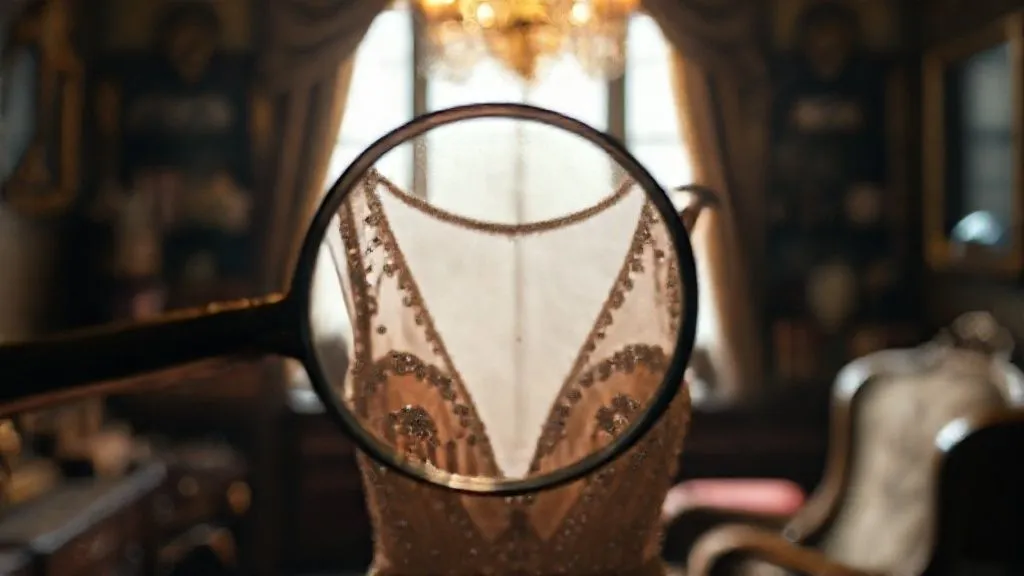
Remember, consistency is key. Regular visits to your chosen sourcing channels increase your chances of finding exceptional pieces. And always carry a measuring tape, a magnifying glass, and a small notepad for details.
Authenticity & Valuation: The Cornerstone of Trust
In the vintage world, trust is your most valuable currency. Your ability to authenticate items and price them accurately not only ensures profitability but also builds a loyal customer base. I've seen businesses crumble due to misrepresentations, intentional or not. This is where your expertise truly shines.
Mastering Authentication:
- Labels & Tags: Research historical brand labels, union tags (like ILGWU for US garments), and care tags. These often contain clues about the era and origin.
- Construction & Fabric: Examine stitching (hand-sewn vs. machine), buttonholes, zippers (e.g., Talon zippers were common in specific eras), and fabric composition. Natural fibers like silk, wool, and linen were more prevalent in older garments.
- Period-Specific Silhouettes & Details: Familiarize yourself with the defining characteristics of different eras – the hemlines of the 1920s, the shoulder pads of the 1940s, the psychedelia of the 1970s.
- Research & Resources: Utilize online archives, vintage fashion history books, and consult with experienced conservators or curators. For example, understanding textile history can significantly aid in dating and authenticating pieces. The Metropolitan Museum of Art's costume collection archives are an invaluable resource.
Strategic Valuation: Pricing vintage items is an art and a science. It's not just about what you paid for it.
- Condition: Is it pristine, excellent, good, or fair? Flaws significantly impact value. Be honest and transparent about condition to your buyers.
- Rarity & Desirability: Is it a one-of-a-kind piece? Is it from a highly sought-after designer or era? The more unique and desirable, the higher the potential value.
- Market Trends: What are similar items selling for? Monitor online marketplaces, auction results, and established vintage retailers. Understand what's currently in vogue.
- Historical Significance: Does the item have a unique story, or was it worn by someone notable? Provenance can dramatically increase value.
- Restoration Potential: Can minor flaws be easily fixed to increase value? Factor in the cost of restoration.
Case Study: Reviving a Mid-Century Gem
I once sourced a magnificent 1950s Christian Dior dress from an estate sale. It had a few moth nibbles and a slight discolouration. Initial valuation, as-is, was around $800. However, knowing its provenance and the potential, I invested in professional invisible mending and careful dry cleaning by a textile conservator. The cost was $300. After restoration, the dress sold for $4,500. This demonstrates the power of informed valuation and strategic investment in restoration.
Restoration vs. Preservation: Maximizing Value Ethically
Once you’ve acquired a vintage gem, the next critical step is deciding how to prepare it for sale. This often involves a delicate balance between restoration and preservation, ensuring the item retains its historical integrity while being presented in its best possible light. My philosophy has always been to do no harm, prioritizing preservation where possible.
Preservation Techniques:
- Gentle Cleaning: Always test cleaning methods on an inconspicuous area. For delicate fabrics, hand-washing with pH-neutral soap or professional dry cleaning by a vintage textile specialist is paramount. Avoid harsh chemicals.
- Repairs: Minor repairs should be done using period-appropriate techniques and materials where feasible. This means using similar thread, hand-stitching, or matching fabric patches if absolutely necessary.
- Storage: Store items carefully in acid-free tissue paper, breathable garment bags, and in a climate-controlled environment away from direct sunlight and humidity. This prevents further deterioration.
When to Restore (and When Not To):
“True value in vintage isn't just about flawless condition; it's about the story the item tells. Sometimes, a perfectly preserved patina is more valuable than a heavily restored piece.”Restoration should only be undertaken if it significantly enhances the item's value without compromising its authenticity or historical integrity. For example, replacing a missing button with a period-correct one is a good restoration. Re-dyeing a faded dress, however, might strip it of its original charm and historical context, potentially decreasing its value to purists.
- Assess Damage: Is it minor wear, or significant damage? Can it be repaired invisibly and ethically?
- Consider Originality: How much of the original piece would be altered? The less alteration, the better.
- Cost vs. Value: Will the cost of restoration be recouped in the increased selling price?
- Professional Help: For valuable or delicate items, always consult with or hire professional textile conservators or specialized tailors. Do not attempt complex repairs yourself unless you are highly skilled.
Remember, transparency is key. If an item has undergone restoration, always disclose it to your buyers. This builds trust and sets realistic expectations.
Crafting Your Narrative: Storytelling for Sales
In the vintage market, you're not just selling clothes; you're selling history, character, and a unique story. The most successful vintage sellers are master storytellers. I've found that a compelling narrative transforms a simple garment into a coveted treasure, justifying its price and creating an emotional connection with the buyer.
Elements of a Powerful Vintage Story:
- Provenance (if known): Did it belong to someone famous? Was it worn at a significant event? Even a general 'found in a charming Parisian flea market' adds allure.
- Historical Context: Explain the era it came from. What was fashion like then? What cultural shifts influenced its design? For example, a 1920s flapper dress isn't just a dress; it's a symbol of newfound female liberation.
- Designer & Craftsmanship: Highlight the designer's legacy or the unique artisanal techniques used. Was it hand-embroidered? Is it a rare early piece from a renowned fashion house?
- Condition & Uniqueness: Emphasize its excellent condition for its age or its one-of-a-kind nature.
- Styling Potential: Offer ideas on how the modern buyer can integrate the piece into their contemporary wardrobe, making it relevant and desirable today.
“A vintage piece is a whisper from the past. Your job is to amplify that whisper into a compelling narrative that resonates with today's discerning buyer.”How to Implement Storytelling:
- Detailed Product Descriptions: Go beyond measurements. Weave the story into your descriptions, using evocative language.
- High-Quality Photography: Use imagery that reflects the item’s era and character. Style your photos to tell a visual story.
- Social Media: Use platforms like Instagram and TikTok to share behind-the-scenes stories of your sourcing trips, research, and styling tips.
- Blog Content: Create blog posts about the history of specific designers, fashion eras, or sustainable fashion practices related to your items. This positions you as an expert and adds value beyond just product listings.
According to a study published in the Harvard Business Review, emotional connections with customers significantly increase their lifetime value. Storytelling is the most potent tool for forging such connections in the vintage space.
Pricing Strategies for Vintage Profitability
Setting the right price for your vintage items is crucial for profitability and sustained sales. Price too high, and items sit; price too low, and you leave money on the table, undermining your business. My approach to pricing is multi-faceted, balancing perceived value with market realities.
Key Factors Influencing Price:
- Acquisition Cost: Your initial investment in the item.
- Condition: As discussed, condition heavily dictates price.
- Rarity & Demand: Highly rare items in high demand command premium prices.
- Brand/Designer: Established, sought-after brands fetch higher prices.
- Historical Significance: Items with unique provenance or historical importance.
- Market Comparables: What similar items have recently sold for online or in reputable vintage shops. This is your most critical benchmark.
- Overhead Costs: Factor in cleaning, repairs, photography, listing fees, shipping supplies, and your time.
Common Pricing Models:
- Cost-Plus Pricing: Add a fixed markup percentage to your total costs (acquisition + overhead). Simple, but might not reflect market value.
- Value-Based Pricing: Determine the price based on the perceived value to the customer, often higher for unique or rare items.
- Competitive Pricing: Match or slightly undercut competitors' prices for similar items.
- Dynamic Pricing: Adjust prices based on demand, seasonality, or how long an item has been in stock.
“Your pricing strategy isn't just about recouping costs; it's about communicating the true worth and unique story of each vintage treasure to its next custodian.”Tips for Maximizing Profit:
- Bundle Deals: Offer discounts for purchasing multiple items, especially for accessories or complementary pieces.
- Seasonal Adjustments: Price heavier coats higher in winter, lighter dresses in summer.
- Strategic Sales: Use sales to clear slow-moving inventory, but don't undervalue your core pieces.
- Professional Photography: High-quality images can justify a higher price point by making the item appear more desirable and valuable.
- Detailed Descriptions: As mentioned, a compelling story and accurate details build confidence and support a higher price.
Don't be afraid to test different price points, especially for unique pieces. Monitor your sales data closely to understand what works best for your specific inventory and target audience.
Marketing Your Treasures: Reaching the Right Buyers
You’ve sourced, authenticated, restored, and priced your vintage gems. Now, how do you get them into the hands of eager buyers? Effective marketing is the bridge between your inventory and your customer. It’s about reaching the right audience with the right message, and it’s an area I've continually adapted over the years as digital landscapes evolve.
Building Your Online Presence:
- Dedicated E-commerce Store: A professional website (Shopify, Squarespace) gives you full control over your brand, presentation, and customer experience. This is where your brand identity truly shines.
- Online Marketplaces: Continue to leverage platforms like Etsy, eBay, Depop, and Poshmark. Each has a different audience; understand which platforms best suit your niche. They offer built-in traffic but come with fees.
- Social Media Engagement:
- Instagram: Highly visual, perfect for showcasing vintage clothing. Use high-quality photos, Reels, and Stories. Engage with vintage communities and use relevant hashtags.
- TikTok: Great for short, engaging videos about styling, sourcing adventures, or historical facts about your items.
- Pinterest: Excellent for driving traffic to your store through visually appealing pins. Create boards around vintage aesthetics, eras, or styling tips.
“In the digital age, your vintage pieces are no longer confined to a single storefront. They can travel the globe, but only if your marketing effectively tells their story to the world.”Content Marketing & SEO:
- Blog: As discussed, a blog positions you as an expert and helps with SEO. Write about vintage trends, care tips, historical context, and styling advice.
- SEO Optimization: Use relevant keywords in your product titles, descriptions, and blog posts. Optimize images with alt text. Think about what potential buyers are searching for (e.g., “1970s bohemian dress,” “vintage Chanel bag”).
- Email Marketing: Build an email list to notify subscribers about new arrivals, sales, and exclusive content. This is one of the most effective ways to nurture repeat customers.
Community Building: Engage with the broader vintage community. Collaborate with other sellers, participate in online forums, and attend local vintage events. Word-of-mouth and genuine connections are incredibly powerful in this niche.
As Seth Godin, the renowned marketing guru, often emphasizes, effective marketing isn't about shouting; it's about telling a compelling story to the people who want to hear it. For vintage, that story is inherent in every piece.
Navigating the Legal & Ethical Landscape
Profitability in vintage fashion isn't just about sales; it's about building a sustainable and responsible business. In my journey, I've learned the critical importance of operating ethically and legally. This not only protects your business but also enhances your reputation and fosters consumer trust. The vintage industry is inherently sustainable, but there are still best practices to adhere to.
Key Legal Considerations:
- Intellectual Property & Trademarks: Be mindful when using brand names, especially for modern reproductions or unauthentic items. Only use brand names if the item is genuinely from that brand. Misrepresentation can lead to legal issues.
- Sales Tax & Business Registration: Understand your local and national regulations regarding sales tax collection and business registration. Operating legally is non-negotiable.
- Consumer Protection Laws: Be transparent about an item's condition, any repairs, and its authenticity. Accurate descriptions prevent disputes and returns.
- Shipping Regulations: Familiarize yourself with international shipping laws, customs declarations, and restrictions on certain materials (e.g., exotic leathers).
Ethical Sourcing & Sustainability:
- True Circularity: Vintage is a cornerstone of the circular economy. Emphasize this in your branding. You are giving new life to existing garments, reducing waste, and lessening the demand for new production.
- Fair Practices: If you work with other individuals for sourcing or repairs, ensure they are compensated fairly.
- Transparent Communication: Be honest about the origin and condition of your items. This builds long-term trust.
- Packaging: Opt for sustainable, recyclable, or compostable packaging materials where possible. This aligns with the eco-conscious values of many vintage buyers.
The Ellen MacArthur Foundation, a global thought leader in the circular economy, consistently highlights the environmental benefits of extending the life of garments. By participating in the vintage market, you are directly contributing to a more sustainable fashion future. Embrace and communicate this powerful message.
Operating with integrity not only protects your bottom line but also positions you as a leader in responsible commerce. It’s about building a legacy, not just making a quick buck.
Building a Sustainable Vintage Empire
My ultimate goal for anyone entering the vintage space is not just to make a few sales, but to build a sustainable, thriving enterprise that brings joy and profit for years to come. This final section is about looking beyond the immediate transaction and establishing a resilient business model.
Diversifying Revenue Streams:
- Online Sales: Your primary channel, as discussed.
- Pop-up Shops & Markets: Excellent for local exposure, direct customer interaction, and clearing inventory.
- Rentals/Styling: Consider renting out unique vintage pieces for photoshoots, film productions, or special events. Offer personal styling services incorporating vintage.
- Repurposing/Upcycling: For items that are too damaged to sell as-is, consider transforming them into new products (e.g., repurposing vintage textiles into accessories).
- Consultation: As your expertise grows, offer paid consultation services to new sellers or collectors.
Customer Relationship Management (CRM):
- Exceptional Customer Service: Respond promptly, handle issues gracefully, and go the extra mile. A happy customer is a repeat customer and a powerful advocate.
- Loyalty Programs: Implement rewards for repeat purchases or referrals.
- Personalized Recommendations: Use purchase history to suggest new arrivals that align with a customer's taste.
“A truly sustainable vintage business is built on passion, perfected through process, and propelled by people – both your team and your loyal customers.”Scalability & Team Building:
As your business grows, consider how to scale. This might involve:
- Hiring part-time help for photography, shipping, or social media management.
- Outsourcing specialized tasks like complex repairs or textile conservation.
- Investing in better inventory management systems.
Remember, the vintage market is dynamic. Stay informed about trends, but also be confident in setting them. Your unique eye and curated selection are your greatest assets. Continuous learning, networking, and adapting to market shifts are crucial for long-term success.
Frequently Asked Questions (FAQ)
Question? How do I identify high-value vintage pieces amidst a lot of common secondhand items?
Detailed answer: Identifying high-value pieces is a skill honed over time, blending knowledge with intuition. Look beyond immediate aesthetics. Focus on fabric composition (natural fibers like silk, wool, linen, cashmere are often indicators of quality), construction (hand-finished seams, reinforced buttonholes, quality zippers, attention to detail), and distinctive silhouettes or features characteristic of specific historical eras. Research designer labels, even obscure ones. Pay close attention to unique prints, embellishments, and closures. Sometimes, a seemingly ordinary item might be a rare example of a specific trend or a prototype. Always carry a magnifying glass and a smartphone for quick label lookups.
Question? What are the biggest challenges in selling vintage online, and how can I overcome them?
Detailed answer: The biggest challenges online are accurately conveying condition and fit, and standing out in a crowded marketplace. To overcome these: 1) Use exceptionally clear, well-lit photographs from multiple angles, highlighting both details and any flaws. 2) Provide precise measurements (bust, waist, hips, length, sleeve length) and compare them to modern sizing charts, as vintage sizing differs significantly. 3) Write comprehensive, honest descriptions that include all relevant details and the item’s story. 4) Build a strong brand identity through consistent aesthetics, communication, and storytelling to differentiate yourself. 5) Leverage SEO and targeted social media marketing to reach your specific audience.
Question? Is it better to specialize in a niche (e.g., 1960s dresses) or offer a wide range of vintage items?
Detailed answer: While a wide range might seem to attract more customers, I strongly advocate for specializing, especially when starting out. Specialization allows you to become a true expert in a particular era, style, or designer. This deep knowledge makes you more efficient in sourcing, more accurate in authentication and valuation, and more trustworthy to buyers. It also makes your marketing efforts more targeted and effective. As your business grows and you gain a loyal customer base, you can gradually expand into complementary niches. However, initial focus builds a stronger foundation.
Question? How do I manage inventory and avoid getting overwhelmed by my collection?
Detailed answer: Effective inventory management is critical. Start by logging every item you acquire: date, cost, source, description, and condition. Assign a unique SKU. Use a simple spreadsheet initially, then consider dedicated inventory software as you grow. Implement a clear storage system—acid-free garment bags, climate control, organized by type or era. Crucially, set a realistic processing schedule for new acquisitions (e.g., list within 48 hours). Regularly review slow-moving items and consider strategic discounts or repurposing. Don't let your passion turn into a hoarding habit; remember, your goal is to profit from sourcing unique vintage secondhand gems, which means moving inventory efficiently.
Question? What is the most common mistake new vintage sellers make, and how can it be avoided?
Detailed answer: The most common mistake is emotional buying – purchasing items simply because they're beautiful or cheap, without a clear understanding of their market value or target audience. This leads to stagnant inventory and wasted capital. To avoid this, always research an item's potential value before purchasing. Ask yourself: Is there demand for this? Can I price it profitably? Does it fit my niche? Develop a 'buy list' of desired items or categories, and stick to it. Treat sourcing as a strategic business decision, not just a treasure hunt.
Recommended Reading
- Unlock the Secret: How to Spot Quality Vintage Items for Timeless Wear
- The Secret Playbook: How to Get Early Access to New Shoe Launches
- Unlock Your Style: The Ultimate Guide to Selecting Streetwear Accessories for Outfit Cohesion
- Apple Picking Perfection: Best Fall Accessories for Your Outfit
- Unlock Your Star Style: How to Choose Celebrity Eyewear for Your Face Shape
Key Takeaways and Final Thoughts
- Strategic Sourcing: Diversify your hunt and define your niche to find truly unique pieces.
- Authenticity & Valuation: Build trust and maximize profit through rigorous authentication and market-aware pricing.
- Ethical Preservation: Prioritize gentle care and ethical restoration to maintain historical integrity and value.
- Compelling Storytelling: Transform garments into coveted treasures by weaving rich narratives around their history and character.
- Smart Marketing: Leverage online platforms, SEO, and engaging content to reach your ideal buyers.
- Sustainable Growth: Operate ethically, diversify revenue, and build strong customer relationships for long-term success.
The journey of learning how to profit from sourcing unique vintage secondhand gems is a rewarding one, combining passion, history, and shrewd business acumen. It’s about being a curator, a historian, and an entrepreneur all rolled into one. By applying the strategies I’ve outlined, you're not just selling clothes; you're preserving history, promoting sustainability, and building a truly unique business. The vintage world is rich with opportunity for those willing to learn, adapt, and operate with integrity. Go forth, discover, and build your thriving vintage empire!

Your email address will not be published. Required fields are marked *