


How to Maximize Luxury Brand ROI from Fashion Week Attendance?
For over two decades in the luxury fashion industry, I've had a front-row seat to the spectacle and, often, the strategic missteps of Fashion Week. I’ve witnessed countless brands pour immense resources – financial, creative, and human – into these global events, only to struggle with articulating the tangible return on investment.
The problem isn't the allure of Fashion Week itself; it's the disconnect between the dazzling presentation and a clear, data-driven strategy. Many brands view it as a necessary expense for prestige, rather than a powerful platform for measurable growth, brand building, and deep client engagement. This often leads to fragmented efforts and a lingering question: was it truly worth it?
In this definitive guide, I will share the actionable frameworks, expert insights, and strategic shifts I’ve championed to transform Fashion Week attendance from a costly tradition into a high-impact, ROI-generating endeavor. You’ll learn how to pre-emptively plan, meticulously execute, and post-event analyze to truly maximize luxury brand ROI from fashion week attendance, ensuring every dollar and every moment counts.
Shifting from Spectacle to Strategy: The Pre-Show Imperative
Before the first model steps onto the runway, the real work of maximizing your Fashion Week ROI begins. It's about laying a robust strategic foundation, moving beyond simply 'having a show' to orchestrating a multi-faceted brand offensive.
Defining Clear, Measurable Objectives
The cardinal sin of Fashion Week participation is a lack of clearly defined objectives. Are you aiming for media impressions, direct sales, new client acquisition, enhanced brand perception, or a combination? Your goals dictate your strategy.
- Identify Primary & Secondary Goals: Prioritize what success looks like. Is it a specific number of unique media mentions, a certain percentage increase in website traffic, or a target number of new VIP client leads?
- Set SMART Objectives: Ensure your goals are Specific, Measurable, Achievable, Relevant, and Time-bound. For instance, 'Increase brand awareness by 15% among UHNWI in key markets within 3 months post-event, measured by sentiment analysis and media reach.'
- Establish Baseline Metrics: Before the event, understand your current performance across chosen KPIs. This provides a crucial benchmark for measuring impact.
- Allocate Resources Accordingly: Once objectives are clear, direct your budget and team efforts toward activities that directly support these goals.
Audience Segmentation and Targeted Outreach
Luxury is inherently about exclusivity and personalization. A blanket approach to Fashion Week invitations and communications is a missed opportunity. Segment your target audience – press, buyers, stylists, influencers, existing VIP clients, potential high-net-worth individuals – and tailor your messaging and experiences for each group.
According to a study published by Harvard Business Review, understanding customer journeys and tailoring experiences can significantly boost engagement and loyalty. This principle is paramount for Fashion Week.
Curating the Experience: Beyond the Runway Show
The runway show is merely the centerpiece; the surrounding experiences are what truly forge lasting connections and elevate your brand's narrative. This is where the magic of luxury experiential marketing happens, creating memorable moments that resonate far beyond the flashbulbs.
Immersive Brand Storytelling
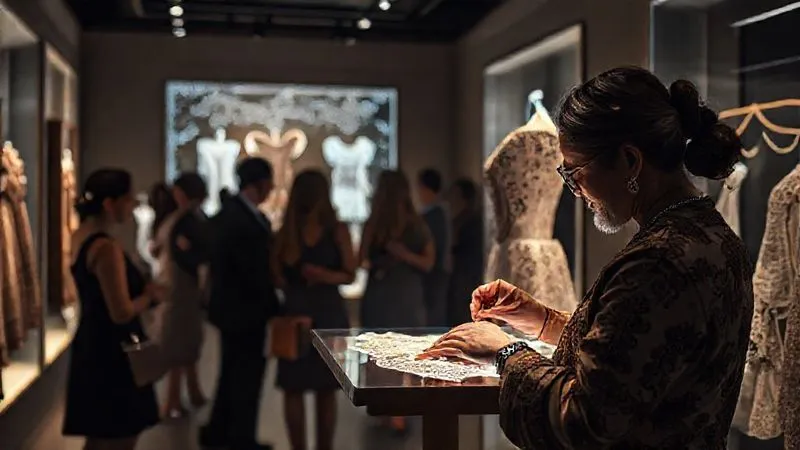
A static presentation is no longer sufficient. Brands must create immersive environments that tell a compelling story, reflecting their heritage, craftsmanship, and vision. Consider private viewings, interactive installations, or intimate salons that allow guests to truly engage with the collection and brand ethos.
Exclusive Client Engagement
For your most valued clients and potential high-net-worth individuals, the experience must be unparalleled. This could involve private appointments with designers, bespoke styling sessions, or intimate dinners that foster genuine relationships. These aren't just perks; they are strategic touchpoints for building loyalty and driving future sales.
“Luxury is not just about the product; it's about the feeling, the service, and the story that surrounds it. Fashion Week is your stage to craft that unforgettable narrative.” – Industry Expert Insight
The Digital Nexus: Amplifying Reach and Engagement
In today's interconnected world, Fashion Week's impact extends far beyond the physical venue. A robust digital strategy is essential to maximize luxury brand ROI from fashion week attendance, reaching a global audience and maintaining momentum.
Influencer Collaboration & Authentic Storytelling
Strategic partnerships with carefully selected influencers – micro and macro – can exponentially amplify your message. Focus on authentic alignment with your brand values and a genuine connection to their audience, rather than just follower count. Provide them with unique access and compelling narratives to share.
Real-Time Content Strategy & Distribution
Develop a pre-planned content calendar for social media, website, and email marketing that leverages real-time updates from Fashion Week. This includes behind-the-scenes glimpses, designer interviews, immediate runway highlights, and exclusive digital content tailored for different platforms. Utilize live streaming and interactive Q&A sessions to engage global audiences directly.
Case Study: 'Eclat Atelier' Transforms Digital Footprint
Eclat Atelier, a burgeoning luxury accessories brand, traditionally struggled to translate Fashion Week buzz into measurable digital engagement. For their recent collection launch, they implemented a multi-tiered digital strategy. They partnered with five niche fashion micro-influencers, granting them exclusive backstage access for Instagram Stories and Reels. Simultaneously, Eclat's in-house team live-streamed the show on YouTube with integrated e-commerce links and launched a dedicated 'Discover the Collection' landing page. Post-event, they repurposed all content into short-form videos and blog posts. This integrated approach resulted in a 300% increase in website traffic during Fashion Week, a 50% boost in online sales conversions for the new collection in the following month, and a 25% growth in their global social media following, significantly improving their digital ROI.
For more insights on effective digital strategies, explore resources from leading digital marketing authorities like Forbes' Digital Marketing section.
Data-Driven Decision Making: Measuring the Intangible
The true measure of success isn't just applause; it's tangible data. While luxury often deals with 'soft' metrics like brand perception, modern analytics allow us to quantify even these intangibles, providing a clearer picture of how to maximize luxury brand ROI from fashion week attendance.
Beyond Media Value: Sentiment & Brand Perception
Traditional media value (PR equivalent) is a start, but it’s insufficient. Utilize sentiment analysis tools to gauge how your brand is perceived in media mentions and social conversations. Track keyword trends, emotional language, and overall brand perception shifts pre- and post-Fashion Week. This qualitative data, when quantified, offers profound insights into brand equity.
Tracking Direct and Indirect Conversions
Direct conversions are straightforward (e.g., immediate sales from a 'see now, buy now' model). Indirect conversions require more sophisticated tracking. This includes website traffic spikes, newsletter sign-ups, social media engagement rates, new followers, CRM lead generation, and even foot traffic to flagship stores in the weeks following the event. Attribute these increases back to Fashion Week efforts.
| Metric | Pre-FW Value | Post-FW Value | Change |
|---|---|---|---|
| Website Traffic (Unique Visitors) | 25,000 | 45,000 | +80% |
| Social Media Engagement Rate | 1.8% | 3.5% | +94% |
| Brand Sentiment (Positive Mentions) | 65% | 80% | +23% |
| New VIP Leads Generated | 50 | 180 | +260% |
Post-Fashion Week: Sustaining the Momentum
The final curtain call on the runway is not the end of your Fashion Week strategy; it's merely the beginning of the post-event phase. Sustaining momentum is critical to converting buzz into long-term value and truly maximizing luxury brand ROI from fashion week attendance.
Retargeting and Nurturing Strategies
Leverage the data collected during Fashion Week to create targeted retargeting campaigns. For individuals who visited your website, engaged with your social content, or expressed interest, deploy personalized email sequences, digital ads, and even direct mail. Nurture these leads with exclusive content, early access to collections, or invitations to future brand events.

Content Repurposing and Longevity
The vast amount of content generated during Fashion Week – photos, videos, interviews, press coverage – is a goldmine. Repurpose it into diverse formats: blog posts, e-books, podcast episodes, short-form videos for TikTok/Reels, long-form documentaries for YouTube, and email newsletters. This extends the lifespan of your Fashion Week investment and provides evergreen content for months to come.
The Power of Exclusivity: VIP & Clienteling Strategies
At the heart of luxury lies exclusivity and personalized relationships. Fashion Week provides an unparalleled opportunity to deepen these connections, which are crucial for long-term ROI.
Personalized Follow-ups
Every interaction during Fashion Week, especially with VIPs, potential clients, and key media, should be followed up with a personalized touch. This isn't a generic email; it's a handwritten note, a tailored digital lookbook, or a personal call referencing a specific conversation. These gestures reinforce the luxury experience and build trust.
Leveraging CRM for Long-Term Relationships
Ensure all interactions and insights gathered during Fashion Week are meticulously logged into your Customer Relationship Management (CRM) system. This data is invaluable for understanding client preferences, purchase history, and engagement patterns, enabling your clienteling teams to foster enduring relationships that translate into repeat business and brand advocacy.
“In luxury, relationships are currency. Fashion Week is not just a show; it's an investment in your most valuable assets: your clients and your brand's story.” – Veteran Luxury Marketer
Sustainable ROI: Integrating Ethical and ESG Narratives
Modern luxury consumers, particularly younger generations, are increasingly conscious of ethical and environmental considerations. Integrating your brand's ESG (Environmental, Social, and Governance) narrative into your Fashion Week presence is no longer optional; it's a strategic imperative for long-term ROI and brand resonance.
Communicating Values Authentically
If your brand has sustainable practices, ethical sourcing, or supports social causes, Fashion Week is the perfect platform to highlight these commitments. Whether through the materials used in your collection, the production methods showcased, or partnerships with purpose-driven organizations, ensure this communication is authentic and transparent. Consumers can spot greenwashing from a mile away.

Long-term Brand Equity through Purpose
A brand that stands for something beyond profit builds deeper emotional connections. This translates into stronger brand equity, increased customer loyalty, and a more resilient market position. Highlighting your commitment to sustainability and ethical practices during Fashion Week can differentiate your brand, attract a conscientious clientele, and ultimately contribute to a more robust, long-term ROI.
The Financial Lens: Budgeting for Impact
Every dollar spent on Fashion Week must be viewed as an investment, not an expenditure. Strategic budgeting is paramount to ensuring you maximize luxury brand ROI from fashion week attendance, allocating resources where they will yield the greatest impact.
Allocating Resources Strategically
Break down your Fashion Week budget into key areas: show production, venue, talent, travel, PR, digital marketing, clienteling events, and post-event analysis. Prioritize allocations based on your pre-defined objectives. If media impressions are key, invest heavily in PR and digital amplification. If client acquisition is paramount, allocate more to exclusive client experiences.
Calculating True ROI: A Holistic View
Calculating ROI for Fashion Week isn't always a simple equation. It involves a mix of direct sales attribution, media value equivalence, sentiment analysis, brand equity growth, and lead generation value. Develop a comprehensive model that considers both immediate financial returns and long-term brand building benefits. This holistic approach provides a more accurate picture of your investment's true value.
| Budget Category | Percentage Allocation | Expected ROI Impact |
|---|---|---|
| Show Production & Venue | 35% | Brand Awareness, Media Impressions |
| PR & Media Outreach | 20% | Media Mentions, Brand Sentiment |
| Digital Marketing & Influencers | 25% | Web Traffic, Online Engagement, Direct Sales |
| Clienteling & VIP Events | 15% | Client Retention, New Lead Generation |
| Data Analytics & Post-Event Analysis | 5% | Strategic Insights, Future Optimization |
“A penny saved is a penny earned, but a penny strategically invested during Fashion Week can yield a fortune in brand equity and future sales.” – Business of Fashion Analyst
Frequently Asked Questions (FAQ)
How do I effectively measure brand perception shifts after Fashion Week? Measuring brand perception requires a multi-faceted approach. Utilize social listening tools to track mentions, sentiment (positive, negative, neutral), and key themes associated with your brand before and after the event. Conduct brand surveys among your target audience to gauge awareness and perception changes. Analyze media coverage for tone, prominence, and key message penetration. Look for shifts in engagement rates on social media and website traffic patterns, which often correlate with changes in perception.
What if my luxury brand has a limited budget for Fashion Week? How can I still maximize ROI? With a limited budget, focus on strategic impact rather than grand scale. Prioritize digital amplification: invest in compelling content creation and targeted influencer collaborations that align with your brand's niche. Consider intimate, exclusive presentations or digital-only launches instead of a full runway show. Leverage existing client networks for word-of-mouth. The key is to be highly selective, innovative, and data-driven in every decision, ensuring every dollar is allocated to activities with the highest potential return.
How important is sustainability and ethical messaging in driving Fashion Week ROI for luxury brands today? Extremely important. Modern luxury consumers, especially Gen Z and Millennials, are increasingly making purchasing decisions based on a brand's ethical and sustainable practices. Integrating authentic ESG narratives into your Fashion Week presence can significantly enhance brand appeal, attract new, conscious clientele, and build long-term brand equity. This translates into stronger loyalty, positive media coverage, and a more resilient brand image, all contributing to a robust ROI beyond immediate sales.
Should my luxury brand prioritize physical presence or digital presence more during Fashion Week? Neither should be prioritized exclusively; a balanced, integrated approach is crucial. Physical presence creates exclusive, immersive experiences for key stakeholders (press, buyers, VIPs), fostering personal connections. Digital presence amplifies this experience globally, reaching a much broader audience and extending the event's longevity. The optimal balance depends on your specific objectives and target audience, but neglecting either is a missed opportunity in today's hybrid luxury landscape.
What is the biggest mistake luxury brands make regarding Fashion Week ROI? The biggest mistake is viewing Fashion Week as a standalone event or merely a marketing expense, rather than an integrated component of a broader business strategy. Failing to set clear, measurable objectives, neglecting robust pre-event planning and post-event analysis, and not connecting the glamour to tangible business outcomes are common pitfalls. Without a strategic framework, even the most spectacular show can fail to deliver genuine ROI.
Key Takeaways and Final Thoughts
- Strategic Planning is Paramount: Define clear, measurable objectives before Fashion Week begins.
- Experience Beyond the Show: Create immersive, exclusive experiences that tell your brand's unique story.
- Digital Amplification is Non-Negotiable: Leverage influencers and real-time content to extend your reach globally.
- Data-Driven Decisions: Measure both tangible and intangible metrics, from sentiment to sales conversions.
- Sustained Engagement Post-Event: Nurture leads, repurpose content, and maintain momentum long after the lights dim.
- Clienteling is Gold: Foster deep, personalized relationships with VIPs and potential high-net-worth individuals.
- Integrate Purpose: Authentically communicate your brand's ethical and sustainable values.
- Budget Strategically: Allocate resources to areas that directly align with your ROI objectives.
Fashion Week remains an indispensable platform for luxury brands. However, its true power is unlocked not through mere participation, but through a meticulously planned, strategically executed, and data-driven approach. By shifting your mindset from a 'necessary spectacle' to a 'strategic investment,' you can transform your attendance into a powerful engine for brand growth, client loyalty, and undeniable return on investment. Embrace these strategies, and watch your luxury brand not just participate, but truly prosper on the global stage.
Recommended Reading
- Protecting Your Craft: 7 Steps When Artisan Jewelry Designs Are Copied
- 7 Steps: How to Resolve Unhappy Fashion Brand Collaboration Feedback?
- Mastering Antique Filigree Repair: 5 Proven Methods for Intricate Jewelry
- How to Innovate Luxury Watch Design: 7 Keys for Heritage Appeal
- Smart Fabrics: 7 Ways to Halt Uneven Fading & Boost Durability


Your email address will not be published. Required fields are marked *