


How to Resolve Unhappy Fashion Brand Collaboration Feedback?
For over 15 years in the dynamic world of fashion blogging and influencer marketing, I've witnessed firsthand the exhilarating highs of successful brand collaborations and, unfortunately, the equally potent lows when feedback turns sour. The initial excitement of a new partnership, the creative brainstorming, the anticipation of launching content – it's a journey many of us cherish. However, the reality is that sometimes, despite our best efforts, a brand might express dissatisfaction, leaving us feeling deflated, frustrated, and unsure of how to proceed.
This isn't just a minor hiccup; unhappy feedback can feel like a direct assault on your creative integrity and professional reputation. It can sow seeds of doubt, strain valuable relationships, and even jeopardize future opportunities. The sting of criticism, especially when you've poured your heart into a project, is a universal pain point for creators. But here's what I've learned: the feedback itself isn't the end; it's the beginning of an opportunity to demonstrate your professionalism, resilience, and commitment to excellence.
In this definitive guide, I'll share a robust, step-by-step framework – forged from years of industry experience and countless challenging conversations – on precisely how to resolve unhappy fashion brand collaboration feedback. You'll gain actionable strategies, expert insights, and a clear roadmap to not only address immediate concerns but also transform negative experiences into stronger, more enduring partnerships. This isn't about damage control; it's about strategic relationship building and continuous improvement.
Understanding the Root Cause: Beyond the Surface-Level Complaint
When negative feedback lands in your inbox, the immediate instinct might be to defend your work or feel personally attacked. However, as an experienced specialist, I've learned that the key to effective resolution lies in moving past the emotional response and delving into the true root cause of the brand's dissatisfaction. Not all feedback is created equal, and understanding its underlying nature is the first critical step.
The Psychology of Disappointment in Collaborations
Brands, like individuals, operate with a set of expectations, often influenced by their internal strategies, target audience, and competitive landscape. When your deliverables don't align with these expectations, disappointment ensues. This misalignment can stem from various factors:
- Unrealistic Expectations: Sometimes, a brand's vision might be unachievable within the agreed scope or budget, or they might have an idealized view of influencer marketing results.
- Misaligned Vision: Perhaps there was a disconnect in creative interpretation between your understanding of the brief and their intended aesthetic or message. This is particularly common in fashion, where style is subjective.
- Communication Breakdown: Often, the feedback itself is a symptom of earlier communication gaps, where critical details were missed, misunderstood, or not adequately clarified during the planning phase.
- Performance Gap: This is where actual results (e.g., engagement rates, reach) fall short of agreed-upon metrics or industry benchmarks.
Recognizing these potential origins allows you to approach the feedback not as a personal failing, but as a problem to be systematically dissected and solved.
Active Listening vs. Passive Hearing
Before you even think about crafting a response, you must engage in active listening. This means going beyond merely hearing the words; it involves seeking to understand the brand's perspective, their concerns, and the impact of the perceived shortcomings on their goals. As a seasoned professional, I always advocate for scheduling a call or video conference for this crucial step, rather than relying solely on email, as tone and nuance are vital.
- Listen without Defensiveness: Allow the brand to fully articulate their concerns without interruption. Your goal at this stage is purely to absorb and understand, not to justify or explain.
- Ask Clarifying Questions: "Could you elaborate on what specifically felt off about the aesthetic?" or "When you mention engagement, are you referring to likes, comments, saves, or clicks?" These questions demonstrate your commitment to understanding and can often reveal precise pain points.
- Summarize to Confirm Understanding: Rephrase their feedback in your own words. "So, if I understand correctly, the primary concern is that the content didn't resonate with your luxury target audience because the styling felt too casual?" This not only assures them you've heard them but also allows them to correct any misinterpretations.
The Immediate Response: De-escalation and Professionalism
The moments immediately following negative feedback are critical. Your initial response sets the tone for the entire resolution process. Reacting emotionally or defensively can quickly escalate the situation, whereas a calm, professional, and empathetic approach can de-escalate tension and open the door for constructive dialogue. I've seen this mistake countless times: a knee-jerk, self-protective reply that burns bridges rather than mends them.
Timeliness and Tone: Why Speed and Empathy Matter
Delays can amplify dissatisfaction. A brand feeling unheard or ignored will only grow more frustrated. Aim to respond within 24 business hours, even if it's just to acknowledge receipt and propose a time to discuss further. More importantly, your tone must exude empathy and professionalism. This is not the time for blame or excuses. Focus on validating their feelings and reaffirming your commitment to the partnership.
Key Insight: A prompt, empathetic response can halve the tension. It communicates respect for their concerns and your dedication to finding a solution, immediately shifting the dynamic from confrontational to collaborative.

Crafting the Initial Acknowledgment: A Template for Success
While every situation is unique, a structured approach to your initial acknowledgment can be incredibly effective. This email or message should be concise, sincere, and proactive.
- Acknowledge Receipt of Feedback: "Thank you for providing your feedback regarding the recent campaign deliverables."
- Express Regret for Their Dissatisfaction: "I'm genuinely sorry to hear that the content didn't meet your expectations." (Note: This is not an admission of fault, but an expression of empathy for their experience.)
- Reiterate Commitment to Partnership: "I value our collaboration and your brand, and my priority is to ensure successful outcomes for both of us."
- Propose a Dedicated Discussion: "To fully understand your concerns and explore potential solutions, I would appreciate the opportunity to discuss this further via a call. Would you be available sometime tomorrow or the day after?"
This structured approach demonstrates maturity and a proactive problem-solving mindset, which brands highly appreciate.
Strategic Analysis: Dissecting the Feedback for Actionable Insights
Once you've de-escalated the situation and opened a channel for dialogue, the next crucial step is to strategically analyze the feedback. This moves beyond simply understanding *what* they're unhappy about to identifying *why* and, most importantly, *what can be done* about it. This analytical phase transforms vague complaints into concrete action points.
Categorizing Feedback: Objective vs. Subjective
Not all feedback requires the same type of resolution. I always guide my mentees to categorize feedback to prioritize and formulate the most appropriate response. This distinction is vital:
| Category | Examples | Action Focus |
|---|---|---|
| Objective (Measurable) | Missed deadlines, low engagement metrics, incorrect product tags, specific contractual breach | Process improvement, skill development, direct correction, data analysis |
| Subjective (Perceptual) | Brand image misalignment, tone of voice, aesthetic preferences, perceived lack of enthusiasm | Communication, re-evaluation of brief, creative adjustments, deeper understanding of brand identity |
Objective feedback is often easier to address because it's quantifiable. Subjective feedback, however, requires a deeper dive into creative interpretations and often necessitates a re-evaluation of the initial creative brief and ongoing communication. According to a Harvard Business Review article on feedback, understanding the type of feedback helps in crafting a response that is both rational and emotionally intelligent.
Auditing Your Deliverables: A Self-Assessment Checklist
With the brand's feedback clearly understood, it's time for a thorough, honest self-assessment. Review every deliverable against the original brief, your internal notes, and any correspondence exchanged during the collaboration. This isn't about self-blame but about identifying discrepancies and learning opportunities.
- Did I meet all contractual obligations? (e.g., number of posts, platforms, usage rights, specific hashtags).
- Was the content aligned with the agreed aesthetic and brand guidelines? (Review mood boards, color palettes, visual style).
- Was the tone of voice consistent with the brand's persona? (Especially crucial for fashion brands with distinct identities).
- Were engagement metrics within reasonable expectations, considering my audience and the campaign goals? (Always be transparent with your typical performance data).
- Were all products tagged correctly and prominently featured as agreed?
- Did I communicate proactively about any potential delays or challenges?
This internal audit helps you identify areas where you might have genuinely fallen short and areas where there might have been a misunderstanding on the brand's side or unrealistic expectations. This preparation is invaluable for the next step: developing a resolution plan.
Developing a Resolution Plan: From Apology to Action
Having thoroughly understood the feedback and conducted your internal audit, you're now equipped to formulate a concrete resolution plan. This phase is where you transition from understanding the problem to actively solving it. A vague apology isn't enough; brands want to see clear, actionable steps that address their concerns and demonstrate your commitment to rectifying the situation. This is where your expertise truly shines.
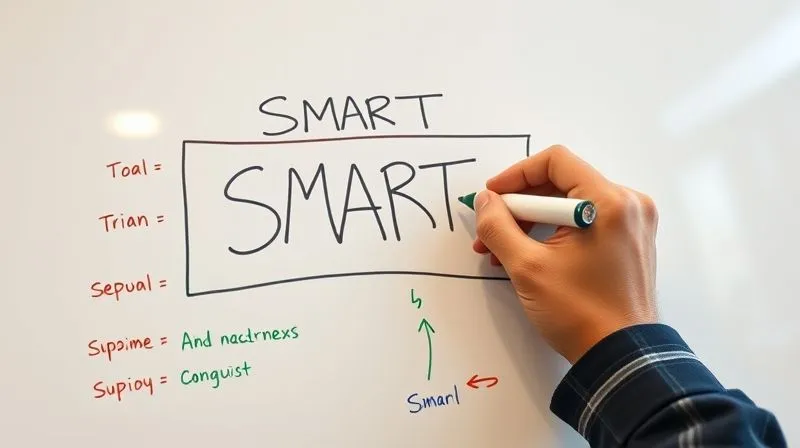
The S.M.A.R.T. Framework for Corrective Actions
I always recommend using the S.M.A.R.T. framework to structure your proposed solutions. This ensures your plan is well-defined, measurable, and achievable, providing both you and the brand with clear expectations.
- Specific: Clearly define what needs to be done. Instead of "I'll fix the content," say "I will reshoot the Instagram Reel focusing on a minimalist aesthetic, using natural light and softer color tones."
- Measurable: How will success be quantified? "The revised content will aim for a 15% increase in saves compared to the previous post, aligning with our agreed engagement goals."
- Achievable: Is it realistic given your resources and the timeline? Don't overpromise. "I can deliver the revised content within 3 business days."
- Relevant: Does it directly address the core issue raised in the feedback? Ensure your solution targets the specific pain point.
- Time-bound: Set a clear deadline for implementation and delivery. This provides accountability.
Case Study: How "StyleSavvy" Blogger Rebuilt Trust with "Glimmer & Grace"
I recall a challenging situation with a rising fashion blogger, let's call her 'StyleSavvy,' who secured a significant collaboration with a luxury accessory brand, 'Glimmer & Grace.' The initial campaign deliverables, particularly a series of Instagram Reels, received critical feedback from the brand. They felt the aesthetic was too 'street style' and didn't align with their sophisticated, minimalist brand identity, despite StyleSavvy's high engagement numbers. The feedback was direct: the content missed the mark, potentially damaging their brand perception.
Instead of becoming defensive, StyleSavvy immediately scheduled a call. She listened intently, acknowledging their disappointment. During the call, she proposed a revised content strategy, offering to reshoot two Reels and create an additional blog post at no extra charge, focusing explicitly on the brand's 'heritage and craftsmanship' angle, which she realized she had overlooked in her initial creative burst. She also presented a mood board for the revised content, directly incorporating their feedback on color palettes and styling. This proactive, solution-oriented approach, coupled with a genuine apology and a clear action plan, not only salvaged the collaboration but strengthened the relationship. Glimmer & Grace appreciated her professionalism and commitment, leading to several successful follow-up campaigns where StyleSavvy became a trusted partner in conveying their brand message. This demonstrated the power of actively resolving issues rather than letting them fester, proving that unhappy feedback can be a catalyst for deeper, more successful partnerships.
Communicating the Solution: Transparency and Reassurance
Once you have a well-defined resolution plan, the next crucial step is to effectively communicate it to the brand. This isn't just about listing your actions; it's about rebuilding trust, providing reassurance, and demonstrating your accountability. Your communication style here needs to be confident, transparent, and solution-focused. I've seen many well-intentioned plans fall flat due to poor communication.
Presenting Your Corrective Strategy: The Follow-Up Meeting
Just as the initial feedback discussion is best held live, presenting your resolution plan should also ideally happen via a call or video conference. This allows for real-time discussion, clarification, and the opportunity to gauge their reaction. Prepare a brief presentation or a clear outline of your proposed actions.
- Reiterate Understanding of Their Concerns: Start by briefly acknowledging their original feedback to show you've truly internalized it. "Based on our last discussion, I understand your primary concern was the aesthetic misalignment of the Reels with Glimmer & Grace's luxury brand image."
- Clearly Outline Your Action Plan: Present your S.M.A.R.T. actions. Be precise about what you will do, how, and by when. Emphasize how each action directly addresses their specific feedback.
- Set Clear Expectations for Revised Deliverables/Timelines: If you're reshooting or creating new content, provide a realistic timeline for its delivery. "I will provide the revised Reels for your review by Friday, end of day."
- Invite Further Feedback: Conclude by asking for their thoughts on your proposed plan. "Does this approach address your concerns, and do you have any immediate thoughts or suggestions on this plan?" This keeps them involved in the solution.
Documentation and Follow-Through: Building Long-Term Trust
Following your discussion, always send a concise email summarizing the agreed-upon action plan, including timelines and revised deliverables. This serves as a written record for both parties and minimizes future misunderstandings. It also reinforces your professionalism and commitment. As marketing guru Seth Godin often says, "Trust is built in drops and lost in buckets." Every step you take to document and follow through on your promises adds another drop to that bucket of trust.

Crucially, once the plan is agreed upon, execute it meticulously. Deliver on time and to the agreed standard. If any unforeseen issues arise during the execution, communicate them immediately and transparently. Consistent follow-through is the ultimate way to rebuild and strengthen a brand relationship.
Leveraging Feedback for Future Success: The Continuous Improvement Loop
Resolving an immediate issue is a victory, but the true mark of an experienced industry specialist is the ability to transform a challenge into a catalyst for future growth. Unhappy feedback, when approached correctly, is an invaluable learning opportunity. It offers insights into areas where you can refine your processes, enhance your communication, and ultimately build stronger, more resilient partnerships. This is not just about fixing; it's about evolving.
Implementing a Post-Collaboration Review Process
After resolving the issue and successfully completing the collaboration (or the revised deliverables), take the time to conduct a thorough internal and external review. This isn't about dwelling on mistakes but about institutionalizing lessons learned.
| Review Aspect | Questions to Ask | Outcome |
|---|---|---|
| Internal Process Audit | What went wrong in planning? Was the brief clear enough? Did I allocate sufficient time? | Refined workflow, improved brief templates, enhanced internal communication protocols |
| Brand Feedback Integration | What specific points can be avoided next time with this brand or similar brands? Are there recurring themes in feedback I receive? | Personalized brand profiles with detailed preferences, updated communication checklists, a 'lessons learned' document |
| Performance Metrics Analysis | Were engagement targets realistic for the content type? What content performed best and why? How did the revised content compare? | Data-driven strategy adjustments, niche refinement, more accurate proposal forecasting |
I personally maintain a detailed 'Brand Feedback Log' for every significant collaboration, noting down critical feedback, my actions, and the outcome. This becomes a powerful reference tool for future projects and helps identify patterns.
Building Stronger Relationships: Trust as Currency
When you effectively resolve unhappy feedback, you don't just fix a problem; you elevate your professional standing. You demonstrate resilience, accountability, and a genuine commitment to client satisfaction – qualities that are highly valued in any industry. Brands remember how you handled adversity more than how you handled smooth sailing. As Ken Blanchard famously said, "Feedback is the breakfast of champions." In the world of fashion collaborations, it's also the bedrock of enduring partnerships. Embrace it, learn from it, and let it build your reputation for reliability and excellence. This proactive approach to conflict resolution is a significant differentiator that transforms transactional relationships into long-term strategic alliances. For more on building strong business relationships, Forbes offers valuable insights.
Navigating Persistent Disagreement and When to Walk Away
While the goal is always to resolve issues and salvage collaborations, there are rare instances where, despite your best efforts, a resolution isn't possible, or the partnership becomes detrimental to your brand and well-being. As an expert, I've learned that knowing when to gracefully disengage is just as important as knowing how to fight for a collaboration.
Identifying Irreconcilable Differences
Sometimes, the core issue isn't a misunderstanding or a performance gap, but a fundamental misalignment of values, creative vision, or professional ethics. If you encounter any of the following, it might be time to consider walking away:
- Repeated Issues: If similar feedback or problems arise across multiple collaborations with the same brand, despite your efforts to implement corrective measures.
- Unreasonable Demands: If the brand's demands become unrealistic, exploitative, or fall outside the scope of your agreement without fair compensation.
- Lack of Respect: If communication becomes consistently disrespectful, condescending, or if your expertise is continually undermined.
- Erosion of Your Brand Identity: If the brand consistently pushes for content that compromises your authentic voice or ethical standards.
- Financial Discrepancies: Unpaid invoices or persistent payment delays are clear red flags.
It's crucial to distinguish between challenging feedback that fosters growth and toxic dynamics that drain your energy and damage your reputation. Your professional integrity and mental health are paramount.
Graceful Exit Strategies: Preserving Your Professional Reputation
Even when ending a collaboration, maintaining professionalism is key. The fashion industry is tightly knit, and your reputation precedes you. A graceful exit ensures you leave a positive lasting impression, even if the partnership didn't work out.
- Communicate Clearly and Respectfully: Schedule a final call to explain your decision calmly and professionally. Focus on the incompatibility rather than assigning blame. "While I value the opportunity to collaborate, I believe our creative visions are fundamentally misaligned, and I don't feel I can consistently deliver content that fully meets your expectations while staying true to my brand."
- Fulfill All Outstanding Obligations: Ensure all agreed-upon deliverables are completed before formally concluding the partnership, unless otherwise negotiated.
- Maintain a Positive, Forward-Looking Stance: Avoid bad-mouthing the brand to others. Focus on the positive lessons learned and move forward with renewed clarity.

Walking away isn't a failure; it's a strategic decision that prioritizes your brand's long-term health and your professional well-being. It demonstrates self-awareness and strength, qualities that other, more aligned brands will undoubtedly respect.
Frequently Asked Questions (FAQ)
What if the brand's feedback feels unfair or personal? It's natural to feel defensive when feedback feels unjust. However, your first step should still be active listening and clarification. Ask open-ended questions like, "Could you help me understand the specific impact of X?" or "What specific examples led to this feeling?" Try to reframe the feedback from a personal attack into a business problem. If after genuine attempts to understand, it still feels unfair, focus on presenting objective data or a factual account of the deliverables against the brief. If the brand remains unreasonable, it might indicate a deeper incompatibility, as discussed in the 'Walking Away' section.
Should I offer a refund or free additional content? This depends entirely on the situation and the severity of the issue. If there was a clear contractual breach on your part (e.g., missed deadlines, incorrect deliverables), offering a partial refund or additional content as a gesture of goodwill can be an excellent way to rebuild trust and mitigate further damage. If the issue is subjective or due to misaligned expectations, offering additional content (like the case study with StyleSavvy) can be a powerful way to demonstrate commitment and proactively find a solution. Always consider the value of the collaboration, the potential for future partnerships, and the cost of your time before making such an offer.
How do I prevent negative feedback in the first place? Prevention is always better than cure. This involves meticulous planning, clear communication, and setting realistic expectations from the outset. Always insist on a detailed creative brief. Conduct a thorough onboarding call to discuss vision, brand guidelines, and specific deliverables. Provide regular updates during the creation process, perhaps even offering a draft for review before final publication. Over-communicate rather than under-communicate, and ensure all agreements are in writing. Building a strong foundation of trust and clarity significantly reduces the likelihood of unhappy feedback.
What if the brand shares negative feedback publicly? Public negative feedback (e.g., on social media, industry forums) is a serious issue. Your immediate response should be calm and professional. Do not engage in a public argument. Instead, reach out privately to the brand to express concern and propose a private discussion to resolve the matter. If a public comment is unavoidable, offer a concise, empathetic, and solution-oriented response that invites private dialogue. For example: "We are sorry to hear of your dissatisfaction and take all feedback seriously. We've reached out privately to address your concerns directly and find a resolution." This demonstrates accountability without escalating the public dispute.
Is it possible to salvage a relationship after truly damaging feedback? Absolutely, but it requires significant effort and a genuine commitment from both sides. It hinges on your ability to acknowledge the problem, take responsibility (where appropriate), present a credible resolution plan, and meticulously follow through. The case study of StyleSavvy and Glimmer & Grace is a perfect example. By demonstrating professionalism, empathy, and a solution-oriented mindset, you can not only salvage a relationship but often strengthen it, transforming a challenging experience into a testament to your reliability and problem-solving prowess.
Key Takeaways and Final Thoughts
Navigating unhappy fashion brand collaboration feedback is an inevitable part of a long and successful career in the fashion influencing space. It's a test of your professionalism, resilience, and commitment to excellence. But as I've shared, it's also a profound opportunity for growth, learning, and relationship building. By embracing a structured, empathetic, and proactive approach, you can transform these challenges into stepping stones for stronger partnerships and a more refined professional practice.
- Embrace feedback as a growth opportunity: See it as valuable data, not a personal attack.
- Respond promptly and professionally: De-escalate with empathy and a commitment to resolution.
- Analyze feedback systematically: Distinguish between objective and subjective concerns to formulate targeted solutions.
- Develop and communicate clear action plans: Utilize the S.M.A.R.T. framework and ensure transparency.
- Continuously learn and adapt: Implement post-collaboration reviews to refine your processes and prevent future issues.
Remember, your reputation in this industry is your most valuable currency. How you handle adversity speaks volumes. By mastering the art of resolving unhappy fashion brand collaboration feedback, you not only safeguard your current partnerships but also pave the way for a future filled with even more successful, fulfilling, and trustworthy collaborations. Approach each challenge with an open mind and a problem-solving spirit, and watch your influence and career flourish.
Recommended Reading
- Is Virtual Try-On Accurate for Clothes? The Surprising Truth!
- 7 Creative Strategies: How to Make Fashion Styling Concepts Stand Out
- Effortless Style: Comfortable Everyday Outfits for Busy Moms
- Decoding Multi-Material Textile Recycling: 7 Steps to Efficiency
- 7 Proven Clues: Accurately Identify Unlabelled Vintage Garment Era




Your email address will not be published. Required fields are marked *