

How to Make Fashion Styling Concepts Stand Out Creatively?
I've spent over 15 years immersed in the dynamic world of fashion photography and styling, witnessing countless trends emerge, evolve, and sometimes, tragically, fade into obscurity. One recurring challenge I've observed, particularly among talented stylists, is the struggle to truly differentiate their work. In a saturated visual landscape, it's easy to fall into the trap of safe, trend-driven styling that, while perfectly executed, ultimately lacks a distinct voice.
The problem isn't a lack of skill; it's often a hesitation to push boundaries, to dig deeper than surface-level trends, and to infuse personal vision into every concept. The result? Portfolio pieces that blend into a sea of sameness, failing to capture attention, tell a compelling story, or leave a lasting impression on clients and audiences alike. It's a missed opportunity to truly shine.
This definitive guide is designed to equip you with actionable frameworks, expert insights, and real-world strategies to transcend the ordinary. We'll explore how to cultivate a unique aesthetic, master the art of visual storytelling, and leverage innovative techniques to ensure your fashion styling concepts don't just participate in the conversation, but lead it. Prepare to transform your approach and make your creative mark.
Beyond Trends: Cultivating a Unique Vision
To truly stand out, your styling concepts must emanate from a place deeper than transient trends. While acknowledging current fashion currents is important for commercial viability, your signature aesthetic must be rooted in a unique vision that speaks to your artistic identity. This is where authenticity truly begins.
Deconstructing Inspiration:
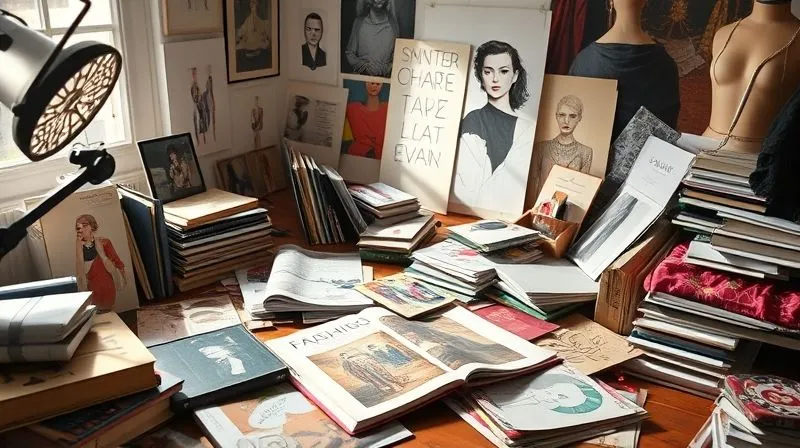
Many stylists look only at fashion magazines for inspiration, which can lead to a closed loop of ideas. Instead, broaden your horizons dramatically.
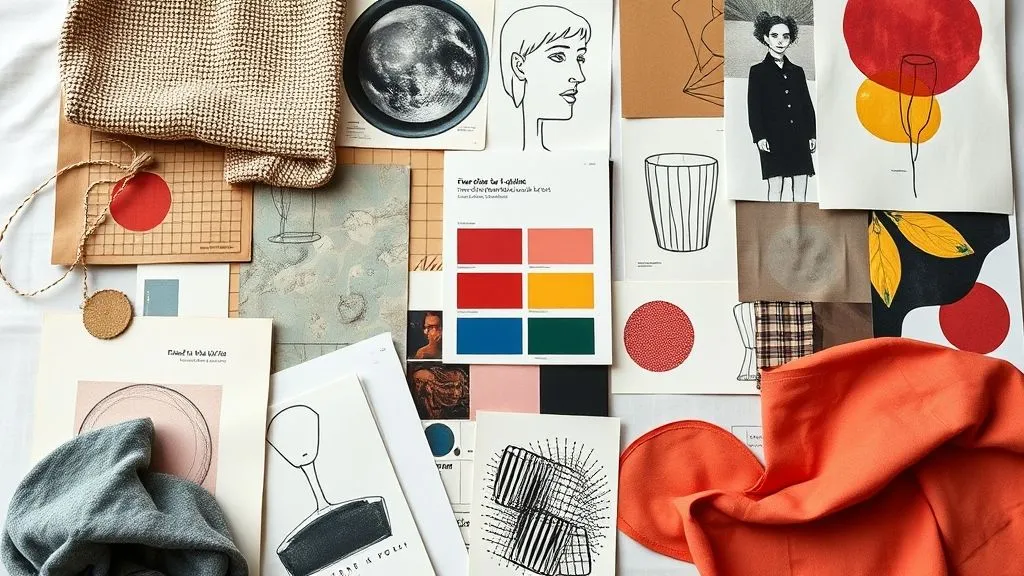
- Explore Diverse Art Forms: Dive into painting, sculpture, architecture, contemporary dance, and even industrial design. Look for shapes, textures, color palettes, and emotional narratives that resonate with you.
- Delve into History and Culture: Study historical periods, ancient civilizations, folklore, and global cultural practices. How did people dress? What did their clothing symbolize? These rich tapestries offer endless, untapped conceptual goldmines.
- Engage with Personal Experiences: Reflect on your own life, emotions, memories, and dreams. The most powerful concepts often spring from introspective, personal connections.
- Nature as Muse: Observe organic forms, natural light, geological patterns, and the ephemeral beauty of the environment. How can these be translated into fabric manipulation, silhouette, or color story?
Fashion is cyclical, yes, but true style is eternal, built on a foundation of unique perspective. It’s about understanding the 'why' behind the 'what,' allowing your concepts to carry a greater depth and resonance.
True originality isn't about avoiding trends entirely, but filtering them through your unique lens, translating external influences into an authentic expression of your vision.
The Power of Narrative: Storytelling Through Style
Humans are inherently drawn to stories. A styling concept that tells a compelling narrative immediately elevates itself beyond mere clothing presentation. It creates an emotional connection, invites interpretation, and makes the visual experience memorable. Think of yourself as a visual storyteller, with garments as your vocabulary and the photoshoot as your stage.
Crafting a Conceptual Arc:
Every great story has a beginning, a middle, and an end, even if implied. For styling, this translates into a cohesive narrative arc.
- Define Your Character: Who is the person wearing these clothes? What are their aspirations, their mood, their journey?
- Establish the Setting: Where does this story take place? The location, set design, and even time of day contribute significantly to the narrative.
- Introduce Conflict or Mood: Is there tension? Serenity? Whimsy? This emotional core drives the styling choices.
- Show Progression or Transformation: Does the styling evolve across different looks in a series, hinting at a journey or a change?
Each garment, accessory, and hair/makeup choice should contribute to this overarching story, reinforcing the character, setting, and mood you're trying to convey. It's about creating a world, not just an outfit.
Case Study: Ethereal Threads' Narrative Revolution
Ethereal Threads, a sustainable luxury brand, struggled to convey its eco-conscious message beyond product descriptions and ethical sourcing claims. Their previous campaigns, while beautiful, felt generic and lacked emotional depth. By collaborating with a stylist who developed a narrative concept around 'Rebirth & Resilience' for their latest collection photoshoot—dressing models in reclaimed fabrics amidst natural, wild landscapes recovering from a fire—they achieved a profound shift. The styling emphasized raw beauty, delicate strength, and the cycle of renewal, using natural textures, earthy tones, and fluid silhouettes that spoke directly to their mission. This narrative approach made their brand's ethos tangible and emotionally resonant, resulting in a 25% increase in social media engagement, a significant uplift in brand perception as authentically sustainable, and a notable boost in website traffic from new, values-aligned customers.
For more on how narrative can transform brand perception, explore articles on the neuroscience of storytelling in branding.
Mastering Mood & Atmosphere: Setting the Scene
The mood and atmosphere of your photoshoot are extensions of your styling concept. They are not merely background elements but integral components that enhance the visual story and evoke specific emotions. This involves a thoughtful interplay of location, lighting, set design, and even the subtle psychology of color and texture.
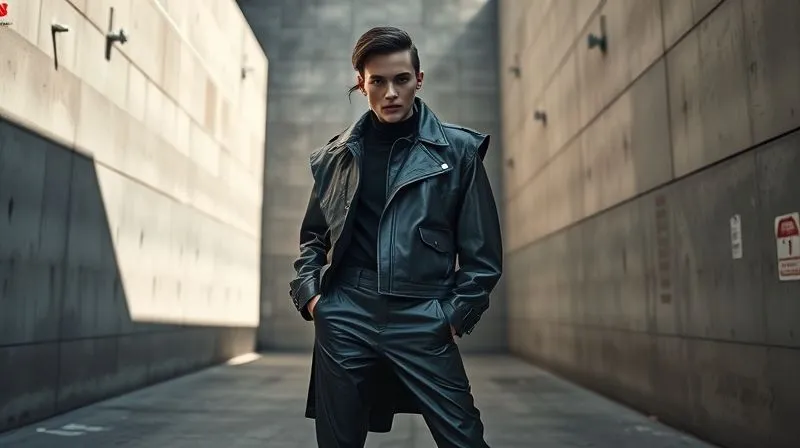
Consider how a stark, minimalist concrete environment can amplify the architectural lines of an avant-garde garment, or how soft, diffused natural light can imbue a bohemian collection with a dreamy, ethereal quality. Every choice here reinforces your creative intent.
The Psychology of Color and Texture:
Colors carry inherent psychological associations, and textures add tactile depth to a two-dimensional image. Understanding their impact is crucial for mood creation.
- Warm Tones (Reds, Oranges, Yellows): Evoke energy, passion, warmth, or aggression.
- Cool Tones (Blues, Greens, Purples): Suggest serenity, sophistication, mystery, or melancholy.
- Neutrals (Beiges, Grays, Whites): Offer timeless elegance, purity, or a clean canvas for other elements.
- Rough Textures (Raw silk, tweed, distressed leather): Can convey earthiness, ruggedness, or rebellion.
- Smooth Textures (Satin, silk, polished leather): Communicate luxury, fluidity, or modernity.
- Voluminous Textures (Faux fur, ruffles, heavy knits): Add drama, comfort, or playfulness.
| Mood/Atmosphere | Key Colors | Dominant Textures | Silhouette Focus | Lighting Style |
|---|---|---|---|---|
| Ethereal Dreamscape | Pastel blues, soft lavenders, pearlescent whites | Sheer organza, delicate lace, flowing silk | Fluid, voluminous, deconstructed | Soft, diffused, backlighting |
| Urban Edge | Charcoal gray, deep black, electric blue accents | Distressed denim, patent leather, metallic mesh | Structured, asymmetric, sharp | Hard, directional, high contrast |
| Vintage Romance | Dusty rose, antique gold, deep burgundy | Velvet, brocade, embroidered tulle | Fitted waists, full skirts, ornate details | Warm, soft, cinematic |
Innovative Materiality: Texture, Form, and Deconstruction
Standing out often means challenging conventional notions of how garments should be worn or presented. Think beyond simply dressing a model; consider how the materials themselves can become sculptural elements or artistic statements. This approach delves into the inherent properties of fabrics and how they can be manipulated to create unexpected visual interest.
Experimenting with Form and Volume:
Traditional styling often focuses on enhancing the body. Innovative materiality looks at how the garment can create its own form, independent of or in dramatic contrast to the body.
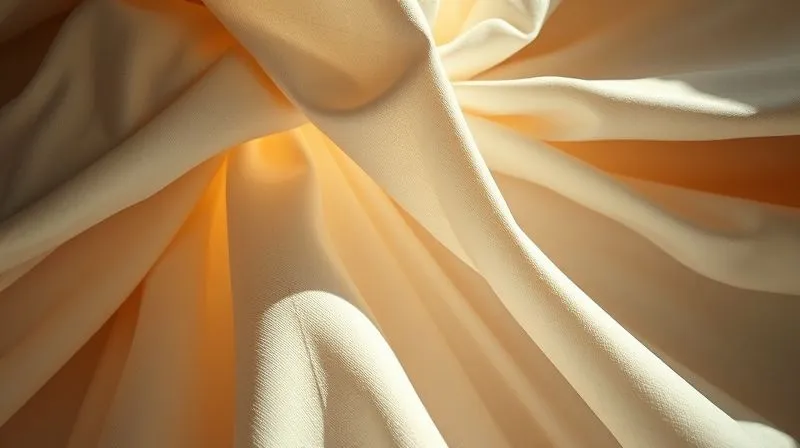
- Draping and Sculpting: Instead of merely fitting, consider how fabric can be draped, folded, or pleated on the body to create new, architectural forms or ethereal, flowing volumes.
- Layering with Intent: Go beyond simple layering for warmth. Use layers to create new textures, introduce unexpected color interactions, or build complex silhouettes that reveal themselves gradually.
- Deconstruction and Reconstruction: Challenge the finished form of a garment. Cut, fray, tear, or reassemble pieces in unconventional ways. This can inject a raw, rebellious, or thought-provoking edge.
- Incorporating Non-Traditional Materials: While focusing primarily on fashion, consider how elements like wire, plastic, natural elements, or even light itself can be integrated into or interact with the styling to create a unique effect.
A deep understanding of different fabric weights, weaves, and how they react to movement and light is invaluable here. A heavy brocade will drape differently than a sheer chiffon, and knowing this allows for intentional manipulation.
Collaboration as Catalyst: Expanding Creative Horizons
No truly standout fashion photograph is the work of a single individual. It is the culmination of a synergistic collaboration between a team of highly skilled professionals. As a stylist, your ability to articulate your vision and foster a creative partnership with the photographer, hair and makeup artists, and set designers is paramount. This collective brainstorming and execution elevate a concept far beyond what any single person could achieve.
Synergistic Partnerships:
Each team member brings a unique perspective and expertise that can enrich your styling concept.
- The Photographer: They are your visual partner. Share your mood boards, narrative, and desired atmosphere. Discuss angles, lighting, and composition to ensure the styling is captured precisely as envisioned.
- Hair and Makeup Artists: These are not just add-ons; they are crucial storytellers. A specific hairstyle or makeup look can drastically alter the character's persona and the overall mood of the shoot, reinforcing your styling choices.
- Set Designer/Prop Stylist: If your concept involves specific environments or props, their expertise is invaluable. They can build worlds that perfectly complement and enhance your garments.
- Model Selection: The right model embodies the character you've envisioned. Their ability to pose, express emotion, and move in the garments is critical to bringing the styling to life.
Effective pre-production meetings are non-negotiable. This is where ideas are shared, refined, and potential challenges are addressed proactively. A unified vision, discussed and agreed upon by the entire team, ensures a cohesive and impactful final product.
For further insights into the power of collective creativity, consider reading articles on the importance of collaboration in creative industries.
The Art of Refinement: Editing and Post-Production Impact
The styling process doesn't conclude when the camera stops clicking. In today's digital age, the post-production phase is an integral part of making your fashion styling concepts stand out. It’s where the raw material is polished, enhanced, and curated to perfection, ensuring the visual story you painstakingly crafted on set translates effectively to the final image.
Think of it as the final brushstrokes on a masterpiece, where subtle adjustments can dramatically impact the mood, color story, and overall impact of your work. This phase is about precision and intention, reinforcing your initial creative vision.
Curating the Visual Story:
Your involvement in post-production ensures that the essence of your styling is maintained and amplified.
- Image Selection: Work closely with the photographer to select the strongest images that best convey your styling concept and narrative. Look for shots where the garments, accessories, and model's expression align perfectly with your vision.
- Color Grading: Discuss the desired color palette and mood. Color grading can enhance the emotional resonance of your styling, making a vibrant concept pop or giving a melancholic concept a deeper, richer tone.
- Retouching: While avoiding excessive or artificial retouching, ensure that any minor distractions are removed and that the textures and details of the garments are beautifully preserved and highlighted.
- Cropping and Framing: How an image is cropped can entirely change its focus and impact. Ensure the framing emphasizes the key styling elements and reinforces the overall composition.
A truly outstanding styling concept is often perfected not just on set, but in the meticulous curation and enhancement of the final imagery, where every pixel contributes to the narrative and aesthetic.
Embracing the Unexpected: Experimentation and Risk-Taking
In a world craving novelty, playing it safe is often the surest path to anonymity. To make your fashion styling concepts truly stand out, you must be willing to step outside your comfort zone, challenge conventions, and embrace experimentation. This doesn't mean being reckless, but rather taking calculated risks that push creative boundaries and introduce an element of surprise.
I've learned that some of my most memorable and impactful projects came from moments where I dared to try something unconventional, something that initially felt a little 'off' or too daring. These are often the concepts that resonate most deeply.
Calculated Risks:
Experimentation is most effective when it's informed and purposeful.
- Deconstruct and Reassemble: Take familiar elements and combine them in unexpected ways. What happens if you pair a couture gown with combat boots? Or integrate industrial hardware into delicate lace?
- Contextual Juxtaposition: Place garments in environments where they don't traditionally belong. A formal evening gown in a dilapidated urban setting, or streetwear in a grand, opulent palace, can create compelling visual tension.
- Scale and Proportion Play: Experiment with exaggerated silhouettes, oversized accessories, or unconventional layering that alters the human form.
- Material Mash-ups: Combine disparate textures and materials – rough with smooth, opaque with sheer, natural with synthetic – to create tactile and visual intrigue.
Before executing a risky idea, visualize it thoroughly. Create mini mood boards or sketches. Discuss it with trusted collaborators. Sometimes, the 'crazy' idea is precisely what's needed to unlock a truly groundbreaking concept.
Building Your Signature Aesthetic: Consistency and Evolution
While experimentation is vital for individual projects, building a distinctive and recognizable signature aesthetic is crucial for long-term career success and for your concepts to consistently stand out. Your signature style is the thread that runs through all your work, making it uniquely yours, yet it must also be dynamic enough to evolve and grow.
In my experience, the stylists who achieve lasting recognition aren't just one-hit wonders; they are artists with a clear, identifiable voice that clients seek out specifically. This voice is cultivated through intentional practice and self-reflection.
From Vision to Brand:
Developing a signature aesthetic is an ongoing process of self-discovery and refinement.
- Identify Core Themes: What motifs, emotions, or ideas consistently appear in your most successful or personally fulfilling work? Are you drawn to minimalism, maximalism, romanticism, futurism, or something else entirely?
- Define Your Visual Language: What are your preferred color palettes, textures, silhouettes, and styling techniques? Do you favor bold statements or subtle nuances?
- Curate Your Portfolio: Ensure your portfolio clearly communicates your signature style. Highlight projects that best represent your unique vision, even if they are personal projects.
- Seek Feedback: Share your work with mentors or peers and ask them what consistent elements they observe. Their objective perspective can reveal patterns you might overlook.
- Embrace Evolution: A signature style isn't static. It grows with you. Be open to new influences, techniques, and personal growth that will naturally refine and mature your aesthetic over time.
Your signature aesthetic becomes your creative brand, making your work instantly recognizable and ensuring that when someone asks, "How to make fashion styling concepts stand out creatively?", your name is among the first to come to mind. For more on developing a personal brand, explore resources from leading industry figures like Seth Godin's insights on building a unique 'Purple Cow'.
Frequently Asked Questions (FAQ)
Q: How do I find unique inspiration sources beyond typical fashion magazines? A: Expand your horizons beyond fashion. Look to art history, architecture, philosophy, cinema, literature, and even scientific concepts. Visit museums, independent galleries, and cultural festivals. Engage with nature, explore different cultures, and reflect on your personal experiences and dreams. The more diverse your inputs, the more unique your outputs will be.
Q: What's the biggest mistake stylists make when trying to be 'creative'? A: The biggest mistake is often trying too hard to be 'different' without a solid conceptual foundation. True creativity isn't about shock value; it's about thoughtful intention and genuine storytelling. Another common error is mimicking trends rather than interpreting them through a unique lens, leading to work that feels derivative rather than distinctive.
Q: How can I convince clients to embrace more unconventional styling concepts? A: It requires strong communication and a compelling presentation. Start by understanding their brand identity and objectives thoroughly. Then, present your creative concept with a clear narrative, detailed mood boards, and explain *how* your unconventional approach will achieve their goals more effectively than a conventional one. Show them the potential for higher engagement, stronger brand differentiation, and memorable impact. Building trust through a strong portfolio of innovative work also helps.
Q: What role does sustainability play in creative styling today? A: Sustainability is becoming an increasingly vital component of creative styling. It's not just about ethical sourcing; it's about innovative approaches to upcycling, repurposing, and conscious consumption. Creative stylists can use styling to highlight sustainable practices, create impactful narratives around circular fashion, and challenge consumer perceptions of 'newness' by showcasing the beauty of pre-loved or reimagined garments. This adds a layer of ethical depth and relevance to your work.
Q: How do I balance artistic vision with commercial viability? A: This is a constant tightrope walk for any creative professional. The key is to understand your client's commercial objectives while injecting your unique artistic vision within those parameters. Sometimes, a highly artistic concept can actually drive commercial success by creating significant buzz and brand differentiation. Other times, you might need to find a 'sweet spot' where your creativity elevates a commercial brief without alienating the target market. Always communicate how your creative choices serve the commercial goal.
Key Takeaways and Final Thoughts
- Cultivate a Unique Vision: Draw inspiration from diverse sources beyond fashion to develop a truly personal aesthetic.
- Embrace Narrative: Tell compelling stories with your styling to create emotional resonance and memorability.
- Master Mood & Atmosphere: Leverage location, lighting, color, and texture to enhance your visual story.
- Innovate with Materiality: Experiment with garment manipulation and unexpected forms to challenge conventions.
- Prioritize Collaboration: Foster strong team dynamics to elevate concepts through shared expertise.
- Refine in Post-Production: Ensure your vision is perfectly translated and enhanced through careful image selection and editing.
- Take Calculated Risks: Don't be afraid to experiment and push boundaries to create truly standout work.
- Build a Signature Aesthetic: Consistently develop and evolve your unique visual language to establish your creative brand.
The journey to making your fashion styling concepts stand out creatively is an ongoing one, demanding curiosity, courage, and a relentless pursuit of excellence. It's about more than just clothes; it's about crafting worlds, evoking emotions, and leaving an indelible mark on the visual landscape. Embrace these strategies, trust your instincts, and continuously seek to evolve your craft. Your unique voice is your most powerful tool – use it to inspire, provoke, and define the next era of fashion imagery.
Recommended Reading
- Networking Edge: How to Find a Prestigious Men's Watch Under $1000
- 7 Pro Strategies: Banish Stubborn Dullness for Radiant Skin Clients
- Unlock Organic Growth: 7 Steps to Leverage Celebrity Social Media for Eyewear Brands
- Unlock Effortless Style: Your Guide to Contemporary Men's Relaxed Fit Tailoring
- Why Fashion Editorial Photography Fails: 7 Fixes for Brand Engagement


Your email address will not be published. Required fields are marked *