

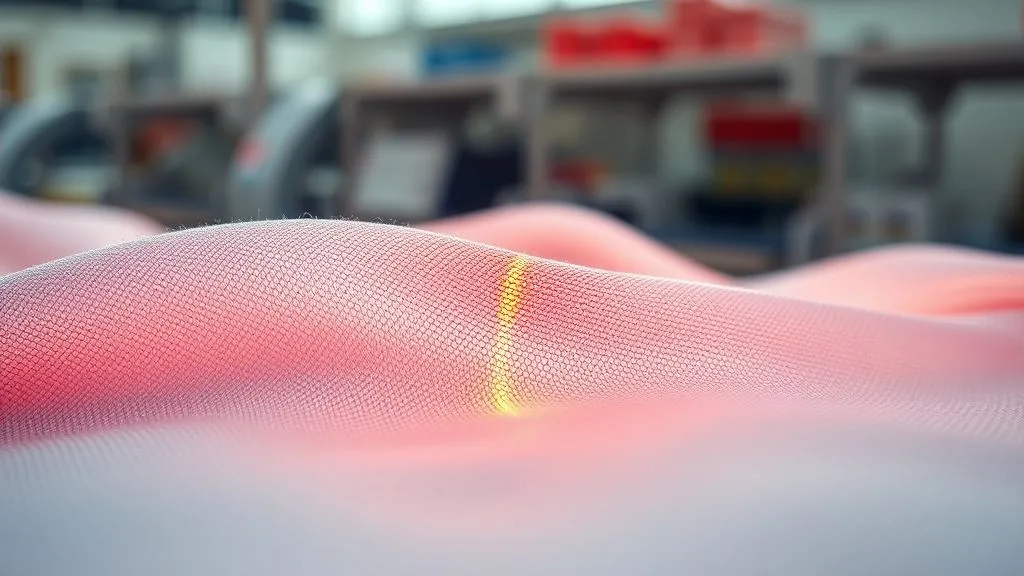
How to prevent uneven fading in smart color-changing fabrics?
For over two decades in the dynamic world of textile innovation, I've witnessed firsthand the breathtaking advancements in smart fabrics, from thermochromic activewear to photochromic architectural textiles. The initial awe these materials inspire is often quickly followed by a stark reality check: their longevity, particularly concerning color stability.
The problem of uneven fading in smart color-changing fabrics isn't merely an aesthetic nuisance; it undermines the very promise of these intelligent materials. It's a challenge that can erode consumer trust, inflate warranty claims, and ultimately hinder the widespread adoption of truly groundbreaking textile technologies.
Today, I want to share insights forged from years of research, development, and a few hard-won lessons. We'll explore actionable strategies, delve into the material science, and discuss quality control measures that will not only prevent uneven fading but also significantly extend the vibrant life of your smart textile innovations.
Understanding the Science Behind Uneven Fading
Before we can prevent uneven fading, we must first understand its root causes. Smart textiles that change color, whether through temperature (thermochromic), light (photochromic), or electrical current (electrochromic), rely on highly sensitive chemical compounds known as chromophores.
The Instability of Chromophores
These chromophores, while remarkable in their responsiveness, are inherently delicate. They are susceptible to degradation from a variety of environmental stressors, including:
- UV Radiation: Sunlight's ultraviolet rays can break down the chemical bonds within chromophores, leading to irreversible color loss. This is arguably the most common culprit.
- Heat Exposure: While some smart fabrics respond to heat, excessive or prolonged heat can permanently alter the chromophore's structure, causing it to lose its color-changing ability or fade.
- Chemical Exposure: Harsh detergents, bleaches, or even certain airborne pollutants can react with chromophores, leading to unpredictable color changes or degradation.
- Mechanical Abrasion: Repeated rubbing, stretching, or washing can physically damage the chromophore particles, especially if they are surface-coated rather than embedded.
The unevenness often stems from localized exposure to these factors – one part of a garment might get more sun, another more friction, leading to a patchwork of degradation.
Fabric Substrate Interaction
The base fabric itself plays a crucial role. Different fibers absorb and reflect light differently, influencing how chromophores are exposed and protected. Natural fibers like cotton or silk have different surface chemistries and porosities compared to synthetics like polyester or nylon.
In my experience, the interaction between the chromophore, its binder, and the specific textile substrate is a complex dance. A chromophore that performs beautifully on a tightly woven polyester might degrade rapidly on a loosely woven cotton, simply due to differences in light penetration or chemical binding affinity.
Pre-Production Strategies: Material Selection & Dyeing Mastery
The battle against uneven fading begins long before the fabric even reaches the consumer. It starts in the lab, with meticulous material selection and precise application techniques.
Selecting Robust Color-Changing Compounds
The market for smart textile components is evolving rapidly. It's no longer enough to choose a chromophore that simply changes color; we must demand stability.
- Prioritize High-Stability Chromophores: Invest in advanced photochromic or thermochromic dyes engineered for enhanced UV and thermal stability. Many suppliers now offer grades specifically designed for outdoor or high-wear applications.
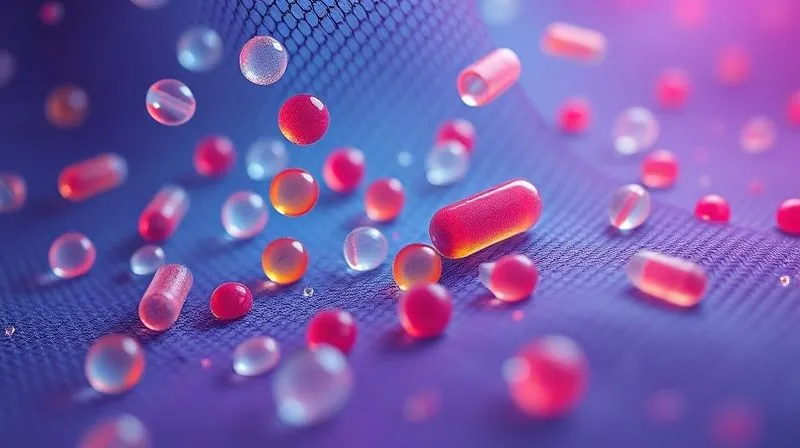
- Explore Encapsulation Technologies: Seek out chromophores that are pre-encapsulated. Microencapsulation or nano-encapsulation techniques create a protective barrier around the chromophore, shielding it from environmental aggressors.
- Verify Supplier Claims: Don't take claims at face value. Request comprehensive data sheets, accelerated weathering test results (e.g., Xenon arc lamp testing), and wash fastness reports from your suppliers.
In my two decades, I've learned that cutting corners on the raw materials for smart fabrics is a false economy. The cost of dealing with premature fading and customer dissatisfaction far outweighs the savings on cheaper compounds.
Precision Application Techniques
Even the most stable chromophore can fade unevenly if applied improperly. Uniformity is paramount.
- Screen Printing & Coating Consistency: For surface applications, ensure extremely precise control over screen mesh, squeegee pressure, and coating thickness. Any variation will lead to areas with more or less chromophore, directly impacting fade uniformity.
- Dye Batch Homogeneity: If dyeing the entire fiber or fabric, strict control over dye bath concentration, temperature, and agitation is critical. Automated systems are often essential to minimize human error.
- Controlled Curing Processes: Post-application curing (heat, UV, or chemical) must be uniform across the entire fabric. Hot spots or areas with insufficient curing can leave chromophores vulnerable.
Manufacturing Innovations for Enhanced Durability
Beyond the initial material selection, innovative manufacturing processes are key to embedding durability into smart fabrics. This is where advanced engineering truly shines in preventing uneven fading.
Advanced Encapsulation Technologies
As mentioned, encapsulation is a game-changer. It's not just about selecting pre-encapsulated chromophores; it's about perfecting the encapsulation process itself.
- Microencapsulation: This involves creating tiny polymer shells (typically 1-1000 micrometers) around chromophore particles. These shells act as a physical barrier against UV, moisture, and abrasion.
- Nano-encapsulation: For even finer protection and integration, nano-scale capsules (less than 100 nanometers) offer superior dispersion within fibers and enhanced protection at a molecular level.
- Core-Shell Structures: These advanced structures involve multiple layers of protective materials, each designed to combat a specific degradation factor, creating a multi-faceted defense system for the chromophore.
According to research published in the Journal of Dyes and Pigments, effective encapsulation can increase the photostability of certain chromophores by over 50%, significantly reducing the likelihood of uneven fading.
Protective Layering and Coatings
Beyond encapsulating the chromophore, applying protective layers to the entire fabric surface offers an additional line of defense.
- UV-Resistant Topcoats: Clear coatings containing UV absorbers can be applied to the fabric surface. These sacrificial layers block harmful UV radiation before it reaches the color-changing components.
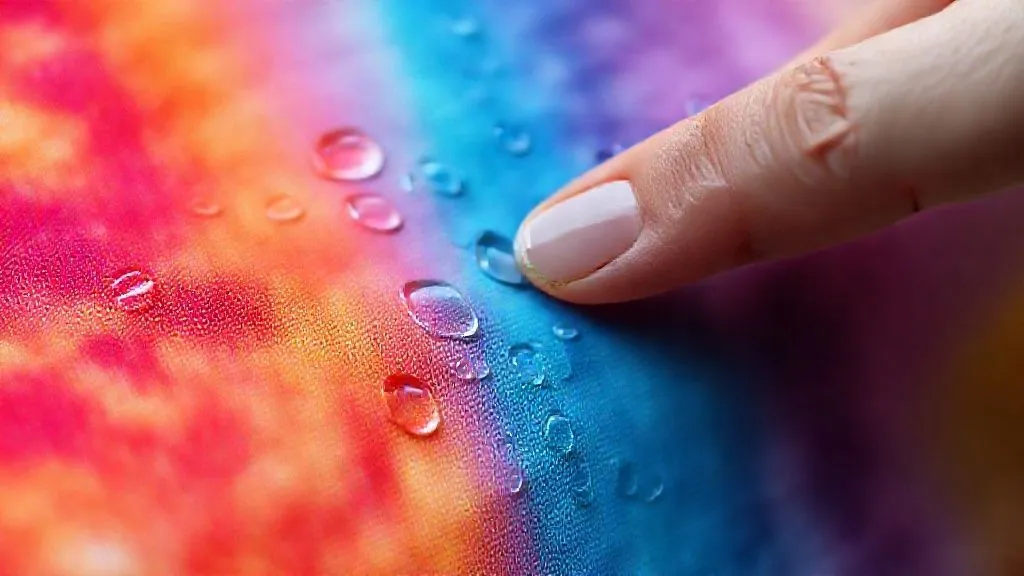
- Hydrophobic Finishes: Water-repellent finishes can prevent moisture ingress, which can be a catalyst for chemical degradation of some chromophores.
- Anti-Abrasion Layers: For high-wear applications, durable, transparent coatings can reduce mechanical damage to the fabric surface and the underlying chromophores.
| Encapsulation Method | Particle Size | Protection Level | Cost | Application |
|---|---|---|---|---|
| Microencapsulation | 1-1000 µm | Good | Moderate | Surface coating, printing |
| Nano-encapsulation | <100 nm | Excellent | High | Fiber integration, advanced coatings |
| Core-Shell Structures | Variable | Superior | Very High | Specialized textiles, high-performance |
Post-Production Treatments and Quality Control
The journey to fade-resistant smart fabrics doesn't end with manufacturing. Rigorous testing and robust quality control protocols are indispensable for ensuring product longevity and preventing uneven fading.
Rigorous UV & Wear Testing Protocols
You simply cannot release a smart fabric product without thoroughly testing its durability in simulated real-world conditions. This is where true authority is built.
- Accelerated Weathering Tests: Utilize specialized chambers (e.g., Xenon arc or fluorescent UV) that simulate prolonged exposure to sunlight, heat, and humidity in a compressed timeframe. Monitor color change and fade patterns meticulously.
- Abrasion Resistance Testing: Employ tests like the Martindale or Taber Abraser to evaluate how well the fabric and its chromophores withstand rubbing and friction. Uneven wear often leads to uneven fading.
- Wash Fastness Testing: Conduct repeated wash cycles using standard detergents and temperatures to assess color retention and chromophore stability. This is crucial for consumer-facing products.
As per ISO standards for textile testing, these protocols provide a quantitative measure of performance, allowing manufacturers to identify weaknesses before products hit the market.
Batch Consistency and Quality Assurance
Variability between production batches is a silent killer of product reputation. Implementing stringent quality assurance (QA) measures is vital.
- Statistical Process Control (SPC): Use SPC charts to monitor critical parameters throughout the manufacturing process, from dye bath concentration to curing temperatures. This helps identify and correct deviations early.
- Spectrophotometric Analysis: Employ spectrophotometers to objectively measure and compare color values of samples from different parts of a fabric roll and across different batches. This can detect subtle, invisible-to-the-eye variations that might lead to future uneven fading.
- Standardized Sample Retention: Keep retain samples from every production run. These act as benchmarks for future comparisons or in case of customer complaints.
Case Study: LumiTex Solutions' Fading Breakthrough
LumiTex Solutions, a pioneering company in smart apparel, faced significant challenges with uneven fading in their photochromic activewear line. Early batches showed noticeable patchiness after just a few weeks of customer use, particularly in high-flex areas.
By implementing a multi-pronged approach based on the strategies I've outlined, they achieved a breakthrough. First, they switched to a new generation of encapsulated photochromic pigments. Second, they invested in a state-of-the-art coating line that ensured a perfectly uniform application of a UV-protective topcoat. Finally, they introduced rigorous accelerated weathering tests for every new fabric composition.
This resulted in a dramatic reduction in customer complaints related to fading, improved product lifespan by over 150%, and solidified LumiTex's reputation as a leader in durable smart textiles. Their success story highlights the power of combining material science with robust process control.
Educating the End-User: Care & Maintenance Guidelines
Even with the most advanced manufacturing, the end-user plays a critical role in preserving the integrity of smart color-changing fabrics. Clear, concise, and comprehensive care instructions are not just a legal requirement; they are a cornerstone of preventing uneven fading and ensuring customer satisfaction.
The Critical Role of User Education
I've seen countless instances where consumers, unaware of the unique properties of smart textiles, treat them like conventional fabrics. This often leads to improper washing, drying, or storage, directly contributing to premature and uneven fading. Education empowers them to be part of the solution.
Crafting Clear and Comprehensive Care Labels
Beyond the standard care symbols, smart fabrics require specific, explicit instructions. Think of care labels as a mini-manual for longevity.
- Detailed Washing Instructions: Specify cold water wash, gentle cycle, and mild, pH-neutral detergents. Emphasize avoiding bleach or harsh chemical additives.
- Drying Recommendations: Air drying is almost always preferred over machine drying, especially high heat, which can damage heat-sensitive chromophores. If machine drying is necessary, recommend low heat or no heat and a delicate cycle.
- Storage Advice: Advise users to store garments away from direct sunlight or extreme temperatures when not in use. Prolonged exposure, even in storage, can cause degradation.
- Ironing Precautions: Clearly state if ironing is not recommended or if specific low-temperature settings are required, as high heat can permanently alter color-changing properties.
Consider adding a small insert with the garment that explains why these care steps are important, building trust and understanding. A short QR code linking to an online video tutorial can also be incredibly effective.
Innovations on the Horizon: The Future of Fade Prevention
The field of textile innovation is constantly pushing boundaries. While current strategies are effective, the future holds even more promise for completely eradicating uneven fading in smart fabrics.
Self-Healing Polymers and Smart Materials
Imagine a fabric that can repair itself. Researchers are developing self-healing polymers that can mend microscopic cracks or damage that might expose chromophores to degradation. These materials could potentially:
- Autonomously Repair Damage: Small tears or abrasions that compromise the protective layers could be self-repaired, maintaining barrier integrity.
- Extend Functional Lifespan: By continuously repairing minor wear, the overall lifespan of the color-changing functionality could be dramatically extended.
As reported by Nature and other scientific journals, advancements in materials science are making these concepts a reality, moving from lab curiosities to potential industrial applications.
AI-Driven Material Design
Artificial intelligence is set to revolutionize material development. AI algorithms can analyze vast datasets of chromophore performance under various conditions, predicting stability and degradation pathways with unprecedented accuracy. This allows for:
- Optimized Chromophore Synthesis: AI can help design new chromophore molecules with inherent resistance to UV, heat, and chemicals.
- Tailored Protective Systems: Predictive modeling can identify the ideal encapsulation and coating strategies for specific fabric types and intended uses, further preventing uneven fading.
The convergence of material science, nanotechnology, and artificial intelligence promises a future where uneven fading is a problem confined to historical textiles, not cutting-edge smart fabrics.
Frequently Asked Questions (FAQ)
Q: Can uneven fading in smart color-changing fabrics be reversed? A: Generally, no. Once a chromophore has degraded, its chemical structure is permanently altered, and its ability to change color or retain its original hue is lost. Prevention is key, as reversal technologies are not yet commercially viable for textile applications. Some minor, temporary color shifts might be reversible under specific conditions, but true fading is irreversible.
Q: Are all color-changing fabrics prone to fading? A: All materials, including conventional dyes, are susceptible to some form of degradation over time. However, smart color-changing fabrics, due to the inherent sensitivity of their chromophores, are generally more prone to noticeable fading, especially uneven fading, if not properly designed, manufactured, and cared for. The degree varies significantly by chromophore type, encapsulation, and fabric construction.
Q: What's the difference between photochromic and thermochromic fading? A: Photochromic fading primarily refers to the degradation caused by UV light, where the chromophore loses its ability to react to light or its base color fades. Thermochromic fading, on the other hand, is degradation often caused by prolonged or excessive heat exposure, leading to a permanent loss of temperature responsiveness or a 'locked' color state. Both can manifest as uneven fading depending on exposure patterns.
Q: How do I identify quality color-changing fabric before purchase? A: Look for reputable brands with clear care instructions. Examine the fabric closely for any initial inconsistencies in color or texture. If possible, inquire about the fabric's UV and wash fastness ratings. A higher price point often, though not always, indicates better quality materials and manufacturing processes designed for durability.
Q: Does washing machine type affect fading? A: Yes, it can. Top-loading agitator machines can be harsher on fabrics, causing more mechanical abrasion than front-loading or high-efficiency impeller machines. The agitation, combined with water temperature and detergent choice, can accelerate chromophore degradation and contribute to uneven fading. Always follow the garment's specific washing instructions.
Key Takeaways and Final Thoughts
- Prioritize Material Stability: Invest in robust, encapsulated chromophores designed for longevity.
- Master Application Precision: Ensure uniform coating, dyeing, and curing processes to prevent localized vulnerabilities.
- Implement Rigorous Testing: Subject smart fabrics to comprehensive UV, abrasion, and wash fastness tests.
- Educate End-Users: Provide clear, detailed care instructions to empower consumers to preserve their garments.
- Embrace Future Innovations: Stay abreast of self-healing materials and AI-driven design for next-generation durability.
The vision of dynamic, responsive textiles is too compelling to be undermined by premature fading. By meticulously addressing the science, refining manufacturing processes, and empowering users with knowledge, we can collectively overcome the challenge of uneven fading in smart color-changing fabrics. The future of fashion, performance wear, and functional textiles depends on our commitment to not just innovation, but also enduring quality.
Recommended Reading
- Unlock the Secrets: How to Properly Care for Your Luxury Designer Glasses
- Unlock Your Radiance: Discovering Your Unique Personalized Beauty Needs
- From Freebies to Fees: 7 Steps to Paid Fashion Collabs
- Unveiling the Secret: How to Clean Delicate Theatrical Stage Costumes Like a Pro
- Beat Digital Fatigue: 5 Best Prescription Lenses for Executive Eye Strain Relief


Your email address will not be published. Required fields are marked *