

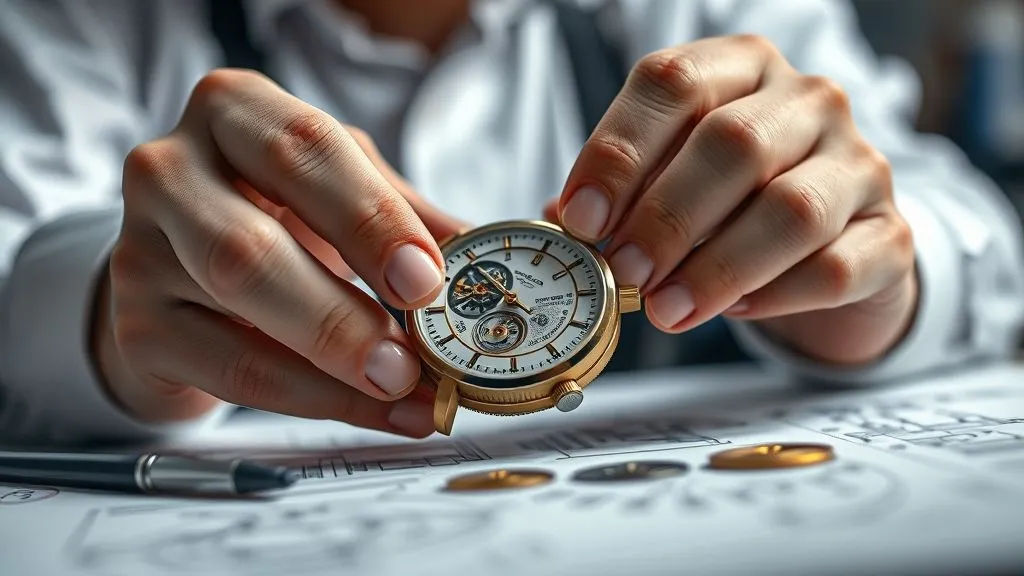
How to Innovate Luxury Watch Design Without Alienating Heritage Buyers?
For over two decades in the luxury watch sector, I've witnessed countless brands grapple with a fundamental tension: the irresistible pull of heritage versus the undeniable demand for innovation. It's a tightrope walk where one misstep can either lead to stagnation, rendering a brand irrelevant, or a radical departure that alienates the very connoisseurs who built its legacy.
The core problem isn't merely about changing a dial or a case shape; it's about evolving a brand's identity in a rapidly shifting world without severing the emotional connection with its most loyal, often multi-generational, clientele. How do you introduce novel materials, advanced complications, or contemporary aesthetics when your brand's very essence is rooted in centuries-old craftsmanship and iconic designs? This delicate balance is the Everest of luxury watch design.
In this definitive guide, I'll draw upon my extensive experience to share actionable frameworks and strategic insights. We'll explore how leading brands successfully navigate this challenge, offering practical steps and expert advice on how to innovate luxury watch design without alienating heritage buyers, ensuring your brand thrives for generations to come.
The Immutable Core: Understanding Your Brand's DNA
Before any innovation can take place, one must first deeply understand what *cannot* change. Every luxury watch brand possesses a unique DNA – a set of aesthetic codes, historical narratives, and technical philosophies that define its very existence. For heritage buyers, these are not mere details; they are the sacred tenets of the brand's identity, the reasons they fell in love with it in the first place.
In my experience, brands that fail to articulate and respect this immutable core are the ones most likely to stumble. Innovation then becomes a random act rather than a strategic evolution. It’s like trying to build a new wing on a historic mansion without understanding its original architectural principles.
Identifying Your Brand's Core Elements
To truly understand your brand's DNA, I recommend a rigorous internal audit. This isn't just about looking at past collections; it's about dissecting the very essence of what makes your brand *your brand*.
- Historical Design Cues: Identify recurring motifs, case shapes, hand styles, dial textures, and font types that have defined your most iconic pieces. Are there specific lug designs or bezel finishes that are unmistakably yours?
- Technical Philosophy: What mechanical innovations or complications are synonymous with your brand? Is it precision, robustness, specific escapements, or unique movement finishing?
- Brand Narrative & Values: What stories does your brand tell? Is it about exploration, pioneering spirit, artistic expression, or understated elegance? How do these values translate into tangible design elements?
- Target Audience Demographics & Psychographics: Who are your heritage buyers? What are their values, their purchasing motivations, and their expectations of your brand? Conduct in-depth qualitative research.
“True innovation in luxury watches isn't about discarding the past, but about understanding its profound lessons and applying them to a future context. Respect for brand DNA is the compass that guides this journey.”
Subtle Evolution, Not Revolution: The Art of Iterative Design
Once the brand's DNA is clearly understood, the path to innovation becomes clearer: it's about subtle evolution, not radical revolution. Heritage buyers are often wary of drastic changes, perceiving them as a betrayal of the brand's legacy. Incremental, thoughtful refinements, however, demonstrate progress while affirming continuity.
I've seen brands successfully introduce new models that, at first glance, appear familiar, yet upon closer inspection, reveal significant advancements. This approach builds trust and allows heritage buyers to appreciate the evolution without feeling alienated.
Micro-Innovations: Material Science & Ergonomics
One of the most fertile grounds for subtle innovation lies in material science and ergonomics. These are often 'invisible' upgrades that enhance performance and comfort without altering the visual identity too dramatically. Imagine a classic case design rendered in a new, lighter alloy, or a traditional bracelet with a micro-adjustment clasp.
- Advanced Alloys: Using proprietary gold alloys (e.g., Sedna gold, Everose gold), high-tech ceramics, or aerospace-grade titanium can significantly improve durability, scratch resistance, and wearer comfort.
- Ergonomic Refinements: Subtle changes to case thickness, lug curvature, or crown design can dramatically improve the watch's fit and feel on the wrist, enhancing the user experience without sacrificing aesthetics.
- Dial & Crystal Enhancements: Anti-reflective coatings, improved lume, or innovative dial materials (e.g., meteorite, enamel techniques) can add depth and allure while maintaining classic layouts.
Engaging the Connoisseur: Co-Creation and Limited Editions
Innovation doesn't always have to be a top-down mandate. One of the most powerful strategies I've observed for preserving loyalty while innovating is to involve heritage buyers directly. This can take the form of co-creation or highly exclusive limited editions that speak directly to their discerning tastes.
When collectors feel their input is valued, or that they are part of an exclusive circle witnessing the brand's evolution, they become advocates rather than critics. This strategy transforms potential resistance into enthusiastic adoption.
Case Study: How ‘Horologium Artis’ Reconnected with Its Base
Horologium Artis, a fictional 150-year-old Swiss watchmaker known for its classic dress watches, faced declining interest among younger collectors while its heritage buyers felt neglected by attempts at 'modernization.' They implemented a 'Connoisseur's Circle' initiative. They invited 50 of their most loyal collectors to a series of workshops where they could provide feedback on new design concepts, material choices, and even suggest complications for a new 'Legacy Reimagined' collection.
The insights gathered led to the creation of a limited-edition series that incorporated modern movement technology (a silicon escapement) into a historically accurate case silhouette, featuring a dial color suggested by the circle. This resulted in a 100% sell-through rate for the collection within days of launch and a 25% increase in engagement across their brand's digital platforms, as heritage buyers proudly shared their involvement. More importantly, it reaffirmed the brand's commitment to its core audience while subtly pushing design boundaries.
| Design Approach | Heritage Buyer Sentiment | Innovation Risk |
|---|---|---|
| Traditional (Top-Down) | Often alienated, feeling unheard | High, potential for rejection |
| Collaborative (Co-Creation) | Engaged, valued, invested | Lower, higher acceptance rate |
Bridging Generations: Storytelling and Digital Narratives
The narrative surrounding innovation is just as crucial as the innovation itself. For heritage buyers, the story of a watch is often as important as its mechanics or aesthetics. When innovating, brands must skillfully weave a narrative that connects the new with the old, demonstrating how contemporary designs are a natural evolution of a storied past.
In today's digital age, the power of storytelling is amplified. Brands can leverage digital platforms to create rich, immersive experiences that educate and reassure heritage buyers, while simultaneously captivating new audiences. As Harvard Business Review emphasizes, compelling narratives build stronger connections and foster loyalty.
Crafting a Continuous Narrative
- Historical Contextualization: When launching a new design, always link it back to a historical precedent or an archived model. Explain how the new piece draws inspiration from, or solves a challenge inherent in, its predecessors.
- Artisanal Process Videos: Showcase the craftsmanship involved in both traditional and innovative elements. Highlight the human touch that remains constant, even with new techniques or materials.
- Interviews with Master Watchmakers: Let your artisans explain the 'why' behind the innovation. Their passion and expertise are immensely reassuring to heritage buyers.
- Interactive Digital Archives: Create online experiences where customers can explore your brand's evolution, seeing how classic designs have subtly shifted over decades, making current innovations feel less jarring.
The Modern Movement: Technological Integration with Discretion
The heart of any luxury watch is its movement. For heritage buyers, the intricate dance of gears and springs is a source of endless fascination and a testament to enduring craftsmanship. Innovation in this realm, therefore, must be handled with utmost discretion and respect for mechanical purity.
I've seen the industry evolve from purely mechanical marvels to integrating advanced materials and even smart functionalities. The key is to make these technological leaps feel organic and complementary, rather than disruptive.
Seamless Integration of Advanced Complications
Consider the introduction of silicon components for improved accuracy and longevity. These are often invisible to the naked eye but represent significant advancements. Similarly, integrating smart features, if done, must be subtle, perhaps confined to specific models or designed to be activated only when desired, preserving the watch's traditional aesthetic.
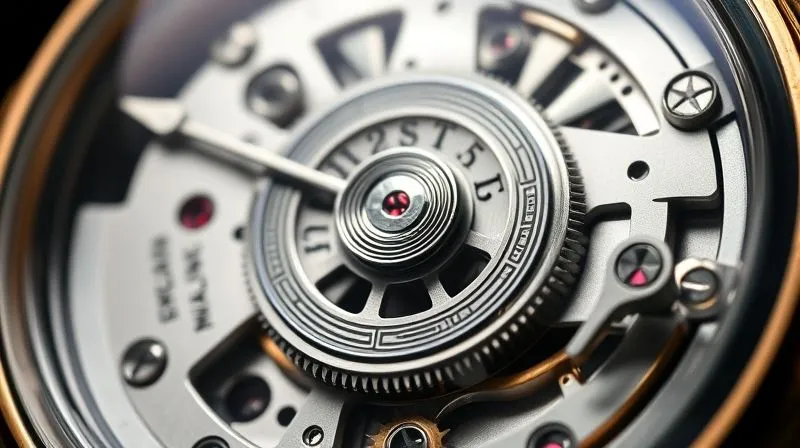
“The elegance of true horological innovation lies in its ability to enhance performance and reliability without compromising the soulful poetry of the mechanical art form.”
According to a Deloitte report on the luxury market, consumers increasingly value both heritage and technological prowess, creating a sweet spot for brands that can marry the two seamlessly.
Curating the Collection: Segmentation and Strategic Releases
Not every innovation needs to appeal to every buyer. A crucial strategy for managing the tension between innovation and heritage is intelligent collection segmentation and carefully planned product releases. This allows brands to experiment and cater to different buyer segments without alienating their core. As marketing guru Seth Godin often says, "Everyone is not your customer."
The "Heritage Line" vs. "Avant-Garde Series"
Many successful brands maintain a distinct 'Heritage Line' or 'Classic Collection' that remains true to their most iconic designs, with only the most subtle, almost imperceptible, internal upgrades. This serves as an anchor for traditionalists. Simultaneously, they can introduce an 'Avant-Garde Series' or 'Laboratory Collection' that pushes boundaries in design, materials, and technology. This satisfies the desire for novelty without forcing heritage buyers to adapt.
This dual-pronged approach ensures that heritage buyers always have a 'safe' option that resonates with their established preferences, while new and experimental designs can attract a younger, more adventurous clientele. The key is clear communication about which collection serves which purpose.
| Collection Type | Target Audience | Innovation Focus |
|---|---|---|
| Heritage Line | Traditionalists, established collectors | Subtle refinements, classic aesthetics |
| Avant-Garde Series | New collectors, trend-setters | Bold designs, new materials, advanced tech |
Ethical Luxury and Sustainability: A New Heritage
In today's conscientious market, ethical practices and sustainability are no longer mere buzzwords; they are becoming foundational elements of a brand's heritage. Younger generations, in particular, are looking for brands that align with their values, and this is an area where innovation can be embraced by all, including heritage buyers who appreciate enduring quality and responsible stewardship.
Integrating sustainability into your brand's narrative and design process can be a powerful way to innovate without alienating. It speaks to a universal desire for longevity and responsible luxury.
Traceability and Responsible Sourcing
Innovation here could involve developing transparent supply chains for precious metals and gemstones, investing in eco-friendly manufacturing processes, or using recycled materials where appropriate. Communicating these efforts authentically builds trust across all buyer segments.
- Transparent Sourcing: Implement blockchain technology for tracking precious materials from mine to wrist, ensuring ethical origins.
- Sustainable Packaging: Redesign packaging to be minimalist, reusable, or made from recycled and recyclable materials.
- Longevity & Repairability: Emphasize the watch's enduring quality and the brand's commitment to lifelong service and repair, reinforcing its status as a sustainable investment.
Mastering the Narrative: Communicating Change Effectively
Ultimately, the success of any innovation hinges on how it's communicated. For luxury watches, where emotion and tradition play such a significant role, the narrative must be meticulously crafted. It's not enough to simply launch a new product; you must tell its story in a way that resonates with both your heritage and future buyers.
I've often advised clients that a well-executed communication strategy can bridge the gap between initial skepticism and eventual appreciation. It's about educating your audience, bringing them along on the journey of evolution.
Key Communication Strategies
- Emphasize Continuity: Always highlight how the innovation builds upon, rather than abandons, the brand's core values and historical achievements.
- Educate on Benefits: Clearly articulate the advantages of the new design or technology – improved durability, enhanced comfort, greater precision.
- Showcase Craftsmanship: Reinforce that despite new elements, the human skill and dedication to excellence remain paramount.
- Engage Key Opinion Leaders (KOLs): Collaborate with respected watch journalists, collectors, and influencers who understand and appreciate both heritage and innovation.
Frequently Asked Questions (FAQ)
How can a brand introduce 'smartwatch' features without losing its luxury appeal? The key is discretion and integration. Smartwatch features should be secondary and perhaps even 'invisible' until activated. Consider modular systems where a smart module can be swapped with a traditional mechanical case back, or subtle integrations like NFC payments in a clasp, rather than a full digital display on a classic dial. The mechanical heart of the watch must remain paramount, with smart features as an optional, enhancing layer.
Is it always necessary to appeal to younger buyers, even at the risk of alienating older collectors? Not necessarily. The goal isn't to alienate anyone, but to ensure the brand's longevity. Strategic segmentation, as discussed, allows brands to cater to different demographics simultaneously. A strong heritage line can serve loyal collectors, while a separate, more avant-garde collection can attract new, younger buyers, ensuring both segments feel valued without forcing a compromise on either.
How can a brand measure if its innovation is successful with heritage buyers? Success can be measured through several metrics: direct feedback from loyal customers via surveys or focus groups, sales data specifically for newly innovated models (especially against older, similar models), engagement rates on brand forums or social media where heritage pieces are discussed, and retention rates of long-standing clients. Positive reviews from respected watch publications and collectors are also strong indicators.
What role do limited editions play in this innovation strategy? Limited editions are powerful tools. They allow brands to test new design elements, materials, or complications on a smaller, often more adventurous, segment of their audience. They create exclusivity and a sense of urgency, and if successful, can pave the way for wider adoption of those innovative elements in mainstream collections. They are a controlled environment for pushing boundaries without risking the entire brand identity.
Should luxury watch brands ever completely break from their heritage? While rare, there are instances where a brand might need a radical reinvention. However, this is an extremely high-risk strategy that often involves significant financial investment and a willingness to potentially lose a large portion of the existing customer base. Typically, this is only considered when a brand is facing existential threats. For most healthy luxury brands, a thoughtful, evolutionary approach is far more sustainable and respectful of their legacy.
Key Takeaways and Final Thoughts
- Know Your DNA: Understand and protect your brand's core identity before attempting any innovation.
- Iterate, Don't Revolutionize: Focus on subtle, incremental advancements that build upon, rather than replace, established aesthetics.
- Engage Your Connoisseurs: Involve heritage buyers in the innovation process through co-creation and exclusive programs.
- Craft Compelling Narratives: Use storytelling to connect new designs with historical lineage, leveraging digital platforms.
- Integrate Technology Discreetly: Embrace advancements in movements and materials, but ensure they enhance, not detract from, the watch's traditional appeal.
- Segment Your Collections: Create distinct lines for heritage and avant-garde designs to cater to diverse preferences.
- Embrace Ethical Luxury: Incorporate sustainability and responsible practices as new, universally appealing aspects of your brand's heritage.
Innovating luxury watch design without alienating heritage buyers is a nuanced art, requiring deep respect for the past and a visionary eye for the future. It's about understanding that true luxury is not just about novelty, but about enduring value, timeless appeal, and a continuous, thoughtful evolution. By adhering to these principles, brands can ensure their legacy not only survives but thrives, captivating both seasoned collectors and new generations for centuries to come.
Recommended Reading
- Petite Perfection: Your Guide to Classic Wardrobe Essentials
- Price Bespoke Jewelry: 5 Strategies for Profit & Design Commissions
- Urgent Pitch: How to Select Formal Wear for Client Success
- Luxury PR: 7 Digital Shifts for Declining High Fashion Print Media
- The Ultimate Men's Capsule Wardrobe for Travel: Pack Light & Right!

Your email address will not be published. Required fields are marked *