

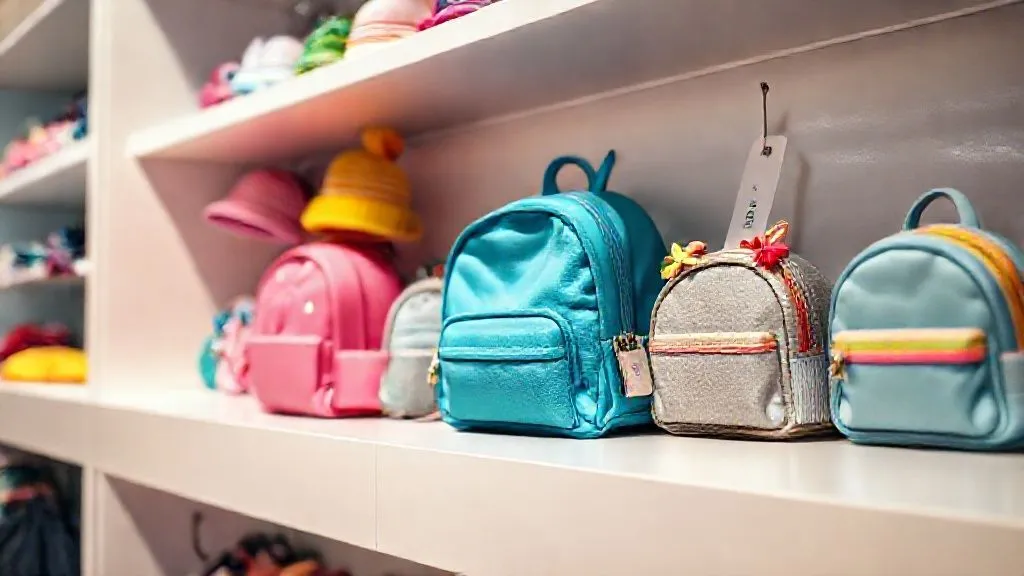
How to Liquidate Slow-Moving Kids Accessories Without Discounting?
For over two decades in the vibrant, ever-evolving world of kids' fashion, I've witnessed countless promising boutiques and brands stumble over a surprisingly common obstacle: slow-moving inventory. Specifically, kids' accessories – those delightful, often impulse-buy items – can quickly accumulate, becoming a silent drain on resources and a frustrating reminder of missed sales opportunities.
The immediate, almost instinctual reaction for many is to discount. Slash prices, run a 'clearance sale,' and hope to move the product. But in my experience, this is often a short-sighted strategy. It erodes your brand's perceived value, trains customers to wait for sales, and ultimately cuts into your hard-earned profit margins. There's a better way to tackle this inventory challenge.
This comprehensive guide isn't about quick fixes or sacrificing your bottom line. Instead, I'll share expert-level, actionable frameworks and creative strategies I've seen successfully implemented to liquidate slow-moving kids accessories without discounting, transforming stagnant stock into renewed value and profit. Prepare to unlock innovative approaches that preserve your brand integrity and delight your customers.
Understanding the 'Why': Diagnosing Slow-Moving Kids' Accessory Inventory
Before we can apply any solutions, we must first understand the root cause. Why are these accessories not selling? Is it a mismatch in trends, poor quality perception, ineffective marketing, or simply overstocking? As an industry specialist, I always emphasize that data is your best friend in this diagnosis.
Data-Driven Inventory Analysis: Uncovering the Culprits
Start by diving deep into your sales data. Identify specific SKUs that have been sitting longest. Look at purchase dates, last sale dates, and sales velocity. Are these items part of a collection that performed poorly overall, or are they isolated incidents? Sometimes, it's as simple as an item being misplaced on your website or physically in your store.
- Track Inventory Age: How long has each item been in your possession?
- Analyze Sales Velocity: How quickly does a particular item typically sell? Compare this to your current stock levels.
- Review Customer Feedback: Are there common complaints or suggestions related to these items?
- Monitor Trend Cycles: Kids' fashion trends can be fleeting. Was this item on-trend when purchased but has since faded?
By understanding these metrics, you can pinpoint whether the issue is a purchasing error, a marketing oversight, or a shift in consumer demand. This foundational analysis is crucial for developing targeted, effective liquidation strategies.
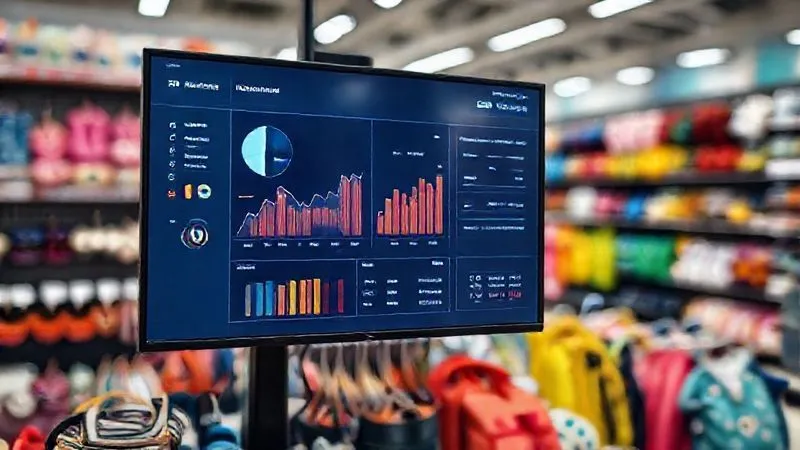
Here’s a simplified model I often use with clients to quickly categorize inventory based on its movement:
| Inventory Age | Sales Velocity | Action |
|---|---|---|
| 0-3 Months | High | Reorder/Maintain Stock |
| 3-6 Months | Medium | Monitor Closely, Consider Bundling |
| 6-12 Months | Low | Implement Liquidation Strategies |
| 12+ Months | Stagnant | Aggressive Liquidation/Repurposing |
The Power of Repackaging & Reimagining: Elevating Perceived Value
One of the most effective ways to liquidate slow-moving kids accessories without discounting is to change how they are perceived. Often, an item isn't inherently bad; it just needs a new narrative or presentation. This strategy focuses on adding value or purpose that wasn't initially obvious.
Creative Repackaging: A Fresh Look, A New Story
Think about how the accessory is currently presented. Can a simple change in packaging elevate it? A plain hair clip might become a 'Sparkle Star Collection' when placed on a beautifully designed card with a compelling story about its creation or inspiration. For instance, I once worked with a brand that had an excess of simple headbands. We repackaged them into themed 'Princess Crowns' or 'Explorer Headbands' with small, imaginative story cards, and they began flying off the shelves.
- Themed Kits: Combine a few slow-moving items into a themed craft kit or play set.
- Premium Packaging: Upgrade from a simple plastic bag to a branded box or fabric pouch.
- Storytelling Tags: Attach a small tag that tells a story about the item, its origin, or a fun way to use it.
Repurposing & DIY Kits: Engaging Young Creatives
Sometimes, an accessory might have a higher value as a component for a DIY project than as a standalone item. For example, a pile of unsold beads can become a 'Make Your Own Friendship Bracelet Kit.' This not only clears inventory but also offers an engaging, educational experience for children and parents.
Case Study: The 'Crafty Critters' Transformation
Case Study: How 'Crafty Critters' Transformed Unsold Trinkets
A client, 'Crafty Critters,' had a significant surplus of small, individual animal-themed charms and embellishments that weren't selling well on their own. Instead of discounting them, I advised them to create 'DIY Critter Creation Kits.' Each kit included a selection of these charms, some basic craft supplies (glue, string, felt scraps), and a simple instruction booklet with ideas for making unique animal figurines or decorating existing items. Priced higher than the sum of the individual parts, these kits sold out within weeks, appealing to parents looking for engaging activities and successfully liquidating slow-moving kids accessories without discounting.
Strategic Bundling & Cross-Promotion: Creating Irresistible Value Packs
Bundling is a classic strategy, but when done right, it's incredibly effective for how to liquidate slow-moving kids accessories without discounting. The key is to create bundles that offer genuine, perceived value to the customer, rather than just offloading unwanted items.
Pairing Slow Movers with Fast Sellers: The Synergy Effect
Identify your best-selling items – a popular dress, a beloved toy, or a must-have backpack. Then, strategically pair a slow-moving accessory with it. The customer perceives a bonus item, and you move inventory. For instance, a popular kids' backpack could be bundled with a slow-moving keycharm or hair tie for a slightly increased price, still representing a good deal for the customer.
- Themed Collections: Create 'Outfit Builders' or 'Adventure Packs' that include a hero item and complementary accessories.
- Gift Sets: Position bundles as ready-to-go gifts for birthdays or holidays, emphasizing convenience and value.
- 'Buy One, Get a Surprise': Offer a popular item and include a 'mystery' slow-moving accessory as a free gift, creating excitement.
The goal is to enhance the appeal of the fast-moving item while giving the slow-moving accessory a ride to checkout. According to a study published in the Harvard Business Review, carefully constructed bundles can increase sales volume and average transaction value without resorting to price cuts on individual items.
Experiential Marketing: Engaging Customers Beyond the Sale
In today's retail landscape, experiences often trump mere transactions. For kids' accessories, creating engaging experiences can be a powerful way to showcase products, highlight their utility, and ultimately liquidate slow-moving kids accessories without discounting.
In-Store Workshops & Themed Parties: Interactive Product Showcases
Host events where children can interact with the accessories. Imagine a 'Design Your Own Hair Clip' workshop using your slow-moving embellishments, or a 'Superhero Mask Decorating' party with unsold patches and glitter. Parents are often willing to pay for engaging, creative activities for their children, and the accessories become a part of that valuable experience.
- Birthday Party Packages: Offer your store as a venue for kids' birthday parties, integrating your accessories into the party activities.
- Seasonal Craft Days: Align workshops with holidays (e.g., 'Spooky Accessory Decorating' for Halloween).
- Guest Artist Collaborations: Bring in a local artist to lead a workshop using your accessories, adding a unique appeal.
These events not only clear inventory but also drive foot traffic, build community, and strengthen brand loyalty. They transform a stagnant product into a vibrant memory.
Leveraging Influencers & User-Generated Content: Authentic Storytelling
In the digital age, social proof and authentic recommendations are gold. This is particularly true in kids' fashion, where parents trust the opinions of other parents or relatable figures. This strategy can significantly help to liquidate slow-moving kids accessories without discounting by creating new demand and visibility.
Micro-Influencers & Authentic Storytelling
Instead of large, expensive celebrity endorsements, consider collaborating with micro-influencers (parents with smaller, highly engaged followings) whose personal brand aligns with yours. Send them your slow-moving accessories and encourage them to create genuine content showcasing their children using or styling the items in everyday life. This provides fresh, relatable content that feels less like an advertisement and more like a trusted recommendation.
"Authenticity isn't just a buzzword; it's the bedrock of trust in modern marketing. When you empower real people to tell real stories with your products, you create a connection that no amount of advertising can buy." - Industry Veteran's Insight
User-Generated Content Contests: Showcasing Real Kids
Run contests encouraging customers to share photos or videos of their children using your accessories. Offer a prize (perhaps a gift card or a new product launch item, not a discount on the slow-moving stock) for the most creative or heartwarming submission. This generates a wealth of authentic content you can repost, showcasing the versatility and appeal of your accessories through the eyes of real users. It builds a community and provides social proof that can revitalize interest in stagnant items.
As marketing guru Seth Godin often emphasizes, people don't buy products; they buy stories and connections. User-generated content helps tell those stories authentically. You can find more insights on this approach on platforms like Forbes Business.
Exclusive Offers & Loyalty Programs: Rewarding Your Best Customers
Your most loyal customers are your biggest advocates and often the most receptive to new ideas. Leveraging loyalty programs and exclusive offers can be a sophisticated way to liquidate slow-moving kids accessories without discounting, by adding them as a value-add to an existing relationship.
Curated 'Accessory of the Month' Boxes for VIPs
For your top-tier loyalty members, consider introducing a special 'Accessory of the Month' or 'VIP Treat' where you include a slow-moving accessory as an exclusive bonus with their regular purchase or as part of a loyalty reward. Frame it as a special preview or a limited-edition item they wouldn't normally get. This adds perceived value to their membership and helps clear stock discreetly.
- Tiered Rewards: Offer different slow-moving accessories as rewards for reaching various loyalty program tiers.
- Early Access: Give loyalty members early access to bundles that include slow-moving accessories before they are available to the general public.
- Personalized Recommendations: Use customer data to suggest slow-moving accessories that align with past purchases of your most loyal customers, perhaps with a personal note from you.
The goal here is to make the customer feel special, not like they are receiving a discounted item. The perceived value comes from exclusivity and being part of an inner circle.
A well-structured loyalty program can be a powerful engine for customer retention and inventory movement. Here’s an example of how one might integrate accessory liquidation:
| Loyalty Tier | Spend Threshold | Perk |
|---|---|---|
| Bronze Explorer | $100 | 1x 'Mystery Accessory' with next purchase |
| Silver Adventurer | $250 | 2x 'Mystery Accessory' with next purchase OR 1x Themed Accessory Bundle |
| Gold Pioneer | $500+ | 1x Exclusive 'Accessory of the Month' box (includes 3 slow-moving items) |
Pop-Up Shops & Niche Collaborations: Expanding Your Market Reach
Sometimes, slow-moving inventory simply hasn't found its audience yet. Instead of waiting for customers to come to you, take your products to new, untapped markets. This is an excellent way to liquidate slow-moving kids accessories without discounting by exposing them to fresh eyes.
Targeted Pop-Up Shops: New Audiences, New Opportunities
Consider setting up temporary pop-up shops in locations where your brand might not typically have a presence but where your target demographic gathers. Think farmers' markets, craft fairs, school events, or even co-working spaces with parent-friendly amenities. The novelty of a pop-up often draws attention, and a curated selection of your accessories can find new homes.
- Themed Displays: Create visually appealing displays that tell a story about the accessories, making them seem fresh and desirable.
- Interactive Demos: Offer quick demos of how to use or style the accessories, especially for items that might be misunderstood.
- Limited-Time Exclusives: Offer bundles or 'pop-up only' items that include your slow-moving stock, creating a sense of urgency and exclusivity.
Partnering with Complementary Businesses: Cross-Promotional Power
Collaborate with other local businesses that cater to a similar audience but offer non-competing products. Imagine partnering with a local children's bookstore, a photography studio specializing in family portraits, or a kids' play cafe. You could offer a 'free accessory with purchase' from their store, or set up a small display within their premises. This exposes your products to a new, relevant customer base without any direct discounting.
For example, a boutique I advised partnered with a local children's hair salon. The salon offered a 'Sparkle & Style' package that included a haircut and a selection of our client's slow-moving hair accessories, presented as part of the styling process. This not only cleared stock but also introduced our client's brand to new parents actively seeking kids' styling solutions.
Educating for Value: The Story Behind Each Accessory
Finally, one of the most powerful, yet often overlooked, strategies for how to liquidate slow-moving kids accessories without discounting is to simply educate your customers about their true value. In an era of fast fashion, highlighting quality, craftsmanship, and ethical sourcing can significantly elevate an item's perceived worth.
Storytelling: The Journey of an Accessory
Does that slow-moving hair clip have a unique origin? Is it handmade by artisans? Does it use sustainable materials? Share its story! Create compelling product descriptions, blog posts, or even short videos that detail the journey of the accessory from concept to creation. When customers understand the effort, care, and intention behind an item, they are far more likely to appreciate its value and be willing to pay full price.
- Highlight Craftsmanship: Emphasize handmade details, unique designs, and durable materials.
- Ethical Sourcing: Share stories of where materials come from and the positive impact of your production processes.
- Durability & Longevity: Position accessories as items that can withstand play and be passed down, contrasting with disposable alternatives.
According to a study by Deloitte, consumers, especially parents, are increasingly willing to pay more for products that align with their values, such as sustainability, ethical production, and high quality. By articulating these values, you transform a simple accessory into a meaningful purchase.
Frequently Asked Questions (FAQ)
Question: How do I identify truly "slow-moving" items versus seasonal dips or temporary lulls? It's crucial to differentiate. A truly slow-moving item consistently underperforms across multiple seasons and trend cycles, irrespective of external factors. Seasonal dips are predictable; true slow movers are not. Use your sales data over a 12-18 month period to identify consistent underperformers. Also, look at current market trends: is the item simply out of style, or was it never popular to begin with?
Question: What if my accessories are too niche or unique for bundling? Even niche items can be bundled! The key is creative pairing. Instead of pairing with a general best-seller, pair it with another complementary niche item, or create a 'collector's series' bundle. Alternatively, focus on repurposing or experiential marketing strategies, which often work better for highly unique items by giving them a new context or purpose.
Question: Can these strategies work effectively for online-only stores, or are they primarily for brick-and-mortar? Absolutely, these strategies are highly adaptable for online-only stores. Repackaging becomes enhanced product photography and compelling descriptions. Bundling is straightforward to implement on e-commerce platforms. Experiential marketing can translate into virtual workshops or interactive live streams. Influencer collaborations are inherently digital. The principles remain the same; the execution shifts to digital channels.
Question: How do I measure the success of these non-discounting liquidation tactics? Success isn't just about moving units. Track the sales velocity of the targeted slow-moving items before and after implementing a strategy. Monitor average order value (AOV) if bundling. For experiential marketing, measure event attendance and subsequent sales of featured items. For influencer campaigns, track engagement, website traffic, and conversion rates. Always tie your efforts back to key performance indicators (KPIs) relevant to your business goals.
Question: What's the biggest mistake businesses make when trying to liquidate slow-moving kids accessories? The biggest mistake, in my experience, is knee-jerk discounting. It's a race to the bottom that devalues your brand and conditions customers to expect lower prices. Another common error is failing to diagnose the root cause of the slow movement, leading to ineffective solutions. Without understanding 'why,' you're merely treating symptoms, not the disease.
Key Takeaways and Final Thoughts
Navigating the challenges of slow-moving inventory is a rite of passage for any business in the fashion industry, especially in the dynamic world of kids' accessories. But as I've shared, resorting to discounts is rarely the most profitable or sustainable solution. By embracing creativity, leveraging data, and focusing on value, you can transform stagnant stock into thriving assets.
- Diagnose First: Understand the 'why' behind slow movement before acting.
- Innovate Presentation: Repackage and reimagine items to boost perceived value.
- Create Value: Use strategic bundling and cross-promotion to move stock.
- Engage & Experience: Host workshops and events to showcase products in a fun, interactive way.
- Amplify Authenticity: Leverage influencers and user-generated content for genuine appeal.
- Reward Loyalty: Integrate slow movers into exclusive offers for your best customers.
- Expand Horizons: Explore pop-ups and collaborations to find new audiences.
- Educate & Inspire: Tell the story of your products to highlight their inherent worth.
Remember, every slow-moving item represents an opportunity. An opportunity to innovate, to connect with your customers in new ways, and to reinforce the unique value of your brand. By applying these strategies, you won't just liquidate slow-moving kids accessories without discounting; you'll build a more resilient, resourceful, and ultimately, more profitable business. Embrace the challenge, and watch your inventory transform.
Recommended Reading
- 7 Steps: Ethical Sourcing Rare Materials for Bespoke Luxury Accessories
- 7 Steps to Reliably Verify Cruelty-Free Ingredient Suppliers
- 7 Strategies: Scale Your Secondhand Boutique, Keep Its Soul Intact
- Eco-Friendly Kids Clothes: Last Longer & Save You Money!
- Client-Ready Business Casual: 7 Ways to Master Your Meeting Attire




Your email address will not be published. Required fields are marked *