


What to Wear When Your Business Casual Office Meets Clients?
After more than two decades immersed in the dynamic world of menswear, specializing in the nuances of professional attire, I've observed a recurring challenge that trips up even the most seasoned professionals: the perplexing intersection of "business casual" and client interactions. It's a tightrope walk where the wrong step can subtly, yet significantly, impact first impressions and perceived credibility.
The modern office has largely embraced a more relaxed dress code, but this flexibility often breeds uncertainty when high-stakes client meetings are on the agenda. How do you strike the perfect balance between approaching your personal brand as approachable and authoritative? The ambiguity can lead to under-dressing, over-dressing, or simply missing the mark, potentially undermining your expertise before you even utter a word.
This comprehensive guide is designed to demystify that challenge. I'll share a battle-tested framework, actionable strategies, and real-world insights gleaned from years of advising men on their professional image. You'll learn not just what to wear, but why, empowering you to navigate any client-facing scenario with confidence and impeccable style, consistently making a powerful, positive impression.
Decoding "Business Casual": The Client-Facing Nuance
The term "business casual" is notoriously vague, a chameleon that shifts its meaning based on industry, company culture, and even geography. However, when clients enter the equation, the definition instantly elevates. It's no longer just about comfort or fitting in with your colleagues; it's about projecting competence, respect, and trustworthiness to an external audience.
The Spectrum of Professionalism
Think of business casual not as a single point, but a spectrum. On one end, you have the more relaxed tech-company vibe (think premium denim, smart sneakers, and a polo). On the other, you have the more buttoned-up consulting firm approach (think tailored trousers, dress shirts, and blazers). When meeting clients, especially for the first time or on critical projects, you almost always need to lean towards the more formal end of this spectrum, even if your internal office culture is very relaxed.
"Your attire is a non-verbal handshake. It speaks volumes about your attention to detail and respect for the occasion before you even open your mouth."
Factors to consider include:
- Your Industry: A creative agency might tolerate more flair than a financial institution.
- Client's Industry: Are they traditional or innovative? Mirroring their perceived formality can build rapport.
- Meeting Context: A casual coffee chat vs. a formal pitch presentation demands different levels of polish.
- Your Role: Senior leadership often carries an expectation of higher formality.
The Foundation: Smart Separates & Strategic Layering
The cornerstone of effective client-facing business casual lies in the intelligent use of separates and the power of layering. This approach offers versatility and allows you to dial up or down the formality with ease.
The Unsung Hero: The Blazer
If there's one item that instantly elevates almost any business casual outfit to client-ready status, it's the blazer. A well-fitting blazer signals authority, professionalism, and a considered approach to presentation. It's the sartorial equivalent of putting on your "game face."
- Materials: Opt for wool, tweed, linen-blends, or performance fabrics that resist wrinkles. Avoid overly shiny or cheap-looking synthetic materials.
- Colors: Navy, charcoal grey, and olive green are perennial winners. A subtle check or herringbone can add texture and sophistication.
- Fit: Crucial. The shoulders should fit precisely, and the sleeves should show about half an inch of your shirt cuff. It should button comfortably without pulling.
- Versatility: A navy blazer pairs effortlessly with almost any shirt and trouser combination, making it an indispensable piece.

Trousers & Chinos: Beyond Denim
While premium dark wash denim might be acceptable for internal business casual, it's generally best avoided when meeting clients. Instead, focus on well-fitting trousers and chinos that offer a polished yet comfortable alternative.
- Wool Trousers: Lightweight wool or wool-blend trousers in grey, charcoal, or navy are excellent choices. They drape well and project sophistication.
- Tailored Chinos: These are a business casual staple. Look for a slim-tapered or straight fit in colors like khaki, olive, navy, or stone. Ensure they are pressed and free of wrinkles. Avoid overly casual cargo or baggy styles.
- Fabric Quality: Invest in fabrics that hold their shape and resist creasing throughout the day.
Shirts & Sweaters: Elevating the Everyday
The choices for your top half are vast, but the key is to select items that are refined, clean, and appropriate for the client context.
The Versatility of Collared Shirts
A collared shirt is almost always the safest and most effective choice for client meetings. It provides a structured look that feels professional without being overly formal.
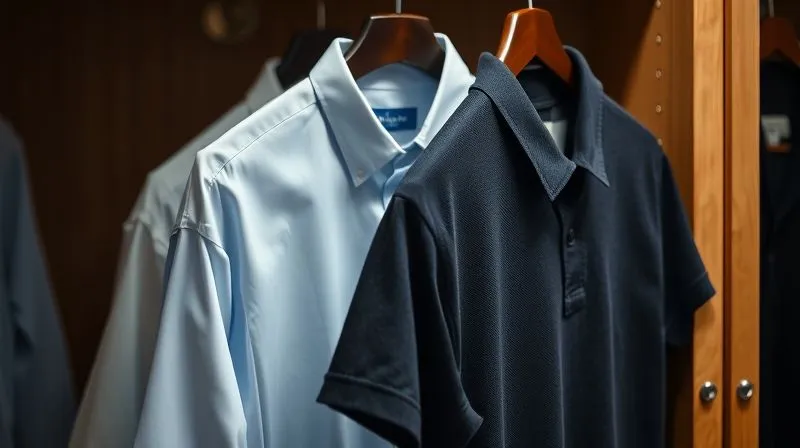
- Dress Shirts: A crisp, well-ironed dress shirt in cotton poplin or twill is a top-tier option. White and light blue are classic and universally flattering.
- Oxford Cloth Button-Down (OCBD): A slightly more relaxed but still highly respectable option. Its textured fabric adds depth.
- Polo Shirts (Elevated): For slightly less formal client interactions, a high-quality, well-fitting polo shirt in a fine knit (e.g., merino wool or mercerized cotton) can work, especially under a blazer. Avoid pique polos with large logos.
- Fit: Ensure shirts are not too baggy or too tight. The collar should sit comfortably, and the sleeves should be the correct length.
Smart Knitwear for Cooler Climates
When the weather turns cool, knitwear offers a sophisticated layering option that maintains a professional aesthetic.
- Merino Wool or Cashmere Sweaters: Fine-gauge sweaters in crewneck or V-neck styles are excellent. Layer them over a collared shirt.
- Cardigans: A well-fitting cardigan can replace a blazer in some contexts or be worn under one for extra warmth and texture.
- Colors: Stick to solid, neutral colors like charcoal, navy, black, or deep burgundy.
Footwear: The Often-Overlooked Deal Breaker
I cannot stress this enough: your shoes can make or break your outfit. Scuffed, worn, or overly casual footwear sends a message of carelessness that can quickly undo the effort you put into the rest of your ensemble. According to a study published in the Journal of Research in Personality, people make surprisingly accurate judgments about others' personalities and status based solely on their shoes. Read more on the psychology of footwear.
Polished Steps: Loafers, Derbies, and Brogues
Invest in quality leather shoes that are always clean and well-maintained. Polished shoes reflect attention to detail and respect for the occasion.
- Loafers: Penny or tassel loafers in dark brown or black leather are excellent business casual choices, offering a blend of elegance and ease.
- Derbies/Bluchers: These open-laced dress shoes are slightly less formal than Oxfords but still very polished.
- Brogues: Wingtip or cap-toe brogues add character and sophistication.
- Chelsea Boots: In colder months, a sleek leather Chelsea boot can be a stylish and appropriate option.
- Sneakers (Caution): Only consider very minimalist, pristine white leather sneakers in highly creative or tech-centric industries, and only if you are certain of the client's culture. Even then, a blazer is essential to elevate the look.
"Your shoes are the foundation of your outfit. A pristine pair of shoes can elevate an average look, while neglected footwear can drag down even the most expensive suit."
| Shoe Type | Formality Level | Best For |
|---|---|---|
| Leather Loafers | High Business Casual | Most client meetings |
| Leather Derbies/Brogues | High Business Casual | Formal client presentations |
| Clean Leather Sneakers | Low Business Casual (Risky) | Creative/Tech clients only, with a blazer |
| Suede Chukkas/Boots | Mid Business Casual | Casual client lunches, less formal industries |
Accessories: Subtle Statements of Sophistication
Accessories are not just adornments; they are strategic elements that complete your look and demonstrate a refined sensibility. They should complement, not overwhelm, your outfit.
The Power of a Quality Watch & Belt
These two items are often the first details people notice, especially during handshakes or when seated.
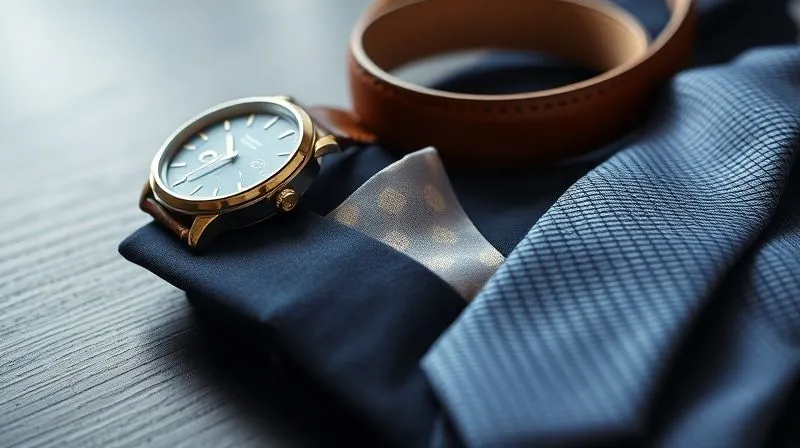
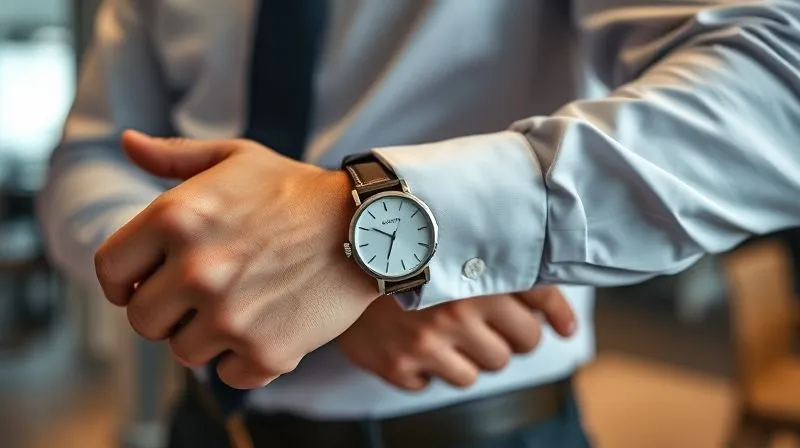
- Watch: A classic analog watch with a leather strap or metal bracelet adds a touch of timeless elegance. Avoid overly sporty or flashy digital watches.
- Belt: Always match your belt to your shoes in terms of color and material. A simple, good quality leather belt with a subtle buckle is ideal.
Ties & Pocket Squares: When to Deploy
In a business casual context, a tie is often optional, but a well-chosen one can instantly elevate your look for a particularly important client. A pocket square, while not as formal as a tie, adds a dash of personality and polish.
- Ties: If you opt for a tie, choose one with subtle patterns or textures (e.g., knit tie, grenadine tie) that complement your shirt and blazer. Avoid overly corporate or flashy designs.
- Pocket Squares: A folded linen or silk pocket square in a complementary color or pattern can elevate a blazer. Ensure it doesn't perfectly match your tie; aim for harmony, not identicalness.
The Client Context: Tailoring Your Look
True mastery of client-facing business casual means understanding that there's no single uniform. It's about adapting your core principles to the specific context of your client and their industry. This demonstrates foresight and respect for their culture.
Industry-Specific Considerations
- Tech/Creative: More leeway for stylish sneakers, modern cuts, and perhaps a subtle t-shirt under a blazer (ensure high quality).
- Finance/Legal: Lean towards dress shirts, wool trousers, and polished dress shoes. A tie might even be appropriate for critical meetings.
- Manufacturing/Industrial: Practicality and durability might be valued, but professionalism remains key. A sturdy blazer and substantial shoes are good.
Client Culture & Geography
Research your client's company culture if possible. Look at their website, social media, or even news articles for clues about their general vibe. Geographical location can also play a role; what's considered business casual in New York City might differ from a firm in a more conservative region.
Case Study: How Alpha Solutions Nailed Their Client Meeting Aesthetic
Alpha Solutions, a mid-sized IT consultancy, faced a challenge. Their internal culture was very relaxed, often featuring hoodies and jeans. However, when pitching to Fortune 500 clients, their younger consultants struggled to project the gravitas needed. Their solution, guided by an external image consultant (a role I've often played), involved a mandatory "client-facing uniform" that still felt like business casual but with an elevated edge.
They standardized on:
- Navy or Charcoal Blazers: Required for all client meetings.
- Tailored Chinos or Wool Trousers: Strict no-denim policy for client interactions.
- Dress Shirts or Fine-Knit Polos: Always tucked in, no visible logos.
- Polished Leather Footwear: Derby shoes, loafers, or sleek Chelsea boots.
- Minimal Accessories: A quality watch and matching belt.
This simple framework, while initially met with some internal resistance, led to a noticeable increase in client confidence and engagement during presentations. The team reported feeling more authoritative and, crucially, their closing rates improved by 15% within six months. It proved that investing in appropriate attire was a direct investment in their business success.
Grooming & Presentation: The Unspoken Message
No matter how impeccable your clothes are, poor grooming can instantly undermine your efforts. Your personal presentation is just as critical as your wardrobe.
Hair, Facial Hair, and Fragrance
- Hair: Keep it neat, tidy, and well-styled. Avoid messy or overly avant-garde looks for client meetings.
- Facial Hair: If you have a beard or mustache, ensure it's meticulously groomed, trimmed, and clean. If you're clean-shaven, ensure a smooth shave.
- Fragrance: Use cologne sparingly, if at all. A subtle, fresh scent is acceptable, but avoid overpowering fragrances that might be distracting or off-putting. Less is always more.
- Hands & Nails: Often overlooked, but clients will notice. Keep nails clean and trimmed.
Actionable Framework: The Client-Meeting Wardrobe Checklist
To simplify your decision-making, here’s a step-by-step framework to ensure you’re always client-ready:
- Assess the Client & Context: Before selecting anything, consider the client's industry, their company culture, and the nature of the meeting. Is it a casual catch-up, a formal pitch, or a site visit?
- Start with Your Foundation: Choose tailored wool trousers or well-fitting chinos in a neutral color (navy, grey, charcoal, khaki). Ensure they are clean and pressed.
- Select Your Shirt: Opt for a crisp dress shirt (white, light blue) or a high-quality OCBD. For slightly less formal settings, a fine-knit polo can work under a blazer. Always ensure it's wrinkle-free.
- Add the Blazer: A navy or charcoal blazer is almost always a smart addition. It instantly elevates your look and provides a professional frame.
- Choose Your Footwear: Select polished leather loafers, Derbies, or Brogues. Match your belt color to your shoes.
- Refine with Accessories: A classic watch, a subtle pocket square (optional), and clean, matching socks.
- Groom Impeccably: Ensure your hair is neat, facial hair is groomed, and you're clean-shaven if preferred. Use minimal fragrance.
- The "Mirror Test": Before leaving, do a final check. Does your outfit convey confidence, respect, and competence? Does it reflect well on you and your organization?
This structured approach minimizes guesswork and ensures you present your best self. As Forbes often emphasizes, dressing for success is not just about vanity; it's a strategic tool for career advancement and building trust. Explore more on dressing for success.
| Category | Client Meeting Essential | Acceptable Alternative |
|---|---|---|
| Top Layer | Navy/Charcoal Blazer | N/A (highly recommended) |
| Shirt | White/Light Blue Dress Shirt or OCBD | Fine-knit Polo (under blazer) |
| Bottoms | Wool Trousers/Tailored Chinos | N/A (avoid denim) |
| Footwear | Polished Leather Loafers/Derbies | Sleek Chelsea Boots |
| Accessories | Leather Watch & Matching Belt | Subtle Pocket Square |
Frequently Asked Questions (FAQ)
Q: Is it ever okay to wear jeans to a client meeting, even in a business casual office? A: Generally, no. While your internal office might be fine with jeans, client meetings demand a higher level of formality. Even in creative industries, well-tailored chinos or wool trousers are a safer and more respectful choice. If a client specifically says to come in "very casual," then dark, pristine, slim-fit jeans might be acceptable, but this is rare and should be confirmed explicitly. When in doubt, always err on the side of slightly more formal.
Q: How do I know if my blazer fits correctly? A: A properly fitting blazer is crucial. The shoulder seams should align perfectly with your natural shoulder bone. The sleeves should end just above your wrist bone, allowing about half an inch of your shirt cuff to show. When buttoned (only the top button on a two-button blazer), it should close without pulling or creasing, but also not be baggy. The length should cover your seat but not extend too far down your thighs. Professional tailoring can make a significant difference.
Q: What colors are best for client-facing business casual? A: Stick to a palette of classic neutrals: navy, charcoal grey, light grey, white, light blue, and khaki/stone. These colors are universally professional and easy to mix and match. You can introduce subtle pops of color through a pocket square or a patterned tie if appropriate for the client and industry, but the core outfit should remain understated and sophisticated.
Q: Can I wear a sweater instead of a blazer for a client meeting? A: For less formal client interactions, especially in cooler weather, a fine-gauge merino wool or cashmere sweater (crewneck or V-neck) worn over a collared shirt can be acceptable. However, for initial meetings, pitches, or more formal clients, a blazer is almost always preferred as it adds a layer of authority and structure that a sweater alone cannot replicate. Consider wearing a sweater under a blazer for extra warmth and texture.
Q: Should I always wear a tie for client meetings in a business casual setting? A: Not necessarily. In a true business casual context, a tie is often optional. However, for particularly important meetings, or if you know your client's industry is more traditional, adding a tasteful tie can signal extra respect and seriousness. If you choose to wear one, opt for a knit tie, grenadine tie, or a subtle silk tie that complements your outfit, rather than a full corporate power tie. The goal is to look polished, not overly rigid.
Key Takeaways and Final Thoughts
Navigating the complexities of "What to wear when your business casual office meets clients?" doesn't have to be a source of anxiety. By adopting a strategic, intentional approach to your wardrobe, you can transform it into a powerful tool for building rapport, establishing credibility, and ultimately, driving success. Remember, your attire is an extension of your professional brand; it's a silent communicator that speaks volumes before you even utter a word.
- Prioritize the Blazer: It's your most effective tool for elevating business casual.
- Invest in Quality Separates: Well-fitting trousers, dress shirts, and fine knitwear are essential.
- Never Neglect Footwear: Polished leather shoes are non-negotiable for client-facing roles.
- Master the Art of Context: Tailor your outfit to the client's industry, culture, and meeting formality.
- Grooming is Paramount: Impeccable personal presentation reinforces your professionalism.
- When in Doubt, Elevate: It's always better to be slightly overdressed than underdressed for a client.
Your journey to mastering client-ready business casual is an ongoing one, continually refined by experience and observation. By applying these principles, you're not just dressing for the meeting; you're dressing for success, projecting an image of confidence, competence, and unwavering professionalism that will resonate with every client you encounter. Go forth and make that lasting impression.
Recommended Reading
- 5 Proven Strategies: Reviving Your Casual Streetwear Line's Lost Appeal
- 7 Strategies: Adapting Vintage Silhouettes for Every Modern Body Type
- Draping Dreams: Best Fabric for Textile Art Costumes REVEALED!
- Smart Sunglass Buys: 5 Ways to Beat Celebrity Fad Traps
- Unlock the Secrets: How to Properly Care for Your Luxury Designer Glasses



Your email address will not be published. Required fields are marked *