

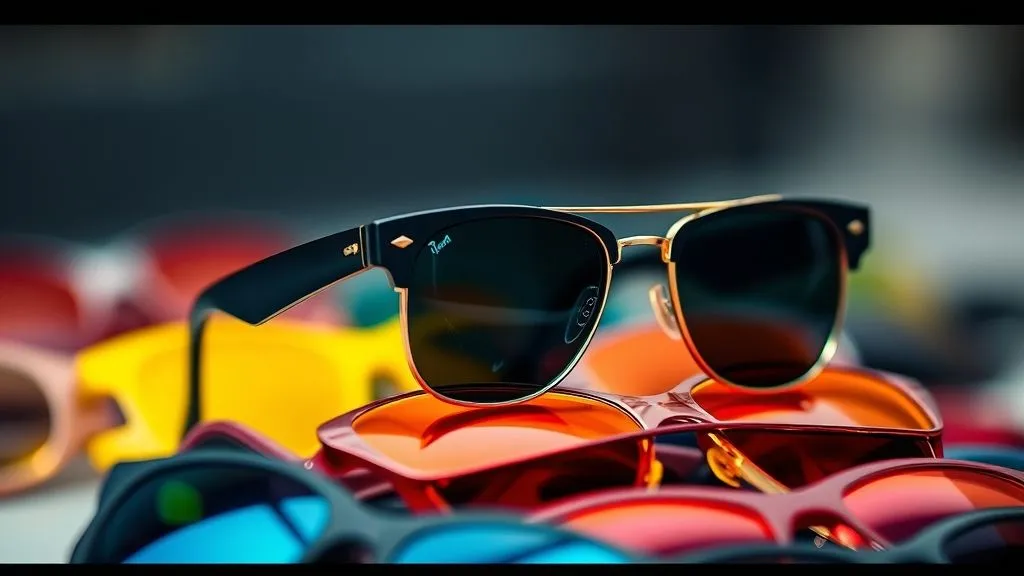
How to Avoid Purchasing Unsellable Celebrity-Driven Sunglass Fads?
For over two decades in the dynamic world of eyewear fashion, I've witnessed countless trends come and go. It’s a fascinating, often bewildering, cycle. But what truly pains me is seeing enthusiasts and even seasoned retailers fall victim to the siren song of celebrity endorsements, investing heavily in styles that, within a single season, become utterly unsellable, destined for the back of a drawer or a dusty clearance bin.
The pain point is real: that gut-wrenching feeling of buyer's remorse, the financial drain of impulse buys, and the frustration of a wardrobe filled with items that no longer spark joy or offer utility. In the fast-paced realm of celebrity-fueled fashion, it's easy to be swept away by fleeting glamour, only to be left with an expensive, outdated accessory.
But fear not. In this definitive guide, I will share my expert frameworks, real-world insights, and actionable strategies developed over years of navigating the eyewear market. You'll learn not just how to identify ephemeral trends, but how to cultivate a discerning eye, build a truly timeless collection, and make smart, sustainable sunglass investments that reflect your personal style, not just a celebrity’s latest whim.
The Allure and Illusion of Celebrity Endorsements
It’s undeniable: a celebrity sporting a particular pair of sunglasses can ignite a buying frenzy. Suddenly, that specific frame becomes the 'must-have' item, propelled into the stratosphere of desire. I've seen it time and again, from oversized shields to minuscule cat-eyes – if a prominent figure wears it, the masses often follow.
However, this allure often masks an illusion. These endorsements are typically strategic marketing plays, designed to create immediate hype and drive rapid sales, rather than to promote enduring style or quality. The celebrity's influence is powerful, but it's also inherently transient, tied to their current public image and the ever-shifting sands of media attention.
The Psychology Behind the Purchase
Why are we so susceptible? It boils down to a blend of aspiration, social proof, and the desire for belonging. We admire celebrities, wanting to emulate their perceived success, style, or confidence. When they wear a certain pair of sunglasses, it subtly suggests that by owning those same frames, we too can embody a piece of that aspirational lifestyle. This psychological trigger often overrides rational decision-making, leading to purchases based on emotion rather than practical considerations like fit, quality, or long-term wearability. As consumer psychology expert Dr. Robert Cialdini's work on 'Influence' demonstrates, social proof is a potent motivator, and celebrity endorsement is its commercial apex.
Decoding Trend Cycles: From Hype to Irrelevance
Understanding the lifecycle of a fashion trend is crucial for discerning a lasting investment from a fleeting fad. Most trends follow a predictable arc: innovation, rise, peak, decline, and obsolescence. Celebrity endorsements typically push a style directly into its 'rise' or 'peak' phase, accelerating its journey through the cycle.
In my experience, celebrity-driven sunglass fads often have an accelerated decay rate. They burn bright and fast, fueled by instant social media visibility, but lack the organic roots or foundational design principles that allow a style to mature gracefully into a classic. Once the celebrity moves on to the next 'it' item, the previous one rapidly loses its cultural cachet and market demand.
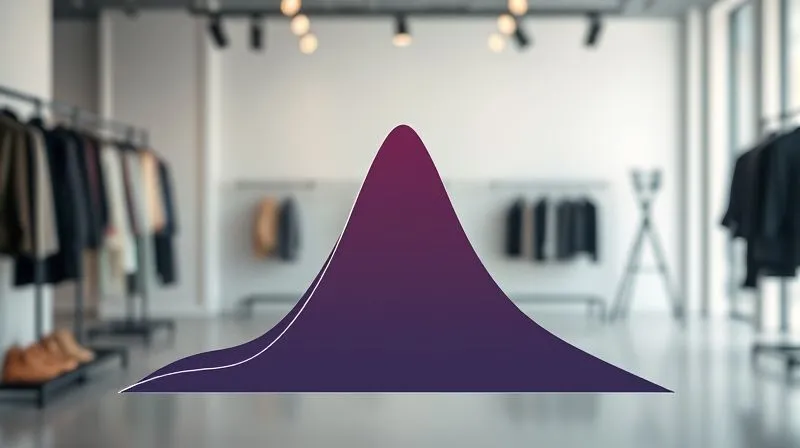
Identifying the 'Peak' and 'Decline' Phases
Spotting the peak is critical. Signs include:
- Ubiquity: The style is everywhere – on every influencer, in every magazine, and at every price point from luxury to fast fashion knock-offs.
- Saturation: Retailers are heavily discounting the style to move inventory.
- Lack of Innovation: Designers are no longer introducing fresh takes on the style; it's simply being replicated.
The decline begins when the novelty wears off, and consumers start seeking something new. This is when you see articles proclaiming a trend 'dead' or 'over.' Investing at this stage is almost guaranteed to result in an unsellable item. For a deeper dive into trend analysis, Harvard Business Review offers insightful perspectives on fashion market dynamics.
The Foundation of Forever: Classic Sunglass Silhouettes
The antidote to fleeting fads lies in understanding and investing in classic sunglass silhouettes. These are the styles that have transcended generations, proving their enduring appeal through decades of changing fashion landscapes. They are the sartorial anchors of any well-curated eyewear collection.
Why do they last? Because they possess universal design principles: balanced proportions, versatility, and an inherent elegance that complements a wide range of face shapes and personal styles. They don't scream for attention; they simply enhance. When I advise clients on building a foundational eyewear wardrobe, these are the styles I consistently recommend.
- The Aviator: Originally designed for pilots, its teardrop shape and thin metal frame offer a timeless, cool, and often unisex appeal.
- The Wayfarer: Iconic since the 1950s, its trapezoidal frame and bold lines are instantly recognizable and perpetually stylish.
- The Round Frame: Evoking intellectual and artistic vibes, round glasses have a vintage charm that consistently cycles back into prominence as a classic.
- The Cat-Eye: Feminine and sophisticated, the upswept corners of a classic cat-eye add a touch of glamour without being overly trendy.
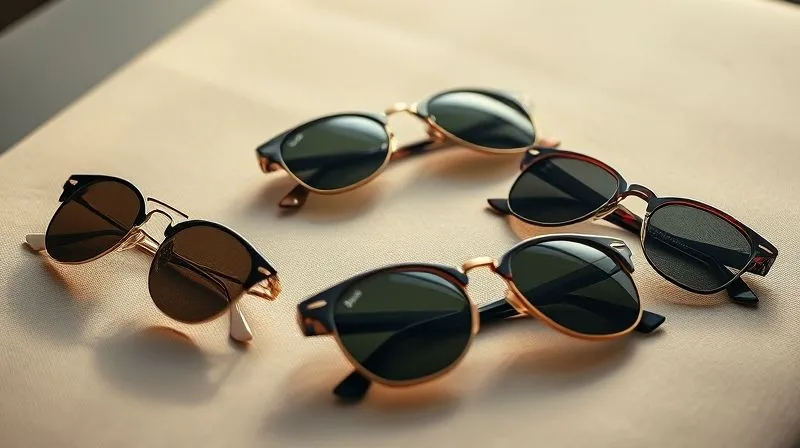
- The Clubmaster/Browline: Characterized by a bold upper frame and rimless lower half, this style offers a distinctive, retro-chic look that remains sophisticated.
Your Personal Style Compass: An Antidote to Fads
One of the most powerful defenses against purchasing unsellable celebrity-driven sunglass fads is a strong understanding of your own personal style. Fads are external; true style is internal. When you know what genuinely suits you, what makes you feel confident and authentic, you become impervious to the whims of transient trends.
I've observed that those who consistently make smart, enduring fashion choices aren't necessarily following rules; they're following their internal compass. They've developed an acute awareness of what flatters their unique features and complements their overall aesthetic, allowing them to filter out anything that doesn't align, regardless of its celebrity endorsement.
Understanding Your Face Shape and Proportions
While not a rigid rulebook, understanding your face shape can guide you towards frames that enhance your features. The goal isn't to perfectly match, but to create balance and harmony. For instance, angular frames can soften a round face, while rounder frames can complement a square jawline. It's about proportion and contrast, not strict adherence.
| Face Shape | Recommended Frames | Avoid |
|---|---|---|
| Round | Angular, square, Wayfarer, cat-eye | Small round, overly oversized |
| Square | Round, oval, Aviator, soft cat-eye | Boxy, sharp angles |
| Oval | Most styles work, Wayfarer, Aviator, oversized | Frames wider than face |
| Heart/Triangle | Aviator, round, cat-eye (wider at top), browline | Heavy bottom frames |
| Long/Oblong | Oversized, Wayfarer, Aviator (tall lenses), decorative temples | Narrow, small frames |
Beyond face shape, consider your personal color palette, your lifestyle, and the overall vibe you wish to project. Do you lean classic, bohemian, edgy, or minimalist? Your sunglasses should be an extension of that narrative, not a jarring interruption dictated by a fleeting trend.
Beyond the Hype: Quality, Craftsmanship, and Material Matters
When celebrity-driven fads take hold, the focus is almost exclusively on the superficial aesthetic. Little attention is paid to the actual quality of the product. This is where smart consumers differentiate themselves. Investing in quality craftsmanship and superior materials is a hallmark of truly enduring style, ensuring your sunglasses not only look good but also last.
I've seen countless pairs of trendy, celebrity-endorsed sunglasses fall apart after a single season – loose hinges, scratched lenses, faded frames. This is not only wasteful but also a poor financial investment. True value in eyewear comes from a combination of design longevity and physical durability.
Spotting True Value in Eyewear
Here’s what to look for:
- Lens Quality: Prioritize lenses that offer 100% UV protection. Look for materials like CR-39 or polycarbonate for impact resistance, and glass for optical clarity. Polarization is a bonus for glare reduction.
- Frame Material: Acetate (a type of plastic derived from cotton fibers) is durable, hypoallergenic, and allows for rich colors. Metal frames (titanium, stainless steel) are strong and lightweight. Avoid flimsy plastics that feel light and brittle.
- Hinges: Look for robust, multi-barrel hinges, often with screws that can be tightened. Cheap sunglasses often use single-barrel, molded plastic hinges that fail quickly.
- Fit and Finish: Run your fingers over the frame. Does it feel smooth? Are there any rough edges or visible seams? Quality frames have a refined, seamless finish.
"The bitterness of poor quality remains long after the sweetness of low price is forgotten." - Benjamin Franklin (adapted)
This adage holds particularly true in eyewear. A well-made pair of sunglasses, even if it costs more upfront, will provide years of reliable service and timeless style, far outlasting a dozen cheap, trendy alternatives. For more on eyewear manufacturing standards, consider resources from reputable industry bodies like The Vision Council.
The "One-Season Wonder" Test: A Practical Framework
To actively combat the allure of celebrity-driven fads, I developed a simple, yet effective, mental framework I call the "One-Season Wonder" Test. Before making a purchase, ask yourself these critical questions. This test helps you filter out impulse buys and ensures you're investing in a piece that will serve you well beyond a fleeting trend cycle.
- The "Why Me?" Question: Am I buying these because I genuinely love them and they suit my personal style, or because I saw [Celebrity Name] wearing them? Be brutally honest.
- The "Three Outfit" Rule: Can I envision at least three distinct outfits in my existing wardrobe with which these sunglasses would perfectly integrate, not just a single, specific look?
- The "Five-Year" Forecast: Can I realistically see myself wearing these sunglasses five years from now, and would they still feel stylish and relevant?
- The "Quality Check" Query: Do these sunglasses meet my standards for quality in terms of lens, frame, and construction, indicating they will physically last?
- The "Regret Avoidance" Assessment: If these sunglasses were no longer trendy tomorrow, would I still be happy with my purchase?
If you can answer 'yes' confidently to at least four out of these five questions, you're likely making a smart investment. If you're hesitant on more than one, it's probably a one-season wonder.
Case Study: Sarah's Smart Sunglass Investment
Sarah, a client I advised, was initially swayed by a highly publicized, futuristic-looking pair of sunglasses worn by a pop star. They were everywhere on social media. Applying the "One-Season Wonder" Test, she realized they only worked with one specific, edgy outfit (failing rule #2), and she couldn't imagine wearing them beyond a year (failing rule #3). Instead, she opted for a high-quality, classic oversized square frame that complemented her professional and casual wardrobe. Two years later, those square frames are still her go-to, while the celebrity fad has completely vanished. This resulted in long-term satisfaction and avoided a regrettable purchase.
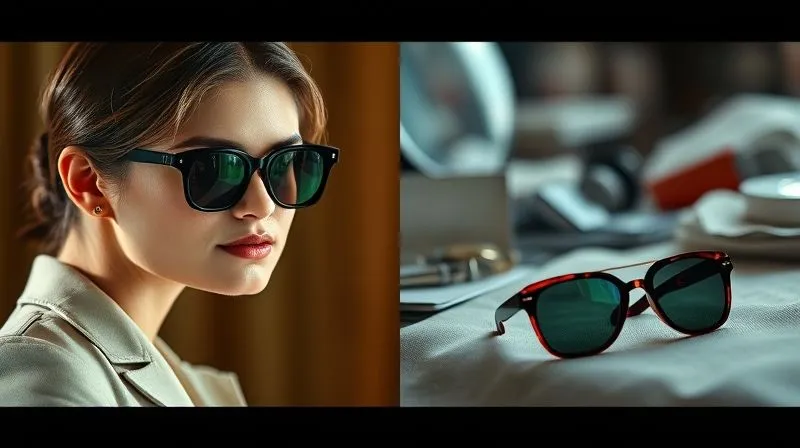
Cultivating a Discerning Eye: Research and Resources
Developing a truly discerning eye for eyewear isn't about being a fashion snob; it's about becoming an informed and empowered consumer. This means moving beyond immediate visual appeal and delving into research, understanding the market, and leveraging trusted resources. As an expert, I spend considerable time analyzing market shifts and consumer behavior, and I encourage you to adopt a similar, albeit simpler, approach.
Don't rely solely on what's trending on Instagram. Look deeper. Understand the history of eyewear design, recognize the foundational styles, and learn to appreciate the nuances of quality. This knowledge builds your confidence and significantly reduces your susceptibility to fleeting fads.
Leveraging Expert Reviews and Independent Publications
Instead of celebrity gossip sites, consult reputable fashion publications known for their critical analysis, or independent eyewear blogs and forums where enthusiasts discuss quality, fit, and longevity. Look for reviews that delve into lens technology, frame materials, and hinge construction, not just aesthetics. Websites that focus on sustainable fashion or investment pieces often provide excellent, unbiased insights into what truly lasts.
Pay attention to trend forecasts from industry experts, but interpret them through your own style filter. A forecast might predict a rise in 'micro-sunglasses,' but if that style clashes with your face shape and personal aesthetic, it's not a trend for you. Remember, a trend is merely an observation; your style is a choice. For reliable fashion trend forecasting and analysis, sources like WGSN offer comprehensive insights into the industry's direction.
The Economics of Eyewear: Long-Term Value vs. Short-Term Glamour
Let's talk about the often-overlooked financial aspect of sunglass purchases. The initial price tag can be deceiving. A cheap, trendy pair might seem like a bargain, but if it breaks quickly, goes out of style rapidly, or simply doesn't get worn, its true cost-per-wear skyrockets. Conversely, a higher-priced, classic pair of sunglasses, worn for years, becomes an incredibly economical investment over time.
I've seen clients lament spending $50 on a celebrity-endorsed pair that lasted two months, only to then spend another $50 on the next fad. This cycle quickly adds up, often surpassing the cost of a single, well-made, classic pair that could have served them for a decade. This isn't just about fashion; it's about smart consumer economics.
| Item | Cost Per Pair | Total Investment (10 years) | Longevity Per Pair | Cost Per Year of Use |
|---|---|---|---|---|
| Celebrity Fad Sunglasses (x5) | $50 | $250 | 6 months (total 2.5 years usage) | $100 |
| Classic Designer Sunglasses (x1) | $200 | $200 | 10 years | $20 |
This simplified table illustrates a common scenario. The perceived 'glamour' of a celebrity-driven fad often comes with a hidden cost: rapid depreciation and the need for constant replacement. A classic piece, on the other hand, holds its aesthetic and functional value, distributing its cost over a much longer period. Think of it as investing in an asset versus renting a temporary thrill. For more on consumer behavior and fashion economics, sources like Forbes' consumer goods section often feature relevant articles.

Frequently Asked Questions (FAQ)
Question: How can I distinguish between a 'classic' style and a 'retro' trend that might fade again? The key lies in consistency and universality. A classic style, like the Aviator or Wayfarer, has been consistently popular for decades, often evolving slightly but retaining its core design. A 'retro' trend, however, is typically a revival of a past fad that was popular for a specific, shorter period (e.g., tiny sunglasses from the 90s). While fun, these revivals often have a limited shelf life before fading back into obscurity. Classics are always 'in style'; retro trends are 'in style again' for a moment.
Question: What if I genuinely like a celebrity-endorsed sunglass style, even after applying the "One-Season Wonder" Test? If a celebrity-endorsed style genuinely resonates with your personal aesthetic, fits your face, and passes most of the "One-Season Wonder" criteria, then it's not a fad for you; it's a personal style choice. The goal isn't to avoid all trends, but to filter out those that lack longevity or personal relevance. If you've done your due diligence and still love them, then enjoy your purchase! Just be realistic about its potential resale value later.
Question: Are there any specific brands known for more timeless designs versus trend-driven ones? Generally, heritage brands like Ray-Ban, Persol, and Oliver Peoples are renowned for their classic, enduring designs and quality craftsmanship. They often have iconic models that have remained bestsellers for decades. Many high-fashion designer brands, while offering beautiful pieces, also tend to lean into seasonal trends more heavily. Independent eyewear brands can be a mixed bag; some focus on timeless design, others on avant-garde trends. Always research the brand's philosophy and track record.
Question: How important is UV protection when choosing sunglasses, especially if I'm prioritizing style? UV protection is paramount and should never be compromised for style. All sunglasses should offer 100% UVA and UVB protection, regardless of their fashion appeal. Lenses without adequate UV protection can actually be more harmful than wearing no sunglasses at all, as the darkened lenses cause your pupils to dilate, allowing more harmful UV rays into your eyes. Always check for a 'UV400' or '100% UV protection' label. This is a non-negotiable health and safety feature.
Key Takeaways and Final Thoughts
Navigating the complex world of eyewear fashion, particularly when bombarded by celebrity influence, requires a strategic and discerning approach. To truly avoid purchasing unsellable celebrity-driven sunglass fads, remember these critical points:
- Understand the Trend Cycle: Recognize that celebrity endorsements often accelerate a trend's peak and decline.
- Prioritize Classics: Invest in timeless silhouettes like Aviators, Wayfarers, and classic Cat-Eyes for enduring style.
- Know Your Personal Style: Let your face shape, lifestyle, and aesthetic be your guide, not fleeting celebrity whims.
- Demand Quality: Focus on superior lens technology, durable frame materials, and solid construction for longevity.
- Employ the "One-Season Wonder" Test: Use this framework to critically evaluate potential purchases.
Ultimately, your sunglasses should be an extension of your unique personality and a smart investment in your style journey, not a temporary trophy from a celebrity's fleeting moment in the spotlight. By adopting these strategies, you'll build an eyewear collection that is both stylish and sustainable, reflecting a discerning eye and a confident understanding of true, lasting fashion. Empower yourself to make choices that you'll love for years, not just for a season.
Recommended Reading
- 7 Proven Steps: Authenticate Rare Designer Vintage from Thrift Stores
- Warmest Kids Winter Hat Material? Ultimate Guide for Parents
- 5 Actionable Ways: Revamp Stale Streetwear for New Buyers Now
- Cracking the Code: 5 Strategies for Predicting Kids' Fashion Trends Accurately
- Verify Vintage: 7 Steps to Ethically Authenticate Apparel for Profit



Your email address will not be published. Required fields are marked *