

How to Authenticate Rare Designer Vintage from Thrift Stores?
For over fifteen years, I've navigated the exhilarating, sometimes treacherous, waters of vintage fashion. I've witnessed the thrill of unearthing a true gem – a pristine Chanel jacket from the 80s, a rare Hermès scarf, or a perfectly preserved Louis Vuitton trunk – tucked away amidst forgotten relics in a dusty thrift store. But I've also seen the sting of disappointment, the heartbreak of discovering a seemingly perfect 'designer' piece was nothing more than a clever, albeit convincing, counterfeit.
The allure of finding a rare designer vintage item at a bargain price is undeniable. It's the ultimate treasure hunt. Yet, this very allure makes the vintage market ripe for deception. How many times have you walked past a rack, wondering if that seemingly ordinary garment or accessory might be a hidden luxury piece? Or worse, how many times have you hesitated, fearing you might spend your hard-earned cash on a well-made fake? The fear of being duped, or of overlooking a genuine masterpiece, is a constant companion for any serious thrifter.
That's precisely why I've distilled my years of experience into this definitive guide. My goal is to equip you with the knowledge, the discerning eye, and the systematic approach required to confidently answer the question: 'How to authenticate rare designer vintage from thrift stores?' We'll delve into the intricate details, the subtle nuances, and the undeniable indicators that separate genuine luxury from clever imitation. Prepare to transform you from a hopeful browser into a seasoned vintage authenticator.
The Foundation: Knowing Your Brands and Their Signatures
Before you even step foot into a thrift store, the most powerful tool in your authentication arsenal is knowledge. Understanding the specific characteristics of the designer brands you're hunting for is paramount. Each luxury house has a unique DNA, a signature that permeates every aspect of its creations.
Researching Brand DNA and Heritage
Every major designer brand has a rich history, evolving through different eras and creative directors. Researching the brand's aesthetic, its typical materials, and its manufacturing processes for specific periods is crucial. For instance, a Chanel bag from the 1980s will have distinct features compared to one from the 2000s.
Actionable Step:
- Target Your Brands: Focus on 2-3 designer brands you genuinely love and want to collect.
- Deep Dive into History: Explore official brand archives, reputable fashion history websites, and vintage collecting forums. Understand their origins, key designers, and iconic pieces.
- Study Material Evolution: Learn what types of leather, hardware, or fabrics they used in different decades. Did Louis Vuitton use real leather for handles in the 70s, or coated canvas?
- Familiarize with Logos and Fonts: Pay close attention to the exact font, spacing, and size of brand logos across different eras. Slight variations can be significant tells.
Eras and Collections: The Nuances of Vintage Identity
Vintage isn't just 'old'; it's a specific period. A 'vintage' piece from the 90s might look very different from a 'vintage' piece from the 60s, even from the same designer. Identifying the specific era a piece hails from can significantly aid in authentication.
For example, early Hermès scarves had hand-rolled hems that rolled towards the front of the scarf, a detail that changed over time. Similarly, the style of zippers used by YKK or Lampo, often found in luxury items, evolved. Knowing these period-specific details can instantly flag a potential counterfeit or confirm authenticity.
"True luxury isn't about the label; it's about the inherent quality, the craftsmanship, and the story woven into every fiber. Knowledge of this story is your first line of defense against deception."
According to a report by WIPO (World Intellectual Property Organization), the global trade in counterfeit goods is a multi-billion dollar industry, often targeting high-value luxury items. This underscores the importance of thorough knowledge before making a purchase. Learn more about global counterfeiting trends here.
The Tell-Tale Signs: Inspecting Hardware, Stitching, and Materials
Once you've done your homework, it's time to get hands-on. The physical attributes of a designer vintage item are often the most revealing indicators of its authenticity. Counterfeiters frequently cut corners here, as replicating true luxury craftsmanship is incredibly difficult and expensive.
Hardware Analysis: Zippers, Clasps, and Logos
High-end designer brands invest heavily in custom hardware. This includes zippers, clasps, buckles, and any metal embellishments. Look for:
- Weight and Feel: Genuine hardware feels substantial, solid, and often has a satisfying weight. Cheap hardware feels light, hollow, or tinny.
- Engravings: Designer logos on hardware should be crisp, clean, and precisely engraved, not etched, stamped poorly, or uneven. Check for correct font, spacing, and depth.
- Finish: The finish should be consistent and durable. Plating on fakes often chips, peels, or tarnishes quickly.
- Zippers: Many luxury brands use specific zipper manufacturers like Lampo, Riri, or YKK. Research which brands used which zippers in which eras. The pull tab and teeth should operate smoothly.
Stitching Perfection: A Mark of Craftsmanship
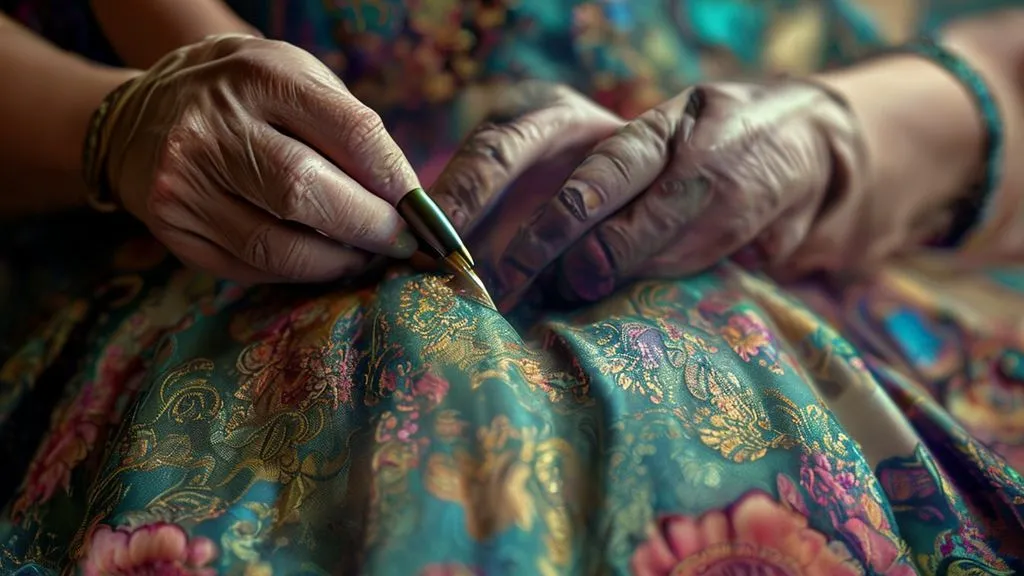
Stitching is perhaps the most overlooked yet critical detail. Luxury brands employ highly skilled artisans, and their stitching reflects this dedication to perfection.
- Evenness and Consistency: Stitches should be uniform in length, perfectly straight, and evenly spaced. There should be no loose threads, skipped stitches, or irregular patterns.
- Thread Quality: High-quality, durable thread is used, often waxed or specially treated. It shouldn't fray easily.
- Hand vs. Machine: Some brands, particularly for certain items like Hermès bags, are known for their distinctive hand-stitching (e.g., saddle stitching). This looks different from machine stitching and is incredibly difficult to replicate perfectly.
- Reinforcement: Areas of stress, like strap attachments or corners, should show meticulous reinforcement.
Material Quality: Fabric, Leather, and Exotic Skins
The quality of materials used by designer brands is unparalleled. This is where many fakes fall short, even good ones.
- Leather: Genuine leather has a distinct smell (not chemical), a natural grain, and will develop a patina over time. It feels soft, supple, and luxurious. Fakes often use PU leather or bonded leather, which feels stiff, plasticky, and can have an artificial sheen. Examine the cut edges; real leather shows distinct layers.
- Fabrics: Silk should feel smooth and flow beautifully. Wool should be soft, not scratchy. Linings should be made of quality materials, often silk, satin, or fine leather, not cheap synthetic fabrics.
- Exotic Skins: If you encounter an item claiming to be made of alligator, crocodile, or python, research the specific patterns and textures of these skins. They should be natural and irregular, not uniform or printed.
"The devil is in the details, and for vintage authentication, the details are literally stitched, molded, and woven into the fabric of the item itself."
Decoding Labels, Tags, and Serial Numbers
Labels, tags, and serial numbers are the item's official identity markers. While often the first things counterfeiters attempt to replicate, they are also frequently their downfall due to subtle inconsistencies.
The Art of Label Reading
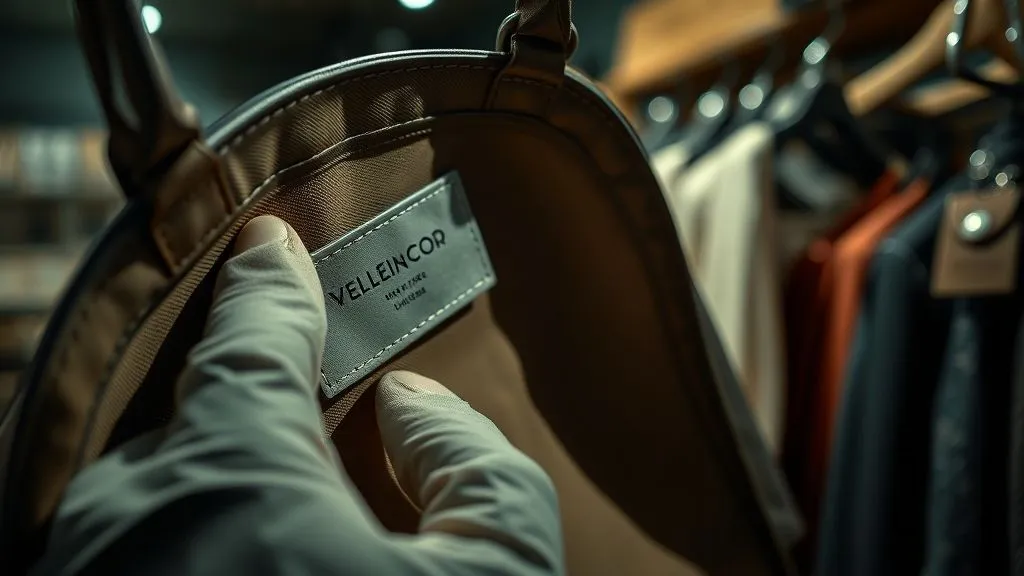
Designer labels are not generic. They are designed with specific fonts, spacing, placement, and often unique stitching methods.
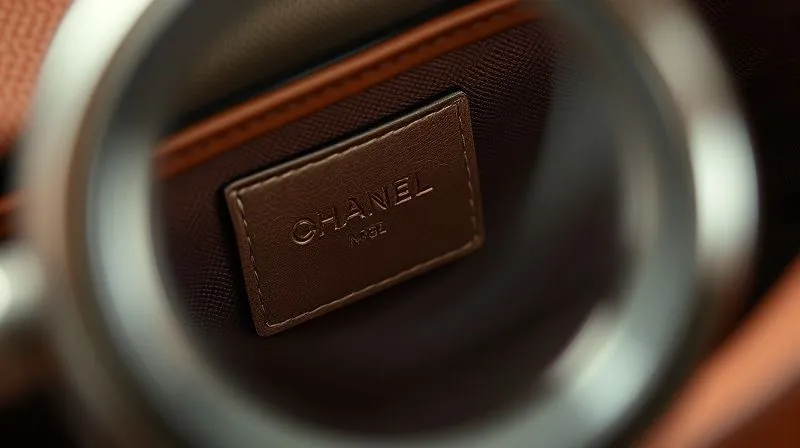
- Font and Spacing: Compare the font of the label to known authentic examples from the same era. Look for precise kerning (spacing between letters) and alignment.
- Placement and Attachment: Is the label sewn in correctly? Is it straight? Is the stitching type consistent with the brand's practices for that period? Some brands use specific thread colors for their labels.
- Country of Origin: Does the 'Made in France' or 'Made in Italy' match the brand's known manufacturing locations for that item type? Be wary of generic 'Made in China' labels on high-end luxury items unless the brand has a documented manufacturing presence there for that specific product line and era.
- Multiple Labels: Some items might have care labels, composition labels, and brand labels. All should be consistent in quality and information.
Understanding Serial Numbers and Date Codes
Many luxury brands, especially handbags, use serial numbers or date codes to identify when and where an item was manufactured. These are invaluable for authentication.
Actionable Steps for Serial Number Verification:
- Locate the Code: Serial numbers can be discreetly hidden – inside pockets, under linings, on leather tabs, or embossed directly into the material.
- Decipher the Format: Each brand has its own unique format. For example, Louis Vuitton uses a specific alphanumeric code that indicates the factory and date of production. Chanel uses a sticker with a serial number often covered by a clear protective film.
- Cross-Reference: Use reputable online databases or guides specific to the brand and era. There are many community-driven resources that compile this information. Be cautious and cross-reference multiple sources.
- Check for Consistency: Does the date coded in the serial number align with the style of the item? An item with a 1980s style but a 2000s serial number is a major red flag.
It's worth noting that some older vintage items, particularly from before the 1980s, might not have easily identifiable serial numbers or date codes. In such cases, other authentication methods become even more critical. Reputable sources like The PurseForum often have dedicated sections for authenticating specific brands, offering insights into their serial number systems.
The Scent and Feel: Intangible Indicators of Authenticity
Beyond the visual, our other senses play a surprisingly significant role in authenticating vintage designer items. The way an item feels and even smells can provide crucial clues that a visual inspection alone might miss.
The Unique Patina and Age
Genuine vintage items, especially those made of natural materials like leather, develop a unique patina over time. This is a natural aging process that adds character and depth, and it's incredibly difficult for counterfeiters to replicate convincingly.
- Leather Patina: High-quality leathers, particularly vegetable-tanned, will darken and soften, showing signs of use and age that are distinct from artificial distressing. Look for natural wear patterns, not uniform 'aged' finishes.
- Metal Oxidation: Authentic hardware, depending on the metal (e.g., brass, sterling silver), may show natural oxidation or tarnishing that adds to its vintage appeal. Fakes often have artificially aged or painted-on 'patina' that looks flat and unnatural.
The Smell Test: A Hidden Clue
While subjective, the scent of a vintage item can be a powerful indicator. Genuine luxury materials have distinct smells that are hard to fake.
- Real Leather: Has an earthy, rich, and often slightly sweet smell. It's distinctive and pleasant.
- Fake Leather/Synthetics: Often smell distinctly chemical, plasticky, or overwhelmingly of glue. This is a major red flag.
- Vintage Scent: Genuine vintage items might have a faint, pleasant 'old' smell – not musty or damp, but a subtle aroma of aged materials and perhaps a hint of old perfume or fabric softener.
"Don't underestimate your senses. The subtle scent of genuine leather or the unique feel of a perfectly aged silk can often confirm what your eyes suspect."
Red Flags and Common Counterfeit Tactics
Even with all your knowledge, it's essential to be aware of the common tactics employed by counterfeiters and the obvious red flags that should immediately raise suspicion. A healthy dose of skepticism is your best friend in the thrift store.
Price Too Good to Be True
This is the golden rule of vintage hunting. While thrift stores can offer incredible bargains, a rare Chanel 2.55 for $50 should immediately trigger alarm bells. While true steals exist, extremely low prices for highly coveted items are almost always indicative of a fake.
Poor Craftsmanship and Misspellings
Counterfeiters, even sophisticated ones, often make mistakes. Look for:
- Misspellings: On labels, care tags, or even embossed logos. This is an immediate deal-breaker.
- Uneven Stitching: As discussed, inconsistent or sloppy stitching is a hallmark of fakes.
- Low-Quality Materials: Cheap linings, flimsy zippers, or plasticky 'leather' are clear indicators.
- Asymmetry: Designer items are meticulously crafted. Any noticeable asymmetry in design, pockets, or flap alignment suggests a fake.
The "Brand New" Vintage Paradox
A vintage item, by definition, has age. While some pieces might be 'deadstock' (never sold or worn), they should still show subtle signs of age in materials or packaging. An item presented as 'vintage' but looking absolutely pristine, with no signs of wear whatsoever, especially for a well-known brand, warrants extra scrutiny. Packaging, if present, should also reflect the era.
Case Study: The 'Perfect' Hermès Scarf That Wasn't
I recall a client who excitedly brought me a beautiful silk scarf she'd found at a charity shop, convinced it was a genuine Hermès Carré. It was a stunning design, the colors vibrant, and it even had the signature of the artist. At first glance, it was incredibly convincing.
However, as I began my authentication process, I noticed the subtle differences. While the silk felt luxurious, it lacked the specific weight and 'crispness' of a true Hermès twill. More critically, the hand-rolled hems, a definitive Hermès hallmark, were rolled towards the back of the scarf, not the front as they should have been for a scarf of that alleged era. Furthermore, the stitching on the hem, while neat, wasn't quite as fine and perfectly spaced as an authentic piece. The 'Hermès Paris' script was slightly off-kilter. The client, though initially disappointed, was grateful to have avoided investing further in a high-quality replica. This experience highlighted how even the most convincing fakes can be revealed by a keen eye for brand-specific details.
Leveraging Digital Tools and Expert Opinions
Even the most experienced vintage enthusiasts sometimes need a second opinion. The digital age offers a wealth of resources, from online authentication services to community forums, that can provide invaluable assistance.
Online Authentication Services
Several reputable online services specialize in authenticating luxury goods. These services employ experts who can scrutinize high-resolution photos of your potential find. While they come with a fee, it's a worthwhile investment for high-value items.
Community Forums and Databases
Online communities, like those on Reddit (e.g., r/VintageFashion) or dedicated forums, can be excellent resources. Members often share their knowledge, experiences, and tips on spotting fakes. However, always exercise caution and cross-reference information, as not all advice online is expert-level.
When to Consult a Professional Appraiser
For truly rare or exceptionally valuable pieces, or if you plan to insure or resell an item, consulting a professional, certified appraiser specializing in vintage fashion is highly recommended. Their expertise goes beyond authentication to valuation and historical context.
| Service | Specialty | Cost Range | Turnaround |
|---|---|---|---|
| Entrupy | AI-powered authentication for major brands | High | Minutes to 24 hours |
| Real Authentication | Human experts for a wide range of luxury brands | Medium | 24-48 hours |
| Authenticate First | Specializes in specific high-end brands like Chanel, Hermès | Medium-High | 12-24 hours |
These services provide an added layer of assurance. For instance, Entrupy uses microscopic imaging and AI algorithms to compare an item's features against a vast database of authentic and counterfeit goods. Read about advancements in AI authentication technology here.
Building Your Authentication Toolkit and Mindset
To truly excel at authenticating rare designer vintage from thrift stores, you need more than just knowledge; you need the right tools and, crucially, the right mindset. This isn't just a hunt; it's an investigation.
Essential Tools for Every Thrifter
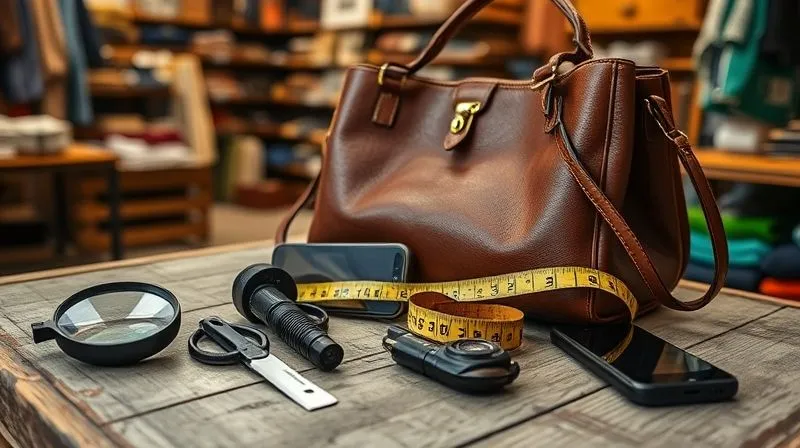
Equip yourself with a small, portable toolkit that can fit in your bag:
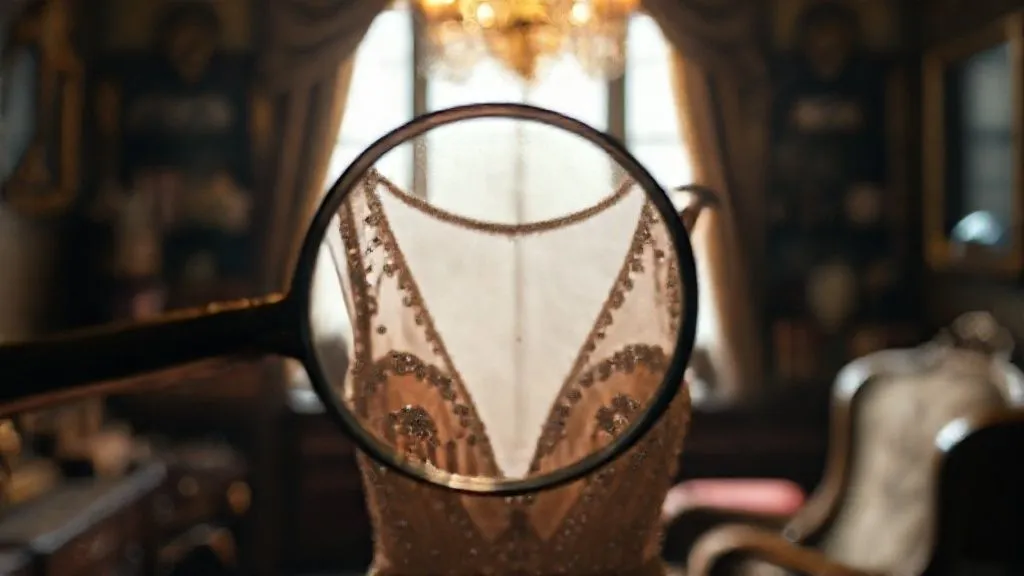
- Magnifying Glass (10x minimum): Essential for examining stitching, engravings, serial numbers, and material textures.
- UV Light (Blacklight): Useful for detecting certain modern glues, dyes, or security features sometimes incorporated into authentic items, or conversely, revealing inconsistencies in fakes.
- Measuring Tape: To check dimensions against known authentic models.
- Smartphone with Internet Access: For on-the-spot research, comparing photos, and accessing databases.
- Small Notebook and Pen: To jot down details, serial numbers, or observations.
The Power of Patience and Persistence
Authenticating takes time. Don't rush the process, especially if you're considering a significant purchase. Be prepared to spend time meticulously examining an item from every angle. Persistence is also key; you won't find a gem every time, but every inspection, real or fake, is a learning opportunity.
Documenting Your Finds
When you do find and authenticate a genuine piece, document it thoroughly. Take detailed photos of the item, its labels, hardware, and any unique features. Keep a record of where and when you found it, and any details that helped confirm its authenticity. This practice not only builds your personal archive but also sharpens your eye for future finds.
Frequently Asked Questions (FAQ)
What are the most commonly faked designer vintage items? Handbags (Chanel, Louis Vuitton, Hermès, Gucci), silk scarves (Hermès), and certain jewelry pieces are among the most frequently faked items due to their high resale value and brand recognition. Apparel can also be faked, though often less convincingly due to the complexity of garment construction.
Can I trust a thrift store's labeling of designer items? Generally, no. While thrift store staff might make an effort to identify designer items, they are rarely trained authenticators. Their primary goal is often quick turnover, and they may lack the specialized knowledge required. Always assume you need to perform your own due diligence, regardless of what a tag might say.
How much should I invest in a vintage piece if I'm unsure of authenticity? My advice is to only pay what you're comfortable losing. If you have significant doubts, consider the item as a learning experience rather than a guaranteed investment. For higher-priced items, always factor in the cost of a professional authentication service before committing.
Are all vintage items with designer labels automatically valuable? Not necessarily. While a designer label adds value, the condition, rarity, desirability of the specific model, and current market trends all play a significant role. A heavily damaged or very common designer item, even if authentic, might not command a high price.
What's the best way to clean and care for a newly authenticated vintage find? Always research specific care instructions for the materials and brand. For delicate items, professional cleaning by a specialist in vintage textiles or leather is often recommended. For general care, use gentle, pH-neutral products, store away from direct sunlight and humidity, and allow leather items to breathe. Proper care preserves value and longevity.
Key Takeaways and Final Thoughts
- Knowledge is Power: Thoroughly research the specific brands and eras you're interested in. Understand their unique DNA, materials, and manufacturing quirks.
- Inspect Every Detail: From the weight of the hardware to the precision of the stitching, every tiny detail matters. Counterfeiters often falter on these minute aspects.
- Decode Labels and Codes: Learn to read labels, understand date codes, and verify serial numbers against reputable databases.
- Trust Your Senses: Don't ignore the feel and even the smell of an item. These intangible qualities are difficult to fake.
- Be Skeptical: If a deal seems too good to be true, it probably is. Be wary of common red flags and don't rush into a purchase.
- Leverage Resources: Utilize online communities, and for high-value items, consider professional authentication services.
- Build Your Toolkit: A magnifying glass, UV light, and a critical eye are your best companions on the hunt.
The journey of authenticating rare designer vintage from thrift stores is a rewarding one. It combines the thrill of discovery with the satisfaction of a detective's work. With patience, persistence, and the systematic approach I've outlined, you're now equipped to confidently distinguish genuine luxury from clever imitations. Go forth, explore those racks, and may your next thrift store visit lead you to an extraordinary, authenticated vintage treasure. Happy hunting!
Recommended Reading
- Dazzle on Your Day: Choosing the Best Jewelry for Strapless Dresses
- 7 Breakthroughs: Enhancing Wearer Comfort in Rigid 3D Printed Fabrics
- Mastering Sustainable Fabric Sourcing: 5 Steps for Luxury Womenswear
- Master 10-Hour Workdays: Wear Designer Heels Pain-Free!
- Unearthing Obscure Costume Details: A Filmmaker's 7-Step Research Guide

Your email address will not be published. Required fields are marked *