


Sourcing Sustainable Fabrics for Luxury Elegant Womenswear Lines: An Expert's Guide
For over two decades in the luxury womenswear sector, I've witnessed firsthand the seismic shifts reshaping our industry. The demand for exquisite design remains, but it's now inextricably linked to a profound ethical imperative. Brands that ignore this shift do so at their peril.
The challenge for many designers and brands is clear: how do you maintain the unparalleled quality, drape, and aesthetic of luxury elegant womenswear while navigating the complex landscape of sustainable sourcing? The market is flooded with claims, but true sustainability requires diligence, transparency, and a deep understanding of textile science and supply chains.
In this definitive guide, I'll walk you through a proven framework for sourcing sustainable fabrics for luxury elegant womenswear lines. We'll explore actionable strategies, innovative materials, and the critical steps needed to build a truly responsible and resilient supply chain, ensuring your brand not only thrives but also leads with integrity.
The Imperative: Why Sustainable Sourcing Isn't Optional for Luxury
In my early years, sustainability was often a niche concern, a 'nice-to-have' for a select few. Today, it's a fundamental expectation, particularly within the luxury segment. The discerning customer for elegant womenswear is increasingly informed and demands authenticity.
According to a recent Deloitte study on the luxury consumer, 80% of luxury shoppers are willing to pay more for sustainable products. This isn't just about optics; it's about aligning with evolving consumer values and safeguarding your brand's future. Ignoring this trend is akin to designing for a market that no longer exists.
Beyond consumer demand, regulatory pressures are mounting globally, pushing for greater transparency and accountability in supply chains. Proactive engagement with sustainable sourcing isn't just ethical; it's a strategic business imperative that mitigates risk and builds long-term brand equity.
Deconstructing "Sustainable": Beyond Greenwashing to True Impact
The term "sustainable" can be a minefield, often misused for "greenwashing." As an industry specialist, I emphasize that true sustainability encompasses environmental, social, and economic factors across the entire lifecycle of a product. It's about minimizing harm, maximizing positive impact, and fostering a circular economy.
It's not enough to simply use "organic cotton" if its production involves exploitative labor or excessive water use. We must look deeper, demanding transparency from fiber to finished fabric. This requires a robust understanding of various certifications and standards.
Understanding Key Certifications and Standards
- Global Organic Textile Standard (GOTS): The gold standard for organic fibers, ensuring ecological and social criteria are met throughout the entire supply chain.
- OEKO-TEX Standard 100: Guarantees textiles are free from harmful substances, crucial for the health of both the wearer and the planet.
- Bluesign®: Focuses on resource productivity, consumer safety, water and air emissions, and occupational health and safety in textile manufacturing.
- Recycled Claim Standard (RCS) & Global Recycled Standard (GRS): Verifies the content of recycled materials and responsible social, environmental, and chemical practices in production.
- Fair Trade Certified™: Ensures fair wages, safe working conditions, and community development for farmers and workers.
"Sustainability in luxury isn't a compromise; it's an elevation. It's about crafting enduring beauty with a conscience, ensuring every thread tells a story of responsibility and respect."
Phase 1: Deep Dive into Your Design Philosophy and Material Needs
Before you even begin sourcing, a critical internal assessment is required. This phase is about clarity: understanding your brand's unique identity, your aesthetic vision for luxury elegant womenswear, and the precise functional requirements of your fabrics.
I've seen brands stumble by chasing trends without first anchoring their sustainable efforts in their core values. Your fabric choices must resonate with your brand's DNA and enhance your designs, not detract from them. This foundational work streamlines the sourcing process significantly.
Identifying Your Brand's Core Values
Ask yourself: What does "luxury" mean for your brand in a sustainable context? Is it about unparalleled natural fibers, cutting-edge bio-synthetics, or perhaps artisanal craftsmanship? Defining these values will guide your material selection.
For example, a brand focusing on timeless elegance might prioritize organic silks or traceable wools, whereas a more avant-garde line might explore innovative lab-grown materials or recycled synthetics that offer unique textures and drapes.
Mapping Fabric Requirements for Elegant Draping and Durability
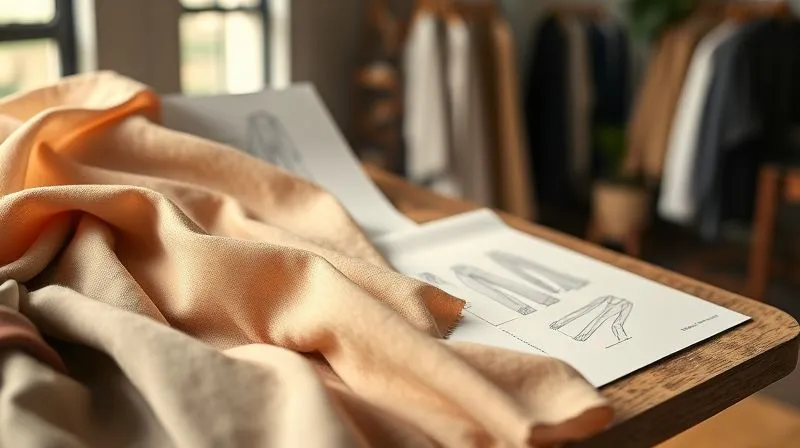
Luxury womenswear demands specific characteristics: fluidity, structure, breathability, and durability. You need to identify the exact technical specifications your designs require. Will the fabric need to hold a crisp pleat, flow like water, or offer a subtle stretch?
Consider the hand-feel, weight, opacity, and how the fabric will perform over time and through cleaning cycles. Sustainable doesn't mean sacrificing performance; it means finding materials that meet these exacting standards while adhering to ethical principles.
Phase 2: Navigating the Global Landscape of Ethical Textile Suppliers
Once your material needs are clear, the next step is identifying and vetting suppliers. This is where many brands face their biggest hurdles. The global textile industry is vast and complex, but with a structured approach, you can find partners who align with your sustainable vision.
In my experience, this phase isn't just about finding a fabric; it's about building relationships based on trust, transparency, and shared values. This is paramount for the long-term success of your sustainable initiatives.
Building Relationships: Trust and Transparency
Don't just look for certifications; engage in dialogues with potential suppliers. Ask about their entire supply chain, from fiber cultivation or recycling processes to dyeing and finishing. Visit their facilities if possible, or engage third-party auditors.
A truly sustainable supplier will be transparent and eager to share their practices. They should be able to provide detailed documentation for their certifications and demonstrate their commitment to environmental stewardship and social responsibility.
Vetting Sustainable Textile Suppliers
- Verify Certifications: Always request valid, up-to-date copies of certifications (GOTS, OEKO-TEX, GRS, Fair Trade, etc.) and cross-reference them with the issuing bodies.
- Traceability Audit: Inquire about their traceability systems. Can they track the fiber back to its origin? This is crucial for verifying claims about organic, recycled, or ethically sourced materials.
- Environmental Impact Assessment: Ask about their energy consumption, water usage, waste management, and chemical policies. Look for evidence of continuous improvement.
- Social Compliance Audit: Ensure they adhere to international labor standards. Third-party social audits (e.g., SA8000) are strong indicators of ethical labor practices.
- Innovation and R&D: Does the supplier invest in new sustainable technologies or materials? This indicates a forward-thinking partner committed to evolving with the industry.
This systematic approach ensures you're not just taking a supplier at their word but verifying their claims with robust evidence. It's a critical step in sourcing sustainable fabrics for luxury elegant womenswear lines.
| Criteria | Requirement | Verification Method |
|---|---|---|
| GOTS Certification | Valid & traceable | Certificate check, supply chain audit |
| Water Usage Efficiency | Below industry average, closed-loop systems | Utility bills, process documentation |
| Social Compliance | Fair wages, safe conditions | SA8000 audit, worker interviews |
| Waste Management | Minimization, recycling, responsible disposal | Waste logs, facility tour |
| Chemical Management | Bluesign® or ZDHC compliant | Chemical inventory, safety data sheets |
Case Study: "Elysian Threads" and Their Sustainable Silk Revolution
How Elysian Threads Achieved Traceability and Elegance
Elysian Threads, a burgeoning luxury womenswear brand, faced the classic dilemma: how to source truly sustainable silk without compromising on the lustrous drape and exquisite feel their customers expected. Traditional silk production often raises concerns about animal welfare, chemical use, and waste.
Instead of opting for conventional suppliers, Elysian Threads partnered with a small cooperative in rural India specializing in Ahimsa (peace) silk. This silk is harvested only after the silkworms have emerged naturally from their cocoons, ensuring no harm. The cooperative also utilized natural dyes derived from local plants and employed women from disadvantaged communities, providing fair wages and safe working conditions.
The brand implemented blockchain technology to track each batch of silk from the farm to their atelier, providing unparalleled transparency. Their customers could scan a QR code on the garment label and see the journey of their silk, including the specific farm, the dyeing process, and the artisans involved. This innovative approach not only satisfied their ethical mandate but also became a powerful storytelling tool, distinguishing Elysian Threads in a crowded luxury market.
The result? Elysian Threads saw a 40% increase in customer engagement and a 25% boost in sales within two years, proving that genuine sustainability, when integrated into the core brand narrative and product, can drive significant commercial success in luxury womenswear.
Phase 3: Innovative Fabrics Redefining Luxury Sustainability
The landscape of sustainable textiles is evolving rapidly. Beyond traditional organic and recycled materials, a new generation of innovative fabrics is emerging, offering exciting possibilities for luxury elegant womenswear lines. Embracing these can give your brand a significant competitive edge.
As an industry veteran, I encourage designers to look beyond the familiar. The future of luxury sustainability lies in bio-innovation and materials that push the boundaries of performance and environmental responsibility.
Beyond Organic Cotton: Exploring Bio-synthetics and Regenerative Materials
While organic cotton and linen are excellent staples, the true innovation lies elsewhere. Consider materials derived from agricultural waste, algae, or even lab-grown fibers that mimic the properties of traditional luxury textiles without the associated environmental footprint.
Regenerative agriculture practices, which focus on restoring soil health and biodiversity, are also gaining traction for fiber production, offering a truly holistic approach to sustainability. These materials often come with compelling stories that resonate deeply with conscious consumers.
- Piñatex (Pineapple Leaf Fiber): A durable, leather-alternative made from pineapple leaf waste, perfect for accessories or structured elements.
- Mylo™ (Mushroom Leather): A soft, supple, and sustainable leather alternative grown from mycelium (mushroom roots), offering a luxurious feel.
- Orange Fiber: A silky fabric derived from citrus juice by-products, offering a beautiful drape and soft hand-feel, ideal for elegant garments.
- Refibra™ (Upcycled Cotton & Wood Pulp): A lyocell fiber made from cotton scraps and wood pulp, known for its strength and silky smoothness.
- Algae-based Fabrics: Emerging technologies are creating textiles from algae, which are carbon-negative and require minimal resources.
- Regenerative Wool/Cashmere: Sourced from farms practicing regenerative agriculture, improving soil health and biodiversity.
Phase 4: Integrating Circularity and Lifecycle Assessment
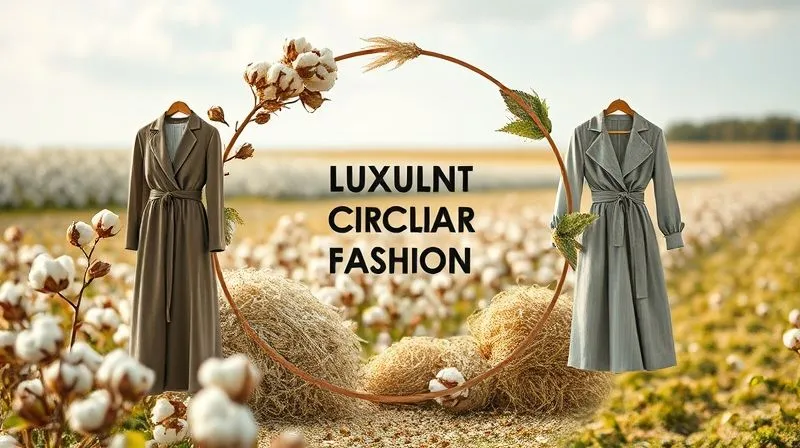
True sustainability extends beyond sourcing; it encompasses the entire lifecycle of your garment. For luxury elegant womenswear, this means designing for durability, repairability, and ultimately, circularity. I firmly believe that the most sustainable garment is one that lasts, can be repaired, and eventually be recycled or biodegraded.
A Lifecycle Assessment (LCA) is a powerful tool to understand the environmental impacts of your products at every stage, from raw material extraction to end-of-life. This data-driven approach allows you to identify hotspots and make informed decisions.
Designing for Durability and End-of-Life Solutions
Luxury implies longevity. Design garments that are timeless, well-constructed, and can withstand years of wear. Consider modular designs or pieces that can be easily updated or repaired.
Furthermore, think about the end-of-life. Can the garment be easily disassembled for recycling? Are the materials biodegradable? Partnerships with textile recycling initiatives or offering take-back programs can close the loop and demonstrate a commitment to circular fashion.
| LCA Stage | Key Impact Areas | Mitigation Strategies |
|---|---|---|
| Raw Material Extraction | Water use, land use, chemical use, greenhouse gas emissions | Organic farming, recycled content, renewable resources |
| Material Processing | Energy consumption, water pollution, chemical discharge | Renewable energy, closed-loop systems, eco-friendly dyes |
| Garment Manufacturing | Waste generation, energy use, labor practices | Zero-waste patterns, efficient machinery, fair wages |
| Transportation & Distribution | Fuel consumption, air pollution | Optimized logistics, sea/rail freight, local sourcing |
| Use Phase | Water/energy for washing, microplastic release | Durable design, care instructions, natural fibers |
| End-of-Life | Landfill waste, pollution | Recycling programs, biodegradability, upcycling |
Phase 5: Communicating Your Sustainable Story Authentically
Having done the hard work of sourcing sustainable fabrics for luxury elegant womenswear lines, it's crucial to communicate your efforts effectively and authentically. This isn't just marketing; it's about building trust and connection with your customer base.
I've observed that the most successful brands don't just state their sustainability; they weave it into their brand narrative, making it an integral part of their identity. Transparency is your most powerful tool in this phase.
Transparency as the New Luxury
Avoid generic claims. Instead, provide specific details about your chosen materials, your suppliers, and your processes. Use certifications as proof points, but also tell the human and environmental story behind them.
Engage your customers with behind-the-scenes content, interviews with artisans, or data on your environmental impact. This level of openness resonates deeply and differentiates your brand in a crowded market. This is how you build genuine loyalty in the luxury sector.
"In the new era of luxury, the story behind the garment – its origins, its impact, its journey – is as valuable as its design and craftsmanship. Tell that story truthfully, and you'll forge an unbreakable bond with your audience."
Remember, sustainability is a journey, not a destination. Be honest about your challenges and your ongoing efforts. This vulnerability can actually strengthen your brand's credibility. For further insights into building a transparent supply chain, I highly recommend exploring resources from the Ellen MacArthur Foundation and the Textile Exchange.

Frequently Asked Questions (FAQ)
Q: How do I balance the higher cost of sustainable fabrics with luxury pricing expectations? A: This is a common concern. In my experience, luxury consumers are increasingly willing to pay a premium for truly sustainable and ethical products. Focus on transparently communicating the value: superior quality, unique story, ethical production, and environmental benefits. Position it as an investment in conscious luxury. Consider optimizing other areas of your business or streamlining collections to absorb some costs, ensuring the perceived value justifies the price point. Furthermore, the long-term brand equity and customer loyalty gained often outweigh the initial cost differential.
Q: What are the biggest challenges in verifying supplier claims for sustainability? A: The biggest challenge is often the lack of complete supply chain traceability, particularly at the raw material level. Many suppliers can only vouch for their immediate processes. To overcome this, I advise brands to prioritize suppliers who are transparent and willing to provide third-party certifications (like GOTS or GRS) for all stages, or work with industry initiatives like the Textile Exchange's Material Change Index. Conducting your own due diligence through audits or engaging specialized consultants is also crucial.
Q: Can luxury brands truly be 100% sustainable, or is it an unattainable goal? A: While achieving 100% sustainability is an ambitious, ongoing journey due to the complexities of global supply chains and resource consumption, the aim should be continuous improvement and radical transparency. Focus on making significant, measurable progress in key areas like material sourcing, waste reduction, and ethical labor. Communicate your progress and challenges openly. It's about striving for the ideal while making impactful, verifiable changes, rather than claiming perfection.
Q: Are there specific sustainable fabrics that are best for achieving an "elegant" drape in womenswear? A: Absolutely. For elegant drape, I often recommend materials like organic silk, TENCEL™ Lyocell (known for its luxurious feel and flow), ethically sourced modal, or innovative plant-based silks like Orange Fiber. These materials offer fluidity, softness, and a beautiful fall that is essential for luxury womenswear. For structured elegance, regenerative wools or Piñatex can be excellent choices. The key is to test samples extensively to ensure they meet your specific design requirements.
Q: How can small or emerging luxury brands compete in sustainable sourcing with larger players? A: Small brands often have an advantage in agility and the ability to build more personal, direct relationships with smaller, artisanal sustainable suppliers. Focus on niche, highly traceable materials and tell a compelling, authentic story. Collaborate with other small brands to meet minimum order quantities if needed. Leveraging platforms like Common Objective or attending specialized sustainable textile fairs can help connect you with appropriate partners. Your passion and commitment to sustainability can be a powerful differentiator against larger, slower-moving competitors.
Key Takeaways and Final Thoughts
Sourcing sustainable fabrics for luxury elegant womenswear lines is no longer a peripheral concern; it is central to brand identity, consumer trust, and long-term viability. As an industry specialist, I have seen the profound positive impact of brands that genuinely commit to this journey.
- Commit to Transparency: Demand full traceability from your suppliers and be open with your customers.
- Verify, Don't Just Trust: Utilize certifications, audits, and direct engagement to confirm sustainability claims.
- Embrace Innovation: Explore new bio-synthetics and regenerative materials to push the boundaries of luxury.
- Design for Circularity: Consider the entire lifecycle, from durability to end-of-life solutions.
- Tell Your Story Authentically: Weave your sustainable journey into your brand narrative, building trust and loyalty.
The path to truly sustainable luxury is challenging, but it is also incredibly rewarding. By adopting these expert strategies, your brand can not only meet the evolving demands of the market but also lead the way in crafting exquisite, ethical, and enduring womenswear. The future of fashion is beautiful, responsible, and undeniably elegant.
Recommended Reading
- Unlock the Secret: How to Achieve Natural Perfect Skin Beauty Photos
- Unlock Radiant Skin: Your Ultimate Morning Skincare Routine for Oily Skin
- 7 Strategies: Innovating Haute Couture While Respecting Brand Heritage?
- Ultimate Guide: How to Style Fashion Lookbook Outfits
- 7 Proven Strategies: Attracting Luxury Buyers for Bespoke Footwear?


Your email address will not be published. Required fields are marked *