

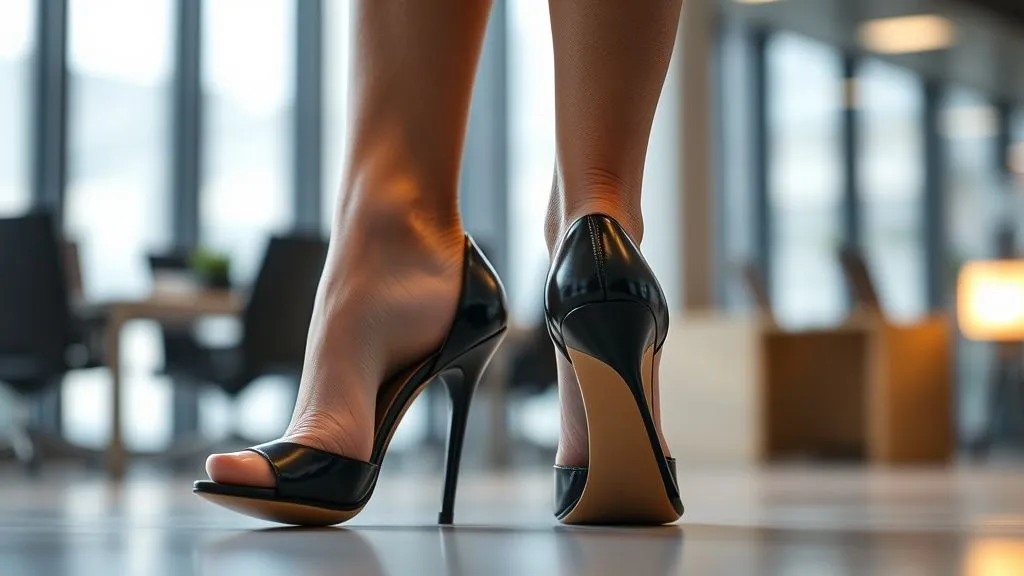
How to Wear Designer Heels for 10-Hour Workdays Without Pain?
For over two decades in the luxury footwear industry, I've witnessed countless professional women make a similar sacrifice: enduring excruciating pain for the sake of unparalleled style. The allure of designer heels is undeniable – they imbue confidence, elevate an outfit, and command presence. Yet, the unspoken truth is often a torturous battle against discomfort by midday, leading to an inevitable compromise of focus and well-being.
You’re not alone in this struggle. The desire to maintain a polished, authoritative image through your footwear, especially during demanding 10-hour workdays, often clashes with the harsh realities of foot fatigue, blisters, and back pain. This isn't just about superficial discomfort; it impacts your posture, your mood, and ultimately, your professional performance. The dream is to glide through your day with grace and power, not to hobble by the afternoon, silently counting down the minutes until you can kick off your shoes.
As your seasoned guide, I’m here to tell you that this dilemma doesn't have to be your reality. This definitive guide will equip you with the expert insights, actionable strategies, and often-overlooked secrets to master the art of wearing designer heels for even the longest workdays, entirely pain-free. We’ll delve into everything from strategic selection and foot anatomy to advanced posture techniques and holistic foot care, ensuring your designer heels become an asset, not a burden.
The Foundation: Understanding Your Foot Anatomy & Heel Mechanics
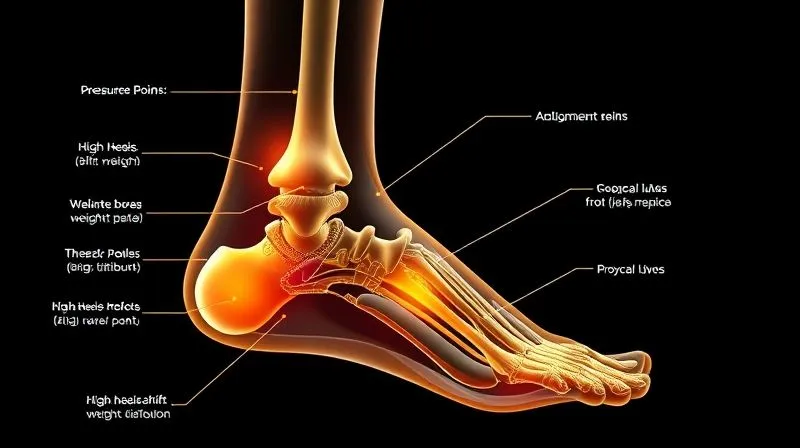
Before we even discuss specific shoes, it's crucial to understand the very foundation we're working with: your feet. In my experience, many women overlook the intricate biomechanics at play when wearing heels, which is the first step towards mitigating pain. Your foot is a marvel of engineering, comprising 26 bones, 33 joints, and over 100 muscles, tendons, and ligaments, all working in harmony.
When you step into a high heel, you fundamentally alter your body's natural alignment. The weight distribution shifts from your heel and midfoot to the balls of your feet and toes, increasing pressure significantly. This forward tilt also pushes your hips forward and arches your back, affecting your entire spinal column.
Understanding this shift is paramount. Different heel heights and styles will impact these pressure points in varying ways. A stiletto, for instance, creates a much steeper pitch and concentrates pressure more acutely than a block heel. Identifying your personal foot type – whether you have high arches, flat feet, or something in between – is also a critical piece of this puzzle, as it will influence which heel styles and comfort aids will work best for you.
The Art of Selection: Choosing the Right Designer Heel
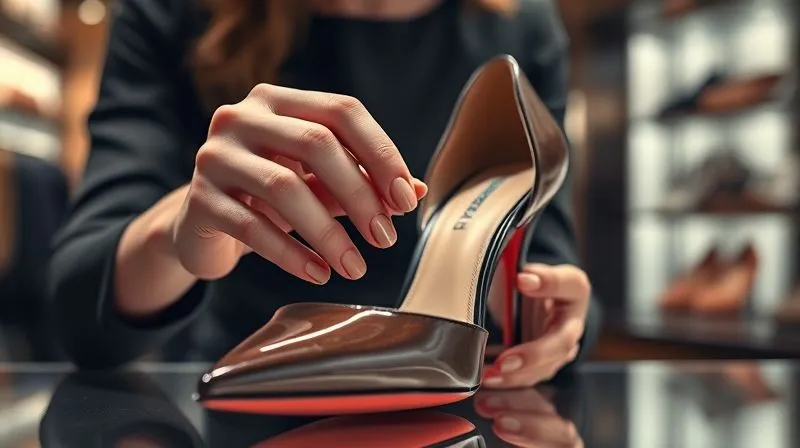
The journey to pain-free heel wearing begins long before you step out the door; it starts in the boutique. Selecting the right pair is not just about aesthetics; it’s a strategic investment in your comfort and longevity.
Material Matters: Leather vs. Synthetics
The material of your designer heel plays a significant role in comfort. High-quality leather, suede, or even some advanced textile blends are often far superior to synthetic alternatives. Leather, for example, is breathable, allowing air circulation to prevent sweat and friction, and it has a natural give that molds to the unique contours of your foot over time.
Conversely, stiff synthetic materials tend to be less forgiving, offering minimal stretch and often leading to blisters and discomfort. When investing in designer heels for long wear, always prioritize natural, supple materials that promise both durability and adaptability. For more on leather quality, see this guide on leather grades and quality.
Heel Height & Style: Striking the Balance
Not all heels are created equal for a 10-hour workday. While stilettos are undeniably elegant, their extreme pitch and narrow heel can be challenging. Consider these alternatives:
- Kitten Heels (1.5-2 inches): Offer a subtle lift with minimal impact on foot alignment. Excellent for all-day wear.
- Block Heels (2-3 inches): Provide a wider, more stable base, distributing weight more evenly. A fantastic choice for prolonged standing or walking.
- Wedge Heels: Offer full foot support, alleviating pressure on the ball of the foot. Can be very comfortable for long hours.
- Platform Heels: The platform under the forefoot reduces the effective heel height (the 'pitch'), making higher heels feel more manageable.
The 'pitch' of the shoe – the difference in height between the heel and the ball of the foot – is arguably more important than the overall heel height. A 4-inch heel with a 1-inch platform effectively has a 3-inch pitch, which is often more comfortable than a straight 3-inch heel.
Fit is King: The Golden Rules
A perfectly fitting shoe is your ultimate defense against pain. I've seen countless women buy shoes that are too small or too large, leading to immediate discomfort. Here’s how to ensure an impeccable fit:
- Measure Both Feet: Your feet are rarely the exact same size. Always fit to the larger foot.
- Shop in the Afternoon: Your feet naturally swell throughout the day. Trying on shoes when they are at their largest ensures a comfortable fit even after hours on your feet.
- Walk Around: Don't just stand. Take several laps in the store. Pay attention to any pinching, rubbing, or slipping. Your heel should not slip out excessively.
- Check for Toe Room: You should have about a thumb's width of space between your longest toe and the tip of the shoe. Your toes should not feel cramped or squished.
- Assess Arch Support: The arch of the shoe should align with the arch of your foot. Gaps can indicate a lack of support.
Strategic Comfort Enhancements: Insoles & Accessories
Even the most perfectly chosen designer heel can benefit from a little extra help. Modern comfort technologies offer discreet yet powerful solutions to transform your heels into all-day allies.
Orthotics & Inserts: Your Secret Weapon
This is where personalized comfort truly shines. Orthotic inserts, whether over-the-counter or custom-made, can dramatically improve the wearability of your heels.
- Gel/Silicone Inserts: These provide cushioning and shock absorption, particularly beneficial for the ball of the foot and heel.
- Arch Support Inserts: Crucial for those with flatter arches or who need extra stability, these help distribute pressure more evenly across the foot.
- Custom Orthotics: For persistent pain or specific foot conditions, a podiatrist can create bespoke orthotics that perfectly match your foot's unique contours and biomechanics, offering unparalleled support.
According to podiatrists, proper arch support can alleviate strain on the plantar fascia, which is a common source of heel pain. Exploring options like those discussed by the American Podiatric Medical Association can provide further insights.
Cushions & Pads: Targeted Relief
Beyond full inserts, a range of smaller, targeted pads can address specific pain points:
- Ball-of-Foot Cushions: Often made of gel or foam, these are essential for reducing pressure on the metatarsal bones, which bear the brunt of the weight in heels.
- Heel Grippers: If your heel slips, these small pads adhere to the back of the shoe, preventing friction and blisters.
- Blister Prevention Patches: Apply these to known hot spots before they become a problem. They create a smooth, low-friction barrier.
- Toe Spacers/Pads: Useful for pointed-toe shoes to prevent toe crowding and friction.
Experimentation is key here. Each foot is different, and finding the right combination of inserts and pads will be a personalized journey. Don't be afraid to try different brands and styles until you find what works best for you.
| Comfort Aid | Benefit | Best Use |
|---|---|---|
| Gel Ball-of-Foot Cushions | Reduces pressure on metatarsals, absorbs impact | Stilettos, pointed toes, long standing |
| Silicone Heel Grippers | Prevents slipping, reduces rubbing and blisters | Loose heels, preventing heel chafing |
| Arch Support Inserts | Provides stability, distributes weight evenly, supports natural arch | Flatter arches, prolonged standing/walking |
| Blister Prevention Patches | Creates a protective barrier, reduces friction | New shoes, known problem areas |
| Forefoot Cushions with Toe Separator | Aligns toes, relieves bunion pressure, cushions ball of foot | Pointed shoes, bunion sufferers |
Master Your Stride: Posture, Gait, and Movement
Even with the perfect shoes and inserts, how you carry yourself and move throughout your day profoundly impacts your comfort. Good posture and a mindful gait can reduce strain on your feet, knees, hips, and back.
The Power of Posture
When wearing heels, your center of gravity shifts. To counteract this, many women unconsciously lean back, which can cause significant lower back pain. Instead, focus on engaging your core and maintaining a tall, aligned posture.
Think of a string pulling you up from the crown of your head. Keep your shoulders relaxed and back, your stomach gently pulled in, and your pelvis tucked slightly. This alignment helps distribute your weight more evenly and reduces the compensatory arch in your lower back.
Practicing this posture at your desk and during short walks will make it feel more natural. A strong core is your best friend when it comes to wearing heels comfortably for extended periods.
Walking with Purpose: A Graceful Gait
Your walking style also requires a slight adjustment in heels. Forget long, sweeping strides; shorter, more controlled steps are key. Here’s a breakdown:
- Heel-to-Toe: Land gently on your heel first, then roll smoothly through the arch to the ball of your foot and toes. Avoid walking solely on the balls of your feet.
- Shorter Strides: Take smaller, more deliberate steps. This reduces the impact on your joints and helps maintain balance.
- Engage Your Core: As you walk, continue to keep your core engaged. This provides stability and prevents your body from swaying excessively.
- Look Forward: Keep your gaze straight ahead, not down at your feet. This helps maintain overall balance and a confident demeanor.
Practice makes perfect. Try walking in your heels at home, focusing on these techniques, and you'll notice a significant difference in comfort and confidence.
Micro-Breaks & Stretching: The Unsung Heroes
Even the most comfortable heels require breaks. I always advise my clients to incorporate 'micro-breaks' throughout their workday. These are short, discreet moments to relieve pressure and stretch.
- Under-Desk Foot Rolls: Keep a tennis ball or a specialized foot roller under your desk. Roll your foot over it for a few minutes to massage the arches and relieve tension.
- Calf Stretches: Stand up, place your hands on a wall, and gently stretch one calf at a time. High heels shorten your calf muscles, so regular stretching is crucial.
- Ankle Rotations: When seated, gently rotate your ankles clockwise and counter-clockwise to improve circulation and flexibility.
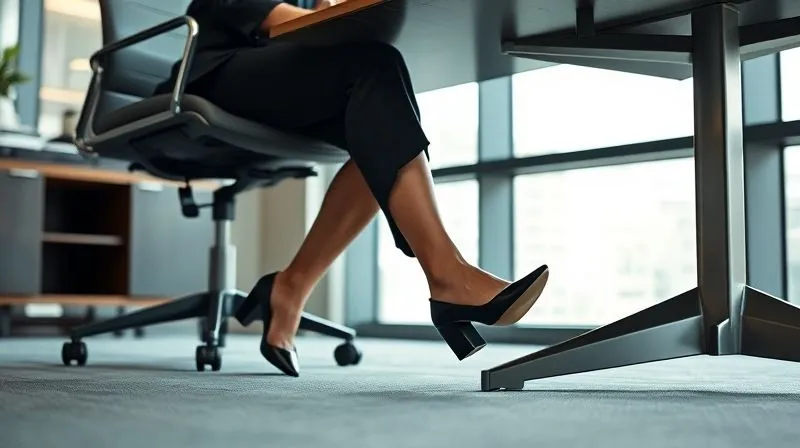
- Shoe Removal Moments: Take your shoes off for a few minutes whenever possible, even if it's just under your desk during a phone call. Wiggling your toes and flexing your feet can do wonders.
Beyond the Shoe: Holistic Foot Health & Maintenance
Pain-free heel wearing isn't just about what you do in your shoes; it's also about what you do for your feet when you're not wearing them. A holistic approach to foot health is essential for long-term comfort and resilience.
Foot Care Rituals: Pre- and Post-Workday
Treat your feet like the critical assets they are. Establishing a simple foot care routine can make a world of difference:
- Warm Foot Soaks: After a long day, a warm foot soak with Epsom salts can reduce swelling and soothe tired muscles.
- Massage: Gently massage your feet and calves, paying attention to any sore spots. You can use a dedicated foot massager or simply your hands. The benefits of foot massage are well-documented, as highlighted by sources like Healthline.
- Moisturize: Keep your feet well-hydrated to prevent dry skin, cracking, and calluses, which can exacerbate friction and discomfort.
- Pedicures: Regular professional pedicures not only keep your feet looking pristine but also ensure proper nail care and callus management.
Rotation is Key: Don't Wear the Same Heels Daily
This is a simple yet often overlooked piece of advice. Just like you wouldn't wear the same outfit every day, your feet benefit from variety. Rotating your designer heels allows each pair to air out, retain its shape, and, crucially, prevents consistent pressure on the exact same spots on your feet. Different shoes have slightly different pitches and pressure points, offering your feet a subtle change in stress distribution.
The Role of Hydration and Nutrition
Believe it or not, your overall health significantly impacts your foot comfort. Adequate hydration helps maintain skin elasticity and reduces swelling. A balanced diet rich in anti-inflammatory foods can also contribute to reducing general aches and pains throughout your body, including your feet. Consider supplements like magnesium, which can aid in muscle relaxation.
Case Study: Sarah's Stiletto Transformation
Sarah, a marketing executive, loved her designer stilettos but dreaded her 10-hour workdays. By 2 PM, her feet were throbbing, and her concentration waned. After implementing a few key strategies from this guide, she saw a dramatic change. She invested in high-quality gel ball-of-foot cushions for her favorite pairs and started taking 5-minute 'foot breaks' every two hours, discreetly rolling her feet over a tennis ball under her desk. She also committed to a nightly Epsom salt soak and calf stretches. Within two weeks, Sarah reported significantly reduced pain, improved focus, and a renewed confidence in her stride. She realized that small, consistent changes made all the difference, transforming her relationship with her cherished heels.
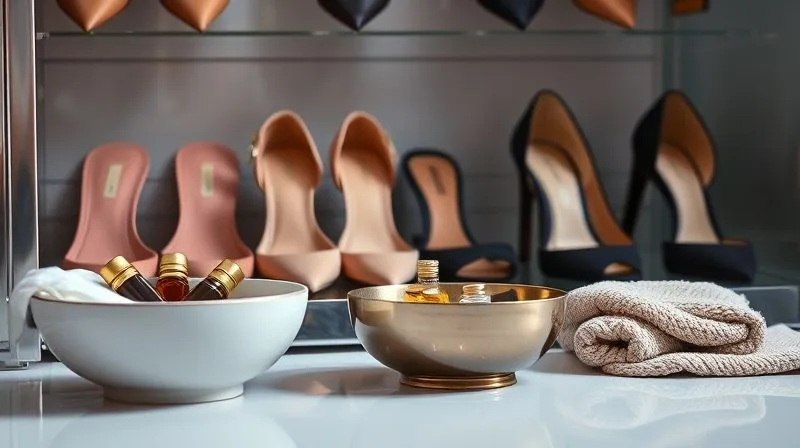
Emergency Kit: What to Keep at Your Desk
Even with the best preparation, unexpected discomfort can strike. An 'emergency kit' at your desk can be a lifesaver for those particularly challenging days or when a new pair of heels needs breaking in.
- Blister Patches/Band-Aids: Essential for immediate relief from rubbing or hot spots.
- Pain Relief Gel/Cream: A small tube of topical pain reliever can soothe aching feet.
- Foldable Flats: A pair of stylish, comfortable foldable flats is your ultimate escape plan. Keep them in your desk drawer for emergencies or your commute home.
- Foot Spray: A refreshing foot spray can cool and revitalize tired feet.
- Extra Heel Grips/Pads: Sometimes, an existing pad shifts or wears out, so having spares is prudent.
Advanced Strategies for the Heel Aficionado
For those truly committed to mastering the art of wearing designer heels for 10-hour workdays without pain, there are a few advanced considerations.
Customization and Professional Help
Don't underestimate the power of a skilled cobbler. A good cobbler can stretch shoes, add extra padding, or even replace insoles to improve comfort. For persistent or severe pain, consulting a podiatrist is non-negotiable. They can diagnose underlying foot issues, recommend custom orthotics, or suggest specific stretches and exercises.
Understanding Your Body's Signals
Learn to differentiate between mild discomfort and actual pain. Mild discomfort might indicate your feet are adjusting or that you need a short break. Sharp, persistent, or worsening pain is your body's clear signal that something is wrong. Ignoring these signals can lead to long-term damage, such as bunions, hammertoes, or plantar fasciitis.
Your feet are remarkable but not invincible. Listen to them. They will tell you exactly what they need if you pay attention. Prioritizing their health is an investment in your overall well-being and your ability to continue wearing the shoes you love.
Frequently Asked Questions (FAQ)
Is it bad to wear heels every day for a 10-hour workday? While not inherently 'bad' if done correctly, wearing heels daily requires diligent foot care, proper selection, and regular breaks. The cumulative stress can be significant, so rotating your shoes and actively managing foot health is crucial to mitigate potential negative impacts. It's about smart wearing, not necessarily avoiding them entirely.
What's the ideal heel height for all-day comfort? Generally, a heel height between 1.5 to 2.5 inches is considered the most comfortable for extended wear, as it minimizes the shift in your body's center of gravity. However, shoes with a platform can allow for higher overall heel heights (e.g., a 4-inch heel with a 1-inch platform) while maintaining a comfortable effective pitch. Block heels and wedges also offer superior stability over stilettos for long days.
Can I train my feet to tolerate heels better? Yes, to an extent. Consistent practice with good posture and walking techniques, coupled with targeted foot and calf stretches, can improve your feet's strength and flexibility. However, there's a limit to how much 'training' can overcome poor shoe fit or extreme heel heights. It's more about building resilience and adapting smart habits than forcing your feet into unnatural positions.
When should I see a podiatrist about heel pain? You should consult a podiatrist if you experience persistent or severe pain that doesn't resolve with rest or basic care, recurring blisters or calluses, numbness or tingling in your feet, or if you suspect an injury like a stress fracture or plantar fasciitis. Early intervention can prevent more serious, long-term conditions.
Are more expensive designer heels always more comfortable? Not necessarily, but often. Higher price points usually correlate with superior materials (like supple leather), better craftsmanship, and more thoughtful ergonomic design, which contribute to comfort. However, fit remains the most critical factor. A perfectly fitting, moderately priced shoe can be more comfortable than a poorly fitting, high-end designer pair. Always prioritize fit and material over brand name alone.
Key Takeaways and Final Thoughts
Navigating 10-hour workdays in designer heels without pain is an achievable goal, not a pipe dream. It requires a blend of informed choices, proactive care, and mindful habits. By applying the strategies we've discussed, you're not just buying a pair of shoes; you're investing in your comfort, confidence, and professional presence.
- Choose Wisely: Prioritize fit, material, and appropriate heel height/style for long wear.
- Enhance Comfort: Utilize insoles, cushions, and targeted pads to address specific pressure points. Master Your Movement: Practice good posture, a graceful gait, and incorporate micro-breaks and stretches.
- Holistic Care: Implement pre- and post-workday foot care rituals, rotate your shoes, and maintain overall health.
- Be Prepared: Keep an emergency kit handy for unexpected discomfort.
- Listen to Your Body: Differentiate discomfort from pain and seek professional help when needed.
Remember, your designer heels should empower you, not hinder you. With these expert insights, you can confidently stride through your busiest workdays, showcasing your impeccable style without ever compromising on your well-being. Embrace the blend of fashion and function, and let your footwear elevate every aspect of your professional life.
Recommended Reading
- 7 Strategies: Scaling Unique Kids Fashion Production, Preserving Identity
- 7 Breakthroughs: Innovating Sportswear for Extreme Athlete Demands
- Best Affordable Streetwear Brands 2024: Your Ultimate Guide to Stylish Savings
- The Ultimate Guide: How to Keep Your Wedding Dress Wrinkle-Free on Your Big Day
- Restore Heavily Corroded Edwardian Platinum: The Damage-Free Expert Guide


Your email address will not be published. Required fields are marked *