

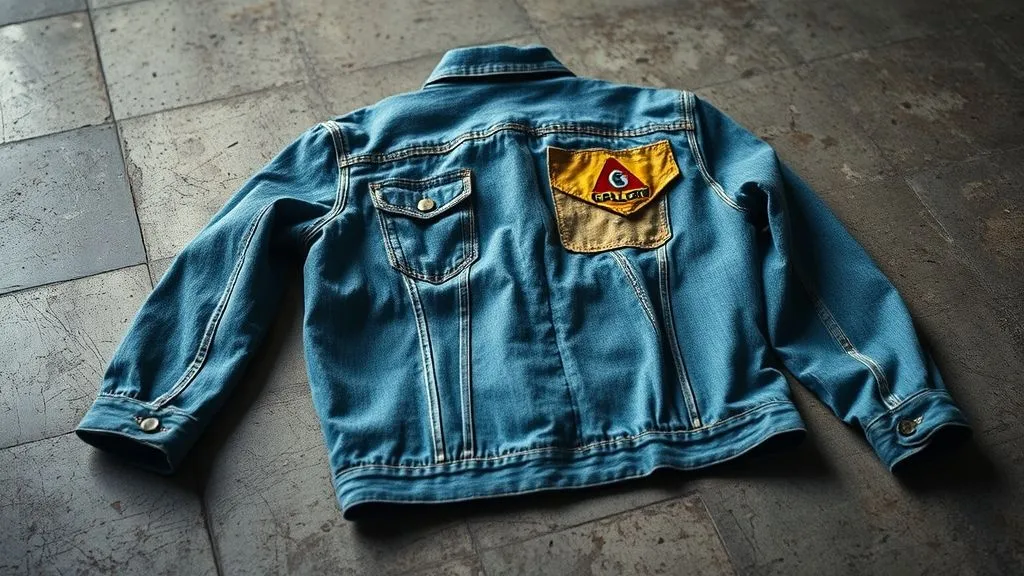
How to Revive a Casual Streetwear Line Losing Appeal?
For over 15 years in the fashion industry, particularly within the dynamic realm of streetwear, I've witnessed countless brands rise to meteoric heights only to face the inevitable ebb and flow of consumer interest. It’s a cyclical challenge, one that tests the resilience and adaptability of even the most iconic labels. The initial spark, the buzz, the loyal following – they can all slowly diminish, leaving a brand feeling adrift in a sea of ever-changing trends.
The sting of a casual streetwear line losing its appeal is palpable. It’s not just about declining sales; it's about a perceived loss of relevance, a disconnect with the very culture it once helped define. You've poured your passion, creativity, and resources into building something unique, and watching it falter can be disheartening, even paralyzing. The market moves fast, and what was once fresh can quickly become stale if not nurtured and evolved.
But here’s the crucial insight: losing appeal isn't a death sentence; it's a powerful call to action, an opportunity for reinvention. In this definitive guide, I'll walk you through a structured, actionable framework, leveraging my experience and industry insights, to not just stop the decline, but to engineer a vibrant, authentic resurgence for your casual streetwear line. We'll explore strategic pivots, innovative product development, and community re-engagement tactics that promise a real solution.
Rediscover Your Brand's Core DNA and Vision
Before you can chart a new course, you must first understand the bedrock of your brand – its original essence. A brand losing appeal often happens because it has either strayed too far from its roots or failed to evolve those roots in a meaningful way. This isn’t about nostalgia for nostalgia’s sake, but about unearthing the fundamental values, aesthetic, and unique selling proposition that first captivated your audience.
Deep Dive into Your Brand's Origins
I always advise my clients to conduct an internal audit, a forensic examination of their brand’s history. This process is less about what you sell and more about why you exist.
- Revisit Your Founding Mission: What problem did you set out to solve? What message did you want to convey? Has this mission been diluted or forgotten?
- Analyze Early Successes: Identify the specific collections, marketing campaigns, or collaborations that generated the most authentic excitement. What elements did they share? Was it a particular graphic, a unique fit, or a controversial statement?
- Deconstruct Your Original Aesthetic: Go back to your mood boards, sketches, and initial product designs. What were the core visual and tactile elements that defined your line? How have they changed over time?
- Engage Your Long-Term Team: Speak to employees who have been with the brand since its early days. Their institutional memory can provide invaluable perspectives on what made the brand special.
- Review Archival Customer Feedback: Look at old comments, social media posts, and reviews from when your brand was thriving. What did customers love most about your products and brand experience?
This deep dive isn't about replicating the past, but understanding its strengths to inform a relevant future. It’s about building a bridge, not just rebuilding a wall.
Deciphering the Shifting Sands of Consumer Preference
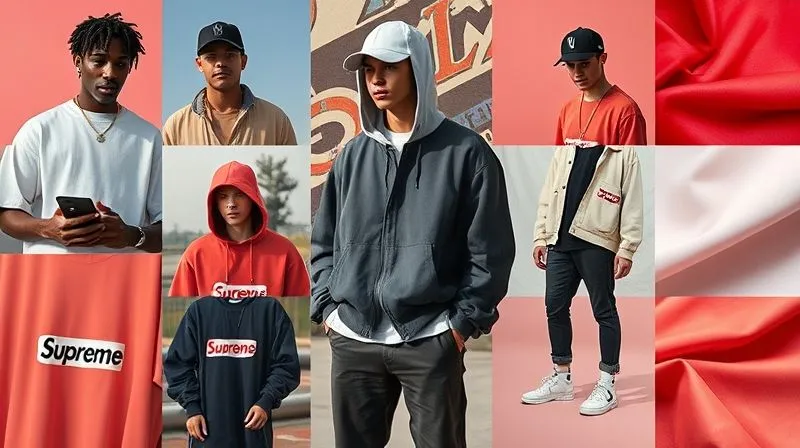
Once you’ve firmly re-established your internal brand identity, the next critical step for how to revive a casual streetwear line losing appeal is to look outward. The streetwear landscape is a living, breathing entity, constantly evolving. What resonated with your audience five years ago might feel completely out of touch today. Understanding these shifts is paramount to regaining relevance.
Leveraging Data for Insights
Modern market research goes far beyond gut feelings. It’s a blend of qualitative empathy and quantitative data analysis.
- Conduct Targeted Surveys and Focus Groups: Reach out to your existing customer base (both active and lapsed) and potential new demographics. Ask direct questions about their current fashion preferences, purchasing habits, brand loyalties, and what they perceive as missing in the market.
- Harness Social Listening Tools: Monitor conversations across social media platforms, forums, and fashion blogs. What are people talking about? Which brands are gaining traction, and why? Pay attention to emerging micro-trends and consumer sentiment towards sustainability, inclusivity, and authenticity.
- Analyze Sales Data Beyond the Surface: Don't just look at what's selling; look at what's *not* selling. Identify patterns in returns, customer feedback on specific products, and regional sales variations. Are certain product categories consistently underperforming?
- Study Competitor Strategies: Observe what successful, contemporary streetwear brands are doing. Analyze their product lines, marketing tactics, community engagement, and brand messaging. What are they doing well that you're not, or what unique angle could you offer?
- Track Macro Fashion Trends: Keep an eye on broader fashion industry movements, from runway influences to celebrity styling and cultural shifts. While streetwear often operates outside traditional fashion cycles, it's never entirely immune to them.
Expert Insight: “The biggest mistake a brand can make when losing appeal is to assume they know what their audience wants without asking. Data isn't just numbers; it's the voice of your market, waiting to be heard. Listen intently, then adapt authentically.”
According to a recent Deloitte report on consumer trends, today's consumer prioritizes values like sustainability, personalization, and community connection more than ever before. Your market research should reflect these evolving priorities.
| Demographic Factor | Old Preference (Approx) | New Preference (Approx) |
|---|---|---|
| Primary Age Group | 18-24 | 20-35+ |
| Key Value Drivers | Exclusivity, Hype | Authenticity, Sustainability, Inclusivity |
| Preferred Shopping Channel | Online Retailers, Limited Drops | Direct-to-Consumer (DTC), Experiential Retail, Resale Platforms |
| Content Consumption | Blogs, Instagram | TikTok, YouTube, Community Forums |
Product Innovation: Beyond the Basic Tee
With a clear understanding of your brand's core and the market's current demands, the next crucial step in how to revive a casual streetwear line losing appeal is to innovate your product offering. Streetwear thrives on novelty and perceived value. If your product line has become stagnant, it's time to inject new life into it.
Reimagining Your Product Line
Innovation doesn't always mean reinventing the wheel; sometimes it's about refining, collaborating, and smart diversification.
- Material & Fit Experimentation: Explore new, sustainable fabrics (recycled cotton, organic hemp, Tencel) that align with modern consumer values. Experiment with updated fits – perhaps a more relaxed, oversized silhouette, or gender-neutral sizing, reflecting current trends.
- Limited Edition Drops & Collaborations: Nothing generates hype quite like scarcity and unique partnerships. Collaborate with emerging artists, local creatives, or even other niche brands that align with your new vision. These drops create urgency and introduce your brand to new audiences.
- Functional & Utility-Driven Designs: Streetwear has increasingly embraced utility. Consider adding functional elements like multi-pocket designs, convertible garments, or weather-resistant finishes that add practical value without sacrificing style.
- Story-Driven Collections: Design entire collections around a compelling narrative – a specific cultural movement, an environmental message, or a historical event. This gives your products depth and a reason for being beyond just aesthetics.
- Reimagine Core Silhouettes: Take your best-selling items from the past and give them a modern twist. Can a classic hoodie be updated with a unique dye treatment or an unexpected graphic placement? Can a staple pair of cargo pants be made from a cutting-edge fabric?
Case Study: How 'Phoenix Apparel' Rose from the Ashes
Phoenix Apparel, a fictional casual streetwear brand known for its bold graphics in the early 2010s, found itself struggling by 2018. Sales were flat, and their once-loyal audience had moved on. They realized their core product – graphic tees and hoodies – felt dated and lacked innovation. By implementing a product innovation strategy, they embarked on a phased revival.
First, they invested in sourcing premium, organic cotton and introduced a new line of heavyweight, ethically produced basics with subtle, embroidered branding. Next, they launched a series of limited-edition capsule collections in collaboration with three emerging digital artists, each drop telling a unique story through intricate, abstract designs. They also introduced a small range of utility-focused outerwear using recycled nylon. This multi-pronged approach, focusing on quality, storytelling, and strategic scarcity, reignited interest. Within 18 months, Phoenix Apparel saw a 40% increase in online sales and a significant boost in brand sentiment, demonstrating that strategic product innovation is key to how to revive a casual streetwear line losing appeal.
Re-Engaging Your Community: The Heartbeat of Streetwear
Streetwear is inherently a community-driven culture. When a line loses appeal, it often means the brand has lost touch with its community, or that community itself has fragmented. Rebuilding those bridges and fostering genuine connection is non-negotiable for a successful revival.
Crafting Authentic Engagement Strategies
This isn't just about social media; it's about creating shared experiences and making your audience feel seen and valued.
- Host Experiential Pop-Ups & Events: Move beyond simple retail. Organize pop-up shops that double as art installations, music events, or workshops. Create immersive brand experiences that allow your community to interact with your products and brand story in a tangible way.
- Empower User-Generated Content (UGC): Encourage your customers to share how they style your clothes. Run contests, feature their posts prominently, and even co-create products or campaigns based on their input. This builds authenticity and trust.
- Micro-Influencer & Community Leader Partnerships: Instead of chasing mega-influencers, partner with authentic micro-influencers and local community leaders whose values align with your brand. Their endorsement will feel more genuine and resonate deeply with their niche audiences.
- Build a Digital Hub: Create an exclusive online community space – a forum, a Discord server, or a private social media group – where loyal customers can connect with each other and directly with your brand team. Offer early access, exclusive content, and opportunities for feedback.
- Give Back & Take a Stand: Align your brand with social causes that resonate with your target audience. Whether it's environmental initiatives, social justice, or supporting local artists, demonstrating your values builds a stronger, more meaningful connection.
Remember, true engagement is a two-way street. It's not just about broadcasting your message, but about actively listening and responding to your community's needs and desires. This authenticity is critical to how to revive a casual streetwear line losing appeal.

Mastering the Art of Brand Storytelling in a Digital Age
In a saturated market, a compelling brand story is your most powerful differentiator. For a streetwear line losing appeal, a refreshed narrative can re-engage existing fans and attract new ones. This isn't just about your history; it's about your evolving identity, your values, and the journey you're inviting your community to be a part of.
Weaving a Compelling New Chapter
Every piece of content you create should contribute to this overarching narrative.
- Define Your New Brand Narrative: Based on your DNA audit and market research, articulate a clear, concise, and compelling story. What is your brand's purpose now? What message are you sending to the world?
- Create Rich Visual Content: Invest in high-quality photography and videography that embodies your new aesthetic and narrative. Short films, editorial lookbooks, and behind-the-scenes content can bring your story to life.
- Leverage Social Media for Chapter-by-Chapter Storytelling: Don't just post product shots. Use Instagram Stories, TikTok, and Reels to share snippets of your brand's journey, the inspiration behind new collections, and the faces behind the brand.
- Collaborate on Content: Work with artists, musicians, and creators who embody your brand's new story. Their unique perspectives can amplify your message and introduce it to new audiences.
- Be Transparent & Authentic: Share your challenges, your learning, and your commitment to ethical practices. Modern consumers value transparency and connect with brands that are honest about their journey.
As marketing guru Seth Godin often says, "People don't buy goods and services. They buy relations, stories, and magic." Your brand's story is the magic that will re-enchant your audience. It's the emotional connection that transcends mere clothing.
| Platform | Content Type | Storytelling Goal |
|---|---|---|
| High-quality editorial photos, Reels, Stories, IGTV | Visual aesthetic, behind-the-scenes, quick narratives | |
| TikTok | Short-form video, trend participation, challenges | Authenticity, community interaction, viral potential |
| YouTube | Brand films, interviews, documentary-style content | In-depth storytelling, brand values, educational content |
| Blog/Website | Feature articles, interviews, lookbooks, mission statements | Comprehensive narrative, SEO, thought leadership |
Strategic Marketing & Distribution for a Resurgence
A brilliant product and a compelling story mean little if no one knows about them. For a streetwear line losing appeal, a targeted and innovative marketing and distribution strategy is essential to cut through the noise and reconnect with your audience.
Omnichannel Approach to Reach and Convert
Your marketing efforts must be as dynamic as the streetwear culture itself, blending digital savvy with impactful physical presence.
- Precision Digital Advertising: Utilize social media ads (Instagram, TikTok, Pinterest) and search engine marketing (SEM) with highly segmented targeting. Focus on audiences based on demographics, interests (e.g., specific subcultures, music genres, art forms), and behavioral data (e.g., past purchases, website visits).
- Earned Media & PR: Secure features in reputable fashion blogs, online magazines, and cultural publications. A well-placed article or interview can lend significant credibility and reach. Focus on telling your brand's revival story.
- Re-engage Email Marketing: Segment your email list to target lapsed customers with specific re-engagement campaigns. Offer exclusive insights into your new collections, personalized recommendations, or special discounts to entice them back.
- Strategic Retail Partnerships: While DTC is powerful, consider partnering with select, influential boutique retailers or concept stores that align with your refreshed brand image. These partnerships can provide crucial physical touchpoints and third-party validation.
- SEO Optimization: Ensure your website content is optimized for relevant keywords, including long-tail phrases related to your new product offerings, sustainable practices, and brand narrative. This helps new audiences discover you organically.
Expert Insight: “In marketing a revived brand, authenticity is your currency. Don't just shout about your new products; invite people into your journey. Show, don't just tell, the transformation.”
According to Forbes on community building in marketing, brands that foster genuine communities often see higher engagement and loyalty. Your marketing should reflect this by emphasizing interaction over mere transaction.
Embracing Sustainability and Ethical Practices
The modern consumer, particularly within the streetwear demographic, is increasingly conscious of a brand's environmental and social impact. For a streetwear line losing appeal, integrating genuine sustainability and ethical practices is not just a trend; it's a fundamental shift that can redefine your brand's purpose and resonate deeply with a new generation of buyers.
Building a Future-Proof Brand
This commitment must be authentic and transparent, woven into the very fabric of your operations.
- Sustainable Material Sourcing: Prioritize the use of organic cotton, recycled polyester, hemp, Tencel, or innovative bio-based materials. Be transparent about your material choices and their environmental benefits.
- Ethical Manufacturing & Supply Chain: Ensure fair labor practices, safe working conditions, and living wages throughout your supply chain. Partner with factories that are certified for their ethical standards. Share stories of the people who make your clothes.
- Circular Economy Principles: Explore initiatives like take-back programs for old garments, repair services, or partnerships with resale platforms to extend the life cycle of your products. Design for durability and recyclability.
- Reduced Environmental Footprint: Implement practices to minimize water usage, energy consumption, and waste generation in your production and packaging. Use recycled and recyclable packaging materials.
- Transparent Communication: Don't just claim to be sustainable; prove it. Provide clear, accessible information on your website about your sustainability efforts, certifications, and progress. Be honest about areas where you're still improving.
Embracing these practices isn't just good for the planet; it's a powerful way to differentiate your brand and build trust with a values-driven audience, proving essential to how to revive a casual streetwear line losing appeal. It transforms your brand from just a clothing label into a statement of purpose.

Financial Prudence and Scalability for Long-Term Growth
While creativity and marketing are crucial, the practicalities of business cannot be overlooked. A successful revival isn't just about regaining buzz; it's about building a sustainable and profitable future. For a streetwear line losing appeal, this involves a careful re-evaluation of financial strategies and operational scalability.
Smart Investments and Sustainable Operations
Every decision, from product development to marketing, needs to be made with a keen eye on the bottom line and future growth potential.
- Detailed Cost Analysis: Review your entire cost structure. Identify inefficiencies in production, logistics, and overhead. Can you negotiate better deals with suppliers? Are there areas where you're overspending without sufficient return?
- Phased Investment in Innovation: Don't try to do everything at once. Prioritize key areas for investment (e.g., new materials, a flagship marketing campaign, a specific collaboration) and allocate resources strategically. Start small, test, and scale what works.
- Optimized Inventory Management: Implement robust inventory management systems to minimize dead stock and avoid overproduction. Utilize data from your market research to forecast demand more accurately for new collections.
- Diversify Revenue Streams: Beyond clothing sales, explore other avenues. Could you license your brand for accessories? Offer exclusive digital content? Create a subscription box for loyal fans?
- Focus on Profitability, Not Just Revenue: While growth is important, ensure that new initiatives are genuinely contributing to your profit margins. A 10% increase in profitable sales is far better than a 50% increase in low-margin revenue.
This strategic financial approach ensures that your brand’s resurgence is built on a solid economic foundation, capable of weathering future market shifts and sustaining long-term growth. It's about making smart, informed decisions that support your creative vision.
Frequently Asked Questions (FAQ)
How quickly can I expect to see results from a revival strategy? Reviving a brand is not an overnight fix; it's a marathon, not a sprint. While some initial buzz might be generated quickly through strategic drops or marketing campaigns, tangible, sustained results – like significant sales increases and regained market share – typically take 12-24 months. Consistency, patience, and continuous adaptation are key.
Is it better to completely rebrand or evolve an existing line? In my experience, for an established streetwear line, an evolution is generally more effective than a complete rebrand. A full rebrand risks alienating any remaining loyal customers and losing brand equity built over time. An evolution allows you to retain your core identity while shedding outdated elements and embracing new directions, signaling growth rather than a complete erasure.
What role do collaborations play in reviving a brand? Collaborations are incredibly powerful tools. They can inject fresh energy, introduce your brand to new audiences, and signal relevance. However, they must be strategic. Partner with brands, artists, or personalities whose values align with your revived vision and who can genuinely enhance your brand's narrative. Avoid collaborations purely for short-term hype if they don't fit your long-term strategy.
How do I measure the success of my revival efforts beyond sales? Beyond sales figures, monitor key metrics like brand sentiment (via social listening), website traffic and engagement (time on site, bounce rate), email open and click-through rates, social media follower growth and engagement, customer retention rates, and qualitative feedback from surveys and focus groups. These indicators provide a holistic view of your brand's renewed appeal.
What's the biggest mistake brands make when trying to revive their line? The biggest mistake is a lack of authenticity and consistency. Trying to chase every trend, adopting a voice that isn't genuinely yours, or making changes that contradict your brand's core values will only further confuse your audience. True revival comes from understanding your authentic self, listening to your audience, and consistently delivering on a renewed, genuine promise.
Key Takeaways and Final Thoughts
- Re-evaluate Your Core Identity: Understand your brand's DNA before attempting any external changes.
- Listen to Your Market: Leverage data and community feedback to understand current consumer preferences.
- Innovate Your Product: Move beyond the basics with fresh materials, fits, and story-driven collections.
- Re-engage Your Community: Foster authentic connections through experiences and user-generated content.
- Craft a New Narrative: Tell a compelling story that resonates with modern values and aspirations.
- Implement Strategic Marketing: Use targeted digital and experiential marketing to reach your audience effectively.
- Embrace Sustainability: Integrate ethical and eco-conscious practices as a core brand value.
- Maintain Financial Prudence: Ensure your revival is built on a sustainable business model.
Reviving a casual streetwear line losing appeal is a challenging yet incredibly rewarding journey. It demands introspection, adaptability, and an unwavering commitment to your community and your craft. I've seen brands emerge from the brink stronger, more authentic, and more beloved than ever before. This isn't just about selling clothes; it's about re-igniting a cultural connection, fostering genuine community, and proving that true style is timeless when it's constantly evolving. Believe in your brand, trust the process, and your audience will follow.
Recommended Reading
- Ultimate Guide: Best Casual Shoes for Wide Feet Men
- 5 Critical Steps: Preventing Damage When Fitting Modern Lenses into Vintage Frames
- Mastering Remote Haute Couture: 7 Steps for Perfect Client Fit & Satisfaction
- 5 Executive Frame Secrets: Elevate Your Presence with Prescription Glasses
- Why Couture Costs Millions: 7 Pillars Justifying Extreme Prices



Your email address will not be published. Required fields are marked *