

How to Source Ethical Rare Materials for Bespoke Luxury Accessories?
For over two decades in the luxury accessories niche, I've witnessed countless brands, both nascent and established, grapple with a foundational challenge: the sourcing of their precious materials. It's a journey fraught with complexities, ethical dilemmas, and a constant tension between exclusivity and responsibility. I’ve seen passionate designers pour their souls into exquisite creations, only to stumble when their material's origin story couldn't stand up to scrutiny, leading to not just reputational damage but a profound loss of trust.
The modern luxury consumer is no longer content with mere beauty or scarcity. They demand transparency, authenticity, and a clear conscience. The problem isn't just finding rare materials; it's finding rare materials that are demonstrably ethical, sustainable, and free from exploitation. This intricate dance requires more than just good intentions; it demands rigorous due diligence, deep supply chain understanding, and a commitment to values that extend far beyond the workshop.
This article isn't just another discussion on sustainability. It's a deep dive, born from years of hands-on experience, into the practical frameworks and actionable steps you need to truly master how to source ethical rare materials for bespoke luxury accessories. We’ll explore not just the 'what' but the 'how,' offering you the insights, strategies, and even the pitfalls to avoid, ensuring your magnificent creations carry a story of integrity from earth to adornment.
Understanding the 'Why' Behind Ethical Sourcing in Luxury
Before we delve into the mechanics, it's crucial to cement our understanding of why ethical sourcing has transitioned from a niche concern to a non-negotiable pillar of the luxury industry. This isn't just about compliance; it's about competitive advantage, brand resilience, and future-proofing your bespoke business.
The Evolving Luxury Consumer
Today's luxury buyer, particularly the younger demographic, is profoundly values-driven. They are digitally native, highly informed, and acutely aware of global social and environmental issues. A recent Deloitte study highlighted that consumers are increasingly willing to pay a premium for brands that demonstrate strong ethical and sustainable practices. For bespoke luxury, where personal connection and story are paramount, this shifts the entire paradigm.
Reputational Imperatives and Market Value
In an age of instant information, a single misstep in your supply chain can unravel years of careful brand building. Negative press, social media backlash, and consumer boycotts are very real threats. Conversely, a transparent, ethical supply chain becomes a powerful marketing tool, a testament to your brand's integrity, and a significant driver of market value.
"Ethical sourcing isn't a cost; it's an investment in your brand's future, a shield against reputational damage, and a magnet for discerning clientele who seek more than just beauty – they seek meaning."
Defining 'Rare' and 'Ethical' in Your Context
The terms 'rare' and 'ethical' can be subjective. For your bespoke luxury accessories, it’s vital to establish a clear, documented understanding of what these terms mean specifically to your brand. This clarity forms the bedrock of your sourcing strategy.
Beyond Scarcity: The True Rarity
True rarity, in the context of bespoke luxury, transcends mere scarcity. It encompasses materials that are:
- Unique in character: Possessing distinctive aesthetic qualities or historical significance.
- Limited in availability: Naturally occurring in small quantities or requiring highly specialized, sustainable harvesting.
- Crafted with exceptional skill: Materials that require rare artisan techniques to transform.
- Rich in provenance: Having a verifiable, compelling origin story that adds to its intrinsic value.
Pillars of Ethical Sourcing: Environment, Social, Governance (ESG)
Ethical sourcing is a multi-faceted concept, best understood through the ESG framework:
- Environmental Responsibility: Sustainable harvesting practices, minimal ecological footprint, biodiversity protection, waste reduction, renewable energy use.
- Social Equity: Fair wages, safe working conditions, no child labor, community development, respect for indigenous rights, fair trade principles.
- Governance Transparency: Anti-corruption policies, clear contractual agreements, traceability systems, stakeholder engagement, ethical leadership.
By clearly defining these pillars, you create a measurable standard against which to evaluate potential materials and suppliers.
Step 1: Deep Dive into Supply Chain Mapping and Traceability
You cannot manage what you cannot see. The first, most critical step in ethical sourcing is to meticulously map your entire supply chain, from raw material extraction to your workshop. This can be daunting, especially for rare materials, but it is non-negotiable.
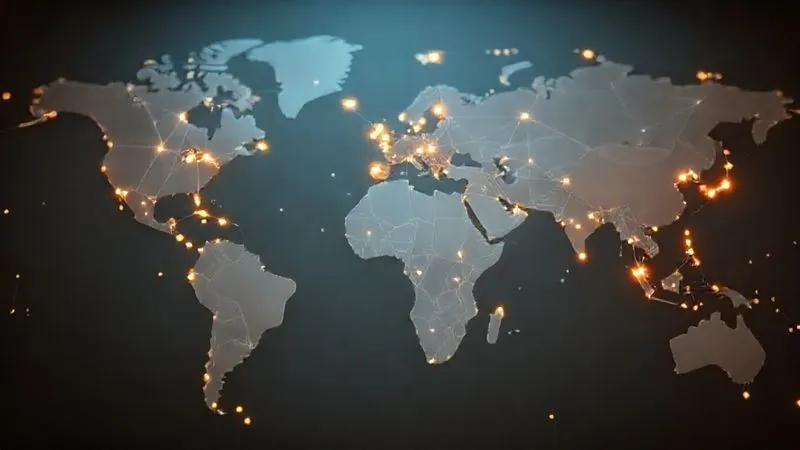
In my experience, many brands only know their Tier 1 suppliers. For true ethical sourcing, you need to push deeper, identifying Tier 2, Tier 3, and even Tier 4 suppliers—the miners, farmers, and primary processors. This often involves direct communication, site visits, and sometimes, detective work.
Actionable Steps for Supply Chain Mapping:
- Identify All Tiers: Start with your direct suppliers (Tier 1) and ask them to identify their suppliers (Tier 2), and so on, until you reach the origin point of the raw material.
- Gather Key Data: For each node in the chain, collect information on location, ownership, certifications, labor practices, environmental policies, and any known risks.
- Visualize the Chain: Use diagrams, spreadsheets, or specialized software to visually represent your supply chain. This helps identify bottlenecks, single points of failure, and potential risk areas.
- Assess Transparency Gaps: Pinpoint areas where information is scarce or opaque. These are your immediate priorities for further investigation and engagement.
Step 2: Vetting Suppliers – More Than Just a Price Tag
Once you have a clearer picture of your supply chain, the rigorous process of vetting individual suppliers begins. This goes far beyond reviewing price lists and delivery schedules. It’s about aligning values and ensuring verifiable ethical practices.
Due Diligence: Beyond the Surface
True due diligence involves a multi-pronged approach. I've often advised clients that a supplier questionnaire is just the beginning. It needs to be followed by:
- Virtual and Physical Site Visits: If possible, visit the facilities. Observe working conditions, waste management, and community relations firsthand. If not possible, request detailed video tours and high-resolution photographs.
- Interviews with Workers: Where appropriate and respectful of local customs, seek opportunities to speak with workers (ideally without management present) to understand their experiences.
- Reviewing Documentation: Scrutinize environmental permits, labor contracts, safety records, and tax compliance.
- Cross-Referencing: Verify claims against public records, news articles, NGO reports, and local community feedback.
The Role of Certifications and Audits
While not a silver bullet, reputable certifications (e.g., Fairtrade, GOTS for textiles, Kimberley Process for diamonds, Responsible Jewellery Council for metals and gems) can provide a valuable baseline. However, always understand the scope and limitations of each certification. Independent third-party audits are also crucial, but ensure the auditors themselves are credible and free from conflicts of interest.
| Criteria | Questions to Ask | Evidence Required |
|---|---|---|
| Environmental Impact | What are your waste management practices? Do you use renewable energy? | Environmental permits, impact assessments, energy bills |
| Labor Practices | What are your minimum wages? Do you allow unions? | Payroll records, worker contracts, safety certifications |
| Traceability | Can you trace materials back to their origin? | Supply chain map, origin documentation, blockchain records |
| Community Engagement | How do you support local communities? | Community reports, partnership agreements, local testimonials |
Case Study: How 'Aura Jewels' Transformed Its Gemstone Sourcing
Aura Jewels, a high-end bespoke jewelry brand, faced increasing scrutiny over the origin of its rare colored gemstones. Their initial supply chain was opaque, relying on a few large dealers. By implementing a rigorous 7-step vetting process, including direct engagement with small-scale artisanal mining cooperatives in Sri Lanka and Tanzania, they were able to map their supply chain to the individual mine. They invested in fair wages, provided safety equipment, and helped fund a local school. This transparency not only eliminated reputational risk but allowed them to tell compelling, verifiable stories about their gemstones, significantly boosting client trust and brand loyalty.
Step 3: Building Direct Relationships and Long-Term Partnerships
The most robust ethical supply chains are built on relationships, not just transactions. Moving towards direct sourcing, where feasible, offers unparalleled transparency and control.
Empowering Artisans and Local Communities
Direct engagement allows you to bypass intermediaries, ensuring more of the value goes directly to the producers. This isn't just about charity; it's about fostering sustainable livelihoods and empowering local communities who are often the true custodians of these rare materials and the knowledge to work with them responsibly. Consider:
- Fair Pricing: Paying a premium that reflects the true value of the material and labor.
- Capacity Building: Investing in training, equipment, or infrastructure that benefits the community.
- Cultural Respect: Understanding and respecting local customs, traditions, and intellectual property.
Negotiating Fair Terms and Mutual Growth
Long-term contracts, transparent pricing models, and open communication build trust. My advice is always to seek a win-win scenario. How can your partnership help the supplier grow sustainably? This foresight creates a resilient supply chain that is less susceptible to market fluctuations and ethical shortcuts.
Step 4: Navigating Regional Complexities and Indigenous Rights
Sourcing rare materials often means engaging with regions rich in cultural heritage and, sometimes, complex socio-political landscapes. Respect for indigenous rights is paramount and often overlooked.
Many rare materials originate from lands traditionally owned or stewarded by indigenous communities. Ignoring their rights can lead to significant ethical and legal repercussions. This involves understanding land tenure systems, customary laws, and ensuring Free, Prior and Informed Consent (FPIC) from indigenous communities for any extraction or harvesting activities on their lands. The UN Declaration on the Rights of Indigenous Peoples (UNDRIP) provides a crucial framework for this engagement.

Step 5: Implementing Robust Verification and Monitoring Systems
Sourcing ethically is not a one-time audit; it's an ongoing commitment. You need systems in place to continuously verify and monitor your supply chain's adherence to your ethical standards.
From Paper Trails to Digital Ledgers
Traditional paper-based documentation can be cumbersome and prone to error or fraud. Embrace digital solutions:
- Blockchain Technology: For high-value, rare materials, blockchain offers an immutable, transparent ledger to track a material's journey from origin to finished product. Each step, certification, and transaction can be recorded, providing unparalleled traceability.
- Digital Platforms: Utilize platforms that allow suppliers to upload compliance documents, audit reports, and production data in real-time.
- Geospatial Monitoring: For raw material extraction (e.g., sustainable timber), satellite imagery and GPS data can verify harvesting locations and ensure adherence to agreed-upon zones.
Independent Audits and Stakeholder Feedback
Regular, unannounced third-party audits are essential to ensure ongoing compliance. Furthermore, establish mechanisms for anonymous feedback from workers and local communities. This 'ground-up' intelligence can often reveal issues that formal audits might miss.
Step 6: Communicating Transparency and Authenticity to Your Clientele
Once you’ve done the hard work of ethical sourcing, the next step is to communicate this story authentically to your discerning clientele. This isn’t about greenwashing; it’s about sharing verifiable truth.
Storytelling with Integrity
Your ethical supply chain is a powerful narrative. Share the journey of your materials:
- Origin Stories: Detail where the material comes from, who harvested or processed it, and the positive impact of your partnership.
- Artisan Spotlights: Introduce the skilled hands behind the initial stages of your materials.
- Impact Reports: Provide concise, verifiable data on the environmental and social benefits of your sourcing practices.
Authenticity resonates deeply in the luxury market. Don't just state you are ethical; demonstrate it with compelling stories backed by evidence.
Leveraging Digital Platforms for Provenance
Integrate provenance information directly into your product experience:
- QR Codes: Attach QR codes to your luxury accessories that link to a dedicated webpage detailing the material's origin, certifications, and artisan stories.
- Digital Certificates: Provide digital certificates of authenticity and ethical provenance, potentially leveraging NFTs for unique, high-value items.
- Interactive Websites: Create interactive maps or timelines on your website that allow clients to explore the journey of their accessory's materials.
Step 7: Continuous Improvement and Adaptive Sourcing Strategies
The ethical landscape is constantly evolving, with new challenges and innovations emerging regularly. Your sourcing strategy must be dynamic and committed to continuous improvement.
Embracing Innovation in Sustainable Materials
Keep abreast of advancements in sustainable material science. This includes:
- Lab-grown alternatives: For diamonds and certain gemstones, lab-grown options offer a conflict-free, environmentally controlled alternative.
- Bio-materials: Innovations like mushroom leather (Mylo), pineapple leather (Piñatex), or lab-grown silk offer sustainable alternatives to traditional animal products.
- Recycled and Upcycled Luxury: Explore how rare, high-quality waste streams can be transformed into new luxury materials.
An excellent resource for staying updated on these innovations is the Ellen MacArthur Foundation's work on circular fashion, which often highlights material breakthroughs.
The Circular Economy in Luxury Accessories
Beyond sourcing, consider the entire lifecycle of your product. How can your bespoke accessories be designed for longevity, repairability, and eventual recycling or upcycling? This holistic approach to sustainability is the ultimate expression of ethical responsibility.

Frequently Asked Questions (FAQ)
How do I verify a supplier's ethical claims without expensive audits? While comprehensive audits are ideal, for smaller brands, a combination of due diligence methods can suffice. Start with detailed questionnaires, request certifications (and verify their authenticity), conduct virtual site visits via video, and seek testimonials or references from other reputable buyers. Leverage publicly available information from NGOs, news reports, and local community groups. Building direct, trusting relationships over time also significantly enhances verification.
What if ethical sourcing significantly increases my costs? It's true that ethical sourcing can sometimes incur higher initial costs due to fair wages, sustainable practices, and robust verification. However, view this as an investment. The long-term benefits include enhanced brand reputation, increased customer loyalty, reduced risk of supply chain disruptions or scandals, and access to a growing market segment willing to pay a premium for ethical products. Communicate this value transparently to your clients.
Can small bespoke brands truly compete with larger brands on ethical sourcing? Absolutely, and often with an advantage! Small bespoke brands inherently have shorter, more manageable supply chains, making deep traceability easier. Your direct relationship with artisans and clients allows for more authentic storytelling and a stronger personal connection, which larger brands struggle to replicate. Focus on your niche, leverage your agility, and let your ethical commitment be your unique selling proposition.
What role does technology like blockchain play in this? Blockchain technology offers a powerful tool for enhancing transparency and traceability in complex supply chains. By creating an immutable, decentralized ledger, every step of a material's journey—from origin to processing to your workshop—can be recorded and verified. This provides an unprecedented level of assurance for both brands and consumers, guarding against fraud and misrepresentation, especially for high-value rare materials.
How do I handle materials that are inherently problematic (e.g., certain exotic leathers)? This requires extreme caution and often, a re-evaluation. If a material's sourcing cannot be verifiably ethical and sustainable, or if its production inherently causes significant environmental or social harm, it's often best to seek alternatives. For exotic leathers, for example, explore certified farm-raised options with strict animal welfare standards, or innovative bio-materials that mimic their properties without the ethical concerns. Transparency about these choices is key.
Key Takeaways and Final Thoughts
- Transparency is Non-Negotiable: Map your entire supply chain, from origin to workshop, leaving no stone unturned.
- Relationships Over Transactions: Build direct, long-term partnerships with suppliers and communities, fostering mutual growth.
- Define Your Ethics: Clearly articulate what 'rare' and 'ethical' mean for your brand, guided by ESG principles.
- Verify, Don't Just Trust: Implement robust due diligence, certifications, and ongoing monitoring systems, including leveraging technology.
- Communicate Authentically: Share your ethical journey with compelling, verifiable stories that resonate with your discerning clientele.
- Embrace Continuous Improvement: The ethical landscape evolves; stay informed about new materials and adaptive strategies.
The journey to master how to source ethical rare materials for bespoke luxury accessories is challenging, but it is also profoundly rewarding. It’s a commitment to integrity, to the planet, and to the people who bring these magnificent materials to life. By embracing these steps, you're not just creating beautiful accessories; you're crafting a legacy of responsibility and trust, ensuring that every piece tells a story as rich and precious as the materials themselves. Your clientele, and indeed the world, will thank you for it.
Recommended Reading
- Location Crisis! 5 Expert Steps When Your Fashion Shoot Venue Cancels Last Minute
- 7 Proven Strategies: Bio-Based Fashion Textiles & Performance Standards
- The Ultimate Guide: How to Remove Pen Ink from Your Designer Handbag Safely
- The Ultimate Guide: How to Break in New Formal Dress Shoes Without Pain
- 7 Proven Strategies: Monetizing Minimalist Accessory Styling for Influencers





Your email address will not be published. Required fields are marked *