

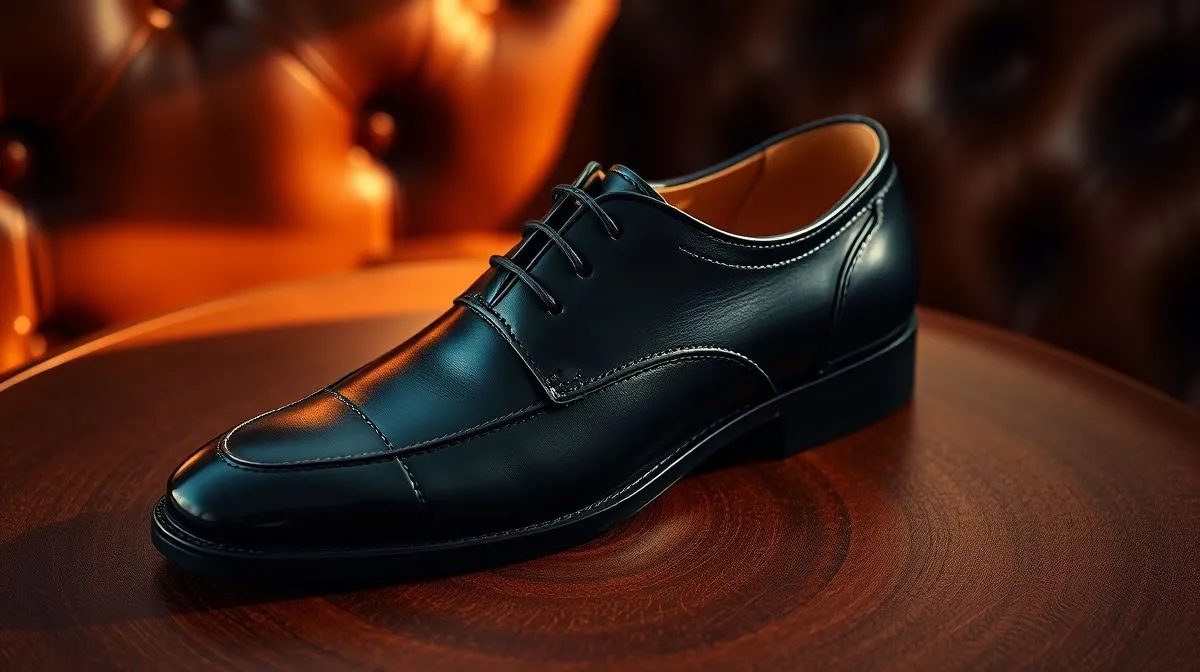
Picture this: a crucial business meeting, a much-anticipated wedding, or a grand gala. You’re dressed impeccably, every detail perfect, save for one nagging discomfort – the brand-new, stiff formal dress shoes pinching your feet. That initial walk from the car to the venue feels like a marathon, and by the end of the evening, your feet are throbbing, adorned with unsightly blisters. It’s a scenario far too common, transforming an anticipated event into an ordeal of pain.
The problem is universal: new formal dress shoes, especially those crafted from premium leather, often arrive rigid and unyielding. They haven't yet molded to the unique contours of your feet, leading to friction, pressure points, and ultimately, significant discomfort. Many resign themselves to weeks of agony, or worse, avoid wearing their beautiful new footwear altogether, defeating the purpose of their investment.
But what if there was a way to bypass this painful initiation? This comprehensive guide will equip you with expert knowledge and actionable strategies on how to break in new formal dress shoes without pain. By the end of this reading, you’ll possess the definitive roadmap to achieving unparalleled comfort from day one, ensuring your sophisticated style is never compromised by foot agony again.
Understanding the Enemy: Why New Dress Shoes Hurt
Before we delve into solutions, it's crucial to understand the root causes of new shoe discomfort. It’s not just about tightness; it’s a complex interplay of material properties, foot mechanics, and fit.
The Rigidity of New Materials
When you purchase a new pair of formal dress shoes, particularly those made from high-quality leather, they are often in a pristine, unworked state. Leather, while incredibly durable and capable of molding over time, starts off stiff. This stiffness means it hasn't yet conformed to the unique shape of your foot, leading to areas of concentrated pressure. Synthetic materials, while sometimes softer initially, often lack the natural give and breathability of leather, which can trap heat and moisture, exacerbating friction.
Pressure Points and Friction
Your feet are complex structures with numerous bones, joints, and delicate skin. When a stiff shoe is introduced, specific areas become vulnerable. The back of the heel, the sides of the foot near the ball, and the top of the toes are common hotspots. These areas experience constant rubbing against the shoe's interior, particularly along seams or where the shoe's structure is most rigid. This continuous friction, especially when combined with moisture, is the primary precursor to blisters and painful abrasions.
The Importance of Fit
Even a perfectly sized shoe can cause discomfort if not properly broken in. However, an ill-fitting shoe will always be a source of pain. A shoe that is too small will compress your foot, restricting blood flow and causing intense pressure. A shoe that is too large, surprisingly, can also cause problems, as your foot slides around, creating excessive friction. Understanding the difference between a snug, supportive fit and a restrictive, painful one is the first step towards comfortable wear.
The Preparatory Phase: Setting the Stage for Comfort
Breaking in new formal dress shoes isn't a spontaneous act; it's a methodical process that benefits greatly from foresight and the right tools. Preparation is key to a pain-free experience.
Choosing the Right Time
One of the biggest mistakes people make is waiting until the day of a big event to wear their new shoes. This is a recipe for disaster. Ideally, you should start the break-in process at least a few weeks, if not a month, before you intend to wear them for an extended period. This allows for gradual stretching and molding without the pressure of a deadline.
Essential Tools and Products
Investing in a few key items can significantly ease the break-in process and protect your feet:
- Shoe Stretchers: These come in various forms (2-way, spot stretchers) and are invaluable for gently expanding specific areas of the shoe.
- Shoe Trees: Preferably made of cedar, shoe trees help maintain the shoe's shape and absorb moisture, preventing cracking and odor. They are crucial for long-term shoe health.
- Leather Conditioners/Softeners: Products designed to hydrate and soften leather, making it more pliable and reducing stiffness.
- Thick Socks: Wearing thick socks during initial wear sessions helps stretch the shoe and provides an extra layer of cushioning.
- Blister Prevention Aids: Moleskin, blister pads, and athletic tape are vital for protecting vulnerable areas before irritation sets in.
The "Wear Around the House" Method
The simplest and often most effective method for breaking in new dress shoes is to wear them indoors for short, increasing intervals. Start with 15-20 minutes, then gradually extend the duration over several days or weeks. Always wear thick socks during these sessions to help stretch the leather and provide a buffer against friction. This gentle, consistent pressure allows the shoe to slowly conform to your foot's unique contours without overwhelming your feet.
Proven Techniques for a Pain-Free Break-In
Beyond simply wearing them, several targeted techniques can accelerate the process and ensure a comfortable fit, especially when dealing with the initial rigidity of formal footwear.
The Thick Sock and Blow Dryer Method
This popular method leverages heat to make the leather more pliable. Here's how:
- Put on your thickest pair of socks.
- Squeeze your feet into the new dress shoes.
- Use a blow dryer on a medium heat setting, directing it at the tightest areas of the shoe (e.g., toes, sides, heel). Keep the blow dryer moving to avoid overheating one spot.
- Flex your feet and walk around in the shoes while they are still warm to help them stretch and mold.
- Keep the shoes on until they have completely cooled down, as this is when the leather will set in its new, stretched shape.
Repeat this process a few times until you feel a noticeable difference. Be cautious not to use excessive heat, as it can damage the leather or adhesives.
Using Shoe Stretchers Effectively
Shoe stretchers are purpose-built tools for expanding shoes in specific dimensions. A 2-way shoe stretcher can widen and lengthen the shoe, while a spot stretcher (or bunion stretcher) targets isolated pressure points.
- Insert the stretcher into the shoe, ensuring it's snug.
- Turn the handle(s) gradually to expand the stretcher.
- Leave the stretcher in the shoe for at least 24-48 hours, or even longer for very stiff shoes.
- Remove the stretcher and try on the shoes. Repeat if necessary.
For best results, consider applying a shoe stretch spray or liquid beforehand, as these products help lubricate the leather fibers, making them more receptive to stretching. Patience is paramount with this method; slow and steady stretching prevents damage to the shoe.
The Power of Leather Conditioners and Softeners
Leather is like skin; it needs hydration to remain supple. New leather often lacks this pliability. Applying a high-quality leather conditioner or softener can significantly reduce stiffness and make the material more comfortable to wear. These products penetrate the leather, restoring its natural oils and flexibility. Apply a small amount evenly, allow it to soak in, and then buff off any excess. This not only aids in breaking in but also extends the life of your shoes. According to shoe care experts, regular conditioning is vital for maintaining the integrity and comfort of leather footwear. You can learn more about leather care and its properties on reputable sources like Wikipedia's page on leather.
The Ice Bag Method (for specific spots)
This ingenious method utilizes the expansion of water as it freezes to gently stretch targeted areas. It's particularly effective for the toe box or areas that are slightly too tight.
- Fill a sturdy, sealable plastic bag (like a freezer bag) about halfway with water. Ensure it's leak-proof.
- Place the water-filled bag inside the shoe, positioning it in the area you want to stretch.
- Place the shoes in your freezer overnight. As the water freezes, it will expand, gently stretching the shoe.
- Once frozen, remove the shoes from the freezer and let the ice melt for about 20-30 minutes before carefully removing the bag.
This method is excellent for targeted stretching, but always ensure the bag is completely sealed to prevent water damage to your shoes.
Professional Cobbler Assistance
If you're dealing with particularly stubborn shoes or prefer a hands-off approach, a professional cobbler can be your best friend. Cobblers have industrial-grade stretching machines and extensive experience with various shoe materials. They can often achieve results that are difficult to replicate at home, ensuring an optimal and safe stretch. This option is especially recommended for very expensive or delicate formal footwear where you wouldn't want to risk damage.
Preventing Blisters and Hot Spots
Even with the best break-in techniques, some initial friction is inevitable. Proactive measures are essential to protect your feet from painful blisters.
Proactive Padding and Taping
Before you even step out, identify potential problem areas on your feet or within the shoe. Apply moleskin, athletic tape, or specialized blister prevention pads to these high-friction zones. The heel, the sides of the foot where the pinky toe rubs, and the top of the foot near the vamp are common culprits. This creates a protective barrier, reducing direct friction between your skin and the shoe's material. According to foot health specialists, preventative taping is far more effective than treating a blister after it has formed.
Moisture-Wicking Socks
The type of socks you wear plays a significant role in preventing blisters. Cotton socks absorb moisture and hold it against your skin, increasing friction. Opt instead for socks made from moisture-wicking materials like merino wool or synthetic blends. These materials pull sweat away from your skin, keeping your feet dry and reducing the likelihood of hot spots and blisters. Even with formal dress shoes, thin, high-quality moisture-wicking dress socks are available and highly recommended.
Anti-Blister Balms and Sprays
There are several anti-blister balms and sprays on the market that create an invisible, protective layer on your skin, reducing friction. These products are easy to apply and can be a game-changer for sensitive feet. Simply apply to areas prone to rubbing before putting on your shoes. They act as a lubricant, allowing your skin to glide rather than rub against the shoe's interior.
Long-Term Care for Lasting Comfort
Breaking in your shoes is just the beginning. Proper care ensures they remain comfortable and last for years to come.
Regular Cleaning and Conditioning
Just as you conditioned your shoes during the break-in process, regular conditioning is crucial for maintaining leather's suppleness. Clean your shoes regularly to remove dirt and grime, and then apply a quality leather conditioner every few months, or more frequently if you wear them often. This prevents the leather from drying out and becoming stiff again, ensuring your shoes remain comfortable and flexible.
Using Shoe Trees Consistently
After every wear, insert cedar shoe trees into your formal dress shoes. Shoe trees perform several vital functions: they help maintain the shoe's original shape, preventing creasing and curling; they absorb moisture from the leather, which is crucial for preventing odor and bacterial growth; and they allow the leather to dry evenly. This consistent practice is key to preserving the shoe's fit and extending its lifespan. For more information on the benefits of shoe trees, you can consult various shoe care guides online, such as those found on Gentleman's Gazette.
Rotating Your Footwear
Even the highest quality shoes need a rest. Avoid wearing the same pair of formal dress shoes day after day. Allowing your shoes to rest for at least 24-48 hours between wears gives the leather time to dry out completely and recover its shape. This rotation not only extends the life of each pair but also ensures that when you do wear them, they are in optimal condition for comfort.
Common Mistakes to Avoid When Breaking In Shoes
While the goal is to achieve comfort, certain actions can actually hinder the process or even damage your valuable footwear.
Rushing the Process
The biggest mistake is impatience. Trying to speed up the break-in process too aggressively can lead to pain, blisters, and irreparable damage to the shoes. Forcing the stretch, wearing them for excessively long periods too soon, or applying too much heat can crack leather, burst seams, or deform the shoe's structure. Remember, gradual and consistent effort yields the best results.
Ignoring Initial Discomfort
While some minor discomfort is expected, outright pain is a warning sign. Pushing through significant pain will only lead to blisters, raw skin, and potential long-term foot issues. If a shoe is causing severe pain, it might be fundamentally ill-fitting, or you need to re-evaluate your break-in strategy. Don't be a martyr; listen to your feet.
Over-Stretching
While stretching is part of the process, over-stretching can ruin the shoe. Leather, once overstretched, cannot shrink back. This can lead to a shoe that is too loose, causing a different set of friction issues, or a distorted shape that compromises its aesthetic appeal and structural integrity. Always use stretching tools and methods cautiously, making small, incremental adjustments.
Not Using the Right Products
Using household items like rubbing alcohol or water to soften leather can be detrimental. While they might temporarily soften the leather, they can also dry it out, strip its natural oils, and lead to cracking over time. Always use products specifically designed for leather care, such as dedicated conditioners, softeners, and stretch sprays. These are formulated to work with the material, preserving its quality and longevity.
Frequently Asked Questions (FAQ)
How long does it typically take to break in new dress shoes? The time varies depending on the material and your foot shape, but generally, it can take anywhere from a few days to two to three weeks of consistent, short wear sessions. Leather shoes typically take longer but mold better over time.
Can I use water to stretch my leather shoes? While the ice bag method uses water, directly soaking leather shoes in water is generally not recommended as it can dry out the leather, cause cracking, or leave water stains. Stick to dedicated leather softeners or professional methods.
What's the difference between a shoe stretcher and a shoe tree? A shoe stretcher is used to actively expand the shoe's dimensions, typically for a few hours or days. A shoe tree is used after every wear to maintain the shoe's original shape, prevent creasing, and absorb moisture over time. They serve different but complementary purposes.
Should I wear socks when breaking in shoes? Absolutely. Wearing thick socks provides cushioning, helps to gently stretch the shoe, and reduces direct friction on your skin. Once broken in, you can switch to your preferred dress socks.
When should I consider giving up on a pair of shoes? If, despite consistent efforts with various break-in methods, the shoes continue to cause significant pain or discomfort, they might be fundamentally ill-fitting for your foot type. Sometimes, it's better to cut your losses than endure prolonged agony and potential foot damage.
Recommended Reading
- Unveiling the Secrets: What Materials Are Best for Fantasy Costume Durability?
- The Ultimate Guide: How to Get Your Fashion Photos Published in Top Magazines
- Unlock the Secret: How to Properly Clean & Maintain Smart Fabric Garments?
- The Ultimate Guide: How to Authenticate a Pre-Owned Luxury Watch Before Buying
- The Ultimate Secret: How to Properly Prevent Pilling on Yoga Leggings
Conclusion
The journey to comfortable formal footwear doesn't have to be paved with pain and blisters. By understanding the nature of new shoes, embracing a proactive approach, and employing proven techniques, you can master how to break in new formal dress shoes without pain. From gradual wear to targeted stretching and diligent aftercare, each step contributes to a seamless transition from stiff new shoes to supple, perfectly molded companions. Invest the time and effort upfront, and you'll be rewarded with years of comfortable, confident strides, ensuring your elegant appearance is always matched by effortless ease.


Your email address will not be published. Required fields are marked *