


How to ensure bio-based fashion textiles meet performance standards?
For over two decades in the dynamic world of textile innovation, I've witnessed the ebb and flow of countless material trends. From synthetic marvels to the nascent days of recycled fibers, the industry has constantly chased the next big thing. Yet, the current surge towards bio-based materials feels fundamentally different – it's not just a trend; it's a necessary evolution, a profound shift towards genuine sustainability. However, I've also seen the skepticism, the raised eyebrows, and the quiet doubts about whether these eco-champions can truly stand up to the rigorous performance demands of the fashion industry.
The core problem, as I see it, lies in bridging the aspiration for sustainability with the non-negotiable requirement for performance. Brands and consumers alike are increasingly demanding materials that are kind to the planet but don't compromise on durability, comfort, aesthetics, or functionality. This performance gap is a significant hurdle, often leading to slow adoption, negative perceptions, and ultimately, a missed opportunity for truly impactful change. Many innovators struggle to move beyond the laboratory, facing real-world challenges in scaling production while maintaining consistent quality.
In this comprehensive guide, drawing from my extensive experience and the cutting edge of textile science, I will share actionable frameworks and expert insights to navigate this complex landscape. We will explore the critical strategies, from material selection and advanced testing to supply chain transparency and circular design, that will not only help you ensure your bio-based fashion textiles meet, but often exceed, existing performance standards, but also build trust and drive innovation in a truly sustainable direction.
The Foundational Challenge: Bridging Sustainability and Durability
The allure of bio-based textiles is undeniable. Derived from renewable resources like plants, animals, or microorganisms, they promise a reduced environmental footprint, often biodegradability, and a move away from fossil fuel dependency. Yet, the journey from field or lab to a high-performance garment is fraught with challenges. I've observed firsthand that the biggest misconception is often assuming that 'natural' automatically equates to 'durable' or 'functional' in a modern context. Cotton, a natural fiber, while comfortable, doesn't inherently possess the elasticity or abrasion resistance required for activewear, for instance.
The fashion industry's existing performance benchmarks were largely established during an era dominated by synthetic fibers, which were engineered for specific properties like stretch, water resistance, or extreme durability. Bio-based alternatives, by their very nature, often present different molecular structures and inherent properties. This means we can't simply substitute; we must innovate. The challenge isn't just about creating a bio-based fiber; it's about engineering that fiber, and the textile it forms, to perform optimally without compromising its environmental credentials. This requires a deep understanding of material science and a willingness to rethink traditional textile manufacturing processes.
Understanding Bio-Based Material Spectrum and Their Inherent Properties
To truly ensure performance, one must first grasp the vast and varied landscape of bio-based materials. It's not a monolith; it's a diverse ecosystem, each with unique strengths and limitations. In my work, I emphasize that selecting the right bio-based material for a specific application is the first critical step in ensuring performance. A fiber suitable for a delicate dress might be entirely inadequate for outdoor gear. Understanding these intrinsic properties is paramount to avoiding costly failures down the line.
From Cellulose to Protein: A Material Overview
Bio-based textiles broadly fall into categories based on their origin. We have cellulose-based fibers like Tencel™ Lyocell, Modal, hemp, and flax, known for their breathability and drape. Protein-based fibers include innovative lab-grown silks or wool alternatives, often prized for their luxurious feel and strength. Then there are bio-synthetics, like bio-polyesters (e.g., DuPont's Sorona®) derived from plant sugars, which can mimic the performance characteristics of traditional synthetics, offering elasticity and moisture management. Each category presents a unique set of challenges and opportunities regarding strength, elasticity, dye-ability, and end-of-life options.
The Trade-offs: Strength, Drapability, and Longevity
Every material comes with inherent trade-offs. For example, while hemp is incredibly strong and durable, its initial hand-feel can be coarser than cotton, requiring specific processing or blending to achieve desired comfort. Polylactic Acid (PLA), derived from corn starch, offers good drape and moisture wicking but can have lower heat resistance than PET. My experience teaches that successful innovation isn't about eliminating trade-offs entirely, but understanding them deeply and strategically mitigating their impact through intelligent design, processing, and blending. It's about designing with the material's nature, not against it.
Rigorous Testing Protocols: Beyond Basic Compliance
This is where the rubber meets the road. Simply stating a textile is 'bio-based' doesn't guarantee its quality or fitness for purpose. I've seen companies invest heavily in sustainable sourcing only to falter when their products fail to meet basic consumer expectations for wear and tear. My advice is always to go beyond standard compliance; establish a comprehensive testing regime that mirrors real-world usage and anticipates potential failure points. This builds undeniable trust and authority.
Mechanical Strength and Durability Testing
For fashion textiles, mechanical performance is crucial. This includes:
- Tensile Strength: Measures the force required to pull the fabric apart. Crucial for seams and overall garment integrity.
- Tear Resistance: How well the fabric resists tearing once a small cut or hole is present. Important for everyday wear.
- Abrasion Resistance: The fabric's ability to withstand rubbing and friction without showing significant wear. Critical for areas like elbows, knees, and cuffs.
- Pilling Resistance: Assesses the formation of small balls of fiber on the fabric surface. Essential for maintaining aesthetic appeal over time.
- Bursting Strength: Relevant for knit fabrics, measuring the force required to rupture the fabric.
These tests, often performed using industry standards like ASTM or ISO, provide quantifiable data on a textile's robustness. They allow for direct comparison with conventional materials and help identify areas for improvement.
Comfort and Wearability Assessments
Beyond sheer durability, bio-based textiles must also be comfortable and pleasant to wear. This involves:
- Hand-feel (Tactile Properties): Subjective but critical. How soft, smooth, or supple does the fabric feel?
- Moisture Management: Does the fabric wick moisture away from the body effectively? Important for activewear and everyday comfort.
- Breathability: How well does air circulate through the fabric? Prevents overheating.
- Drapability: How the fabric hangs and folds. Essential for aesthetic appeal and garment design.
- Stretch and Recovery: For garments requiring movement, the ability to stretch and return to its original shape is vital.
Environmental Impact and Lifecycle Analysis (LCA)
While not a direct 'performance' measure in the traditional sense, understanding the full environmental footprint is integral to the value proposition of bio-based materials. A comprehensive LCA assesses the environmental impacts associated with all stages of a product's life, from raw material extraction through processing, manufacturing, distribution, use, repair, maintenance, and disposal or recycling. This ensures that the 'bio-based' claim holds true across its entire lifecycle and helps identify potential hidden impacts. As an expert, I always advise brands to conduct robust LCAs, often with third-party verification, to bolster their claims and provide genuine transparency.

Innovative Blending and Hybridization Strategies
Rarely does a single fiber provide all desired properties. My experience has shown me that the true magic often happens when different materials are intelligently combined. This is where blending and hybridization become powerful tools for enhancing the performance of bio-based textiles.
The Power of Synergistic Blends
Blending bio-based fibers with other natural fibers, or even a small percentage of recycled synthetics, can unlock superior performance. For example, blending hemp with organic cotton can soften the hand-feel while retaining hemp's durability. Combining Tencel™ Lyocell with a bio-based elastane can create a fabric with excellent drape and stretch, suitable for activewear or comfortable everyday garments. The key is understanding how each fiber contributes to the overall matrix and leveraging their strengths to compensate for individual weaknesses. This isn't about masking deficiencies; it's about creating synergistic effects where the whole is greater than the sum of its parts.
Functional Coatings and Treatments
Beyond fiber blending, innovative coatings and surface treatments can significantly enhance performance without compromising the bio-based integrity. Imagine a bio-based cellulose fiber treated with a plant-derived water-repellent finish, making it suitable for outerwear. Or a natural fiber enhanced with a bio-based antimicrobial treatment for activewear. These treatments, when carefully selected and applied, can add functionalities like water repellency, stain resistance, enhanced durability, or even UV protection. The challenge lies in ensuring these treatments themselves are sustainable and don't introduce harmful chemicals or microplastics back into the environment. I advocate for bio-based or biodegradable finishes wherever possible, aligning with the core ethos of the material.
| Bio-based Fiber | Key Property | Common Blend Partner | Performance Enhancement |
|---|---|---|---|
| Hemp | High Strength, Durable | Organic Cotton | Softer hand-feel, improved drape |
| Tencel™ Lyocell | Soft, Breathable, Good Drape | Bio-based Elastane | Added stretch, shape retention |
| PLA (Polylactic Acid) | Moisture Wicking, Good Drape | Recycled Polyester (RPET) | Increased heat resistance, enhanced durability |
| Piñatex (Pineapple Leaf Fiber) | Leather Alternative, Durable | Recycled PU Coating | Water resistance, flexibility |
Supply Chain Transparency and Quality Control: A Non-Negotiable
Performance isn't just about the fiber itself; it's about the consistency of that fiber throughout the entire supply chain. I've observed that even the most promising bio-based innovations can falter due to inconsistencies in raw material quality or processing variations. Establishing robust supply chain transparency and stringent quality control (QC) is absolutely non-negotiable for ensuring reliable performance and building consumer trust.
Vetting Suppliers and Raw Material Sourcing
The journey of a bio-based textile begins with its raw material. Whether it's wood pulp for cellulose fibers, agricultural waste, or algae, the quality and consistency of the feedstock directly impact the final textile's properties. I always advise brands to:
- Traceability: Implement systems to trace raw materials back to their origin. This helps ensure ethical sourcing, environmental compliance, and consistent quality.
- Supplier Audits: Conduct regular audits of your suppliers' facilities and processes to verify adherence to quality standards and sustainable practices.
- Specification Sheets: Develop detailed specification sheets for raw materials, including parameters like fiber length, fineness, strength, and moisture content.
Without this foundational rigor, variations can creep in at the earliest stages, leading to unpredictable performance in the finished product.
Establishing Robust QA/QC Checkpoints
Quality assurance (QA) and quality control (QC) must be integrated at every stage of the textile production process, not just at the final product inspection. This involves:
- Incoming Material Inspection: Testing raw fibers or yarns upon arrival to ensure they meet specifications.
- In-Process Checks: Monitoring critical parameters during spinning, weaving/knitting, dyeing, and finishing. This might include tension control, temperature, chemical concentrations, and drying times.
- Finished Fabric Testing: Comprehensive testing of the final fabric roll for all relevant performance attributes (tensile strength, colorfastness, shrinkage, etc.) before it goes to garment manufacturing.
Case Study: How Veridian Textiles Mastered Bio-Based Consistency
Veridian Textiles, a mid-sized innovator in sustainable activewear, faced initial challenges with the inconsistent performance of their bio-based nylon alternative. Customers reported varying levels of stretch recovery and durability across different production batches. By implementing the three-step approach I described above – enhancing supplier vetting, developing ultra-detailed raw material specs, and integrating real-time in-process QC checks – they transformed their output. They partnered with their raw material provider to standardize feedstock quality and installed inline sensors to monitor yarn tension and temperature during knitting. This meticulous attention to detail led to a 95% reduction in batch-to-batch performance variance and a significant boost in customer satisfaction, solidifying their reputation for reliable, high-performance bio-based activewear. This resulted in a 30% increase in repeat customer purchases within two years, proving that consistency directly translates to trust and market success.
Circular Design Principles: Performance for Longevity and End-of-Life
The concept of performance in bio-based textiles extends beyond just initial wear. For these materials to truly deliver on their sustainability promise, they must be designed with their entire lifecycle in mind. This means designing for longevity, ease of repair, and responsible end-of-life pathways, whether that's composting or recycling. In my view, a high-performance bio-based textile is one that performs not just on the body, but also within a circular economic system.
Designing for Disassembly and Recyclability
If a bio-based textile is intended for mechanical or chemical recycling, its design must facilitate this. This means avoiding complex material blends that are difficult to separate, minimizing trims and embellishments made from incompatible materials, and considering monomaterial constructions where possible. For instance, a pure bio-polyester garment would be more easily recycled than a blend of bio-polyester and bio-cotton. Brands must work closely with recyclers to understand their requirements and design textiles that fit into existing or emerging recycling infrastructures. According to a McKinsey report on circular fashion, designing for recyclability is a critical step in unlocking the full potential of sustainable materials.
Biodegradability and Composting Standards
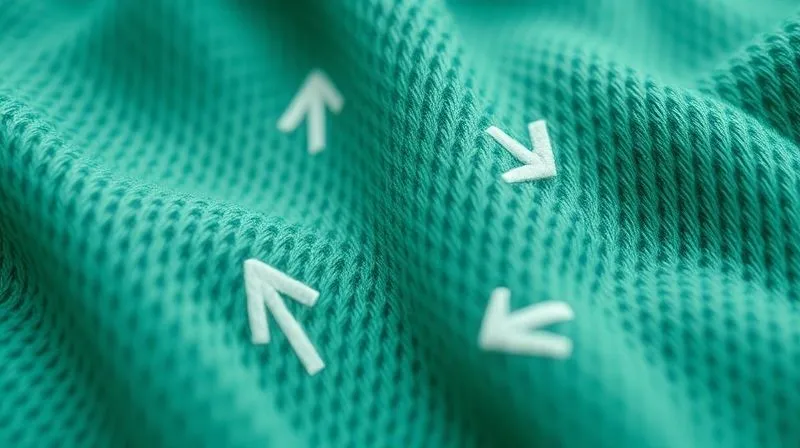
For bio-based textiles designed to return to nature, understanding and adhering to biodegradability and composting standards is paramount. This isn't a free pass; specific conditions (temperature, moisture, microbial activity) are required for a material to biodegrade effectively. I've often seen confusion around 'biodegradable' claims; true biodegradability means decomposition into natural elements within a reasonable timeframe, without leaving harmful residues. Certifications like 'OK Compost INDUSTRIAL' or 'OK Compost HOME' (from TÜV AUSTRIA) provide a robust framework for validating these claims, ensuring the material performs as intended at its end-of-life. Designing for compostability means ensuring all components – fabric, thread, labels – are compatible with the composting process.
Collaboration and Knowledge Sharing: The Industry's Collective Strength
The challenges of developing high-performance bio-based textiles are too complex for any single company to solve in isolation. My career has taught me that the most significant breakthroughs often arise from collaborative efforts, sharing knowledge, and leveraging collective expertise. This is particularly true in an emerging field like bio-based materials, where standards are still evolving and innovation is rapid.
Academic Partnerships and R&D Initiatives
Engaging with universities and research institutions is a powerful way to push the boundaries of bio-based material science. These partnerships can provide access to cutting-edge research, specialized equipment, and brilliant minds. From developing novel bio-polymers to optimizing spinning techniques for natural fibers, academic collaborations can accelerate innovation and address fundamental challenges in material performance. I've seen brands gain significant competitive advantages by investing in joint R&D projects, leading to proprietary materials with superior characteristics.
Industry Standards and Certifications
Adherence to and participation in the development of industry standards are crucial for building trust and ensuring market acceptance. Organizations like Textile Exchange, ASTM International, and ISO are vital in establishing consistent testing methodologies and performance benchmarks for bio-based materials. Certifications (e.g., GOTS for organic, SCS Global Services for recycled content, various biodegradability certifications) provide third-party validation, assuring brands and consumers that materials meet specific environmental and performance criteria. These certifications are not just marketing tools; they are essential pillars of trustworthiness and authority in a complex supply chain.
| Certification Body | Focus Area | Relevance for Performance |
|---|---|---|
| TÜV AUSTRIA | Biodegradability & Composting | Ensures end-of-life performance, verifies material breakdown without harmful residues. |
| Global Organic Textile Standard (GOTS) | Organic Fibers & Processing | Guarantees organic integrity from harvesting to manufacturing, impacts fiber quality and purity. |
| OEKO-TEX® | Harmful Substances | Ensures textiles are free from harmful chemicals, contributing to user comfort and safety. |
| Textile Exchange (e.g., OCS, GRS) | Content Claims (Organic, Recycled) | Validates material origin and composition, critical for initial material property assessment and consistency. |
Consumer Education and Brand Storytelling: Managing Expectations
Even the most high-performing bio-based textile won't succeed if consumers don't understand its value or how to care for it. As an industry specialist, I recognize that performance isn't just about laboratory metrics; it's also about perceived performance and consumer satisfaction. Effective communication is key to managing expectations and fostering long-term adoption.
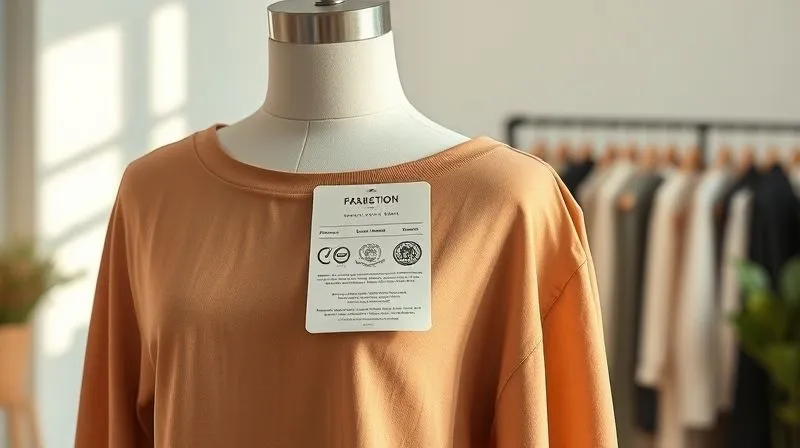
Transparent Labeling and Care Instructions
Bio-based textiles often require specific care to maintain their performance and extend their lifespan. Clear, concise, and transparent labeling is crucial. This includes:
- Material Composition: Clearly state the percentage of bio-based content and any blends.
- Certifications: Highlight relevant certifications (e.g., GOTS, OK Compost) to build trust.
- Care Instructions: Provide explicit washing, drying, and ironing instructions tailored to the material. For example, some bio-based synthetics might be sensitive to high heat, while natural fibers might require specific detergents.
Educating consumers on proper care not only enhances the product's longevity but also reinforces its sustainable value proposition. A well-cared-for garment performs better for longer.
Building Trust Through Authenticity
Beyond technical specifications, brands have a powerful opportunity to tell the story of their bio-based materials. Where do the raw materials come from? How are they processed? What environmental benefits do they offer? This storytelling, when authentic and backed by verifiable data, builds a deeper connection with consumers. It shifts the conversation from simply 'sustainable' to 'high-performing and sustainable,' addressing both the ethical and practical concerns of the modern consumer. As marketing guru Seth Godin often says, "People do not buy goods and services. They buy relations, stories, and magic." For bio-based textiles, the story of innovation, performance, and planetary care is a powerful one.
Frequently Asked Questions (FAQ)
Question: Are bio-based textiles inherently less durable than traditional synthetics like polyester or nylon? Not necessarily. While some early bio-based materials had limitations, modern textile innovation has made significant strides. Bio-based polyesters and nylons can now achieve comparable, and in some cases even superior, performance metrics to their fossil-fuel counterparts, especially when engineered with specific end-uses in mind and combined with advanced processing techniques or strategic blending. The key is understanding the specific bio-based material and its application.
Question: How can I verify the 'bio-based' claims of a textile supplier? Verification requires diligence. Look for third-party certifications like the USDA Certified Biobased Product label, which indicates the percentage of bio-based content. Request comprehensive data sheets, lifecycle assessments (LCAs), and independent test reports (e.g., ASTM, ISO standards for tensile strength, abrasion resistance). Transparency in the supply chain, from raw material sourcing to final fabric production, is a strong indicator of a trustworthy supplier.
Question: What are the main challenges in scaling up production of high-performance bio-based textiles? Scaling faces several hurdles: ensuring consistent quality of raw materials, optimizing processing technologies for large volumes, achieving cost competitiveness with established synthetics, and building out the necessary infrastructure for collection and end-of-life processing. It requires significant investment in R&D, robust supply chain partnerships, and often, government support or industry consortia to overcome these challenges collectively.
Question: Can bio-based textiles truly be 'circular' if they are biodegradable? Doesn't that mean they just disappear? This is a common misconception. 'Circular' encompasses multiple pathways, and biodegradability/compostability is one valid end-of-life option for materials designed to return nutrients to the earth. For other bio-based materials, mechanical or chemical recycling into new products is the circular path. The goal is to keep materials in use at their highest value for as long as possible, and then, if designed for it, to safely return them to the biosphere (composting) or technosphere (recycling). A truly circular bio-based textile is one that is designed for its optimal end-of-life pathway from the outset.
Question: What role do bio-based coatings play in enhancing textile performance? Bio-based coatings can significantly augment the performance of textiles without adding traditional synthetic layers. They can provide functionalities such as water repellency, stain resistance, antimicrobial properties, or even enhanced durability against abrasion. The innovation lies in developing coatings derived from renewable resources (e.g., plant extracts, biopolymers) that are effective, non-toxic, and ideally biodegradable, ensuring they align with the sustainable ethos of the underlying bio-based textile.
Key Takeaways and Final Thoughts
The journey to integrate high-performance bio-based textiles into mainstream fashion is undeniably complex, but it is also incredibly rewarding and absolutely essential for a sustainable future. My experience has shown me that success hinges on a multi-faceted approach, combining scientific rigor with strategic vision. Here are the most critical, actionable pieces of advice:
- Understand Your Materials Deeply: Each bio-based fiber has unique properties. Select and engineer them intentionally for their intended application.
- Test Beyond Compliance: Implement comprehensive testing protocols that simulate real-world conditions to validate durability, comfort, and functionality.
- Embrace Intelligent Blending: Leverage the power of synergistic blends and bio-based functional finishes to optimize performance.
- Demand Supply Chain Transparency: Ensure rigorous quality control from raw material sourcing to finished fabric to guarantee consistency.
- Design for Circularity: Consider the entire lifecycle, designing for longevity, recyclability, or responsible biodegradability.
- Collaborate and Certify: Engage with academia and adhere to industry standards and certifications to build authority and trust.
- Educate Your Consumers: Transparently communicate material benefits, care instructions, and your brand's sustainability story.
The future of fashion is undeniably bio-based, and the industry's ability to seamlessly merge sustainability with uncompromising performance will define its next era. By embracing these strategies, we can move beyond mere aspiration and deliver on the promise of truly innovative, high-performing, and planet-positive textiles. The tools and knowledge are at our disposal; it's now about strategic application and unwavering commitment. Let's engineer a better, more sustainable wardrobe, one exceptional bio-based textile at a time.
Recommended Reading
- 7 Ways Unique Fashion Photos Drive Sales: A Pro's Guide to Impact
- 7 Crucial Reasons Your Beauty Influencer Sales Are Flatlining
- 7 Master Steps: Invisibly Repairing Haute Couture Hand-Sewn Details
- Sweaty Feet? Discover the Best Shoe Materials for Ultimate Comfort!
- Unpacking Cultural Appropriation in Streetwear: Your Essential Ethical Guide



Your email address will not be published. Required fields are marked *