


How to Increase Modern Bridal Gown Inventory Turnover by 25%?
For over 15 years in the intricate world of bridal fashion, I've witnessed countless boutiques grapple with a silent killer: stagnant inventory. It's a common misconception that simply having a vast selection guarantees success. In reality, a bloated, slow-moving inventory of modern bridal gowns can erode profits, tie up capital, and stifle a boutique's ability to adapt to rapid trend shifts. I've seen promising businesses falter not from a lack of sales, but from an inability to efficiently move what they've already bought.
The pain points are palpable: reduced cash flow, increased holding costs, and the disheartening sight of beautiful gowns gathering dust. This isn't just a financial burden; it's an emotional one, impacting the passion and vision that drove boutique owners into this magical industry. The modern bride is discerning, trend-aware, and expects freshness, making efficient inventory management more critical than ever.
In this definitive guide, I'll draw upon my extensive experience to provide you with a robust framework. We'll explore seven strategic pillars, from data-driven forecasting to empowering your sales team, designed to show you exactly how to increase modern bridal gown inventory turnover by 25% or more. Prepare for actionable insights, expert tactics, and a fresh perspective that will transform your boutique's operational efficiency and profitability.
1. Master Data-Driven Forecasting & Trend Analysis
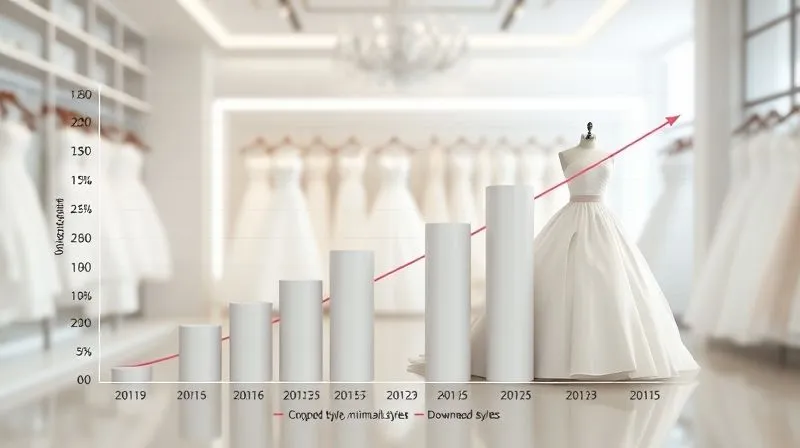
The days of relying solely on gut feelings for bridal gown purchases are long gone. To truly accelerate turnover, you must embrace data-driven forecasting. This isn't just about looking at past sales; it's about predictive analytics, understanding the nuances of your local market, and anticipating global fashion shifts.
The Power of Predictive Analytics
Predictive analytics allows you to move beyond reactive purchasing. By analyzing historical sales data, seasonal trends, popular designers, and even local wedding statistics, you can make informed decisions about future inventory needs. This precision minimizes overstocking undesirable styles and understocking high-demand gowns.
- Segment Your Data: Don't just look at 'gowns.' Break down sales by designer, silhouette, fabric, price point, size range, and even specific style numbers. Identify your top performers and your slowest movers with granular detail.
- Track Bridal Demographics: Understand your core customer. Are they local? What's their average age, income, and style preference? Use this to tailor your inventory to their specific needs, reducing the risk of misaligned stock.
- Monitor Industry Trends Religiously: Subscribe to industry publications, follow top bridal fashion influencers, attend virtual and in-person bridal markets. What silhouettes are emerging? Which fabrics are gaining traction? A keen eye on trends helps you stock what brides *will* want, not just what they *did* want.
- Analyze Lead Times: Factor in designer production times. If a popular gown has a 6-month lead time, your forecasting needs to be even more precise to ensure you have samples and potential reorders planned well in advance.
According to a report by Deloitte, retailers who effectively leverage data analytics see significant improvements in inventory management and sales.
2. Streamline Your Supply Chain & Vendor Relationships
Your inventory turnover is intrinsically linked to the efficiency and flexibility of your supply chain. Strong vendor relationships are not just about getting good prices; they're about agility, reliability, and partnership.
Negotiating for Agility
Work with designers and manufacturers who understand the modern retail landscape. Look for partners who offer reasonable minimums, flexible reorder options, and transparent communication regarding production and shipping. A responsive vendor can be a game-changer when you need to pivot quickly due to changing trends or unexpected demand.
"In the fast-paced world of fashion, your suppliers aren't just vendors; they're an extension of your inventory strategy. Choose partners who empower your agility, not hinder it." - Industry Expert Insight
- Consignment & Trunk Show Agreements: Explore consignment options for high-value or experimental pieces, especially during trunk shows. This significantly reduces your financial risk and allows you to test new styles without full investment.
- Negotiate Return Policies: Understand and negotiate favorable return or exchange policies for slow-moving stock. Even a small allowance here can free up capital.
- Consolidate Orders: Where possible, consolidate orders with fewer, trusted vendors to gain leverage for better terms, faster shipping, and improved communication channels.
- Regular Performance Reviews: Schedule quarterly reviews with your key vendors. Discuss their lead times, order accuracy, and your sales performance with their gowns. Use data to advocate for better terms or support.
| Vendor | Lead Time | Minimum Order | Return Policy | Flexibility Score (1-5) |
|---|---|---|---|---|
| Designer A | 4-6 Months | 3 Gowns | Strict, No Returns | 3 |
| Designer B | 3-5 Months | 1 Gown (after initial) | Conditional Returns (10% max) | 4 |
| Designer C | 6-8 Months | 5 Gowns | No Returns | 2 |
3. Optimize Your Merchandising & Showroom Experience
Even the most perfectly curated inventory won't move if it's not presented effectively. Your showroom is your stage, and every gown should have its moment to shine. Modern brides seek an experience, not just a transaction.
Curating the Modern Bride's Journey
Merchandising plays a crucial role in guiding a bride's eye and influencing her perception of value. Strategic placement can highlight new arrivals, promote specific designers, or subtly push slower-moving items.
- Visual Storytelling: Group gowns by style, collection, or even a 'mood' (e.g., 'Boho Chic,' 'Minimalist Elegance,' 'Glamorous Modern'). Create vignettes that inspire and help a bride visualize her wedding day.
- Highlight New Arrivals: Dedicate prime real estate to your latest collections. Newness drives excitement and encourages purchases. Rotate these displays frequently.
- Strategic Placement of Slow Movers: Don't hide them! Integrate slower-moving but still beautiful gowns into new displays, perhaps paired with fresh accessories, to give them a second life. A fresh perspective from your stylists can also help.
- Leverage Digital Displays: Use screens to showcase runway footage, real brides wearing your gowns, or designer interviews. This adds a dynamic element to your showroom and provides inspiration.
- Keep it Pristine: A clean, organized, and beautifully scented showroom elevates the entire experience. Gowns should be immaculately steamed and displayed to their best advantage.
4. Implement Dynamic Pricing & Promotional Strategies
Pricing isn't static, especially in fashion. To increase modern bridal gown inventory turnover by 25%, you need a dynamic approach that balances perceived value with the urgency of movement.
Strategic Markdowns, Not Desperate Sales
The goal is to move inventory without devaluing your brand. This requires careful planning and execution.
- Lifecycle Pricing: Implement a clear pricing strategy based on the gown's age in your inventory. Gowns that have been in stock for 6-9 months might enter a first-tier markdown, 9-12 months a second, and so on.
- Targeted Promotions: Instead of blanket sales, try targeted promotions. Offer discounts on specific styles to brides who've shown interest but haven't committed. Use email marketing to reach these segments.
- Bundle Offers: Pair a slower-moving gown with a discounted veil, accessories, or alteration package. This adds value without directly slashing the gown's price.
- Flash Sales & Pop-Up Events: Create excitement with short, high-impact events. A 'Designer Sample Sale' or 'One-Day Only Steals' can generate buzz and move a significant amount of inventory quickly. Promote these heavily on social media.
- Consignment Partnerships: For gowns that simply won't move in your boutique, consider partnering with a reputable consignment bridal store. It's better to recover some capital than none.

5. Leverage Digital Marketing & Social Proof Effectively
The modern bride lives online. Your digital presence is not just a marketing tool; it's a direct driver of showroom traffic and, ultimately, inventory turnover. Harnessing social proof is paramount.
Bridging the Online-Offline Gap
Your online strategy should seamlessly connect with the in-boutique experience, creating a cohesive brand narrative that encourages brides to step through your doors.
- High-Quality Visuals: Invest in professional photography and videography for your website and social media. Showcase your gowns on diverse body types and in aspirational settings. Visuals sell.
- Engaging Social Media Content: Post regularly on platforms like Instagram and Pinterest. Highlight new arrivals, behind-the-scenes glimpses, and customer testimonials. Use Reels and Stories to create dynamic content.
- Real Bride Features: Nothing builds trust like seeing real brides look stunning in your gowns. Actively collect and share photos and videos from your happy customers. This is powerful social proof.
- Targeted Digital Ads: Use Facebook and Instagram ads to target brides in your geographic area who are engaged or interested in wedding content. Segment audiences based on style preferences or price points to show them relevant gowns.
- Email Marketing: Build an email list and send personalized campaigns. Announce new arrivals, private sales, trunk shows, and styling tips. Segment your list to ensure messages are relevant to each bride's stage in her journey.
- Virtual Consultations & Try-Ons: Offer virtual appointments to pre-qualify brides and showcase specific gowns. This can convert online interest into in-person visits more efficiently.
As Harvard Business Review suggests, the future of retail is increasingly blended, requiring a strong synergy between online and offline channels.
6. Empower Your Sales Team with Product Knowledge & Incentives
Your sales consultants are your frontline. Their expertise, enthusiasm, and ability to connect with brides directly impact how quickly gowns move off your racks.
From Consultants to Curators
A well-trained sales team doesn't just sell; they curate an experience. They understand your inventory inside and out, can articulate the unique selling points of each gown, and skillfully guide brides to their perfect dress.
- Deep Product Training: Ensure your team knows every detail about every gown: fabric, construction, designer inspiration, customization options, and lead times. Knowledge builds confidence and authority.
- Styling Expertise: Train your consultants to be expert stylists. They should be able to accessorize gowns, suggest complementary pieces, and help brides envision the full look.
- Inventory Awareness: Keep your team updated on slow-moving inventory. Empower them with incentives to focus on these gowns, perhaps by offering a higher commission rate or bonus for selling specific older styles.
- Customer Relationship Management (CRM): Utilize a CRM system to track bride preferences, tried-on gowns, and feedback. This allows for personalized follow-ups and helps consultants suggest relevant inventory.
- Sales Incentives & Contests: Implement commission structures or friendly contests that reward sales of specific categories or older inventory. Make it fun and competitive.
Case Study: "Bridal Bloom Boutique's Turnover Triumph"
Bridal Bloom Boutique, a mid-sized store, faced a 15% inventory turnover rate, well below industry averages, particularly for their modern minimalist collection. They had beautiful gowns but struggled to move them efficiently. By implementing a comprehensive training program that focused on deep product knowledge for their 'Modern Muse' collection and offering a tiered commission structure that paid higher for gowns in stock over 9 months, they saw a dramatic shift. Within six months, their turnover rate for the targeted collection increased by 30%, and overall inventory holding costs dropped by 18%. This resulted in a significant boost in cash flow and allowed them to invest in fresher, trend-aligned inventory more frequently.
| Metric | Before Strategy | After Strategy |
|---|---|---|
| Average Inventory Age (Months) | 12 | 8 |
| Sales of 'Modern Muse' Collection (Units/Month) | 8 | 15 |
| Sales Team Commission on Older Stock (%) | 5% | 7-10% |
| Inventory Holding Costs (% of Value) | 2.5% | 1.8% |
7. Embrace Technology: Inventory Management Systems (IMS)
In today's retail environment, attempting to manage bridal inventory without a robust Inventory Management System (IMS) is like trying to navigate without a compass. An IMS is the bedrock of efficient turnover.
The Backbone of Modern Retail Efficiency
A good IMS provides real-time data, automates tedious tasks, and offers critical insights that would be impossible to glean manually. It's an investment that pays dividends in efficiency and profitability.
- Real-Time Tracking: Know exactly what you have, where it is, and its current status (in-store, on order, sold, at alterations). This prevents overselling and helps you identify slow movers instantly.
- Sales & Trend Reporting: Generate detailed reports on sales velocity, popular styles, designer performance, and average selling prices. Use this data for more accurate forecasting (as discussed in point 1).
- Automated Reorder Points: Set up alerts for when stock levels hit a certain minimum, prompting you to reorder popular styles before they run out.
- Multi-Channel Integration: If you sell online or have multiple locations, an IMS can synchronize inventory across all channels, ensuring accuracy and preventing stockouts or double sales.
- Barcode Scanning: Streamline receiving, transfers, and sales processes, reducing human error and saving time.
- Supplier Integration: Some advanced IMS can integrate directly with supplier catalogs and ordering systems, further automating the procurement process.
Explore reputable bridal-specific IMS options or general retail platforms that offer robust inventory features. Learning more about the benefits of inventory management systems can be found on resources like Forbes Advisor.
8. Strategic Sample Management & Trunk Shows
Samples are the lifeblood of a bridal boutique, but they also represent a significant investment. Efficiently managing them and leveraging trunk shows can dramatically impact your inventory turnover.
Maximizing Sample ROI
Treat your samples as a distinct inventory category that needs its own turnover strategy. They attract sales, but they also depreciate and take up space.
- Regular Sample Audits: Periodically assess your sample collection. Which gowns are no longer performing? Which designers are you phasing out? Identify samples that are ready to be sold off.
- Sample Sale Events: Host dedicated sample sale events. These are fantastic for generating buzz, attracting budget-conscious brides, and clearing older or discontinued samples. Promote these heavily.
- Trunk Show Strategy: Use trunk shows not just to bring in new collections, but to gauge interest in potential new designers or specific styles. Negotiate consignment terms for trunk show samples to minimize financial risk.
- Designer Partnerships: Work with designers who offer sample loans for specific events or who have clear programs for refreshing samples.
- Condition Management: Keep your samples in impeccable condition. Regular cleaning, repairs, and steaming extend their life and maintain their value for eventual sale.
Effective sample management is crucial for maintaining a fresh and appealing collection without tying up excessive capital. For more insights on optimizing bridal retail, consider resources from Bridal Guide or other industry publications.
Frequently Asked Questions (FAQ)
Q: How often should I refresh my modern bridal gown inventory to maintain a 25% higher turnover? A: To achieve a 25% higher turnover, you should aim for a significant refresh of 15-20% of your inventory every 3-6 months, focusing on introducing new, trending styles and actively moving out slower-performing pieces. This requires diligent data analysis and proactive vendor management.
Q: What's the biggest mistake boutiques make when trying to increase inventory turnover? A: The biggest mistake is failing to embrace data and relying purely on intuition or emotional attachments to certain gowns. Without understanding precise sales velocity, customer preferences, and trend data, efforts to increase turnover often become reactive and inefficient.
Q: Can increasing turnover by 25% negatively impact my boutique's luxury image? A: Not if done strategically. The key is 'strategic' markdowns and promotions, not desperate fire sales. By focusing on dynamic pricing, targeted sample sales, and leveraging strong vendor relationships, you can maintain your luxury image while efficiently moving inventory and investing in freshness.
Q: How can a smaller boutique with limited budget implement these strategies? A: Start small. Focus on mastering data-driven forecasting using basic spreadsheets before investing in a full IMS. Build strong relationships with a few key designers who offer flexible terms. Leverage free social media marketing and host small, intimate sample events. The principles apply regardless of scale.
Q: What role do alterations play in inventory turnover? A: Efficient alterations are critical. Long alteration queues can delay a bride taking her gown, tying up space and potentially impacting final payments. Streamlining this process, perhaps by having trusted external tailors, ensures gowns move through the final stage quickly, freeing up resources and improving the overall customer experience.
Key Takeaways and Final Thoughts
Achieving a 25% increase in modern bridal gown inventory turnover isn't a pipe dream; it's an achievable goal with the right strategies and a commitment to data-driven decision-making. My years in this industry have shown me that success isn't just about passion; it's about smart, strategic operations.
- Embrace Data: Move beyond intuition and let analytics guide your purchasing and merchandising decisions.
- Cultivate Relationships: Strong vendor partnerships offer flexibility and better terms, directly impacting your ability to manage stock.
- Optimize the Experience: Your showroom and sales team are powerful tools for moving inventory when leveraged effectively.
- Be Dynamic: Pricing, promotions, and digital marketing need to be agile and responsive to market demands.
- Leverage Technology: An IMS is no longer a luxury; it's a necessity for modern inventory efficiency.
The journey to enhanced inventory turnover is continuous, requiring vigilance and adaptability. But by implementing these expert-backed strategies, you're not just moving gowns; you're building a more resilient, profitable, and ultimately more enjoyable bridal boutique. Go forth, analyze, adapt, and watch your business blossom!

Recommended Reading
- The Ultimate Guide: How to Properly Break In New Men's Running Shoes
- 5 Critical Factors: How to Select Tear-Away Fabrics for Quick Costume Changes?
- Emergency Costume Repair: 7 Intermission Fixes for Torn Period Garments
- Unlocking the Secret: How Fashion Jewelry Trends Shape Design
- 7 Steps to Conquer Natural Fiber Supply Chain Hurdles for Innovation





Your email address will not be published. Required fields are marked *