

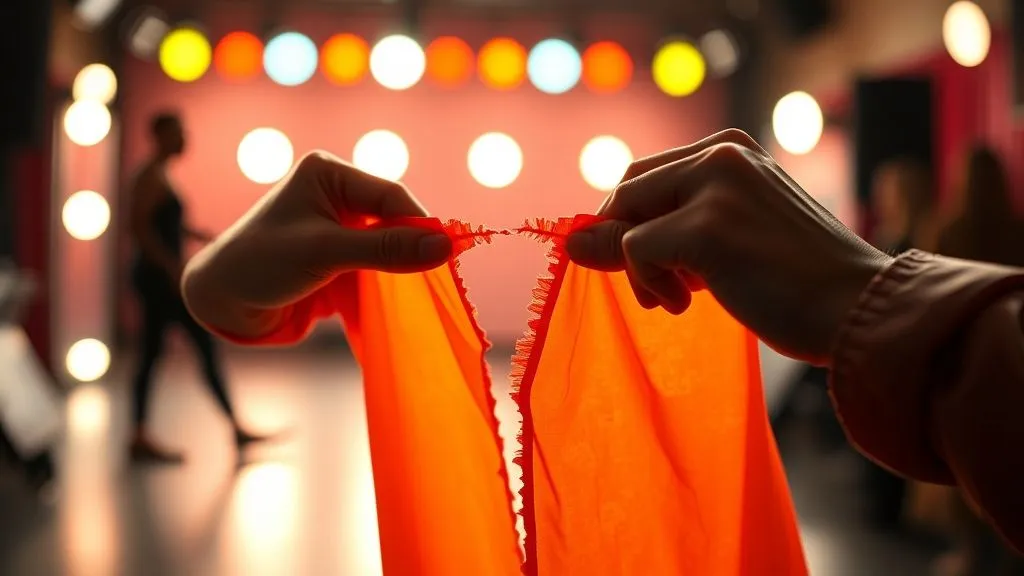
How to Select Tear-Away Fabrics for Quick Costume Change Effects?
For over two decades in the demanding world of costume design, I've witnessed the exhilarating highs of a perfectly executed quick change and the agonizing lows of a fabric malfunction. There’s nothing quite like the collective gasp of an audience when a performer transforms in a blink, but behind that magic lies meticulous planning, particularly in the selection of tear-away fabrics. I've seen countless hours of rehearsal crumble in seconds because the chosen material either refused to tear or, worse, tore prematurely and unevenly.
The challenge isn't just about finding a fabric that 'rips.' It's about finding one that rips *on cue*, *cleanly*, *safely*, and *consistently*, under immense pressure. Performers need to trust their costumes implicitly. A fabric that snags, frays dramatically, or requires excessive force can not only ruin a moment but also endanger a performer, causing falls or missed cues. This isn't merely about aesthetics; it's about engineering a theatrical moment with textile science.
In this definitive guide, I'll walk you through the nuanced art and science of selecting tear-away fabrics for quick costume change effects. We'll delve into specific material properties, explore the critical performance factors you must consider, uncover ingenious engineering techniques for controlled breaks, and establish rigorous testing protocols to ensure your quick changes are nothing short of spectacular, every single time. Prepare to elevate your costume design game with insights gleaned from years in the trenches.
Understanding the Anatomy of a Tear-Away Fabric
Before we dive into specific materials, it's crucial to understand what makes a fabric 'tear-away' in the first place. It's not a mystical property; it's a deliberate manipulation of textile structure and fiber strength.
The Science of Controlled Weakness
At its core, a tear-away fabric is designed to fail predictably. This 'controlled weakness' is achieved by several factors:
- Fiber Type: Certain natural fibers like cotton or rayon tend to have lower individual fiber strength compared to synthetics like nylon or polyester, making them easier to break.
- Weave Structure: Looser weaves, like plain weave or gauze, offer less resistance to tearing than tightly packed twills or satins. A fabric's warp and weft threads contribute differently to its tear strength.
- Thread Count: A lower thread count generally means fewer fibers per square inch, resulting in less material to resist a tear.
- Yarn Twist: Loosely twisted yarns break apart more easily than tightly twisted ones, which have higher tensile strength.
"The secret to a successful tear-away isn't just a weak fabric, but a fabric whose weakness is perfectly understood and engineered for a specific theatrical moment." - An essential insight I've learned over the years.
According to textile science, tear strength is defined as the resistance of a fabric to tearing, often measured by the force required to propagate a tear. This is distinct from tensile strength, which is the force required to break a fabric under tension. For tear-away effects, we're primarily concerned with tear strength along a predetermined line, often against the grain of the weave.
Primary Fabric Types: When to Rip, When to Shear
Choosing the right base material is your first critical step. Each fiber type brings its own characteristics to the quick change effect.
Natural Fibers: Cotton & Linen Blends
My go-to for many tear-away effects are natural fibers, especially certain cottons and linen blends. They offer a satisfying, audible rip and a relatively clean break.
- Lightweight Cotton Sheeting/Muslin: Excellent for large, dramatic tears. It rips easily, but can fray if not properly prepared. Best for effects where a slightly 'ragged' edge is acceptable or where the torn edge is quickly hidden.
- Linen Blends: Offer a crisp tear, often with less fraying than pure cotton, due to the longer, stronger linen fibers, but can be more expensive. Ideal for period costumes where a natural look is desired.
- Rayon: While technically a regenerated cellulose fiber, it behaves much like a natural fiber in its tear properties. It drapes beautifully and can create a very fluid, dramatic tear. It's often used for effects requiring a soft, flowing movement after the tear.
Synthetics: Silk Blends & Specialty Wovens
Synthetics present a different challenge and opportunity. Pure synthetics like nylon or polyester are generally very strong and resistant to tearing. However, blends and specific weaves can be engineered.
- Silk Blends: A silk/rayon blend, for instance, can offer the luxurious feel of silk with the controlled tearability of rayon. Pure silk, while beautiful, is incredibly strong for its weight and can be difficult to tear predictably without specific engineering.
- Specialty Wovens: Some manufacturers produce fabrics specifically designed for theatrical breakaway effects. These often have a weakened warp or weft thread, or a specific weave pattern that encourages a clean tear along a particular line. These are often proprietary and can be pricier but offer unparalleled reliability.
When considering fabric choices, always think about the visual and auditory impact you want to achieve. A crisp, loud rip for a dramatic reveal, or a soft, silent shear for a more subtle transformation? The fabric choice dictates this.
Critical Performance Factors: Beyond Just 'Tearing'
Selecting a tear-away fabric isn't just about its ability to separate. It's about how it performs under pressure, visually, audibly, and tactilely.
Tear Strength vs. Tensile Strength
I cannot stress this enough: these are not the same. Tear strength is what we need for a quick change; the ability to propagate a rip. Tensile strength is the fabric's resistance to being pulled apart. A fabric with high tensile strength but engineered low tear strength in a specific direction is ideal. For example, a heavy canvas might have high tensile strength, but if a seam is made with very weak thread, it creates a tear-away point. Understanding this distinction is fundamental to preventing accidental tears during normal wear while ensuring the fabric gives way when needed.
Clean Break & Minimal Fraying
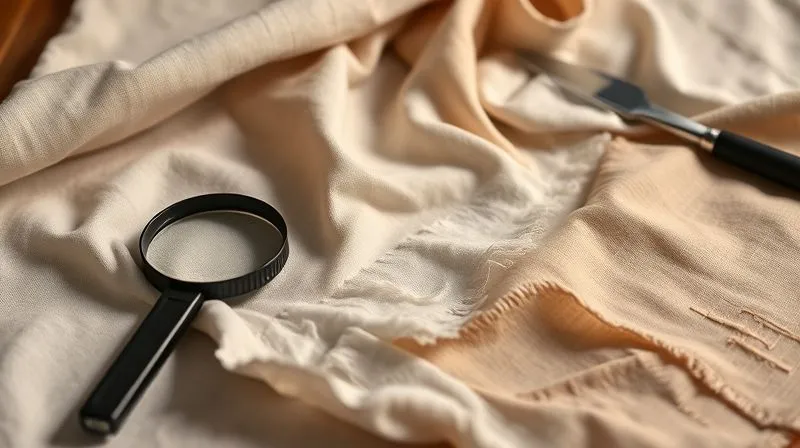
A clean, predictable break is paramount. Nothing ruins a magical moment faster than a jagged, messy tear with excessive fraying that snags on the performer or other costume elements. Some fabrics, particularly loosely woven cottons, can fray quite a bit. Solutions include:
- Edge Treatments: Applying a thin line of fabric glue (like Fray Check) along the tear line *after* the tear, or using a very fine, heat-sealable synthetic fabric that melts cleanly.
- Strategic Underlays: Backing the tear-away fabric with a thin, non-fraying material that is also designed to tear easily can help contain loose threads.
Audibility & Visual Impact
Consider the sound. A loud, sharp rip can be incredibly effective for a dramatic reveal, while a silent, smooth separation is better for a subtle transformation. Test your fabrics not just for tearability, but for the sound they make. Visually, how does the torn edge look? Does it need to be hidden instantly, or is a visible, clean tear part of the effect?
| Factor | Importance for Quick Change | Impact of Failure |
|---|---|---|
| Tear Strength | Critical: Must give way with controlled force | Performer struggles, missed cue, potential injury |
| Tensile Strength | High: Must withstand normal wear until cue | Costume rips prematurely during performance |
| Clean Break | Critical: Aesthetically pleasing, prevents snags | Messy appearance, performer entanglement |
| Audibility | Medium-High: Contributes to dramatic effect | Lackluster impact, audience confusion |
| Fraying | High: Must be minimal to avoid snags and maintain look | Unsightly, can cause entanglement or damage |
Engineering the Break: Attachment Methods and Weak Points
Once you've selected your fabric, the next step is engineering *how* it tears. This involves strategic attachment methods and creating specific weak points.
Velcro & Snaps: The Classic Approach
For many years, Velcro (hook-and-loop fasteners) and snaps have been the workhorses of quick changes. They are reliable and relatively easy to work with.
- Velcro: Excellent for large, fast releases. The key is to use the right strength. Too strong, and the performer struggles; too weak, and it opens prematurely. I often use a narrower strip of Velcro than the seam width to ensure it gives way cleanly.
- Snaps: Best for smaller, more precise releases. They require a bit more dexterity from the performer but offer a very clean, discrete release. Often used in conjunction with a tear-away seam.
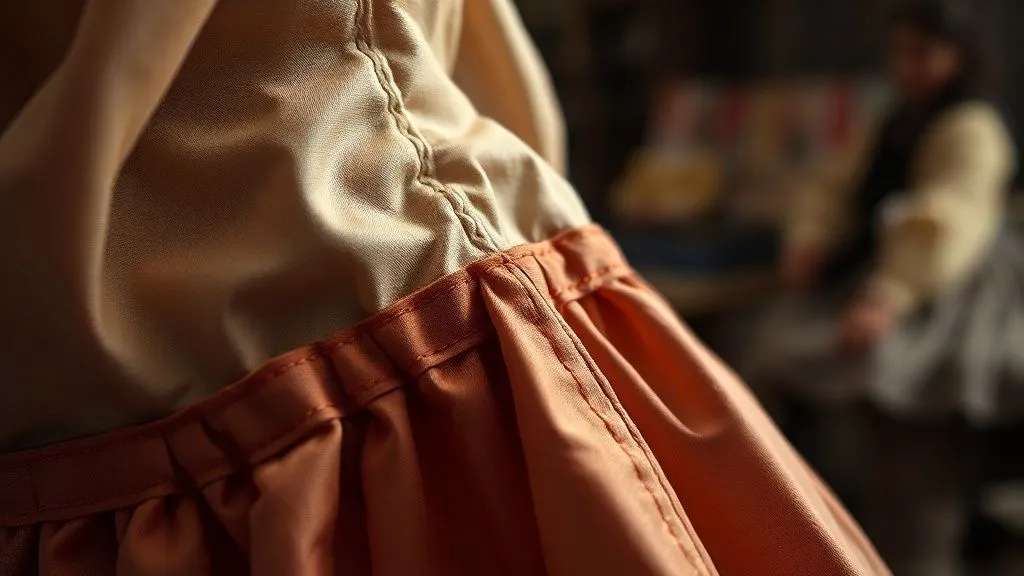
Strategic Stitching: Shear Points & Breakaway Seams
This is where true costume engineering shines. Instead of simply attaching two pieces, you're creating a seam designed to break.
- Use Weak Thread: Sew the tear-away seam with a thread significantly weaker than the main costume construction. Silk thread, or even a single strand of embroidery floss, can work.
- Long Stitch Length: A longer stitch length (e.g., 4-5 stitches per inch) creates fewer points of resistance, making the seam easier to tear.
- Chain Stitch: If using a sewing machine, a chain stitch can be incredibly effective. It's strong enough to hold until pulled, but then unravels quickly and cleanly.
- Reinforced Edges: The fabric on either side of the tear-away seam should be reinforced (e.g., with interfacing or a double layer) to ensure the fabric itself doesn't tear, but only the seam gives way.
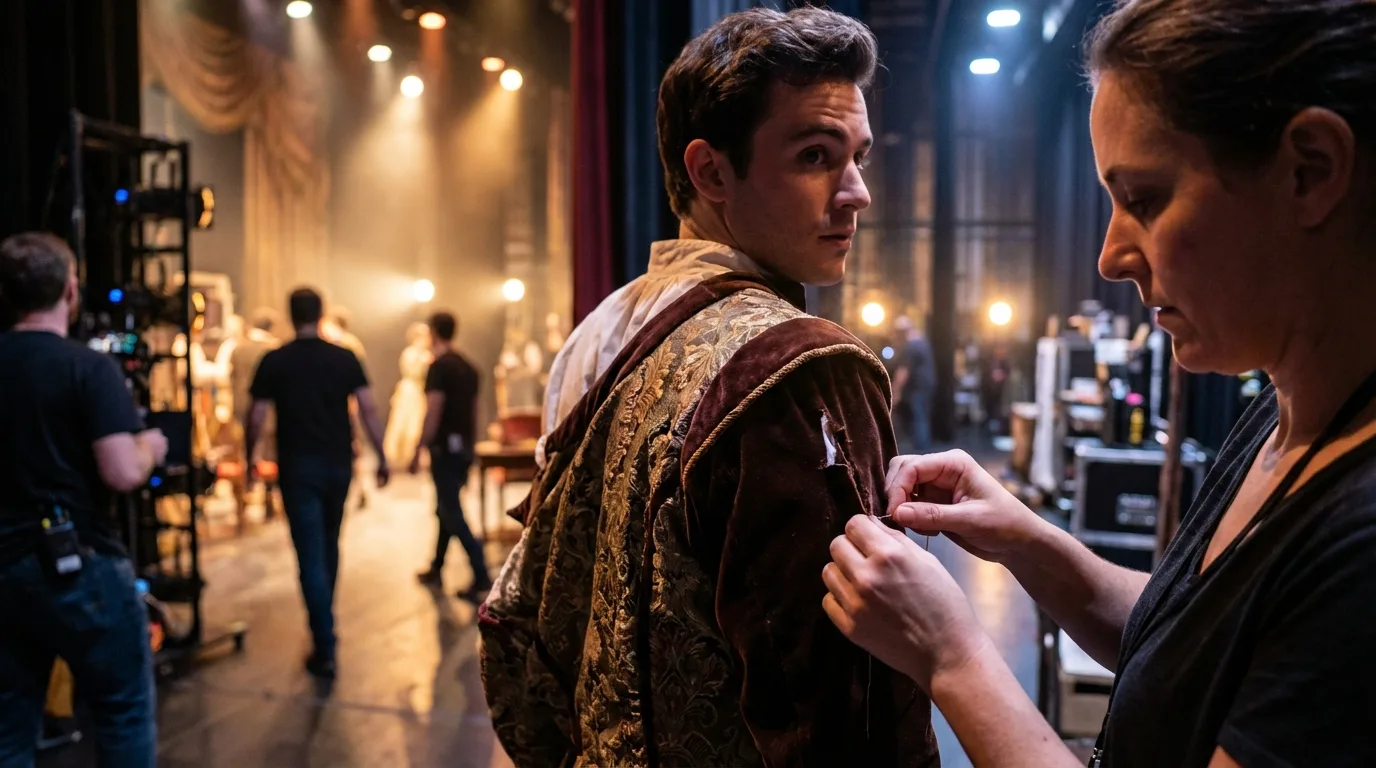
I once worked on a production where a performer needed to dramatically 'shed' a heavy cloak. We used a combination of strategically placed breakaway seams sewn with a single strand of weak cotton thread and hidden Velcro tabs. The effect was seamless and powerful, giving the illusion that the cloak simply disintegrated. This level of detail is what separates a good quick change from a truly magical one.
Magnetic Closures & Hidden Zippers
For more sophisticated or subtle quick changes, magnets can be invaluable. Small, powerful neodymium magnets can be sewn into seams or under fabric flaps. They offer a very clean, silent release. Hidden zippers, especially those with an easy-pull tab, can also facilitate quick changes, though they require more precise movement from the performer than a simple tear.
Testing Protocols: Ensuring Flawless Execution Every Time
You can design the most ingenious tear-away costume, but without rigorous testing, it's just a gamble. This is where trust is built, both for you and the performer.
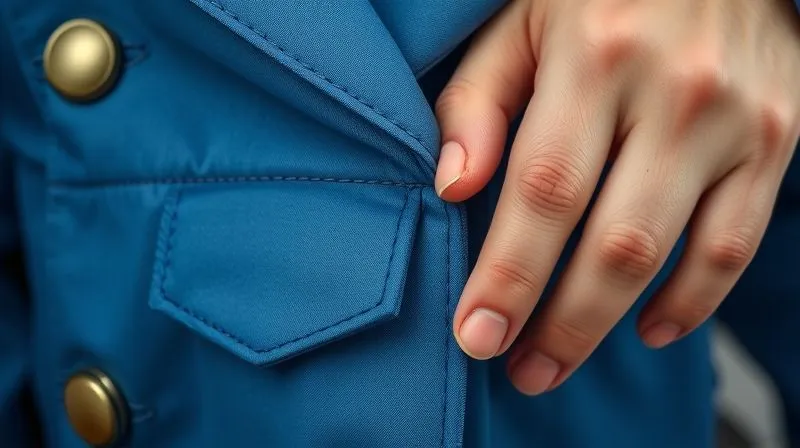
The 'Dress Rehearsal' Tear Test
My golden rule: never send a tear-away costume to stage without extensive testing. This isn't just a quick tug; it's a full simulation.
- Test with the Performer: The person who will be wearing and tearing the costume *must* be involved in the testing. Their strength, technique, and movement patterns are unique.
- Full Costume & Blocking: Test the quick change within the context of the full costume, props, and stage blocking. Are there any snags? Is the performer's hand position correct?
- Multiple Repetitions: Don't just test once. Perform the tear 5-10 times consecutively. Does the fabric hold up? Does the tear remain consistent? Does the performer tire?
- Varying Conditions: If possible, test under stage lights, in backstage conditions (low light, crowded), and with the adrenaline of a live performance scenario.
Consistency and Performer Practice
The tear-away mechanism must be consistent. If a certain amount of force is required on Tuesday, the same amount should be needed on Saturday. Any deviation means further adjustment. Performers also need ample practice. The quick change should become muscle memory, performed without thought. This reduces errors and increases safety. As Forbes often highlights in discussions of mastery, consistent practice is the bedrock of flawless execution.
Case Study: The Grand Illusionist's Disappearing Act
A renowned illusionist needed to seemingly vanish from a stage, leaving behind a tattered cloak. The effect relied on a complex quick change where the cloak, initially sturdy, needed to be torn apart by two assistants in a split second. Early tests with standard muslin resulted in inconsistent tears and unsightly fraying, often snagging on the illusionist's hidden harness. By implementing the three-step testing protocol I described above, the costume team discovered that a specific rayon-linen blend, reinforced with a heat-sealed backing along the tear lines, provided the perfect balance of tearability and clean break. They also discovered that the assistants needed to practice their tear technique together, ensuring synchronized force. This resulted in a consistently clean, dramatic tear that elevated the illusion, making the vanishing act truly breathtaking night after night.
Safety First: Mitigating Risks for Performers
Beyond the theatrical spectacle, performer safety is non-negotiable. A poorly designed tear-away can cause serious issues.
Avoiding Snags and Entanglement
Ensure that all torn edges, exposed Velcro, or loose threads are managed. Fraying can easily snag on other costume elements, props, or even the performer's hair or skin. Consider:
- Lining: A smooth lining can prevent internal snags.
- Seam Allowance: Generous seam allowances can be used to contain fraying within the garment.
- Post-Tear Management: Design the costume so that the torn pieces fall away completely or are neatly contained and secured instantly.
Skin Protection and Fabric Allergies
When skin is exposed during a quick change, ensure the fabric is soft and non-abrasive. Some performers have sensitivities or allergies to certain synthetic dyes or finishes. Always use hypoallergenic materials where direct skin contact is likely after a tear. This is particularly important for costumes worn by dancers or those with extensive choreography. Reputable textile associations, such as Oeko-Tex, provide certifications for textiles tested for harmful substances.
Emergency Release Protocols
In rare but critical situations, a costume might need to be removed instantly for safety. While not directly related to tear-away effects, it's a parallel consideration. Ensure that there are easily identifiable emergency release points (e.g., specific Velcro tabs, quick-release snaps) that stage crew can access if a performer gets trapped or injured.
Beyond the Basics: Advanced Techniques and Material Innovations
The world of costume design is ever-evolving, and so are the technologies available for tear-away effects. Staying informed can open up new creative possibilities.
Dissolvable Stitches and Fusible Webs
Imagine stitches that simply vanish. Dissolvable threads, often made from water-soluble polymers, can be used for temporary seams that disappear with a spray of water or steam, or even just body heat and sweat. This is particularly fascinating for effects where the costume needs to 'melt away' or transform subtly without a visible tear. Similarly, fusible webs can be used for temporary bonds that can be pulled apart with controlled force, leaving minimal residue.
Smart Fabrics and Programmable Tears
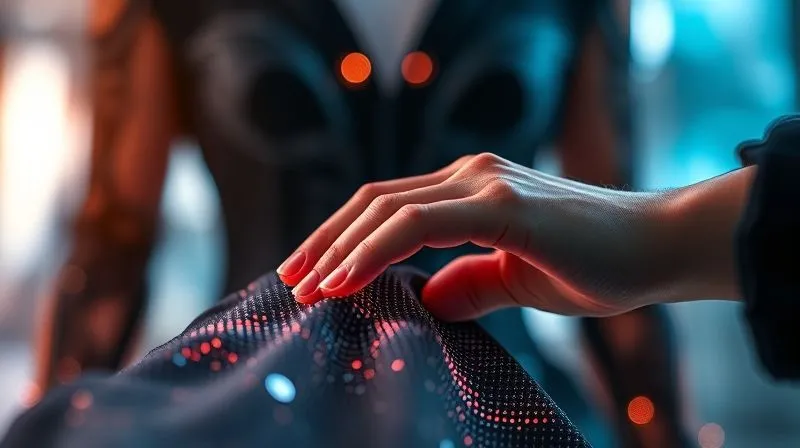
While still emerging, smart textiles offer a glimpse into the future. Fabrics embedded with micro-sensors or shape-memory alloys could potentially be programmed to tear or separate in response to specific cues (e.g., a specific pressure, a remote signal). This could allow for incredibly precise, repeatable, and automated quick changes, though the cost and complexity are currently prohibitive for most theatrical applications. Nevertheless, keeping an eye on these innovations, as discussed by experts in textile technology journals, is crucial for future-proofing your skills.
| Technique/Material | Mechanism | Best Use Case |
|---|---|---|
| Dissolvable Stitches | Water-soluble polymer thread | Subtle, 'melting' transformations, non-forceful release |
| Fusible Webs | Heat-activated adhesive layer | Temporary bonds for controlled peel-away effects |
| Smart Fabrics (Emerging) | Embedded sensors/actuators | Automated, highly precise, programmable tears (future) |
| Weak Thread Seams | Low-tensile-strength thread in specific seams | Dramatic, forceful tears; reliable and cost-effective |
| Velcro/Snaps | Mechanical fasteners | Versatile, quick, visible or hidden releases |
Frequently Asked Questions (FAQ)
Q: Can any fabric be made into a tear-away fabric? A: While almost any fabric can be *made* to tear with enough force or strategic weakening, not all fabrics are suitable for *controlled* tear-away effects. Fabrics with very high tensile strength (like denim or heavy canvas) or those that fray excessively (like loosely woven tweeds) are generally poor choices. The ideal tear-away fabric has a relatively low tear strength in a specific direction, combined with good overall integrity.
Q: How do I prevent tear-away seams from accidentally opening during a performance? A: This is a common concern. The key is to balance tearability with security. Use a thread that is strong enough to withstand normal movement but weak enough to break with a specific, intentional pull. Often, a combination of methods works best: for instance, a breakaway seam reinforced with a small, hidden snap or a piece of low-tack theatrical tape that the performer can easily remove before the tear. Rigorous testing with the performer in full costume is crucial to find this balance.
Q: What's the best way to repair a tear-away costume for repeat performances? A: For breakaway seams, simply re-sew them using the same weak thread and stitch length. For fabrics that physically tear, the challenge is greater. If the tear is part of the effect and needs to be replaced, you'll need to cut out the torn section and replace it with a new piece, carefully matching the grain and pattern. For Velcro or snaps, inspect them for wear and replace as needed. Always have spare fabric and components on hand.
Q: Are there eco-friendly options for tear-away fabrics? A: Absolutely. Given the focus on sustainability, many designers are exploring options. Organic cotton, linen, and Tencel (a type of rayon made from wood pulp) are good natural fiber choices that are generally easier to tear. For temporary closures, consider reusable snaps or magnets over single-use adhesives. The goal is to minimize waste, and careful material selection and design can contribute significantly to this.
Q: How does the weight or drape of a fabric affect its tear-away potential? A: Fabric weight and drape are crucial. Heavier, stiffer fabrics (like heavy canvas) will require more force to tear and might not produce a clean break, often leaving jagged edges. Lighter, more fluid fabrics (like chiffon or light rayon) will tear more easily and often with a softer, less dramatic sound. The drape affects how the torn pieces fall away, which is a key visual element of the quick change. Always consider the aesthetic outcome alongside the mechanical tearability.
Key Takeaways and Final Thoughts
Mastering the art of tear-away fabrics for quick costume changes is a hallmark of an experienced costume designer. It’s a blend of textile knowledge, engineering prowess, and a deep understanding of theatrical demands. To recap the most critical elements:
- Understand Your Materials: Differentiate between fiber types, weaves, and their inherent tear strengths.
- Engineer the Break: Don't just rely on the fabric; design the tear with strategic stitching, closures, and weak points.
- Test, Test, Test: Rigorous, performer-involved testing is non-negotiable for safety and reliability.
- Prioritize Safety: Always design with the performer's well-being at the forefront, preventing snags and ensuring clean releases.
- Stay Curious: Keep an eye on new textile innovations that can expand your creative toolkit.
The magic of a quick change lies in its apparent effortlessness. By meticulously selecting and engineering your tear-away fabrics, you're not just creating a costume; you're crafting an unforgettable moment of theatrical illusion. Embrace the challenge, experiment wisely, and you'll find yourself creating quick changes that leave audiences gasping in wonder, perfectly executed every single time.
Recommended Reading
- Ultimate Guide: What Innovative Fabrics Minimize Odor in Men's Activewear?
- Ultimate Guide: Best Men's Skincare Routine for Sensitive Skin
- Unlock Transparency: 7 Steps to Audit Cruelty-Free Fashion Supply Chains
- Client Rejects All Flattering Styles? 7 Expert Steps to Realign
- The Ultimate Secret to Effortlessly Transitioning Outfits for Busy Women

Your email address will not be published. Required fields are marked *