

How to Flawlessly Execute Complex Haute Couture Artistry?
For over two decades immersed in the rarefied world of haute couture, I've witnessed the profound dedication required to bring a designer's vision to life. It’s a realm where dreams are spun into fabric, but the path from concept to creation is paved with immense technical challenges and an unwavering demand for perfection. The true magic lies not just in the initial spark of an idea, but in the meticulous, often invisible, artistry of its execution.
Many aspiring artisans and even seasoned professionals grapple with the sheer complexity involved in translating an ethereal design into a tangible, wearable masterpiece. The intricate details, the unforgiving nature of luxury materials, and the need for absolute precision can be daunting. It’s a constant battle against gravity, expectation, and the limits of human dexterity, where a single misplaced stitch can compromise the entire garment's integrity.
In this definitive guide, I will share the invaluable insights and actionable frameworks I've cultivated over my career, detailing the systematic approach required to flawlessly execute complex haute couture artistry. We'll explore everything from the foundational blueprint to the final, exquisite polish, ensuring your creations embody the pinnacle of high fashion craftsmanship. Prepare to elevate your understanding and mastery of this extraordinary art form.
1. The Unseen Blueprint: Meticulous Planning & Design Deconstruction
Before a single stitch is made, the true artistry of haute couture begins with an exhaustive planning phase. This isn't merely about sketching a beautiful design; it’s about deconstructing every element to understand its structural and aesthetic demands. I've seen countless projects falter because this critical initial step was rushed or underestimated.
From Sketch to Technical Drawing: Precision in Translation
The designer's initial sketch, however evocative, is just the starting point. Our role as artisans is to translate this artistic vision into a precise, executable plan. This involves creating detailed technical drawings, comprehensive pattern-making, and often, multiple toile iterations in a less precious fabric. Each seam, dart, and design line must be meticulously mapped out, considering the body's contours and the garment's intended movement.
"In haute couture, the blueprint is as much a work of art as the finished garment. Its thoroughness dictates the success of every subsequent step."<
Material Selection and Sourcing: The Foundation of Excellence
The choice of fabric and embellishments is paramount, directly influencing the construction techniques and the garment's final drape. Sourcing rare silks, intricate laces, exotic feathers, or bespoke embroideries requires an intimate knowledge of materials and their unique properties. A fabric's weight, weave, and handle dictate how it will respond to manipulation, informing every decision from seam finishes to interlining choices.
Understanding material behavior is crucial. For instance, working with delicate chiffon demands a different approach than handling structured duchess satin. According to a study by the Business of Fashion, the scarcity and unique properties of materials contribute significantly to couture's exclusivity and complexity. This phase also includes careful calculations for fabric yield, ensuring minimal waste of precious materials.

2. Mastering the Hands: Foundational Couture Techniques
At the heart of haute couture lies an unparalleled mastery of hand techniques. While machines assist in certain areas, the soul of a couture garment resides in its hand-finishing, which offers a level of precision and subtlety machines simply cannot replicate. This is where the artisan's touch truly transforms fabric into art.
Precision Hand-Stitching: The Invisible Art
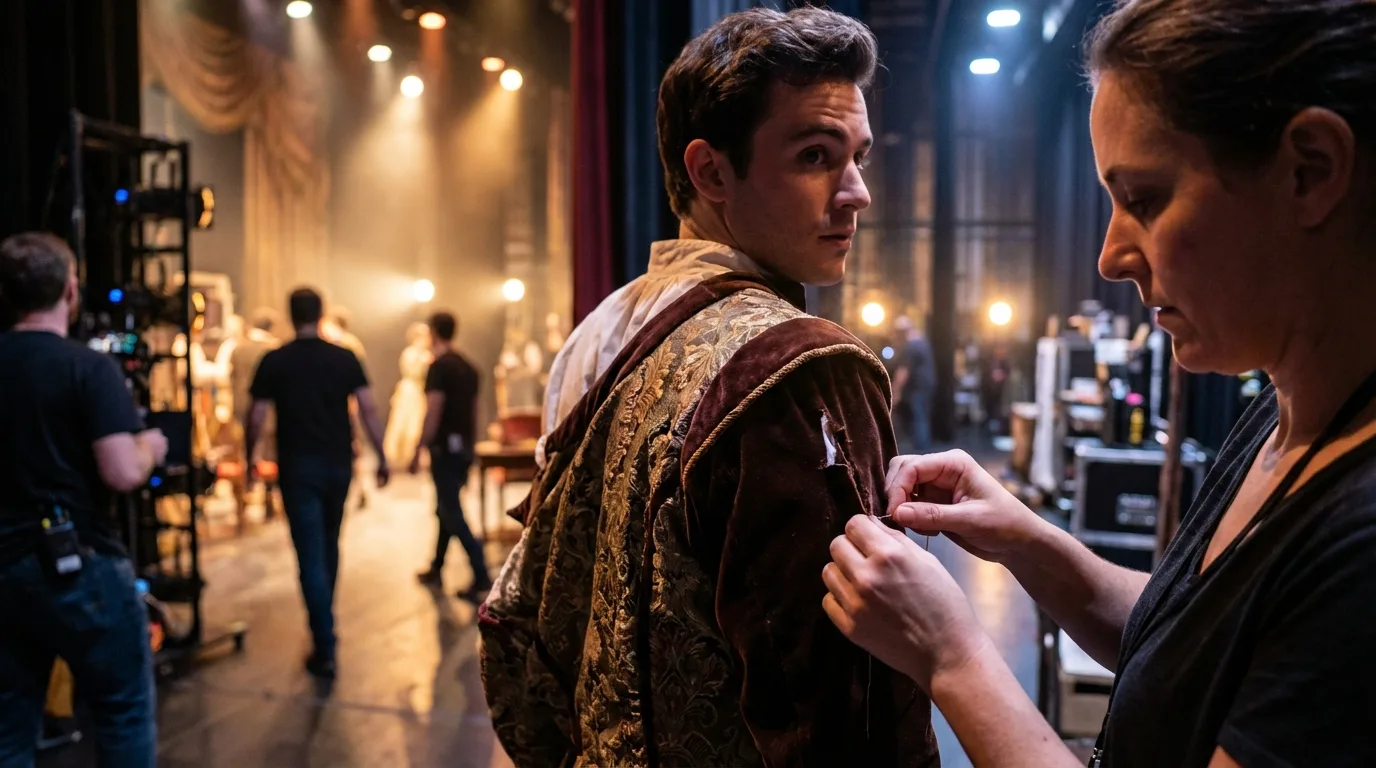
Couture hand-stitching is about more than just joining fabric; it's about creating invisible seams, perfectly aligned patterns, and a garment that feels as exquisite as it looks. Techniques like the point de Paris, a tiny, almost imperceptible stitch used for attaching linings, or the meticulous application of a felled seam, ensure durability and a flawless interior finish. I've always emphasized that the inside of a couture garment should be as beautiful as the outside.
- Prepare Your Needle and Thread: Use a fine needle appropriate for your fabric, and condition your silk or cotton thread with beeswax for strength and smooth passage.
- Mark Your Stitch Line: Use tailor's tacks or a fine chalk pencil to precisely mark your seam allowance or hemline.
- Execute the Point de Paris (Example): Take a tiny stitch (1-2mm) through the main fabric, then a slightly larger stitch (3-4mm) through the lining or facing, catching only a few threads. Pull snugly but not tightly.
- Maintain Even Tension: Consistent tension is crucial for a smooth, pucker-free finish. Practice on scraps to achieve uniform stitch length and tension.
- Press Meticulously: After each section of hand-stitching, press carefully to meld the stitches into the fabric, enhancing their invisibility.
Draping and Sculpting on the Form: Bringing Volume to Life
Draping is an intuitive, three-dimensional approach to pattern making, particularly vital for complex silhouettes and fluid designs. It involves manipulating fabric directly on a dress form, allowing the artisan to sculpt the garment, understand its flow, and visualize how it will move with the body. This technique is indispensable for achieving the perfect balance, proportion, and volume in a couture piece.
3. The Art of Embellishment: Beyond the Surface
Embellishment in haute couture is not an afterthought; it is an integral part of the design, often dictating the garment's structure and form. It transforms fabric into a canvas, adding depth, texture, and a narrative to the piece. This is where immense patience and specialized skills come into play.
Embroidery: The Language of Threads and Beads
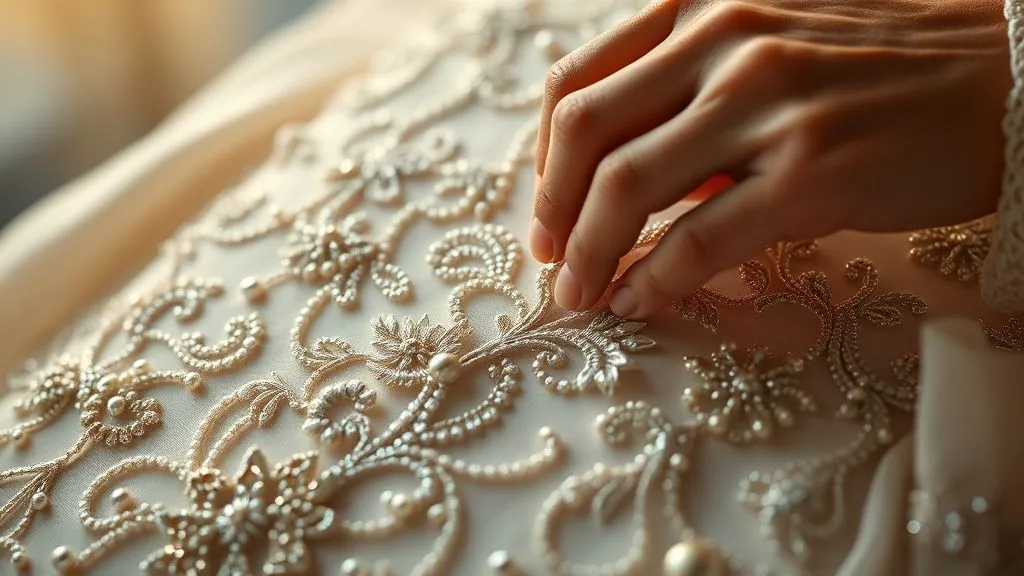
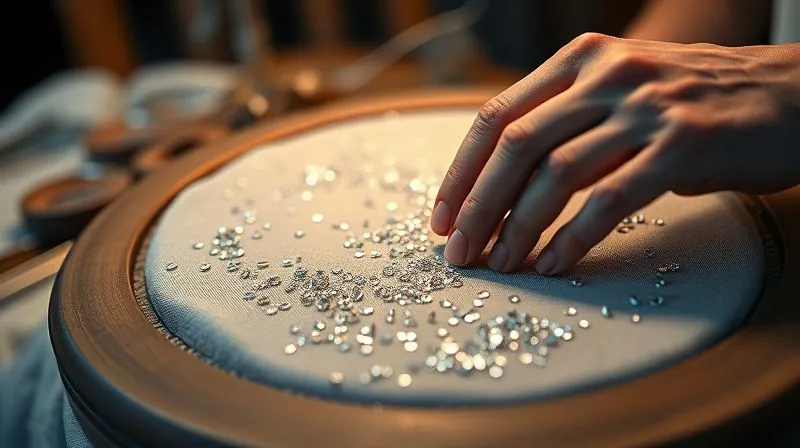
Couture embroidery, particularly techniques like tambour beading (crochet de Lunéville), is a highly specialized craft. It involves using a hook to apply beads, sequins, and threads from the underside of the fabric, creating intricate patterns with astonishing speed and precision. The renowned ateliers like Maison Lesage have perfected this art over generations, demonstrating how threads and beads can create illusions of light, shadow, and movement.
Featherwork, Appliqué, and Pleating: Adding Dimension
Beyond traditional embroidery, couture often incorporates delicate featherwork, meticulously hand-cut and applied appliqués, and complex pleating techniques. Featherwork, for instance, requires an understanding of feather types, their natural curl, and how to arrange them to create volume or a smooth, shimmering surface. Each feather is often trimmed and applied individually, a testament to the dedication involved. Similarly, intricate pleating can transform a flat fabric into a sculptural masterpiece, requiring specialized machinery and expert hand-finishing.
Case Study: How Atelier Lumina Mastered the 'Celestial Cascade'
Atelier Lumina, a boutique couture house, faced a monumental challenge with their 'Celestial Cascade' gown, which featured thousands of iridescent sequins and micro-beads cascading down a sheer silk organza. The initial samples showed sagging and distortion due to the embellishment's weight. By implementing a multi-layered approach – first, reinforcing the organza with an invisible silk tulle interlining, and second, distributing the embellishment weight across strategically placed, hand-stitched internal channels – they achieved a flawless, weightless appearance. This resulted in a gown that shimmered beautifully without any structural compromise, earning rave reviews for its ethereal quality and technical brilliance.
4. Structural Integrity: The Hidden Architecture of Couture
The flawless drape and silhouette of a haute couture garment are not accidental; they are the result of sophisticated internal architecture. This hidden framework provides shape, support, and ensures the garment moves gracefully with the wearer. Without it, even the most beautiful fabrics would lose their intended form.
Boning, Corsetry, and Underpinnings: The Unseen Support System
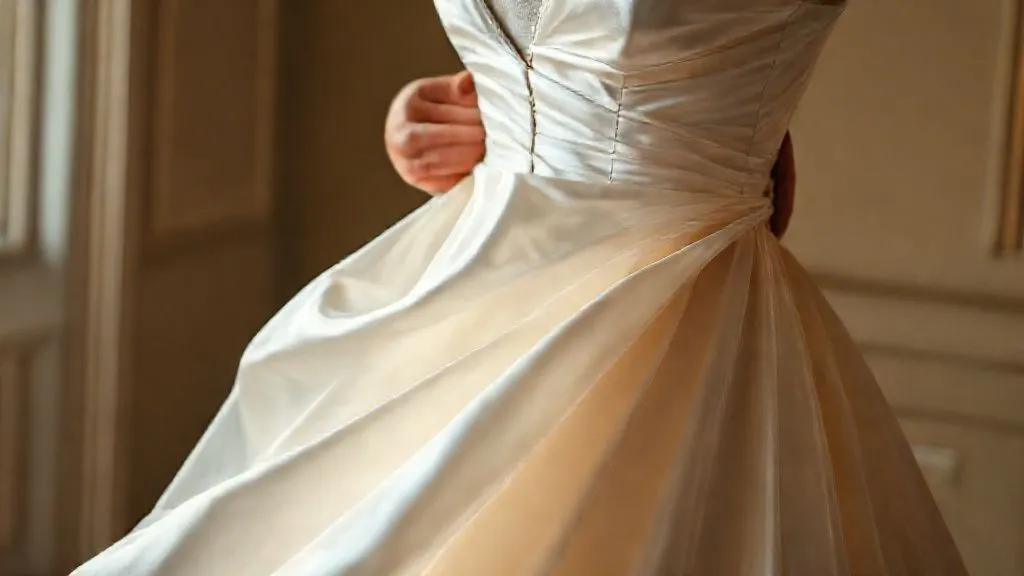
Many couture pieces, especially evening gowns and bridal wear, rely on expertly constructed internal corsetry and boning. This isn't about discomfort; it's about sculpting the body, providing support, and creating the desired silhouette. Each bone is precisely cut, tipped, and encased, then hand-stitched into channels within the lining, ensuring smooth lines and maximum comfort. The placement and tension of these underpinnings are critical for achieving the garment's intended shape and maintaining its integrity over time.
Weight Distribution and Balance: Engineering the Garment
Complex couture garments, particularly those heavily embellished, can be surprisingly heavy. A key aspect of flawless execution is the intelligent distribution of this weight to prevent sagging, pulling, or discomfort for the wearer. This often involves engineering internal structures, using specific interlinings, or even subtly integrating counterweights. As textile engineer Dr. Anya Sharma notes in her research on garment mechanics, "The true genius of couture lies in its ability to defy gravity, making heavy materials appear light and fluid through masterful internal construction." This engineering ensures the garment’s balance, allowing it to move harmoniously with the body, rather than against it.
5. The Collaborative Symphony: Teamwork in the Atelier
No single artisan, however skilled, can flawlessly execute complex haute couture artistry alone. The atelier functions as a highly specialized ecosystem, where each member plays a crucial role, and seamless collaboration is paramount. I've always likened it to an orchestra, where every instrument contributes to the final, harmonious melody.
Role of the Head Seamstress (Première d'atelier)
The Première d'atelier, or head seamstress, is the linchpin of this process. They are not only master technicians but also exceptional leaders, translating the designer's vision into practical steps for the team. They oversee pattern cutting, garment construction, and quality control, ensuring every detail meets the exacting standards of haute couture. Their experience allows them to anticipate challenges and guide the team through complex technical hurdles.
Communication and Quality Control: The Pillars of Precision
Open and precise communication within the atelier is non-negotiable. Regular fittings, technical meetings, and clear delegation of tasks ensure everyone is aligned with the vision and execution plan. Quality control is an ongoing process, not just a final check. Each section of the garment is inspected at various stages, identifying and rectifying any imperfections immediately. This iterative process of review and refinement is what guarantees the flawless finish. For further insights on fostering creative collaboration, I often recommend articles from the Harvard Business Review on team dynamics in creative industries.
| Role | Key Responsibilities |
|---|---|
| Première d'atelier | Translates design, oversees construction, quality control, team leadership |
| Flou Seamstress | Specializes in delicate fabrics (chiffon, organza), draping, soft construction |
| Tailleur Seamstress | Specializes in structured garments (suits, coats), precise tailoring, interlining |
| Embroiderer/Beader | Applies intricate embellishments, tambour work, beadwork, featherwork |
| Pattern Maker | Creates and refines patterns, toiles, ensures fit and proportion |
6. Innovation and Problem-Solving: When the Unforeseen Arises
Even with the most meticulous planning, haute couture is an art of constant evolution and adaptation. Designers push boundaries, demanding new techniques or material combinations that have never been attempted. This is where an artisan's capacity for innovation and problem-solving becomes invaluable. I've learned that true mastery isn't just about following rules, but knowing when and how to invent new ones.
Adapting Techniques to New Materials: Pushing Boundaries
The couture world constantly experiments with unconventional materials, from laser-cut metallics to recycled plastics, demanding new approaches to construction. Traditional hand-stitching might not work on certain synthetic leathers, requiring innovative bonding methods or specialized tools. This adaptation often involves extensive experimentation, testing different adhesives, stitching patterns, or heat-setting techniques to achieve the desired effect without compromising the material's integrity or the garment's longevity.
"Every challenge in haute couture is an invitation to innovate, to redefine what's possible with needle and thread, or beyond."
Creative Solutions for Technical Hurdles: The Artisan's Ingenuity
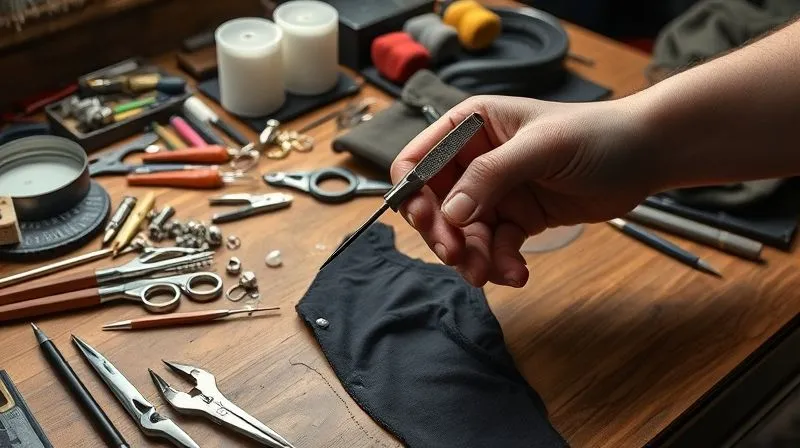
It's inevitable that technical hurdles will arise – a fabric that behaves unexpectedly, an embellishment that doesn't lay flat, or a silhouette that resists its intended form. This is where the artisan's ingenuity shines. It might involve devising a custom tool, inventing a new internal support structure, or combining disparate techniques in novel ways. These solutions are often born from a deep understanding of textile science, garment engineering, and a relentless pursuit of perfection. This iterative process of identifying a problem, brainstorming solutions, prototyping, and refining is central to achieving a truly flawless finish.
7. The Final Polish: Fit, Finish, and Presentation
The journey to flawlessly execute complex haute couture artistry culminates in the final stages of fitting, finishing, and presentation. These steps are where the garment truly comes alive, transforming from a meticulously constructed piece into a bespoke work of art that perfectly adorns its wearer. This is the moment where months of dedication are revealed.
Bespoke Fitting Sessions: Sculpting to the Body
Haute couture is synonymous with bespoke fit. Multiple fitting sessions with the client are crucial, allowing the garment to be sculpted directly onto their body. These sessions are not just about minor adjustments; they are opportunities to refine proportions, balance, and movement, ensuring the garment flows seamlessly with the wearer's unique contours. Every seam, dart, and hem is meticulously adjusted, often by hand, to achieve an unparalleled level of personalization. This intimate process ensures the garment is not just worn, but truly inhabited.
Impeccable Finishing Touches: The Mark of True Luxury
The finishing touches are what elevate a couture garment beyond mere clothing. This includes perfectly hand-rolled hems, exquisite lining attachments, custom-made buttons or closures, and often, a hand-embroidered label. Every raw edge is enclosed, every seam is pressed flat, and every detail is considered. These are the details that are often hidden from plain sight but speak volumes about the garment's quality and the artisan's dedication. For an excellent perspective on the importance of these final details in luxury goods, consider articles from Forbes on brand perception and craftsmanship.
8. Preserving the Legacy: Documentation and Knowledge Transfer
The knowledge and techniques employed in haute couture are a precious legacy, passed down through generations. To ensure the continued excellence and innovation of this art form, systematic documentation and robust knowledge transfer mechanisms are essential. I believe that true mastery involves not just creating, but also preserving and teaching.
Archiving Techniques and Prototypes: A Living History
Every complex couture piece represents a wealth of technical problem-solving and artistic ingenuity. Documenting these processes – including detailed construction notes, fabric swatches, technical drawings, and photographs of key stages – creates an invaluable archive. Prototypes, or toiles, are also preserved, serving as physical records of the design evolution and technical solutions. This archive becomes a living history, a reference point for future creations, and a testament to the atelier's capabilities. It allows for the replication of complex techniques and the continuous improvement of processes.
Mentorship and Training the Next Generation: Securing the Future
The intricate skills of haute couture cannot be learned solely from books; they require hands-on mentorship within the atelier. Experienced artisans must dedicate time to training apprentices, sharing their deep knowledge of materials, techniques, and problem-solving strategies. This direct transmission of skills, often through years of apprenticeship, is vital for securing the future of haute couture. It ensures that the exacting standards and innovative spirit continue to thrive, preventing the loss of invaluable craftsmanship. This commitment to education is a hallmark of true haute couture houses, ensuring the lineage of artistry endures. You can find more on the importance of mentorship in specialized crafts at institutions like The Victoria and Albert Museum which often highlights craft preservation.
| Documentation Step | Purpose |
|---|---|
| Detailed Technical Drawings | Blueprint for construction, pattern reference |
| Fabric & Embellishment Swatches | Material reference, sourcing history |
| Construction Notes & Photos | Records specific techniques, problem-solving steps |
| Toile/Prototype Preservation | Physical record of fit, drape, and structural solutions |
| Client Fitting Notes | Record of bespoke adjustments, client preferences |
Frequently Asked Questions (FAQ)
How long does a typical haute couture piece take to create? The time required varies immensely depending on the complexity of the design, the materials used, and the extent of embellishment. Simple daywear pieces might take 100-200 hours, while an elaborate evening gown or bridal piece can easily require 800-1500 hours, or even more. The most intricate pieces, involving extensive hand-embroidery or featherwork, can take thousands of hours spread over several months.
What's the biggest challenge in working with unusual or experimental materials in haute couture? The primary challenge lies in understanding how these materials behave and adapting traditional techniques to suit their unique properties. Experimental materials often have unpredictable drape, stiffness, or heat sensitivity. This requires extensive testing, innovative bonding or stitching methods, and sometimes even custom-designed tools to manipulate them without damage, all while maintaining the couture standard of finish.
How do designers ensure the garment moves flawlessly with the wearer? Ensuring flawless movement is achieved through a combination of expert draping, precise pattern-making, strategic internal construction, and multiple bespoke fittings. The artisan must consider the natural movement of the body, the fabric's fluidity, and the garment's weight distribution. Techniques like invisible boning, carefully placed interlinings, and even subtle weighting can be used to control drape and ensure the garment flows harmoniously with the wearer.
What's the role of technology in traditional haute couture? While haute couture remains deeply rooted in hand craftsmanship, technology plays an increasing, albeit selective, role. CAD software can assist in pattern grading and visualization. Laser cutting might be used for precise appliqué shapes on certain materials. However, these tools are always in service of the hand, augmenting precision or efficiency in specific tasks, never replacing the artisan's touch or the intricate hand-finishing that defines couture.
How do you balance artistic vision with practical execution constraints in haute couture? This balance is a constant dialogue between the designer and the atelier. The Première d'atelier acts as a bridge, translating the artistic vision into technical feasibility. It often involves creative problem-solving, where the atelier proposes innovative construction methods or material adaptations to achieve the desired aesthetic. Sometimes, a slight modification to the design is necessary to ensure structural integrity and wearability, always with the aim of preserving the essence of the original vision.
Key Takeaways and Final Thoughts
- Meticulous Planning is Paramount: Deconstruct the design thoroughly, from technical drawings to material sourcing, before any physical work begins.
- Master Foundational Hand Techniques: Precision hand-stitching, draping, and sculpting are the bedrock of couture quality.
- Embrace Embellishment as Integral: Treat embellishment as a core design element, requiring specialized skills and meticulous application.
- Engineer for Structural Integrity: Understand and implement internal architecture like boning and weight distribution for perfect form and drape.
- Foster Collaborative Excellence: The atelier thrives on teamwork, clear communication, and continuous quality control under expert leadership.
- Cultivate Innovation and Problem-Solving: Be prepared to adapt techniques and invent solutions when faced with new materials or complex challenges.
- Prioritize Bespoke Fit and Flawless Finish: Multiple fittings and impeccable finishing touches define the luxury of haute couture.
- Preserve and Transfer Knowledge: Document processes and mentor new talent to ensure the legacy of this exquisite art form endures.
The journey to flawlessly execute complex haute couture artistry is a testament to patience, skill, and an unyielding passion for perfection. It demands not just technical prowess, but also a deep respect for materials, an eye for detail, and the collaborative spirit of the atelier. By embracing these principles, you are not merely creating garments; you are weaving dreams into reality, contributing to the timeless legacy of high fashion artistry. Continue to learn, to innovate, and to pour your heart into every stitch, for that is the true essence of couture.
Recommended Reading
- 7 Essential Steps: How to Prevent Heat Damage on Fragile, Color-Treated Hair
- Unlock Tomorrow's Looks: 5 Ways to Spot Pro Makeup Trends Early
- Insure Your Multi-Million Dollar Luxury Handbag Collection: 5 Expert Steps
- 7 Blockchain Strategies: Verify Fashion Sustainability Authentically
- 7 Design Features: Preventing Rapid Wear in Kids' Everyday Apparel


Your email address will not be published. Required fields are marked *