


How to Verify Fashion Sustainability with Blockchain Tech
For over 15 years in the fashion technology space, I've seen countless brands struggle with a fundamental problem: proving their sustainability claims. The industry, unfortunately, has a long history of 'greenwashing' – making unsubstantiated or misleading claims about environmental practices – which has severely eroded consumer trust. It's a challenging landscape where genuine efforts often get lost in the noise.
The core pain point for both brands and consumers lies in the opaqueness of global supply chains. From raw material sourcing to manufacturing processes and distribution, tracking a garment's true environmental and social footprint has been an almost impossible task. Without verifiable data, even well-intentioned brands find it hard to showcase their commitment, and consumers are left guessing who to trust.
This article isn't just another discussion about blockchain; it's a deep dive into actionable frameworks, real-world applications, and expert insights that will empower you to genuinely verify fashion sustainability with blockchain tech. We'll explore how this transformative technology can build an immutable bridge of trust between brands, suppliers, and the discerning consumer, offering a definitive solution to the industry's transparency crisis.
The Greenwashing Dilemma: Why Trust is Broken in Fashion
The fashion industry's complex, multi-tiered global supply chains are a breeding ground for opacity. A single garment can travel across continents, involving numerous suppliers, manufacturers, and distributors, each adding a layer of obscurity. This lack of visibility makes it incredibly difficult to verify claims about organic cotton, fair labor practices, or reduced carbon emissions.
Consumers are increasingly demanding transparency, but often face a wall of vague statements and marketing jargon. A 2023 survey by Deloitte revealed that nearly 60% of consumers are willing to pay more for sustainable products, yet only 30% fully trust brands' sustainability claims. This significant trust gap highlights the urgent need for a robust, verifiable system.
“In my experience, without a verifiable, immutable record, sustainability claims are just stories. Blockchain offers the potential to turn these stories into undeniable facts.”
The consequences of this broken trust extend beyond sales figures. It impacts brand reputation, invites regulatory scrutiny, and, most importantly, hinders genuine progress toward a more sustainable industry. We need a mechanism that can cut through the noise and provide concrete, auditable proof of a product's journey and impact.
Blockchain's Core Promise: Immutable Transparency for Fashion
At its heart, blockchain is a decentralized, distributed ledger technology that records transactions in a secure, transparent, and immutable way. Once a piece of data is added to the blockchain, it cannot be altered or removed, creating an unchangeable record. This fundamental characteristic is precisely what makes it so powerful for verifying fashion sustainability.
- Immutability: Prevents tampering with sustainability data.
- Transparency: All authorized participants can view the same ledger.
- Decentralization: No single entity controls the data, reducing points of failure and bias.
- Traceability: Enables end-to-end tracking of products and processes.
When applied to fashion, blockchain can create a digital fingerprint for every raw material, every manufacturing step, and every finished product. Imagine knowing the exact origin of your cotton, the water usage at the dyeing facility, or the fair wage certification of the garment factory – all accessible and verifiable. This is the promise that blockchain brings to the table.
Tracing the Thread: Supply Chain Verification with Blockchain
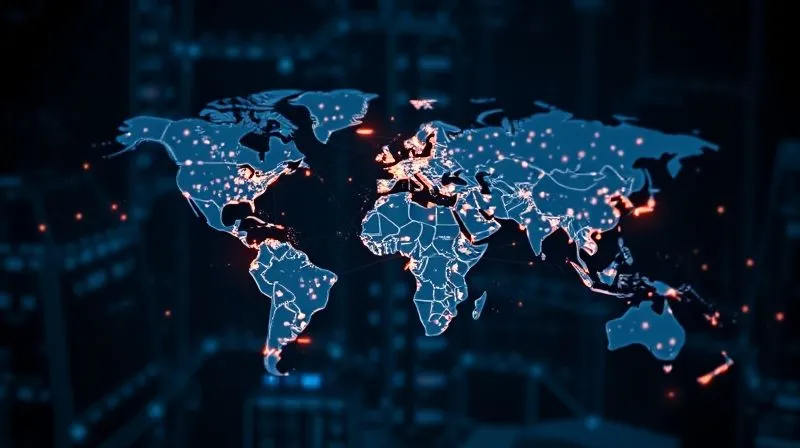
The most immediate and impactful application of blockchain in sustainable fashion is end-to-end supply chain traceability. This allows brands to monitor and verify every stage of a garment's lifecycle, from farm to consumer.
Actionable Steps for Supply Chain Implementation:
- Identify Key Touchpoints: Map out your entire supply chain, identifying critical points where sustainability data needs to be captured (e.g., raw material harvest, spinning, weaving, dyeing, cutting, sewing, logistics).
- Onboard Suppliers: Engage all your suppliers and sub-suppliers, educating them on the blockchain system and the importance of accurate data entry. This is often the most challenging step and requires strong partnership.
- Define Data Standards: Establish clear, standardized metrics for sustainability data (e.g., GOTS certification for organic cotton, ZDHC guidelines for chemical management, SA8000 for social compliance).
- Implement Data Capture: Utilize IoT sensors, QR codes, RFID tags, or manual input at each touchpoint to record data onto the blockchain. This could include batch numbers, certifications, energy consumption, water usage, and labor hours.
- Integrate with Existing Systems: Ensure the blockchain platform can seamlessly integrate with your existing ERP or supply chain management software to avoid data silos.
Case Study: How VeriCotton Tracked Organic Purity
VeriCotton, a fictional textile supplier specializing in organic cotton, faced skepticism regarding the purity of its fibers due to widespread greenwashing. By implementing a blockchain traceability solution, they assigned a unique digital ID to each bale of cotton at the farm. Farmers recorded harvest dates, organic certifications, and GPS coordinates onto the blockchain. As the cotton moved through ginning, spinning, and weaving, each facility scanned the ID and added data on processing, chemicals used, and energy consumption. This system allowed fashion brands to scan a QR code on the final fabric bolt and instantly access an immutable record of its organic journey. VeriCotton saw a 40% increase in brand partnerships within a year, driven by newfound trust and verifiable claims.
Digital Product Passports (DPPs): Your Garment's Life Story
The concept of a Digital Product Passport (DPP), soon to be mandated in the EU for certain product categories, is perfectly enabled by blockchain. A DPP is essentially a digital twin of a physical product, containing comprehensive information about its origin, materials, manufacturing, environmental impact, and end-of-life instructions. Blockchain ensures the data within these passports is trustworthy and accessible.
A DPP can house critical sustainability information:
- Material Composition: Type of fibers, percentage of recycled content, origin of raw materials.
- Manufacturing Details: Location of factories, energy consumption per unit, water usage, labor certifications.
- Environmental Footprint: Carbon emissions, waste generated, chemical usage.
- Care Instructions & Repairability: Guidance for consumers to extend product life.
- Recycling & Disposal: Information on how and where to properly recycle or dispose of the item, facilitating circularity.
By scanning a QR code or NFC tag embedded in a garment, consumers and recyclers can access this wealth of verified information, making informed purchasing decisions and contributing to a circular economy. This is a game-changer for how to verify fashion sustainability with blockchain tech, moving beyond simple labels to comprehensive data.
NFTs and Digital Twins: Proving Authenticity & Ownership
Beyond traceability, Non-Fungible Tokens (NFTs) and digital twins offer exciting possibilities for verifying authenticity, proving ownership, and even enabling circular business models. An NFT can serve as a unique, blockchain-based certificate of authenticity for a physical garment, linking its digital twin to its real-world counterpart.
This is particularly powerful for luxury fashion, where counterfeiting is rampant, but also for sustainable fashion where proving the authenticity of unique, upcycled, or ethically made pieces adds significant value.
As marketing guru Seth Godin often says, "People do not buy goods and services. They buy relations, stories, and magic." Blockchain and NFTs allow brands to tell the authentic, verifiable story of their products, creating a deeper, more trusting relationship with their audience.
Empowering Consumers: Accessing Verified Sustainability Data
The ultimate goal of using blockchain to verify fashion sustainability is to empower consumers with credible, accessible information. When consumers can easily scan a QR code on a garment and instantly view its entire sustainability journey, it shifts the power dynamic and fosters true accountability.
This transparency can drive consumer behavior towards more ethical choices and reward brands that genuinely invest in sustainable practices. It also creates a feedback loop, as consumer demand for verified information will push more brands to adopt these technologies.
According to a report by the World Economic Forum, "Blockchain is enabling a new era of transparency and trust across global supply chains." This sentiment directly applies to fashion, where consumer trust is paramount for driving the sustainability agenda forward. Brands that offer this level of transparency will gain a significant competitive advantage.
Overcoming Implementation Hurdles: A Pragmatic Approach
While the benefits are clear, implementing blockchain in fashion supply chains isn't without its challenges. It requires significant investment, technological expertise, and, most importantly, collaboration across the entire value chain. I've seen brands stumble when they try to go it alone or underestimate the human element.
Key Challenges and Solutions:
- Cost and Complexity: Starting small with pilot projects on specific product lines or materials can help manage costs and test the technology before a full rollout. Partnering with specialized blockchain-as-a-service (BaaS) providers can also reduce the in-house burden.
- Supplier Onboarding: This is often the biggest hurdle. Incentivize suppliers, provide clear training, and demonstrate the mutual benefits (e.g., improved efficiency, better market access) to encourage adoption.
- Data Standardization: Work with industry consortia and standards bodies to ensure interoperability and consistent data capture across different platforms and partners.
- Energy Consumption: Address concerns about blockchain's environmental footprint by opting for energy-efficient consensus mechanisms (e.g., Proof-of-Stake) or private/permissioned blockchains.
A phased approach, focusing on critical sustainability claims first, is often the most pragmatic way to integrate blockchain technology. It's about building a robust foundation, not trying to achieve perfection overnight.
The Future of Fashion: A Sustainable, Transparent Ecosystem
The integration of blockchain technology is not just an incremental improvement; it's a foundational shift for the fashion industry. It moves us from an era of vague promises to one of verifiable facts, fostering an ecosystem built on trust and accountability. Brands that embrace this shift will not only meet consumer demand but also lead the way towards a truly circular and ethical fashion future.
Imagine a world where every garment tells its true story, where consumers can confidently choose products that align with their values, and where greenwashing becomes a relic of the past. This vision is within reach, powered by the immutable ledger of blockchain. It's how to verify fashion sustainability with blockchain tech, and it's how we build a better industry.

Frequently Asked Questions (FAQ)
Is blockchain too expensive for small fashion brands? While initial setup can be an investment, the cost is decreasing, and many blockchain-as-a-service (BaaS) platforms offer scalable solutions. Small brands can start by focusing on key sustainability claims or partnering with industry consortia to share costs. The long-term benefits of enhanced trust, brand reputation, and potential market access often outweigh the initial outlay.
How does blockchain address the energy consumption concerns associated with cryptocurrencies? This is a valid concern. However, many enterprise blockchain solutions for supply chain traceability use energy-efficient consensus mechanisms like Proof-of-Stake (PoS) or are permissioned blockchains, which consume significantly less energy than public Proof-of-Work (PoW) blockchains like Bitcoin. It's crucial to choose a platform designed for sustainability.
What kind of data can actually be put on a blockchain for fashion? A wide range of data can be recorded, including raw material origins (e.g., organic cotton certifications, fair-trade rubber), manufacturing details (e.g., factory energy consumption, water usage, labor certifications like SA8000), logistics information (e.g., shipping routes, carbon footprint of transport), and even end-of-life instructions for recycling. The key is to standardize the data for consistency.
What if suppliers don't want to share their data on a blockchain? Supplier reluctance is a common challenge. Brands need to articulate the clear benefits for suppliers, such as improved efficiency, reduced audit burden, enhanced reputation, and access to new, sustainability-conscious buyers. Building strong, trust-based relationships and offering support for implementation are critical. Often, leading brands mandating its use can drive adoption down the supply chain.
Can blockchain truly prevent greenwashing, or can brands still manipulate data before it goes on the chain? Blockchain itself ensures data immutability *once it's recorded*. The challenge lies in ensuring the accuracy of the data *at the point of capture*. This requires robust verification mechanisms at each supply chain node, such as IoT sensors, third-party audits, and strong contractual agreements with suppliers. While not a magic bullet, it significantly raises the bar for accountability and makes manipulation much harder to conceal over time.
Key Takeaways and Final Thoughts
- Blockchain provides an immutable, transparent ledger essential for verifying fashion sustainability claims.
- Implementing supply chain traceability with blockchain requires mapping touchpoints, onboarding suppliers, and standardizing data.
- Digital Product Passports (DPPs) are a powerful application, offering comprehensive, verifiable product information to consumers.
- NFTs and digital twins enhance authenticity, ownership, and circularity in the fashion ecosystem.
- Empowering consumers with accessible, verified data drives demand for truly sustainable products.
- Addressing implementation challenges through phased approaches, partnerships, and careful platform selection is crucial.
The journey towards a fully sustainable and transparent fashion industry is complex, but the path is becoming clearer. Blockchain technology, when implemented thoughtfully and strategically, offers the most robust framework we have today to genuinely verify fashion sustainability with blockchain tech. It's an investment in the future – a future where trust is restored, ethics are paramount, and our planet benefits from every purchase. Let's embrace this innovation and build a fashion world we can all be proud of.
Recommended Reading
- 7 Steps to Conquer Natural Fiber Supply Chain Hurdles for Innovation
- Haute Couture Consultations: Ask These Questions!
- Unlocking the Past: How to Tell if Vintage Jewelry is Truly Valuable
- Boost Your Fashion Blog Income 50%: Traffic-Free Monetization Hacks
- Unlock the Secret: How to Identify Ethically Sourced Gemstone Jewelry





Your email address will not be published. Required fields are marked *