

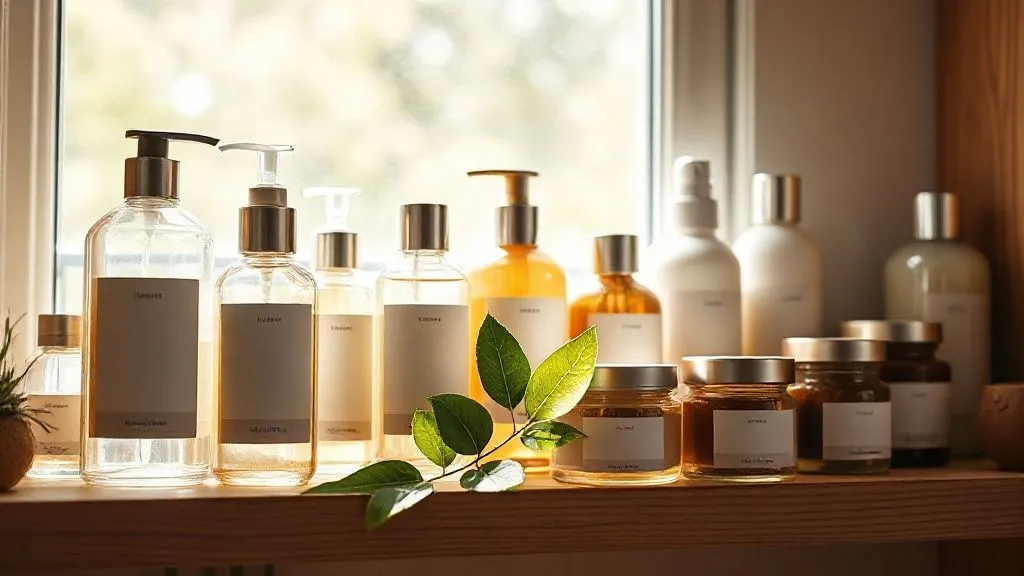
How to extend shelf life of natural organic beauty formulations?
For over 18 years in the dynamic world of beauty fashion, specifically within the burgeoning organic segment, I've witnessed countless formulators, from indie brands to established players, grapple with a fundamental challenge: the inherent fragility of natural ingredients. While consumers crave 'clean' and 'fresh,' the very essence of these formulations often works against their longevity, leading to frustration and, regrettably, wasted product.
The problem is profound: natural organic beauty formulations, by their very nature, are susceptible to microbial growth, oxidation, and degradation far more rapidly than their synthetic counterparts. This isn't just about a product going 'off' prematurely; it impacts brand reputation, customer trust, and ultimately, the financial viability of a business dedicated to conscious beauty.
Today, I'm sharing the culmination of my experience and insights to equip you with actionable strategies. We'll delve into the science, explore innovative techniques, and provide a robust framework on how to extend shelf life of natural organic beauty formulations, ensuring your creations remain potent, safe, and truly effective for their intended duration.
Understanding the Enemy: What Makes Natural Formulations Spoil?
Before we can defend, we must understand the attackers. The primary culprits behind the spoilage of natural organic beauty formulations are multifaceted, but they boil down to a few key biological and chemical processes. In my experience, neglecting these foundational principles is where most issues arise.
The Role of Water Activity
Water is life, and unfortunately, that applies to bacteria, fungi, and yeasts too. Many natural formulations are water-based, creating an ideal breeding ground for microorganisms. Water activity (aw) measures the unbound water available for microbial growth, and a higher aw means a higher risk of contamination. This is why anhydrous (water-free) formulations inherently boast a longer shelf life.
Oxidation: The Silent Killer of Efficacy
Oxidation is a chemical reaction that occurs when ingredients, particularly delicate oils, vitamins, and botanical extracts, are exposed to oxygen, light, or heat. This process leads to rancidity, discoloration, and a significant loss of therapeutic efficacy. I've seen vibrant serums turn dull and ineffective simply due to inadequate antioxidant protection.
Enzymatic Degradation and pH Imbalance
Natural extracts often contain enzymes that, while beneficial in their native state, can break down other ingredients in a complex formulation. Furthermore, the pH of a product plays a critical role. Many natural preservatives are pH-dependent, and an imbalance can render them ineffective, opening the door for microbial proliferation.
Strategic Ingredient Selection: Your First Line of Defense
The journey to extending shelf life begins long before the actual formulation process – it starts with the raw materials. Choosing stable, high-quality, and ethically sourced ingredients is paramount. As I always advise, you can't build a stable house on a shaky foundation.
Potent Antioxidants: Beyond Vitamin E
While Vitamin E (tocopherol) is a fantastic antioxidant, it's often not enough on its own for robust protection. To truly how to extend shelf life of natural organic beauty formulations, we need a multi-pronged approach. Look for ingredients that offer superior oxidative stability.
- Rosemary Oleoresin Extract (ROE): A powerful natural antioxidant that significantly delays rancidity in oils.
- Astaxanthin: One of nature's most potent antioxidants, far surpassing Vitamin C and E in some studies.
- Coenzyme Q10 (CoQ10): Not only a skin booster but also a strong antioxidant that protects oils from degradation.
- Green Tea Extract: Rich in polyphenols, offering excellent antioxidant and some antimicrobial properties.
Chelating Agents: Binding Metal Ions
Trace metal ions, often present in water or raw materials, act as catalysts for oxidation, accelerating spoilage. Natural chelating agents work by binding to these metal ions, rendering them inactive and thus preventing them from initiating degradation reactions. Sodium Phytate, derived from rice bran, is an excellent natural option.
Natural Antimicrobials: The Gentle Guardians
These ingredients don't necessarily kill microbes outright but inhibit their growth, creating an environment where they cannot thrive. They are a crucial component when considering how to extend shelf life of natural organic beauty formulations without resorting to harsh synthetics.
- Radish Root Ferment Filtrate: A probiotic-based ingredient offering broad-spectrum antimicrobial activity.
- Elderberry Extract: Known for its antimicrobial and antioxidant properties.
- Honeysuckle Extract: Provides gentle preservation, often used in conjunction with other ingredients.
The art of natural preservation isn't about eradicating all microbes, but creating an environment where undesirable ones cannot thrive. It's about balance, not annihilation.
Mastering Formulation Techniques for Enhanced Stability
Even with the best ingredients, poor formulation practices can undermine all your efforts. The way you combine and process your ingredients has a profound impact on the final product's stability and longevity. This is where expertise truly shines.
Emulsion Stability: The Foundation
For any product that combines oil and water, creating a stable emulsion is non-negotiable. An unstable emulsion will separate, leading to uneven distribution of ingredients, potential microbial contamination in the water phase, and a generally unappealing product. I've seen this mistake derail many promising natural brands.
- Choose Appropriate Emulsifiers: Select natural emulsifiers that are robust and suitable for your oil-to-water ratio.
- Control Temperature Profiles: Ensure both oil and water phases are at the correct, consistent temperature before combining.
- Optimize Shear Force: Use proper mixing techniques (e.g., high-shear mixer) to create small, uniform droplets for a stable emulsion.
- Slow and Controlled Cooling: Allow emulsions to cool slowly, with gentle stirring, to prevent phase separation during crystallization.
pH Management: A Critical Balance
As mentioned, pH is crucial. Not only does it affect preservative efficacy, but it also impacts ingredient solubility, skin compatibility, and overall product stability. Knowing the optimal pH range for your specific ingredients and preservative system is a non-negotiable skill.
| Ingredient/Preservative | Optimal pH Range |
|---|---|
| Geogard Ultra | 3.0 - 6.0 |
| Leucidal Liquid SF Max | 3.0 - 8.0 |
| Sodium Phytate (Chelator) | 2.0 - 12.0 |
| Ascorbic Acid (Vitamin C) | <3.5 |
| Skin's Natural pH | 4.5 - 5.5 |
Water-Free Formulations: A Game Changer
One of the most effective ways how to extend shelf life of natural organic beauty formulations is to eliminate water altogether. Anhydrous products like balms, oil serums, and solid sticks inherently have a much lower risk of microbial growth, significantly simplifying preservation challenges. This approach allows formulators to focus primarily on oxidative stability.
The Power of Natural Preservative Systems
This is often the most debated and misunderstood aspect of natural beauty. It's not about finding a single 'magic bullet' natural preservative, but rather understanding synergistic systems. My experience has shown that a holistic approach yields the best results.
Broad-Spectrum Natural Preservatives
These are blends of natural or naturally derived ingredients designed to protect against a wide range of bacteria, yeast, and mold. They are essential for any water-containing natural formulation.
- Geogard Ultra (Gluconolactone & Sodium Benzoate): A widely recognized and effective broad-spectrum system that is ECO-CERT approved.
- Leucidal Liquid SF Max (Lactobacillus Ferment): A probiotic-derived preservative offering gentle yet effective protection, often used in sensitive skin formulations.
- Preservative Eco (Benzyl Alcohol, Salicylic Acid, Glycerin, Sorbic Acid): A popular blend, though some brands avoid benzyl alcohol.
A single natural preservative rarely offers comprehensive protection; synergy is key. Think of it as a team of defenders, each with a specific role, working together to secure the perimeter.
Hurdle Technology: A Holistic Approach
Hurdle technology is a concept borrowed from the food industry and is incredibly relevant for natural beauty. It involves combining multiple mild preservation factors (or 'hurdles') at sub-lethal levels to achieve overall product stability. Each hurdle alone might not be enough, but together, they create an inhospitable environment for microbes. Examples include:
- Reducing water activity (e.g., with glycerin or salts).
- Adjusting pH to acidic levels.
- Using natural antimicrobials.
- Employing chelating agents.
- Incorporating antioxidants.
- Using hygienic manufacturing practices.
Packaging and Storage: The Unsung Heroes of Longevity
Even the most perfectly formulated product can be compromised by inadequate packaging or improper storage. These elements are often overlooked, yet they are critical considerations when asking how to extend shelf life of natural organic beauty formulations.
Airless Pumps and Dark Glass: Your Best Friends
Oxygen and light are major enemies of natural formulations. Airless pump bottles prevent air from entering the product during dispensing, significantly reducing oxidation. Dark amber or cobalt blue glass bottles protect light-sensitive ingredients from UV degradation. I cannot stress enough the importance of investing in high-quality packaging for natural products. For further reading on the impact of packaging, see this study on packaging materials and product stability.
Controlled Environment Storage
Heat and humidity accelerate degradation. Always store raw materials and finished products in a cool, dark, and dry environment. For certain highly sensitive ingredients or finished products, refrigeration may be necessary to maintain their integrity. Educating consumers on proper storage is also vital.
Case Study: 'Glow Organics' Extends Shelf Life by 6 Months
Glow Organics, a small artisanal brand specializing in botanical facial serums, struggled with customer complaints about their products expiring prematurely, often developing a slight rancid odor before the stated expiry date. Their initial packaging was clear glass dropper bottles. By shifting from clear glass droppers to opaque, UV-protective airless pump bottles and providing clear instructions to customers for cool, dark storage, they dramatically improved their product's stability. Within six months of implementing these changes, Glow Organics reduced spoilage claims by 70% and, after rigorous re-testing, confidently extended their stated shelf life from 9 to 15 months. This simple packaging change, combined with updated customer education, significantly boosted brand trust and repeat purchases, proving that packaging is a powerful preservation tool.
Quality Control and Testing: Non-Negotiable for Trust
Formulating a stable natural product is one thing; proving it is another. Rigorous testing is the only way to ensure safety and validate the extended shelf life claims for your natural organic beauty formulations. This builds immense trust with consumers and regulatory bodies.
Challenge Testing: Proving Efficacy
Also known as Preservative Efficacy Testing (PET), challenge testing involves intentionally inoculating a product with a cocktail of microorganisms (bacteria, yeast, mold) and then observing if the preservative system can kill or inhibit their growth over time. This is a critical test for any water-containing product and is often a regulatory requirement.
Stability Testing: Predicting Performance
Stability testing assesses how a product holds up under various environmental conditions over time. This includes accelerated aging tests (e.g., storing products at elevated temperatures for weeks or months to simulate years of shelf life) and real-time stability tests. Parameters checked include:
- Appearance (color, clarity)
- Odor
- pH
- Viscosity
- Microbial count
- Active ingredient concentration
For more details on industry standards for cosmetic stability testing, consult resources like the Cosmetic, Toiletry, and Fragrance Association (CTFA) guidelines.
Educating Your Customers: Extending Life Beyond Your Control
Even after all your meticulous formulation, packaging, and testing, the product's longevity is ultimately in the hands of the consumer. Empowering them with knowledge is the final, crucial step in how to extend shelf life of natural organic beauty formulations.
Clear Instructions and Expiry Dates
Transparency builds trust. Clearly label your products with their Period After Opening (PAO) symbol (e.g., '12M' for 12 months) and, where applicable, a 'best before' date. Provide concise, easy-to-understand instructions on how to care for the product.
Storage Tips for Consumers
Remind your customers about the importance of proper storage:
- Store in a cool, dark place, away from direct sunlight and extreme temperatures (e.g., not on a sunny bathroom windowsill).
- Keep lids tightly closed when not in use to minimize air exposure.
- Use clean hands or spatulas to dispense product, especially from jars, to prevent introducing contaminants.
- Avoid introducing water into anhydrous products.
Frequently Asked Questions (FAQ)
Question: Are all natural preservatives equally effective across all types of formulations? No, absolutely not. The efficacy of a natural preservative is highly dependent on the formulation's pH, water activity, presence of other ingredients that might interfere, and the specific microbial challenges it faces. A preservative system suitable for a low-pH facial toner might be completely ineffective in a high-pH body cream. This underscores the need for thorough challenge testing for each unique product.
Question: Can I just add more Vitamin E or essential oils to preserve my product? While Vitamin E is a powerful antioxidant that protects against rancidity, it is not a broad-spectrum preservative against bacteria, yeast, or mold. Essential oils, while some have antimicrobial properties, are generally not potent enough to act as standalone preservatives at safe usage levels in most formulations. Over-relying on them can lead to skin sensitization. A dedicated, tested preservative system is always necessary for water-containing products.
Question: What's the biggest mistake formulators make regarding the shelf life of natural products? In my experience, the biggest mistake is underestimating the complexity of natural preservation and failing to conduct adequate testing. Many assume that because ingredients are 'natural,' they are inherently safe or self-preserving. This leads to formulations that look good initially but spoil rapidly, damaging reputation and potentially causing consumer irritation or infection. Comprehensive challenge and stability testing are non-negotiable.
Question: How do I know if my natural product has gone bad? Signs of spoilage can vary but often include changes in color, odor (e.g., rancid, sour, or 'off' smell), texture (e.g., separation, thickening, thinning, lumps), or the appearance of mold or bacterial films. If you notice any significant changes, especially an unpleasant odor, it's best to discontinue use immediately. Trust your senses.
Question: Is refrigeration always necessary for organic beauty products? Not always, but it can significantly extend the life of certain highly sensitive products, especially those rich in delicate active ingredients like Vitamin C or fresh botanical extracts, or those with minimal preservative systems. For most well-formulated and properly packaged natural products, a cool, dark cupboard is sufficient. Always check the manufacturer's recommendations.
Key Takeaways and Final Thoughts
Mastering how to extend shelf life of natural organic beauty formulations is a journey of continuous learning, meticulous attention to detail, and unwavering commitment to quality. It's not about cutting corners but embracing the inherent challenges with informed strategies.
- Strategic Ingredient Selection: Prioritize stable, high-quality raw materials and incorporate potent antioxidants and chelators from the outset.
- Master Formulation Techniques: Focus on emulsion stability, precise pH management, and consider anhydrous formats.
- Embrace Natural Preservative Systems: Utilize broad-spectrum, tested natural preservatives, often in synergistic blends or 'hurdle' approaches.
- Invest in Superior Packaging: Protect your products from light and air with appropriate containers like dark glass and airless pumps.
- Prioritize Testing: Challenge and stability testing are non-negotiable for validating safety and efficacy.
- Educate Your Customers: Empower consumers with knowledge on proper product care to ensure optimal longevity.
By integrating these expert strategies, you're not just creating beauty products; you're crafting experiences that last. You're building trust, ensuring safety, and upholding the integrity of the natural organic beauty movement. The path may require diligence, but the reward — a stable, effective, and cherished product — is immeasurably worthwhile. Keep innovating, keep testing, and keep delivering the very best of nature, preserved beautifully.
Recommended Reading
- Mastering the Art: How to Effectively Age a Costume for Theater Production
- Unveiling the Secrets: What Techniques Elevate Haute Couture Craftsmanship?
- Unmasking Souls: What Costume Details Reveal Character Backstory?
- 7 Proven Strategies: How to Monetize Archived Runway Masterpieces Effectively?
- 5 Menswear Secrets: Project Executive Presence & Command Respect




Your email address will not be published. Required fields are marked *