

How to Ethically Integrate Cultural Elements into Streetwear Design?
For over two decades in the dynamic world of streetwear, I've witnessed trends explode, fade, and sometimes, regrettably, cause significant cultural offense. The allure of integrating rich cultural elements into design is undeniable; it adds depth, narrative, and a unique aesthetic appeal that mass-produced fashion often lacks.
However, this path is fraught with peril. Many designers, often with good intentions, stumble into the treacherous territory of cultural appropriation, leading to backlash, reputational damage, and, more importantly, disrespecting the very cultures they sought to celebrate. The challenge lies in navigating this delicate balance: how do you honor and uplift without exploiting or diminishing?
This isn't just about avoiding a PR nightmare; it's about genuine respect, authentic storytelling, and building a sustainable, responsible brand. In this definitive guide, I'll share actionable frameworks, real-world insights, and expert advice to help you master the art of ethical cultural integration, ensuring your designs resonate positively and contribute meaningfully to the global tapestry of fashion.
Understanding the Nuance: Appropriation vs. Appreciation
Before we delve into practical steps, it's crucial to firmly grasp the distinction between cultural appropriation and appreciation. This isn't a gray area; it's a fundamental ethical boundary that every designer must understand and respect.
Cultural appropriation occurs when elements of a minority or marginalized culture are taken and used by members of the dominant culture without understanding, acknowledgment, respect, or permission, often for profit or aesthetic pleasure. It strips the cultural element of its original meaning, context, and often, its sacredness, reducing it to a mere trend.
Cultural appreciation, conversely, involves respectfully engaging with another culture, seeking to understand its context, history, and significance, and doing so in a way that honors the originators. It often involves direct collaboration, fair compensation, and a genuine desire to learn and uplift.
"Appropriation is taking. Appreciation is inviting. The difference lies in power dynamics, consent, and the sharing of benefit." - My long-held belief in this industry.
Common pitfalls of appropriation include:
- Using sacred symbols as mere decoration.
- Profiting from cultural designs without compensating the originators.
- Presenting a cultural element as a "new trend" without acknowledging its ancient roots.
- Ignoring the socio-political context and struggles of the culture from which elements are taken.
Deep Dive into Research: Beyond Surface-Level Aesthetics
The first, and arguably most critical, step toward ethical integration is thorough, respectful research. This goes far beyond a quick Google search or browsing Pinterest. It requires a genuine commitment to understanding the history, meaning, and context of the cultural elements you're drawn to.
The Power of Primary Sources and Community Engagement
In my experience, relying solely on secondary sources can lead to misinterpretations. You need to seek out direct engagement and knowledge from the source culture itself. Here’s how:
- Engage with Scholarly Works: Consult academic journals, ethnographies, and historical texts written by experts from or about the culture. Look for publications from reputable institutions or cultural studies departments.
- Connect with Cultural Institutions: Reach out to museums, cultural centers, and heritage organizations. Many have resources, archives, and experts who can provide invaluable insights and guidance.
- Seek Out Community Elders and Artisans: If possible and appropriate, connect with elders, traditional artisans, and community leaders. This requires humility, patience, and a willingness to listen and learn without imposing your agenda. This is where true understanding begins.
- Understand the 'Why': Don't just identify 'what' an element is; understand 'why' it exists, its purpose, its symbolism, and its evolution. Is it sacred? Is it a symbol of resistance? Is it part of daily life?
According to a study published in the Journal of Textile History, a significant number of cultural appropriation incidents in fashion could have been avoided with deeper, community-engaged research during the initial design phase. This highlights the importance of moving beyond superficial inspiration.
Authentic Collaboration: The Cornerstone of Ethical Design
True appreciation blossoms through collaboration. This isn't about asking for permission after the fact; it's about co-creation from the very beginning. Collaboration transforms a potentially extractive process into a mutually beneficial partnership, fostering innovation and respect.
Case Study: A Community-Led Collection
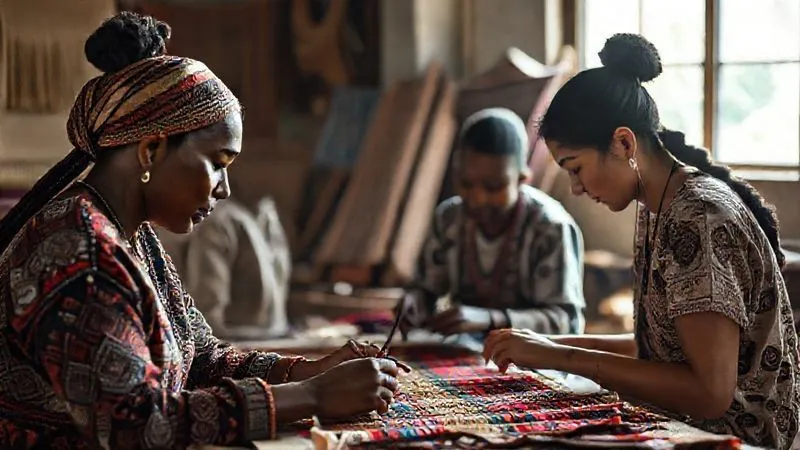
Consider 'KenteStreet,' a fictional streetwear brand I advised a few years back. Initially, they wanted to incorporate Kente cloth patterns. Instead of simply buying fabric, they partnered with a weaving cooperative in Ghana. KenteStreet’s design team traveled to Ghana, lived with the community for weeks, and co-designed a collection that blended traditional Kente motifs with contemporary streetwear silhouettes.
The cooperative received a significant percentage of profits, training in international business practices, and their stories were prominently featured in KenteStreet's marketing. This approach not only resulted in a stunning, authentic collection but also built a lasting, respectful relationship and generated sustainable income for the artisans. This demonstrated the true power of **experience** in ethical design.
Benefits of authentic collaboration:
- Shared Ownership: The originating culture has a voice and stake in the final product.
- Authenticity: Designs are imbued with genuine meaning and context.
- Economic Empowerment: Direct financial benefits flow back to the community.
- Cultural Preservation: Traditional craftsmanship is valued, sustained, and often innovated upon.
- Brand Credibility: Your brand gains immense trust and respect from consumers.
Fair Compensation and Benefit Sharing: Giving Back to the Source
Collaboration is meaningless without equitable compensation. Ethical integration demands that the creators and cultural custodians receive fair financial returns and other benefits for their intellectual property, artistry, and heritage. This is where the rubber meets the road in preventing exploitation.
Structuring Equitable Partnerships
Fair compensation isn't a one-size-fits-all model. It requires transparent negotiation and a commitment to long-term benefit. Here are some models I've seen work effectively:
- Direct Licensing Agreements: Pay a fair licensing fee for the use of specific patterns, symbols, or intellectual property. This should be negotiated with appropriate community representatives.
- Profit Sharing/Royalties: Establish a clear percentage of sales or profits that directly benefits the collaborating artists or their community. This incentivizes success for both parties.
- Community Development Funds: Dedicate a portion of profits to a fund managed by the community, for initiatives like education, healthcare, or infrastructure.
- Capacity Building: Beyond monetary compensation, invest in training, equipment, or resources that help the community develop their own sustainable enterprises.
As Harvard Business Review often emphasizes in articles on ethical supply chains, transparency and fair pricing are not just moral imperatives but also drivers of long-term business sustainability and consumer loyalty. Customers are increasingly conscious of where their products come from and who benefits.
Storytelling with Integrity: Educating Your Audience
Your responsibility doesn't end with ethical design and fair compensation; it extends to how you present and market your collection. Authentic cultural integration involves educating your audience about the origins, significance, and creators behind the designs. This transforms a mere purchase into an act of cultural appreciation.
When I consult with brands, I always stress that marketing should be a platform for education, not just sales. Your product becomes a vessel for a story, connecting consumers to a deeper cultural narrative.
Key elements of ethical storytelling:
- Acknowledge the Source: Clearly state the cultural origin and credit the specific artists or communities involved. This should be prominent on product tags, website, and marketing materials.
- Share the Narrative: Explain the meaning and history behind the cultural elements. What do the patterns symbolize? What is the story of the artisans?
- Use Authentic Voices: Where possible, let the collaborating artists or community members tell their own stories in your marketing campaigns. Their voices are the most powerful.
- Avoid Exoticism and Stereotypes: Present the culture respectfully, avoiding sensationalism, romanticized notions, or reducing complex cultures to simplistic tropes.
- Be Transparent About Partnerships: Detail how the collaboration works and how the community benefits financially and otherwise.
For example, a streetwear brand I worked with dedicated a specific page on their website to each cultural collaboration, featuring videos of the artisans, interviews with community leaders, and detailed explanations of the cultural significance of the designs. This built immense trust and engagement.
Beyond the Collection: Long-Term Commitment and Respect
Ethical integration is not a one-off project; it’s an ongoing commitment. A truly responsible brand builds lasting relationships and demonstrates continuous respect for the cultures they engage with. This means moving beyond transactional interactions to foster genuine, long-term partnerships.
Building Sustainable Cultural Relationships
In my view, a brand's commitment to cultural ethics is measured not just by its products, but by its sustained actions. Here are some long-term commitments to consider:
- Ongoing Dialogue: Maintain open lines of communication with collaborating communities, even between collections.
- Cultural Sensitivity Training: Ensure your entire team, from design to marketing to sales, receives regular training on cultural sensitivity and ethical practices.
- Advocacy: Use your platform to advocate for the rights and recognition of the cultures you work with, addressing issues like intellectual property protection or land rights.
- Reinvestment: Continuously explore opportunities to reinvest in the communities you partner with, perhaps through educational programs or infrastructure projects.
As The Ethical Fashion Forum consistently highlights, sustainability in fashion encompasses not just environmental impact but also social equity and cultural integrity. A holistic approach is essential for true ethical leadership.
| Commitment Area | Short-Term Action | Long-Term Action |
|---|---|---|
| Research & Learning | Consult academic texts | Maintain dialogue with cultural institutions |
| Collaboration | Co-design a collection | Establish ongoing partnership agreements |
| Compensation | Pay licensing fees | Invest in community development funds |
| Storytelling | Credit originators | Feature community voices in campaigns |
| Internal Culture | Initial sensitivity training | Regular, updated cultural education for all staff |
Navigating Feedback and Course Correction
Even with the best intentions and meticulous planning, you might receive feedback, or even criticism, regarding your cultural integrations. This is not a failure; it’s an opportunity for growth and a testament to your commitment to ethical practice. The key is how you respond.
Developing a Feedback Loop and Humility
- Listen Actively: Don't get defensive. Listen to feedback with an open mind, recognizing that cultural perspectives can differ profoundly from your own.
- Acknowledge and Apologize: If an error has been made, acknowledge it sincerely and apologize without excuses.
- Learn and Adjust: Understand the specific concerns and take concrete steps to rectify the situation. This might involve changing designs, updating marketing, or revising partnership agreements.
- Communicate Your Actions: Inform those who provided feedback about the steps you are taking. Transparency builds trust.
As marketing guru Seth Godin often says, "The market chooses you." In the context of cultural integration, this means the communities you engage with, and the broader public, will ultimately judge the authenticity and ethical standing of your work. Embrace feedback as a compass for continuous improvement.
Legal and IP Considerations: Protecting Cultural Heritage
While this isn't my primary area of expertise, I've seen enough pitfalls to know that understanding the legal aspects of cultural intellectual property (IP) is paramount. Traditional knowledge, designs, and expressions of culture are often unprotected by conventional IP laws, making them vulnerable to exploitation.
"Respecting cultural IP means recognizing that not everything that isn't copyrighted is free for the taking. Many cultural expressions hold collective ownership and sacred significance that transcends Western legal frameworks." - A crucial reminder for designers.
Work with legal experts who specialize in traditional knowledge, indigenous rights, and cultural heritage protection. This is particularly important when negotiating licensing or collaboration agreements. Ensure that agreements explicitly protect the community's rights and intellectual property, and clearly define usage terms.
For further reading, consider exploring resources from organizations like the World Intellectual Property Organization (WIPO), which has programs dedicated to the protection of traditional knowledge and cultural expressions.
Frequently Asked Questions (FAQ)
What's the biggest mistake designers make when trying to integrate cultural elements? The biggest mistake is a lack of genuine, deep research and bypassing direct collaboration with the source community. Many designers prioritize aesthetics over context, leading to superficial and often offensive interpretations. It's crucial to remember that cultural elements carry profound meaning, not just visual appeal.
How do I find authentic collaborators from different cultures? Start by leveraging cultural institutions, non-profits focused on cultural preservation, and academic networks. Attend cultural festivals and events, and look for organizations that support artisans. Always approach with humility, respect, and a clear proposal for mutual benefit, not just a request for their designs. Networking within ethical fashion communities can also lead to valuable introductions.
What if my design, despite my best efforts, is misinterpreted or causes offense? Even the most careful designers can face this. The key is your response. Immediately listen to the feedback without defensiveness, apologize sincerely if offense was caused, and take concrete, transparent steps to rectify the situation. This could involve removing a product, revising marketing, or engaging in dialogue with the offended community. Humility and a willingness to learn are paramount.
Can I use cultural elements if I'm not part of that culture? Yes, but with extreme caution and a commitment to the ethical framework outlined in this article. Being an 'outsider' means your responsibility to research, collaborate, compensate, and educate is even greater. It’s not about ownership; it's about respectful stewardship. Without genuine partnership, the risk of appropriation significantly increases.
How do I ensure my brand's intentions are clear and not seen as performative? Authenticity is built on consistent actions, not just words. Be transparent about your processes, your partnerships, and how benefits are shared. Let the voices of your collaborators be heard. Avoid 'tokenism' or one-off projects. A long-term commitment to ethical practices, even when it's challenging, is the strongest indicator of genuine intent.
Key Takeaways and Final Thoughts
Navigating the rich tapestry of global cultures in streetwear design is a profound privilege and a significant responsibility. My journey through this industry has taught me that the most impactful and respected brands are those that approach cultural integration with genuine humility, deep respect, and an unwavering commitment to ethical practice.
- Prioritize Deep Research: Go beyond surface aesthetics; understand context and meaning.
- Embrace Authentic Collaboration: Co-create with cultural originators from the outset.
- Ensure Fair Compensation: Financial and other benefits must flow back to the source.
- Educate Your Audience: Use your platform to tell the true stories behind your designs.
- Commit to Long-Term Respect: Build lasting relationships and advocate for cultural rights.
- Be Open to Feedback: Humility and a willingness to course-correct are vital.
As you embark on or continue your design journey, remember that fashion has the power to connect, to educate, and to celebrate. By choosing the path of ethical integration, you're not just designing clothes; you're weaving stories, building bridges, and contributing to a more respectful and equitable global creative landscape. The industry needs your conscious leadership now more than ever. Go forth and design with integrity.
Recommended Reading
- Eco-Friendly Kids Clothes: Last Longer & Save You Money!
- 7 Proven Strategies: Scale Circular Bio-Textile Production, Maintain Performance
- Unveiling the Secrets: Understanding Avant Garde Haute Couture Construction
- Mastering Costume Longevity: 7 Ways to Beat Stage Lighting Damage
- 5 Sweat-Wicking Activewear Picks for Discreet Professional Men



Your email address will not be published. Required fields are marked *