

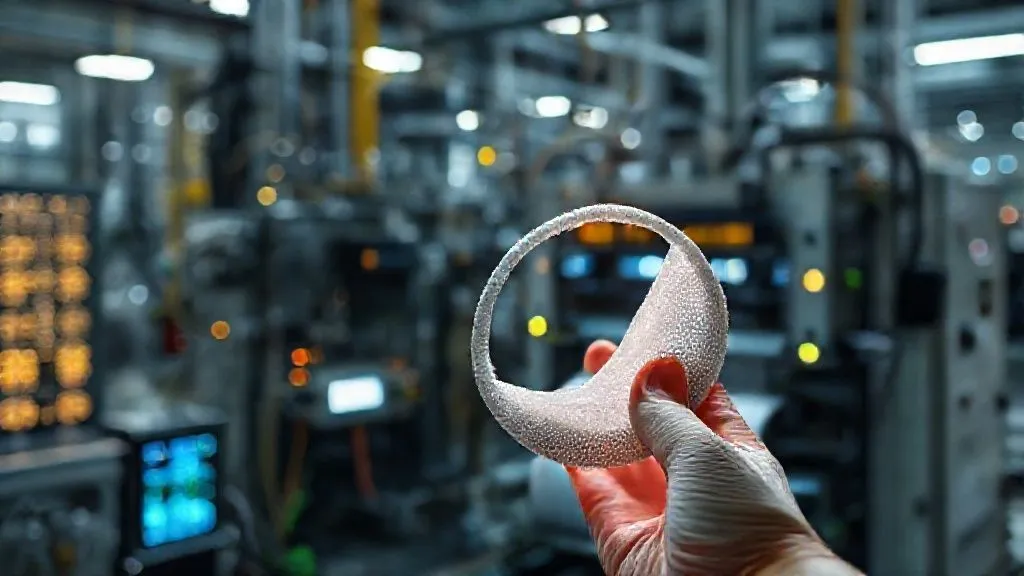
How to Scale Circular Bio-Textile Production Without Performance Loss?
For over two decades in the textile innovation space, I've witnessed firsthand the exhilarating promise and the frustrating pitfalls of bringing groundbreaking materials to market. The vision of a truly circular bio-textile economy, where fabrics are derived from renewable resources and seamlessly reintegrated into nature or new products, is undeniably compelling. Yet, I've seen countless brilliant concepts falter not due to lack of ingenuity, but because the leap from laboratory bench to industrial scale often introduces unforeseen challenges, particularly around maintaining core material performance.
The inherent tension lies in the very nature of scaling. When you move from producing meters to thousands of kilometers, the variables multiply. Maintaining the tensile strength, drape, colorfastness, and durability that define a high-performance textile, all while transitioning to bio-based feedstocks and circular processes, is a monumental task. Many companies face a difficult choice: compromise on sustainability to hit performance targets, or sacrifice performance to maintain their eco-credentials. This dilemma can stifle innovation and delay the widespread adoption of truly sustainable textiles.
But it doesn't have to be this way. In this definitive guide, I'll share my insights and a strategic framework, drawing on years of industry experience and cutting-edge material science, to show you precisely how to scale circular bio-textile production without performance loss. We'll delve into actionable strategies, real-world analogies, and expert insights designed to equip you with the knowledge to navigate this complex landscape and accelerate the sustainable transformation of our industry.
1. The Foundation: Prioritizing Feedstock Consistency and Quality
In my experience, the journey to scalable, high-performance bio-textiles begins long before the fiber is spun: it starts with the feedstock. The variability inherent in natural raw materials – whether it's agricultural waste, algae, or bacterial cellulose – can be a significant hurdle. If your inputs aren't consistent, your outputs won't be either, leading to unpredictable textile performance.
Ensuring Raw Material Integrity
To mitigate this, a robust feedstock management strategy is paramount. I've seen companies invest heavily in downstream processing only to find performance issues traced back to inconsistent raw material batches. It’s a foundational step that often gets underestimated.
- Source Diversification with Strict Specifications: Don't rely on a single supplier or region if possible. Establish rigorous quality control parameters for all incoming bio-feedstock, covering aspects like chemical composition, moisture content, purity, and particle size distribution.
- Pre-Treatment Optimization: Develop standardized and scalable pre-treatment processes (e.g., enzymatic hydrolysis, mechanical refining) to homogenize raw materials. This reduces variability before fiber formation.
- Advanced Analytical Techniques: Implement real-time monitoring and advanced analytical tools like Near-Infrared (NIR) spectroscopy or Gas Chromatography-Mass Spectrometry (GC-MS) to quickly assess feedstock quality and make adjustments.
According to a recent Nature Sustainability study on biomaterial supply chains, variability in feedstock composition can lead to a 15-20% deviation in final product performance if not properly managed. This highlights the critical need for proactive control.
"The quality of your circular bio-textile can only ever be as good as the consistency of its raw, renewable origins. Invest in your feedstock pipeline like it's the bedrock of your entire operation."
I recall a client, a startup producing mycelium-based leather alternatives, struggling with inconsistent strength. After a deep dive, we discovered their mushroom growers were using slightly different substrates. Standardizing the growth medium, even across multiple farms, dramatically improved the uniformity and performance of their final material.

2. Advanced Material Science: Engineering for Scalability
Scaling isn't just about making more of the same; it's often about re-engineering the 'same' to perform consistently at a larger volume. For circular bio-textiles, this means deeply understanding and manipulating the material at a molecular level to ensure performance retention.
Optimizing Fiber Structure and Polymer Blending
The inherent properties of bio-polymers can differ significantly from conventional synthetics. Achieving comparable performance requires intelligent design, not just substitution. This is where true material science expertise shines.
I've advised many companies to look beyond simply replacing fossil-based polymers. Instead, focus on how the molecular structure of your bio-polymer contributes to macroscopic properties. For instance, cellulose fibers can be engineered for higher crystallinity to improve strength, or modified with specific functional groups to enhance dye uptake or water repellency.
Polymer blending is another powerful tool. Combining a novel bio-polymer with a well-understood, perhaps even recycled, polymer can create synergistic effects, leveraging the best of both worlds. This reduces the risk associated with entirely new materials while maintaining a high bio-content and circularity.
| Bio-Textile Type | Lab Scale Performance (Tensile Strength MPa) | Pilot Scale Performance (Tensile Strength MPa) | Industrial Scale Goal (Tensile Strength MPa) | Key Challenge at Scale |
|---|---|---|---|---|
| Algae-Derived Fiber | 250 | 220 | 240+ | Consistency of Algae Growth, Spin Process Control |
| Recycled Cellulose (e.g., Lyocell) | 400 | 380 | 390+ | Pulp Purity, Solvent Recovery Efficiency |
| Bacterial Cellulose | 150 | 130 | 145+ | Cultivation Volume, Drying Uniformity |
Case Study: EcoWeave Solutions' Engineered Cellulose
EcoWeave Solutions, a mid-sized textile innovator, faced a common dilemma: their lab-scale, recycled cellulose fiber exhibited exceptional strength and drape, but these properties significantly degraded during early pilot-scale production. The issue wasn't the raw material, but the fiber formation process itself. By implementing a new shearing-induced crystallization technique during spinning, developed in collaboration with a university's material science department, they were able to re-align the cellulose molecules more uniformly. This subtle but critical engineering tweak improved the fiber's tensile strength by 15% at pilot scale, bringing it within 5% of their lab performance. This demonstrates that deep material understanding and iterative engineering are crucial for maintaining performance when scaling up. Their success led to a major partnership with a global fashion brand, proving the commercial viability of their high-performance, circular fiber.
For further reading on advanced textile engineering, I highly recommend exploring journals like Journal of Cleaner Production, which often features studies on bio-material properties and processing.
3. Process Innovation: From Lab to Industrial Production
The transition from a batch-oriented, small-scale lab process to a continuous, high-volume industrial operation is where many bio-textile innovations meet their biggest test. The delicate conditions optimal in a lab are rarely sustainable or cost-effective in a factory. This demands significant process innovation.
Streamlining Manufacturing Workflows
I've observed that a 'copy-paste' approach from lab to factory often fails. Instead, think about fundamental changes in how the material is handled, processed, and formed at each stage. Automation and continuous flow are key to consistency and efficiency.
- Continuous Processing vs. Batch: Wherever possible, convert batch processes (e.g., fermentation, dissolution, purification) into continuous or semi-continuous systems. This reduces variability between batches and optimizes resource utilization.
- Modular Design and Scalable Equipment: Invest in equipment that can be scaled modularly. This allows for incremental increases in production capacity while minimizing capital expenditure risk and facilitating troubleshooting.
- Advanced Sensor Integration: Implement a comprehensive network of sensors (temperature, pH, viscosity, flow rate, pressure) throughout the production line. Real-time data collection is crucial for process control and for identifying deviations before they impact final product quality.
- Lean Manufacturing Principles: Apply lean methodologies to identify and eliminate waste (e.g., excessive energy consumption, material loss, unnecessary steps) in the entire production workflow.
"Scaling bio-textiles isn't just about bigger machines; it's about smarter processes. Automate the mundane, monitor the critical, and design for continuous flow."
One common mistake I've seen is underestimating the energy and water demands of scaling. Bio-textile production can be energy-intensive, particularly in drying or solvent recovery. Innovating here, perhaps through membrane separation technologies or closed-loop systems, is vital for both sustainability and cost-effectiveness.
4. Robust Quality Assurance: Maintaining Performance at Volume
Performance loss often manifests as a decline in quality. As production volumes soar, the challenge of maintaining consistent quality control becomes exponentially harder. It's no longer about inspecting every meter but establishing systems that guarantee quality throughout the entire process.
Implementing Comprehensive Testing Protocols
A multi-layered quality assurance strategy is non-negotiable. This involves not just end-product testing, but in-process checks at every critical juncture. Think of it as building quality in, rather than trying to inspect it out.
I always emphasize a 'test-early, test-often' philosophy. Catching a deviation in fiber formation is far less costly than discovering a flaw in a finished garment. Your QA protocols must cover:
- Physical Properties: Tensile strength, tear strength, abrasion resistance, pilling resistance, dimensional stability.
- Chemical Properties: pH, colorfastness to washing/light/rubbing, resistance to chemicals, presence of residual solvents.
- Biological Properties: Biodegradability/compostability, antimicrobial properties (if applicable).
- Sensory Properties: Hand-feel, drape, visual appearance (critical for market acceptance).
Leveraging digital twins and AI-powered analytics can revolutionize QA. By creating a virtual model of your production line, you can simulate changes and predict outcomes, identifying potential performance bottlenecks before they occur. AI can also analyze vast amounts of sensor data to detect subtle anomalies that a human might miss, providing predictive maintenance and quality control insights.
For industry standards on textile testing, organizations like the ASTM International (Committee D13 on Textiles) provide invaluable guidelines.
5. Strategic Partnerships and Collaborative Ecosystems
No single entity possesses all the expertise, resources, or infrastructure needed to scale circular bio-textile production independently. From feedstock suppliers to waste management companies, collaboration is not just beneficial; it's essential.
Leveraging Expertise Across the Value Chain
I've seen the most successful bio-textile ventures built on strong, transparent partnerships. These relationships extend beyond transactional exchanges, fostering shared innovation and problem-solving.
- Agricultural & Forestry Partners: Work directly with farmers and forest managers to ensure consistent, sustainably sourced feedstock. This can involve co-developing new crops or harvesting techniques.
- Biotech & Chemical Companies: Collaborate on enzyme development for efficient biomass deconstruction, or green chemistry solutions for fiber processing and dyeing. Their expertise in molecular manipulation can be transformative.
- Machinery & Engineering Firms: Partner with equipment manufacturers to design and customize machinery specifically for bio-textile production, rather than adapting existing conventional textile machinery.
- Recycling & Waste Management Specialists: Integrate end-of-life solutions from the outset. Work with recyclers to ensure your bio-textiles are designed for efficient sorting and reprocessing, or with industrial composters for effective biodegradation.
- Academic Institutions & Research Centers: Fund joint R&D projects. Universities are often at the forefront of fundamental material science and process optimization, offering access to cutting-edge research and talent.
As marketing guru Seth Godin often says, "The market rewards connection, not just creation." This rings particularly true in the complex, interconnected world of circular textiles. Building a robust ecosystem reduces risk, accelerates learning, and shares the burden of innovation.
6. Lifecycle Assessment (LCA) and Circular Design Integration
Scaling circular bio-textiles without performance loss also means scaling their environmental benefits. A holistic approach that integrates circular design principles and rigorous lifecycle assessment from the very beginning is crucial. This ensures that in the pursuit of scale, we don't inadvertently shift environmental burdens.
Designing for Durability, Recyclability, and End-of-Life
I always advise clients that circularity isn't an afterthought; it's a design principle. Every decision, from fiber choice to finishing, must consider the material's entire journey, not just its first use.
Key aspects to integrate into your design process:
- Durability by Design: Performance loss isn't just about initial strength; it's about how long the textile retains its properties. Design for longevity, encouraging extended product use, which is a cornerstone of circularity.
- Monmateriality: Favor single-fiber compositions where possible to simplify recycling. Blends, while offering performance benefits, can complicate mechanical or chemical recycling processes.
- Non-Toxic Chemistry: Ensure all dyes, finishes, and auxiliaries are biodegradable, non-toxic, and compatible with both human health and intended end-of-life pathways (e.g., composting, chemical recycling).
- Disassembly & Repair: Design garments and products that can be easily disassembled for repair or to recover individual components, extending their useful life.
Conducting a comprehensive Lifecycle Assessment (LCA) at different stages of scaling provides invaluable insights. It helps identify environmental hotspots, compare the impact of different process choices, and validate your sustainability claims with data. This transparency builds trust with consumers and stakeholders.
| LCA Phase | Key Metrics | Impact on Scale |
|---|---|---|
| Raw Material Extraction/Cultivation | Land Use, Water Footprint, GHG Emissions, Fertilizer/Pesticide Use | Feedstock sourcing decisions heavily influence upstream impacts. Scaling requires sustainable land management. |
| Fiber Production & Processing | Energy Consumption, Water Consumption, Chemical Use, Wastewater Generation | Process efficiency and closed-loop systems are critical to minimize these impacts as volume increases. |
| Manufacturing (Yarn, Fabric, Garment) | Energy Consumption, Waste Generation, Dye/Finish Footprint | Automation, lean manufacturing, and non-toxic finishing become more impactful at higher volumes. |
| Use Phase | Washing Frequency, Drying Energy, Microfiber Shedding | Designing for durability and easy care can significantly reduce use-phase impacts across millions of garments. |
| End-of-Life | Recyclability Rate, Compostability Rate, Landfill Diversion | Designing for circularity from the start ensures materials can be reintegrated into the loop, closing the circle at scale. |
The Ellen MacArthur Foundation's reports on the Circular Economy for Textiles offer excellent frameworks for integrating these principles.
7. Investment in R&D and Continuous Improvement
The textile industry is dynamic, and bio-textile innovation is still relatively nascent. What works today might be optimized tomorrow, or entirely replaced by a breakthrough technology. Sustained investment in research and development, coupled with a culture of continuous improvement, is vital for long-term scalability and performance retention.
Fostering a Culture of Innovation
I've seen companies that hit a scaling milestone and then stagnate, failing to adapt to new scientific discoveries or market demands. True leadership in this space means embracing ongoing evolution.
- Dedicated R&D Budget: Allocate a significant portion of your budget to R&D, focusing not just on immediate scaling challenges but also on next-generation materials and processes.
- Pilot Plant Iteration: Use your pilot plant not just for scaling, but as a living laboratory for continuous process optimization. Encourage engineers and scientists to experiment and refine.
- Cross-Disciplinary Teams: Foster collaboration between material scientists, textile engineers, fashion designers, and even data scientists. Diverse perspectives often spark the most innovative solutions.
- Leverage Government Grants & Venture Capital: Actively seek out funding opportunities specific to sustainable textile innovation. Many governments and impact investors are keen to support bio-textile development.
- Open Innovation & Knowledge Sharing: Participate in industry consortiums, share non-proprietary findings, and learn from peers. The collective advancement of the bio-textile sector benefits everyone.
The journey to scaling circular bio-textiles without performance loss is not a linear path but an iterative one. Each challenge overcome, each process refined, each material property optimized, contributes to a more robust and sustainable future. Embrace the learning, celebrate the small victories, and stay relentlessly focused on both performance and planetary well-being.
Frequently Asked Questions (FAQ)
What are the biggest cost drivers in scaling bio-textiles? The primary cost drivers typically include initial R&D investment, specialized bioreactors or processing equipment, the cost of consistent quality bio-feedstocks, and the energy required for synthesis, purification, and drying processes. Additionally, developing and implementing robust quality control systems at scale can be significant. However, these upfront costs are often offset by long-term environmental benefits and growing consumer demand for sustainable products.
How do you ensure biodegradability without compromising durability? This is a critical balance. The key lies in designing bio-polymers with specific molecular structures that provide strength and stability during their use phase, but can be triggered to degrade under specific conditions (e.g., industrial composting environments). This often involves precise control over polymer chain length, crystallinity, and the incorporation of specific cleavable linkages. It's about 'smart' degradation, not immediate fragility. Blending strategies with other durable, circular materials can also help.
What role does AI play in optimizing bio-textile production? AI plays a transformative role. It can optimize feedstock selection and pre-treatment by analyzing complex compositional data, predict performance outcomes based on process parameters, and enable real-time quality control through sensor data analysis. AI-driven simulations can accelerate R&D by modeling new material formulations and process flows, identifying bottlenecks before physical production, and even optimizing energy consumption in manufacturing.
Are current recycling infrastructures ready for bio-textiles? Current recycling infrastructures are largely designed for conventional fossil-based textiles (primarily PET and cotton) and often struggle with blends, dyes, and finishes. For bio-textiles, the readiness varies. Mechanical recycling of bio-based plastics (like bio-PET) is more feasible, but chemical recycling or industrial composting facilities for bio-polymers are still developing. Designing bio-textiles for monomateriality and clear end-of-life pathways is crucial to integrate them into future circular systems, even as infrastructure catches up.
What's the timeline for mainstream adoption of circular bio-textiles? While niche markets and innovative brands are already embracing circular bio-textiles, widespread mainstream adoption is likely a 5-10 year horizon, possibly longer for full market penetration. This timeline depends on several factors: continued R&D breakthroughs, economies of scale driving down costs, infrastructure development for recycling/composting, supportive policy frameworks, and evolving consumer demand. The industry is accelerating, but systemic change takes time.
Key Takeaways and Final Thoughts
The journey to scale circular bio-textile production without performance loss is undoubtedly complex, but it is also one of the most exciting and impactful frontiers in the fashion and textile industry. As we've explored, success hinges on a multi-faceted strategy that integrates deep material science with process innovation, robust quality assurance, and strategic collaboration.
- Prioritize Feedstock Consistency: The quality of your input dictates the quality of your output.
- Engineer for Scalability: Design materials and processes with industrial production in mind, not just lab-scale success.
- Innovate Processes Relentlessly: Move towards continuous, automated, and lean manufacturing.
- Implement Rigorous QA: Build quality into every stage, using data and advanced analytics.
- Cultivate Strategic Partnerships: Leverage collective expertise across the entire value chain.
- Integrate Circular Design & LCA: Ensure sustainability and end-of-life are considered from day one.
- Invest in Continuous R&D: Maintain an agile and forward-thinking approach to innovation.
The textile industry is at a pivotal moment, and those who master the art and science of scaling circular bio-textiles will not only lead the market but also contribute profoundly to a more sustainable planet. It demands patience, perseverance, and a commitment to excellence at every level. The challenges are real, but the solutions are within reach, and the future of fashion depends on our ability to deliver on this promise.
Recommended Reading
- 7 Ethical Scaling Strategies: Grow Your Fair Trade Apparel Brand Sustainably
- 5 Proven Strategies: Navigating Sandal Design Manufacturing Limits
- Unlock Style: Integrating Luxury Runway Trends into Your Classic Wardrobe
- 5 Reasons Customers Abandon AR Try-On: Fix Your Fashion Tech Leaks
- Client Doubts Authenticity? 5 Steps to Reassure & Resolve Handbag Concerns


Your email address will not be published. Required fields are marked *