

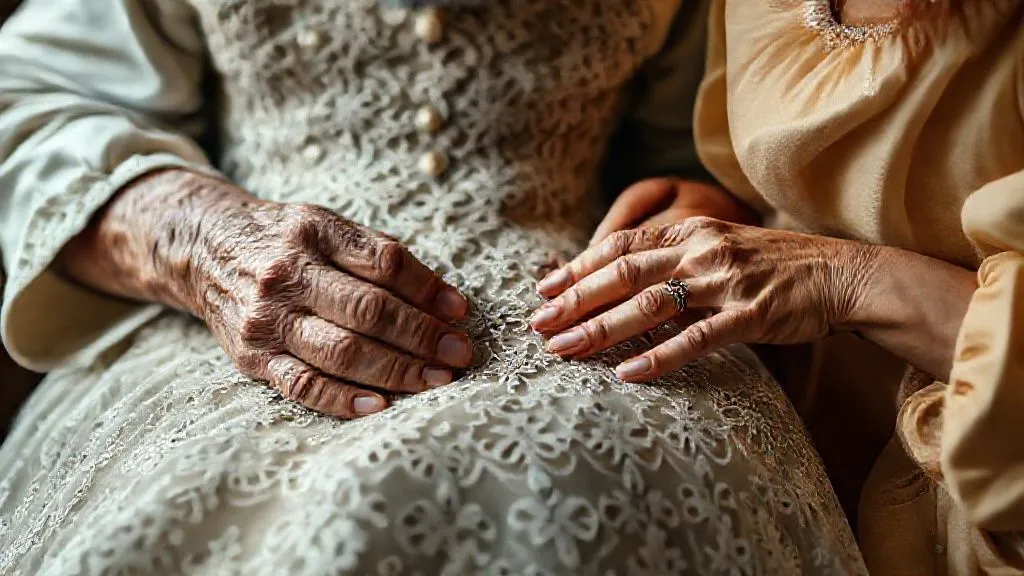
How to Ensure Skill Transfer in Aging Haute Couture Ateliers?
For over twenty-five years, I've had the immense privilege of witnessing the magic unfold within the hallowed walls of haute couture ateliers. I've seen the whispered secrets, the deft hands, and the almost spiritual connection between artisan and fabric. Yet, I've also observed a quiet, creeping anxiety – the concern that these unparalleled skills, honed over lifetimes, might vanish with the passing of a generation. It's a problem I've seen in countless discussions, a silent threat to the very soul of luxury craftsmanship.
The pain point for many atelier directors and creative directors is palpable: how do you capture the unwritten, the intuitive, the deeply ingrained knowledge of a master artisan? Their hands, their eyes, their very intuition hold the keys to techniques that cannot be found in any textbook. As the average age of these irreplaceable artisans continues to climb, the urgency to address this skill transfer gap becomes a critical, existential challenge for haute couture.
This article isn't just a discussion; it's a call to action, offering a definitive framework built on practical insights and real-world strategies. We will delve into actionable methodologies, explore innovative solutions, and provide a roadmap for safeguarding the future of luxury craftsmanship. My goal is to equip you with the knowledge to not just preserve, but to perpetuate the exquisite art of haute couture for generations to come.
The Looming Crisis: Why Skill Transfer is Critical for Haute Couture's Survival
The world of haute couture thrives on exclusivity, unparalleled quality, and, most importantly, extraordinary craftsmanship. These aren't merely manufacturing processes; they are intricate art forms passed down through decades, often centuries. The skills involved in creating a single haute couture garment – from intricate embroidery and delicate lacework to precise draping and meticulous hand-finishing – are often tacit, meaning they are difficult to articulate or codify. They reside within the muscle memory, intuition, and accumulated wisdom of individual artisans.
In my experience, the greatest threat to this heritage isn't a lack of demand for luxury, but a potential shortage of the hands capable of creating it. Many of the master artisans, the 'petites mains' who bring these fantastical creations to life, are nearing retirement. Their departure without adequate knowledge transfer represents an irreplaceable loss, not just for individual ateliers, but for the entire ecosystem of luxury fashion. It's a scenario I've seen play out in various craft industries, and the consequences can be devastatingly permanent.
"The true value of haute couture lies not just in its aesthetic, but in the human touch that imbues each piece with soul. Losing that touch is to lose the very essence of the craft."
This isn't merely about training new recruits; it's about preserving a cultural legacy. Each stitch, each bead, each precisely cut pattern piece carries a history, a technique refined over generations. Without a conscious, strategic effort to transfer these skills, we risk turning haute couture into a historical artifact rather than a living, breathing art form. It's a challenge that demands immediate and thoughtful intervention, transforming potential loss into a powerful opportunity for renewal.
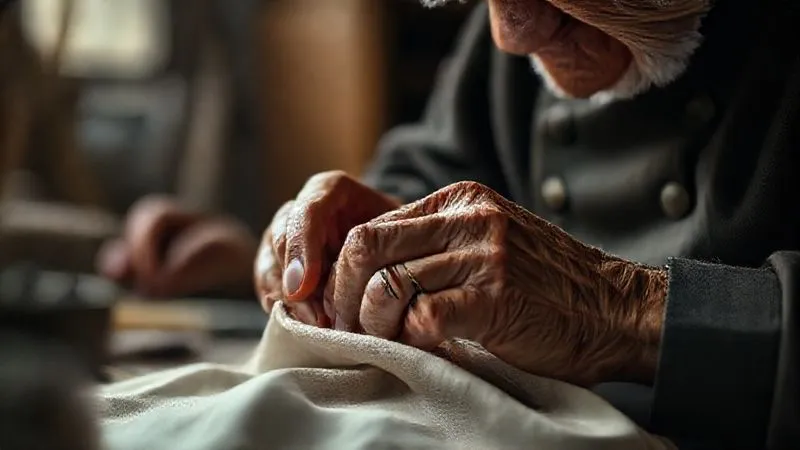
Formalizing the Unspoken: Developing Structured Apprenticeship Programs
One of the most effective strategies I've advocated for is the formalization of apprenticeship programs. While informal mentorship has always been the backbone of skill transfer in ateliers, the current climate demands a more structured, intentional approach. This ensures that no critical skill is overlooked and that the learning process is both comprehensive and measurable.
Crafting a Curriculum for Mastery
The idea of a 'curriculum' might seem antithetical to the organic nature of haute couture, but it's about providing a framework, not stifling creativity. I've found that breaking down the vast array of skills into manageable modules allows for systematic learning and progression. This includes everything from specific embroidery techniques to pattern manipulation and fabric handling.
- Defined Learning Objectives: Clearly outline what skills an apprentice should master at each stage.
- Sequential Skill Progression: Structure the program to build foundational skills before advancing to complex techniques.
- Regular Assessment: Implement checkpoints to evaluate mastery and provide targeted feedback.
- Exposure to Diverse Techniques: Ensure apprentices learn across various specialties within the atelier.
According to a study by the Harvard Business Review on organizational learning, structured training programs significantly reduce the time to proficiency and improve retention of complex skills. This principle holds especially true in the highly specialized world of haute couture.
Implementing a Multi-Tiered Apprenticeship Model
A successful program often involves different levels, from junior apprentices to advanced trainees, each with increasing responsibilities and technical demands. This provides a clear career path and motivates learners.
- Discovery Phase (6-12 months): Focus on foundational skills, material understanding, and atelier etiquette. Apprentices observe, assist, and practice basic techniques under close supervision.
- Specialization Phase (1-2 years): Apprentices begin to focus on specific crafts (e.g., flou, tailleur, broderie) and undertake more complex tasks, working directly alongside master artisans.
- Advanced Mastery (2-3+ years): Trainees refine their chosen craft, work on entire garments or complex sections independently, and begin to contribute to creative problem-solving.
- Mentorship Transition: The most promising advanced trainees are groomed to become future mentors, completing the cycle of knowledge transfer.
Mentorship Redefined: The Art of One-on-One Knowledge Transmission
While structured programs provide the backbone, the heart of skill transfer in haute couture remains the intimate, one-on-one relationship between master and apprentice. This isn't just about showing; it's about feeling, intuiting, and understanding the 'why' behind every precise movement.
The Role of the Master Artisan as a Guide
Master artisans are not just technicians; they are custodians of tradition and innovators of technique. Their role in mentorship extends beyond instruction to include inspiration, critical feedback, and the sharing of a deep passion for the craft. I've found that empowering masters to truly 'own' their mentorship role, rather than seeing it as an additional burden, yields the best results.
This requires careful selection of mentors, ensuring they possess not only technical prowess but also patience, strong communication skills, and a genuine desire to pass on their legacy. Providing them with training in pedagogical techniques can also be highly beneficial, helping them articulate skills that have become second nature.
"True mentorship in haute couture is a dance of observation, imitation, and gentle correction, where the nuances of touch and tension are felt rather than merely explained."
Creating a supportive environment where masters feel valued for their teaching contribution, perhaps even with dedicated time allocated for mentorship, can significantly enhance their engagement. It transforms their role from simply 'doing' to 'doing and teaching,' reinforcing their invaluable position within the atelier.
Documenting the Undocumentable: Creating Digital & Archival Knowledge Repositories
The challenge of documenting tacit knowledge is immense, but not insurmountable. While you can't fully capture the 'feel' of a fabric or the 'intuition' of a cut, you can create comprehensive resources that support and accelerate the learning process. This is where technology becomes a powerful ally in the preservation of tradition.
Leveraging Technology for Tacit Knowledge Capture
I've seen forward-thinking ateliers begin to implement digital archives that go far beyond simple pattern libraries. These repositories become living documents of techniques, processes, and historical context.
- High-Definition Video Tutorials: Film master artisans demonstrating complex techniques, from specific embroidery stitches to delicate hand-finishing, with close-ups and clear narration.
- Annotated Digital Patterns: Digitize historical and contemporary patterns, adding detailed annotations on construction methods, fabric grain lines, and specific fitting adjustments.
- Material & Sample Libraries: Create physical and digital libraries of fabric swatches, embellishments, and partially constructed samples, each cross-referenced with relevant techniques.
- Audio Interviews & Oral Histories: Record master artisans discussing their experiences, problem-solving approaches, and the 'tricks of the trade' that are rarely written down.
- 3D Scanning & Modeling: For complex drapes or sculptural elements, 3D scanning can capture the exact form and structure, providing a digital blueprint for future reference.
This approach transforms individual knowledge into institutional knowledge, making it accessible to current and future generations of artisans. It acts as a safety net, ensuring that even if a master artisan retires, their invaluable contributions remain within the atelier's collective memory. The UNESCO Convention for the Safeguarding of the Intangible Cultural Heritage underscores the global importance of preserving such traditional skills.
| Documentation Method | Pros | Cons |
|---|---|---|
| Traditional Apprenticeship | Authentic, intuitive transfer; builds strong personal bonds. | Slow, highly dependent on individual mentor; difficult to scale or standardize. |
| Digital Video & Archiving | Scalable, accessible anytime; captures visual and audio nuances; preserves knowledge after artisan's departure. | May miss tactile subtleties; initial setup can be time-consuming; requires technical expertise. |
| Annotated Digital Patterns | Precise technical instructions; cross-referencing capabilities; reduces errors. | Cannot fully convey 3D draping or fabric behavior; requires careful and detailed annotation. |
| Oral Histories | Captures context, anecdotes, and 'unwritten rules'; preserves personal stories. | Subjective; requires careful transcription and organization; not a step-by-step guide. |
| 3D Scanning/Modeling | Captures complex forms accurately; useful for sculptural elements; aids in reverse engineering. | High cost; specialized equipment and software; not suitable for all techniques. |
Fostering a Culture of Continuous Learning and Innovation
Skill transfer isn't a one-time event; it's an ongoing process that thrives in an environment of continuous learning. Ateliers must cultivate a culture where both seasoned masters and eager apprentices feel empowered to learn, share, and even innovate within the boundaries of tradition.
Case Study: Atelier Étoile's Intergenerational Exchange
Atelier Étoile, a renowned Parisian couture house specializing in intricate beadwork and feather artistry, faced a critical shortage of skilled young artisans. Their master plumassière, Madame Dubois, was approaching 70, and her unique techniques for manipulating exotic feathers were almost entirely undocumented. Rather than waiting for a crisis, the atelier implemented an 'Intergenerational Exchange' program.
They paired Madame Dubois with three promising young apprentices, not just for instruction, but for collaborative projects. Madame Dubois taught them the traditional methods, but the apprentices were also encouraged to experiment with new materials and tools under her guidance. They documented their processes using high-definition cameras and even created a digital encyclopedia of feather types and manipulation techniques.
This two-way learning fostered immense respect. Madame Dubois felt valued for her knowledge and energized by the fresh perspectives, while the apprentices gained unparalleled expertise. Within three years, two of the apprentices had achieved near-mastery in plumasserie, and the atelier had a comprehensive digital archive of Madame Dubois's techniques, ensuring her legacy would continue. This collaborative approach transformed a potential loss into a dynamic evolution of the craft.
Encouraging cross-atelier visits, workshops with external experts, and even internal 'skill-sharing' days can break down silos and enrich the collective knowledge base. It's about creating a dynamic ecosystem where learning is celebrated, not just tolerated.
"Innovation in haute couture doesn't mean abandoning tradition; it means understanding tradition so deeply that you can push its boundaries with respect and mastery."
I've observed that when artisans feel their contributions are valued and their ideas are considered, they are far more likely to engage fully in the transfer process. This includes providing opportunities for apprentices to contribute creatively, even in small ways, as they develop their skills. It instills a sense of ownership and pride.
Strategic Partnerships: Collaborating with Educational Institutions
The burden of skill transfer doesn't have to rest solely on the ateliers themselves. Forging strategic partnerships with leading fashion schools, vocational training centers, and even universities can create a powerful synergy, bridging the gap between academic learning and practical application.
These collaborations can take many forms, offering mutual benefits:
- Joint Apprenticeship Programs: Schools can provide foundational theoretical knowledge, while ateliers offer intensive practical training.
- Internship & Residency Programs: Offering structured internships provides students with invaluable real-world experience and allows ateliers to identify potential future talent early.
- Master Classes & Workshops: Master artisans can teach specialized workshops at educational institutions, raising awareness and interest in haute couture crafts among students.
- Curriculum Development: Ateliers can consult with schools to ensure their fashion design and technical programs are aligned with the actual demands and techniques of haute couture.
- Research & Development: Collaborating on projects that explore new materials, sustainable practices, or digital tools can benefit both parties, pushing the boundaries of the craft.
These partnerships not only provide a pipeline of talented individuals but also elevate the perception of haute couture craftsmanship as a viable and prestigious career path. As The Business of Fashion often highlights, talent development is a critical long-term investment for the entire industry.
Incentivizing Legacy: Retaining Master Artisans and Attracting New Talent
Ensuring skill transfer is a two-pronged approach: you need experienced masters willing to share, and eager apprentices motivated to learn. Both sides require thoughtful incentives that go beyond basic compensation.
Financial & Non-Financial Incentives for Masters
Retaining master artisans is paramount. Their unique skill sets command respect and appropriate remuneration. However, I've learned that financial incentives alone are often not enough. Masters are driven by purpose, recognition, and the desire to leave a legacy.
- Legacy Bonuses/Stipends: Financial recognition specifically for their role in mentorship and knowledge transfer.
- Creative Freedom: Opportunities to work on special projects, personal commissions, or contribute to design innovation.
- Public Recognition: Featuring masters in atelier publications, social media, or even industry awards for their contributions to craft preservation.
- Flexible Work Arrangements: Offering reduced hours or project-based work as they approach retirement, allowing them to continue sharing skills without full-time pressure.
- Mentorship Training & Support: Investing in their ability to teach, demonstrating that their role as a mentor is highly valued.
Attracting the Next Generation of Artisans
Attracting young talent to a demanding, often lengthy apprenticeship requires demonstrating a clear and rewarding career path. It's about making haute couture craftsmanship an aspirational profession.
- Competitive Apprenticeship Wages: Fair compensation during the learning phase, acknowledging the value of their time and effort.
- Clear Career Progression: A defined path from apprentice to journeyman to master, with associated increases in responsibility and salary.
- Modern & Inspiring Work Environment: Ateliers should be well-lit, ergonomically sound, and equipped with both traditional and appropriate modern tools.
- Showcasing Artisan Stories: Highlighting the journeys and achievements of current artisans to inspire prospective apprentices.
- Global Exposure: Opportunities for apprentices to travel, visit suppliers, or participate in international workshops.
| Incentive Type | Examples | Impact on Skill Transfer |
|---|---|---|
| For Master Artisans | Legacy bonuses, creative project leadership, public recognition, flexible work, mentorship training. | Increases willingness to teach, enhances sense of purpose, retains invaluable expertise longer. |
| For Young Talent/Apprentices | Competitive wages, clear career progression, inspiring environment, global exposure, showcase opportunities. | Attracts high-caliber candidates, motivates continuous learning, reduces attrition during training. |
Measuring Success: Metrics for Effective Skill Transfer Programs
Implementing skill transfer programs without a way to measure their effectiveness is like creating a couture gown without a fitting. You need metrics to assess progress, identify areas for improvement, and demonstrate the return on investment. In my experience, a multi-faceted approach to measurement is key.
Here are some crucial metrics and methods I recommend:
- Proficiency Assessments: Regular, structured evaluations of apprentices' mastery of specific techniques. This could involve practical tests, project completion, or portfolio reviews, scored against pre-defined criteria.
- Completion Rates: Tracking the percentage of apprentices who successfully complete each stage of the program and ultimately achieve journeyman or master status.
- Time to Proficiency: Measuring how long it takes a new apprentice to reach a specified level of competence compared to historical benchmarks or industry standards.
- Quality of Work: Assessing the quality of garments or components produced by newly trained artisans, comparing it to the standards set by master artisans. This can be qualitative (expert review) and quantitative (defect rates).
- Master Artisan Feedback: Regular, structured feedback from master artisans on their apprentices' progress, engagement, and aptitude. This provides invaluable qualitative data.
- Apprentice Retention Rates: Monitoring how many trained artisans remain with the atelier long-term, indicating job satisfaction and successful integration.
- Knowledge Repository Utilization: If digital archives are created, tracking how frequently they are accessed and by whom can indicate their value and effectiveness as learning tools.
These metrics provide a holistic view of the program's health, allowing ateliers to make data-driven decisions. They move the conversation beyond anecdotal success to demonstrable progress in securing the future of their craft. As management guru Seth Godin often emphasizes, what gets measured gets managed, and in the intricate world of haute couture, precision in management is as vital as precision in stitching.
"The true measure of a skill transfer program isn't just the number of new hands trained, but the depth of mastery instilled and the seamless continuation of a timeless legacy."
Frequently Asked Questions (FAQ)
Q: What are the biggest challenges in convincing master artisans to share their secrets? The primary challenges often revolve around time constraints, a natural inclination to protect proprietary techniques (especially if they've developed them), and sometimes a lack of confidence in their ability to teach. Overcoming this requires building trust, recognizing their unique value as educators, providing dedicated time for mentorship, and assuring them that sharing their knowledge enhances their legacy, rather than diminishing it. Creating a culture where knowledge sharing is celebrated, not just expected, is crucial.
Q: How can smaller ateliers implement these strategies with limited resources? Smaller ateliers can start by focusing on one-on-one mentorship and selective documentation of the most critical skills. Collaborating with other small ateliers or local vocational schools can pool resources for shared training programs or equipment. Leveraging free or low-cost digital tools for video recording and simple archiving can be highly effective. The key is to be strategic, identifying the most vulnerable skills and prioritizing their transfer with the resources available, perhaps starting with a single, highly valued artisan.
Q: What role does intellectual property play in documenting unique techniques? Intellectual property (IP) is a significant consideration. Ateliers often have unique techniques that contribute to their distinctive style. When documenting, it's important to establish clear IP guidelines. This might involve non-disclosure agreements with apprentices, clear policies on how documented techniques can be used (e.g., for internal training only), and potentially even patenting or trademarking specific innovative processes if applicable. Legal counsel should be sought to protect the atelier's unique heritage while facilitating necessary knowledge transfer.
Q: How long does a typical haute couture apprenticeship take to achieve mastery? Achieving true mastery in haute couture is a lifelong journey, but a structured apprenticeship typically takes a minimum of 3 to 5 years to achieve a high level of proficiency in a specialized craft. Some complex skills, like intricate embroidery or highly specialized tailoring, might require even longer, often 7 to 10 years, to reach the level of a master artisan capable of working independently on the most challenging pieces. It's a testament to the depth and complexity of these traditional crafts.
Q: Can AI and automation replace these traditional skills? While AI and automation can assist in certain aspects of design, pattern cutting, or even some repetitive sewing tasks, they are highly unlikely to replace the core, intuitive, and highly tactile skills of haute couture. The human hand's ability to feel fabric, make nuanced adjustments, and imbue a garment with artistry and soul is currently beyond the capabilities of machines. AI can be a tool to enhance efficiency or document processes, but the essence of haute couture will remain firmly rooted in human craftsmanship and artistic interpretation.
Key Takeaways and Final Thoughts
The imperative to ensure skill transfer in aging haute couture ateliers is not merely a logistical challenge; it is a profound responsibility to safeguard a priceless cultural heritage. My years in this exquisite industry have taught me that proactive, empathetic, and strategically planned interventions are not just beneficial, but absolutely essential for the survival of this unique art form.
- Formalize Apprenticeships: Move beyond informal mentorship to structured, measurable learning pathways.
- Redefine Mentorship: Empower master artisans as valued educators, providing them with the support and recognition they deserve.
- Embrace Technology: Utilize digital tools for comprehensive documentation, capturing tacit knowledge for future generations.
- Cultivate Learning: Foster an atelier culture that celebrates continuous learning, sharing, and respectful innovation.
- Forge Partnerships: Collaborate with educational institutions to create a robust pipeline of new talent.
- Incentivize Legacy: Offer both financial and non-financial incentives to retain masters and attract dedicated apprentices.
- Measure Progress: Implement clear metrics to track the effectiveness and impact of skill transfer initiatives.
By implementing these strategies, ateliers can move beyond simply reacting to the aging workforce and instead proactively build a vibrant, resilient future. It's about honoring the past by investing in the future, ensuring that the magic of haute couture continues to enchant and inspire for centuries to come. The legacy of luxury craftsmanship is not just in what we create, but in who we empower to create it next.
Recommended Reading
- Mastering Progressive Lenses: 5 Ways to Stop Distortion During Public Speaking
- 5 Proven Ways: Eliminate Persistent Odor in Workout Clothes Post-Wash
- 7 Steps: Capitalizing on Sudden Celebrity Eyewear Viral Moments
- 7 Steps: How to Resolve Unhappy Fashion Brand Collaboration Feedback?
- 7 Proven Strategies: Mitigating AI Bias in Fashion & Personalization



Your email address will not be published. Required fields are marked *