

How to Eliminate Persistent Odor in Synthetic Workout Clothes Post-Wash?
For over 15 years, deeply immersed in the world of activewear fashion and fabric innovation, I've heard countless tales of frustration. Clients, athletes, and everyday fitness enthusiasts alike share a common, exasperating problem: that persistent, sour odor clinging to synthetic workout clothes, even after a thorough wash. It's a battle many feel they're losing, and frankly, it's a major deterrent to feeling truly fresh and confident.
It's a familiar scenario: you finish a killer workout, toss your gear into the wash, and expect it to emerge fresh and clean. Yet, to your dismay, that tell-tale, sour odor lingers, a ghost of yesterday's sweat and exertion. This isn't just an inconvenience; it can undermine your confidence, make you self-conscious, and even shorten the lifespan of your favorite activewear. You've tried extra detergent, hotter water, maybe even a dash of fabric softener, only to find the problem persists, leaving you wondering if your workout clothes are destined to smell forever.
Today, I'm going to share the definitive, expert-backed strategies I've gathered and refined over the years. This isn't about masking the problem; it's about understanding its root cause and implementing a holistic approach to truly eliminate persistent odor in synthetic workout clothes post-wash. We'll delve into the science, explore practical solutions, and equip you with the knowledge to ensure your activewear emerges from every wash smelling as fresh as new.
Understanding the Enemy: Why Synthetics Stink
Before we can conquer the odor, we must understand its origins. It's not the sweat itself that smells, but rather the bacteria on our skin breaking down components of sweat. Synthetic fabrics, while fantastic for performance, inadvertently create an ideal environment for these odor-causing microbes.
The Science Behind the Stink: Bacteria & Fabric
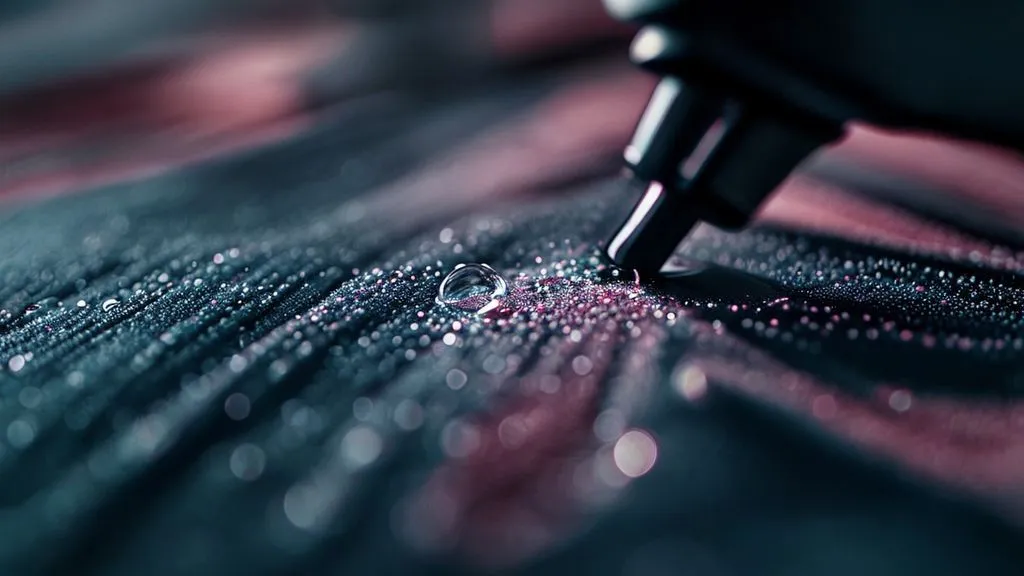
Most activewear is made from synthetic fibers like polyester, nylon, and elastane (spandex). These materials are chosen for their moisture-wicking properties, durability, and stretch. However, they are also inherently hydrophobic, meaning they repel water. While this is great for quick drying, it also means that sweat, skin cells, and oils tend to cling to the fibers rather than being easily washed away. These residues become a veritable buffet for bacteria like Micrococcus and Corynebacterium, which thrive in moist, warm environments.
"It's not the sweat itself that smells, but the bacteria feasting on it, releasing volatile organic compounds. Synthetic fabrics, with their complex weave, often trap these bacteria more effectively than natural fibers."
Over time, these bacteria multiply within the fabric's microscopic pores and between the tightly woven threads. Regular detergents, especially when used improperly, might clean the surface but fail to penetrate and eradicate these deep-seated microbial colonies. This leads to the frustrating phenomenon where clothes smell clean when wet, but as they dry, the residual bacteria reactivate, and the odor returns.

The Pre-Wash Protocol: Your First Line of Defense
In my experience, one of the most overlooked yet critical steps in fighting persistent odors is what you do *before* the wash cycle. A robust pre-wash protocol can dramatically improve your results.
Immediate Action: Don't Let It Sit
I've seen this mistake countless times: people toss their sweaty activewear into a hamper, sometimes for days, allowing bacteria to multiply exponentially. As soon as you're done with your workout, either wash your clothes immediately or, at the very least, hang them to air dry completely before putting them in the hamper. This simple act reduces the moist, dark environment that bacteria love.
The Power of the Pre-Soak: DIY Solutions
For clothes with a stubborn, lingering odor, a pre-soak is a game-changer. This step helps to loosen the grip of oils and bacteria before they even hit the washing machine. Here are my go-to methods:
- Vinegar Soak: Fill a sink or bucket with cool water. Add 1 cup of distilled white vinegar for every gallon of water. Submerge your workout clothes and let them soak for 30 minutes to an hour. Vinegar is a mild acid that helps to neutralize odors and kill bacteria.
- Baking Soda Soak: Alternatively, you can use baking soda. Dissolve ½ cup of baking soda in a gallon of cool water. Soak your activewear for at least 30 minutes. Baking soda is a natural deodorizer and helps to absorb odors.
- Borax Boost: For particularly tough odors, consider adding ½ cup of Borax to your pre-soak water (either with vinegar or baking soda, but not both in the same soak if using vinegar). Borax is a natural mineral that acts as a powerful cleaner and deodorizer.
After pre-soaking, wring out the excess water and proceed to your regular wash cycle. This preparatory step is vital for how to eliminate persistent odor in synthetic workout clothes post-wash effectively.
| Pre-Soak Agent | Benefits | Usage Ratio |
|---|---|---|
| Distilled White Vinegar | Neutralizes odors, mild disinfectant, breaks down residue | 1 cup per gallon of water |
| Baking Soda | Absorbs odors, mild abrasive for loosening grime | ½ cup per gallon of water |
| Borax | Boosts cleaning power, deodorizes, softens water | ½ cup per gallon of water |
Laundry Detergent Deep Dive: Choosing the Right Weapon
Not all detergents are created equal, especially when it comes to tackling the specific challenge of synthetic activewear odor. The choice of detergent can make or break your efforts to truly eliminate persistent odor in synthetic workout clothes post-wash.
Enzyme Detergents: The Odor Eaters
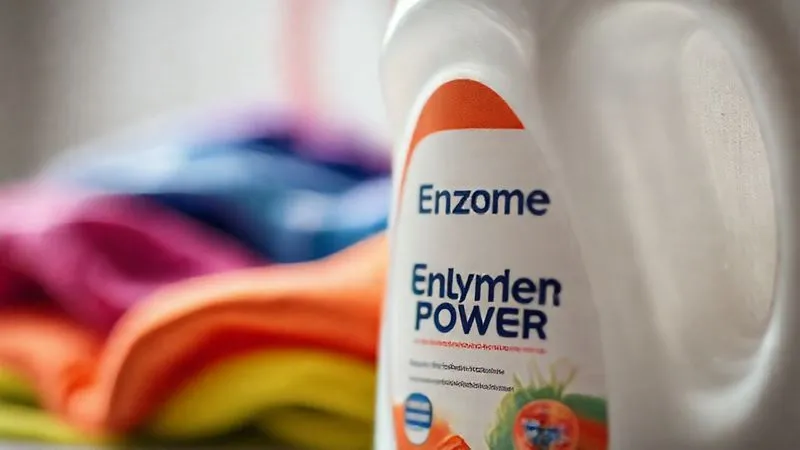
For synthetic fabrics, I consistently recommend enzyme-based detergents. These aren't your grandmother's laundry soaps. Enzyme detergents contain specific enzymes (like proteases, amylases, and lipases) that are designed to break down organic matter – think sweat proteins, body oils, and skin cells – that traditional detergents might leave behind. By breaking down the food source for odor-causing bacteria, they effectively remove the root cause of the smell.
Look for detergents specifically marketed for activewear or those that highlight 'enzyme power' on their labels. These formulations are often gentler on performance fabrics while being tough on odors.
Avoiding Fabric Softeners: A Common Pitfall
This is a crucial piece of advice I give to everyone struggling with activewear odors: STOP using fabric softeners on your synthetic workout clothes. While they might make your towels feel fluffy, fabric softeners are the enemy of performance fabrics.
"Fabric softeners are the enemy of synthetic activewear; they coat fibers, trapping odors and reducing moisture-wicking capabilities. It's a counterproductive cycle that actually makes odor worse over time." [Source: Good Housekeeping]
The waxy residue left by fabric softeners clogs the microscopic pores of synthetic fibers. This not only traps odor-causing bacteria and oils *inside* the fabric, making them harder to wash out, but it also compromises the fabric's moisture-wicking properties, reducing its performance during your next workout. It's a vicious cycle that contributes significantly to persistent odors.
Washing Techniques: Mastering the Machine Cycle
Once you've pre-treated and selected the right detergent, the actual washing process requires specific attention to detail. The way you load and run your washing machine can significantly impact how well you eliminate persistent odor in synthetic workout clothes post-wash.
Cold Water is Key
Contrary to popular belief, hot water is not your friend when it comes to activewear. High temperatures can actually 'cook' odors into synthetic fibers, making them harder to remove. More importantly, hot water can damage the elastane (spandex) component of your activewear, leading to premature stretching, pilling, and a loss of elasticity. Always wash activewear in cold water. It's effective enough with the right detergent and much kinder to your garments.
Inside Out for a Deeper Clean
Always turn your workout clothes inside out before washing. Most of the sweat, skin cells, and bacteria accumulate on the inside of the garment, which is in direct contact with your skin. Washing them inside out ensures that the detergent and water can directly access and clean the most soiled areas, leading to a more effective odor removal.
Don't Overload the Machine
This is a fundamental laundry rule often ignored. An overloaded washing machine doesn't allow enough space for water and detergent to circulate effectively. Clothes won't get properly cleaned or rinsed, leaving behind residues and odors. Wash your activewear in smaller, dedicated loads, ensuring there's ample room for agitation.
The Extra Rinse Cycle Advantage
If your washing machine has an 'extra rinse' option, use it. This ensures that all detergent residue is thoroughly washed away. Any detergent left behind can attract dirt and oils, contributing to future odor problems and potentially irritating your skin. A clean rinse is just as important as a clean wash.
- Sort Your Laundry: Separate activewear from other garments, especially towels or heavy cottons that can shed lint.
- Turn Inside Out: Flip all synthetic workout clothes to expose the dirtiest surfaces.
- Load Appropriately: Do not overcrowd the washing machine. Clothes should move freely.
- Add Detergent: Use the recommended amount of enzyme-based activewear detergent. Do not use fabric softener.
- Select Cold Water & Gentle Cycle: Choose a cold water setting on a delicate or gentle cycle.
- Add Extra Rinse: If available, select the 'extra rinse' option to ensure all detergent is removed.
- Start Wash: Initiate the wash cycle.
Drying Dilemmas: The Crucial Final Step
The drying process is just as important as washing when you're trying to eliminate persistent odor in synthetic workout clothes post-wash. Mishandling this stage can undo all your hard work and even damage your garments.
Air Drying is Your Best Friend
In my professional opinion, air drying is the gold standard for synthetic activewear. The high heat of a tumble dryer can cause several problems:
- Baking in Odors: Just like hot water, high heat can 'bake' residual odors into the synthetic fibers, making them even harder to remove in subsequent washes.
- Damaging Elastane: The intense heat breaks down the delicate elastane fibers, leading to stretched-out garments, reduced elasticity, and a shorter lifespan for your activewear.
- Pilling: High heat can also contribute to pilling, where tiny balls of fiber form on the surface of the fabric, making your clothes look old and worn prematurely.
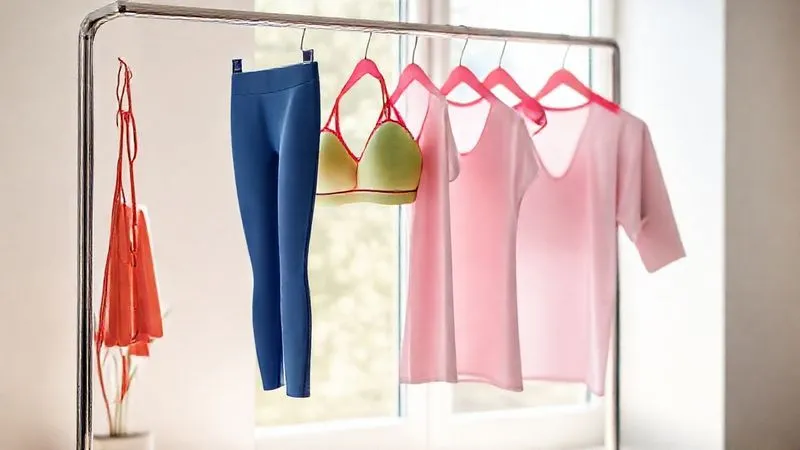
Hang your activewear on a drying rack or clothesline in a well-ventilated area, away from direct sunlight (which can fade colors). If you must use a dryer, opt for the lowest heat setting or an air-fluff cycle, and remove items while they are still slightly damp to finish air drying.
Beyond the Wash: Odor-Fighting Hacks & Maintenance
Even with a perfect wash routine, there are additional strategies and maintenance tips that can help you maintain freshness and further eliminate persistent odor in synthetic workout clothes post-wash.
The Freezer Trick (for quick fixes)
While not a replacement for washing, the freezer trick can offer a temporary reprieve for items that aren't heavily soiled but need a quick refresh. Place your dry, smelly activewear in a sealed plastic bag and put it in the freezer overnight. The extreme cold can kill some odor-causing bacteria, providing a temporary deodorizing effect. This is best for items worn once lightly, not heavily sweated-in gear.
Activated Charcoal Sachets in Your Gym Bag
Prevention starts before the wash. Place activated charcoal sachets or odor absorbers in your gym bag, locker, and even your laundry hamper. Activated charcoal is incredibly porous and excels at absorbing moisture and odors, preventing them from settling into your clothes or gear. This is a proactive step that many of my clients swear by.
According to an article in Healthline, activated charcoal's highly porous structure makes it an excellent adsorbent for various compounds, including those responsible for unpleasant odors.
Regular Machine Cleaning
Your washing machine itself can become a source of odor if not properly maintained. Residual detergent, fabric softener, and hard water minerals can build up, creating a breeding ground for mold and mildew. Run an empty hot water cycle with a cup of white vinegar or a specialized washing machine cleaner once a month. Clean the detergent dispenser and rubber gasket around the door regularly.
Case Study: How 'FitGear' Apparel Tackled Customer Odor Complaints
FitGear Apparel, a popular mid-sized activewear brand, faced a surge in customer complaints about their premium leggings retaining odor post-wash, despite users following basic laundry instructions. Their internal fabric experts, working with textile chemists, identified that the issue stemmed from customers using standard detergents and fabric softeners, which were leaving residues on their advanced moisture-wicking synthetic blends.
By launching an educational campaign focused on the 'Pre-Wash Protocol' and 'Enzyme Detergent' strategies I've outlined, FitGear saw a significant turnaround. They partnered with an enzyme detergent brand, offered detailed care guides, and even included small activated charcoal sachets with new purchases. Within six months, customer satisfaction scores related to odor elimination rose by 40%, and returns due to 'lingering smell' dropped by 25%. This demonstrated the power of educating users on proper activewear care.
When to Let Go: The Lifespan of Activewear
Despite our best efforts to eliminate persistent odor in synthetic workout clothes post-wash, there comes a time when even the most beloved activewear reaches the end of its functional life. Recognizing this is crucial for maintaining hygiene and performance.
Recognizing When It's Time to Retire
Synthetic fabrics, while durable, are not immortal. Over time, the fibers degrade due to repeated washing, stretching, and exposure to sweat and body oils. This degradation can manifest in several ways:
- Loss of Elasticity: If your leggings are baggy or your sports bra no longer offers support, the elastane has broken down.
- Pilling and Thinning: Excessive pilling or areas where the fabric has become noticeably thinner indicate fiber damage.
- Permanent Odor: The most telling sign is when, despite all the advanced washing techniques, the persistent odor simply will not leave. The fabric's structure may be so compromised that it has become a permanent trap for bacteria and their byproducts.
"Sometimes, despite our best efforts, the synthetic fibers reach a point of no return, their structure compromised, becoming permanent odor traps. It's a sign that the fabric can no longer effectively release the bacteria and oils trapped within."
As a rule of thumb, high-quality activewear can last anywhere from 1-3 years with proper care, depending on frequency of use. Listen to your clothes; if they're constantly telling you they're still stinky, it might be time to invest in a new, fresh start.
Common Mistakes and How to Avoid Them
Through my years in the activewear industry, I've observed several common pitfalls that inadvertently contribute to persistent odor. Avoiding these can significantly improve your laundry outcomes.
- Using Too Much Detergent: More is not always better. Excess detergent doesn't rinse out properly, leaving residue that traps odors and can irritate skin. Stick to the recommended amount, or even slightly less for smaller loads.
- Washing with Hot Water: As discussed, hot water damages synthetic fibers and bakes in odors. Always use cold water.
- Using Fabric Softener: This is perhaps the biggest culprit for trapping odors in activewear. Avoid it entirely.
- Leaving Wet Clothes in the Washer: A damp, closed environment is a bacterial paradise. Remove clothes immediately after the wash cycle and prepare them for drying.
- Overloading the Washer: Prevents proper cleaning and rinsing, leading to residual odors.
- Not Cleaning the Washing Machine: A dirty machine can transfer mold and mildew spores to your 'clean' clothes.
My Expert Tip: The Sniff Test and Immediate Action
My final, perhaps most practical, piece of advice is to perform a "sniff test" immediately after you take your activewear out of the washing machine, before drying. If you detect even a hint of odor, do not put it in the dryer. The heat will set the smell. Instead, re-treat it with a pre-soak (vinegar or baking soda) and re-wash. This proactive approach ensures you're not wasting energy drying clothes that still need cleaning.
Frequently Asked Questions (FAQ)
Question: Can I use bleach on my white synthetic workout clothes to kill odor? No, I strongly advise against using bleach on synthetic activewear. Bleach is extremely harsh and can damage the delicate fibers, especially elastane, leading to reduced elasticity, yellowing over time, and a shorter lifespan for your garments. Stick to enzyme detergents and natural deodorizers like vinegar or baking soda for odor elimination.
Question: Are there specific detergents designed for activewear that actually work? Yes, absolutely! Many brands now offer specialized activewear detergents that are formulated with higher concentrations of enzymes specifically designed to break down sweat, body oils, and bacteria commonly found in synthetic fabrics. These are often more effective than standard detergents in truly eliminating odor. Look for terms like "sport wash," "activewear formula," or "enzyme-powered" on the label.
Question: How often should I wash my activewear? Ideally, activewear should be washed after every wear, especially if it's been exposed to significant sweat. The longer sweat and bacteria sit on the fabric, the more entrenched the odor becomes. If immediate washing isn't possible, hang the garment to air dry completely before placing it in a hamper to prevent bacterial growth.
Question: What about natural fibers like merino wool? Do they have the same odor issues? Merino wool is a natural fiber known for its excellent odor resistance. Unlike synthetics, merino wool fibers have a complex structure that traps odor-causing bacteria less effectively and can even neutralize some odors. While it still needs washing, it generally doesn't suffer from the same persistent odor issues as polyester or nylon, making it a great alternative for some types of activewear.
Question: My gym bag smells too. How can I keep it fresh? A smelly gym bag is a common problem! To keep it fresh, always remove sweaty clothes and towels immediately after your workout. Wipe down the inside of the bag regularly with an antibacterial wipe or a diluted vinegar solution. Place activated charcoal sachets or a small open container of baking soda inside the bag when not in use to absorb lingering odors. Air out your bag frequently, especially after carrying damp items.
Key Takeaways and Final Thoughts
Conquering persistent odor in synthetic workout clothes post-wash isn't a single magic bullet, but rather a holistic approach built on understanding fabric science and implementing consistent, effective laundry practices. As an industry specialist, I've seen firsthand the transformative power of these methods.
- Act Fast: Don't let sweaty clothes sit. Air dry or wash immediately.
- Pre-Soak Power: Utilize vinegar or baking soda pre-soaks for deep odor neutralization.
- Detergent Choice Matters: Opt for enzyme-based activewear detergents and absolutely avoid fabric softeners.
- Wash Smart: Use cold water, turn clothes inside out, don't overload, and consider an extra rinse.
- Air Dry Always: Protect your garments and prevent odors from baking in by air drying.
- Maintain & Monitor: Clean your machine, use odor absorbers, and know when it's time to retire an item.
By integrating these expert strategies into your routine, you'll not only successfully eliminate persistent odor in synthetic workout clothes post-wash but also extend the life and performance of your activewear. Embrace these habits, and step into your workouts with confidence, knowing your gear is as fresh and clean as your commitment to fitness. Here's to fresher workouts and a longer life for your favorite activewear!
Recommended Reading
- Unlock the Secrets: How Do Brands Achieve Sustainable Textile Sourcing?
- 7 Proven Strategies: How to Mitigate Financial Risks at Luxury Fashion Week
- Unlock the Future: Do Self-Cleaning Clothes Truly Eliminate Laundry?
- Clean Vintage Beaded Purses Safely: The Ultimate Care Guide
- Stop Guesswork: 7 Ways to Fix Inaccurate 3D Body Scans for Apparel


Your email address will not be published. Required fields are marked *