

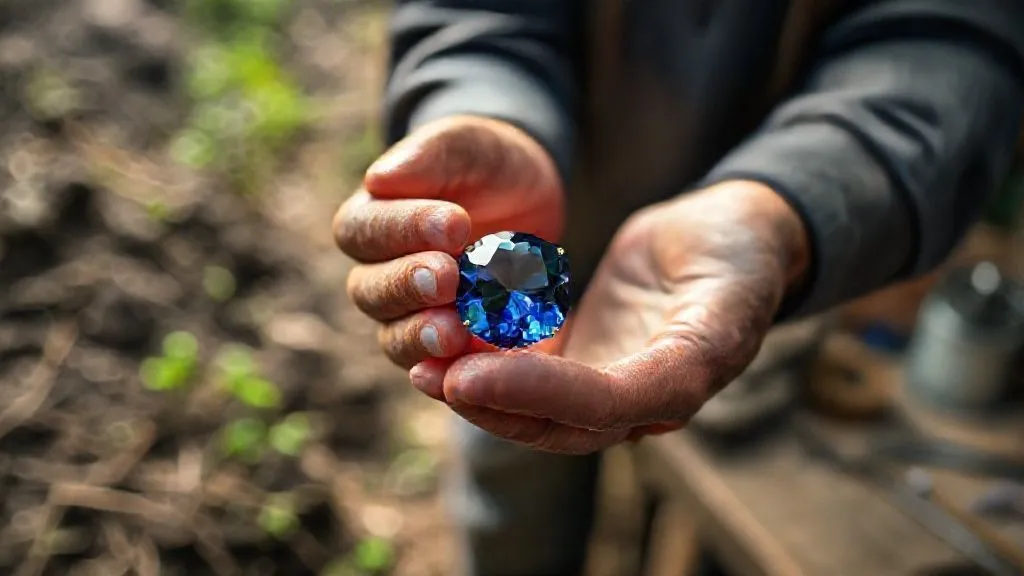
How to Ensure Ethical Sourcing of Bespoke Luxury Gemstones?
For over two decades in the luxury jewelry sector, I’ve witnessed a profound transformation. What was once an opaque, often secretive industry, is now being pushed towards radical transparency by discerning clients and a global conscience. The journey from earth to adornment is intricate, and the moral compass of that journey has become as vital as the gemstone's brilliance itself.
The allure of bespoke luxury gemstones lies in their unique beauty, rarity, and the personal story they tell. Yet, the shadow of unethical practices – from child labor and unsafe mining conditions to environmental degradation and conflict financing – can tarnish even the most magnificent gem. As a connoisseur or creator of bespoke pieces, you carry the responsibility to ensure that the beauty you cherish doesn't come at an unacceptable human or ecological cost.
This article isn't just about identifying problems; it's about empowering you with solutions. I'll share a comprehensive framework, actionable steps, and expert insights drawn from my experience to help you navigate the complex landscape of ethical sourcing. You'll learn how to ensure ethical sourcing of bespoke luxury gemstones, transforming your passion into a force for good.
Understanding the Landscape: Why Ethical Sourcing Matters More Than Ever
The global luxury market, particularly fine jewelry, is undergoing a seismic shift. Consumers are no longer content with just beauty; they demand integrity. The provenance of a gemstone – its origin, its journey, and the hands that touched it – is now an integral part of its value proposition. Ignoring this shift is not just a moral oversight; it's a significant business risk.
The Dark Side of Unregulated Mining
Many of the world's most beautiful gemstones originate from regions where regulatory oversight is minimal. This can lead to devastating consequences: child labor, forced labor, hazardous working conditions, environmental destruction through unregulated extraction methods, and the financing of armed conflicts. These are the realities that ethical sourcing seeks to address and eradicate.
Consumer Demand and Brand Reputation
Today's luxury buyers, especially millennials and Gen Z, are highly informed and socially conscious. They actively seek brands that align with their values. A brand's commitment to ethical sourcing directly impacts its reputation, customer loyalty, and ultimately, its market share. Transparency is no longer a niche differentiator; it's a baseline expectation.
The true value of a luxury gemstone is not solely in its carat weight or clarity, but in the clarity of its conscience. Building trust through verifiable ethical practices is the new gold standard for bespoke luxury.
According to a Deloitte study on ethical consumerism, a significant percentage of consumers are willing to pay more for ethically produced goods. This isn't a trend; it's a fundamental shift in consumer values that the luxury gemstone industry must embrace.
Defining 'Ethical': What Standards Should You Look For?
The term 'ethical' can feel broad, even ambiguous. In the context of luxury gemstones, it encompasses a multi-faceted approach that goes far beyond simply being 'conflict-free.' While 'conflict-free' is a crucial starting point, it primarily addresses the financing of armed conflicts, particularly with diamonds. True ethical sourcing extends much further.
When I advise clients on how to ensure ethical sourcing of bespoke luxury gemstones, I highlight several key pillars:
- Environmental Stewardship: Responsible mining practices that minimize ecological impact, protect biodiversity, and restore land post-extraction.
- Fair Labor Practices: Ensuring safe working conditions, fair wages, no child labor, no forced labor, and respect for human rights across the supply chain.
- Community Development: Contributing positively to local communities through economic development, infrastructure, education, and healthcare initiatives.
- Transparency and Traceability: The ability to track a gemstone's journey from its mine of origin to the final consumer, with verifiable documentation at each step.
- Anti-Corruption: Adherence to anti-bribery and anti-corruption standards throughout the supply chain.
These pillars form the foundation of a truly ethical supply chain. It's about ensuring every facet of a gemstone's journey reflects integrity.
| Standard Type | Primary Focus | Scope |
|---|---|---|
| Conflict-Free | Eliminating conflict financing | Limited, primarily diamonds |
| Fair Trade | Social, economic, environmental justice | Comprehensive, often includes small-scale miners |
| Responsible Sourcing | Broad ethical and sustainable practices | Holistic, includes human rights, environment, governance |
Due Diligence: Tracing the Journey from Mine to Market
The backbone of ethical sourcing is robust due diligence and verifiable traceability. Without knowing where a gemstone comes from and how it reached you, any claims of ethical sourcing remain unsubstantiated. This is where a proactive, investigative approach becomes paramount.
Here are the critical steps I guide my clients through for thorough due diligence:
- Supplier Vetting: Go beyond surface-level inquiries. Request detailed information about their sourcing policies, their relationships with mines or cutters, and any certifications they hold. Ask for references and speak to other jewelers who work with them.
- Chain of Custody Documentation: Insist on comprehensive documentation for each gemstone. This includes mining certificates, invoices from cutters and polishers, and any transit documents. A complete paper trail (or digital trail) is non-negotiable.
- Third-Party Audits and Verification: Look for suppliers who subject themselves to independent third-party audits of their supply chain. These audits provide an objective assessment of their adherence to ethical standards.
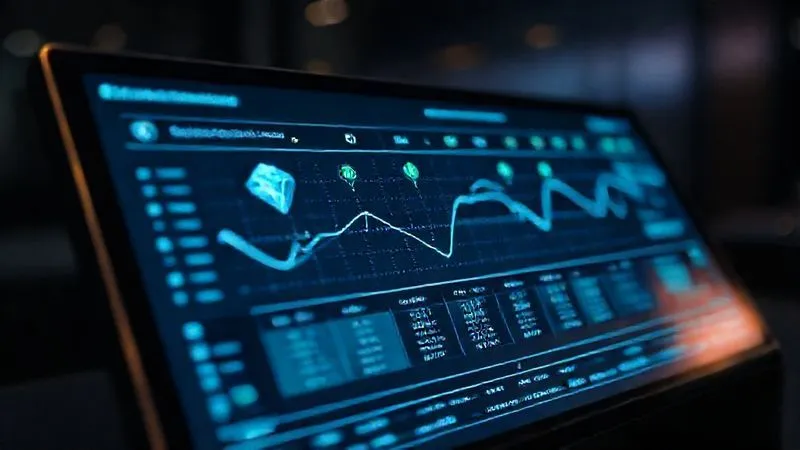
- Leveraging Technology for Traceability: Modern solutions like blockchain are revolutionizing gemstone traceability. Platforms that record every transaction and transfer of custody on an immutable ledger offer unprecedented transparency.
Embracing technology like blockchain can transform how we ensure ethical sourcing of bespoke luxury gemstones, offering a digital passport for every stone.
Building Trust: Partnering with Reputable Gemstone Suppliers
Your choice of supplier is arguably the single most critical decision in ensuring ethical sourcing. A trusted supplier acts as your eyes and ears on the ground, sharing your commitment to integrity. This relationship is built on transparency, shared values, and a proven track record.
Key Questions to Ask Potential Suppliers
When evaluating potential partners, I always recommend asking pointed questions that go beyond standard sales pitches:
- “Can you provide specific details and documentation for the mine of origin for this particular gemstone?”
- “What labor standards do you enforce with your mining partners and cutting facilities?”
- “Do you have a clear environmental policy for your operations and those of your suppliers?”
- “Are you involved in any community development projects near your sourcing locations?”
- “What third-party certifications or audit reports can you share regarding your ethical practices?”
- “How do you handle grievances or non-compliance within your supply chain?”
Case Study: Lumina Jewels' Transparent Supply Chain
Lumina Jewels, a fictional but realistic bespoke jeweler, faced challenges in verifying the origin of unique colored gemstones. Their solution involved a radical shift: they invested in direct, long-term partnerships with a select group of artisanal mining cooperatives in Sri Lanka and Tanzania. Lumina provided initial capital for safety equipment and fair wages, and in return, secured exclusive access to ethically mined stones. They implemented a digital tracking system, from mine to their workshop, providing clients with a QR code that revealed the stone's full ethical journey. This direct engagement not only ensured ethical practices but also fostered community development and created a powerful, authentic story for their bespoke pieces, leading to a 30% increase in client engagement and perceived brand value within two years.
Partnering with organizations like the Responsible Jewellery Council (RJC) can also help identify suppliers committed to ethical practices across the jewelry supply chain.
The Role of Certification: Navigating a Complex Ecosystem
Certifications serve as valuable tools in the ethical sourcing toolkit, providing an independent verification of certain standards. However, it's crucial to understand their scope and limitations. No single certification covers every aspect of ethical sourcing, and a holistic approach often requires combining multiple verification methods.
Understanding Key Certifications
Several organizations offer certifications relevant to ethical gemstone sourcing:
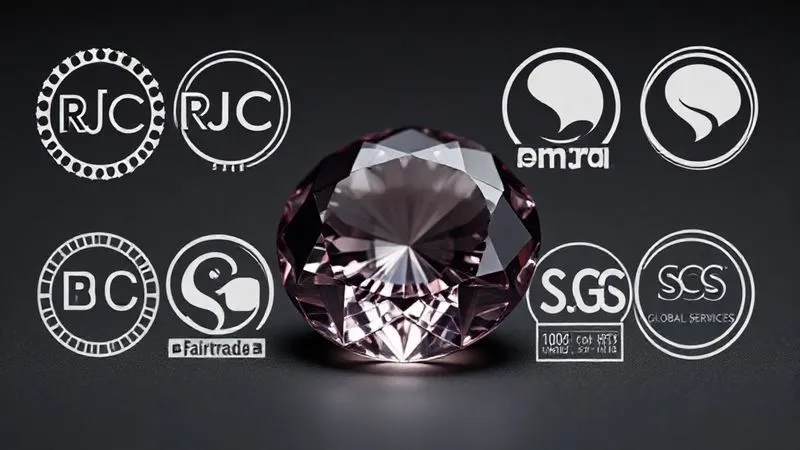
- Responsible Jewellery Council (RJC): Focuses on responsible business practices across the jewelry supply chain, covering human rights, labor rights, environmental performance, mining practices, product disclosure, and more.
- Fairtrade Gold & Gemstones: Aims to empower small-scale and artisanal miners by ensuring fair prices, safe working conditions, environmental protection, and community development premiums.
- SCS Global Services: Offers third-party certification for various sustainability claims, including certified mined diamonds and responsible jewelry practices.
- Specific Origin Certifications: Some countries or regions have their own certification schemes for specific gemstones, such as the Kimberley Process for rough diamonds, though its scope is limited to conflict prevention.
While certifications provide a layer of assurance, I always advise clients to view them as a starting point. Dig deeper into what each certification truly covers and assess if it aligns with your comprehensive ethical goals. The best approach often involves a combination of certifications, direct supplier relationships, and independent due diligence.
Empowering Artisanal Miners and Communities
Ethical sourcing isn't just about avoiding harm; it's about actively doing good. A truly responsible approach to how to ensure ethical sourcing of bespoke luxury gemstones involves empowering the very communities and individuals at the beginning of the supply chain – often artisanal and small-scale miners (ASM).
Direct Sourcing Initiatives
Engaging directly with ASM communities, rather than relying solely on intermediaries, can be transformative. This involves building long-term relationships, providing fair prices that allow miners to earn a living wage, and investing in local infrastructure. Direct sourcing reduces the layers of middlemen where unethical practices can flourish and ensures more value remains within the mining communities.
Fair Wages and Safe Working Conditions
Many artisanal miners operate in precarious conditions. Ethical sourcing demands a commitment to ensuring safe working environments, providing necessary safety equipment, and guaranteeing wages that reflect the effort and risk involved. This includes advocating for the elimination of child labor and forced labor, which are tragically common in some unregulated mining areas.
Supporting artisanal miners with fair wages and safe conditions is not charity; it's an investment in the foundational integrity of the entire luxury gemstone supply chain. It cultivates dignity and sustainability.
The impact of responsible artisanal mining extends beyond individual miners. It can uplift entire communities, providing stable income, improving access to education and healthcare, and fostering local economic development. Organizations like the Pact's Mines to Markets (M2M) program work to formalize and professionalize artisanal mining, making it safer and more equitable.
Beyond the Stone: Ethical Considerations in Crafting Bespoke Jewelry
While the gemstone itself is central, the ethical journey of a bespoke luxury piece doesn't end there. The metals used, the labor involved in its creation, and the overall environmental footprint of the workshop all contribute to its ethical profile. A truly holistic approach considers every element of the final product.
Ethical Metals: Gold, Platinum, and Beyond
The sourcing of precious metals carries its own set of ethical challenges. Look for:
- Recycled Metals: Gold, platinum, and silver can be refined and reused indefinitely without losing their quality. Using recycled metals significantly reduces the environmental impact associated with new mining.
- Fairmined or Fairtrade Certified Metals: These certifications ensure that metals are sourced from small-scale mines that adhere to strict social, environmental, and economic standards, including fair wages, safe working conditions, and environmental protection.
- Traceable Origin Metals: Similar to gemstones, inquire about the origin and chain of custody for your metals.
Labor Practices in Workshops
Just as important as the mine is the workshop where your bespoke piece comes to life. Ensure that the jewelers, setters, and polishers involved in crafting your piece are working in safe, clean environments, receiving fair wages, and are treated with respect. This includes adherence to local labor laws and international human rights standards.
Future-Proofing Your Ethical Sourcing Strategy
The landscape of ethical sourcing is dynamic, constantly evolving with new technologies, regulations, and consumer expectations. To truly ensure ethical sourcing of bespoke luxury gemstones, you must commit to continuous learning and adaptation. My advice is always to stay ahead of the curve, not just react to it.
Embracing New Technologies
The future of ethical sourcing is inextricably linked with technological innovation. Beyond blockchain for traceability, consider:
- AI and Machine Learning: For analyzing vast datasets to identify potential red flags in supply chains, predicting risks, and verifying claims.
- Advanced Forensics: Techniques like isotope analysis can help verify the geological origin of gemstones, adding another layer of authentication.
- Digital Storytelling: Using immersive digital platforms to share the ethical journey of each bespoke piece with clients, building deeper connections and trust.
Consumer Education as a Pillar
As an expert in bespoke luxury, you are also an educator. By transparently sharing your ethical sourcing practices and explaining the 'why' behind them, you empower your clients to make informed choices. This not only reinforces your brand's integrity but also contributes to a broader movement towards responsible consumption in the luxury market.

Frequently Asked Questions (FAQ)
Is "conflict-free" enough for ethical sourcing? No, "conflict-free" primarily addresses the financing of armed conflicts, particularly with diamonds. While essential, true ethical sourcing extends to fair labor practices, environmental protection, community development, and overall supply chain transparency. It's a foundational step, but not the complete picture.
How can I verify a supplier's claims about ethical practices? Verification requires a multi-pronged approach: request detailed documentation (mining certificates, chain of custody), seek third-party audit reports or certifications (e.g., RJC, Fairtrade), ask for references, and consider utilizing new technologies like blockchain for traceability. Direct communication and site visits (if feasible) also build trust.
What role does blockchain play in gemstone traceability? Blockchain technology offers an immutable, transparent, and decentralized ledger to record every step of a gemstone's journey from mine to market. Each transaction or transfer of custody creates a permanent, verifiable record, significantly enhancing trust and making it much harder for unethical stones to enter the legitimate supply chain.
Are lab-grown gemstones a truly ethical alternative? Lab-grown gemstones generally offer a more controlled and often more environmentally friendly option, free from the human rights and environmental concerns associated with traditional mining. However, their ethical footprint still depends on the energy source used for their creation and the labor practices within the manufacturing facilities. It's crucial to inquire about these factors.
How do I balance ethical sourcing with budget constraints for bespoke pieces? Ethical sourcing can sometimes incur higher initial costs due to fair wages, environmental safeguards, and robust traceability. However, these costs are often offset by increased brand value, customer loyalty, and reduced reputational risk. It's about prioritizing long-term value over short-term savings and transparently communicating the 'why' to your clients, who are often willing to pay a premium for integrity.
Key Takeaways and Final Thoughts
Ensuring ethical sourcing of bespoke luxury gemstones is no longer an option; it's a moral imperative and a cornerstone of modern luxury. My journey in this industry has shown me that true beauty shines brightest when it's rooted in integrity, transparency, and respect for both people and planet.
- Prioritize Transparency: Demand clear, verifiable documentation for every gemstone's journey.
- Vet Your Partners Rigorously: Choose suppliers who share your ethical vision and can prove it.
- Embrace Certifications: Use them as valuable tools, but understand their scope and limitations.
- Go Beyond 'Conflict-Free': Focus on comprehensive ethical pillars including labor, environment, and community.
- Empower Artisanal Communities: Seek opportunities to support and uplift those at the source.
- Integrate Ethics Holistically: Extend ethical considerations to metals and workshop practices.
- Leverage Technology: Utilize innovations like blockchain for enhanced traceability and trust.
- Educate Your Clients: Share the ethical story of their bespoke piece, fostering deeper appreciation.
The path to truly ethical sourcing is an ongoing commitment, a continuous process of learning, questioning, and improving. But by adopting these principles and frameworks, you're not just creating exquisite bespoke jewelry; you're contributing to a more just, sustainable, and beautiful world, one magnificent, ethically sourced gemstone at a time. Your choices today shape the legacy of luxury for generations to come.
Recommended Reading
- Mastering Theatrical Quick Changes: 7 Solutions for Seamless Costume Transitions
- Costume Design: How to Master a Character's Psychological Arc?
- Boost Profits: 7 Expert Strategies for Pricing Unique Secondhand Fashion
- Bridesmaid Dress Disaster? 7 Steps When Wrong Sizes Arrive on Your Big Day
- 7 Steps to Identify Truly Sustainable Textile Suppliers & Avoid Greenwashing




Your email address will not be published. Required fields are marked *