

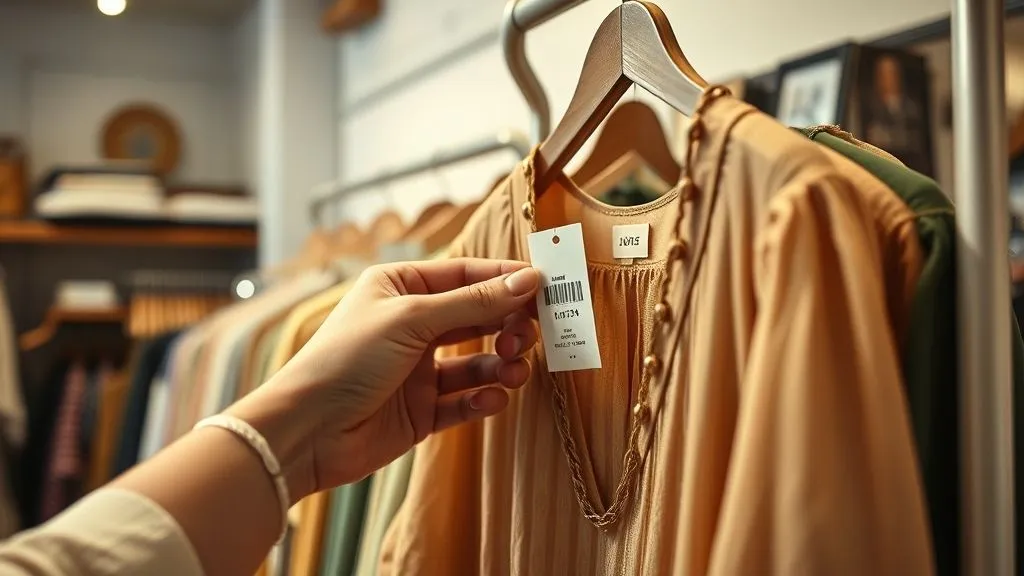
How to price unique secondhand fashion for maximum profit?
For over 15 years in the sustainable fashion industry, I've witnessed countless passionate sellers stumble at one critical juncture: accurately pricing their unique secondhand finds. It's a common pitfall, driven by a blend of emotional attachment, market uncertainty, and a lack of structured methodology.
The problem is palpable. Unlike new retail, where manufacturers set a Recommended Retail Price (RRP), secondhand fashion offers no such blueprint. This often leads to either drastically undervaluing a treasure, leaving significant profit on the table, or overpricing, resulting in stagnant inventory and missed opportunities.
This article isn't just about slapping a number on an item; it's about mastering the art and science of valuation. I'll share actionable frameworks, reveal market insights, and even delve into the psychology of pricing that I've refined over my career, all designed to help you understand how to price unique secondhand fashion for maximum profit.
Understanding Your Unique Item's True Value
Before you even consider a price tag, you must deeply understand the intrinsic and extrinsic value of your item. This isn't just about what you paid for it; it's about what the market will bear, influenced by several crucial factors.
The Rarity and Authenticity Factor
Is your item a rare vintage piece, a limited edition, or a highly sought-after designer collaboration? Rarity significantly elevates value. Authenticity, especially for designer goods, is non-negotiable and must be verifiable. I've seen sellers lose trust, and therefore profit, by not rigorously ensuring authenticity.
A truly unique piece, perhaps a handcrafted garment from a bygone era or a one-of-a-kind upcycled item, commands attention. Its story, its history, and its singular nature contribute immensely to its perceived worth.
Condition is King: Assessing Wear and Tear
The condition of a secondhand item is arguably the most impactful factor after authenticity and brand. A pristine, 'like new' item will always fetch a higher price than one with visible flaws, even if it's the same brand and style.
Be meticulously honest in your assessment. Note every minor flaw, stain, or repair. Transparency builds trust with buyers, and buyers are often willing to pay more for an item they feel confident about.
Expert Insight: Condition is not merely about flaws; it's about how much life is left in the garment. A well-maintained vintage piece, despite its age, can be more valuable than a recent fast-fashion item in similar condition due to its inherent quality and durability.
Mastering Market Research for Secondhand Fashion
Effective pricing isn't guesswork; it's informed decision-making based on robust market research. This is where you leverage online platforms to understand demand and what similar items have actually sold for.
Leveraging Online Platforms for Data
Your goal here is to identify comparable items that have recently sold, not just those currently listed. Active listings can be aspirational, but completed sales reflect what buyers are actually willing to pay. This is crucial for understanding how to price unique secondhand fashion for maximum profit.
- eBay: Use the 'Sold Items' filter to see historical sale prices.
- Poshmark & Depop: Search for similar items and look for 'Sold' or 'Bundle Sold' listings.
- Vestiaire Collective & The RealReal: Ideal for luxury items, as they provide curated pricing based on condition and demand.
- Etsy Vintage: Excellent for truly unique, handcrafted, or older vintage pieces.
Expert Insight: Don't just look at asking prices; focus on *sold* prices. Asking prices can be inflated hopes; sold prices are market realities. Compare your item's brand, style, size, and condition against these sold listings.
When conducting your research, pay close attention to the details in the sold listings. Were the photos high-quality? Was the description thorough? These elements contribute to the final sale price and can inform your own listing strategy.

The Art of Strategic Pricing: Beyond the Basics
Once you have a solid understanding of your item's value and market comparables, it's time to formulate your pricing strategy. This involves more than just picking a number; it's about positioning your item optimally.
Competitor Analysis: What are Others Charging?
While you've looked at sold items, it's also valuable to see what your direct competitors are currently listing similar items for. This gives you a sense of the active market landscape and where your item could fit.
- Identify Direct Competitors: Find sellers with similar inventory, aesthetic, and target audience.
- Analyze Their Pricing: Note their pricing for comparable items, considering brand, condition, and rarity.
- Evaluate Their Listing Quality: Assess their photos, descriptions, and customer service reviews. Higher quality listings often justify higher prices.
- Find Your Niche: Determine if you can offer better value (e.g., better condition for the price) or differentiate your item (e.g., through superior styling or storytelling).
Anchor Pricing and Perceived Value
Anchor pricing is a psychological tactic where you present a higher reference price (the 'anchor') to make your actual price seem more appealing. For unique secondhand items, this could be the original retail price, if known, or the price of a similar new item.
By stating 'Original Retail: $300, My Price: $120,' you immediately highlight the value proposition. This taps into the buyer's desire for a good deal and makes your price seem significantly more attractive, helping you achieve maximum profit.
Leveraging Brand, Designer, and Provenance
The story and pedigree of an item can dramatically influence its perceived value and, consequently, its selling price. This is particularly true in the unique secondhand fashion market.
Recognizing Desirable Labels
Certain brands and designers inherently carry more weight and command higher prices in the resale market. This isn't limited to luxury labels like Chanel or Hermès; it also includes cult brands, sustainable labels, and vintage designers with a loyal following. Knowing these labels is crucial.
Stay updated on fashion trends and designer collaborations. A designer item that's currently trending or from a highly sought-after collection will always sell faster and for more. This knowledge is an asset in understanding how to price unique secondhand fashion for maximum profit.
The Story Behind the Garment: Provenance
Does your item have a unique story? Was it worn by a celebrity (with proof)? Does it represent a significant fashion era or cultural moment? Provenance can add immense value. Documenting this history, even if it's just 'a beautifully preserved dress from the 1960s,' can create an emotional connection with the buyer.
Case Study: How a Rare Vintage Chanel Bag Sold for Premium
I recall working with a client who acquired a pristine vintage Chanel Diana bag. Initially, she was hesitant to price it above typical market rates for similar Chanel bags. However, through diligent research, we discovered it was a specific model from a highly coveted 1990s collection, known for its unique quilting and limited production. More importantly, we found evidence of similar bags selling for significantly higher prices on international luxury resale platforms.
By highlighting its rarity, impeccable condition, and the specific collection it belonged to in the listing, along with professional authentication, she confidently priced it 30% above her initial estimate. The bag sold within a week to an international collector, demonstrating that understanding and articulating an item's full provenance and market position directly translates to maximum profit.
Psychological Pricing Tactics for Enhanced Sales
Beyond the raw data, understanding buyer psychology can give you a significant edge in pricing. These subtle tactics can make your prices feel more appealing and encourage faster sales.
The Charm of .99 Endings
It's a classic for a reason: prices ending in .99 (e.g., $49.99 instead of $50) are perceived as significantly cheaper. This is due to the 'left-digit effect,' where buyers focus on the first digit they see. While seemingly small, this can influence purchase decisions, especially for items in the mid-price range.
Bundle Deals and Scarcity
Consider offering bundle discounts for multiple items, especially if they complement each other (e.g., a vintage top and skirt). This increases the average order value. Creating a sense of scarcity ('Only one available!' or 'Limited time offer!') can also spur immediate action, preventing potential buyers from delaying their purchase.
According to a Harvard Business Review article on pricing psychology, these subtle cues can significantly impact consumer perception and willingness to pay.
| Pricing Strategy | Example Price | Perceived Value | Conversion Rate (Est.) |
|---|---|---|---|
| Standard Pricing | $50.00 | Fair | 3% |
| .99 Ending | $49.99 | Bargain | 5% |
| Anchor Pricing (Original $100) | $49.99 | Great Deal | 7% |
Optimizing Your Listing for Higher Perceived Value
Your price is only one part of the equation. How you present your item can dramatically influence whether buyers perceive that price as fair, a steal, or too high. A stellar listing elevates perceived value.
High-Quality Photography is Non-Negotiable
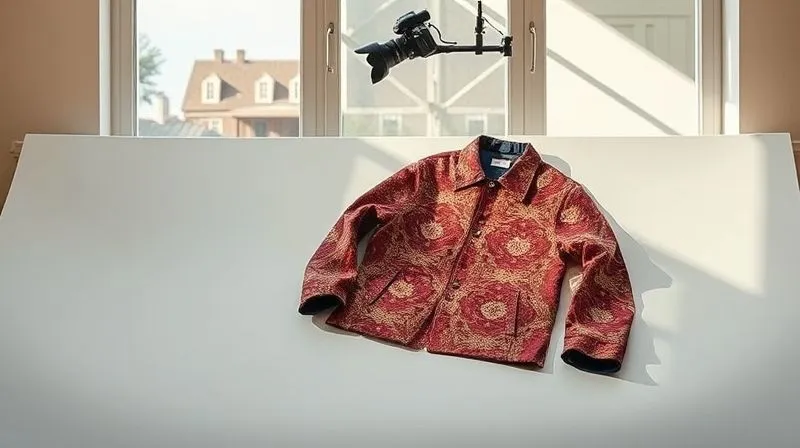
This is where many sellers fall short. Blurry, poorly lit photos taken on a messy floor instantly devalue an item, no matter its quality. Invest time in creating professional-looking photos that highlight the item's best features, fabric, and condition.
Use natural light, multiple angles (front, back, details, tags), and consider flat lays or modeled shots. The visual appeal is the first impression, and it needs to scream quality to justify your price.
Crafting Compelling Descriptions
Your description is your sales pitch. Go beyond basic measurements. Tell the item's story, highlight its unique features, explain its fabric composition, and suggest styling ideas. Be transparent about any flaws, but always balance it with the item's positive attributes.
Use evocative language that appeals to the buyer's aspirations. A detailed, engaging description not only informs but also convinces, building trust and justifying your carefully chosen price. This is vital for understanding how to price unique secondhand fashion for maximum profit.
Seasonality, Trends, and Timing Your Sale
The fashion world operates on cycles, and understanding these can significantly impact your pricing and sales velocity. Timing is everything when you want to maximize your profit.
Aligning with Fashion Calendars
Selling a heavy wool coat in July is unlikely to yield maximum profit, just as a light summer dress won't fly off the virtual racks in December. Align your listings with the current season and upcoming trends. Spring items sell best in late winter, and autumn wear peaks in late summer.
Monitor the fashion calendar and release your inventory strategically. This ensures your unique items are presented when demand is highest, allowing you to command better prices.
Riding the Trend Wave
Keep a keen eye on current fashion trends. Is 'Y2K' fashion having a moment? Are specific vintage silhouettes or patterns making a comeback? If your unique secondhand item aligns with a current trend, you can often price it at the higher end of your research range.
Trend forecasting resources, like those found in ThredUp's annual Resale Report, can provide valuable insights into what's hot and what's not in the secondhand market.

Negotiation and Re-evaluation Strategies
Even with the perfect initial price, the secondhand market often involves negotiation. Knowing how to handle offers and when to adjust your price is key to sustained success and maximum profit.
Setting Your Bottom Line
Before listing, decide on your absolute minimum acceptable price. This 'bottom line' should cover your costs and desired profit margin. It gives you confidence in negotiations and prevents you from selling too low out of desperation.
Be prepared for offers, especially on platforms that encourage negotiation. A polite counter-offer, explaining the item's value, can often lead to a successful sale at a price closer to your target.
When to Hold, When to Fold
If an item isn't selling, don't let it sit indefinitely. Re-evaluate. Is the price too high, or is the listing simply not attracting the right buyers? Consider refreshing your photos, updating your description, or promoting the item more aggressively.
Sometimes, a slight price drop is necessary to move inventory, freeing up capital and space for new finds. However, avoid drastic, frequent price cuts, as this can signal desperation and devalue your brand. My experience tells me that a strategic price drop, combined with a re-listing, is far more effective than continuous small reductions.
Leveraging tools and insights from platforms like Shopify's expert advice on pricing strategies can offer broader e-commerce perspectives applicable to unique secondhand items.
| Scenario | Action | Potential Adjustment |
|---|---|---|
| Item not selling after 4 weeks | Re-evaluate price & listing | 5-10% price reduction, refresh photos |
| Multiple low-ball offers | Hold firm or polite counter-offer | Maintain price, offer small discount for bundle |
| Season end approaches | Strategic clearance | 15-20% price reduction to clear inventory |
| High demand, quick views | Maintain or slightly increase price | No change, or minimal increase if very unique |
Frequently Asked Questions (FAQ)
Q: How do I price a unique vintage item with no comparable sales history? A: This is where your expert eye comes in. Focus heavily on rarity, condition, designer (if any), and the quality of materials/craftsmanship. Research general market trends for that era. Sometimes, starting slightly higher and being open to reasonable offers is a viable strategy, but ensure your listing justifies the premium. Tell the item's story compellingly.
Q: Should I factor in the cost of my time spent sourcing and listing? A: Absolutely. While not always directly visible to the buyer, your time is valuable. Factor it into your desired profit margin. This is part of understanding your true cost, especially if you're aiming for maximum profit in a sustainable business model.
Q: How much should I reduce my price if an item isn't selling? A: Start with a modest reduction, typically 5-10%. Monitor the response. If it still doesn't sell after another 2-4 weeks, consider another small reduction or a significant re-listing with new photos and description. Avoid frequent, tiny drops that can make buyers wait for lower prices.
Q: Is it better to price higher and offer discounts, or price lower initially? A: For unique secondhand fashion, I generally recommend pricing slightly higher than your absolute minimum, allowing room for negotiation. This strategy works well on platforms that encourage offers. It gives buyers the satisfaction of a 'deal' while still allowing you to hit your profit targets. However, ensure your initial price isn't so high it deters all interest.
Q: How do I handle shipping costs when pricing? A: You have two main options: factor shipping into your item's price and offer 'free shipping,' or list the item price separately and add shipping at checkout. 'Free shipping' can be a powerful psychological draw, making your item appear more attractive, even if the cost is embedded. It often leads to higher conversion rates, as confirmed by various e-commerce studies.
Key Takeaways and Final Thoughts
Mastering how to price unique secondhand fashion for maximum profit is a blend of art, science, and a keen understanding of the market. It's a skill honed over time, but with the right framework, you can significantly elevate your success.
- Know Your Item: Deeply assess rarity, condition, and provenance.
- Research Diligently: Focus on *sold* data from comparable items across platforms.
- Strategize Your Price: Use anchor pricing and competitor analysis to position your item.
- Leverage Psychology: Employ tactics like .99 endings and bundle deals.
- Optimize Your Listing: High-quality photos and compelling descriptions are non-negotiable.
- Time Your Sales: Align with seasonality and current trends for peak demand.
- Be Flexible: Set a bottom line but be open to smart negotiation and strategic re-evaluation.
The sustainable fashion movement is thriving, and unique secondhand pieces are at its heart. By applying these expert strategies, you're not just selling clothes; you're valuing history, promoting sustainability, and, most importantly, ensuring your passion translates into maximum profit. Keep learning, keep adapting, and watch your unique finds find their perfect new homes at their perfect price points.
Recommended Reading
- The Future of Fashion: How Advanced Materials Will Reshape Clothing Design
- Unlock Boutique Doors: 7 Strategies to Partner with High-End Bridal Shops
- Mastering Shoe Release Demand: 5 Steps for Retailers to Forecast Accurately
- Unlock Your Worth: The Ultimate Guide to Negotiating Rates for Fashion Blog Collaborations
- Scaling Luxury: 7 Proven Ways to Grow Without Diluting Exclusivity



Your email address will not be published. Required fields are marked *