

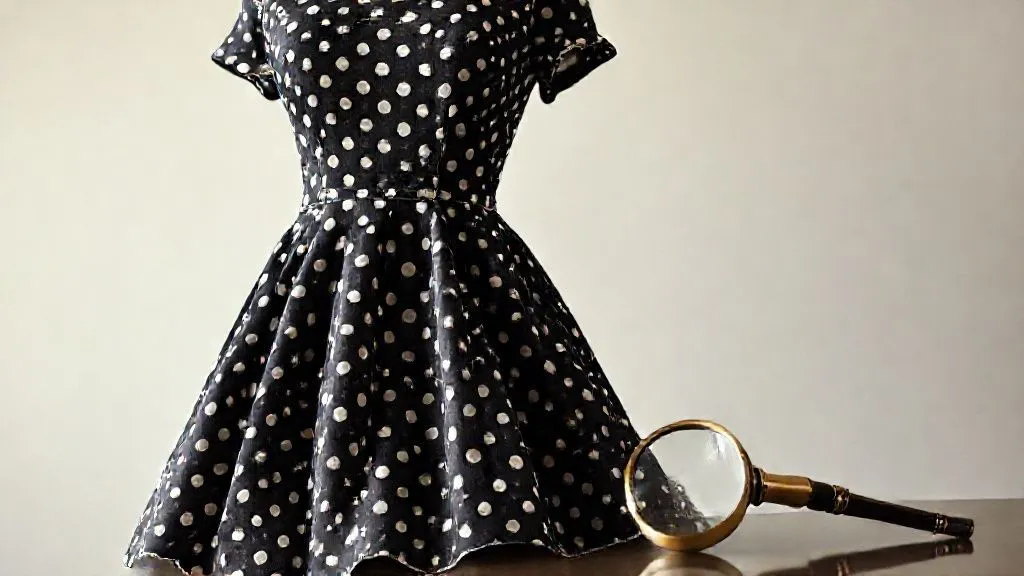
How to differentiate 50s rockabilly from modern fast fashion replicas?
For over two decades in the vintage fashion world, I've seen countless enthusiasts fall into a common trap: mistaking a fast fashion 'retro-inspired' piece for genuine 1950s rockabilly. It's an understandable mistake, especially with the sheer volume of new garments flooding the market, all claiming to capture that iconic mid-century flair. But for those of us who cherish the history, craftsmanship, and unique spirit of true vintage, this distinction isn't just about aesthetics; it's about preserving a legacy.
The problem is pervasive. Modern fast fashion brands are masters of mimicry, churning out garments that superficially resemble the beloved styles of the 50s. They often use similar prints, cuts, and even names, making it incredibly difficult for an untrained eye to discern authenticity. This not only leads to disappointment for buyers expecting true vintage quality and feel but also inadvertently devalues the artistry and materials of original pieces, contributing to a culture of disposability.
That's why I've distilled my years of experience into this definitive guide. You're not just going to learn a few tips; you're going to develop an expert eye, understanding the fundamental differences in fabric, construction, silhouette, and even the historical context that separates a genuine 50s rockabilly garment from its modern counterpart. By the end, you'll possess the actionable frameworks and insights to confidently identify authentic vintage, making your next acquisition truly special.
The Essence of 50s Rockabilly: More Than Just a Look
Before we dive into the technicalities, it's crucial to understand what 50s rockabilly truly represents. It wasn't just a style; it was a subculture, born from the fusion of rock and roll music, working-class rebellion, and post-war optimism. The clothing reflected this ethos: vibrant, often daring, yet always impeccably constructed for durability and style. Think full skirts perfect for dancing, fitted bodices, bold prints like polka dots, cherries, or plaid, and a sense of playful confidence.
Modern fast fashion, on the other hand, is driven by trends and mass production. Its goal is to replicate a look quickly and cheaply, often sacrificing quality and historical accuracy in the process. While they might nail the superficial aesthetic, they rarely capture the soul or the structural integrity that defined original 50s garments. This fundamental difference in philosophy is where our differentiation journey begins.
"True 50s rockabilly fashion is a tangible piece of history, reflecting a vibrant cultural movement. Fast fashion replicas are merely echoes, devoid of that authentic spirit and craftsmanship."
Understanding the historical context also helps you appreciate the nuances. Women's fashion in the 50s emphasized a cinched waist and full skirt, often achieved with crinolines, creating the iconic hourglass silhouette. Men's rockabilly style leaned into greaser culture with tailored jackets, cuffed jeans, and bowling shirts. These weren't just random choices; they were expressions of identity and rebellion within a specific socio-economic landscape.
Fabric & Material Matters: The Touch and Feel of Authenticity
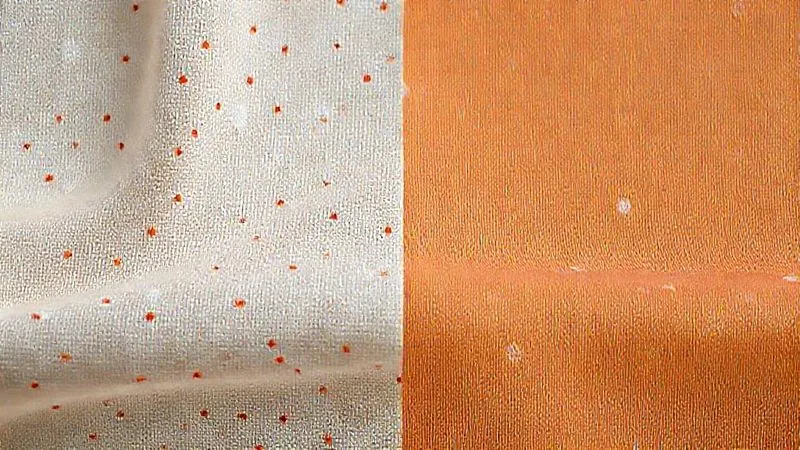
One of the most immediate and telling differentiators lies in the fabric. Authentic 1950s garments were made from materials that were common and high-quality for the era, often with a different feel and drape than modern synthetics. I always tell my clients to trust their hands first.
Common 50s Fabrics:
- Cotton: Often a heavier, denser weave than modern fast fashion cottons. Think sturdy broadcloths, twills, and poplins. Prints were often screen-printed, resulting in a slightly raised or textured feel to the design.
- Rayon: A popular choice for its beautiful drape and ability to mimic silk. Vintage rayon often has a soft, fluid feel, but can be prone to shrinking if not cared for properly. It's rarely found in cheap modern replicas in its true vintage form.
- Wool: Used for heavier skirts, jackets, and coats. Vintage wools often have a rich texture and density.
- Silk: While less common for everyday rockabilly, silk was used for higher-end pieces and scarves, offering a luxurious feel and sheen.
- Early Synthetics: Acetate and nylon were emerging, particularly for lingerie and some blouses, but they felt different from today's polyester. Vintage acetate, for example, often has a crisp, almost paper-like feel.
Modern fast fashion, conversely, heavily relies on cheap, mass-produced synthetic blends like polyester, acrylic, and thin cotton blends. These fabrics often feel slick, flimsy, or overly stretchy. They lack the natural breathability and substantial hand of vintage materials. The prints on fast fashion are typically digitally printed, resulting in a flat, uniform appearance without the depth or slight textural variation of vintage screen prints.
Construction & Craftsmanship: Built to Last vs. Built to Sell
This is perhaps the most significant differentiator. Vintage garments were made to last. They were often sewn by skilled individuals, either at home or in smaller factories, with an emphasis on durability and a quality finish. Fast fashion, however, is designed for disposability, meaning construction is often minimal and rushed.
Key Construction Tells for Vintage:
- Seams: Look for well-finished seams. In 50s garments, you'll often find French seams, overcast seams, or pinked edges to prevent fraying. Stitching will be even, tight, and consistent.
- Hems: Hems on vintage dresses and skirts are typically generous, often 2-3 inches deep, allowing for alterations. They are usually hand-stitched or machine-stitched with a blind hem. Fast fashion hems are often narrow, machine-stitched, and quickly finished.
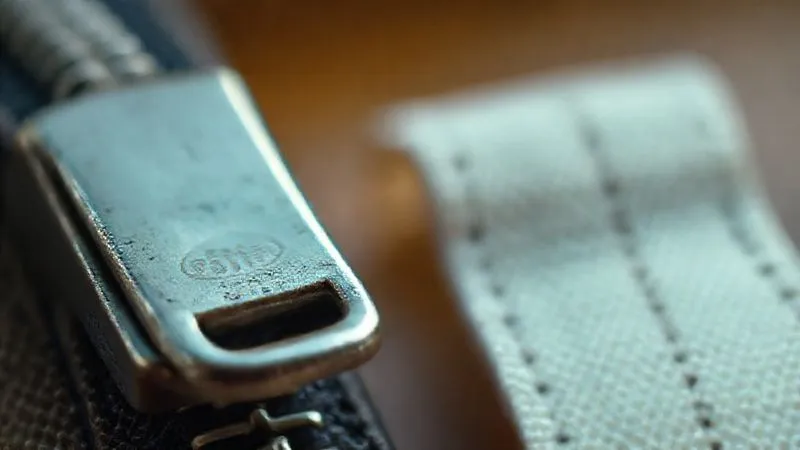
- Zippers: Metal zippers were standard in the 50s, often with a sturdy, visible zipper tape. Plastic zippers became more common later. Look for brands like Talon, Crown, or Conmar. Fast fashion almost exclusively uses plastic zippers, often flimsy and prone to breaking.
- Buttons & Buttonholes: Vintage buttons are often made of bakelite, lucite, or urea plastic, sometimes with unique designs. Buttonholes are typically well-made, machine-stitched, and sometimes even hand-finished. Fast fashion buttons are usually generic plastic, and buttonholes can be loose or poorly stitched.
- Lining: Many 50s dresses and skirts were fully lined, even if just with a simple cotton or rayon. This adds to the drape, comfort, and longevity of the garment. Fast fashion rarely includes full linings unless absolutely necessary.
I've seen countless examples where a beautiful vintage dress, decades old, still holds up better than a brand-new fast fashion item after just a few washes. This isn't magic; it's a testament to superior construction.
Case Study: The Tale of Two Swing Dresses
Consider Jane, a vintage enthusiast who once bought what she thought was a 50s rockabilly swing dress online. It had the right print and silhouette. However, after just two wears, the zipper broke, and the thin fabric started pilling. Frustrated, she brought it to me. We examined it together: the seams were serged and uneven, the hem was a narrow machine stitch, and the plastic zipper felt cheap. I showed her an authentic 50s dress from my collection. The difference was stark: metal zipper, deep hand-stitched hem, substantial cotton, and perfectly finished internal seams. Jane learned that day that the initial price tag isn't the only cost; the cost of disappointment and a fleeting garment is often higher. She now prioritizes inspecting construction details before purchasing.
Silhouettes and Styling Cues: The Devil in the Details
While fast fashion tries to mimic the general silhouette, they often miss the subtle nuances that define true 50s rockabilly. The fit, the length, and the way the garment drapes are all critical.
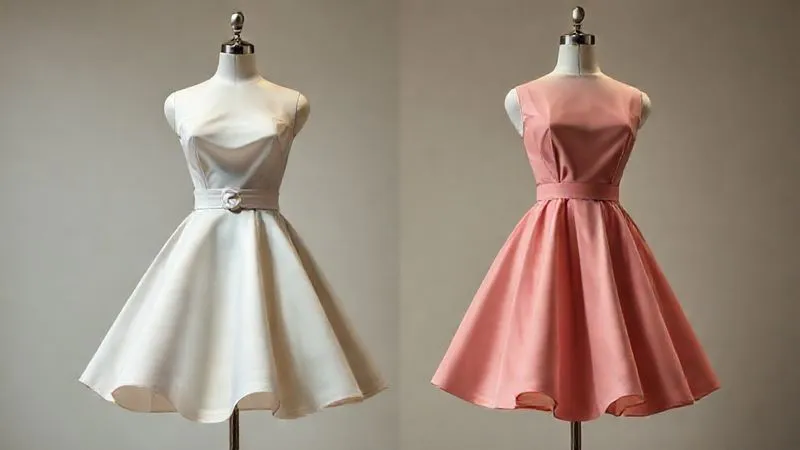
- The Waist: Authentic 50s dresses and skirts almost always feature a true cinched waist, hitting at the natural waistline, which is often higher than modern waistlines. This creates the exaggerated hourglass figure. Fast fashion often compromises here, creating a slightly lower or less defined waist for broader appeal.
- Skirt Volume & Length: Full circle skirts and swing skirts were designed to be worn with crinolines, giving them incredible volume and movement. The length was typically calf-length (midi) or just below the knee. Fast fashion versions might have less fabric in the skirt, resulting in a less dramatic flare, and lengths can vary wildly, sometimes being too short or too long.
- Bodice Fit: Bodices were often quite fitted, sometimes with boning or darts to shape the bust and waist precisely. Fast fashion tends to be more forgiving and less structured, aiming for a wider range of body types without specific tailoring.
- Collar and Neckline Styles: Specific collar styles like the Peter Pan collar, sailor collar, or shawl collar were prevalent. Necklines included sweetheart, boat neck, and halter styles. While fast fashion attempts these, the execution can often feel simplified or proportioned incorrectly.
These small differences in proportion and fit can dramatically alter the overall aesthetic. A true 50s piece will feel 'right' in its historical context, while a replica might feel slightly off, like a costume trying too hard.
Hardware & Embellishments: Small Details, Big Tells
Beyond the fabric and construction, the smaller details of a garment can provide significant clues to its age and authenticity. These are often the first things cut corners on by fast fashion brands.
- Zippers: As mentioned, metal zippers (brass, steel, aluminum) are a strong indicator of pre-1960s origin. Look for brands like Talon, Conmar, or Crown. The pull tab often has a distinctive shape or brand name. Plastic zippers began to appear in the late 50s but didn't become ubiquitous until the 60s and beyond.
- Buttons: Vintage buttons are often unique. Bakelite (a type of early plastic) was popular and has a distinctive weight and warmth when rubbed. Lucite, urea plastic, and even glass or shell buttons were common. Fast fashion almost exclusively uses cheap, lightweight plastic buttons.
- Snaps and Hooks & Eyes: These closures were often sturdier and made of metal. Look for well-attached, robust snaps and hooks, sometimes with brand markings.
- Decorative Embellishments: Think of the embroidery on a poodle skirt, the rhinestones on a sweater, or the appliques on a bowling shirt. Vintage embellishments often show signs of careful handwork or older machine techniques. Fast fashion versions tend to be mass-produced, machine-applied, and can look less refined or even glued on.
These seemingly minor details add up to the overall quality and authenticity of a garment. A genuine 50s piece tells a story through its components.
The Fast Fashion Playbook: What They Get Wrong (and Right)
It's important to acknowledge that fast fashion isn't inherently 'evil,' but its business model fundamentally differs from the principles of vintage. They get 'right' the ability to quickly capture a trend and make it accessible. What they get 'wrong' is often everything else that contributes to a garment's longevity, ethical production, and historical accuracy. As Forbes has often highlighted, the environmental and social costs are significant.
Their design process involves looking at current trends, which often include vintage revival, and then reverse-engineering them for the cheapest possible production. This means:
- Material Substitution: Replacing natural fibers with cheaper synthetics.
- Simplified Construction: Eliminating complex seams, linings, and hand-finishing.
- Generic Hardware: Using off-the-shelf plastic zippers and buttons.
- Compromised Fit: Adapting historical silhouettes for a broader, less tailored fit.
- Lack of Durability: Garments are not made to withstand repeated wear and washing.
While a fast fashion 'retro' dress might look convincing in a photo, the moment you touch it, wear it, or wash it, the illusion often crumbles. This isn't to say one can't enjoy fast fashion, but it's crucial to understand what you're buying and its limitations, especially when seeking authentic vintage aesthetics.
Provenance and Pricing: Beyond the Garment Itself
The story behind a garment, its provenance, can also be a powerful indicator of authenticity. While not always available, a reputable vintage dealer will often know the history of their pieces.
What to Look For:
- Labels: Authentic 50s garments will have labels from the era. These can be brand labels, union labels (like ILGWU in the US), or care labels. Researching vintage labels can be a deep dive but is incredibly rewarding. Fast fashion will have modern labels, often with country-of-origin tags from contemporary manufacturing hubs.
- Condition: True vintage, even if well-preserved, often shows some signs of its age – a slight fade, a tiny mend, a subtle softening of the fabric. Fast fashion replicas will be pristine, but their 'newness' often feels generic.
- Price Point: While not always definitive, authentic 50s garments, especially well-preserved or rare pieces, will command a higher price than a fast fashion replica. The labor, materials, and historical value contribute to this. Be wary of 'vintage' pieces that are suspiciously cheap.
I always advise my students that part of the joy of collecting vintage is the hunt and the story. Knowing where a garment comes from, or at least having a strong indication of its era through its labels and condition, adds immensely to its value and authenticity.
| Feature | Authentic 50s Rockabilly | Modern Fast Fashion Replica |
|---|---|---|
| Fabric | Natural fibers (dense cotton, rayon, wool), substantial hand, screen prints | Cheap synthetics (polyester, acrylic), flimsy, digital prints |
| Construction | French/overcast seams, deep hand-stitched hems, sturdy metal zippers | Serged seams, narrow machine hems, flimsy plastic zippers |
| Silhouette | True cinched waist, voluminous skirts (for crinolines), precise tailoring | Looser waist, less skirt volume, generalized fit |
| Hardware | Bakelite/Lucite buttons, sturdy metal snaps, brand-name zippers | Generic plastic buttons, weak snaps, unbranded plastic zippers |
| Labels | Period-specific brand/union labels, older care instructions | Contemporary brand/care labels, recent country of origin |
| Price Point (Typical) | Higher (reflects quality, rarity, history) | Lower (reflects mass production, disposability) |
Developing Your Expert Eye: A Step-by-Step Guide
Becoming adept at differentiating takes practice, but it's a skill anyone can cultivate. Here’s my step-by-step approach:
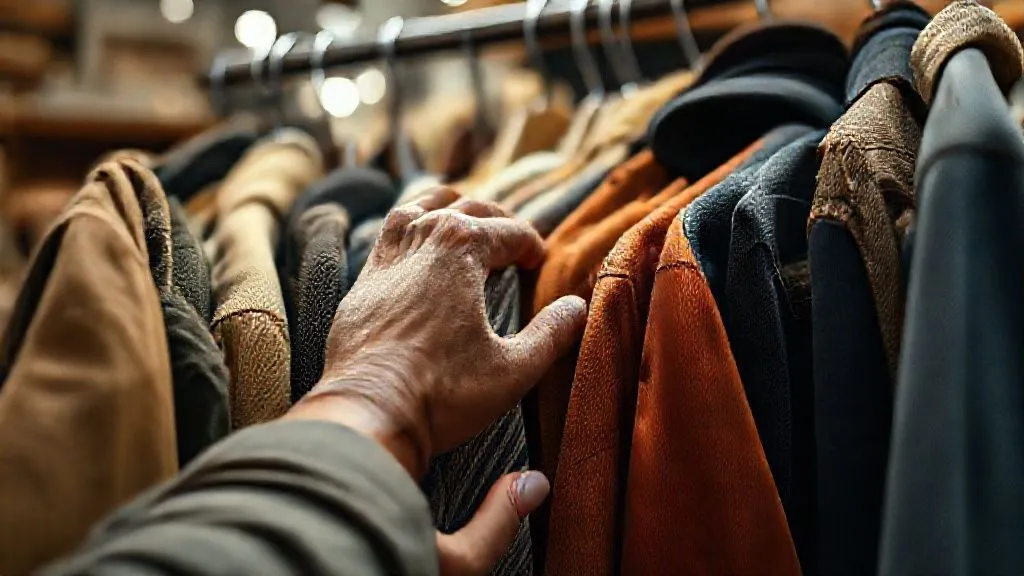
- Educate Your Touch: Visit vintage stores or museums. Handle authentic 50s garments. Feel the difference in cotton, rayon, and wool. Compare them to modern fabrics in your own wardrobe. This sensory education is invaluable.
- Study Period Details: Immerse yourself in 50s fashion history. Look at original catalogs, magazines, and films from the era. Pay attention to the exact silhouettes, lengths, prints, and accessory pairings. Understanding the 'ideal' will help you spot deviations. VintageDancer.com is an excellent resource for this.
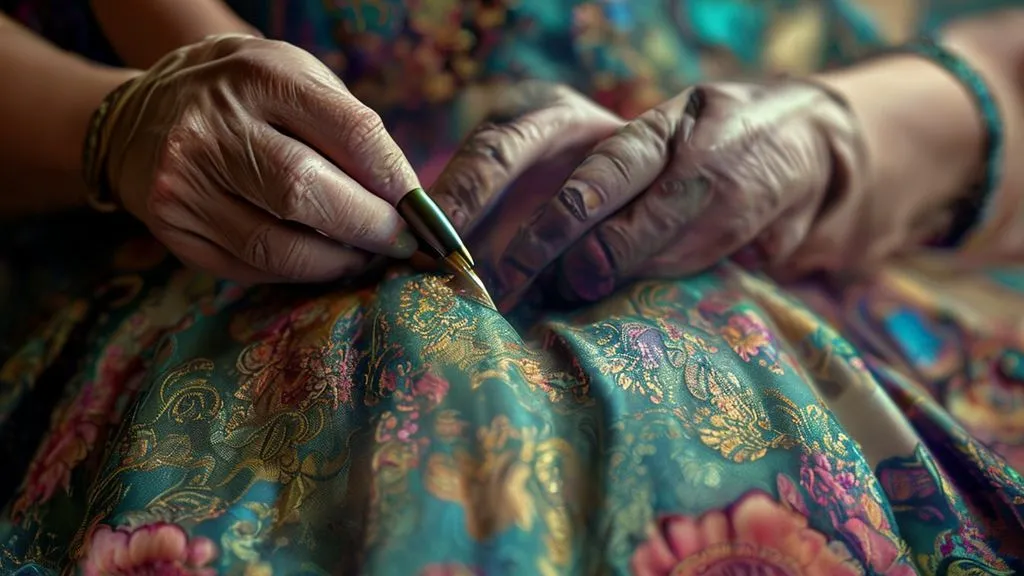
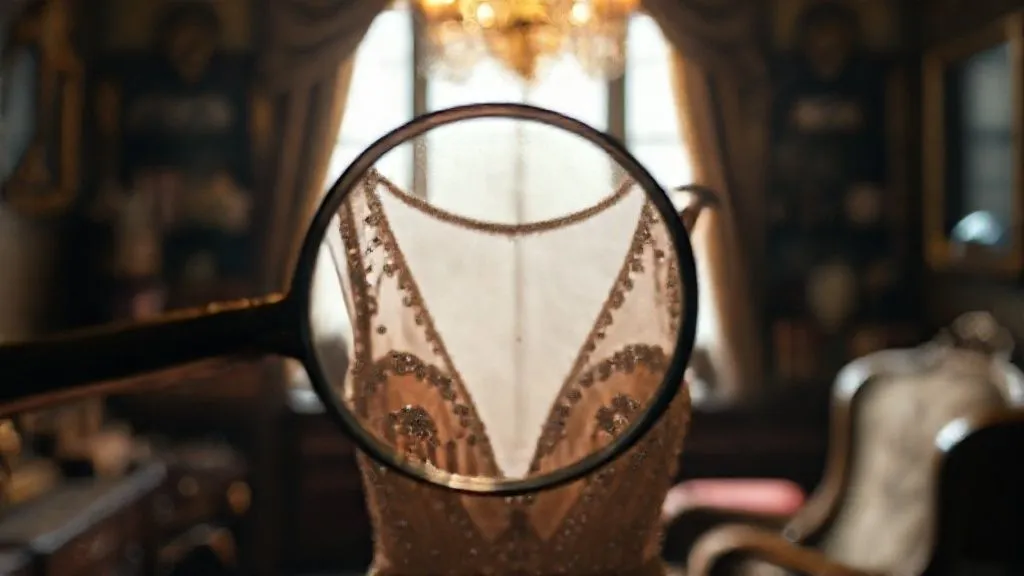
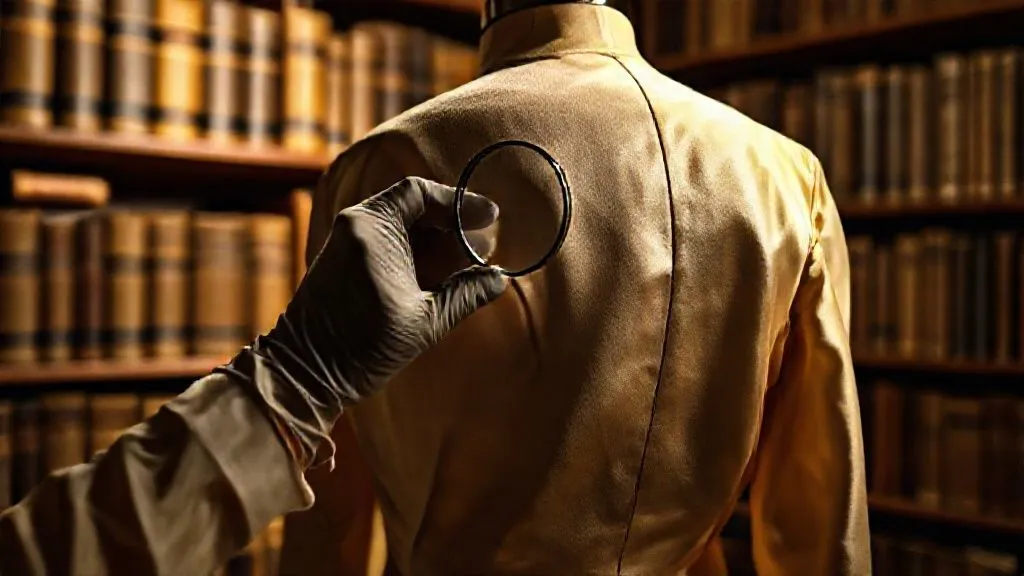
- Inspect Closely: When evaluating a potential piece, don't just look at the front. Turn it inside out. Examine the seams, the zipper, the hem, and the buttonholes. Are they neat? Are they sturdy? Are there any clues on the labels?
- Research Labels and Makers: If you find a label, snap a photo and research it. Many vintage labels have a distinctive look or can be dated. This builds your knowledge base over time.
- Question the Price: If something seems too good to be true (e.g., a perfect 50s swing dress for $20), it probably is. Authentic vintage commands a fair price due to its rarity and quality.
- Seek Expert Opinions: Don't be afraid to ask experienced vintage dealers or collectors for their insights. Most are happy to share their knowledge and help you learn.
Ethical Considerations: Why Authenticity Matters
Beyond personal satisfaction, choosing authentic vintage over fast fashion replicas carries significant ethical weight. The fast fashion industry is notorious for its environmental impact, contributing massively to textile waste, water pollution, and carbon emissions. According to the EPA, textiles make up a substantial portion of municipal solid waste.
Furthermore, fast fashion often relies on exploitative labor practices in developing countries, with workers earning low wages in unsafe conditions. By investing in genuine vintage, you're not only acquiring a unique piece of history but also making a conscious choice to support sustainable fashion and ethical consumption. You're giving a garment a second life, reducing demand for new production, and honoring the craftsmanship of the past.
"Every authentic vintage purchase is a vote for sustainability, craftsmanship, and a tangible connection to history, directly countering the disposability of fast fashion."
It's a way to participate in a circular economy, where items are valued and reused rather than discarded after a few wears. This commitment to longevity and quality is a core tenet of the vintage community and a powerful counter-narrative to the relentless churn of modern trends. Harvard Business Review has explored the complexities of 'sustainable fashion', emphasizing that true sustainability often involves reducing consumption and extending product life, which vintage inherently does.
Frequently Asked Questions (FAQ)
Q: Is all 'vintage-inspired' fast fashion bad, or can it have a place in my wardrobe? Not necessarily 'bad,' but it's crucial to understand its limitations. Vintage-inspired fast fashion can be a fun, accessible way to experiment with retro aesthetics without the investment of true vintage. However, it typically lacks the quality, durability, and historical accuracy of authentic pieces. I recommend using it to complement your authentic vintage finds, not replace them, and being mindful of its environmental impact.
Q: How do I care for authentic 50s garments to ensure their longevity? Caring for true vintage requires a gentle touch. Always check for care labels, but assume hand-washing in cold water with a mild detergent for most items, especially rayon or delicate cottons. Avoid harsh chemicals and machine drying. For structured pieces or wool, professional dry cleaning by a cleaner experienced with vintage textiles is often best. Store garments on padded hangers in a cool, dark place, away from direct sunlight.
Q: Are there specific brands from the 50s that are highly sought after or indicate authenticity? Absolutely! Brands like Catalina, Jantzen (for swimwear), Lanz Originals, Lilli Ann (for suits), and specific denim brands like Levi's and Lee (for men's rockabilly) are highly collectible. For dresses, look for smaller boutique labels or custom-made pieces. Union labels, particularly the ILGWU tag in women's clothing, also indicate a certain era and quality of production.
Q: What's a reasonable price range for an authentic 50s rockabilly dress or skirt? Prices vary wildly based on condition, rarity, size, and seller. A well-preserved 50s cotton swing dress might range from $80 to $300+, while a rarer designer piece or a pristine full ensemble could easily go for $500+. Skirts are generally less, perhaps $40-$150. Always compare prices across reputable vintage sellers and consider the garment's unique value. If it's too cheap, be suspicious.
Q: Can I mix authentic vintage pieces with modern clothing, or should I stick to a full vintage look? Absolutely mix and match! That's where personal style truly shines. An authentic 50s swing skirt paired with a modern band t-shirt and sneakers creates a fantastic, unique look. A vintage bowling shirt with contemporary jeans is effortlessly cool. The beauty of vintage is its timelessness; it integrates seamlessly into modern wardrobes, allowing you to express your individuality while honoring fashion history.
Key Takeaways and Final Thoughts
- Trust Your Senses: Feel the fabric, inspect the seams, and listen to the story the garment tells.
- Educate Yourself: Learn about 50s fashion history, construction techniques, and period labels.
- Prioritize Quality: Authentic vintage was built to last; fast fashion is built for speed and disposability.
- Examine the Details: Zippers, buttons, and embellishments are often tell-tale signs of authenticity.
- Shop Conscientiously: Choosing vintage supports sustainability and ethical consumption.
Differentiating true 50s rockabilly from modern fast fashion replicas isn't just about avoiding a fashion faux pas; it's about becoming a more discerning, knowledgeable, and ethical consumer. It's about respecting the craftsmanship of the past and making choices that contribute to a more sustainable future for fashion. Armed with these insights, I'm confident you'll now approach your vintage hunt with a newfound expertise, ready to uncover those truly special pieces that stand the test of time.
Recommended Reading
- 7 Expert Strategies: Luxury Fashion Art Direction on a Tight Budget
- 7 Proven Strategies: Liquidating Unsold Luxury Heels Inventory Effectively
- 7 Proven Pathways: Sourcing Rare Materials for Epic Fantasy Costume Authenticity
- The Ultimate Guide: How to Choose Comfortable Fabrics for Kids Wear
- 5 Expert Strategies: Seamlessly Integrate Fragile Vintage Jewelry into Modern Designs

Your email address will not be published. Required fields are marked *