

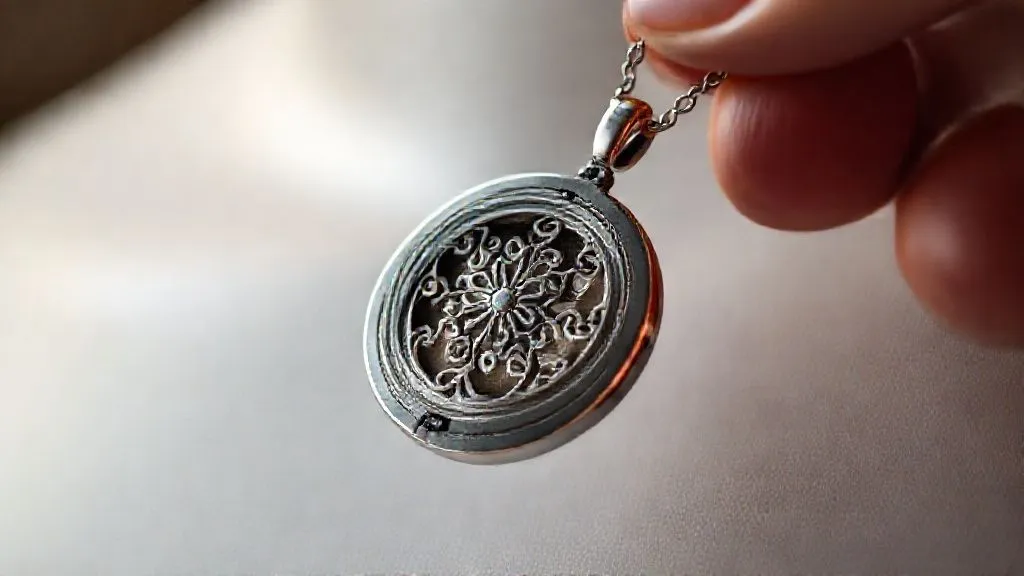
Integrating Fragile Vintage Components into Modern Designs?
For over two decades, I've had the immense privilege of working with the soul of jewelry – vintage pieces. They carry stories, history, and an undeniable allure. Yet, I've seen countless designers, both seasoned and aspiring, grapple with a pervasive challenge: the inherent fragility of these treasures when attempting to breathe new life into them.
The desire to merge the timeless elegance of antique components with contemporary aesthetics is powerful, but it's often met with the daunting reality of delicate materials, unknown provenance, and the risk of irreparable damage. How do you honor the past without compromising the present, or worse, destroying a piece of history? This is the core dilemma when **integrating fragile vintage components into modern designs**.
In this definitive guide, I will share the invaluable lessons I've learned, the pitfalls I've navigated, and the precise, actionable frameworks I've developed for successfully integrating these delicate elements. We'll delve into meticulous assessment, advanced stabilization, harmonious design principles, and ethical considerations, ensuring your creations are not just beautiful, but also enduring testaments to thoughtful craftsmanship.
The Art of Respectful Integration: Why Fragility Matters
When we talk about vintage jewelry, we're not just discussing old materials; we're engaging with artifacts that have survived generations. Their fragility isn't a flaw, but a testament to their age and the techniques of their time. Understanding this intrinsic value is the first step towards successful integration.
Understanding the Unique Challenges of Vintage Materials
Unlike contemporary materials engineered for modern wear, vintage components often consist of alloys, gemstones, and construction methods that require a different approach. Old gold alloys can be softer, silver tarnishes more readily, and antique gemstones might have inclusions or cuts that make them more susceptible to chipping or breaking.
"Every crack tells a story, every worn facet reflects a past life. Our role isn't to erase that history, but to safeguard it for the future." – My personal design philosophy.
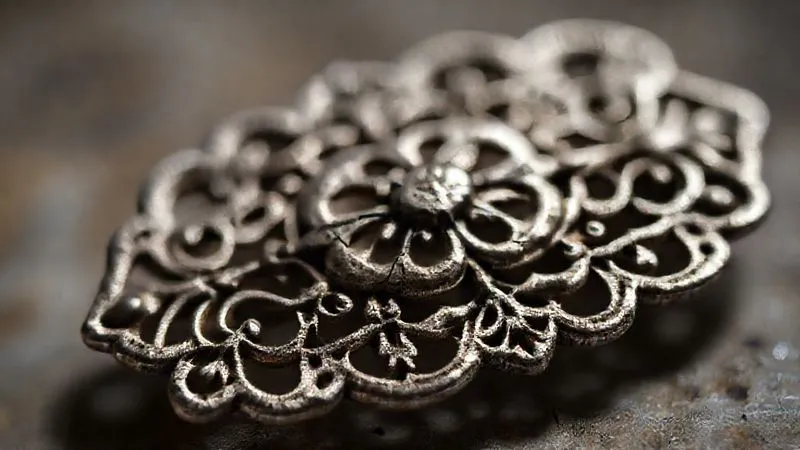
I've encountered everything from crumbling enamel to stress-fractured pearls. Each material presents its own set of vulnerabilities, from the adhesive used in Victorian settings to the delicate filigree of Art Nouveau pieces. Recognizing these specific challenges is paramount before any design work begins.
Phase 1: Meticulous Assessment and Preservation
Before you even think about design, you must become an archaeologist and a detective. The initial assessment is the most critical phase for **integrating fragile vintage components into modern designs** effectively.
Step-by-Step Vintage Component Evaluation
This systematic approach ensures no detail is overlooked, minimizing the risk of damage down the line.
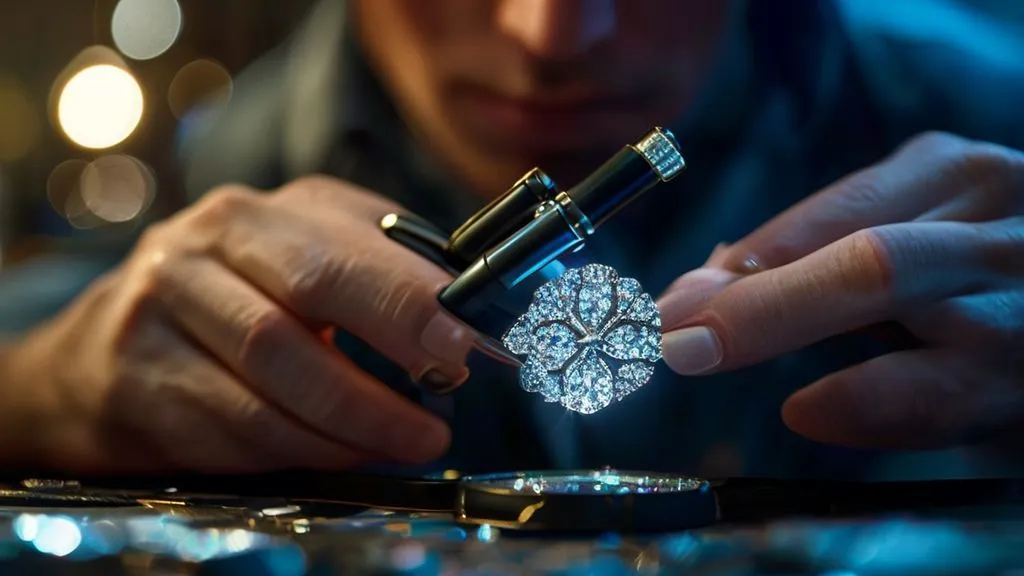
- Visual Inspection (Magnification is Key): Use a jeweler's loupe (10x or higher) or a microscope. Look for hairline cracks, chips, previous repairs, signs of stress, and material degradation. Pay close attention to settings, solder joints, and any areas of wear.
- Material Identification: Determine the exact metals, gemstones, and any other materials (enamel, pearl, coral, celluloid). This dictates cleaning methods, heat tolerance, and compatibility with new materials. For gemstones, identify type, cut, and any internal inclusions or surface abrasions.
- Structural Integrity Test: Gently test the stability of any moving parts, clasps, or stone settings. Is anything loose? Are prongs worn thin? This isn't about applying force, but about understanding existing weaknesses.
- Cleaning & Preparation (Non-Invasive First): Start with the gentlest cleaning method possible. Often, a soft brush and distilled water are sufficient. Avoid ultrasonic cleaners or harsh chemicals unless you are absolutely certain of the material's resilience. I once saw a designer destroy a client's antique opal ring by putting it in an ultrasonic cleaner – a costly lesson.
- Documentation: Photograph every angle, note all observations, and sketch the component. This creates a baseline and a historical record, invaluable for both your process and client communication.
"The best repair is the one that's never needed. Thorough assessment prevents future heartbreak and preserves the integrity of the vintage piece."
Documentation and Ethical Sourcing
Beyond physical assessment, understanding the provenance of your vintage components is crucial. Ethical sourcing in vintage jewelry means ensuring the piece wasn't illicitly obtained or derived from practices we now deem unethical.
Documenting the origin, if known, adds immense value and transparency to your final piece. For instance, knowing a pearl came from a specific era or a gemstone from a particular mine enhances its story. Organizations like the GIA offer resources for gemstone identification and ethical considerations, which I highly recommend exploring. Learn more about gemstone identification and ethics from GIA.
| Assessment Category | Checklist Item | Status |
|---|---|---|
| Material Integrity | Hairline cracks in metal? | Yes/No/N/A |
| Material Integrity | Loose stone settings? | Yes/No/N/A |
| Material Identification | Metal type confirmed? | Yes/No/N/A |
| Material Identification | Gemstone type confirmed? | Yes/No/N/A |
| Previous Repairs | Visible solder marks? | Yes/No/N/A |
| Cleaning Needs | Requires gentle cleaning? | Yes/No/N/A |
Phase 2: Reinforcement and Stabilization Techniques
Once you understand the vulnerabilities, the next step is to fortify the vintage component without altering its original character. This is where true expertise in **integrating fragile vintage components into modern designs** shines.
Subtle Structural Enhancements for Longevity
My philosophy here is 'less is more.' The goal is to provide invisible support, ensuring the vintage element can withstand the rigors of modern wear without looking 'repaired' or 'over-engineered.'
- Internal Frameworks: For hollow or extremely delicate components (like a thin filigree pendant), consider crafting a lightweight, internal support structure from a compatible, strong metal (e.g., platinum or titanium). This skeleton provides rigidity without adding bulk or being visible.
- Invisible Bezels or Collars: If a stone's setting is weak, a micro-bezel or a custom-fit collar can be designed to reinforce the existing setting from beneath or along its edge. This adds security while allowing the original prongs or bezel to remain untouched.
- Laser Welding & Micro-Soldering: These precision techniques allow for repairs and reinforcements with minimal heat spread, crucial for heat-sensitive materials. Laser welding, in particular, can fuse tiny gaps or strengthen weak joints with incredible accuracy, preserving the surrounding patinas and details.
- Material Compatibility: Always consider galvanic corrosion when joining different metals. For example, direct contact between gold and steel can lead to corrosion over time. Use insulating layers or compatible alloys as intermediaries.
I once worked on a Georgian era brooch with incredibly delicate rose-cut diamonds set in silver. The silver was paper-thin in places. Instead of re-setting, I created an ultra-thin, almost invisible platinum 'cage' that cradled the entire back of the silver setting, laser-welding it at only four contact points. This provided the necessary strength without impacting its antique charm. Explore advanced metalworking techniques in Metalsmith Magazine.
Adhesives and Bonding: A Delicate Balance
While I generally advocate for mechanical connections, there are instances where adhesives are necessary, especially for non-metal components or for securing elements that cannot withstand heat. The key is reversibility and stability.
"Choose adhesives not just for their strength, but for their ability to be removed without damage, should future restoration be required."
I recommend museum-grade epoxy resins or specific jewelry-grade glues that are known for their archival quality and minimal yellowing over time. Always test on a non-visible area first. And remember, adhesives are often a last resort or a supplementary measure, not a primary structural solution.
Phase 3: Design Harmony and Aesthetic Cohesion
The true artistry of **integrating fragile vintage components into modern designs** lies in creating a piece that feels cohesive, not like two disparate elements forced together. It's about a dialogue between eras.
Bridging Eras: Creating a Unified Aesthetic
Your goal is to ensure the vintage component doesn't look like an afterthought, but an intentional, celebrated focal point. This requires thoughtful design principles:
- Contrast & Complement: Juxtapose the old and new. A highly ornate vintage element can be beautifully highlighted against a minimalist, sleek modern setting. The contrast enhances both.
- Repetition & Echo: Pick up a design motif, a color, or a texture from the vintage piece and subtly echo it in the modern design. For example, if the vintage piece has a floral motif, a modern setting could incorporate a stylized, abstract floral element.
- Scale & Proportion: Ensure the vintage component's size and visual weight are balanced with the modern elements. A tiny vintage charm might get lost on a chunky modern chain, or a large antique brooch could overwhelm a delicate contemporary setting.
- Material Dialogue: Choose modern materials that either complement or intentionally contrast the vintage piece. Platinum or white gold often pair beautifully with antique silver or white gemstones, while rose gold can enhance the warmth of old gold or certain colored gems.
Case Study: Revitalizing the 'Belle Époque Brooch'
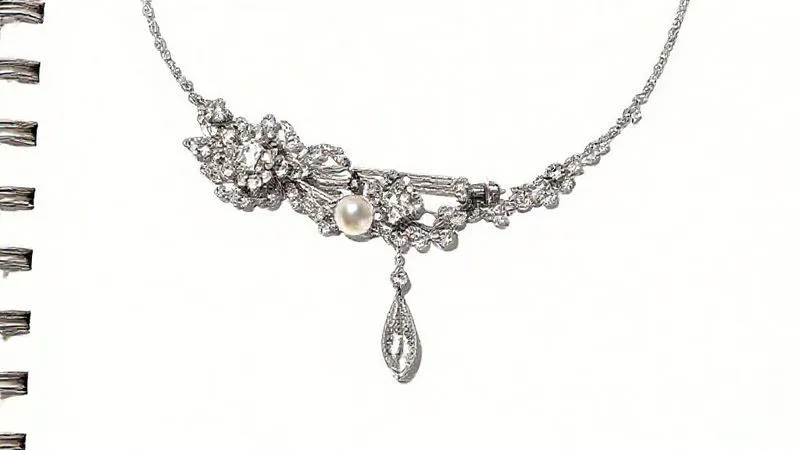
A client approached me with her grandmother's Belle Époque diamond and pearl brooch, a beautiful piece but impractical for modern wear. It was too large and heavy for most fabrics. My challenge was to make it wearable while preserving its essence.
We decided against dismantling the entire brooch. Instead, I envisioned it as the centerpiece of a convertible necklace. I designed a sleek, modern platinum and diamond 'frame' that the brooch could securely clip into. This frame included a hidden mechanism allowing the brooch to be detached and worn separately, or to transform the necklace into a choker. The platinum and modern brilliant-cut diamonds in the frame provided a contemporary sparkle that highlighted the intricate filigree and rose-cut diamonds of the original brooch, rather than competing with them. The result was a versatile, elegant piece that honored its history while embracing modern functionality, making **integrating fragile vintage components into modern designs** a triumph.
Phase 4: Advanced Setting and Mounting Strategies
Setting fragile vintage components requires a level of skill and precision that goes beyond standard jewelry construction. It's about protecting the past while securing it for the future.
Innovative Mounting for Fragile Gems and Elements
When dealing with antique gemstones, particularly those with unique cuts (like rose-cuts, old mine cuts) or inherent vulnerabilities (opals, emeralds), standard settings might not suffice. I advocate for custom-designed solutions:
- Custom Bezels: A full or partial bezel offers maximum protection for fragile edges, especially for antique cabochons or gems with worn girdles. The bezel can be subtly shaped to follow the unique contours of an old stone.
- Tension Settings (Modified): While a true tension setting might be too risky for a fragile gem, a modified version can be employed where the gem is secured by pressure, but with additional, almost invisible, security points (like tiny prongs or a hidden support band).
- Micro-Pave Reinforcement: For delicate enamel work or intricate metal filigree that needs a secure base, a custom-fitted, micro-pave-set plate can be designed to sit beneath or around the vintage element. The tiny diamonds add sparkle while the underlying metal provides strength.
- Cold Connections: Techniques like riveting, tab setting, or using small screws can be ideal for attaching components without heat, particularly useful for organic materials like horn, shell, or very heat-sensitive stones.
It's crucial to collaborate closely with a master setter who understands the nuances of antique materials. I often work with CAD software to design precise, custom settings that cradle the vintage component perfectly. This allows for virtual prototyping, minimizing physical handling of the fragile piece. Discover more about advanced jewelry manufacturing techniques on JCK Online.
Navigating Material Incompatibilities
A common pitfall I've observed is neglecting the long-term interaction between dissimilar materials. This extends beyond galvanic corrosion to differences in thermal expansion and hardness.
For example, if you set an antique glass component (which expands and contracts differently than metal) directly into a tight metal bezel, temperature fluctuations could cause it to crack over time. Using a thin, flexible gasket material (like a specific type of polymer) can act as a buffer. Similarly, softer vintage metals need to be protected from harder modern alloys.
| Material 1 | Material 2 | Compatibility Factor | Recommendation |
|---|---|---|---|
| Sterling Silver (Vintage) | Platinum (Modern) | Low galvanic risk, but hardness difference requires care. | Use platinum for structural support, avoid direct friction points, consider insulating layer. |
| Antique Gold (Low Karat) | Titanium (Modern) | High strength contrast, potential for abrasion. | Ensure titanium elements are polished smooth, use gold for aesthetic integration, titanium for core strength. |
| Natural Pearl (Vintage) | High-Polish Steel (Modern) | Pearl sensitivity to acids/abrasion, steel can scratch. | Isolate pearl from direct metal contact, use silk threading or protective settings, educate client on care. |
| Antique Glass/Enamel | Gold/Silver (Modern) | Thermal expansion differences, brittleness. | Utilize flexible setting methods (e.g., spring-loaded, cushioned), avoid tight bezels, ensure even pressure. |
Phase 5: Finishing, Testing, and Client Education
The final stages are about ensuring durability and empowering the client. A beautifully integrated piece is only as good as its ability to be worn and cherished.
Quality Assurance and Durability Testing
Once the piece is assembled, thorough but gentle testing is crucial. I never rush this phase. This includes:
- Visual Inspection: A final, meticulous check under magnification for any unnoticed flaws, loose elements, or marks.
- Gentle Stress Tests: Carefully check the security of all settings and connections. This isn't about trying to break the piece, but confirming stability with light pressure.
- Wearability Assessment: Does the piece sit comfortably? Are there any sharp edges? Does it catch on clothing?
- Functionality Check: If there are moving parts, clasps, or convertible mechanisms, ensure they operate smoothly and securely.
Empowering Clients: Care Instructions for Hybrid Pieces
Your client is the ultimate custodian of your creation. Providing comprehensive care instructions is not just good service; it's a vital part of preserving the piece, especially when **integrating fragile vintage components into modern designs**.
"A well-informed client is your best ally in ensuring the longevity and beauty of their unique, integrated jewelry piece."
I always provide a detailed care card that covers: specific cleaning methods for the combined materials, advice on avoiding harsh chemicals, recommendations for storage, and warnings against high impact or extreme temperature changes. This builds trust and ensures the piece remains a cherished heirloom.
Frequently Asked Questions (FAQ)
Can all vintage components, regardless of their condition, be integrated into modern designs? No, not all components are suitable. The initial assessment is critical. Some pieces are too far degraded, too brittle, or contain materials that are inherently unstable or toxic. My rule of thumb is: if the risk of irreparable damage during integration is too high, or if the component's integrity cannot be safely secured, it's best to preserve it as is, perhaps in a display rather than a wearable piece. We must respect the limits of restoration.
How do I ensure the new, modern design doesn't overshadow or detract from the vintage piece? This is a common design challenge. The key is to let the vintage component be the star. The modern elements should serve to frame, support, and enhance it, not compete. Use simpler forms, complementary (not clashing) colors, and ensure the scale is appropriate. Often, a minimalist modern setting can make an ornate vintage piece truly pop, creating a powerful contrast that highlights its intricate details.
What's the biggest mistake designers make when attempting to integrate fragile vintage components? In my experience, the biggest mistake is underestimating the unique properties and vulnerabilities of vintage materials. Treating them like modern materials, using standard tools or techniques, or neglecting a thorough initial assessment often leads to irreversible damage. Lack of patience and rushing the process are also major culprits. Every vintage piece demands a bespoke approach.
How do I price these unique, integrated pieces fairly, reflecting both the vintage value and the new craftsmanship? Pricing requires careful consideration. Factor in the intrinsic value of the vintage component (research its market value), the cost of new materials, the extensive labor involved in assessment, stabilization, and custom design, and your expertise. Don't undersell the specialized knowledge and meticulous care required for such delicate work. Transparency with clients about the value proposition is also key.
What about ethical considerations beyond sourcing, especially when altering a historical piece? Ethical considerations extend to the philosophy of alteration. I believe in respectful transformation. This means causing minimal, reversible changes where possible, and always documenting the original state. The goal is to extend the life and relevance of the piece, not to erase its history. Always communicate your approach clearly with the client, ensuring their vision aligns with your ethical framework for preservation.
Key Takeaways and Final Thoughts
Successfully **integrating fragile vintage components into modern designs** is a rewarding, yet demanding, endeavor. It's a journey that marries historical reverence with contemporary innovation, requiring a unique blend of technical skill, artistic vision, and profound patience.
- Prioritize Meticulous Assessment: Never skip the detailed inspection and documentation phase. It's your blueprint for success.
- Embrace Subtle Reinforcement: Focus on invisible, reversible stabilization techniques that preserve the component's original character.
- Design for Harmony: Create a cohesive aesthetic where old and new elements complement, rather than compete with, each other.
- Master Advanced Setting: Utilize custom, protective settings tailored to the unique vulnerabilities of antique materials.
- Educate and Empower Clients: Provide comprehensive care instructions to ensure the longevity of these unique creations.
As designers, we are not just crafting jewelry; we are custodians of history, breathing new life into forgotten narratives. By approaching each vintage component with respect, expertise, and a commitment to enduring quality, you can create pieces that are not only stunning but also profound testaments to the timeless beauty of jewelry design. Embrace the challenge, hone your craft, and continue to tell new stories with the whispers of the past.
Recommended Reading
- 7 Expert Adjustments: How Fashion Shoes Become Truly Orthotic-Friendly
- 7 Stunt Safety Hacks: Preventing Damage to Intricate SFX Costumes
- 7 Subtle Menswear Mistakes: Diminishing Trust in High-Stakes Meetings?
- Unlock the Secret: How to Reduce Microplastic Shedding from Your Clothes for a Cleaner Planet
- 7 Steps to Forecast Next Year's Cute Kids Outfit Trends Accurately

Your email address will not be published. Required fields are marked *