


What's the Best Strategy to Liquidate Unsold Luxury Heels Inventory?
For over 15 years in the high-stakes world of luxury footwear, I've witnessed firsthand the exhilaration of a new collection launch and the silent dread that creeps in when certain pieces, despite their exquisite craftsmanship, remain stubbornly on the shelves. It’s a common, often whispered, challenge that can plague even the most discerning brands: the accumulation of unsold luxury heels inventory.
This isn't just about 'old stock'; it's about significant capital tied up, valuable storage space consumed, and the insidious threat of brand dilution. Every season brings new trends, and yesterday's must-have can quickly become today's liability, particularly in a segment where perceived exclusivity and freshness are paramount. The dilemma is clear: how do you move these coveted, yet stagnant, assets without compromising the very essence of your brand's prestige?
In this comprehensive guide, I'll share the actionable frameworks and expert insights I've developed and observed throughout my career. We'll explore not just how to liquidate, but how to do so strategically, protecting your brand's integrity, recovering capital, and even turning a potential problem into a strategic opportunity. You'll gain a clear understanding of the best strategy to liquidate unsold luxury heels inventory, tailored for the unique challenges of high-end fashion.
Understanding the True Cost of Unsold Luxury Heels
Many perceive unsold inventory merely as a storage issue, but in the luxury sector, the costs run far deeper than warehouse fees. It's a silent drain on your resources, impacting everything from cash flow to brand perception. Failing to address it promptly can lead to a cascading effect that undermines your entire business model.
Beyond the tangible expenses, there's the significant opportunity cost – capital that could have been invested in new designs, marketing campaigns, or expanding into new markets is instead locked away. More critically, prolonged visibility of discounted or old stock can erode the carefully cultivated aura of exclusivity and desire that defines luxury. This is why understanding the true cost is the first step in formulating an effective liquidation strategy.
The Inventory Holding Cost Breakdown
- Storage Costs: Rent, utilities, security, and climate control for your high-value items.
- Insurance: Protecting against theft, damage, or loss for expensive inventory.
- Depreciation: The inevitable decline in value as items age, especially in fast-moving fashion cycles.
- Obsolescence Risk: The danger that items become entirely unsellable due to changing trends or damage.
- Opportunity Cost: Capital tied up in stagnant inventory that could be generating returns elsewhere.
- Brand Dilution: The intangible, yet significant, cost of eroding brand prestige through visible overstock or deep discounting.
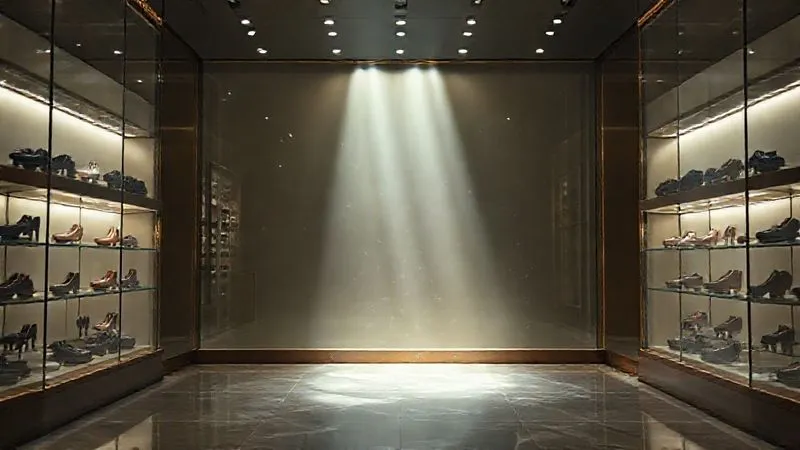
Strategy 1: Targeted Markdown & Flash Sales
The most direct approach to moving unsold inventory is through markdowns. However, in the luxury space, this must be executed with surgical precision to avoid devaluing your brand. It's not about slashing prices indiscriminately, but about creating controlled urgency and exclusivity around the discount.
I've seen countless brands make the mistake of immediately pushing items to deep discounts, only to find their full-price sales suffer in subsequent seasons. The key is a tiered approach, targeting specific customer segments with carefully calibrated offers. This allows you to test the market's elasticity and maximize recovery without causing undue harm to your brand's long-term value perception.
Optimizing Discount Tiers
- Segment Your Inventory: Categorize unsold heels by age, perceived demand, current trend relevance, and original price point. Not all items warrant the same discount or liquidation channel.
- Implement Tiered Discounts: Start with moderate reductions (e.g., 20-30%) for loyal customers or private lists. Gradually increase discounts over time, but always with a clear rationale and limited duration.
- Strategic Timing: Align flash sales with seasonal transitions or specific events (e.g., end-of-season, holiday weekends) to create natural urgency. Avoid constant sales, which can train customers to wait for discounts.
- Create Exclusivity: Frame markdowns as exclusive opportunities for VIPs or email subscribers. This maintains a sense of privilege even with a reduced price point.
- Clear Communication: Be transparent about why items are on sale (e.g., "end of season," "archive sale") without implying a flaw in the product itself.
| Discount Tier | Target Audience | Goal |
|---|---|---|
| First Mark (20-30%) | Loyal Customers, Email List | Early Conversion, Minimal Brand Impact |
| Second Mark (40-50%) | Wider Audience, Flash Sale Enthusiasts | Accelerated Movement, Revenue Generation |
| Deep Clearance (60% +) | Bargain Hunters, Outlet Shoppers | Full Liquidation, Space Recovery |
"The goal isn't just to sell; it's to sell strategically, preserving the perceived value of your primary collection while efficiently moving older stock. It's a delicate dance between urgency and exclusivity."
Strategy 2: Leveraging Exclusive Outlet Channels & Private Sales
For luxury brands, the public perception of constant discounting can be detrimental. This is where exclusive outlet channels and private sales become invaluable. They allow you to liquidate substantial inventory volumes away from your primary retail storefronts, maintaining brand integrity and avoiding direct competition with your full-price offerings.
These channels operate on the principle of controlled access. Whether through physical outlet stores, dedicated e-commerce platforms, or invitation-only events, the aim is to create a distinct shopping experience for customers specifically seeking value in luxury. This separation is crucial for managing brand perception.
Creating a 'Members Only' Experience
- Gated Access: Require registration, email signup, or a specific invitation code to access sales, fostering a sense of exclusivity.
- Dedicated Platforms: Use a separate website or a specific section of your site for these sales, distinct from your main collection.
- Controlled Environment: Design the sale environment (online or physical) to reflect the brand's aesthetic, even at reduced prices, to maintain a premium feel.
- Data Capture: Use these events to gather valuable customer data for future marketing and inventory planning.
Case Study: 'The Luxe Vault' Private Sale Success
I recall working with a renowned Italian luxury footwear brand, 'Aurelia Moda', which faced a significant challenge with 40% of its previous season's couture heels accumulating. Public markdowns were out of the question due to brand positioning. Aurelia Moda launched 'The Luxe Vault', an invitation-only online event for its most loyal customers and a select list of new registrants. Access was granted via a unique, time-sensitive code sent via email. The platform itself mirrored their main website's elegance, but clearly marked items as 'Archival Collection'. By meticulously segmenting their audience and offering discounts ranging from 35-55% on specific styles, Aurelia Moda successfully liquidated 70% of the targeted dead stock within a two-week window, recovering substantial capital and generating positive buzz among their VIP clientele, all without impacting their current season's full-price sales.
Strategy 3: Strategic Consignment & Wholesale Partnerships
Sometimes, the best approach is to leverage external channels that specialize in selling pre-owned or past-season luxury goods. Consignment stores, both brick-and-mortar and online, and specialized wholesale liquidators can be effective partners in moving inventory that has exhausted its direct sales potential.
This strategy is particularly useful for items that retain significant intrinsic value but may no longer align with your current brand narrative or customer base. It offloads the marketing and sales burden, allowing you to focus on core operations. However, careful vetting of partners is essential to ensure brand alignment and ethical practices.
Identifying the Right Consignment Partners
- Brand Alignment: Choose partners whose aesthetic, customer base, and service quality align with your luxury brand's values. Avoid partners that deal primarily in mass-market goods.
- Commission Structure: Negotiate favorable commission rates and clear terms regarding payment, returns, and inventory management.
- Audience Reach: Select partners with a strong, engaged audience of luxury consumers who appreciate high-quality items at a value.
- Transparency & Reporting: Ensure partners provide transparent sales data and regular inventory reports.
For larger volumes, wholesale liquidation can be an option, but this typically involves deeper discounts and requires even more stringent due diligence to prevent your products from flooding unintended markets or being resold in ways that harm your brand. According to Forbes, the luxury resale market is booming, signaling a clear opportunity for strategic partnerships.
Strategy 4: Repurposing & Upcycling Initiatives
When liquidation through traditional sales channels becomes untenable, or if you have a small quantity of highly unique items, consider creative repurposing. This strategy transforms unsellable inventory into new products or components, offering a fresh lease on life and a powerful sustainability narrative.
This approach moves beyond mere disposal; it's about innovative resourcefulness. It aligns perfectly with the growing consumer demand for sustainable practices and can generate positive PR, showcasing your brand's commitment to circularity and creativity. It's a testament to the enduring value of luxury materials and craftsmanship, even if the original form is no longer viable.
Collaborating with Artisans and Designers
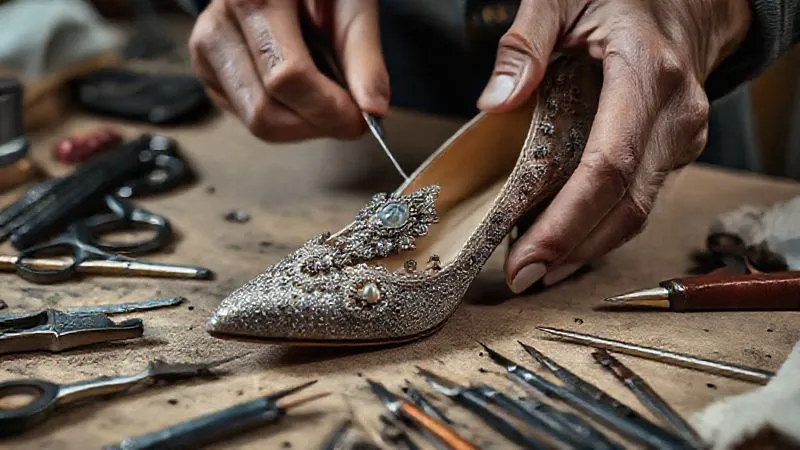
Partner with independent designers, artisans, or even art schools to deconstruct and reimagine unsold heels. Embellishments, unique leathers, or structural components can be extracted and incorporated into new accessories like handbags, jewelry, or even small home decor items. This not only liquidates the "dead" inventory but creates limited-edition, bespoke pieces that command new attention.
I've seen brands successfully transform intricate heel details into brooches or use exotic leather uppers to create luxury cardholders. This not only solves the inventory problem but also taps into the demand for unique, handcrafted luxury goods, often at a higher perceived value than a deeply discounted original heel. It’s a powerful storytelling tool that resonates deeply with conscious consumers.
Strategy 5: Donation & Corporate Social Responsibility (CSR)
While not a revenue-generating strategy, donating unsold luxury heels to reputable charities can be a highly effective ethical disposal method. It offers significant advantages in terms of brand image, tax benefits, and contributing positively to society. This approach should be considered for items that are truly beyond commercial viability or where the brand wants to make a strong philanthropic statement.
This demonstrates a commitment to corporate social responsibility, which is increasingly important to modern consumers. It transforms a financial liability into a social asset, enhancing your brand's reputation and fostering goodwill among your customer base and employees.
Partnering with Reputable Charities
- Tax Benefits: Consult with your financial advisor regarding potential tax deductions for charitable contributions of inventory.
- Positive PR: Publicize your donation efforts to showcase your brand's commitment to social causes. This can generate positive media attention and enhance brand loyalty.
- Employee Engagement: Involve your team in the selection of charities or the logistics of donation, boosting internal morale and fostering a shared sense of purpose.
- Brand Alignment: Choose charities whose mission aligns with your brand's values, creating a more authentic and impactful partnership. For example, charities supporting women's empowerment or professional development could be a natural fit for luxury footwear.
As marketing guru Seth Godin often says, "People don't buy what you do; they buy why you do it." Donating unsold inventory can clearly articulate your 'why', creating a powerful narrative. A study published in Harvard Business Review highlights that companies with strong CSR initiatives often see improved financial performance and customer loyalty.
Strategy 6: Data-Driven Inventory Forecasting & Prevention
The most effective strategy to liquidate unsold luxury heels inventory is, paradoxically, to prevent its accumulation in the first place. This requires a robust, data-driven approach to inventory management and forecasting. By understanding trends, customer demand, and production cycles, you can minimize overstock and maximize sell-through at full price.
In my experience, many brands rely too heavily on historical data without integrating predictive analytics or real-time market intelligence. The luxury market is dynamic, influenced by everything from celebrity endorsements to macroeconomic shifts. Proactive management, informed by sophisticated data analysis, is the cornerstone of sustainable growth and profitability.
Implementing Predictive Analytics
- Sales History Analysis: Go beyond raw numbers. Analyze sales by style, color, size, region, and time of year to identify patterns and anomalies.
- Trend Forecasting: Utilize AI and machine learning tools to predict upcoming fashion trends, consumer preferences, and demand shifts before they fully materialize.
- Customer Data Integration: Leverage CRM data to understand customer preferences, purchasing behavior, and willingness to pay, informing future buying decisions.
- Supply Chain Optimization: Work closely with manufacturers to ensure agile production, allowing for smaller, more frequent orders based on real-time demand rather than large, speculative batches.
- Feedback Loops: Establish continuous feedback loops from sales teams, retail partners, and customer service to capture qualitative insights that quantitative data might miss.
According to a Deloitte study on supply chain analytics, companies leveraging advanced data analytics can achieve significant improvements in inventory accuracy and reduction of excess stock. This proactive approach is not just about cost savings; it's about strategic agility in a competitive market.
Strategy 7: Brand Storytelling & Customer Engagement During Sales
Even when running liquidation sales, your brand narrative doesn't have to disappear. In fact, it can be an opportunity to reinforce your brand's values, connect with customers on a deeper level, and turn a necessary markdown into a desirable event. The way you frame your liquidation matters immensely for long-term brand health.
Avoid language that suggests desperation or a lack of demand. Instead, craft a narrative that emphasizes exclusivity, a 'last chance' for iconic pieces, or an opportunity to own a piece of your brand's archive. This storytelling approach ensures that even discounted purchases feel like a curated experience rather than a mere transaction.
Crafting a Narrative of Exclusivity and Opportunity
Frame your sales as "Archive Sales," "Collector's Editions," or "Last Chance to Own a Classic." Highlight the craftsmanship, the story behind the design, and the limited availability. This shifts the focus from the discount percentage to the inherent value and desirability of the product itself. Use compelling visuals and evocative language to maintain the luxury appeal.
Engage customers by sharing behind-the-scenes glimpses of the heels, testimonials from designers, or styling tips for the items on sale. This fosters a sense of community and makes the purchase feel more significant than just buying a discounted item. It's about selling the dream, even at a reduced price point, and ensuring that every customer interaction reinforces your brand's unique identity.

Frequently Asked Questions (FAQ)
Q: How do I avoid devaluing my brand during liquidation? A: The key is controlled access and strategic communication. Utilize private sales, exclusive outlet channels, and tiered markdowns for loyal customers first. Frame sales as 'archive' or 'limited opportunity' rather than 'clearance.' Maintain high-quality presentation and customer service even during discounted sales. Avoid public, aggressive discounting on your main retail platforms.
Q: What's the optimal timing for a luxury heel liquidation sale? A: Optimal timing often coincides with seasonal transitions (e.g., end of summer for spring/summer collections, post-holiday for fall/winter). Avoid running sales too close to new collection launches. Consider national holidays or specific retail events, but always ensure the timing aligns with your brand's overall marketing calendar and doesn't cannibalize full-price sales. Early and strategic markdowns are often better than deep, last-minute cuts.
Q: Should I use a third-party liquidator, and how do I choose one? A: Third-party liquidators can be effective for large volumes or when you need a quick exit, but they typically involve deeper discounts. If you choose this route, thoroughly vet potential partners. Look for liquidators with experience in luxury goods, a strong track record, and a clear understanding of how to protect brand integrity. Ensure contractual agreements specify where and how products can be resold to prevent grey market issues or direct competition.
Q: Can I use social media for luxury liquidation without damaging my image? A: Yes, but with caution and creativity. Instead of direct 'sale' announcements, use social media to highlight the unique craftsmanship, heritage, or limited availability of archived pieces. Create engaging content that tells a story around the items. Use targeted ads to reach specific segments interested in luxury value, and consider influencer collaborations that focus on 'timeless investments' rather than 'cheap buys.' Private group sales or exclusive stories can also maintain control.
Q: What legal considerations are there for international liquidation? A: International liquidation involves complexities such as import/export duties, intellectual property rights (especially for parallel imports), consumer protection laws, and differing tax regulations in various countries. It's crucial to consult with legal and customs experts to ensure compliance and avoid potential issues like counterfeiting or misrepresentation of your brand in foreign markets. Clear contractual terms with international partners are non-negotiable.
Key Takeaways and Final Thoughts
Navigating the challenge of unsold luxury heels inventory requires a blend of strategic thinking, creativity, and unwavering commitment to brand integrity. It's a nuanced process that, when executed correctly, can transform a potential liability into a strategic advantage.
- Act Early and Strategically: Procrastination only amplifies the problem. Implement tiered markdowns and private sales before inventory becomes truly stagnant.
- Protect Your Brand Above All: Every liquidation decision must be weighed against its potential impact on your brand's prestige and long-term value.
- Diversify Your Channels: Don't rely on a single liquidation method. Explore consignment, wholesale, repurposing, and even donation for different segments of your inventory.
- Embrace Data for Prevention: The ultimate solution lies in foresight. Invest in robust inventory forecasting and predictive analytics to minimize future overstock.
- Maintain a Strong Narrative: Even during sales, continue to tell your brand's story, emphasizing quality, exclusivity, and the unique opportunity for customers.
Remember, unsold inventory is a challenge, not a failure. With these expert-backed strategies, you're not just clearing shelves; you're actively managing your brand's future, safeguarding its value, and ensuring that every pair of luxury heels, whether new or archived, contributes to your legacy of excellence. Approach this task with the same meticulous care you apply to designing your next iconic collection, and you will emerge stronger and more resilient.
Recommended Reading
- 7 Steps: Predict Micro-Hat Trends for Profitable Inventory Planning
- Unlock the Secret: How to Make Unique Jewelry Designs Truly Stand Out
- Unlock the Secrets: How to Care for Delicate Antique Pearl Jewelry
- Unlock the Secret: How to Properly Clean & Maintain Smart Fabric Garments?
- 7 Pro Lighting & Makeup Secrets for Diverse Skin Tones in Studio




Your email address will not be published. Required fields are marked *