

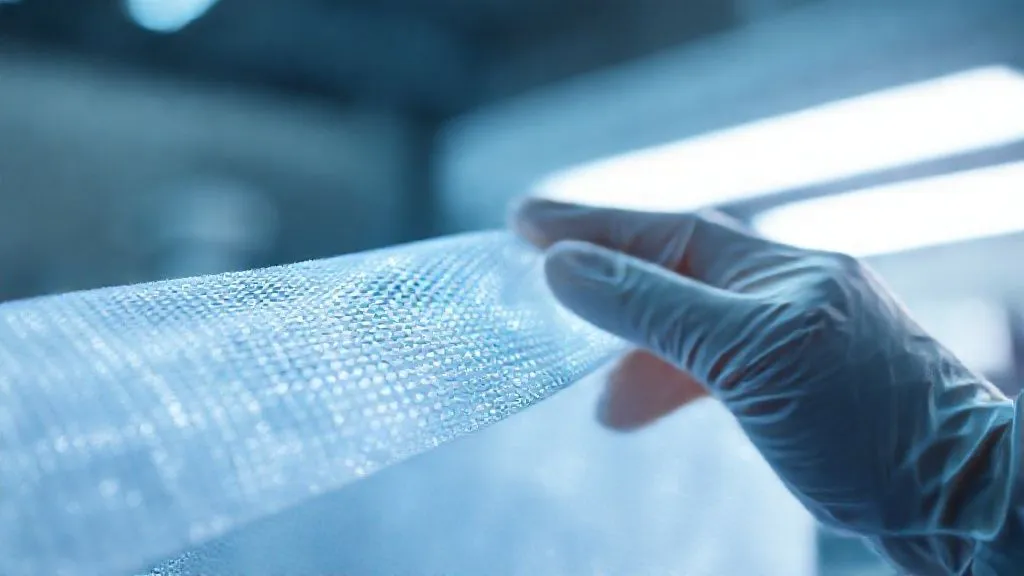
How to develop durable antimicrobial medical textile coatings?
For over two decades in textile innovation, particularly within the demanding realm of medical applications, I've observed a critical misconception: that simply applying an antimicrobial agent to a fabric guarantees lasting protection. The reality, as I've learned through countless trials and industry partnerships, is far more complex and nuanced. True durability in antimicrobial medical textile coatings isn't an accident; it's the result of meticulous planning, advanced material science, and rigorous testing.
The stakes couldn't be higher. Healthcare-associated infections (HAIs) remain a persistent threat, impacting patient outcomes and healthcare costs globally. While antimicrobial textiles offer a promising line of defense, their effectiveness is severely compromised if the protective coating degrades, leaches, or loses its efficacy after just a few wash cycles or exposure to harsh clinical environments. This short lifespan is the silent enemy, undermining trust and rendering innovative solutions ineffective.
This guide isn't just a collection of facts; it's a strategic framework forged from my experience, designed to equip you with the actionable insights needed to develop truly resilient and long-lasting antimicrobial medical textile coatings. We'll delve into the science, explore cutting-edge technologies, and navigate the regulatory landscape, ensuring your innovations not only perform but endure. By the end, you'll understand not just what to do, but *why* each step is critical in your quest to develop durable antimicrobial medical textile coatings.
The Unseen Battle: Why Durable Antimicrobial Coatings Matter More Than Ever
In the sterile yet often pathogen-laden environments of healthcare facilities, textiles are ubiquitous. From surgical gowns and drapes to patient bedding and staff uniforms, they represent a vast surface area where microorganisms can thrive and spread. The World Health Organization (WHO) consistently highlights HAIs as a major global public health concern, affecting millions of patients annually and leading to increased morbidity, mortality, and extended hospital stays. This isn't merely a statistic; it's a profound human cost.
The economic burden of HAIs is equally staggering, costing healthcare systems billions of dollars each year in prolonged treatments, additional diagnostic tests, and lost productivity. Antimicrobial medical textiles offer a proactive solution, continuously reducing the microbial load on surfaces, thereby breaking potential chains of infection transmission. However, their value proposition hinges entirely on their durability. A coating that fails after a few washes or sterilization cycles offers only transient protection, ultimately proving to be a false economy and a potential safety risk.
In my experience, the greatest challenge in achieving effective infection control through textiles isn't the initial antimicrobial activity, but maintaining that activity throughout the product's intended lifespan in a demanding clinical setting. Durability is not a feature; it's a fundamental requirement.
Moreover, regulatory bodies worldwide are increasingly scrutinizing the claims and performance of medical devices and textiles. Manufacturers are under pressure to provide robust evidence of both efficacy and durability. Developing coatings that withstand repeated industrial laundering, sterilization, and mechanical stress is no longer an aspiration but a critical imperative for market acceptance and patient safety. For comprehensive data on HAIs, consult reports from organizations like the World Health Organization.
Understanding the Enemy: Mechanisms of Antimicrobial Action and Degradation
Before we can build a durable defense, we must understand both how antimicrobial agents work and, crucially, why they fail. It's a two-sided coin: the mechanism of action against microbes and the mechanisms of degradation that compromise the coating's integrity over time.
Types of Antimicrobial Agents:
A diverse array of agents is employed in textile coatings, each with distinct mechanisms:
- Silver Ions: One of the most common, silver ions disrupt bacterial cell membranes, inhibit enzyme function, and interfere with DNA replication. They are broad-spectrum but can be susceptible to leaching.
- Copper: Similar to silver, copper ions exert oligodynamic effects, damaging bacterial cell walls and proteins.
- Quaternary Ammonium Compounds (QACs): These positively charged molecules interact with negatively charged bacterial cell membranes, leading to cell lysis. They are often surface-bound.
- Chitosan: A natural polymer derived from chitin, chitosan has inherent antimicrobial properties due disrupting cell membranes and chelating metal ions essential for microbial growth.
- Triclosan (Historical Context): While once widely used, triclosan's environmental and health concerns have led to its phase-out in many applications, highlighting the need for safer, sustainable alternatives.
The choice of agent profoundly influences the coating's potential for durability and its overall safety profile.
Challenges to Durability:
Antimicrobial coatings face a gauntlet of challenges in medical environments:
- Leaching: The most common failure mode, where antimicrobial agents migrate out of the textile, especially during washing. This reduces efficacy and can pose environmental risks.
- Degradation: Chemical breakdown of the antimicrobial agent or the binder matrix due to heat, light (UV), harsh chemicals (bleach), or enzymatic activity.
- Mechanical Abrasion: Constant rubbing, friction, and stretching during use and laundering can physically remove the coating or damage its structure.
- Laundering Cycles: Industrial washing processes involve high temperatures, strong detergents, and mechanical agitation, all designed to strip away contaminants – and often, inadvertently, the antimicrobial coating.
- Sterilization Methods: Autoclaving (steam sterilization), ethylene oxide (EtO), or radiation can severely impact the chemical stability and physical integrity of certain coatings.

Strategic Material Selection: The Foundation of a Robust Coating
Developing a durable antimicrobial coating begins long before application; it starts with a deep understanding of the materials involved. The interaction between the textile substrate, the binder system, and the antimicrobial agent is paramount.
Substrate Compatibility:
The type of textile fiber dictates much of the coating strategy.
- Natural Fibers (e.g., Cotton): Possess hydroxyl groups, offering sites for chemical modification but are hydrophilic, which can affect coating adhesion and water resistance.
- Synthetic Fibers (e.g., Polyester, Nylon, Polypropylene): Generally more hydrophobic and chemically inert, requiring surface activation (e.g., plasma treatment) to enhance adhesion. Their inherent durability and resistance to biological degradation can be advantageous.
Understanding the surface chemistry and porosity of the chosen fiber is critical for achieving strong, lasting bonds.
Binder Systems and Polymer Matrices:
The binder is the unsung hero, encapsulating the antimicrobial agent and anchoring it to the textile. Its properties – adhesion, flexibility, chemical resistance, and biocompatibility – directly determine the coating's durability.
- Polyurethanes: Known for excellent adhesion, flexibility, and abrasion resistance. They can form tough, elastic films.
- Acrylics: Versatile, offering good adhesion and chemical resistance. Often used in water-based systems.
- Silicones: Provide excellent water repellency, softness, and high-temperature resistance, often used for medical device coatings due to their biocompatibility.
The use of cross-linking agents within the polymer matrix is crucial. These agents create a three-dimensional network, significantly enhancing the coating's mechanical strength, chemical resistance, and reducing the likelihood of agent leaching.
Optimizing Antimicrobial Agent Integration:
Simply mixing an antimicrobial agent into a binder isn't enough for durability. Smart integration is key:
- Encapsulation Techniques: Micro- or nano-encapsulation can protect the agent from degradation and provide controlled release. For example, silver nanoparticles embedded within a polymer matrix offer a larger surface area and slower release compared to macroparticles.
- Controlled Release Mechanisms: Designing coatings that release the antimicrobial agent gradually over time ensures sustained efficacy. This can involve pH-responsive polymers, temperature-sensitive matrices, or diffusion-controlled release systems.
| Binder System | Key Properties | Medical Textile Use | Durability Factor |
|---|---|---|---|
| Polyurethane | Excellent adhesion, flexibility, abrasion resistance | Surgical drapes, wound dressings | High mechanical strength, chemical resistance |
| Acrylics | Versatile, good adhesion, chemical resistance | Hospital linens, uniforms | Good wash fastness, UV stability |
| Silicones | Water repellent, soft, biocompatible | Catheters, implantable fabrics | High temperature resistance, inertness |
| Fluoropolymers | Exceptional chemical resistance, low friction | Protective barriers, cleanroom garments | Extreme chemical and thermal stability |
Advanced Coating Technologies: Beyond Simple Dipping
While traditional dip-coating methods have their place, achieving true durability often requires more sophisticated application techniques that enhance adhesion and create more robust, integrated layers. This is where cutting-edge textile functionalization truly shines.
Plasma Treatment and Surface Functionalization:
Plasma treatment is a game-changer for surface modification. By exposing textiles to a plasma (ionized gas), we can modify the fiber surface at a molecular level without affecting bulk properties. This can:
- Enhance Adhesion: Introduce polar groups (e.g., hydroxyl, carboxyl) onto hydrophobic surfaces, making them more receptive to coatings.
- Create Reactive Sites: Generate free radicals or active sites that can form strong covalent bonds with antimicrobial agents or binder systems.
- Clean Surfaces: Remove impurities, ensuring a pristine surface for coating application.
This pre-treatment step is often critical for synthetic fibers where direct chemical bonding is challenging.
Layer-by-Layer Assembly (LBL):
The LBL technique involves alternately dipping a substrate into solutions of oppositely charged polyelectrolytes or other functional materials. This allows for the precise construction of multi-layered coatings with controlled thickness and composition.
- Building Multi-functional Layers: Each layer can serve a specific purpose – an adhesion layer, an antimicrobial layer, a protective outer layer.
- Precise Control: The number of layers can be precisely controlled, allowing for fine-tuning of antimicrobial release kinetics and overall durability.
LBL can create highly stable, integrated coatings with excellent wash fastness. For a deeper dive into LBL applications in textiles, consider exploring academic papers on the topic, such as those found in journals like ACS Applied Materials & Interfaces.
Sol-Gel Methods and Nanocoatings:
Sol-gel processes involve synthesizing inorganic or hybrid organic-inorganic polymers from colloidal suspensions (sols) that then gel to form a network. These methods are excellent for creating highly stable, thin, and often transparent films.
- Creating Stable Films: The inorganic network provides excellent mechanical and chemical stability.
- Nanocoatings: Sol-gel can encapsulate nanoparticles (e.g., silver, titanium dioxide) within the matrix, providing sustained antimicrobial activity and enhanced durability.
Grafting and Covalent Bonding:
The holy grail of durability is often achieved through covalent bonding, where the antimicrobial agent is chemically linked directly to the textile fiber or the binder matrix. This permanent attachment prevents leaching and significantly enhances wash fastness.
- Graft Polymerization: Involves initiating polymerization from reactive sites on the fiber surface, growing polymer chains that incorporate antimicrobial functionalities.
- Direct Chemical Linkage: Utilizing specific chemical reactions (e.g., esterification, amidation) to form strong bonds between the antimicrobial molecule and the textile.
These advanced techniques represent a significant leap forward from simple impregnation, offering unparalleled control over coating architecture and, critically, longevity.
The Durability Imperative: Testing and Validation Protocols
Without rigorous testing, even the most innovative coating is just a hypothesis. In the medical textile sector, validation is not optional; it's a non-negotiable step to ensure safety, efficacy, and regulatory compliance. My experience has shown that cutting corners here is the fastest route to market failure and reputational damage.
Mechanical Durability:
Medical textiles are subjected to constant wear and tear. Testing must simulate these stresses:
- Abrasion Resistance (e.g., Martindale Test, ASTM D4966): Measures the fabric's resistance to surface wear caused by rubbing against another material. A durable coating must remain intact under significant abrasive forces.
- Tensile Strength (e.g., ASTM D5034): Assesses the force required to break a fabric. While not directly measuring coating durability, a strong base fabric ensures the coating has a stable foundation.
- Tear Resistance (e.g., ASTM D1424): Measures the force required to propagate a tear, important for fabrics like surgical drapes.
Laundering Durability:
This is arguably the most critical test for antimicrobial medical textiles. Coatings must withstand repeated industrial washing and drying cycles:
- AATCC Test Method 135 (Dimensional Changes in Fabrics after Home Laundering): While focused on shrinkage, it provides a benchmark for general fabric integrity post-wash.
- ISO 6330 (Domestic Washing and Drying Procedures for Textile Testing): A comprehensive standard for simulating various washing conditions.
- Custom Industrial Laundering Protocols: Often, companies develop internal protocols that closely mimic the harsh conditions of actual hospital laundries, including high temperatures, strong alkalis, and bleaching agents, followed by re-testing of antimicrobial efficacy.
Biocidal Efficacy Testing (Post-Durability Challenges):
It's not enough to be antimicrobial initially; the activity must persist after durability challenges.
- AATCC Test Method 100 (Antibacterial Finishes on Textile Materials: Assessment of): A quantitative test for antibacterial activity, often performed after multiple washes.
- JIS L 1902 / ISO 20743 (Textiles - Determination of Antibacterial Activity): Similar quantitative tests that measure the reduction of bacterial populations on treated fabrics.
- ASTM E2149 (Standard Test Method for Determining the Antimicrobial Activity of Antimicrobial Agents under Dynamic Contact Conditions): Useful for agents that require contact for activity.
These tests must demonstrate a significant reduction (e.g., >99.9%) in relevant pathogens (e.g., Staphylococcus aureus, Klebsiella pneumoniae) even after 50 or 100 industrial wash cycles.
Biocompatibility and Cytotoxicity:
For medical textiles, especially those with prolonged skin contact, safety is paramount. Coatings must not elicit adverse biological responses:
- ISO 10993 (Biological evaluation of medical devices): A series of standards covering various aspects of biocompatibility, including cytotoxicity (ISO 10993-5), sensitization (ISO 10993-10), and irritation (ISO 10993-10).
My guiding principle is simple: If a coating cannot consistently pass rigorous efficacy tests after enduring the most aggressive cleaning and mechanical stresses it will face in its intended environment, it is not truly durable, and it is not ready for the medical market. Invest in comprehensive testing from day one.
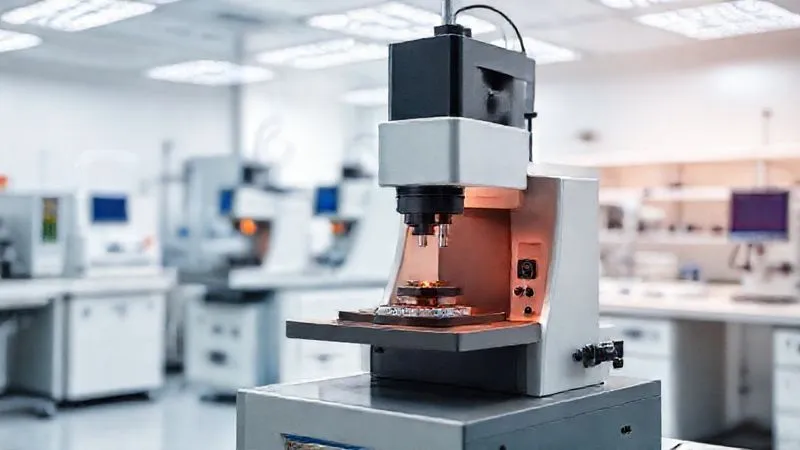
Case Study: BioShield Textiles' Journey to a 100-Wash Antimicrobial Coating
The Challenge:
BioShield Textiles, a mid-sized manufacturer of medical scrubs and patient gowns, faced a critical hurdle. Their existing antimicrobial coating, applied via a simple exhaust method, showed excellent initial bacterial reduction (AATCC 100 >99.9%). However, after just 15 industrial wash cycles, their efficacy plummeted to below 50%, rendering the claim of 'antimicrobial' largely moot for the product's expected lifespan. Hospital clients were reporting dissatisfaction, and BioShield's market share was stagnating.
The Strategy:
Recognizing the need for a fundamental shift, BioShield invested in a multi-pronged development approach, guided by principles of covalent bonding and advanced surface modification. I advised them to move away from a 'surface-adsorbed' approach to one of 'surface-integrated' functionality.
- Surface Activation: They began by implementing a low-pressure plasma treatment for their polyester-cotton blend fabrics. This created reactive hydroxyl and carboxyl groups on the fiber surface, significantly enhancing its receptivity to subsequent chemical modifications.
- Covalent Grafting of a Reactive Polymer: Instead of directly applying the antimicrobial agent, they first grafted a bifunctional polymer onto the activated textile surface. This polymer had one end designed to covalently bond to the fabric and the other end containing specific functional groups ready to react with the chosen antimicrobial agent.
- Antimicrobial Agent Linkage: A novel QAC (quaternary ammonium compound) with a specific reactive group was then covalently linked to the grafted polymer. This 'spacer' polymer ensured that the QAC was permanently anchored and optimally oriented for microbial interaction, rather than being buried or easily leached.
- Protective Topcoat (Optional, but beneficial): For some high-wear applications, a thin, breathable, cross-linked polyurethane topcoat was applied to further encapsulate and protect the entire system from mechanical abrasion, without hindering antimicrobial activity.
The Outcome:
The results were transformative. BioShield Textiles' new generation of scrubs achieved a consistent >99.9% bacterial reduction against both Gram-positive (S. aureus) and Gram-negative (K. pneumoniae) bacteria, even after 100 rigorous industrial wash cycles. Their products not only met but exceeded the most stringent hospital requirements for durability and efficacy. This led to:
- A significant increase in market share, as they could now genuinely offer a 'long-lasting antimicrobial' solution.
- Successful attainment of new regulatory approvals in multiple regions due to robust data.
- Enhanced brand reputation as an innovator in patient safety, leading to premium pricing opportunities.
This case study underscores the power of a strategic, science-backed approach to developing truly durable antimicrobial medical textile coatings. It wasn't about finding a magic bullet, but about understanding material interactions and leveraging advanced chemical processes for long-term performance.
Regulatory Landscape and Market Adoption
Navigating the regulatory landscape is as crucial as mastering the science. Medical textiles, particularly those with antimicrobial claims, fall under strict oversight, varying by region. Missteps here can lead to costly delays, product recalls, or outright market denial. As an expert, I've seen promising innovations stumble because regulatory compliance wasn't considered early enough in the development cycle.
Key Regulatory Bodies and Frameworks:
- United States (FDA & EPA): The Food and Drug Administration (FDA) typically regulates antimicrobial textiles classified as medical devices (e.g., surgical drapes, wound dressings) if they are intended for medical purposes and make direct medical claims. The Environmental Protection Agency (EPA) regulates 'treated articles' where the antimicrobial substance is intended to protect the article itself (e.g., preventing odor or mildew on uniforms), but not to protect the user or public health from pathogens. Understanding this distinction is vital.
- European Union (ECHA & BPR): The European Chemicals Agency (ECHA) oversees the Biocidal Products Regulation (BPR), which governs the placing on the market and use of biocidal products, including those incorporated into treated articles. Manufacturers must ensure that the active substances used are approved under BPR and that all claims are substantiated.
- Other Regions: Similar regulatory bodies exist in Canada (Health Canada), Australia (TGA), Japan (MHLW), and others, each with specific requirements for safety, efficacy, and labeling.
Labeling Claims and Safety Assessments:
The wording of your product claims is meticulously scrutinized. Avoid making implied medical claims if your product is only regulated as a 'treated article'. All claims must be supported by robust, scientifically sound data on both antimicrobial efficacy and the durability of that efficacy. Furthermore, comprehensive safety assessments, including toxicology and ecotoxicology studies of the antimicrobial agent and its degradation products, are mandatory to ensure the product is safe for both users and the environment.
Understanding and proactively addressing these regulatory requirements from the initial R&D phase is non-negotiable. Engage with regulatory consultants early to streamline the approval process. For detailed guidance on medical device regulation in the US, refer to the FDA's official website.
Future Horizons: Smart Textiles and Self-Healing Coatings
The journey to develop durable antimicrobial medical textile coatings is far from over. The next frontier promises even more sophisticated solutions, pushing the boundaries of material science and engineering. We're moving towards textiles that don't just resist microbes but actively respond to their environment, offering unprecedented levels of protection and functionality.
Responsive Antimicrobial Systems:
Imagine a coating that only releases its antimicrobial agent when it detects the presence of pathogens, or when a specific environmental trigger (like pH change or moisture) indicates a higher risk of infection. These 'smart release' systems minimize the amount of antimicrobial agent used, extend the coating's lifespan, and reduce the potential for environmental impact or microbial resistance. Research into stimuli-responsive polymers and smart hydrogels is rapidly advancing this field.
Integration with Wearable Technology:
The convergence of textiles and electronics is opening doors for 'smart medical textiles' that can monitor patient vital signs, track movement, and even administer localized treatments. Integrating durable antimicrobial coatings into these wearable devices adds another layer of protection, particularly important for prolonged skin contact or wound care applications. This involves ensuring the coating processes are compatible with electronic components and maintaining the textile's flexibility and breathability.
Biodegradable and Sustainable Solutions:
As environmental concerns grow, the demand for sustainable antimicrobial coatings is increasing. This includes developing agents derived from natural sources (e.g., plant extracts, peptides), using biodegradable polymer matrices, and designing coatings that can be easily removed or recycled at the end of the textile's life. The challenge lies in balancing biodegradability with the imperative of long-term durability, a complex but critical area of research.
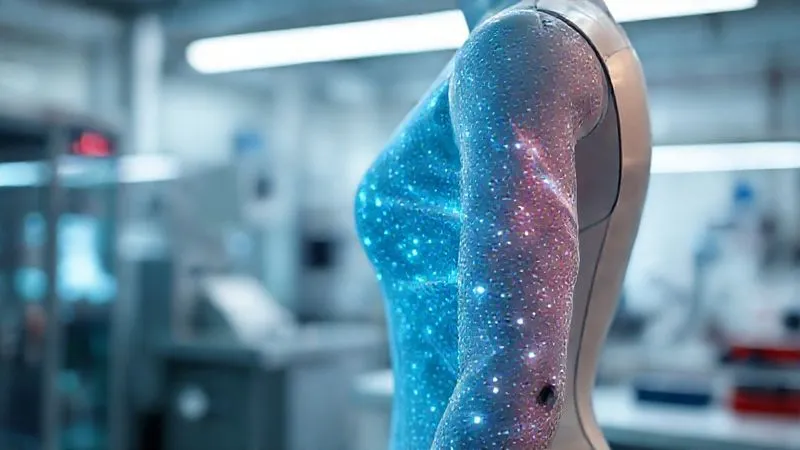
Frequently Asked Questions (FAQ)
Q: What's the biggest challenge in achieving long-term antimicrobial durability in medical textiles? A: In my experience, the paramount challenge is preventing the leaching or degradation of the antimicrobial agent over repeated industrial laundering and sterilization cycles. This requires a robust anchoring mechanism, such as covalent bonding or advanced encapsulation within a highly stable polymer matrix, to ensure the agent remains effective and safely bound to the fiber throughout the product's lifespan.
Q: Are silver-based coatings still the gold standard, or are alternatives emerging for medical textiles? A: While silver remains widely used due to its broad-spectrum efficacy, the industry is actively exploring alternatives. Concerns over silver's environmental impact, potential for resistance, and cost are driving innovation. Emerging alternatives include copper, quaternary ammonium compounds (QACs) with improved anchoring, natural polymers like chitosan, and increasingly, bio-inspired peptides or enzyme-mimetic systems, often integrated with smart release mechanisms for enhanced performance and sustainability.
Q: How do regulatory bodies assess the safety of these coatings, especially for prolonged skin contact? A: Regulatory bodies like the FDA and ECHA conduct rigorous assessments based on the intended use of the textile. For prolonged skin contact, biocompatibility testing (e.g., ISO 10993 series for cytotoxicity, irritation, sensitization) is mandatory. They examine the chemical composition of the coating, potential for leaching of the active agent or its degradation products, and toxicological profiles to ensure no adverse biological reactions or systemic toxicity. Manufacturers must provide comprehensive data demonstrating safety under all foreseeable use conditions.
Q: Can these coatings impact the comfort or breathability of medical textiles? A: Yes, poorly designed coatings can indeed impact comfort, feel (hand-feel), and breathability. Thick, rigid coatings can make fabrics stiff and reduce air permeability. The goal is to develop thin, flexible, and often porous coatings that maintain the textile's inherent properties. Nanocoatings, plasma treatments, and LBL techniques are often favored because they can impart functionality without significantly altering the bulk properties or tactile feel of the fabric, ensuring patient and clinician comfort.
Q: What role does sustainability play in the development of new antimicrobial coatings for medical applications? A: Sustainability is becoming a critical driver. It encompasses using greener chemistries, minimizing resource consumption during manufacturing, reducing the environmental impact of antimicrobial agents (e.g., biodegradability, non-persistence), and ensuring the recyclability or safe disposal of treated textiles. The industry is moving towards bio-based materials, closed-loop manufacturing, and coatings that offer targeted, rather than broad-spectrum, antimicrobial action to mitigate the risk of resistance and environmental harm.
Key Takeaways and Final Thoughts
Developing durable antimicrobial medical textile coatings is a complex but immensely rewarding endeavor. It's a field where innovation directly translates into enhanced patient safety and improved public health outcomes. My journey through this niche has reinforced one fundamental truth: true durability is achieved not by chance, but by a strategic, multi-faceted approach.
- Holistic Design: Begin with the end in mind, considering the textile substrate, antimicrobial agent, and binder system as an integrated unit.
- Advanced Technologies: Leverage cutting-edge techniques like plasma treatment, LBL assembly, and covalent grafting to create robust, long-lasting bonds.
- Rigorous Validation: Implement comprehensive testing protocols that simulate real-world conditions, including extensive laundering, mechanical stress, and biocidal efficacy checks.
- Regulatory Foresight: Proactively engage with regulatory requirements from the outset to ensure your innovations are not only effective but also compliant and safe.
- Embrace the Future: Look towards responsive systems, smart textiles, and sustainable solutions to stay at the forefront of this evolving field.
The quest to develop durable antimicrobial medical textile coatings is a testament to human ingenuity and our unwavering commitment to healthcare advancement. By embracing the principles outlined in this guide, you are not just developing a product; you are contributing to a safer, healthier future. Keep innovating, keep testing, and never underestimate the power of a truly durable solution.
Recommended Reading
- 7 Crucial Reasons Your Beauty Influencer Sales Are Flatlining
- 7 Expert Steps: Authenticate Original 1970s Designer Denim from Fakes
- 7 Proven Strategies: Maximize Profit Selling Rare 1970s Vintage Apparel
- Why Does Your Expensive Tailored Suit Scream 'Unprofessional'? 7 Hidden Flaws
- Master Injury Prevention: 7 Steps to Optimize Athletic Footwear Biomechanics


Your email address will not be published. Required fields are marked *