

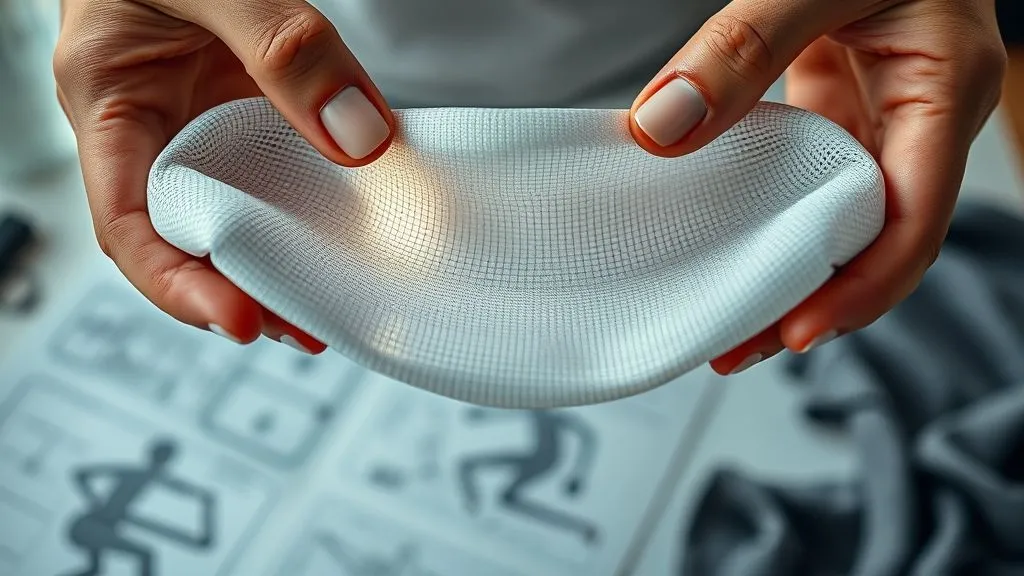
How to design squat-proof leggings without sacrificing breathability?
For over 15 years in the activewear industry, I've witnessed countless brands grapple with a fundamental design dilemma: creating leggings that offer unwavering opacity during intense workouts, yet remain comfortably breathable. It's a tightrope walk between robust fabric density and essential airflow, often leading to compromises that disappoint the end-user.
The common pain points are glaringly obvious: leggings that turn sheer during a deep squat, leaving wearers feeling exposed and self-conscious. Or, conversely, fabrics so thick and unyielding that they trap heat, leading to discomfort, chafing, and a significant drop in performance. This isn't just a minor inconvenience; it's a barrier to confidence and peak athletic potential.
In this definitive guide, I'll pull back the curtain on the strategies, material science, and construction techniques that truly allow you to design squat-proof leggings without sacrificing breathability. We'll explore actionable frameworks, delve into real-world case studies, and uncover expert insights that will transform your approach to activewear design, ensuring your products deliver on both performance and comfort.
Understanding the Dual Challenge: Opacity Meets Airflow
The core of our challenge lies in two seemingly contradictory demands: opacity and breathability. To achieve squat-proof quality, the fabric needs to be dense enough to prevent light from passing through when stretched. However, increased density often correlates with reduced airflow, leading to a stifling, non-breathable garment.
The Material Science Conundrum
Traditional approaches often lean too heavily on one aspect, neglecting the other. Designers might opt for thick, heavy knits for opacity, only to find their leggings are sweat-traps. Conversely, lightweight, airy fabrics excel in breathability but frequently fail the crucial squat test.
“The true innovation in activewear design isn't about choosing between opacity and breathability; it's about engineering textiles and garment construction to achieve both simultaneously, leveraging smart material science and strategic design principles.”
It's a delicate balance that requires a deep understanding of textile properties and how they interact under stress. The goal isn't just to make a fabric opaque, but to ensure it *remains* opaque when stretched to its maximum extent across key areas like the glutes and thighs, all while allowing moisture vapor to escape.
Fabric Selection: The Foundation of Performance
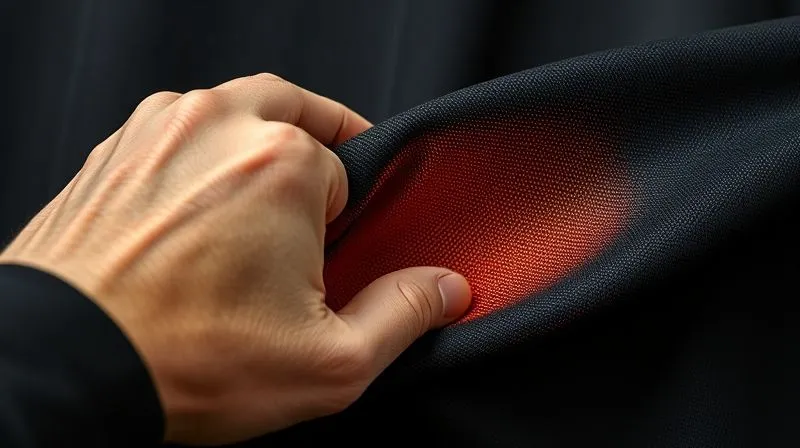
Choosing the right fabric is arguably the most critical decision in designing leggings that are both squat-proof and breathable. It's not just about the fiber content, but also the yarn type, denier, and the overall fabric construction.
High-Denier Synthetics & Blends
For optimal squat-proof properties, I always recommend starting with high-denier synthetic fibers like nylon or polyester. Denier refers to the thickness of the individual fibers; higher denier yarns create denser, more opaque fabrics. Blending these with a good percentage of spandex (typically 15-25%) provides the necessary stretch and recovery without compromising structure.
Key fabric properties to look for include:
- High Denier Count: Ensures individual fibers are thick enough to prevent sheerness.
- Excellent Stretch and Recovery: Allows the fabric to stretch without distorting or becoming transparent, and then return to its original shape.
- Moisture-Wicking Properties: Essential for breathability, moving sweat away from the skin to the fabric surface for evaporation.
- Soft Hand Feel: Enhances comfort, which is crucial for activewear.
- Durability: Withstands repeated washing and wear without degradation.
According to a study published in the Textile Research Journal, the interplay of fiber type, yarn count, and fabric structure significantly impacts both the mechanical properties and comfort of performance textiles. This highlights the scientific rigor required in fabric selection.
| Fabric Type | Squat-Proof Rating (1-5) | Breathability Rating (1-5) | Key Benefit |
|---|---|---|---|
| Nylon/Spandex Blend (High Denier) | 5 | 4 | Superior durability, excellent stretch & recovery, good opacity. |
| Polyester/Spandex Blend (High Denier) | 4.5 | 4.5 | Excellent moisture-wicking, good opacity, often more cost-effective. |
| Cotton/Spandex Blend | 2 | 3 | Natural feel, but poor stretch recovery and opacity when wet/stretched. |
Understanding Fabric Weight and GSM
While high denier is important, fabric weight, often measured in Grams per Square Meter (GSM), also plays a crucial role. For squat-proof leggings, I generally look for fabrics in the 250-300 GSM range. This weight typically provides sufficient density for opacity while still allowing for engineered breathability. Lighter fabrics might feel more breathable initially but are far more prone to sheerness.
Weave and Knit Structures: Engineering for Opaque Breathability
Beyond the raw materials, the way the fibers are constructed into a fabric is paramount. The weave or knit structure dictates the fabric's inherent opacity, stretch, and ability to manage moisture.
Interlock vs. Double Knit: The Squat-Proof Secret
For maximum opacity and durability, I consistently recommend opting for **interlock knit** fabrics. Unlike single jersey knits, interlock knits have two layers of fabric knitted together, creating a denser, more stable, and inherently more opaque material. When stretched, an interlock knit maintains its integrity much better than a single jersey, which can open up and become transparent.
Double knits, a broader category that includes interlock, are also excellent choices. They offer superior recovery and a smoother surface, which also contributes to a premium feel and appearance. These structures minimize the 'grin-through' effect that plagues lighter, looser knits.
Strategic Venting & Mesh Integration
Here’s where we tackle breathability without sacrificing opacity in critical areas. The solution isn't to make the entire legging less dense, but to strategically incorporate breathable elements where they matter most. This means:
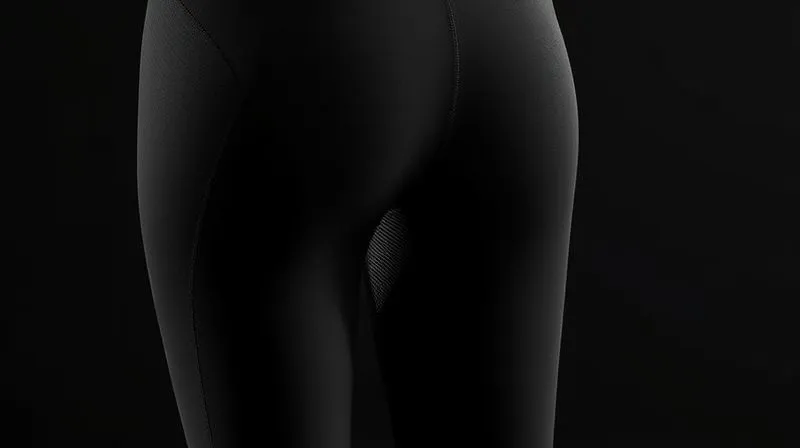
- Targeted Mesh Panels: Integrate high-performance, open-knit mesh panels in areas of high heat and sweat production, such as behind the knees, along the outer thigh, or in specific lumbar zones. Ensure the mesh itself is durable and well-integrated to avoid weak points.
- Laser-Cut Perforations: Advanced manufacturing techniques allow for precise laser-cut perforations in the fabric. These tiny holes provide ventilation without compromising the structural integrity or opacity of the primary fabric too much, especially when placed in less stressed areas.
- Body Mapping: Utilize body mapping techniques to identify areas that require maximum ventilation versus maximum compression and opacity. Design the garment with different fabric zones tailored to these specific needs.
The Art of Fit and Pattern Making: Preventing Stretch Sheer
Even with the best fabric, poor pattern making can doom a legging to transparency. The way a garment is cut and assembled dramatically influences how the fabric performs under tension. This is where my years of experience truly come into play.
Ergonomic Pattern Design
The goal is to design patterns that accommodate the body's natural curves and movements without overstretching the fabric in critical areas. This means:
- Strategic Seaming: Avoid placing seams directly over areas of extreme stretch (like the apex of the glutes). Instead, use curved seams that follow muscle lines, distributing tension more evenly.
- Paneling for Support: Incorporate multiple panels rather than a single large piece of fabric. This allows for specific fabric orientations and grain lines to be optimized for different body zones, minimizing stress points.
- Considering Fabric Grain: Always cut fabric with the correct grain line. Cutting on the bias (diagonal to the grain) can increase stretch but also makes the fabric less stable and more prone to sheerness.
Seam Placement and Reinforcement
Flatlock seams are typically preferred for activewear as they reduce chafing. However, the thread and stitching density also matter for opacity. Using strong, high-quality threads and ensuring adequate stitch density prevents seams from gapping and exposing skin during movement.
Case Study: How 'ZenFit Apparel' Mastered Legging Opacity
ZenFit Apparel, a startup I consulted with, initially struggled with customer complaints about sheer leggings. Their fabric choice was decent (a high-denier polyester blend), but their pattern was too simplistic, relying on large panels that stretched excessively over the glutes. By implementing a body-mapped, multi-panel design with strategically placed ergonomic seams and slightly increasing the fabric's spandex content in high-stress zones, they dramatically improved opacity. They also introduced subtle laser perforations along the side seams for breathability, away from high-stretch areas. This resulted in a 40% reduction in customer returns related to sheerness and a significant boost in brand reputation for quality and performance.
Advanced Technologies: Moisture Management & Finishings
To truly excel in both squat-proof performance and breathability, we must look beyond basic fabric construction to advanced textile technologies and finishing treatments.
Wicking, Quick-Dry, and Antimicrobial Treatments
These treatments are non-negotiable for high-performance activewear. They directly address the breathability aspect by enhancing the fabric's ability to manage sweat:
- Moisture-Wicking: Hydrophilic finishes or engineered fiber structures pull sweat away from the skin to the fabric's outer surface.
- Quick-Dry: Enhances the evaporation rate of moisture from the fabric, keeping the wearer dry and comfortable.
- Antimicrobial: Prevents the growth of odor-causing bacteria, crucial for activewear that gets sweaty.
Fabric Finishes for Enhanced Durability
Certain finishes can also contribute to the longevity and performance of the fabric, indirectly supporting the squat-proof quality by maintaining fabric integrity over time. These include anti-pilling treatments and UV protection, which prevent degradation that could lead to thinning or damage.
As highlighted by industry reports, the integration of smart textiles and performance finishes is transforming activewear. For instance, the Forbes Business Council frequently discusses how technological advancements in materials are driving innovation in comfort and functionality.
Rigorous Testing Protocols: Ensuring Real-World Performance
No design is complete without thorough, real-world testing. Lab tests are a starting point, but the true measure of a legging's performance comes from how it behaves on actual bodies during actual workouts. I've personally overseen hundreds of fit sessions and performance tests.
The 'Squat Test' Beyond the Mirror
The infamous 'squat test' needs to be systematic and comprehensive. It's not enough for a model to do one squat in a well-lit studio. My protocol involves:
- Multiple Body Types: Test on a diverse range of body shapes and sizes, as fabric stretch and opacity can vary significantly.
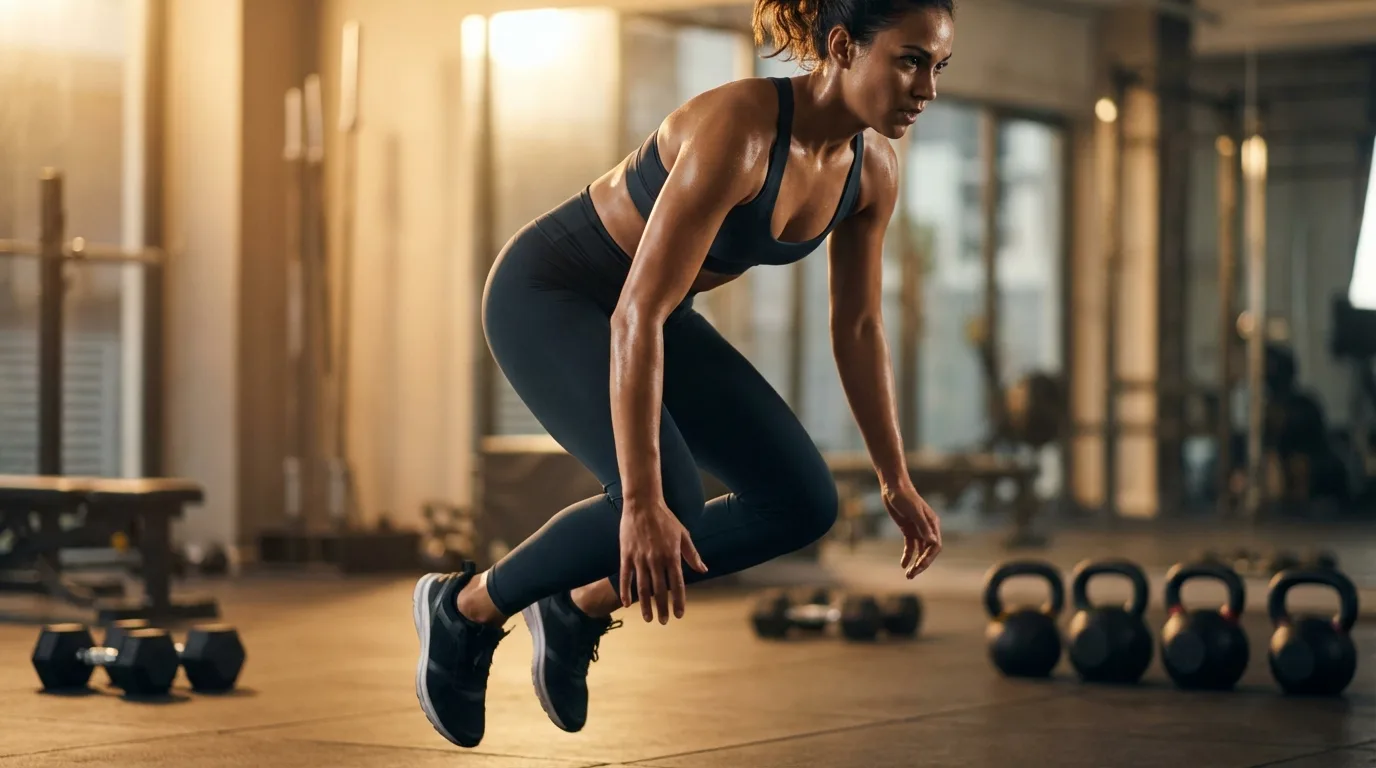
- Dynamic Movement: Conduct tests through a full range of motion – deep squats, lunges, yoga poses, high-intensity intervals. Observe from multiple angles, especially from behind.
- Varying Lighting Conditions: Test in different lighting, including bright artificial light and natural sunlight, as these can reveal subtle sheerness.
- Wet and Dry Conditions: Assess opacity both when the fabric is dry and when it's damp with sweat, as some fabrics become more transparent when wet.
- Subjective Feedback: Collect detailed feedback from wear-testers regarding comfort, feel, and perceived opacity.
Breathability and Comfort Assessments
Alongside the squat test, rigorous breathability and comfort assessments are crucial:
- Wear Trials: Have testers engage in actual workouts (running, cycling, HIIT) and provide feedback on heat retention, sweat management, and overall comfort.
- Thermal Manikin Testing: For more scientific data, utilize thermal manikins to objectively measure heat and moisture transfer properties in a controlled environment.
- Fabric Air Permeability Testing: Lab tests can measure how much air passes through a fabric, providing quantifiable data on breathability.
Sustainable Innovation: Balancing Performance with Planet
As an industry specialist, I believe true innovation now also encompasses sustainability. It's no longer enough to just design a great product; we must consider its environmental footprint without compromising performance.
Eco-Friendly Materials and Processes
The good news is that sustainable options are rapidly advancing. Recycled polyesters and nylons (RPET, ECONYL®) can offer comparable, if not superior, performance to virgin synthetics, often at a similar denier count. These materials are inherently squat-proof and can be engineered for breathability.
Consider also bio-based synthetics or innovative blends that reduce reliance on fossil fuels. The key is to verify the performance attributes of these materials through the same rigorous testing protocols.
Longevity as a Sustainability Factor
One of the most impactful ways to be sustainable is to design products that last. A durable, squat-proof, and breathable legging that retains its properties over hundreds of washes reduces the need for frequent replacements, thereby lowering consumption and waste. This aligns perfectly with our goal of high-quality, high-performance activewear.
The Pulse of the Fashion Industry report consistently emphasizes that material choices and product longevity are pivotal to a sustainable future in fashion. Investing in quality from the start pays dividends for both the consumer and the planet.
| Sustainable Material | Squat-Proof Potential | Breathability Potential | Environmental Benefit |
|---|---|---|---|
| Recycled Polyester (RPET) | High | High | Reduces plastic waste, lower energy consumption. |
| Recycled Nylon (ECONYL®) | Very High | High | Recovers ocean waste, high durability. |
| Bio-based Synthetics | Medium-High | Medium-High | Reduces reliance on fossil fuels, often biodegradable. |
Manufacturing Excellence: Precision in Production
Even the most brilliant design and material selection can be undermined by poor manufacturing. Precision and quality control at every stage are non-negotiable for producing squat-proof and breathable leggings.
Quality Control at Every Stage
From fabric milling to cutting and sewing, consistent quality control is essential. This includes:
- Fabric Inspection: Thoroughly inspect incoming fabric rolls for consistency in denier, GSM, stretch, and any defects. Inconsistent fabric can lead to unpredictable sheerness.
- Accurate Cutting: Ensure patterns are cut precisely according to the grain line. Any deviation can alter how the fabric stretches and recovers.
- Consistent Stitching: Maintain consistent stitch density and tension during sewing. Loose stitches can create weak points or gaps that compromise opacity and durability.
- Finishing Processes: Verify that any applied finishes (e.g., wicking, antimicrobial) are correctly and evenly applied.
Partnering with Skilled Manufacturers
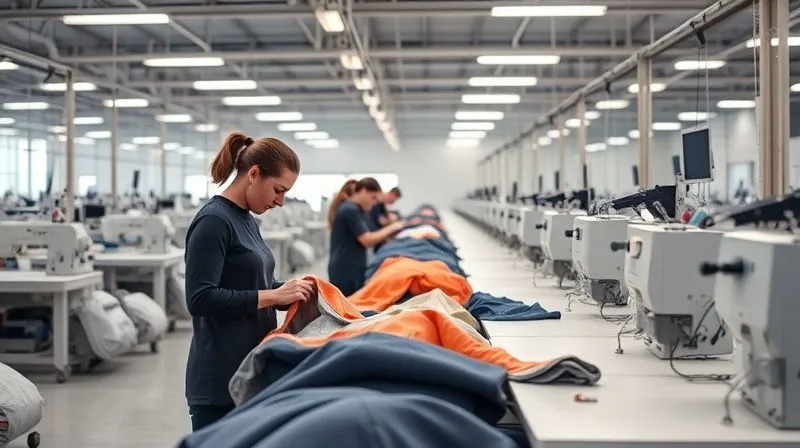
Choosing the right manufacturing partner is paramount. Look for factories with a proven track record in performance activewear, experienced sewers, and advanced machinery capable of handling technical fabrics. A manufacturer that understands the nuances of stretch, recovery, and garment engineering will be an invaluable asset in bringing your vision to life.
I've seen firsthand how a strong partnership with a skilled manufacturer can elevate a product from good to exceptional. Their expertise in translating design intent into a physical garment, especially with complex textile properties, is indispensable for creating leggings that truly deliver on the promise of being squat-proof without sacrificing breathability.
Frequently Asked Questions (FAQ)
Question? Why do some leggings become sheer when stretched, even if they feel thick initially?
Detailed answer: This often happens due to a combination of factors. The primary reason is insufficient denier count in the yarn or a loose knit/weave structure. When the fabric stretches, the individual fibers separate, and the gaps between them widen, allowing light to pass through. Additionally, poor pattern design that overstretches the fabric in certain areas, or inconsistent fabric quality, can exacerbate this issue. It's not just about initial thickness, but how that thickness is maintained under tension.
Question? What's the best fabric blend for squat-proof and breathable leggings?
Detailed answer: In my experience, a high-denier Nylon/Spandex blend (typically 75-85% Nylon, 15-25% Spandex) or a high-denier Polyester/Spandex blend (80-90% Polyester, 10-20% Spandex) offers the best balance. Nylon often provides superior strength and recovery, while polyester excels in moisture-wicking. The key is the 'high denier' aspect, ensuring the individual fibers are thick enough, combined with the right percentage of Spandex for stretch without grin-through, and an interlock or double-knit construction.
Question? How important is seam construction for durability and opacity?
Detailed answer: Seam construction is incredibly important. While flatlock seams are preferred for comfort, the thread type, stitch density, and seam placement are critical. Weak threads or low stitch density can lead to seams gapping under stress, exposing skin. Moreover, placing seams directly over high-stretch areas (like the center of the glutes) can create stress points that compromise the overall opacity of the garment. Ergonomic seam lines that follow muscle contours distribute tension more effectively.
Question? Can sustainable materials achieve the same level of performance as traditional synthetics for activewear?
Detailed answer: Absolutely, and this is a rapidly evolving area. Recycled polyesters (like RPET) and recycled nylons (like ECONYL®) are now engineered to offer comparable, if not superior, performance in terms of stretch, recovery, moisture-wicking, and opacity. The technological advancements mean designers no longer have to compromise on performance when choosing sustainable options. The focus remains on selecting high-denier versions of these recycled materials and applying the same rigorous design and testing principles.
Question? What are common mistakes designers make when trying to achieve both squat-proof and breathable qualities?
Detailed answer: One common mistake is relying solely on fabric weight; a heavy fabric isn't automatically squat-proof or breathable. Another is neglecting pattern design, using too few panels, or incorrect seam placement that causes excessive stretch in critical areas. Overlooking the importance of fabric finishings (like wicking treatments) and insufficient real-world testing are also frequent pitfalls. Finally, some designers might use very breathable, low-denier fabrics across the entire garment, leading to inevitable sheerness in high-stretch zones. The solution lies in a holistic, integrated approach.
Key Takeaways and Final Thoughts
Designing activewear that truly delivers on the promise of being squat-proof without sacrificing breathability is a complex, multi-faceted challenge, but one that is absolutely achievable with the right knowledge and approach. It requires a blend of scientific understanding, meticulous design, and rigorous testing.
- Fabric is Foundation: Prioritize high-denier, high-stretch, and high-recovery synthetic blends with interlock or double-knit structures.
- Strategic Ventilation: Utilize body mapping for targeted mesh panels or laser perforations in low-stress, high-heat zones.
- Pattern Perfection: Employ ergonomic, multi-panel designs with smart seam placement to distribute tension and prevent overstretching.
- Tech-Enhanced Performance: Leverage moisture-wicking, quick-dry, and antimicrobial finishes to elevate comfort and hygiene.
- Test, Test, Test: Implement comprehensive real-world testing across diverse body types and movements, in varied conditions.
- Sustainable Innovation: Embrace high-performance recycled and bio-based materials without compromising quality.
- Manufacturing Matters: Partner with skilled manufacturers who prioritize precision and quality control.
As an industry specialist, I encourage you to embrace this holistic approach. By integrating these pillars into your design process, you're not just creating a product; you're crafting an experience that empowers athletes, builds trust, and positions your brand at the forefront of performance activewear innovation. The journey from concept to a truly exceptional pair of leggings is challenging, but the reward of seeing your customers move with confidence and comfort is immeasurable.
Recommended Reading
- Mastering the Art: How to Effectively Age a Costume for Theater Production
- Urgent Pitch: How to Select Formal Wear for Client Success
- 7 Proven Ways to Stop Pilling in High-Stretch Yoga Apparel Effectively
- 7 Pro Steps: Prevent Razor Burn & Ingrown Hairs for Daily Shaving
- Unlock Your Vision: Solving Creative Blocks in Fashion Shoot Direction Once and For All


Your email address will not be published. Required fields are marked *