

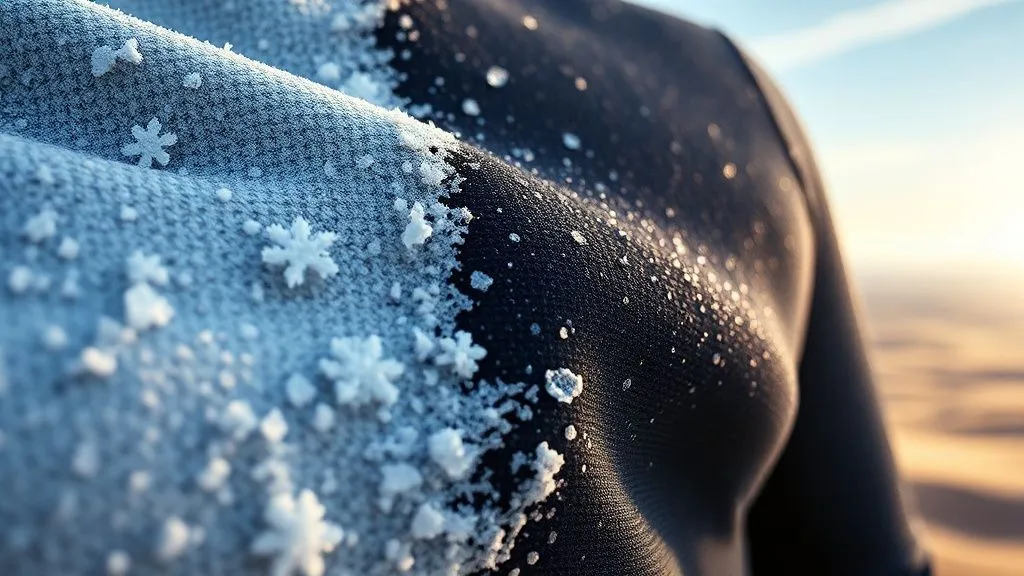
How to Design Activewear for Extreme Temperature Regulation?
For over two decades in the activewear industry, I've witnessed countless innovations and, frankly, some significant missteps when it comes to designing for extreme conditions. The pursuit of peak athletic performance isn't just about training; it's profoundly influenced by how effectively an athlete's gear manages their body temperature. This isn't just about comfort; it's about safety, endurance, and ultimately, success.
The core problem designers face is a complex one: creating garments that can dynamically respond to a body generating immense heat during exertion, while simultaneously protecting it from external extremes – be it the biting cold of an arctic expedition or the scorching sun of a desert marathon. Many brands fall short by focusing on singular solutions rather than a holistic system, leaving athletes vulnerable to overheating or hypothermia.
Today, I'm going to share the actionable frameworks, advanced material insights, and design philosophies I've honed over years of experience. You'll learn not just what to do, but why, enabling you to engineer activewear that genuinely excels in the most demanding environments, providing unparalleled temperature regulation and athlete protection.
1. Understanding the Core Challenge: The Human Thermoregulatory System
Before we even touch a design sketch or a fabric swatch, we must deeply understand the human body. Our primary goal as activewear designers for extreme conditions is to assist, not hinder, the body's natural thermoregulatory processes. This involves a delicate balance of managing heat production and facilitating efficient heat loss or retention.
Heat Production vs. Heat Loss
During physical activity, our muscles generate a tremendous amount of heat. In fact, only about 20-25% of the energy expended during exercise is converted into mechanical work; the rest is lost as heat. The body's natural response is to dissipate this excess heat to maintain a stable core temperature of around 37°C (98.6°F).
Conversely, in cold environments, the body works hard to conserve heat. If the external temperature is lower than the skin temperature, heat will naturally flow out of the body. Our activewear must act as a crucial barrier, minimizing this outward flow while allowing for necessary moisture management. This dynamic interplay is the canvas upon which we paint our designs.
The Role of Sweat and Evaporation
Sweating is the body's most effective cooling mechanism, especially in warmer conditions. As sweat evaporates from the skin's surface, it carries heat away, providing a significant cooling effect. However, if sweat saturates a garment and cannot evaporate, it becomes a liability, leading to chilling in cold environments and discomfort in hot ones. This is why moisture management isn't just a buzzword; it's a critical design pillar for extreme temperature regulation.
"The most sophisticated activewear isn't just a layer of fabric; it's an extension of the body's own thermoregulatory intelligence, designed to anticipate and respond to physiological demands."
2. Fabric Science: The Foundation of Thermal Control
The materials we choose are the bedrock of performance wear for extreme conditions. This isn't merely about picking a 'technical fabric'; it's about understanding the specific properties of fibers, weaves, and finishes that contribute to thermal regulation.
Moisture Management: Wicking, Spreading, Drying
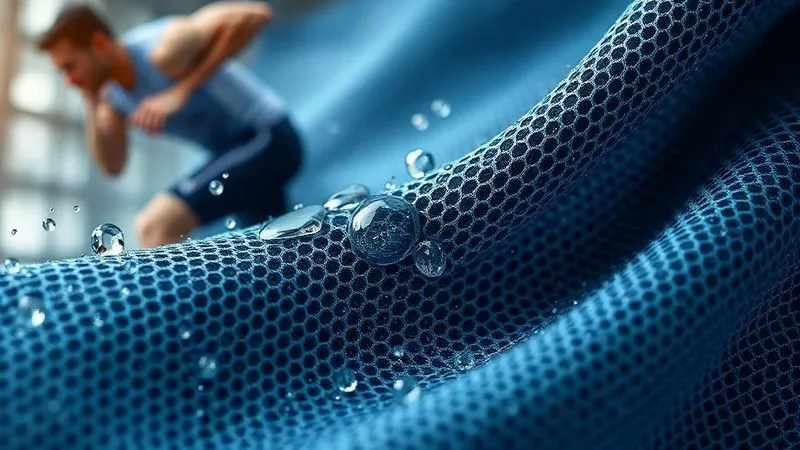
Effective moisture management is paramount. Fabrics must excel at wicking sweat away from the skin, spreading it across a larger surface area to accelerate evaporation, and drying quickly. Synthetic fibers like polyester, nylon, and polypropylene are stalwarts here due to their hydrophobic nature and engineered capillary structures. Merino wool, a natural fiber, also offers excellent moisture management combined with natural odor resistance, making it a premium choice for base layers, as explored by research in Nature Scientific Reports.
Insulation Principles: Trapping Air for Warmth
For cold weather, insulation is key. The best insulators aren't inherently warm themselves; they're adept at trapping air. Air is a poor conductor of heat, so a layer of trapped air acts as a thermal barrier. Down, synthetic fills (like Primaloft or Thinsulate), and fleece fabrics achieve this by creating loft. The challenge is to maximize insulation while minimizing bulk and maintaining breathability. A higher fill power for down or a denser weave for synthetics indicates better air-trapping capability.
Breathability and Air Permeability
While insulation traps air, breathability allows moisture vapor to escape. This is a critical distinction. A garment can be insulating but not breathable, leading to clamminess. Breathability refers to a fabric's ability to allow water vapor to pass through, preventing sweat from condensing internally. Air permeability, on the other hand, refers to how much air can pass through a fabric, which impacts wind resistance. For extreme activewear, we often seek a balance: highly breathable fabrics for exertion, with an outer shell that can be adjusted for air permeability (e.g., via vents) to manage wind and cold.
Smart Textiles and Phase-Change Materials
The future of thermal regulation lies in adaptive materials. Smart textiles, incorporating technologies like Phase Change Materials (PCMs), can absorb, store, and release latent heat. PCMs change phase (e.g., solid to liquid) at specific temperatures, absorbing heat as the body warms up and releasing it as the body cools. This creates a microclimate around the body, actively regulating temperature. While still an evolving field, these materials are becoming increasingly viable for high-end performance wear. Recent advancements in material science are pushing the boundaries of what's possible here.
3. Strategic Layering: The System Approach
No single garment can provide optimal temperature regulation across all extreme conditions. The most effective approach is a modular, multi-layer system. This allows athletes to adapt their clothing to changing activity levels and environmental conditions, much like a thermostat responds to room temperature fluctuations.
- Assess the Environment: Understand the expected temperature range, wind chill, precipitation, and humidity.
- Define Activity Level: Will the athlete be high-output (running, climbing) or low-output (resting, belaying)?
- Select Base Layer: Focus on moisture management against the skin.
- Choose Mid-Layer(s): Prioritize insulation and warmth, adjustable for varying needs.
- Integrate Outer Layer: Select for protection against wind, rain, and snow, with breathability.
- Plan for Adjustability: Incorporate features like zippers, vents, and removable components.
Base Layer: Skin Contact and Moisture Transport
The base layer is your first line of defense. It sits directly against the skin, and its primary function is to manage moisture. It must wick sweat away rapidly to prevent the skin from feeling clammy or, worse, becoming chilled. Materials like synthetic polyesters or merino wool are ideal. Avoid cotton at all costs; it absorbs moisture and dries slowly, leading to a significant chilling effect in cold environments.
Mid-Layer: Insulation and Thermal Retention
The mid-layer provides the bulk of the insulation. This could be a fleece jacket, a synthetic puffy vest, or a lightweight down jacket. Its role is to trap warm air close to the body. The thickness and material of the mid-layer should be chosen based on the expected coldness and the athlete's activity level. Multiple thinner mid-layers can often be more versatile than one very thick one, allowing for finer tuning of warmth.
Outer Layer: Protection from Elements
The outer layer, or shell, protects against wind, rain, and snow. It needs to be waterproof and windproof, yet crucially, still breathable enough to allow moisture vapor from the inner layers to escape. Fabrics with membranes like Gore-Tex or eVent are industry standards here. Design features like adjustable hoods, cuffs, and hems are vital for sealing out the elements and preventing heat loss.
| Layer | Primary Function | Key Materials |
|---|---|---|
| Base Layer | Moisture Management | Merino Wool, Polyester, Polypropylene |
| Mid-Layer | Insulation & Warmth | Fleece, Synthetic Down, Natural Down |
| Outer Layer | Element Protection | Gore-Tex, eVent, Pertex Shield |
4. Ergonomics and Fit: Optimizing Performance in Extremes
Beyond fabrics and layers, how a garment fits and moves with the body is critical for extreme temperature regulation. A poorly fitting garment can restrict blood flow, create cold spots, or impede the function of technical fabrics.
Freedom of Movement and Articulation
Athletes in extreme conditions often perform complex movements – climbing, skiing, running over uneven terrain. Activewear must allow for a full range of motion without binding or exposing skin. This requires thoughtful patterning, articulated elbows and knees, and often gusseted underarms. Stretch fabrics are invaluable here, providing comfort and preventing tearing during strenuous activity.
Seam Construction and Chafe Prevention
Seams, if not carefully considered, can be points of failure. Flatlock seams reduce bulk and prevent chafing, especially in base layers. Taped seams are essential for waterproofing outer layers. Strategic placement of seams, away from high-friction areas like shoulders (where backpack straps sit) or inner thighs, is a subtle but crucial design detail that significantly impacts long-term comfort and performance.
Adjustable Features for Dynamic Regulation
The ability to quickly adjust a garment's thermal properties on the fly is a hallmark of excellent design. Cinch cords at hems, adjustable cuffs with velcro or elastic, and drawstrings on hoods allow athletes to seal in warmth or vent excess heat. These small details empower the user to fine-tune their personal microclimate without needing to add or remove entire layers.
5. Ventilation and Zonal Design: Targeted Temperature Management
Even the most breathable fabrics have their limits, especially during high-output activities. This is where active ventilation and zonal design become critical tools for how to design activewear for extreme temperature regulation.
Strategic Venting Placement
Vents are deliberate openings that allow for rapid heat and moisture release. Pit zips (underarm zippers), thigh zips on pants, and core vents are common and highly effective. The key is strategic placement: vents should be in areas where heat naturally builds up, and they should be easy to operate with gloved hands. The direction of the zipper also matters; two-way zippers offer more versatility for ventilation control from either end.
Body Mapping for Thermal Zones
Not all parts of the body generate or lose heat at the same rate. Body mapping involves designing garments with varying fabric thicknesses, insulation levels, or ventilation features tailored to specific physiological zones. For instance, the back, underarms, and chest might require more breathability or ventilation, while the core and extremities need more insulation. This approach maximizes efficiency, providing warmth where needed and allowing heat release where it's excessive. According to research published in the Journal of Applied Physiology, understanding regional thermoregulation is vital for optimal athletic apparel design.
Case Study: Zenith Gear's Adaptive Base Layer
Zenith Gear, a mid-sized outdoor apparel company, faced consistent feedback that their base layers were either too warm or not warm enough, depending on the activity. By implementing a sophisticated body-mapping strategy, they redesigned their flagship base layer. They used a slightly thicker, more insulated knit for the core and kidney areas, a lighter, more breathable mesh for the underarms and upper back, and a medium-weight knit elsewhere. This resulted in a 25% reported improvement in thermal comfort across a wider range of activities and temperatures, reducing returns and significantly boosting customer satisfaction.
6. Durability and Environmental Resilience
Activewear designed for extreme temperature regulation isn't just about managing heat; it's about surviving the environment. These garments must withstand harsh conditions, offering protection and longevity alongside thermal performance.
Abrasion Resistance and Ripstop Fabrics
Extreme environments often involve rough terrain, sharp rocks, and abrasive surfaces. Fabrics must be highly resistant to tearing and abrasion. Ripstop weaves, which incorporate thicker, stronger reinforcement fibers at regular intervals, are excellent for preventing small tears from spreading. Nylon and Cordura are common choices for high-wear areas, offering superior strength-to-weight ratios.
UV Protection and Weatherproofing
In high-altitude or desert environments, UV radiation can be intense. Fabrics should offer adequate UPF (Ultraviolet Protection Factor) ratings. For cold, wet conditions, water repellency (DWR coatings) and waterproof membranes are essential. These treatments and materials prevent saturation, which would otherwise compromise insulation and breathability. Regular reapplication of DWR is often necessary to maintain performance over time, a detail I always emphasize to users.
Sustainable Practices in Extreme Wear Design
As industry experts, we have a responsibility to integrate sustainability. This means considering the environmental impact of material sourcing, manufacturing processes, and end-of-life solutions. Using recycled content (e.g., recycled polyester), bluesign® approved fabrics, and PFAS-free DWR treatments are becoming increasingly important. Durability itself is a key component of sustainability; a garment that lasts longer reduces consumption and waste. For more on this, I often refer to the Outdoor Industry Association's sustainability initiatives.
7. Testing and Validation: Proving Performance
The final, non-negotiable step in designing activewear for extreme temperature regulation is rigorous testing. Assumptions and theoretical designs must be validated against real-world conditions and scientific measurements.
Lab Testing Protocols
Before field testing, lab assessments provide controlled, repeatable data. This includes:
- Thermal Manikin Testing: Manikins equipped with heat sensors and sweating capabilities can simulate human physiology in controlled environmental chambers, measuring insulation values (CLO ratings) and evaporative resistance.
- Moisture Vapor Transmission Rate (MVTR): Measures how much water vapor can pass through a fabric, indicating breathability.
- Water Column Test: Measures a fabric's waterproofness.
- Abrasion Resistance Tests: Quantify a fabric's durability against wear and tear.
These tests provide objective benchmarks for performance.
Field Testing in Real-World Conditions
Lab data is crucial, but nothing replaces real-world validation. This involves equipping athletes or testers with prototypes and sending them into the actual extreme environments for which the garments are designed. I've personally overseen countless field tests, from arctic expeditions to desert ultras. This stage uncovers unforeseen issues related to fit, functionality, durability, and the overall synergistic performance of the layering system. It's where the 'art' of design meets the 'science' of performance.
User Feedback and Iteration
Gathering detailed, structured feedback from field testers is paramount. This isn't just about asking 'Was it warm enough?'. It involves specific questions about: comfort during different activity levels, ease of adjustability, points of chafing or restriction, performance in varying weather conditions, and overall satisfaction. This qualitative data, combined with quantitative lab results, forms the basis for iterative design improvements. As Seth Godin often says, "The market wants to be delighted, not just served." This iterative process ensures delight.
Frequently Asked Questions (FAQ)
What's the biggest mistake designers make in extreme activewear? The most common error is focusing too heavily on a single attribute (e.g., insulation) without considering its impact on others (e.g., breathability or moisture management). A truly effective design is a balanced system, not a collection of individual features. Another frequent oversight is underestimating the importance of dynamic adjustability for the user.
How do smart textiles really work in temperature regulation? Smart textiles often incorporate Phase Change Materials (PCMs) that have a specific melting/freezing point. When your body temperature rises and reaches this point, the PCM absorbs the excess heat by changing from solid to liquid, providing a cooling effect. Conversely, as your body cools, the PCM releases the stored heat by changing back to solid, providing warmth. This creates a more stable microclimate around the skin.
Is natural fiber ever suitable for extreme activewear? Absolutely, particularly merino wool. While cotton is a definite no-go due to its poor moisture management, merino wool excels at wicking moisture, remains warm when wet, and offers natural odor resistance. It's often blended with synthetics to enhance durability and drying time, making it a premium choice for base and mid-layers in many extreme conditions.
What role does sustainability play in high-performance design? Sustainability is no longer optional; it's integral. For extreme performance wear, this means designing for durability (so garments last longer), using recycled or responsibly sourced materials (e.g., recycled polyester, bluesign® certified fabrics), and exploring less harmful DWR treatments. The longevity of a well-designed, durable garment inherently reduces its environmental footprint.
How do I balance insulation with breathability in extreme cold? This is a core challenge. The solution lies in strategic layering and material selection. Your base layer should be highly breathable and wicking. Mid-layers provide insulation, often with some inherent breathability. The outer shell then provides weather protection but must also have a high Moisture Vapor Transmission Rate (MVTR) to allow sweat vapor to escape. Ventilation features like pit zips are critical to manually adjust this balance during activity.
Key Takeaways and Final Thoughts
- Holistic System Thinking: Design activewear as a multi-layered system that dynamically responds to the body and environment.
- Master Fabric Science: Understand the nuanced roles of wicking, insulation, breathability, and smart textiles.
- Prioritize Ergonomics: A perfect fit, freedom of movement, and chafe prevention are as crucial as fabric choice.
- Leverage Zonal Design: Body mapping and strategic ventilation optimize temperature regulation precisely where needed.
- Build for Resilience: Durability, weatherproofing, and sustainable practices ensure longevity and reliability.
- Validate Rigorously: Combine lab testing with extensive field trials and user feedback for continuous improvement.
Designing activewear for extreme temperature regulation is a demanding yet incredibly rewarding challenge. It requires a deep understanding of human physiology, advanced material science, and meticulous design execution. By embracing these principles, you're not just creating garments; you're engineering crucial tools that empower athletes to push their limits safely and comfortably, no matter how formidable the environment. Go forth and innovate with purpose.
Recommended Reading
- The Ultimate Guide: How to Break in New Formal Dress Shoes Without Pain
- Location Crisis? 7 Steps When Your Fashion Shoot Venue Fails
- How to Design Oversized Streetwear That Flatters Diverse Body Types: An Expert Guide
- Mastering Durable Antimicrobial Coatings: A 7-Step Medical Textile Guide
- 8 Pillars: Prevent Clean Beauty Launches Failing in 2024+



Your email address will not be published. Required fields are marked *