

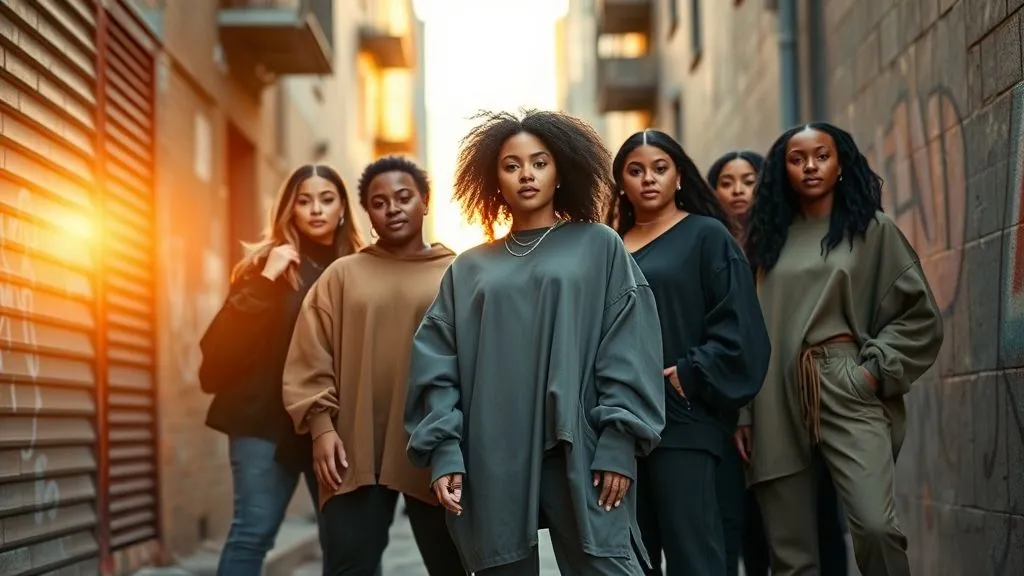
How to Design Oversized Streetwear That Flatters Diverse Body Types?
For over two decades immersed in the dynamic world of streetwear, I've witnessed trends emerge, evolve, and sometimes, tragically, misfire. One of the most persistent challenges, and ironically, one of the most exciting opportunities, has always been the art of oversized clothing. It’s a cornerstone of the aesthetic, yet its execution often leaves a significant portion of the audience feeling excluded. I've seen countless brands stumble by assuming 'bigger' automatically means 'better fit' for everyone.
The allure of oversized streetwear lies in its inherent comfort, freedom of movement, and defiant attitude. However, the common pitfall is a one-size-fits-all approach that, in reality, flatters very few. Designers frequently grapple with how to achieve that coveted relaxed silhouette without simply swamping the wearer, especially when catering to bodies that deviate from a narrow, often idealized, sample size. This oversight doesn't just limit sales; it alienates communities eager for stylish, inclusive options.
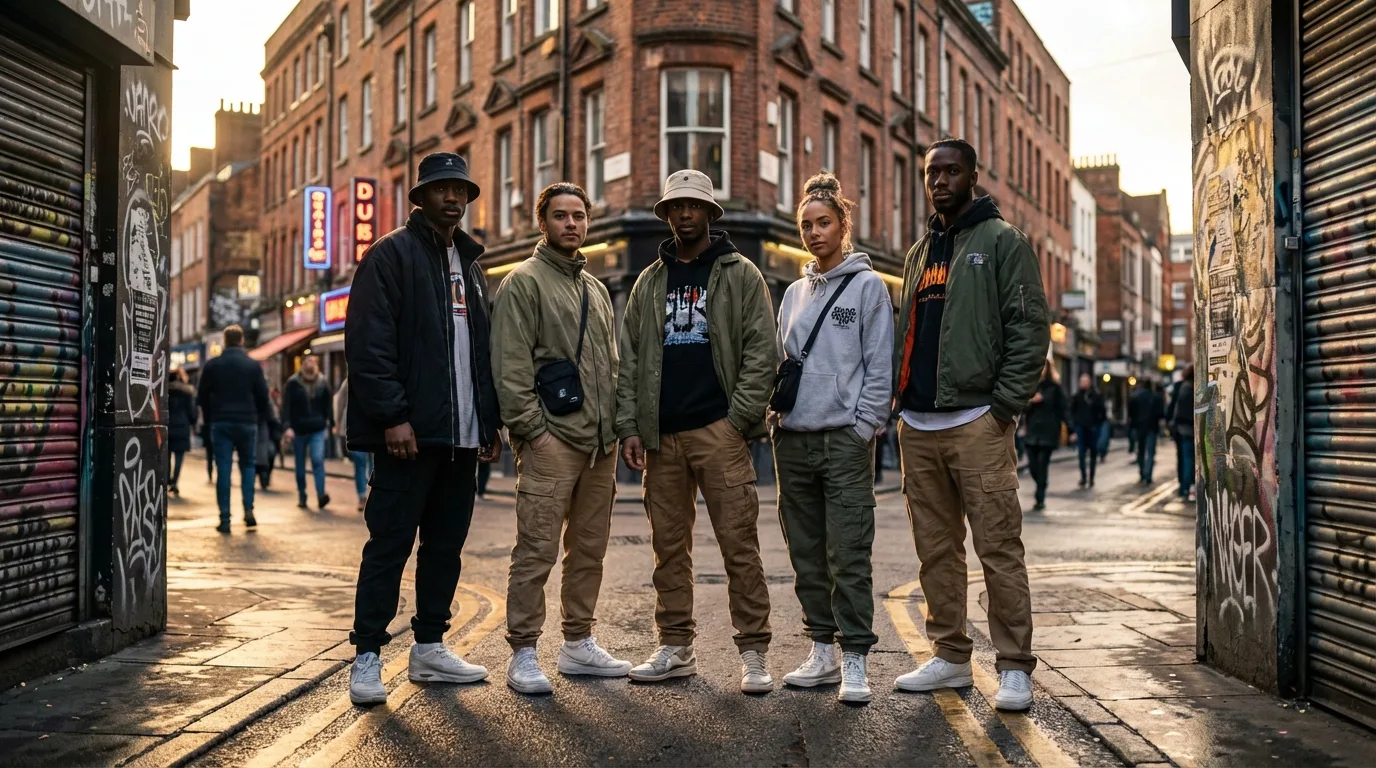
This isn't just about making bigger clothes; it's about intelligent design rooted in understanding the human form. In this definitive guide, I'll share my insights and actionable frameworks on how to design oversized streetwear that flatters diverse body types, ensuring every piece celebrates individuality and confidence. We'll dive into everything from fabric choice and strategic volume to inclusive sizing and the psychology of fit, equipping you to create genuinely impactful and flattering oversized collections.
Understanding the Core Principles of Intentional Oversized Design
The first critical distinction we must make is between 'oversized' and 'ill-fitting.' A truly oversized garment is designed with purpose; its volume, drape, and proportions are carefully considered to create a specific aesthetic. An ill-fitting garment, on the other hand, is simply too large, lacking structure, balance, and visual harmony. In my experience, this misunderstanding is where many brands lose their way.
Intentional oversized design embraces the body's natural lines while adding strategic volume. It's about creating a harmonious silhouette that moves with the wearer, rather than against them. This involves a deep understanding of how fabric behaves, how different body shapes carry volume, and how visual cues can enhance or detract from the overall look.
The Illusion of Proportion: Why It Matters
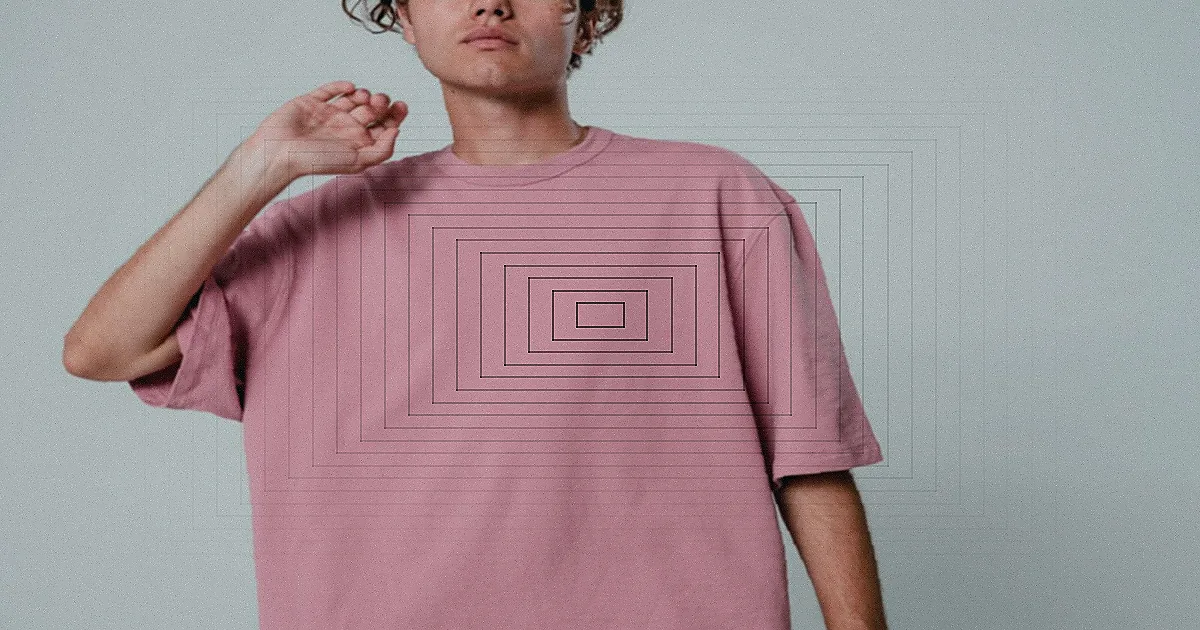
Proportion is the bedrock of flattering design, especially when working with extra volume. When designing oversized streetwear, we're not just making a bigger version of a standard garment; we're rethinking how each element — shoulders, sleeves, body length, and hemline — interacts with the wearer's unique proportions. The goal is to create a sense of balance, even if that balance is achieved through deliberate asymmetry or exaggerated elements. A common mistake is adding width without considering vertical lines, leading to a 'boxy' or 'stumpy' appearance.
"Oversized is not an excuse for lazy design; it's an opportunity for masterful manipulation of form and space. Every additional inch of fabric must serve a purpose, contributing to the garment's intended shape and flow."
I always advise designers to visualize the body as a series of interconnected shapes. How does the oversized top interact with the bottom? Does it create a pleasing visual hierarchy, or does it overwhelm? This initial conceptualization is crucial before even touching a pattern block. It's about understanding the negative space created by the garment as much as the garment itself.
Fabric & Drape: The Unsung Heroes of Flattering Silhouettes
The choice of fabric is perhaps the most underestimated factor in designing successful oversized streetwear that flatters diverse body types. A fabric's inherent properties – its weight, stiffness, elasticity, and how it drapes – dictate how an oversized garment will fall on the body. A stiff, heavy cotton will hold its shape more rigidly, creating a structured, architectural oversized look, whereas a softer, more fluid blend will cascade and flow, emphasizing movement and a relaxed feel. I've seen incredible designs fall flat because the fabric couldn't achieve the intended drape.
Choosing the Right Materials for Diverse Impact
When considering diverse body types, fabric becomes even more critical. For someone with a more petite frame, a very stiff, heavy fabric might overwhelm them, whereas a softer drape could create a more harmonious, flowing silhouette. Conversely, for a taller or broader individual, a fabric with good structure can prevent the garment from looking shapeless. It's a delicate dance between intention and material properties.
- Heavyweight Cotton/Fleece: Excellent for structured hoodies, crewnecks, and jackets. Provides a sturdy, architectural look. Ideal for creating defined shoulders and boxy shapes.
- French Terry: Offers a good balance of structure and softness. Comfortable and versatile, drapes well without clinging.
- Linen Blends: For lighter, airier oversized pieces. Creates a relaxed, breathable feel with a natural, elegant drape. Perfect for warmer climates or a more elevated casual look.
- Technical Fabrics (e.g., Nylon Ripstop): For outerwear, these can provide volume with a crisp, modern edge. Their inherent stiffness allows for dramatic shapes and layering.
- Soft Knits (e.g., Cashmere Blends, Merino Wool): For luxurious, fluid oversized sweaters that drape beautifully and add texture without bulk.
According to textile science experts, the 'hand' and 'body' of a fabric are paramount in determining its aesthetic outcome. A fabric with a good 'body' will retain its shape, which is crucial for maintaining the intended silhouette of an oversized piece. For further reading on the technical aspects of fabric properties, I recommend exploring resources like Textile World.
| Fabric Type | Drape Characteristics | Ideal Body Types | Best Use |
|---|---|---|---|
| Heavyweight Cotton | Structured, holds shape, architectural | All, especially athletic/taller for defined lines | Hoodies, Jackets, Boxy Tees |
| French Terry | Soft, moderate flow, comfortable | All, good for balancing structure/flow | Sweatshirts, Lounge Pants |
| Linen Blend | Fluid, relaxed, breathable | Curvilinear, petite for gentle flow | Light Shirts, Wide-Leg Pants |
| Soft Knit (e.g., Merino) | Flowing, elegant, non-bulky | All, especially good for adding texture without volume | Sweaters, Cardigans |
Mastering the Art of Strategic Volume and Balance
Designing oversized streetwear isn't simply about scaling up a pattern; it's about strategically placing volume to create a flattering silhouette. Think of it as sculptural design. Where does the garment need to expand to achieve the desired aesthetic without overwhelming the wearer? And equally important, where should it be subtly tapered or defined to maintain structure and prevent a shapeless look?
I've found that the most successful oversized designs play with contrast. A wide top might be balanced by a slightly tapered bottom, or a voluminous sleeve might lead to a more fitted cuff. This intentional interplay of loose and relatively more fitted elements is key to making oversized pieces wearable and stylish across various body types. It's about creating focal points and guiding the eye.
The 'Rule of Thirds' in Streetwear Proportion
While not a strict rule, applying a 'rule of thirds' mentality can be immensely helpful. This means considering how the garment divides the body visually into three segments. For an oversized top, for instance, a hemline that falls around the upper or mid-thigh can create a balanced proportion, especially when paired with bottoms that define the lower third. This prevents the garment from making the wearer appear shorter or wider than they are.
- Define the Shoulder Drop: Instead of simply extending the shoulder seam, consider a deliberate drop shoulder that starts slightly past the natural shoulder point. This creates a relaxed look without making the garment appear ill-fitting. The amount of drop should be proportionate to the overall garment size.
- Control Sleeve Volume & Cuff: Oversized sleeves are a hallmark, but they need control. Ensure sleeves taper slightly towards the cuff or feature a well-defined cuff. This small detail prevents a 'baggy arm' look and adds structure, especially important for those with shorter arms or more petite frames.
- Strategic Hemlines: The length of an oversized top or jacket is critical. For shorter individuals, a hem that hits around the hip or upper thigh can elongate the legs. For taller or broader individuals, a longer hem (mid-thigh to knee) can create a dramatic, flowing silhouette without overwhelming.
- Balance Top and Bottom: If the top is extremely voluminous, consider a slightly narrower (but still relaxed) bottom, such as a tapered cargo pant or a straight-leg jean. Conversely, a less voluminous oversized top can pair beautifully with wide-leg trousers or skirts.
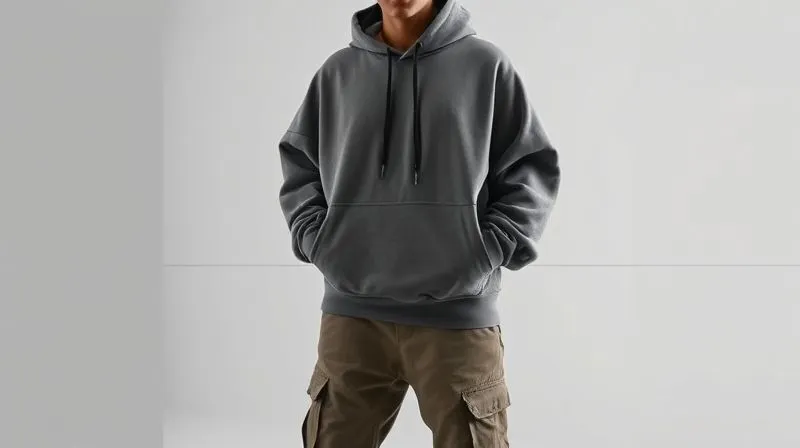
Tailoring for the 'Oversized' Look: It's Not a Contradiction
This might sound counterintuitive, but even oversized pieces benefit immensely from thoughtful tailoring and precise pattern making. The goal isn't to make them fitted, but to ensure they retain their intended shape and drape beautifully, regardless of the wearer's body type. I often tell my design students that 'oversized' doesn't mean 'shapeless'; it means 'intentionally shaped with generous volume.'
The magic lies in subtle refinements at key points. A well-designed oversized garment should still have a discernible shoulder line, a sleeve that doesn't completely swallow the hand, and a hem that falls cleanly. These small details are what elevate a garment from looking like you're wearing someone else's clothes to a deliberate, stylish statement. They provide anchors for the eye and prevent the garment from looking sloppy.
Key Measurement Points for Diverse Bodies
When developing patterns, pay meticulous attention to these areas, especially when scaling for diverse body types:
- Shoulder Seam Placement: While a dropped shoulder is characteristic, ensure the actual seam still sits comfortably and doesn't pull or restrict movement. For broader shoulders, a slightly wider drop can be more flattering, while for narrower shoulders, a more controlled drop prevents the garment from looking too wide.
- Armhole Depth: An overly deep armhole can make a garment feel cavernous and shapeless. Ensure it's generous enough for comfort and layering, but not so deep that it reveals too much or causes excess fabric to bunch.
- Sleeve Length & Cuff: This is crucial. An oversized sleeve should extend beyond the wrist but typically not past the knuckles. A well-defined, often ribbed or elasticated, cuff provides structure and allows the wearer to push up the sleeves, adding versatility and preventing the garment from engulfing smaller arms.
- Body Length: As discussed, strategic hemlines are vital. Consider offering variations or adjustable features like drawcords at the hem to allow wearers to customize the length and silhouette.
- Neckline: A well-designed neckline (crew, mock neck, hood) can frame the face and provide an anchor point, drawing the eye upwards and balancing the overall volume.
Case Study: How 'Urban Canvas' Revolutionized Their Plus-Size Drops
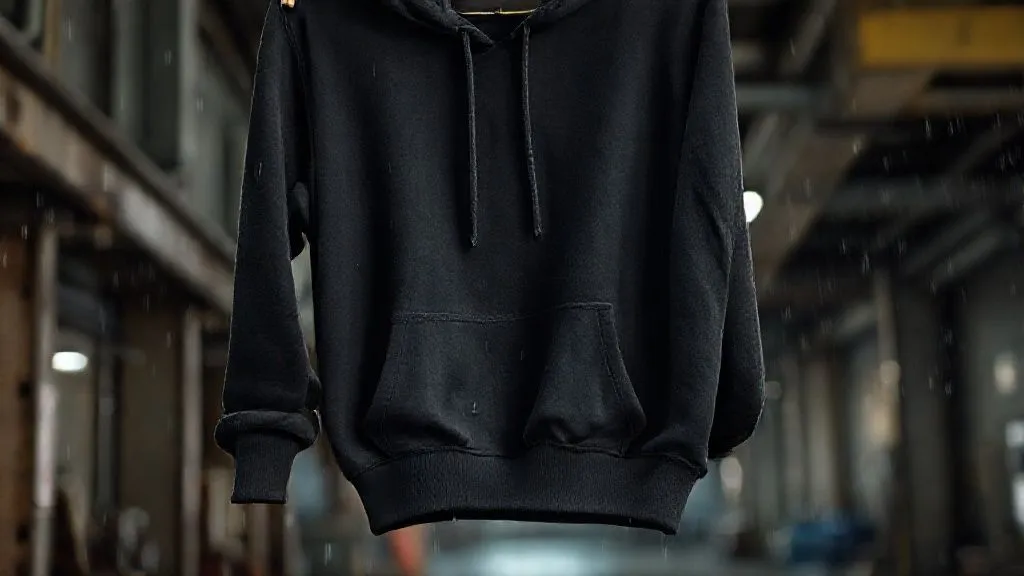
Urban Canvas, a popular streetwear brand, faced a significant challenge: their oversized hoodies, beloved by many, consistently received feedback that they looked "baggy and unflattering" on their plus-size clientele, despite being sized up. The problem wasn't the size itself, but the lack of intentional design for diverse proportions.
By implementing the principles I've outlined, Urban Canvas made three key adjustments:
- They adjusted the shoulder drop points, making them slightly less exaggerated for larger sizes but maintaining a comfortable width, preventing a 'sloping shoulder' look.
- They introduced a subtle taper to the sleeves and reinforced the cuffs with a stronger rib knit, giving the arms more definition without sacrificing the oversized feel.
- Critically, they redesigned the hemline for their plus-size range. Instead of a straight, boxy cut, they introduced a very subtle curved hem, slightly longer at the back, which created a more flattering line over the hips and added visual interest.
The Power of Layering and Accessorizing for Enhanced Appeal
Layering and accessorizing are not just styling tricks; they are powerful design tools that can dramatically enhance the wearability and flattery of oversized streetwear. I often view them as the final touches that transform a good design into a great one, especially when catering to diverse body types. Layers add depth, break up monolithic shapes, and allow for individual expression, while accessories can define focal points and add personality.
For individuals who might feel overwhelmed by a single large garment, strategic layering can introduce structure and varied textures. It allows the wearer to build an outfit that feels intentionally voluminous rather than simply large. This approach empowers consumers to personalize the fit and feel of their oversized pieces, making them universally more appealing.
Strategic Layering Techniques for Impact
- Understated Base Layers: Start with a well-fitting base layer, like a ribbed long-sleeve tee or a thermal. This provides a clean foundation and ensures comfort without adding unnecessary bulk.
- Varying Lengths: Layering garments of different lengths (e.g., a long oversized tee under a slightly shorter, boxy jacket) creates visual interest and elongates the silhouette. This is particularly effective for petite individuals who might otherwise be swamped by a single long piece.
- Texture Play: Combine different textures – a smooth tech fabric jacket over a fleece hoodie, or a ribbed knit under a crisp cotton shirt. This adds dimension and prevents the outfit from looking flat.
- Open vs. Closed: Encourage wearing oversized jackets or shirts unbuttoned or unzipped over a contrasting top. This creates vertical lines that are universally flattering and provides a glimpse of the shape underneath.
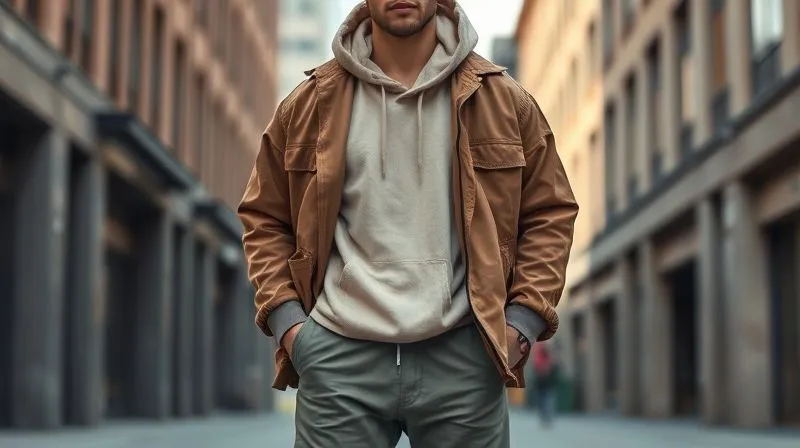
Color, Pattern, and Texture: Visual Cues for Flattery
Beyond cut and fabric, color, pattern, and texture play a significant role in how an oversized garment is perceived on diverse body types. These elements can create visual illusions, draw attention to specific areas, or subtly guide the eye, contributing to a more flattering overall aesthetic. As a designer, understanding these visual cues is like having another set of tools in your arsenal to manipulate perception.
For example, a monochromatic palette can create a continuous, elongated line, which is beneficial for both petite and taller individuals. Conversely, strategically placed patterns or contrasting color blocks can highlight or de-emphasize certain areas, allowing for a more tailored visual experience within the oversized framework. I've seen vibrant patterns used effectively to break up the vastness of a large garment, turning potential shapelessness into dynamic visual interest.
Using Verticality and Monochromatic Palettes
- Monochromatic Magic: Dressing in a single color or varying shades of the same color from head to toe creates an uninterrupted vertical line, making the wearer appear taller and more streamlined. This is incredibly effective for oversized pieces, as it minimizes the visual 'bulk' that can sometimes accompany generous silhouettes.
- Vertical Stripes and Panels: Incorporate subtle vertical stripes, textured ribs, or contrasting vertical panels into your designs. These draw the eye upwards and downwards, creating an elongating effect that counteracts the width of oversized garments.
- Strategic Color Blocking: Use darker colors on areas you wish to recede and lighter, brighter colors on areas you want to highlight. For instance, a darker side panel on an oversized hoodie can create an illusion of a narrower torso.
- Texture as a Visual Element: A knit with a prominent vertical rib, a crinkled nylon, or a subtle tonal print can add visual interest without adding physical bulk. Textures can create depth and break up large expanses of fabric, making the garment feel more dynamic.
"Color and pattern are not just decorative; they are structural elements in oversized design. They possess the power to define, to elongate, and to add a layer of sophistication that transcends mere size."
Inclusive Sizing: Beyond the Standard S-M-L
True inclusivity in oversized streetwear design goes far beyond simply making larger sizes. It requires a fundamental rethinking of how garments are proportioned across a spectrum of body types. Relying on a linear grading system from a single sample size often results in ill-fitting clothing for anyone outside that narrow spectrum. This is where many brands falter, despite good intentions. My personal philosophy has always been that if a garment doesn't fit well, it won't be worn, regardless of its style.
To truly flatter diverse body types, designers must move towards a more nuanced approach, considering how different body shapes carry volume and how to adapt patterns to maintain the intended aesthetic. This means investing in research, diverse fit models, and potentially, multiple 'fit blocks' rather than just one.
The 'Fit Block' Approach for Universal Appeal
Instead of scaling a single 'standard' fit block, consider developing multiple blocks that cater to distinct body categories (e.g., a petite block, a curvilinear block, an athletic block, a tall block). Each block would then be specifically graded for its respective category, ensuring that the oversized aesthetic translates authentically across different proportions. This is a significant investment, but one that yields unparalleled results in customer satisfaction and brand loyalty.
- Research Diverse Body Data: Utilize anthropometric data to understand the actual measurements and proportions of diverse populations. This goes beyond simple chest/waist/hip measurements.
- Develop Multiple Fit Blocks: Create distinct base patterns (fit blocks) tailored to different primary body types. For example, a block for individuals with broader shoulders and narrower hips might differ significantly from one for individuals with a smaller upper body and wider hips.
- Grade Intelligently: Once you have your specialized fit blocks, grade them up and down, but constantly check the proportions. A common mistake is simply adding width and length uniformly, which can distort the intended oversized silhouette for certain body types.
- Incorporate Adjustable Features: Drawcords at hems, adjustable cuffs, and elasticated waistbands allow wearers to customize the fit, adding versatility and ensuring comfort across a wider range of sizes.
- Review with Diverse Fit Models: Crucially, test your prototypes on a diverse range of fit models. This provides invaluable real-world feedback on how the garment truly behaves on different bodies, allowing for iterative improvements. As The Business of Fashion often highlights, user-centric design is paramount in today's market.
| Size Category | Key Adjustments | Target Proportions |
|---|---|---|
| Petite Oversized | Shorter body length, controlled sleeve volume, higher armhole | Maintains verticality, prevents overwhelming |
| Curvilinear Oversized | Generous hip/bust allowance, strategic hem curves, defined waist option | Flows over curves, avoids clinging, maintains shape |
| Tall Oversized | Extended body/sleeve length, balanced shoulder drop | Ensures adequate coverage, maintains intentional drape |
| Standard Oversized | Classic relaxed fit, balanced volume | Default aesthetic for average height/build |
Testing and Feedback: The Iterative Design Process
The design process for truly flattering oversized streetwear isn't linear; it's an iterative cycle of creation, testing, and refinement. In my experience, relying solely on initial pattern drafting and a single fit model is a recipe for missing crucial nuances that impact a garment's universal appeal. The real insights come from seeing how your designs perform on actual people, with all their glorious variations.
This commitment to rigorous testing and feedback isn't just about problem-solving; it's about building trust and demonstrating a genuine commitment to inclusivity. It allows you to fine-tune proportions, identify unexpected fit issues, and ultimately, deliver a product that genuinely resonates with a diverse customer base. As a seasoned expert, I can tell you that neglecting this phase is one of the most common and costly mistakes.
User Testing with Diverse Models: Your Secret Weapon
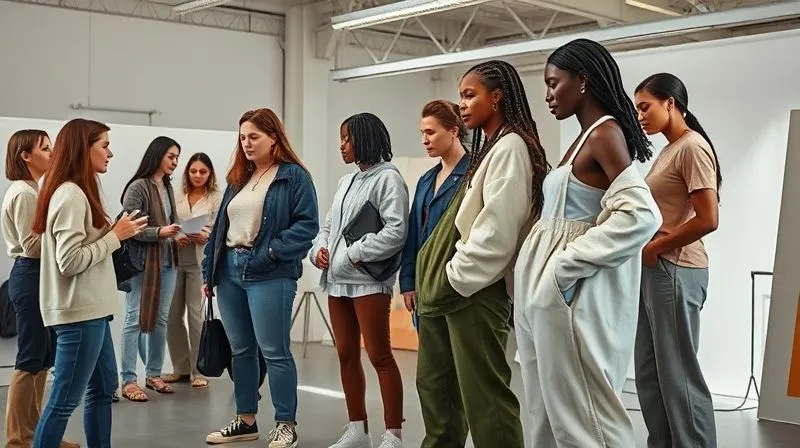
The most effective way to validate your oversized designs is through comprehensive user testing with a diverse panel of fit models. This means selecting individuals who represent the full spectrum of your target audience's body types, heights, and proportions. Don't just use professional models; seek out real people who embody the diversity you aim to serve.
- Recruit a Diverse Panel: Actively seek out fit models of different heights, weights, and body shapes within each size category. Include individuals from various ethnic backgrounds, as body proportions can vary.
- Conduct Fit Sessions: Observe how the garments drape, move, and feel on each model. Look for areas of pulling, bunching, or unflattering volume. Pay attention to how the garment interacts with different body parts – shoulders, bust, waist, hips, and limbs.
- Gather Qualitative Feedback: Beyond visual assessment, engage with your fit models. Ask them about comfort, perceived flattery, ease of movement, and how they would personally style the piece. Their subjective experience is invaluable.
- Document and Iterate: Meticulously document all feedback and observations. Use this data to make precise adjustments to your patterns and design details. This might involve tweaking armhole depths, adjusting hem lengths, or refining shoulder drops.
- Repeat and Refine: The process isn't over after one round. Create new prototypes based on feedback and repeat the testing process. This iterative approach, championed in design thinking methodologies, ensures continuous improvement. For more on user-centered design, consult resources like Nielsen Norman Group.
Frequently Asked Questions (FAQ)
Question: How can I ensure my oversized designs don't look sloppy on petite individuals? The key is intentional proportion and controlled volume. Focus on slightly shorter body lengths, ensuring sleeves don't extend past the knuckles with well-defined cuffs, and using fabrics with a moderate drape rather than excessive stiffness. Strategic vertical lines (e.g., open layers, subtle patterns) and a balanced top-to-bottom ratio also help maintain a flattering silhouette without overwhelming.
Question: What's the biggest mistake designers make with oversized streetwear for curvilinear body types? The most common mistake is assuming that simply sizing up will accommodate curves. This often leads to garments that are too wide in the shoulders or arms but still cling uncomfortably at the bust or hips, or conversely, create a completely shapeless 'tent' effect. The solution lies in designing with specific curve-friendly considerations: ensuring generous allowance at the bust and hips while maintaining a clean drape, sometimes incorporating subtle shaping or adjustability (like drawcords) to define the waist if desired, and selecting fabrics that flow rather than cling.
Question: Are there specific sleeve or hem lengths that universally flatter more body types in oversized pieces? While 'universally flattering' is a strong claim, certain principles tend to work well. For sleeves, ensuring the cuff hits around the wrist bone (or slightly below) with a defined cuff is generally more flattering than sleeves that completely cover the hands. For hems on tops, a length that hits between the hip bone and mid-thigh tends to work for many, as it offers coverage without shortening the legs too much. Jackets and outerwear can be longer, but their proportion to the total outfit becomes even more critical.
Question: How important is gender-neutral design in achieving diverse flattery? Extremely important. Moving beyond traditional gendered sizing and fit assumptions allows designers to focus purely on form, drape, and proportion. Gender-neutral design principles inherently encourage a wider range of body types to feel comfortable and stylish in oversized pieces, as the focus shifts from conforming to a specific gender ideal to celebrating individual expression and comfort. It often leads to more thoughtful, adaptable designs.
Question: Can you really design truly 'one-size-fits-all' oversized streetwear? While 'one-size-fits-all' is an appealing concept, in practice, it's incredibly challenging to achieve genuine flattery across a truly diverse spectrum. It often ends up fitting a 'medium' person well and looking either too big on petite individuals or too small/stretched on larger body types. Instead, I advocate for 'one-size-fits-MOST' with highly adaptable features, or better yet, a well-researched, inclusive sizing range built on diverse fit blocks. The goal should be maximum flattery and comfort for as many people as possible, not a mythical universal fit.
Key Takeaways and Final Thoughts
Navigating the world of oversized streetwear design for diverse body types might seem daunting, but it's an incredibly rewarding endeavor. As I've shared from my years in the industry, it's a field ripe with opportunity for innovation and genuine impact. The core message I want to impart is this: true oversized design is an art of intention, not an act of scaling up. It demands a deep understanding of fabric, proportion, and the human form in all its beautiful variations.
- Intentionality is Paramount: Every design choice, from fabric to hemline, must be deliberate to create a flattering oversized silhouette.
- Fabric Dictates Flow: The material's drape, weight, and hand are critical in how an oversized garment will fall and behave on different bodies.
- Strategic Volume & Balance: Master the art of placing volume and balancing it with subtle structure to prevent shapelessness.
- Tailoring Matters: Even in oversized pieces, precise pattern making and attention to key measurement points elevate the design.
- Layering & Accessories Enhance: Utilize these tools to add depth, break up shapes, and allow for personal expression.
- Visual Cues are Powerful: Employ color, pattern, and texture to create flattering illusions and guide the eye.
- Embrace Inclusive Sizing: Move beyond linear grading; consider multiple fit blocks and diverse testing for true universal appeal.
- Iterate with Feedback: The design process is a cycle of creation, testing with diverse models, and refinement.
As the fashion industry continues its shift towards greater inclusivity and authenticity, the demand for thoughtfully designed oversized streetwear that genuinely flatters diverse body types will only grow. By applying these expert insights and frameworks, you're not just designing clothes; you're crafting confidence, fostering self-expression, and building a brand that truly understands and celebrates its audience. Embrace the challenge, innovate with purpose, and watch your designs transform the streetwear landscape. For future trends and market insights, keep an eye on industry reports from sources like McKinsey & Company's State of Fashion.
Recommended Reading
- 7 Expert Steps: How to Transform Vintage Jewelry into Unique Modern Designs
- Client Rejects All Flattering Styles? 7 Expert Steps to Realign
- 7 Layers: What Activewear Truly Protects Against Extreme Wet Cold?
- 7 Proven Strategies: Minimize Womenswear Seasonal Overstock Markdown Losses
- Sell Out Instantly: 7 Pro Steps for a Viral Men's Streetwear Drop


Your email address will not be published. Required fields are marked *