


How to Choose Menswear That Projects Authority in a Key Meeting?
For over two decades in the dynamic world of menswear, I've witnessed firsthand the silent, yet profound, impact of attire. It's not just about looking good; it's about strategic communication. I've seen countless professionals, brilliant in their field, inadvertently undermine their own gravitas in crucial moments simply because their clothing choices sent the wrong message.
The problem is pervasive: in high-stakes meetings, where first impressions are indelible and every subtle cue is scrutinized, a mismatched tie, an ill-fitting jacket, or scuffed shoes can silently erode your perceived competence and authority. It’s a silent judgment, a subconscious assessment that can shift the balance of influence before you even utter a word.
This isn't just about fashion; it's about strategic presence. In this definitive guide, I'll share actionable frameworks and expert insights, drawn from years of experience, to equip you with the knowledge to choose menswear that doesn't just fit, but empowers you to project unwavering authority and confidence in any key meeting.
The Psychology of Power Dressing: Beyond the Fabric
First Impressions: The Non-Verbal Resume
Your attire is your non-verbal resume, speaking volumes about your professionalism, attention to detail, and respect for the occasion and the people you're meeting. Before you even shake a hand, your clothing has already started to tell a story about who you are and what you represent.
In a key meeting, this 'pre-speech' communication is vital. It signals whether you are a meticulous professional, someone who values excellence, or someone who might overlook critical details. This initial perception profoundly shapes how your words will be received.
"The way we dress affects the way we think, the way we feel, and the way we act. It influences not only our perception of ourselves but also the perception others have of us." - Dr. Karen Pine, Psychologist
This psychological phenomenon isn't just anecdotal; studies consistently show that well-dressed individuals are often perceived as more confident, intelligent, and trustworthy. It's a powerful psychological advantage you can leverage.

To harness this:
- Convey Competence: Choose sharp, well-maintained garments.
- Signal Trustworthiness: Opt for classic, understated styles and colors.
- Project Confidence: Wear clothes that fit perfectly and allow ease of movement.
- Show Respect: Dress appropriately for the formality of the meeting and industry.
For more on the psychology of clothing, consider insights from Psychology Today on the impact of attire.
The Foundation: Impeccable Fit and Fabric
Fit is King: Why Tailoring Matters Most
I cannot stress this enough: fit is paramount. A “$5000 suit that fits poorly will look cheaper than a “$500 suit that fits perfectly. Ill-fitting clothes – whether too baggy or too tight – instantly detract from your image, creating an impression of sloppiness or discomfort. This undermines the very authority you seek to project.
A well-tailored garment conforms to your body, creating clean lines and a streamlined silhouette. This conveys precision, attention to detail, and a sense of being put-together, all critical attributes for someone in a position of authority.
- Shoulders: The jacket shoulders should end exactly where your natural shoulders end. No overhang, no pulling.
- Sleeve Length: Jacket sleeves should expose about a half-inch of your shirt cuff.
- Jacket Length: The jacket hem should cover your rear and stop at the base of your thumb when your arms are at your sides.
- Trouser Break: Trousers should have a slight 'break' – a single fold – at the top of your shoes, or no break for a more modern look. Avoid pooling fabric.
- Collar: Your shirt collar should sit snugly against your neck without gapping or feeling restrictive.
Fabric Choices: A Statement of Quality
Beyond fit, the fabric of your clothing speaks volumes about quality and discernment. While not always visible to the untrained eye, the drape, feel, and subtle sheen of high-quality fabrics convey a sense of gravitas and investment in your personal brand.
Natural fibers like wool (especially worsted wool), cashmere, and high-quality cotton are superior choices. They breathe better, drape more elegantly, and simply look more refined than synthetic blends. These choices signify an appreciation for quality and a subtle understanding of luxury, traits often associated with authoritative figures.
| Fabric Type | Impression Projected | Best For |
|---|---|---|
| Worsted Wool | Sophistication, Durability, Classic Authority | Business Suits, Blazers |
| Cashmere Blend | Understated Luxury, Comfort, Refinement | Sweaters, Scarves, Overcoats |
| High-Quality Cotton | Crispness, Cleanliness, Approachable Professionalism | Dress Shirts, Chinos |
| Linen (Blends) | Relaxed Elegance, Breathability (Context Dependent) | Summer Suits, Casual Blazers (Avoid for formal meetings) |
| Synthetic Blends | Cost-Effective, Less Refined, Prone to Wrinkles | Avoid for key meetings |
Color and Pattern: Strategic Choices for Command
Power Hues: Navy, Charcoal, and Beyond
Color psychology plays a crucial role in how you are perceived. For projecting authority in a key meeting, certain colors are unequivocally superior:
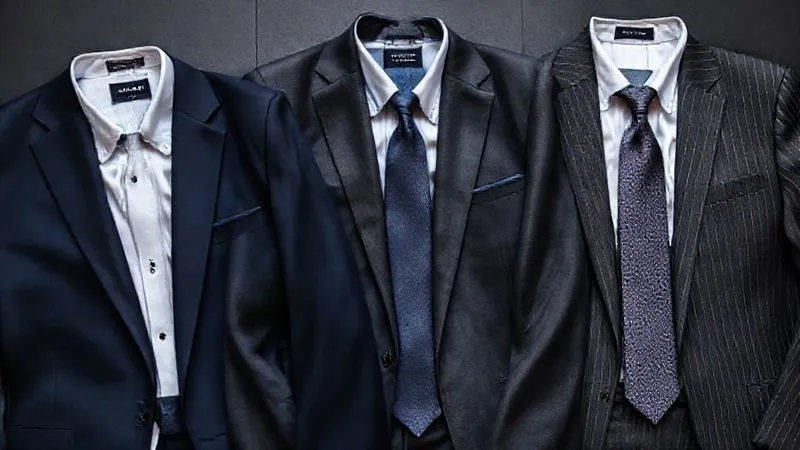
- Navy Blue: This is my go-to recommendation. Navy conveys trust, stability, and intelligence. It's universally flattering and less intimidating than black, making it excellent for building rapport while maintaining authority.
- Charcoal Grey: Sophisticated, serious, and professional. Charcoal grey is excellent for conveying gravitas and a no-nonsense attitude, particularly effective in more formal or high-stakes environments.
- Mid-Grey: A versatile alternative to charcoal, offering a slightly softer, yet still authoritative, presence.
- Black: While undeniably formal, black can sometimes appear too severe or unapproachable. Reserve it for very formal evening events or industries where it's the cultural norm.
For shirts, stick to classic white or light blue. These colors provide a crisp contrast and are universally associated with professionalism and cleanliness.
Subtle Patterns: Adding Depth, Not Distraction
While solid colors are always safe, subtle patterns can add depth and personality without detracting from your authority. The key is subtlety:
- Pin-Stripes: A classic choice that elongates the silhouette and adds a traditional, powerful touch. Ensure the stripes are fine and not overly bold.
- Prince of Wales Check / Glen Plaid: A sophisticated, traditional pattern that signals discernment. Opt for a muted version where the pattern is visible but not overwhelming from a distance.
- Birdseye or Sharkskin Weave: These are textured weaves that appear solid from a distance but offer subtle visual interest up close, conveying a refined taste.
Avoid loud checks, busy patterns, or anything that might distract from your message. The goal is to enhance your presence, not to make your clothing the main topic of discussion.
The Details That Define: Accessories as Amplifiers
In the world of menswear, authority is often built in the details. Accessories are not mere afterthoughts; they are crucial amplifiers of your overall image, capable of elevating a good outfit to an exceptional one. They reflect your attention to detail and personal refinement.
The Watch: A Symbol of Punctuality and Value
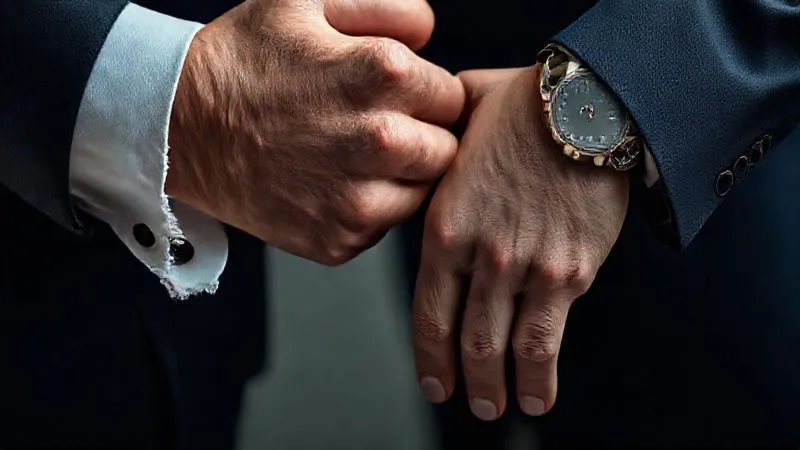
A well-chosen watch is more than a time-telling device; it's a statement piece. It signals punctuality, reliability, and an appreciation for craftsmanship. Opt for a classic, understated timepiece with a leather strap or a metallic bracelet. Avoid overtly sporty or flashy watches that can detract from a professional aesthetic.
Ties and Pocket Squares: Personal Branding
Your tie is often the focal point of your upper body. Choose silk ties in solid colors (navy, burgundy, dark green) or subtle patterns (regimental stripes, small dots, foulard prints). Ensure the knot is neat and symmetrical, and the tie length is correct (hitting your belt buckle).
A pocket square, while optional, can add a touch of sartorial elegance and personality. A classic white linen square, folded neatly, is always a safe and sophisticated choice. Match it to your shirt, not your tie, or choose a complementary color.
Footwear: The Often-Overlooked Foundation
I’ve seen countless otherwise impeccable outfits ruined by poor footwear. Your shoes are literally the foundation of your look. Invest in high-quality leather dress shoes – Oxfords, Derbies, or polished loafers – in black or dark brown. They must be impeccably clean and polished.
Scuffed, worn, or inappropriate shoes (like sneakers or overly casual styles) send a message of carelessness and undermine your entire presentation. They suggest you cut corners, a trait no authoritative figure wants to project.
Essential accessories for a commanding presence:
- Watch: Classic, understated, well-maintained.
- Tie: Silk, solid or subtle pattern, well-knotted.
- Pocket Square: Optional, but adds refinement (white linen is versatile).
- Belt: Leather, matching your shoes in color and finish.
- Shoes: Polished leather Oxfords or Derbies.
- Socks: Dark, over-the-calf to avoid showing skin when seated.
Case Study: How Mark A. Secured the Deal with Strategic Accessories
Mark, a rising executive at a financial services firm, was consistently overlooked for key client presentations despite his sharp intellect. After a consultation, I noticed his suits were decent, but his accessories were inconsistent – a flashy digital watch, a wrinkled tie, and scuffed shoes. We focused on upgrading his details: a classic leather watch, a collection of high-quality silk ties in power colors, and investing in two pairs of impeccably polished Oxfords.
In his next high-stakes pitch to a major institutional investor, Mark walked in with renewed confidence. The subtle shift in his accessories – a gleaming watch, a perfectly knotted navy tie, and polished shoes – completed his authoritative image. The client, a seasoned veteran, later remarked on Mark's "unwavering attention to detail, even in his personal presentation." Mark secured the multi-million dollar deal, demonstrating how strategic accessorizing can subtly but significantly influence perception and outcomes.
Body Language and Posture: The Unspoken Partnership
Beyond the Clothing: Your Physical Presence
Even the most perfectly chosen suit cannot project authority if your body language contradicts it. Clothing and posture work in tandem. A crisp suit on a slumped figure sends mixed signals; a confident stance enhances the power of your attire. Your physical presence is the final, critical layer of your authoritative image.
Think of your clothing as the frame, and your body language as the masterpiece within. An open, confident posture, direct eye contact, and a firm handshake reinforce the message of competence and leadership that your clothing has already begun to convey. Conversely, fidgeting, crossed arms, or avoiding eye contact can make even the most expensive suit seem insignificant.
"Non-verbal communication is 80% of what you say. It's not the words you speak, it's how you say them, and how you look when you say them." - Amy Cuddy, Social Psychologist
This partnership is about congruence. Your outward appearance and your internal state should align, creating an authentic projection of authority and confidence. When they align, your presence becomes truly commanding.

Actionable steps to enhance your physical presence:
- Stand Tall: Shoulders back, chest slightly out, head held high. This instantly conveys confidence and openness.
- Maintain Eye Contact: Direct, but not staring. It shows engagement, honesty, and confidence.
- Firm Handshake: A confident grip, not crushing, but firm and steady.
- Open Posture: Avoid crossing your arms, which can signal defensiveness. Keep your hands visible, perhaps resting them lightly on the table or in a neutral position.
- Control Gestures: Use purposeful, measured hand gestures to emphasize points, rather than fidgeting or nervous movements.
The Contextual Nuance: Adapting Your Authority
Formal Boardroom vs. Casual Innovation Hub
One of the biggest mistakes I observe is a 'one-size-fits-all' approach to power dressing. True authority isn't about rigid adherence to rules; it's about intelligent adaptation. What projects authority in a formal boardroom might make you seem out of touch in a creative innovation hub. Understanding the context is paramount.
Consider the environment, the industry, and the specific attendees of your meeting. Is it a traditional corporate setting, a tech startup, or a creative agency? Your attire should resonate with, and slightly elevate, the prevailing culture, rather than clashing with it. This demonstrates cultural intelligence, a key trait of effective leaders.
Industry Standards and Corporate Culture
Every industry and even individual company has its own unspoken dress code. Research this. If you're joining a meeting with a conservative law firm, a dark suit is non-negotiable. If it's a casual tech company, a tailored blazer with smart trousers and a crisp shirt might be more appropriate than a full suit. The goal is to show you understand the nuances while still presenting yourself as a leader.
Being slightly more dressed than the average attendee often works in your favor, as long as it's not overtly out of place. It signals that you take the meeting seriously and respect the occasion. This subtle elevation can differentiate you positively.
| Meeting Type | Suggested Attire | Authority Level |
|---|---|---|
| Formal Board Meeting (Finance, Law) | Dark Navy/Charcoal Suit, White Shirt, Silk Tie, Polished Oxfords | Maximum Formal Authority |
| Client Pitch (Creative, Tech) | Tailored Blazer, Smart Trousers/Chinos, Open-Collar Shirt/Fine Knit, Loafers/Clean Derbies | Modern, Approachable Authority |
| Internal Strategy Session (Established Corp) | Sport Coat/Blazer, Dress Shirt/Polo, Wool Trousers, Dress Shoes | Confident, Engaged Authority |
| Casual Team Brainstorm (Startup) | Dark Jeans/Chinos, Quality Button-Down Shirt, Clean Sneakers/Boots | Relaxed, Influential Authority |
Understanding and adapting to these nuances is a hallmark of sophisticated leadership. For further reading on corporate culture and its impact, explore insights from Harvard Business Review.
Avoiding Pitfalls: Common Mistakes That Undermine Authority
Even with the best intentions, certain common mistakes can inadvertently chip away at your authoritative image. Being aware of these pitfalls is as important as knowing what to do correctly.
Over-dressing vs. Under-dressing
While I advocate for dressing with intention, there's a fine line. Being significantly over-dressed for a casual environment can make you seem out of touch or even arrogant. Similarly, under-dressing for a formal setting clearly signals disrespect. The key is calibration – aim to be slightly more polished than the expected norm, but never jarringly so.
Ignoring Grooming and Hygiene
The most expensive suit in the world cannot compensate for poor grooming. A fresh haircut, clean and trimmed nails, a subtle cologne (or none at all), and fresh breath are non-negotiable. These elements are foundational to projecting an image of self-respect and attention to detail, which are critical for authority.
Wearing Uncomfortable Attire
If your clothes are too tight, too stiff, or simply uncomfortable, it will show. You'll fidget, adjust, and your discomfort will distract from your message. Prioritize clothing that allows you to move freely and feel at ease. Comfort breeds confidence, and confidence is key to authority.
Other common pitfalls to avoid:
- Wrinkled Clothing: Always ensure your garments are pressed and wrinkle-free.
- Visible Undergarments: Avoid undershirt lines or visible socks when seated.
- Too Many Logos: Keep branding minimal or non-existent for a sophisticated look.
- Outdated Styles: While classic is good, avoid overtly dated cuts or patterns.
- Poorly Maintained Items: Frayed cuffs, loose buttons, faded fabrics – these are subtle but damaging.
For more insights into creating a powerful professional image, consider expert advice from resources like Forbes' Leadership section.
Frequently Asked Questions (FAQ)
Is a three-piece suit always necessary for authority? Not always. While a three-piece suit certainly projects a high level of formality and traditional authority, its necessity depends heavily on the industry, corporate culture, and specific context of the meeting. In highly conservative fields like finance or law, it can be an excellent choice. However, in more modern or creative sectors, a well-tailored two-piece suit or even a sophisticated blazer and trouser combination might project a more approachable, yet equally authoritative, presence. Contextual awareness is key.
How do I balance personal style with professional expectations? The best approach is to subtly integrate your personal style within professional boundaries. This means choosing classic pieces that resonate with you, selecting ties or pocket squares that reflect your personality without being distracting, or opting for fabric textures that you personally appreciate. The goal is to express individuality through quality, fit, and subtle details, rather than through bold or unconventional choices that could detract from your professional image. Authenticity, within reason, enhances confidence.
What's the best color for a tie to project authority? For projecting authority, solid ties in deep, rich colors are generally most effective. Navy blue is a perennial favorite, signaling trust and stability. Burgundy or deep red conveys power and passion, while dark green can suggest growth and ambition. Subtle patterns like regimental stripes or small foulard prints in these colors are also excellent. Avoid overly bright, novelty, or highly patterned ties for key meetings, as they can be distracting.
How important are shoes, really? Shoes are incredibly important – often more so than people realize. They are the foundation of your outfit and are frequently noticed, especially when sitting or crossing your legs. Scuffed, worn, or unpolished shoes can instantly undermine an otherwise impeccable outfit, signaling carelessness or a lack of attention to detail. Investing in high-quality, well-maintained leather dress shoes (Oxfords or Derbies) in black or dark brown is crucial for projecting a complete, authoritative image.
Can I wear smart casual and still project authority? Yes, absolutely, but it requires careful execution and strong contextual awareness. 'Smart casual' for authority means highly tailored, quality pieces – think a well-fitting blazer, crisp button-down shirt (perhaps un-tucked if the environment permits, but often tucked for authority), tailored chinos or dark, un-distressed jeans, and polished loafers or clean, minimalist sneakers. The key is that every piece must be immaculate, fit perfectly, and be chosen intentionally to elevate the casual elements to a level of refined professionalism.
Key Takeaways and Final Thoughts
Projecting authority through your menswear in key meetings is not about following rigid rules, but about understanding the strategic interplay of fit, fabric, color, and detail. It's a powerful form of non-verbal communication that, when mastered, can significantly amplify your presence and influence. Remember, your attire is an extension of your professional brand.
- Fit is King: Invest in tailoring; a perfect fit elevates any garment.
- Quality Fabrics: Choose natural fibers like wool and high-quality cotton for a refined look.
- Strategic Colors: Lean on navy and charcoal for trust and gravitas.
- Detail Matters: Impeccable accessories – watch, tie, shoes – complete the authoritative image.
- Congruent Presence: Match your powerful attire with confident body language and posture.
- Context is Crucial: Adapt your dressing to the industry and specific meeting environment.
- Avoid Pitfalls: Pay attention to grooming, comfort, and maintenance to avoid undermining your efforts.
I've seen the transformation countless times: when a man understands and applies these principles, he doesn't just look the part; he embodies it. This isn't about vanity; it's about strategic self-presentation, giving you an undeniable edge in critical moments. Step into your next meeting not just dressed, but empowered to command the room and achieve your objectives. Your journey to a more authoritative presence starts with these deliberate choices.
Recommended Reading
- Ethical Avant-Garde: 7 Ways to Sustain Haute Couture Innovation
- 7 Steps to Verify Ethical Supply Chains in Sustainable Activewear
- 7 Proven Strategies to Prevent Micro-Pavé Diamond Loss in Fine Jewelry
- Pro Re-glue: Fix Your Goodyear-Welted Sole Delamination Flawlessly?
- 5 Power Frames: Elevate Your Executive Presence with Strategic Eyewear




Your email address will not be published. Required fields are marked *