

How to Choose Fabrics That Won't Wash Out Under Stage Lighting?
For over two decades in the demanding world of costume design, I've witnessed firsthand the heartbreaking moment when a meticulously crafted garment, vibrant and alive in the design studio, steps onto the stage only to appear dull, faded, or worse – completely washed out under the unforgiving glare of theatrical lights. It’s a common pitfall, one that can undermine hours of work and significantly impact the visual storytelling of a production.
This isn't just an aesthetic inconvenience; it's a technical challenge rooted in the complex interplay between light, color, and textile chemistry. The intense, focused beams of stage lighting, often rich in certain wavelengths, can drastically alter how colors are perceived, stripping them of their intended vibrancy and depth. The problem of how to choose fabrics that won't wash out under stage lighting is one that every serious costume designer must master.
In this definitive guide, I'll pull back the curtain on the science and art of fabric selection for the stage. You'll learn the critical properties that make a fabric lightfast, discover my go-to materials, and gain actionable frameworks for testing and strategic color choices. My goal is to equip you with the expert insights needed to ensure your costumes always shine, exactly as you envisioned.
The Science Behind the Fade: Understanding Light and Fabric Interaction
To truly understand how to choose fabrics that won't wash out under stage lighting, we must first appreciate the fundamental science at play. Stage lighting isn't just bright; it's a complex spectrum of electromagnetic radiation, designed to sculpt, highlight, and transform.
Wavelengths, Intensity, and the Specter of UV
Different types of stage lights—from traditional incandescent (tungsten) to modern LEDs and intelligent moving fixtures—emit varying spectra of light. Tungsten lights, for instance, are rich in the red and yellow end of the spectrum, while LEDs can be tuned to specific wavelengths. This spectral composition directly influences how the dyes in your fabric reflect or absorb light.
The intensity of stage lighting is also far greater than ambient light, accelerating the degradation of less stable dyes. Furthermore, even though visible light is our primary concern, some stage lights emit UV radiation, which is a notorious culprit in color fading over time, breaking down molecular bonds in dyes. This is why a fabric that looks great in daylight might fail dramatically under stage conditions.
“The stage isn't just a platform; it's a laboratory where light and color perform a constant chemical dance. Ignoring the science is akin to designing a costume without considering movement.”
Understanding lightfastness, a textile's resistance to fading when exposed to light, is paramount. This property is inherent in the dye chemistry and fiber structure. A fabric with poor lightfastness will quickly lose its saturation and vibrancy, appearing 'washed out' or 'bleached' under prolonged exposure.
For a deeper dive into textile science and lightfastness, I often refer to resources like Textile School's detailed explanations on fastness properties. It's crucial knowledge for any serious designer.
Essential Fabric Properties for Stage Durability
When I'm sifting through swatches, I'm not just looking at color and drape. I'm assessing a fabric's inherent resilience against the harsh realities of stage performance. These are the non-negotiable properties I consider when looking for fabrics that won't wash out under stage lighting:
- Lightfastness: This is the ultimate benchmark. It's a measure of how well a fabric retains its color when exposed to light. Higher lightfastness ratings (often 1-8, with 8 being best) are always preferable.
- Dye Penetration: Surface-dyed fabrics are notorious for washing out. Look for materials where the dye has deeply penetrated the fibers, ensuring color saturation throughout the yarn.
- Fiber Composition: Synthetic fibers generally offer superior lightfastness compared to many natural fibers, especially when treated correctly. Their molecular structure is often more stable.
- Weave Density and Texture: Denser weaves can sometimes offer a slight protective effect, and certain textures (like velvet or satin) can play with light in ways that enhance color, provided the base dye is stable.
- Finish and Coatings: Some fabrics come with UV-resistant or color-stabilizing finishes. While not a substitute for inherent lightfastness, they can offer an additional layer of protection.
Case Study: The 'Whispering Woods' Fiasco and Redemption
Early in my career, I consulted for a small regional theatre embarking on a production titled 'Whispering Woods.' The director wanted lush, forest-green costumes. To save costs, the costume shop opted for an inexpensive cotton broadcloth, surface-dyed. On opening night, under the green-gelled stage lights intended to enhance the forest atmosphere, the costumes appeared a dull, sickly grey-brown. The light had completely stripped the vibrancy, making the actors look ghostly and frail instead of enchanted. The audience was visibly confused.
For the subsequent run, we had to re-dye and even replace key pieces with a mercerized cotton, known for better dye uptake, and a polyester blend. We meticulously tested swatches under the actual stage lighting setup. The difference was night and day. The new costumes held their rich green, allowing the director's vision to finally translate. This painful lesson underscored the absolute necessity of understanding fabric properties and rigorous pre-production testing to choose fabrics that won't wash out under stage lighting.
Top Fabric Choices That Defy the Spotlight
Based on years of trial and error, here are the fabric categories I confidently recommend when the goal is unwavering color under stage lights:
Natural Fibers with a Caveat
While many natural fibers are beautiful, they can be temperamental. If you must use them:
- Mercerized Cotton: This treated cotton has an increased affinity for dyes, resulting in deeper, more vibrant, and more lightfast colors than untreated cotton. It’s a good choice for base layers or items that need breathability.
- Linen: Similar to cotton, linen's lightfastness largely depends on the dyeing process. Opt for high-quality, deeply dyed linen.
- Wool: Generally good for lightfastness, especially in darker, richer hues. Its natural resilience and texture also make it excellent for period costumes.
- Silk: While luxurious, silk can be highly susceptible to fading, especially vibrant colors and pastels. Use with extreme caution and always test extensively.
Synthetic Superstars
Synthetics are often your best friends in the battle against washout.
- Polyester: My absolute go-to. Polyester fibers have excellent lightfastness, especially when dyed with disperse dyes. It resists fading, holds its shape, and is incredibly versatile. It's available in countless weights, weaves, and finishes, from satins to velvets to chiffons.
- Nylon: Good lightfastness, though generally not as superior as polyester. It's strong and resilient, often used for activewear or structural elements.
- Acrylic: Known for its excellent resistance to sunlight and UV degradation, acrylic is a strong contender for outdoor stages or very bright indoor conditions. It mimics wool well.
- Acetate/Rayon: These are regenerated cellulosic fibers, often mistaken for synthetics. They can be very beautiful but are generally poor performers in terms of lightfastness. Avoid for critical, long-term color vibrancy.
Blends and Specialty Fabrics
Often, the best solution lies in blends that combine the strengths of different fibers.
- Polyester/Cotton Blends: Offer the breathability of cotton with the fade resistance of polyester. A common choice for uniforms or everyday wear on stage.
- Theatrical Velvets and Satins: Many high-quality theatrical velvets and satins are polyester-based precisely because of their superior lightfastness and luxurious drape. Always confirm fiber content.
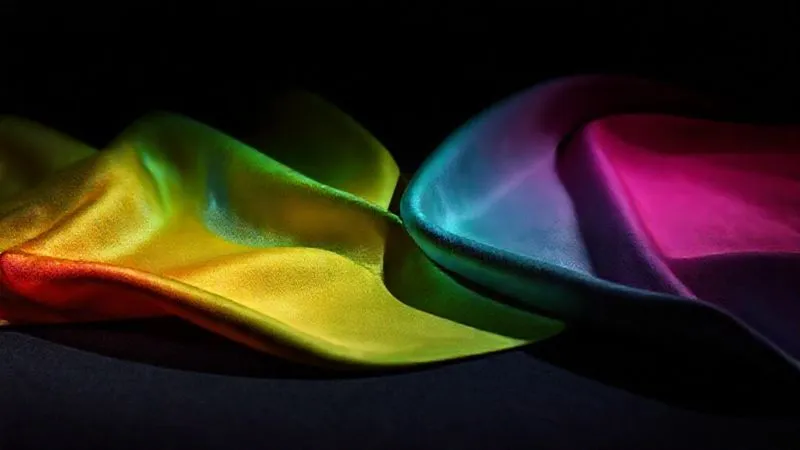
Here's a quick comparison of common theatrical fabrics and their general lightfastness:
| Fabric Type | Lightfastness Rating | Drape | Cost | Notes |
|---|---|---|---|---|
| Polyester Satin | Excellent (7-8) | Fluid, luxurious | Moderate | Versatile, wide range of colors |
| Mercerized Cotton | Good (5-6) | Crisp to soft | Moderate | Better than untreated cotton, breathable |
| Theatrical Velvet (Poly) | Excellent (7-8) | Heavy, rich | High | Deep color, excellent light play |
| Raw Silk | Poor to Fair (2-4) | Soft, delicate | High | Beautiful but very prone to fading, use with caution |
| Nylon Ripstop | Good (6-7) | Stiff, technical | Moderate | Durable, good for structured pieces |
The Dyeing Dilemma: Pigments vs. Dyes and Application Techniques
It's not just the fiber; it's how the color gets there. The distinction between pigments and dyes, and the method of application, is crucial for understanding how to choose fabrics that won't wash out under stage lighting.
Pigment Printing vs. Fiber Dyeing
Pigments are insoluble color particles that are essentially glued to the surface of the fabric. While they can create intricate patterns and vibrant colors, they sit on top of the fiber. This means they are more susceptible to rubbing off (crocking) and can be less lightfast, especially under intense stage lights that can effectively 'burn' them away.
Dyes, on the other hand, are soluble and chemically bond with the fibers, penetrating deeply into their structure. This results in a much more durable and lightfast color. Within dyes, there are different classes:
- Reactive Dyes: Form a covalent bond with cellulosic fibers (cotton, linen, rayon). They offer excellent wash fastness and generally good lightfastness.
- Vat Dyes: Known for their exceptional fastness properties, including lightfastness and wash fastness. Often used for workwear and military uniforms due to their durability.
- Disperse Dyes: Primarily used for synthetic fibers like polyester and acetate. They have excellent lightfastness and are highly resistant to heat and chemicals, making them ideal for performance fabrics.
When sourcing fabrics, inquire about the dyeing method. A fabric described as 'yarn-dyed' (where the yarn is dyed before weaving) or 'piece-dyed' (where the entire fabric bolt is dyed) using reactive, vat, or disperse dyes will almost always outperform a 'printed' fabric in terms of lightfastness.
For a detailed look at dye types and their applications, I often consult resources like Fibre2Fashion's guide to dyes. Knowledge of these processes empowers you to make informed decisions.
Pre-Production Testing: Your Unsung Hero
I cannot stress this enough: never assume. Even with the most reputable suppliers and the best theoretical knowledge, real-world stage conditions are unique. My golden rule for how to choose fabrics that won't wash out under stage lighting is always to test, test, and test again.
Actionable Steps for Fabric Testing:
- Gather Representative Swatches: Cut generous swatches (at least 6x6 inches) of every fabric and color you intend to use. Include any lining or backing fabrics if they might show through.
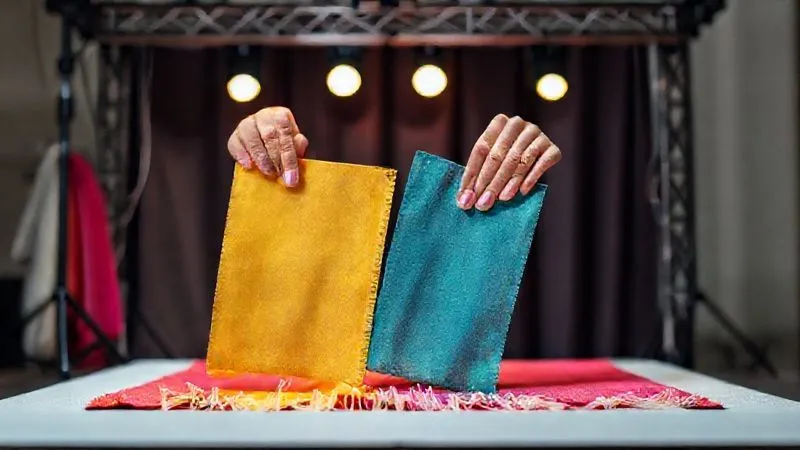
- Mount for Comparison: Securely attach half of each swatch to a piece of cardboard or a frame. Cover the other half with an opaque material (aluminum foil works well) to create a control. This allows you to compare the exposed and unexposed parts directly.
- Simulate Stage Conditions: Place your mounted swatches directly in the path of the actual stage lights you'll be using. Position them at a similar distance and angle to where the costumes will be on stage. If possible, test under various lighting cues (e.g., full illumination, specific color washes).
- Duration is Key: Leave the swatches exposed for a period equivalent to or longer than your longest run of shows, plus rehearsals. For a typical theatrical run, I recommend at least 48-72 hours of continuous exposure, or multiple shorter exposures mimicking rehearsal and show times.
- Document and Evaluate: After exposure, remove the opaque cover and carefully compare the exposed and unexposed halves. Look for any visible shift in hue, saturation, or brightness. Document your findings with notes and photographs under consistent lighting conditions.
“The cost of a few hours spent testing swatches is negligible compared to the financial and artistic disaster of costumes that fail on opening night.”
This empirical evidence is invaluable. It removes guesswork and provides confidence that your chosen fabrics will perform as expected under the specific conditions of your production. Never skip this step!
Strategic Color Selection: Beyond Aesthetics
While lightfastness is paramount, your choice of color itself can influence how well a fabric holds up under the spotlight. Some colors are inherently more vulnerable than others.
Understanding Color Vulnerability
- Neons and Fluorescents: These highly saturated, often 'glowing' colors achieve their effect through optical brighteners and specific dye formulations that interact intensely with UV light. While striking, they can be highly unstable and prone to rapid fading, or appear garish and distorted under certain stage lights.
- Pastels and Light Hues: Fabrics dyed in very light, delicate colors often have less dye concentrated in their fibers. This makes them more susceptible to appearing 'washed out' or translucent under intense illumination, losing their subtle nuances.
- Certain Blues and Greens: Historically, some blue and green dyes have been less lightfast than reds or yellows. Modern dye chemistry has improved this, but it's still worth extra vigilance and testing for these hues.
Embracing Deeper, Richer Tones
In my experience, deeper, richer, and more saturated colors generally fare better under stage lights. They often have a higher concentration of dye, which provides a buffer against the 'washing out' effect. A deep crimson, a royal blue, or an emerald green made from lightfast fibers will usually hold its own far better than a pale pink or sky blue.
Consider how color theory applies to stage lighting. A deep blue gel might make a purple fabric appear more blue, or a red fabric more muted. Knowing your lighting designer's palette can help you anticipate these shifts and select base colors that will still read effectively, even with slight alterations.
Post-Production Care: Extending Costume Life
Even the most perfectly chosen, lightfast fabric still needs proper care to maintain its vibrancy and extend its life. This is especially true for costumes that will be used for multiple performances or productions.
Essential Costume Care Tips:
- Gentle Washing: Always follow the manufacturer's care instructions. Hand washing or a delicate machine cycle with cold water and mild, pH-neutral detergents is usually best. Harsh chemicals or high heat can degrade dyes over time, even in lightfast fabrics.
- Avoid Harsh Bleaches: Chlorine bleach is a powerful oxidizing agent that will strip color from almost any fabric, regardless of its lightfastness. Use only oxygen-based bleaches for whites, and even then, with caution.
- Air Dry Away from Direct Sunlight: Tumble drying on high heat can set stains and potentially damage fibers. Air drying, preferably indoors or in the shade, prevents additional UV exposure.
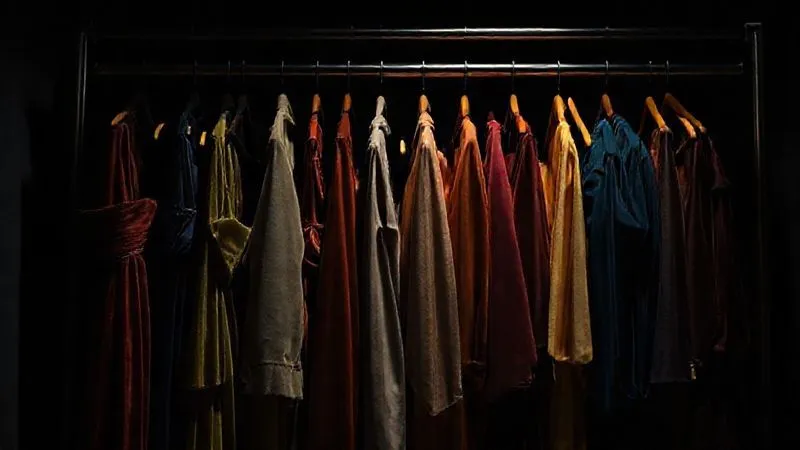
- Proper Storage: Store costumes in dark, climate-controlled environments. Exposure to ambient light, even indirect, can cause gradual fading over extended periods. Use garment bags to protect against dust and light.
- Spot Cleaning: Address spills and stains immediately with appropriate, gentle spot cleaners to prevent them from setting and requiring more aggressive washing methods later.
Consistency in care can make a significant difference in how long your costumes retain their stage-ready appearance. For comprehensive guidance on professional costume care, I recommend resources like The National Endowment for the Arts' advice on costume preservation.
| Fabric Type | Washing | Drying | Notes |
|---|---|---|---|
| Polyester | Machine wash cold, gentle cycle | Tumble dry low or air dry | Resists wrinkles, holds color well |
| Mercerized Cotton | Machine wash cold, delicate | Tumble dry low or air dry | Iron while damp for crispness |
| Wool | Hand wash cold or dry clean | Lay flat to dry | Avoid agitation, prone to shrinking |
| Silk | Hand wash cold, delicate | Air dry flat, away from sun | Very delicate, dry clean often preferred |
| Rayon/Viscose | Hand wash cold, delicate | Air dry flat | Prone to shrinking and wrinkling when wet |
Frequently Asked Questions (FAQ)
Q: Can I treat existing fabrics to prevent fading under stage lighting? A: While some textile sprays claim UV protection, they are generally not effective enough for the intensity of stage lighting and can alter the fabric's drape or texture. The best prevention is selecting lightfast fabrics from the outset. Once a dye begins to degrade, it's very difficult to reverse.
Q: Are natural fibers always a bad choice for stage costumes due to fading? A: Not always a bad choice, but they require more careful consideration. Mercerized cotton, deeply dyed wool, and certain linens can perform adequately if their lightfastness is confirmed through testing. However, they generally won't match the fade resistance of high-quality synthetics like polyester. For critical, long-term color vibrancy, I often lean towards synthetics or blends.
Q: How much budget should I allocate for lightfast fabrics compared to 'regular' fabrics? A: Investing in lightfast fabrics is an investment in the longevity and visual integrity of your production. While some specialty theatrical fabrics might have a higher initial cost, the savings in not having to repair, re-dye, or replace faded costumes usually outweigh it. Factor in testing time and swatch procurement into your budget as well. It's a critical part of how to choose fabrics that won't wash out under stage lighting effectively.
Q: Does the type of stage light matter significantly (e.g., LED vs. Tungsten) for fabric fading? A: Absolutely. LED lights, especially tunable ones, can have very specific spectral outputs. Tungsten lights have a warm, continuous spectrum but generate more heat. Both can affect fabrics differently. LEDs, while often cooler, can still cause fading if the specific wavelengths interact poorly with certain dyes. Always test under the exact lighting conditions of your production.
Q: What about iridescent or metallic fabrics? Are they more prone to washing out? A: Iridescent and metallic fabrics often achieve their effect through surface coatings or specific weaves rather than deep dye penetration. While the base fabric might be lightfast, the reflective or iridescent coating can be delicate. They can also interact with stage lights in unpredictable ways, sometimes appearing overly bright or completely losing their intended shimmer. Extensive testing is crucial for these types of materials.
Key Takeaways and Final Thoughts
Navigating the complex world of fabric selection for the stage can be daunting, but with the right knowledge and a disciplined approach, you can ensure your costume designs stand up to the rigors of the spotlight.
- Prioritize Lightfastness: This is the single most important property to consider.
- Embrace Synthetics: Polyester, in particular, is a costume designer's best friend for its fade resistance.
- Understand Dye Chemistry: Deeply dyed fibers using reactive, vat, or disperse dyes will outperform surface-pigmented fabrics.
- Test Relentlessly: Never skip pre-production testing under actual stage conditions. It's your ultimate safeguard.
- Care Diligently: Proper washing, drying, and storage will extend the life and vibrancy of your costumes.
Remember, your costumes are an integral part of the visual narrative. By mastering the art and science of how to choose fabrics that won't wash out under stage lighting, you're not just preventing a wardrobe malfunction; you're preserving the integrity of your artistic vision and contributing to a truly captivating performance. Go forth, design with confidence, and let your costumes shine brightly, exactly as they were meant to.
Recommended Reading
- Verifying 18th-Century Dyes: 7 Steps to Uncover Obscure Fabric Accuracy
- Unlock the Magic: How to Integrate Animatronics into Creature Costumes Seamlessly
- 7 Steps: Translate Abstract Script Themes to Conceptual Costume Design
- Scaling Zero-Waste Fashion: 7 Design Principles for Commercial Success
- 7 Proven Ways to Prevent Sensory Overload from Kids' Clothing Tags



Your email address will not be published. Required fields are marked *