


Preventing Sensory Overload from Uncomfortable Kids' Clothing Tags?
For over 15 years in the dynamic world of kids' fashion, I've witnessed countless trends come and go, but one persistent challenge remains: the battle against uncomfortable clothing tags. It's a problem that often gets dismissed as a child being 'fussy,' but in my experience, it's a genuine source of distress for many, leading to meltdowns, discomfort, and unnecessary daily struggles for both children and parents.
The subtle, often overlooked, scratch of a clothing tag can transform a perfectly good morning into a tearful ordeal for a child with heightened sensory sensitivities. It's not just about a minor annoyance; for some children, this constant irritation can lead to sensory overload, affecting their mood, concentration, and overall well-being throughout the day. I've heard from parents desperate for solutions, feeling helpless as their child rejects perfectly new clothes simply because of a tiny, seemingly insignificant piece of fabric.
In this comprehensive guide, I'm going to share my expert insights and actionable strategies for preventing sensory overload from uncomfortable kids' clothing tags. We'll dive deep into understanding why tags are such a big deal for some children, explore immediate fixes like safe tag removal, proactive measures like choosing sensory-friendly fabrics, and even discuss when to seek professional guidance. My aim is to equip you with the knowledge and tools to create a truly comfortable and sensory-safe wardrobe for your child, transforming daily dressing from a struggle into a simple, joyful routine.
Understanding the Root Cause: Why Tags Are a Big Deal for Some Kids
Before we dive into solutions, it's crucial to understand the 'why.' Why do some children react so strongly to clothing tags while others barely notice them? From my perspective, having worked closely with garment design and parent feedback, it often boils down to individual sensory processing differences. What feels like a minor itch to one child can feel like sandpaper scraping against the skin for another.
The Science of Sensory Processing: Tactile Defensiveness
At the heart of this issue is often what's known as tactile defensiveness, a common characteristic within the broader spectrum of Sensory Processing Disorder (SPD). Children with tactile defensiveness perceive touch sensations much more intensely than others. The constant, unexpected input from a clothing tag can be incredibly overwhelming, triggering a fight-or-flight response in their nervous system. It's not a choice; it's a genuine physiological reaction to perceived discomfort, and it can be incredibly debilitating for a child trying to navigate their day.
"It's not about a child being 'fussy' or 'difficult'; it's a genuine physiological response to overwhelming sensory input. Dismissing their discomfort can erode trust and prolong their distress."
I've seen parents mistakenly try to 'toughen up' their children, thinking they'll just get used to it. But for a child with genuine sensory sensitivities, this approach is counterproductive. It invalidates their experience and can intensify their aversion. Understanding this fundamental difference is the first step towards offering real, empathetic solutions.

The Immediate Fix: Strategic Tag Removal Techniques
When you're faced with a new garment and an immediate tag-induced meltdown, the quickest and most effective solution is often careful tag removal. However, there's a right way and a wrong way to do this. A rushed snip can lead to unraveling seams or an even scratchier stub, exacerbating the problem. Based on my years in garment construction, I can assure you that precision is key here.
- Gather Your Tools: You'll need a small pair of sharp, pointed scissors (like embroidery scissors) or, even better, a seam ripper. A bright light source also helps.
- Locate the Stitching: Most clothing tags are sewn into a seam. Carefully examine where the tag is attached. You'll typically see small stitches securing it to the garment's main seam. Avoid cutting the garment's primary seam itself.
- Carefully Snip Threads: If using scissors, gently slide one blade under the threads holding the tag, being extremely careful not to catch any of the garment's fabric. Snip only the threads. A seam ripper makes this much easier; hook the pointed tip under the threads and push to cut. Repeat for all attachment points.
- Gently Remove the Tag: Once the threads are cut, the tag should pull away easily. If there's resistance, check for any remaining stitches.
- Smooth Edges and Inspect: After removal, gently rub the area where the tag was. Ensure there are no sharp, leftover stubs of the tag or loose threads from the garment's seam that could cause new irritation. If you see any, trim them as close to the seam as possible without cutting into the garment itself.
Case Study: How Emily Solved Little Leo's Morning Meltdowns
Emily, a client I advised, struggled daily with her 4-year-old son, Leo. Every morning, dressing Leo was a battle. He'd scream about 'scratchy bits' and refuse to wear anything with a tag, even new clothes. Emily, initially frustrated, learned the strategic tag removal technique I outlined. She invested in a good seam ripper and took the time to meticulously remove every tag from Leo's existing wardrobe. The transformation was remarkable. Within a week, morning meltdowns related to clothing virtually disappeared. Leo was happier, more cooperative, and Emily felt a huge weight lifted. This simple, actionable step dramatically improved their daily routine and Leo's comfort.
The Proactive Approach: Choosing Tag-Free and Sensory-Friendly Fabrics
While tag removal is a great immediate fix, a truly proactive strategy for preventing sensory overload from uncomfortable kids' clothing tags involves making informed choices at the point of purchase. This means looking beyond just the aesthetic and focusing on garment construction and fabric composition. As someone who's spent years sourcing and designing, I can tell you that not all fabrics are created equal when it comes to sensory comfort.
- Organic Cotton: Always a top contender. It's soft, breathable, and less likely to contain harsh chemicals that can irritate sensitive skin. Look for GOTS certified organic cotton for assurance.
- Bamboo Viscose: Incredibly soft, smooth, and naturally thermoregulating. Bamboo fabric drapes beautifully and feels silky against the skin, making it ideal for children with heightened tactile sensitivities.
- Modal: A type of rayon made from beechwood pulp, Modal is exceptionally soft, smooth, and resistant to shrinkage and pilling. It maintains its softness even after many washes.
- Fleece (Soft, Microfleece): For colder weather, a high-quality, soft microfleece can be incredibly comforting. Avoid stiff or coarse fleece varieties.
- Jersey Knits: Generally soft and stretchy, jersey knits (especially cotton or bamboo blends) offer flexibility and minimal resistance against the skin.
Conversely, there are fabrics I'd advise caution with for sensitive children:
- Rough Wool: While merino wool can be soft, many traditional wools are notoriously scratchy.
- Stiff Synthetics: Polyester, nylon, and certain blends can feel rough, lack breathability, and trap heat, leading to discomfort.
- Heavy Denims/Corduroy: While durable, the texture and stiffness can be overwhelming for some children.
Making these fabric choices from the outset significantly reduces the likelihood of tag-related issues and overall discomfort.
| Fabric Type | Sensory Comfort Score (1-5) | Breathability | Key Benefit |
|---|---|---|---|
| Organic Cotton | 5 | High | Soft, natural, chemical-free |
| Bamboo Viscose | 5 | Very High | Silky smooth, thermoregulating |
| Modal | 4.5 | High | Durable softness, smooth drape |
| Polyester/Nylon Blends | 2 | Low | Durable, but can be rough |
| Rough Wool | 1 | Medium | Warm, but often very scratchy |
The "Printed Tag" Revolution: A Game Changer in Kids' Wear
One of the most significant innovations I've seen in children's apparel, directly addressing the issue of preventing sensory overload from uncomfortable kids' clothing tags, is the widespread adoption of printed or heat-transfer tags. This isn't just a trend; it's a thoughtful design choice that eliminates the physical tag entirely.
Instead of a sewn-in fabric label, essential information like size, brand, and care instructions are printed directly onto the garment's fabric, usually on the inside back collar or waistband. This means there's absolutely no physical tag to cut, no stub to irritate, and no potential for unraveling seams. It's a seamless (pun intended) solution that many parents and children with sensory sensitivities swear by.
When shopping, actively look for brands that advertise 'tagless' or 'printed label' designs. Many reputable children's clothing companies have embraced this technology, recognizing the immense comfort benefit it provides. This innovation represents a true understanding of children's needs and a commitment to sensory-friendly design. For more on how fabric technology is evolving to meet consumer needs, you might find this article on innovative textiles and their impact on the fashion industry insightful.
Beyond Tags: Considering Seams, Elastic, and Fabric Weight
While tags are a primary culprit, my years in the industry have taught me that sensory discomfort isn't always limited to just labels. To truly create a sensory-friendly wardrobe, we need to look at the entire garment construction. Sometimes, even after removing a tag, a child might still express discomfort, and the next place I investigate is the seams and elastic.
The Hidden Culprits: Seams and Elastic
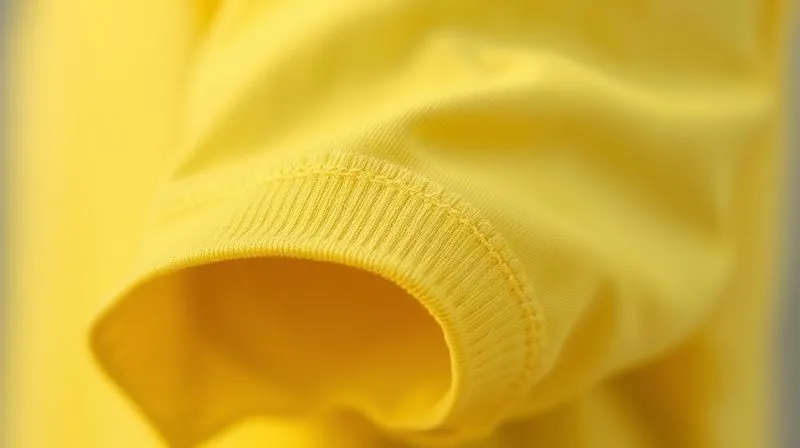
Just like a scratchy tag, a poorly constructed seam can cause significant irritation. Traditional overlock seams, while durable, can create a raised ridge of fabric that constantly rubs against the skin. For children with tactile defensiveness, this can be just as problematic as a tag.
- Flatlock Seams: Look for garments with 'flatlock' seams. These seams are designed to lie completely flat against the skin, minimizing bulk and friction. They are often found in athletic wear and high-quality children's clothing.
- Covered Elastic: Waistbands with exposed elastic can pinch and irritate the skin. Opt for garments where the elastic is fully encased in fabric, providing a smooth, soft contact point. Drawstrings are also a great alternative to tight elastic.
Fabric Weight and Breathability
Another often overlooked factor is the weight and breathability of the fabric. A child who feels too hot or too constrained can quickly become agitated, even if the fabric itself is soft. Heavy, non-breathable fabrics can lead to overheating and a clammy feeling, which is another form of sensory overload.
- Layering: Instead of one heavy garment, consider layering lighter, breathable pieces that can be easily added or removed as the child's temperature changes or as they transition between environments.
- Natural Fibers: As mentioned, natural fibers like cotton, bamboo, and modal are excellent for breathability, allowing air circulation and wicking away moisture.
Empowering Your Child: Involving Them in Clothing Choices
As an expert, I believe one of the most powerful strategies in preventing sensory overload from uncomfortable kids' clothing tags, and indeed any clothing-related discomfort, is to empower your child. Involving them in the selection process not only builds their autonomy but also ensures their comfort needs are met directly. After all, they are the ultimate arbiters of what feels good.
- The "Feel Test": Before purchasing, have your child perform a 'feel test.' Let them touch the fabric, try on the garment (if possible), and pay close attention to their reactions. Ask specific questions: "Does this feel soft? Does anything scratch?"
- Understanding Their Preferences: Over time, you'll start to notice patterns in what your child prefers. Do they consistently lean towards stretchy fabrics? Do they dislike anything tight around the neck or wrists? Keep a mental (or even physical) note of these preferences to guide future purchases.
- Creating a "Sensory-Safe" Wardrobe Section: Designate a part of their closet or drawer for clothes that have been vetted and approved for comfort. On days when sensory sensitivities are particularly high, your child can easily choose from these 'safe' options without added stress.
- Educate and Explain: For older children, explain why certain clothes might feel uncomfortable and the steps you're taking to help. This open communication validates their feelings and makes them a partner in finding solutions.
This collaborative approach not only addresses the immediate problem of uncomfortable tags and clothing but also fosters a sense of trust and understanding between you and your child, which is invaluable.
When to Seek Professional Guidance: Understanding Deeper Sensory Needs
While the strategies I've outlined for preventing sensory overload from uncomfortable kids' clothing tags are highly effective for many children, it's important to recognize when the issue might be part of a broader sensory challenge that could benefit from professional support. In my experience, if clothing discomfort is just one piece of a larger puzzle of sensory sensitivities, it might be time to consult an expert.
Consider seeking professional guidance if:
- Your child's reaction to clothing tags or other textures is extremely intense, disproportionate, and interferes significantly with daily activities (e.g., refusing to go to school, constant meltdowns).
- They exhibit sensitivities across multiple sensory domains, such as strong reactions to certain sounds, lights, smells, or movements.
- Their motor skills, coordination, or balance seem atypical.
- These challenges persist despite consistent efforts to modify their environment and clothing choices.
An Occupational Therapist (OT) specializing in sensory integration can provide a comprehensive assessment and develop a tailored intervention plan. They can help your child develop better strategies for processing sensory input and improve their ability to participate in daily life more comfortably. This is not about 'fixing' your child, but about providing them with tools and support to navigate a world that can often feel overwhelming to their unique sensory system. For more information on sensory processing and how occupational therapy can help, I highly recommend exploring resources from reputable organizations like the American Occupational Therapy Association (AOTA).
Frequently Asked Questions (FAQ)
Question: Are all kids sensitive to clothing tags, or is it just some? No, not all kids are sensitive to clothing tags. While many children might express mild annoyance, a significant, distressing reaction is typically seen in children with heightened tactile sensitivities, often associated with Sensory Processing Disorder (SPD). It's a genuine neurological difference, not just pickiness.
Question: Can I just cut the tag off any garment without worrying about damage? While you can often cut off tags, it's crucial to do so carefully. As I outlined earlier, using small, sharp scissors or a seam ripper and only cutting the threads attaching the tag, not the garment's main seam, is key. Improper cutting can lead to unraveling seams or leave a sharp, scratchy stub that's even worse than the original tag.
Question: What if my child is sensitive to seams, not just tags? This is a very common extension of tactile sensitivity. In such cases, look for garments with flatlock seams, which lie flat against the skin, or clothing designed with minimal seams. Brands specializing in sensory-friendly clothing often prioritize seamless or flatlock designs. Also, consider turning clothes inside out, as this can sometimes alleviate seam irritation.
Question: How do I talk to grandparents or gift-givers about this so they understand? Approach it with education and empathy, rather than criticism. Explain that your child has specific sensory needs and certain textures or tags cause genuine discomfort. You can provide a list of preferred brands, fabrics (like organic cotton or bamboo), or specify 'tagless' clothing. You might also suggest gift cards so you can choose appropriate items, or gently offer to remove tags from gifted items yourself.
Question: Are sensory-friendly clothes always more expensive? Not necessarily, though some specialized brands might be. Many mainstream brands now offer tagless options or use softer fabrics. By focusing on materials like organic cotton or bamboo, and prioritizing flatlock seams, you can find comfortable options at various price points. It's about being an informed consumer and knowing what to look for, rather than just buying from specific 'sensory' labels.
Key Takeaways and Final Thoughts
Navigating the world of children's clothing when faced with sensory sensitivities can feel like a daunting task, but as an industry veteran, I can assure you that practical, effective solutions exist. Preventing sensory overload from uncomfortable kids' clothing tags is not about catering to a whim; it's about fostering comfort, reducing daily stress, and supporting your child's well-being.
- Understand the 'Why': Recognize that tag sensitivity is often a genuine sensory processing difference, not just fussiness.
- Master Tag Removal: Learn the precise techniques to safely remove sewn-in tags without damaging garments.
- Prioritize Fabric Choices: Opt for soft, breathable, natural fibers like organic cotton, bamboo, and modal, and avoid rough synthetics.
- Embrace Tagless Designs: Actively seek out garments with printed or heat-transfer labels to eliminate the problem entirely.
- Look Beyond Tags: Consider seams (flatlock is best), covered elastic, and appropriate fabric weight for holistic comfort.
- Empower Your Child: Involve them in clothing selection through 'feel tests' and respecting their preferences.
- Know When to Seek Help: Don't hesitate to consult an Occupational Therapist if sensory challenges are widespread and significantly impact daily life.
By implementing these strategies, you're not just solving a clothing problem; you're creating a more comfortable, predictable, and joyful environment for your child. It's an investment in their happiness and a testament to your understanding of their unique needs. Remember, a child who feels comfortable in their own clothes is a child better equipped to learn, play, and thrive. Keep exploring and advocating for comfort in kids' fashion, as the industry continues to evolve to meet these vital needs. You can stay updated on the latest trends and innovations in children's wear by following reputable sources like Kids Fashion Magazine, or even industry reports from organizations like Statista on the apparel market.
Recommended Reading
- Elevate Your Presence: 7 Flattering Styles for Boardroom Confidence
- 7 Proven Strategies: Differentiating Luxury Fitness Fashion in a Crowded Market
- Unlock the Secrets: How to Create Dramatic Fashion Photography Lighting Outdoors?
- 7 Steps to Sustainable Sourcing for Performance Activewear: A Complete Guide
- Victorian Dress Patterns: Your Ultimate Guide to Sewing History




Your email address will not be published. Required fields are marked *