

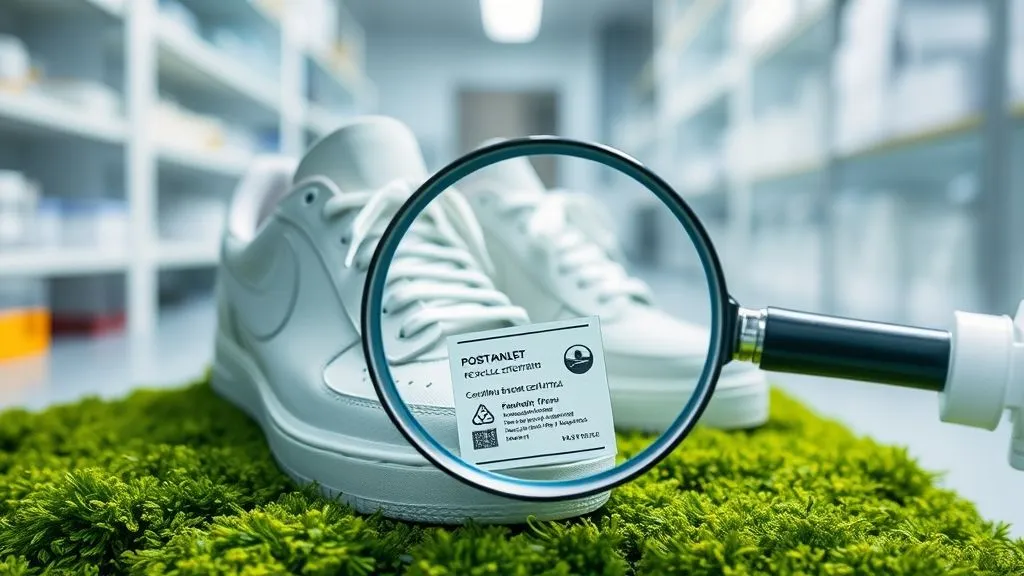
How to Avoid Greenwashing Accusations in Sustainable Footwear Marketing?
For over 15 years in the footwear industry, I've had a front-row seat to the evolution of sustainability. What started as a niche concern has blossomed into a core consumer demand, transforming how we design, produce, and market shoes. Yet, with this growth comes a significant pitfall: the insidious threat of greenwashing. I've witnessed countless brands, with good intentions or otherwise, stumble into this trap, eroding trust and damaging their reputation.
The problem is stark: consumers are increasingly skeptical. They demand authenticity, and a single misstep in your sustainability claims can lead to a cascade of negative publicity, regulatory fines, and a permanent stain on your brand's integrity. The journey towards genuine sustainability is complex, but the marketing of it needn't be a minefield of misrepresentation. It's not enough to simply be sustainable; you must also prove it, transparently and unequivocally.
In this definitive guide, I will share the strategies I've honed over years of experience, offering you a robust framework to navigate the complexities of sustainable footwear marketing. We'll delve into actionable steps, real-world analogies, and expert insights to ensure your brand's green message resonates with trust, not skepticism. My aim is to equip you with the knowledge to not just avoid greenwashing accusations but to build a truly credible and celebrated sustainable footwear brand.
The Peril of Performative Greenness: Understanding Greenwashing's Impact
Greenwashing, at its core, is the act of misleading consumers regarding the environmental practices of a company or the environmental benefits of a product or service. In the footwear sector, where supply chains are often intricate and materials diverse, the temptation to simplify or exaggerate sustainability efforts can be strong. However, the consequences of succumbing to this temptation are severe and far-reaching.
Firstly, it shatters consumer trust. Today's consumers are savvy; they have access to information and are quick to call out brands that make unsubstantiated claims. Once trust is lost, it's incredibly difficult to regain. A reputation built on years of hard work can be dismantled in moments by a single greenwashing accusation.
Secondly, regulatory bodies are tightening their grip. Countries worldwide are introducing stricter guidelines and penalties for misleading environmental claims. The UK's Green Claims Code, the EU's proposed 'Green Claims Directive,' and similar initiatives in the US signal a future where vague 'eco-friendly' labels without substantiation will simply not pass muster. Brands face hefty fines and legal battles, diverting resources from genuine sustainability efforts.
"In the realm of sustainable marketing, trust is the only currency that truly matters. Without it, even the most innovative eco-friendly product will fail to connect with its audience."
Lastly, greenwashing undermines the entire sustainable movement. When brands make false claims, it breeds cynicism, making it harder for truly sustainable companies to differentiate themselves and gain traction. This is why learning how to avoid greenwashing accusations in sustainable footwear marketing is not just good business practice, it's a responsibility to the planet and the industry.
Strategy 1: Embrace Radical Transparency Across the Supply Chain
From Raw Material to Retail Shelf: Unveiling Your Footprint
One of the most potent antidotes to greenwashing is radical transparency. This isn't just about disclosing a few facts; it's about opening up your entire value chain for scrutiny. Consumers want to know where their shoes come from, how they are made, and the true environmental and social impact of their purchase. In my experience, brands that embrace this level of openness build an unshakeable bond of trust with their audience.
What does radical transparency look like for sustainable footwear?
- Raw Material Sourcing: Clearly state the origin of your materials (e.g., organic cotton from specific farms in India, recycled PET from ocean plastics collected in Southeast Asia).
- Manufacturing Processes: Detail your production facilities, energy sources (e.g., 100% renewable energy), water usage, and waste management practices.
- Certifications and Audits: Provide evidence of third-party certifications for materials, factories, and social compliance.
- Logistics and Distribution: Share information on how products are transported and efforts to minimize carbon footprint.
- End-of-Life Solutions: Explain any take-back programs, repair services, or circularity initiatives.
Here are actionable steps to implement radical transparency:
- Map Your Entire Supply Chain: Go beyond Tier 1 suppliers. Understand every step from raw material extraction to final product delivery.
- Identify Key Impact Points: Pinpoint where the greatest environmental and social impacts occur in your chain.
- Gather Verifiable Data: Collect data on energy consumption, water usage, waste generation, emissions, and labor practices at each stage.
- Communicate Openly and Accessibly: Present this information on your website, product pages, or even QR codes on packaging. Use clear, simple language.

Strategy 2: Substantiate Every Claim with Verifiable Data and Certifications
The "Show, Don't Just Tell" Principle
Empty claims are the bedrock of greenwashing. To effectively learn how to avoid greenwashing accusations in sustainable footwear marketing, you must arm yourself with irrefutable evidence for every environmental or social claim you make. This means moving beyond vague assertions and providing concrete data and independent verification.
I always advise brands to think like a scientist: hypothesis (claim) needs proof (data). If you claim your shoes are 'carbon neutral,' you need to show the lifecycle assessment (LCA) data that quantifies emissions and the offsets purchased. If you say a material is 'recycled,' you need to provide a chain-of-custody certificate from a recognized body.
Key types of evidence include:
- Lifecycle Assessments (LCAs): These comprehensive studies quantify the environmental impacts of a product throughout its entire life cycle, from raw material extraction to disposal.
- Third-Party Audits: Independent auditors can verify environmental management systems, social compliance, and specific sustainability claims.
- Recognized Certifications: Certifications from reputable bodies provide external validation. Examples include Global Organic Textile Standard (GOTS) for organic materials, B Corp Certification for overall social and environmental performance, and the Leather Working Group (LWG) for sustainable leather production.
As Harvard Business Review emphasizes, consumers are increasingly looking for credible, third-party validation. These certifications are not just badges; they represent adherence to stringent standards and ongoing commitment.
| Certification Body | Focus Area | Key Benefit | Complexity Level |
|---|---|---|---|
| Global Organic Textile Standard (GOTS) | Organic fibers, ethical processing | Holistic textile standard, covers social criteria | High |
| B Corp Certification | Overall social & environmental performance | Comprehensive, covers governance, workers, community, environment | Very High |
| Leather Working Group (LWG) | Environmental performance of leather manufacturers | Promotes sustainable leather production | Medium |
| Cradle to Cradle Certified | Product circularity, material health | Assesses product safety, circularity, and ethical production | High |
Strategy 3: Be Specific and Avoid Vague, Broad Statements
Precision Over Platitudes
One of the most common greenwashing traps is the use of vague, feel-good language that lacks specific meaning. Terms like 'eco-friendly,' 'natural,' 'green,' or 'sustainable' without further qualification are red flags. While these words evoke positive emotions, they convey no verifiable information and can easily mislead.
I've seen brands claim 'sustainable materials' when only a small component of the shoe is recycled, or 'environmentally conscious' without any explanation of what that actually entails. This ambiguity is precisely what regulators and wary consumers are targeting.
Instead, aim for precision. Replace generic terms with concrete, measurable facts:
- Instead of 'eco-friendly shoe,' say 'shoe made with 70% recycled PET upper and a natural rubber sole.'
- Instead of 'sustainable manufacturing,' say 'our factory is powered by 100% renewable energy and reclaims 90% of its process water.'
- Instead of 'natural ingredients,' specify 'plant-based dyes derived from indigo and madder root.'
"Specificity is the currency of credibility in sustainable marketing. If you can't quantify it or verify it, don't claim it."
This level of detail not only avoids accusations of greenwashing but also educates your consumer, allowing them to make truly informed choices. It demonstrates that you understand your product's impact intimately and are committed to transparent communication.
Strategy 4: Highlight Progress, Not Perfection – The Journey of Sustainability
Authenticity in Acknowledging Challenges
No brand, especially in complex industries like footwear, is 100% sustainable from day one. The pursuit of sustainability is an ongoing journey, fraught with challenges and continuous improvement. Attempting to present a perfect image can often backfire, as it feels disingenuous and unrealistic to discerning consumers.
My advice is always to highlight your progress, acknowledge your challenges, and communicate your future goals. This approach fosters a sense of authenticity and builds trust because it's relatable. Consumers appreciate honesty and the effort behind incremental improvements.
For example, you might not have a fully circular product yet, but you can talk about your pilot take-back program, your research into bio-based materials, or your phased approach to reducing water consumption. This shows commitment and a clear roadmap, rather than a misleading declaration of instant eco-perfection.
Case Study: How EcoStride Footwear Built Trust Through Transparency
EcoStride, a fictional mid-sized footwear brand, initially struggled with greenwashing accusations after a campaign that broadly claimed 'sustainable shoes.' Their mistake was a lack of specific data and an overemphasis on 'natural' materials, when only a fraction of their product was truly innovative in its sustainability.
After a strategic pivot, guided by principles similar to those I'm outlining, EcoStride changed its approach. They launched a 'Sustainability Journey' microsite, detailing their current environmental footprint, their ambitious goals for 2025 (e.g., 80% recycled content by weight, 50% reduction in water usage per pair), and openly discussed the challenges they faced in areas like biodegradable glues. They showcased their R&D efforts and invited customer feedback on their progress.
This transparent, forward-looking narrative resonated deeply. Their sales grew by 25% in the following year, and customer loyalty significantly increased, proving that honesty about the journey is more powerful than a false claim of arrival.
Strategy 5: Educate Your Consumers, Don't Just Market To Them
Empowering Informed Choices
Effective sustainable marketing isn't just about selling; it's about educating. Many consumers are genuinely interested in making more sustainable choices but lack the knowledge to decipher complex environmental claims or understand the true impact of their purchases. This is where your brand can step in as a trusted educator.
I've found that brands that invest in educating their audience not only build stronger relationships but also empower consumers to become advocates. When you help someone understand the 'why' behind sustainable practices, you move beyond a transactional relationship to a values-aligned partnership.
Consider these educational approaches:
- Explain Complex Terms Simply: Break down concepts like 'carbon footprint,' 'lifecycle assessment,' or 'circular economy' into easy-to-understand language.
- Show the Impact: Use visuals and relatable analogies to demonstrate the positive impact of your sustainable practices (e.g., 'every pair saves X plastic bottles from landfills').
- Provide Resources: Link to external articles, studies, or videos that offer further insights into sustainable footwear or broader environmental issues.
- Highlight the Benefits: Clearly articulate how sustainable choices benefit not just the planet, but also the consumer (e.g., durability, comfort, ethical production).
By transforming your marketing into an educational platform, you not only avoid greenwashing accusations but also foster a more informed and engaged community. This approach is championed by marketing thought leaders like Seth Godin, who often speaks about the power of teaching and giving value.

Strategy 6: Engage Third-Party Auditors and Collaborators
The Power of External Validation
While internal transparency is crucial, external validation adds an unparalleled layer of credibility. Engaging third-party auditors, consultants, or collaborating with non-governmental organizations (NGOs) can significantly bolster your claims and help you learn how to avoid greenwashing accusations in sustainable footwear marketing.
Independent verification serves multiple purposes:
- Objectivity: External parties offer an unbiased assessment of your claims and practices, identifying potential blind spots or areas for improvement that internal teams might overlook.
- Credibility: A report or certification from a respected third-party organization carries immense weight with consumers, regulators, and investors.
- Expertise: Many sustainability consultants and NGOs possess specialized knowledge in areas like lifecycle assessment, ethical sourcing, or environmental impact reduction, which can be invaluable.
I've seen brands transform their sustainability narrative by partnering with organizations like the Fair Labor Association for social audits or engaging specialized ESG (Environmental, Social, and Governance) consulting firms to conduct comprehensive impact assessments. These collaborations don't just validate your current efforts; they often provide strategic guidance for future improvements.
Consider:
- Hiring an independent firm to conduct an LCA on your flagship product.
- Inviting an NGO to audit your supply chain for social and environmental compliance.
- Partnering with academic institutions for research into new sustainable materials or manufacturing processes.
Strategy 7: Align Internal Practices with External Messaging
Walking the Talk from Within
The most authentic sustainable footwear marketing stems from a deeply embedded commitment within your organization. If your external messaging about sustainability isn't genuinely reflected in your internal operations, company culture, and employee values, it's merely a facade. This misalignment is a fertile ground for greenwashing accusations, as employees often become the first and most credible whistleblowers.
In my career, I've learned that true sustainability starts from the top and permeates every level of the company. It's not just a marketing initiative; it's a fundamental business philosophy.
How to ensure internal alignment:
- Leadership Commitment: Senior management must genuinely champion sustainability, integrating it into the company's core strategy and decision-making processes.
- Employee Training and Engagement: Educate all employees, from design to sales, about your sustainability goals, practices, and the significance of their role in achieving them. Encourage them to be ambassadors.
- Internal Policies: Implement policies that reflect your sustainability values – from waste reduction in offices to ethical procurement for all business operations.
- Performance Metrics: Incorporate sustainability metrics into performance reviews and departmental goals, demonstrating that it's a valued aspect of the business.
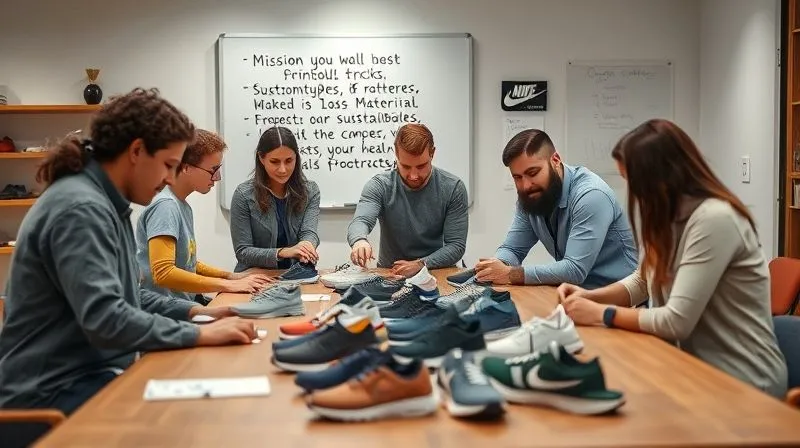
When your entire team understands and believes in your sustainability mission, your marketing messages will naturally carry more authenticity and conviction. This intrinsic commitment is a powerful shield against greenwashing because your claims are reinforced by genuine actions and a shared organizational purpose. It's about building a culture where sustainability is just 'how we do things here.'
| Claim Type | Checklist Item | Verification Method |
|---|---|---|
| Material Sourcing | Is the origin of recycled/organic materials specified? | Supplier invoices, chain of custody certs |
| Manufacturing Process | Are energy/water reductions quantifiable? | Utility bills, audit reports, LCA data |
| Product Attributes | Are 'eco-friendly' terms backed by specific data? | LCA, third-party testing, material composition reports |
| End-of-Life | Is recyclability/biodegradability clearly defined and proven? | Lab tests, industry standards, take-back program data |
| Social Impact | Are ethical labor practices verifiable? | Fair Trade certs, social audits, worker interviews |
Frequently Asked Questions (FAQ)
Q: What's the biggest mistake brands make in sustainable footwear marketing? The single biggest mistake I've observed is making broad, unsubstantiated claims without verifiable data. Brands often prioritize sounding 'green' over actually proving their green credentials. This lack of specificity and evidence is a direct invitation for greenwashing accusations, as it signals either ignorance or deliberate misdirection. Always remember to 'show, don't just tell.'
Q: How can small brands compete without large budgets for certifications? Small brands can absolutely compete. While comprehensive certifications are valuable, they're not the only path. Focus on radical transparency about your supply chain, even if it's small. Detail your material sourcing, manufacturing partners, and any local initiatives. Prioritize one or two key areas of sustainability where you can excel and provide robust evidence. Engage with your community, tell your authentic story, and be honest about your journey. Often, the authenticity of a smaller brand can be a powerful differentiator.
Q: Is it better to be 100% sustainable or transparent about progress? Transparency about progress is almost always better than a false claim of 100% sustainability. No brand is perfectly sustainable, especially in complex manufacturing. Consumers appreciate honesty and the continuous effort to improve. Being open about your challenges and future goals builds genuine trust, whereas claiming perfection when it's unattainable comes across as disingenuous and invites skepticism.
Q: How do evolving regulations impact green marketing? Evolving regulations, like the EU's Green Claims Directive, are making it mandatory for brands to substantiate environmental claims with verifiable data. This means vague terms will become legally risky. Brands must proactively audit their claims, invest in LCAs, and ensure robust data collection. It shifts the burden of proof firmly onto the brand, making strategies like radical transparency and third-party verification more critical than ever to avoid legal repercussions and consumer backlash.
Q: What role does storytelling play in authentic sustainable marketing? Storytelling is paramount. It humanizes your sustainability efforts, making complex information digestible and emotionally resonant. Instead of just stating 'recycled materials,' tell the story of where those materials came from, the people involved in their transformation, and the positive impact on communities or the environment. Authentic storytelling, backed by facts, creates a deeper connection with consumers, making them feel part of your brand's mission rather than just a customer.
Key Takeaways and Final Thoughts
Navigating the landscape of sustainable footwear marketing demands more than just good intentions; it requires strategic foresight, unwavering honesty, and a commitment to verifiable action. The era of vague 'green' claims is rapidly fading, replaced by a demand for precision, transparency, and accountability. Learning how to avoid greenwashing accusations in sustainable footwear marketing isn't a defensive posture; it's an opportunity to build a stronger, more trusted brand.
- Embrace Radical Transparency: Open up your supply chain and share verifiable data on your environmental and social impacts.
- Substantiate Every Claim: Back all your assertions with concrete evidence, such as LCAs, third-party audits, and recognized certifications.
- Be Specific: Replace generic 'green' language with precise, quantifiable facts about your materials, processes, and impacts.
- Communicate Progress, Not Perfection: Be honest about your sustainability journey, acknowledging challenges and outlining future goals.
- Educate Your Consumers: Empower your audience with knowledge, turning them into informed advocates for your brand.
- Seek External Validation: Leverage third-party auditors and collaborators to add an objective layer of credibility to your efforts.
- Align Internal with External: Ensure your company culture and internal practices genuinely reflect your external sustainability messaging.
As an industry veteran, I've seen the power of genuine commitment. Brands that truly walk the talk, that invest in authentic sustainability and communicate it with integrity, are the ones that will thrive in this evolving market. It's a challenging path, but it's also the most rewarding. By adopting these strategies, you're not just avoiding accusations; you're building a legacy of trust, innovation, and positive impact. Your brand's future, and the planet's, depends on it.
Recommended Reading
- Slash Sampling Costs: 7 Ways 3D Fashion Design Software Delivers ROI
- 7 Proven Strategies: Slash Sport Eyewear Returns by 30%+
- Luxury PR: 7 Digital Shifts for Declining High Fashion Print Media
- 7 Essential Steps: Verify Self-Cleaning Fabric for New Apparel Effectively
- 7 Design Secrets: How Eyewear Frames Become Cultural Icons





Your email address will not be published. Required fields are marked *