

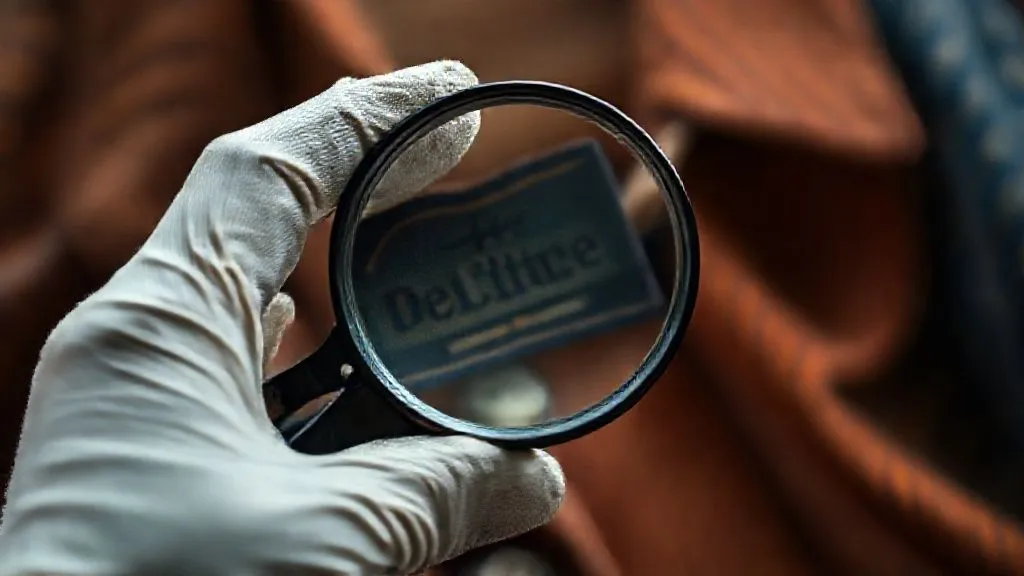
How to authenticate 1970s designer vintage against fakes?
For over two decades in the vintage fashion world, I've witnessed countless enthusiasts fall prey to cleverly crafted fakes. The thrill of finding a rare Halston caftan or a pristine Yves Saint Laurent Rive Gauche suit from the 1970s is unparalleled, but that excitement can quickly turn to bitter disappointment when the item proves to be a well-executed counterfeit.
The problem isn't just about losing money; it's about the erosion of trust in a market built on passion and historical appreciation. As the demand for authentic 1970s designer vintage continues to soar, so too does the sophistication of those looking to profit from deception, making the authentication process more critical and challenging than ever before.
In this definitive guide, I will share my accumulated knowledge and proven frameworks to equip you with the expertise needed to confidently authenticate 1970s designer vintage against fakes. We'll delve into actionable steps, real-world case studies, and expert insights that will transform you from a hopeful buyer into a discerning connoisseur, protecting your investments and preserving the integrity of your collection.
The Rising Tide of Fakes: Why Authentication Matters More Than Ever
The allure of 1970s fashion is undeniable: its bold silhouettes, rich textures, and revolutionary spirit continue to inspire contemporary designers and captivate collectors. From the disco glamour of Halston to the bohemian chic of Ossie Clark, these pieces represent a pivotal era in fashion history. This high demand, however, has unfortunately created a fertile ground for counterfeiting.
Today's fakes are no longer crude imitations. Many are produced with alarming precision, employing advanced manufacturing techniques and even vintage-look materials to deceive. The financial stakes are significant; a genuine 1970s designer piece can fetch thousands, while a convincing fake is essentially worthless, often leading to not just financial loss but also a deep sense of betrayal for the buyer.
My goal here is to empower you with the knowledge to navigate this treacherous landscape. Understanding the nuances of authentic vintage isn't just a skill; it's an essential defense against the pervasive problem of counterfeits that threaten to dilute the very essence of vintage collecting.
Deciphering the Labels: The First Line of Defense
The label is often the first point of contact and, for many, the primary indicator of authenticity. However, it's also the easiest element to fake. True authentication goes beyond merely seeing a designer's name; it involves a meticulous examination of the label's characteristics, materials, and attachment.
Brand-Specific Signatures
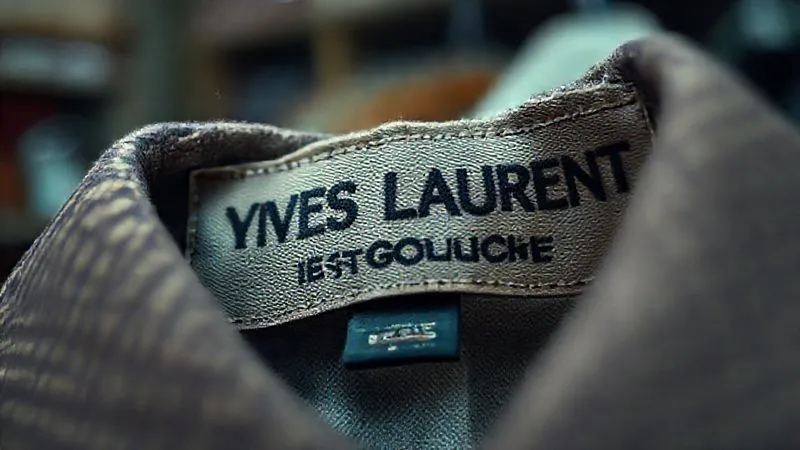
Every major designer from the 1970s had specific label designs that evolved over time. For instance, early 70s Yves Saint Laurent Rive Gauche labels often featured a distinct font and fabric composition compared to later in the decade. Halston labels were typically minimalist, often a simple white or black silk with sans-serif lettering. I've seen countless fakes that use an incorrect font, an outdated logo, or even a completely wrong label material.
Research is paramount here. Consult reputable vintage fashion archives, auction house records, and established dealer inventories. Compare the label on your prospective purchase to verified authentic examples. Pay attention to:
- Font and Typography: Does it match known authentic examples for the specific era?
- Material: Is the label woven silk, printed cotton, or something else? Is the quality consistent with the designer's usual standards?
- Stitching: How is the label attached? Is it machine-stitched precisely, or are there irregularities that suggest hand-stitching where it shouldn't be, or vice-versa?
- Location: Where is the label placed within the garment? Designers often had consistent placement rules.
A crucial aspect is understanding that designers sometimes had different lines (e.g., ready-to-wear vs. couture), each with its own distinct labeling. Misinterpreting these can lead to false positives or negatives. Always verify the specific line for the 1970s period.
Material & Composition Clues on Care Labels
While designer labels are key, don't overlook care and content labels. In the 1970s, fabric blends were becoming popular, but natural fibers like silk, wool, and cotton remained prevalent for high-end designers. Fakes might list incorrect compositions or use modern fabric names not common in the 70s.
- Fabric Content: Does the listed composition align with what was available and commonly used by that designer in the 1970s?
- Care Instructions: Are the washing symbols or text instructions consistent with 1970s textile care practices? Early 70s labels might still use more text-based instructions rather than universal symbols.
- Country of Origin: While some designers produced internationally, many had specific manufacturing hubs. Verify if the country of origin listed matches the designer's known production locations for that era.
Textile & Construction: The Unsung Heroes of Authenticity
Beyond the label, the very fabric and how a garment is put together are often the most reliable indicators of authenticity. This is where the true craftsmanship of a 1970s designer piece shines through, and where fakes often falter.
The Feel of True Vintage Fabrics
Original 1970s designer garments were crafted from high-quality materials. Think luxurious silks, fine wools, substantial cottons, and early synthetics like Qiana nylon or polyester in their more refined forms. Modern reproductions often use cheaper, less substantial versions of these fabrics. When you handle an authentic piece, you'll notice:
- Drape and Hand: Genuine vintage fabrics often have a superior drape and feel (the 'hand') compared to modern counterparts. Silks feel fluid, wools are soft yet structured, and even polyesters of the era had a certain weight and sheen that's difficult to replicate cheaply.
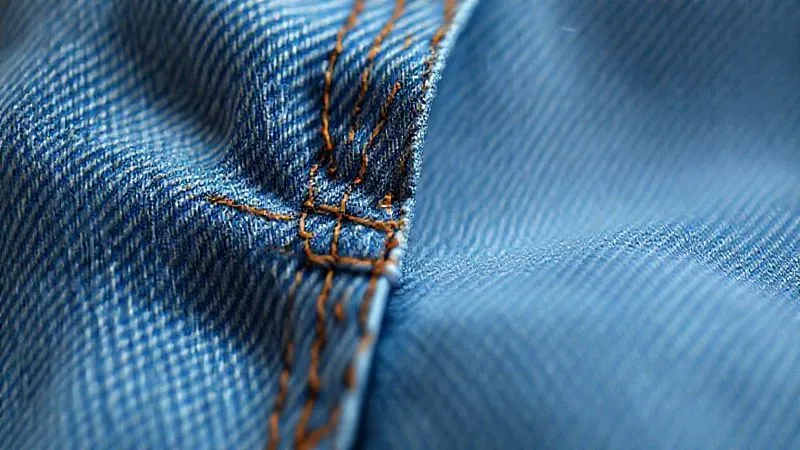
- Weave Consistency: Examine the weave or knit closely. Is it even and consistent? High-end vintage fabrics show meticulous attention to detail in their construction.
- Aging Characteristics: True vintage fabrics, even if well-preserved, will show subtle signs of age – a slight softening, a unique patina. Fakes might look 'too new' or artificially aged in an unconvincing way.
Stitching Patterns and Seam Finishes
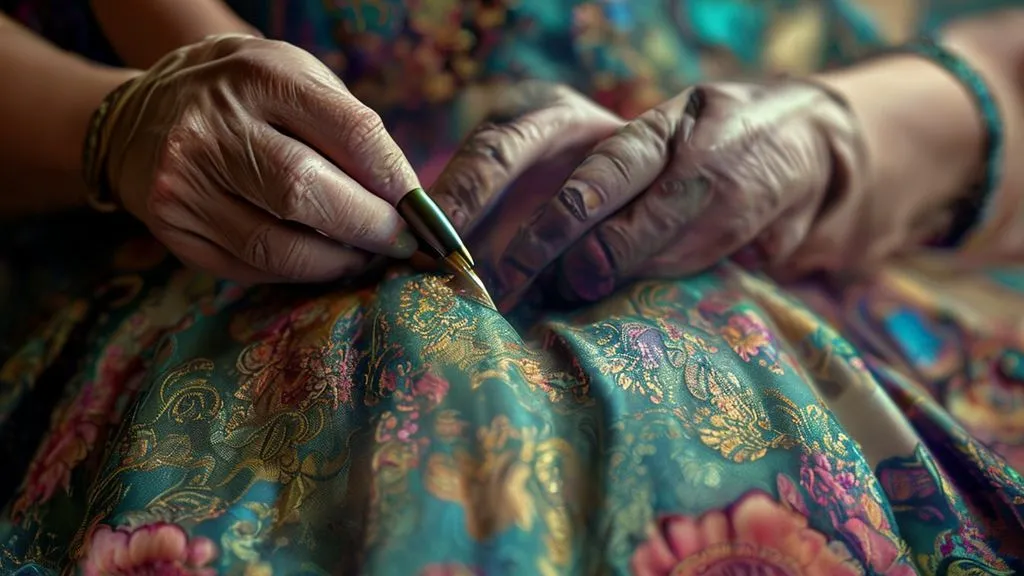
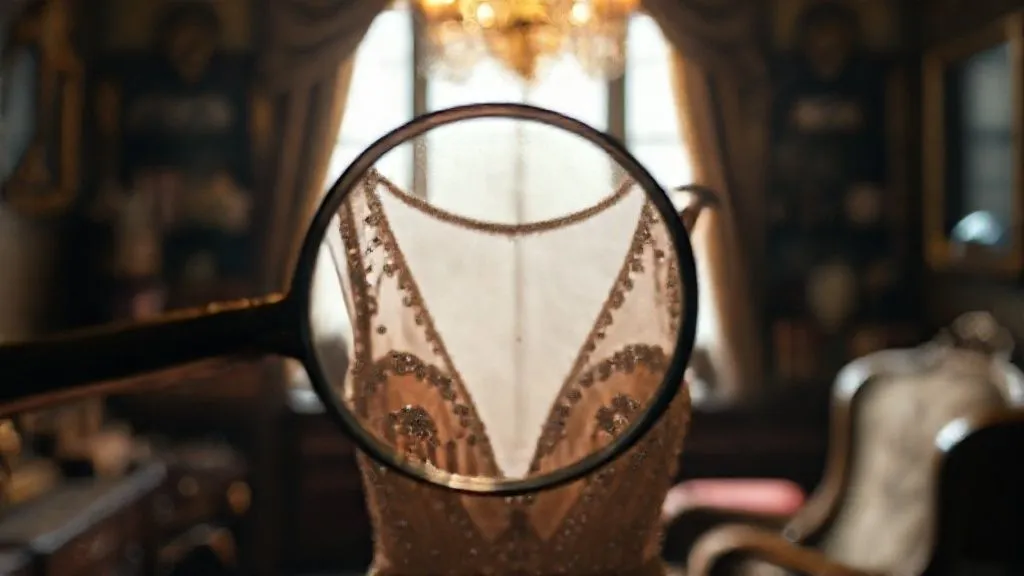
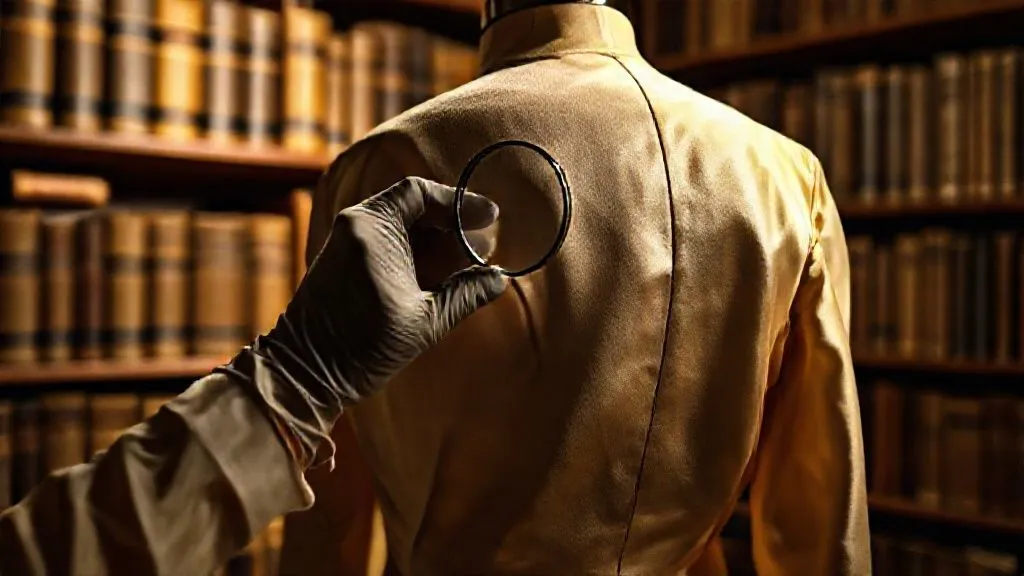
This is where an expert eye truly comes into play. Designer garments are known for their impeccable construction. I've personally spent countless hours examining seams under a loupe, comparing stitch counts and techniques.
- Stitch Density: High-end garments typically feature a higher stitch count per inch (SPI). This results in stronger, more durable seams and a finer finish. Fakes often have fewer, larger stitches.
- Seam Finishes: Look for professional seam finishes. French seams, bound seams, and clean overlocking were common in designer pieces. Raw edges, sloppy serging, or uneven topstitching are major red flags.
- Thread Quality: The thread used should be strong, consistent in color, and appropriate for the fabric weight. Cheap, flimsy, or discolored thread is a tell-tale sign of a fake.
- Lining: Is the lining of high quality, properly attached, and finished? Many 1970s designer garments feature luxurious linings that complement the outer fabric.
Hardware and Fastenings: Zippers, Buttons, and Snaps
Hardware is another critical area. Zippers, buttons, and snaps are often custom-made or sourced from specific high-quality manufacturers for designer brands. They are expensive to replicate accurately, making them a common failure point for fakes.
- Zippers: Look for brands like YKK, Talon, or Eclair, which were prevalent in the 1970s. Examine the pull tab, the teeth, and the stopper. Are there brand markings? Is the zipper action smooth or sticky?
- Buttons: Are they made of quality materials like mother-of-pearl, horn, or custom-dyed plastic? Are they securely attached? Many designers had custom-branded buttons.
- Snaps and Hooks & Eyes: These should be robust, functional, and consistent with the garment's quality.
In my experience, a genuine 1970s designer garment will almost always have period-appropriate, high-quality hardware. Any inconsistency here demands further scrutiny. Here’s a quick comparison table for common hardware indicators:
| Feature | Authentic 1970s Designer | Common Fake |
|---|---|---|
| Zipper Brand | Talon, Eclair, YKK (early) | Generic, unbranded, modern YKK |
| Button Material | Mother-of-pearl, horn, custom plastic/metal | Cheap plastic, inconsistent finish |
| Stitching Quality | High SPI, consistent, neat finishes | Low SPI, loose threads, raw edges |
| Fabric Hand | Luxurious, appropriate drape, substantial | Stiff, flimsy, unnatural feel |
Silhouettes and Design DNA: A Historical Perspective
Beyond the physical attributes, understanding the aesthetic language of the 1970s and a specific designer's signature style is paramount. Fakes often miss the subtle nuances of period design or blend elements from different eras, creating an anachronistic piece.
Iconic 1970s Silhouettes
The 1970s was a decade of diverse fashion trends, from the lingering bohemian influences of the late 60s to the emerging disco glam and tailored power dressing. Key silhouettes included:
- Maxi Dresses and Skirts: Flowing, often in vibrant prints.
- Wide-Leg Trousers and Bell Bottoms: A defining feature for both casual and formal wear.
- Wrap Dresses: Famously popularized by Diane von Fürstenberg.
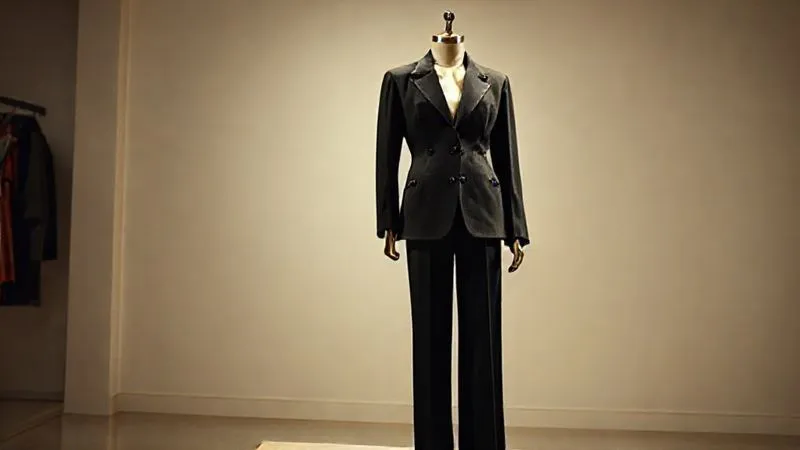
- Tailored Suits: Often with wider lapels, flared trousers, and a more relaxed fit than earlier decades.
- Caflans and Tunic Tops: Embracing comfort and exotic influences.
A fake might present a '70s-inspired' look that doesn't quite nail the precise proportions or fabric choices of the era. Authentic pieces feel inherently 'of their time' in their cut and flow.
Designer Signatures: The Yves Saint Laurent Rive Gauche Example
Each designer had a unique 'DNA' that permeated their collections. For Yves Saint Laurent's Rive Gauche line in the 1970s, this meant a blend of bohemian romanticism, sophisticated tailoring, and a pioneering approach to ready-to-wear luxury. You'd expect:
- Color Palettes: Often rich, earthy tones, vibrant jewel tones, or bold prints.
- Fabric Choices: Luxurious silks, fine wools, high-quality cottons, and innovative synthetics used with discretion.
- Construction: Impeccable tailoring, often with a subtle ease that belied the complexity of the cut.
- Details: Thoughtful buttons, unique closures, and often an underlying sense of effortless chic.
A fake YSL Rive Gauche piece might have a generic 70s look, but it would lack the specific drape, the precise cut of a lapel, or the particular blend of sophistication and liberation that defined Saint Laurent's work during that decade. It's about recognizing the designer's hand, almost like identifying an artist's brushstrokes.
Provenance and Paper Trails: The Story Behind the Garment
While not always available, a garment's history can be a powerful authentication tool. The story behind a piece, known as its provenance, adds layers of credibility and often significantly increases its value.
The Value of Documentation
Original receipts, sales tags, or even old magazine clippings featuring the garment can provide undeniable proof of authenticity. While rare, encountering such documentation is like hitting a jackpot. Even a photograph of a previous owner wearing the item can offer valuable clues, especially if they were known to frequent specific boutiques or designers.
I always advise my clients: if a seller can provide any form of verifiable provenance, treat it as a significant bonus. However, always exercise caution; documentation can also be faked, so cross-reference any information meticulously. Look for consistency in dates, styles, and seller information. For example, a receipt from a Parisian boutique dated 1975 for a Halston piece might raise an eyebrow, as Halston was primarily a New York-based designer.
When to Seek Professional Appraisal
For high-value or particularly complex pieces, seeking a professional appraisal from a recognized vintage fashion expert or an auction house specialist is a wise investment. These experts possess a depth of knowledge that goes beyond general guidelines, often having access to private archives, extensive reference libraries, and years of hands-on experience with specific designers and eras. Their trained eye can spot subtleties that even an informed enthusiast might miss.
"Investing in an appraisal isn't just about verifying authenticity; it's about gaining peace of mind and protecting a potentially significant investment," advises a leading vintage fashion appraiser I know. This is particularly true for rare couture pieces or items from designers whose work is heavily counterfeited.
For more insights into valuing vintage fashion, consider resources from institutions like the Victoria and Albert Museum, which houses extensive fashion archives and frequently publishes on the subject.
Common Red Flags and How to Avoid Costly Mistakes
Even with all the knowledge in the world, identifying fakes requires vigilance and a keen eye for inconsistencies. Over the years, I've compiled a list of common red flags that should immediately trigger your internal alarm bells.
Price Too Good to Be True
This is perhaps the oldest and most consistently true adage. If a 1970s Halston sequin gown is being offered at a price that seems unbelievably low for its perceived quality and designer, it almost certainly is. Authentic designer vintage carries a premium due to its rarity, historical significance, and craftsmanship. Be wary of deals that seem too good to pass up, especially from unknown sellers.
Inconsistent Quality
A genuine designer piece will exhibit consistent quality throughout. If the label looks perfect, but the stitching is sloppy, the fabric feels cheap, or the zipper is flimsy, these inconsistencies are glaring red flags. Counterfeiters often focus their efforts on the most obvious elements (like the label) and cut corners on less visible aspects. Always examine the entire garment, inside and out.
The "New" Vintage Look
While some vintage pieces are remarkably well-preserved, a garment that looks absolutely pristine, with no signs of age whatsoever, can sometimes be suspicious. This isn't to say mint condition vintage doesn't exist, but it's rare. Fakes might lack the subtle softening of fabric, the slight patina on hardware, or the characteristic smell of true vintage.
"The true mark of a master counterfeiter isn't just replication, but the ability to convincingly age a fake. However, they almost always miss a subtle detail only an expert would notice – often in the weave, the thread, or the very soul of the garment's construction."
Another red flag is a garment that smells distinctly of modern chemicals or dyes, rather than the faint, often pleasant, scent of aged fabric that true vintage acquires. Trust your senses, not just your sight.
Leveraging Digital Tools and Community Wisdom
In our interconnected world, the fight against fakes is not a solitary battle. There are incredible digital resources and communities that can provide invaluable support in your authentication journey.
Online Vintage Communities
Platforms like dedicated vintage fashion forums, Facebook groups, and Reddit communities (e.g., r/vintagefashion) are treasure troves of collective knowledge. Many experienced collectors and dealers are generous with their insights. You can often post clear photos of a questionable item and get feedback from multiple informed sources. Remember to always provide high-resolution images of labels, seams, fabric texture, and hardware to get the best advice.
While community advice is incredibly helpful, always cross-reference information. No single opinion should be taken as gospel, but a consensus among several experienced individuals often points you in the right direction when you're learning how to authenticate 1970s designer vintage against fakes.
Digital Archives and Catalogs
Many major fashion houses, museums, and academic institutions maintain extensive digital archives of their collections. These resources are indispensable for verifying period-specific details. For example, the Metropolitan Museum of Art's Costume Institute offers a searchable database with high-resolution images of authentic designer garments, complete with detailed descriptions and provenance. Similarly, online auction archives (like Sotheby's or Christie's) can provide visual examples of sold items, along with their verified descriptions.
Using these resources allows you to compare labels, construction techniques, fabric choices, and specific design elements against known authentic pieces, significantly bolstering your confidence in a potential purchase. It's like having a virtual expert on call, accessible 24/7.
Case Study: Unmasking a Counterfeit Halston Gown
A client recently approached me with what she believed was a rare 1970s Halston jersey gown, purchased online for a surprisingly low price. At first glance, the shimmering fabric and fluid drape seemed promising, but my initial inspection raised immediate red flags.
The label, while visually similar to known Halston examples, felt slightly off – the silk was too thin, and the embroidery of the name lacked the precise density I'd come to expect. More critically, the internal construction was sloppy. The side seams were hastily serged with visible loose threads, a stark contrast to Halston's typically immaculate finishes, which often featured French seams or meticulously bound edges.
Further examination revealed a modern YKK zipper, not the Talon or Eclair expected from the era. The jersey fabric, while having a good drape, lacked the specific weight and luxurious 'hand' of authentic Halston Qiana or silk jersey. I compared it to a verified Halston piece from my own collection, and the differences in weave and sheen were palpable. Ultimately, it was a convincing reproduction, but the cumulative inconsistencies in label quality, construction, hardware, and fabric composition revealed it as a fake.
Frequently Asked Questions (FAQ)
Q: Can a 1970s designer piece be authentic even if it has no label? A: While less common for designer pieces, it's possible. Labels can detach over time. In such cases, authentication relies heavily on construction techniques, fabric quality, design DNA, and provenance. It becomes a much more challenging task requiring deep expert knowledge of the designer's specific methods. I would advise extreme caution and a professional appraisal for high-value unlabeled items.
Q: How do I tell the difference between a high-quality reproduction and a genuine vintage piece? A: High-quality reproductions often excel in one or two areas (e.g., fabric or label mimicry) but usually fall short in others. The key is to look for consistency across all authentication points: label, fabric, stitching, hardware, and design. A genuine piece will have consistent excellence across all these elements, whereas a reproduction will almost always have a weak link, often in the internal construction or the 'hand' of the fabric.
Q: Are all vintage pieces with modern zippers fake? A: Not necessarily, but it's a significant red flag. Zippers can be replaced over a garment's lifespan due to damage. If a zipper is modern, look for signs of replacement (e.g., different stitching around the zipper area, different thread). If the rest of the garment is unequivocally authentic, a replaced zipper might be acceptable, but it should prompt a deeper investigation into all other authentication points.
Q: What are the most commonly faked 1970s designer brands? A: Brands that command high prices and have distinctive, recognizable styles are most often targeted. For the 1970s, this includes iconic names like Halston, Yves Saint Laurent Rive Gauche, Ossie Clark, and sometimes early pieces from designers like Diane von Fürstenberg. Always be extra cautious when encountering these brands, especially if the price seems unusually low.
Q: Should I trust a Certificate of Authenticity (COA) for 1970s vintage? A: COAs can be valuable, but their credibility depends entirely on the issuer. A COA from a reputable, established vintage dealer, auction house, or certified appraiser holds significant weight. A COA from an unknown online seller or a generic 'authentication service' without verifiable expertise should be viewed with skepticism, as these can also be easily faked or issued without proper due diligence. Always research the issuer's credentials.
Key Takeaways and Final Thoughts
Navigating the world of 1970s designer vintage requires a blend of passion, patience, and precise knowledge. The journey to confidently authenticate 1970s designer vintage against fakes is an ongoing learning process, but one that is incredibly rewarding.
- Become a Label Detective: Go beyond the name; scrutinize font, material, stitching, and placement.
- Feel the Fabric, Inspect the Stitches: Trust your tactile senses and examine construction details like seam finishes and stitch density.
- Understand Designer DNA: Learn the specific silhouettes, color palettes, and stylistic nuances of your target designers.
- Seek Provenance: While rare, documentation or a verifiable history adds immense credibility.
- Beware of Red Flags: If it's too good to be true, it probably is. Inconsistencies are your warning signs.
- Leverage Community & Archives: Utilize online forums and digital museum collections as powerful research tools.
Remember, every authentic vintage piece tells a story, not just through its design but through its very construction. By adopting a meticulous, multi-faceted approach to authentication, you not only protect your investments but also honor the legacy of incredible designers and the rich history of fashion. Happy hunting, and may your vintage finds always be genuine treasures!
Recommended Reading
- Unveiled: Why Haute Couture Heritage Techniques Are Vital for Fashion's Future
- Unlock the Future: Do Self-Cleaning Clothes Truly Eliminate Laundry?
- 7 Pillars: Authentically Reviving a Luxury Brand's Iconic Designer Legacy
- Unlock the Secrets: How to Care for Delicate Antique Pearl Jewelry
- 7 Proven Strategies: How to Market Inclusive Fashion Without Backlash

Your email address will not be published. Required fields are marked *