

How to Authentically Revive a Luxury Brand's Iconic Designer Legacy?
For over two decades in the luxury fashion realm, I've witnessed an intriguing paradox: the very heritage that defines a brand can, if mishandled, become a gilded cage. It's a delicate dance between reverence for the past and relevance for the future. I’ve seen countless brands attempt to 'revive' their legacy, only to fall prey to superficial updates, losing their soul in a sea of generic trends, or alienating the very loyalists who cherish their history.
The problem isn't a lack of desire to honor an iconic designer; it's often a profound misunderstanding of what 'authenticity' truly means in this context. Brands grapple with how to celebrate their foundational vision without becoming a museum piece, how to attract new generations without betraying their core identity, and how to innovate without diluting their unique DNA. This struggle can lead to a brand feeling adrift, losing its distinct voice in a crowded, competitive market.
This article isn't just a collection of theories; it's a framework born from years of navigating these complex waters. I'll share actionable strategies, illustrate with real-world analogies, and provide expert insights into not just reviving, but truly *re-igniting* a luxury brand's iconic designer legacy. You'll learn how to excavate, reinterpret, narrate, and sustain that legacy in a way that resonates deeply with today's discerning consumer, ensuring it thrives for generations to come.
Deconstructing the Designer's True Vision: The Brand DNA Archeology
Before any revival can begin, we must become archeologists, meticulously unearthing the core philosophy of the iconic designer. This isn't just about famous designs; it's about understanding their worldview, their inspirations, their preferred materials, their silhouette language, and their relationship with the wearer. What problem were they trying to solve? What emotion did they seek to evoke? This foundational work is non-negotiable.
Deep Dive into the Archives
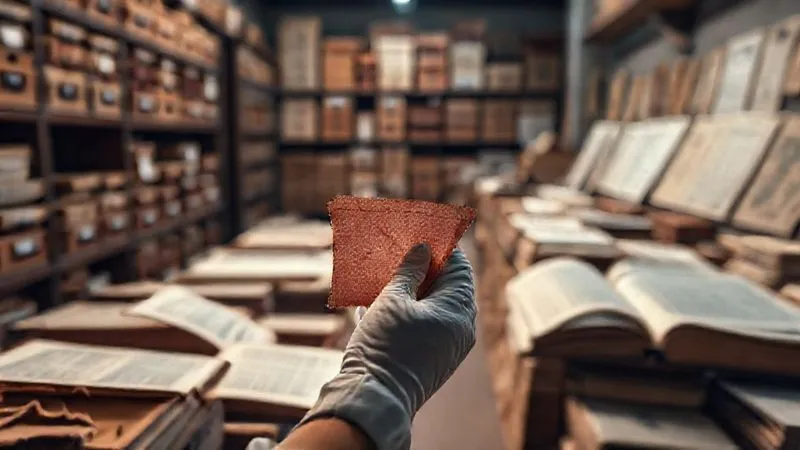
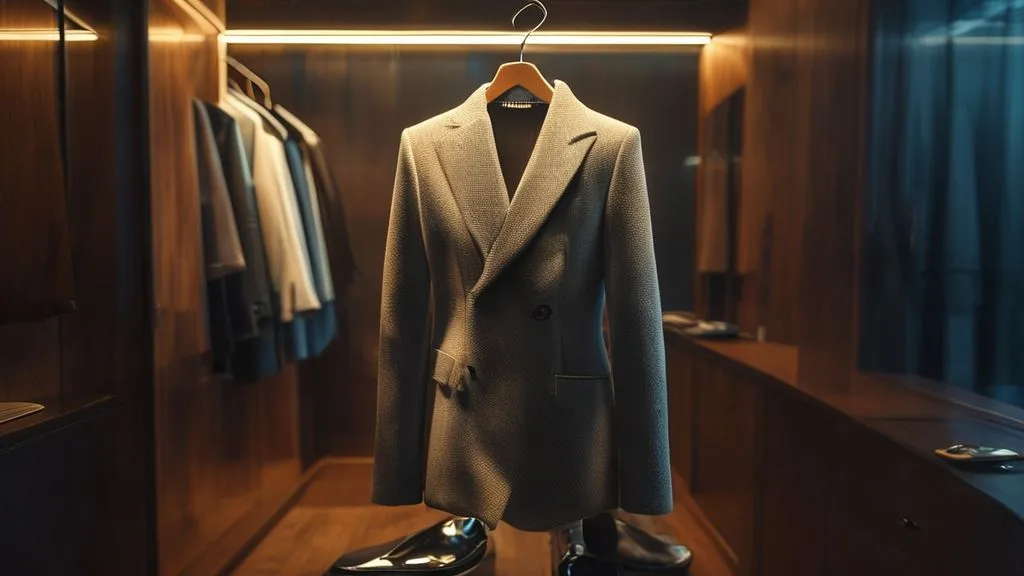
The archives are your Rosetta Stone. They hold the clues to the designer's original intent. This isn't just about dusty garment racks; it encompasses sketches, personal notes, fabric swatches, advertising campaigns, and even the cultural context of their era. Every detail offers a piece of the puzzle.
- Systematic Inventory and Digitization: Catalog every item. High-resolution photography, detailed descriptions, and digital indexing make these invaluable assets accessible for modern design teams.
- Contextual Research: Explore the socio-economic, artistic, and technological landscape in which the designer operated. What were the prevailing aesthetics? What materials were innovative at the time?
- Interviewing Veterans: Seek out former employees, artisans, models, or even family members who worked directly with the designer. Their anecdotal insights can provide invaluable color and nuance that no document can capture.
- Thematic Analysis: Look beyond individual pieces to identify recurring themes, motifs, and design principles. Is there a consistent interplay of structure and fluidity? A signature use of color?
In my experience, brands often rush this phase, focusing only on the most famous pieces. But true understanding comes from appreciating the full breadth of the designer's work, including their lesser-known experiments. As I always say:
Authenticity isn't about replication; it's about understanding the original impulse so profoundly that you can innovate within its spirit.
Navigating Modernity Without Dilution: The Art of Creative Reinterpretation
Once you understand the designer's DNA, the next challenge is to translate it for today's world without losing its essence. This requires a nuanced approach, distinguishing between superficial trends and enduring contemporary desires. It's about evolving, not abandoning.
Balancing Heritage with Contemporary Appeal
The goal is to make the legacy feel current and desirable to a new generation, while still honoring its origins. This means understanding modern sensibilities regarding comfort, versatility, sustainability, and technological integration. It's not about slapping a new logo on an old design; it's about thoughtful evolution.
- Silhouette Modernization: Update proportions and fits to suit contemporary body ideals and lifestyle needs, without distorting the original line or structure.
- Material Innovation: Introduce sustainable, performance-driven, or technologically advanced materials that align with the original designer's spirit of innovation.
- Functional Adaptation: Consider how modern life demands different functionalities. Can a classic evening bag be reinterpreted for day-to-evening versatility?
- Collaborative Design: Sometimes, bringing in a contemporary artist or designer for a capsule collection can offer a fresh perspective while staying true to the brand's core.
Case Study: Elysian Atelier's Silk Scarf Rebirth
Elysian Atelier, a storied French luxury brand known for its iconic 1950s silk scarves, faced dwindling relevance among younger consumers. Their scarves, while beautiful, were seen as traditional and formal. Instead of simply re-issuing old prints, the brand embarked on a deep dive into its founder, Madame Dubois's, passion for nature and abstract art.
The creative team discovered Dubois's early, unreleased abstract sketches and her innovative use of color theory. They then collaborated with a contemporary digital artist known for vibrant, fluid animations. Together, they created a limited-edition collection where classic Dubois motifs were subtly deconstructed and reassembled with modern digital artistry, printed on eco-silk. Furthermore, they developed an augmented reality app that, when pointed at the scarf, brought the digital art to life, telling the story of Dubois's original inspiration and the modern reinterpretation.
This strategic reinterpretation, blending archival depth with technological innovation, resonated powerfully. Elysian Atelier saw a 150% increase in engagement from under-35 consumers and a 70% boost in scarf sales within the first six months, proving that authentic revival isn't about static preservation but dynamic evolution.
Crafting an Authentic Narrative: Storytelling Beyond the Runway
A luxury brand's legacy isn't just about products; it's about the stories they tell. To authentically revive a designer's legacy means becoming master storytellers, weaving a narrative that connects the past, present, and future in a compelling, emotionally resonant way. This goes far beyond seasonal collections.
Digital Storytelling and Experiential Marketing
In today's digital age, storytelling channels are vast and varied. Brands must leverage these to create immersive experiences that bring the designer's world to life.
- Documentary-Style Content: Create short films or mini-documentaries exploring the designer's life, inspirations, and the craftsmanship behind their iconic pieces. Highlight the artisans and the meticulous processes.
- Interactive Digital Archives: Develop online platforms where consumers can explore the brand's history, view archival pieces, and learn about their significance.
- Experiential Pop-ups: Design temporary retail spaces that are less about selling and more about immersing visitors in the brand's heritage. Think sensory experiences, workshops, and historical exhibitions.
- Podcast Series: Interview historians, fashion critics, and brand insiders about the designer's impact and enduring relevance.
As marketing guru Seth Godin often says, "People don't buy what you do; they buy why you do it." For luxury brands, the 'why' is deeply embedded in the legacy of their iconic designers. It's about emotional connection and shared values.
Engaging the Next Generation: Bridging the Generational Divide
A true legacy revival must appeal to new audiences without alienating existing loyalists. This requires a deep understanding of the evolving values and communication preferences of younger luxury consumers.
Understanding New Luxury Consumers
Millennials and Gen Z approach luxury differently. They value authenticity, sustainability, transparency, and personal connection over overt status symbols. They are digital natives who expect seamless online experiences and engage with brands through new channels.
- Value-Driven Messaging: Highlight the brand's commitment to ethical sourcing, craftsmanship, and social responsibility – aspects that often echo the original designer's values of quality and integrity.
- Digital-First Engagement: Invest in compelling social media content, influencer collaborations (carefully chosen for authentic alignment), and immersive digital experiences like NFTs or metaverse activations that genuinely connect to the brand's narrative.
- Personalization: Offer bespoke services or customization options that allow consumers to feel a personal connection to the brand's heritage, making it their own.
- Education: Educate new consumers on the historical significance and craftsmanship of iconic pieces, transforming them from mere products into objects of cultural value.
The table below highlights key shifts in luxury consumer values:
| Aspect | Traditional Luxury Consumer | New Luxury Consumer |
|---|---|---|
| Primary Motivation | Status, Exclusivity, Brand Recognition | Authenticity, Personal Expression, Experience, Values Alignment |
| Sustainability | Less of a priority | High priority, demands transparency |
| Digital Engagement | Limited, brand-controlled | Expected, interactive, social |
| Purchase Driver | Brand heritage, craftsmanship | Brand story, ethical practices, innovation, personal connection |
Strategic Collaborations and Partnerships: Amplifying Legacy
Carefully chosen collaborations can be powerful catalysts for legacy revival, introducing the brand to new audiences and infusing it with fresh energy. The key is to select partners whose values and creative vision genuinely align with the iconic designer's spirit, rather than chasing fleeting trends.
Choosing the Right Allies
A successful collaboration should feel like a natural extension of the brand's DNA, not a forced alliance. It should enhance, not dilute, the legacy.
- Cultural Alignment: Partner with artists, designers, institutions, or even other luxury brands that share a similar aesthetic, philosophical outlook, or commitment to craftsmanship as the original designer.
- Complementary Expertise: Seek partners who bring a skill set or perspective that the brand currently lacks, such as digital artistry, sustainable material innovation, or a unique retail experience.
- Narrative Enhancement: The collaboration should tell a compelling story that enriches the brand's legacy, perhaps by reinterpreting an archival piece through a contemporary lens or exploring a new facet of the designer's inspiration.
- Mutual Respect for Heritage: Ensure the partner understands and respects the brand's history, and is committed to an authentic, rather than exploitative, interpretation.
For instance, a collaboration with a renowned museum for an exhibition on the designer's work, followed by a limited-edition capsule collection inspired by the exhibition, can be incredibly impactful. It lends academic gravitas while creating desirable products. As an article in Harvard Business Review suggests, authentic collaborations are built on shared purpose and mutual benefit, not just transactional gains.
The Role of the Modern Creative Director: Guardians of the Flame
At the heart of any successful luxury brand revival is the Creative Director. This individual is not merely a designer; they are the chief interpreter of the brand's soul, the guardian of the iconic designer's flame, and the visionary who translates heritage into contemporary relevance.
Defining the Modern Creative Director's Mandate
Their role is multifaceted, demanding both historical acumen and forward-thinking innovation.
- Deep Archival Understanding: They must possess an encyclopedic knowledge of the founder's work, influences, and design philosophy, gained through extensive personal research.
- Curatorial Vision: The Creative Director acts as a curator, selecting which elements of the legacy to emphasize, reinterpret, or bring forward, ensuring coherence and resonance.
- Market Acumen: They need a keen understanding of current luxury market trends, consumer desires, and technological advancements to ensure reinterpretations are both authentic and relevant.
- Team Leadership: Inspiring and guiding design, marketing, and production teams to execute a unified vision that respects the past while embracing the future.
- Authenticity Advocate: They are the brand's internal compass, ensuring every decision, from material selection to campaign imagery, aligns with the core DNA and avoids superficiality.
A Creative Director isn't just designing clothes; they're designing the future of a legacy, one stitch and one story at a time.
It's a position of immense responsibility, requiring courage to innovate and humility to honor the past. The right Creative Director can be the pivot point for a brand's authentic resurgence, as seen in the remarkable turnarounds of several heritage houses under visionary leadership.
Measuring Authenticity and Impact: Beyond Sales Figures
While sales are undeniably important, authentically reviving a luxury brand's iconic designer legacy requires a more holistic approach to measurement. Success isn't just about revenue; it's about brand perception, emotional connection, and cultural resonance.
Qualitative and Quantitative Metrics
A balanced scorecard of metrics is essential to truly understand the impact of your revival efforts.
- Brand Sentiment Analysis: Monitor social media, press coverage, and online forums for shifts in how the brand is perceived. Are terms like 'authentic,' 'innovative,' 'respectful of heritage' appearing more frequently?
- Customer Engagement Metrics: Track engagement rates on digital content (videos, interactive archives), attendance at experiential events, and participation in community initiatives.
- Brand DNA Resonance: Conduct surveys and focus groups to gauge how well consumers understand and connect with the core values and aesthetic principles derived from the iconic designer.
- New Customer Acquisition: Monitor the demographics of new customers. Are you successfully attracting younger, diverse audiences without alienating existing loyalists?
- Employee Morale and Pride: A truly authentic revival often invigorates internal teams. Measure employee satisfaction and pride in the brand's direction.
According to a Deloitte report on the luxury market, brand equity and customer loyalty are increasingly driven by intangible factors like brand narrative and perceived authenticity. Therefore, focusing solely on immediate sales might miss the profound, long-term impact of a successful legacy revival.
| Metric Category | Key Indicators |
|---|---|
| Brand Perception | Sentiment analysis (positive/negative/neutral mentions), press coverage tone, brand association scores (e.g., 'innovative,' 'authentic') |
| Engagement & Awareness | Social media engagement rates, website traffic to heritage sections, event attendance, new follower growth, earned media value |
| Customer Loyalty & Value | Repeat purchase rate, customer lifetime value, Net Promoter Score (NPS), customer feedback on authenticity |
| Product Performance | Sales growth of heritage-inspired collections, sell-through rates, average unit price, margin improvement |
| Internal Health | Employee retention, internal brand perception surveys, creative team satisfaction |
Building a Sustainable Future: Legacy as a Living Entity
The ultimate goal of authentically reviving a luxury brand's iconic designer legacy is not just a temporary resurgence, but the establishment of a robust, dynamic future. A true legacy is a living, breathing entity that continues to inspire and evolve, rather than remaining static.
Ethical Production and Community Engagement
Today's luxury consumer increasingly expects brands to demonstrate a commitment to ethical practices and social responsibility. Integrating these values into the brand's operations can further solidify its legacy and appeal.
- Sustainable Sourcing: Align with the original designer's presumed commitment to quality by sourcing materials ethically and sustainably, ensuring fair labor practices throughout the supply chain.
- Craftsmanship Preservation: Invest in training and preserving artisanal skills, often a cornerstone of iconic luxury brands, ensuring these traditions are passed to future generations.
- Community Initiatives: Engage in philanthropic efforts or community development projects that resonate with the brand's history or the designer's values.
- Circular Economy Principles: Explore initiatives like repair services, upcycling programs, or resale partnerships that extend the life cycle of luxury products, reflecting a timeless approach to value.
This forward-looking perspective transforms the legacy from a historical artifact into a relevant and responsible participant in the modern world. For example, many luxury brands are now leading the charge in ethical innovation, as highlighted by articles in Forbes on luxury sustainability. By doing so, they not only honor their past but actively shape a more conscious future for luxury.
Frequently Asked Questions (FAQ)
How do you avoid tokenism when reinterpreting a designer's legacy for modern audiences? Avoiding tokenism requires genuine, deep immersion in the original designer's philosophy and a commitment to thoughtful evolution, not just superficial updates. It means understanding the 'why' behind their designs and translating that core intent into a contemporary context, rather than simply borrowing motifs without substance. Engage diverse voices in the creative process and ensure reinterpretations are integrated meaningfully across the brand, not just as isolated, trend-driven capsules.
What if the original designer's values or practices clash with modern ethical standards? This is a critical challenge. Transparency is paramount. Acknowledge the historical context, but clearly articulate how the brand is evolving to meet modern ethical standards in areas like sustainability, diversity, and labor practices. Focus on the timeless aspects of the designer's genius (e.g., craftsmanship, innovation, aesthetic vision) while consciously and actively modernizing the brand's operational values. This demonstrates growth and responsibility, transforming potential liabilities into opportunities for authentic leadership.
How long does a true luxury brand legacy revival typically take to show significant results? An authentic and deep-seated revival is not an overnight process; it's a multi-year journey, often spanning 3-5 years or even longer to fully manifest. Initial signs of increased engagement and positive sentiment can emerge within 12-18 months, but significant shifts in market position, brand perception, and sustainable growth require consistent effort, strategic investment, and unwavering commitment to the core vision over an extended period. Patience and persistence are key.
What's the biggest mistake brands make when attempting to revive an iconic designer's legacy? The biggest mistake is a superficial approach: mistaking re-issuing old designs or simply updating a logo for a true revival. This often stems from a lack of deep archival research and an inability to grasp the designer's original 'spirit.' It results in products that feel inauthentic, lack emotional resonance, and fail to connect with either loyalists or new consumers. A true revival demands profound understanding and thoughtful reinterpretation, not just cosmetic changes.
Can a brand effectively revive its legacy if much of its original archives are lost or inaccessible? While comprehensive archives are invaluable, their partial absence is not an insurmountable obstacle. Brands can compensate by intensifying contextual research: studying historical fashion publications, cultural records, interviews with contemporaries, and even collecting vintage pieces through expert channels. Focus on the documented impact and influence of the designer, their published philosophies, and the lasting cultural imprint of their work. The narrative becomes even more crucial in such cases, relying on informed storytelling to fill the gaps.
Key Takeaways and Final Thoughts
- Deep Dive into DNA: Authenticity begins with a meticulous excavation of the iconic designer's true vision and brand DNA.
- Masterful Reinterpretation: Balance heritage with contemporary relevance through thoughtful design evolution, not dilution.
- Compelling Storytelling: Craft an immersive narrative that connects past, present, and future, leveraging digital and experiential channels.
- Engage New Generations: Understand and cater to the values and preferences of new luxury consumers without alienating loyalists.
- Strategic Alliances: Choose collaborations that authentically amplify the legacy and introduce the brand to new, aligned audiences.
- Visionary Leadership: Empower a Creative Director who serves as the guardian and interpreter of the brand's soul.
- Holistic Measurement: Look beyond sales, using a blend of qualitative and quantitative metrics to gauge true impact and authenticity.
- Sustainable Future: Integrate ethical practices and community engagement to ensure the legacy evolves as a responsible, living entity.
Reviving a luxury brand's iconic designer legacy is not merely a business strategy; it's an act of cultural stewardship. It demands respect for the past, courage in the present, and a clear vision for the future. By embracing these pillars, you can ensure that the flame of genius continues to burn brightly, inspiring new generations and securing a place for your brand in the timeless tapestry of luxury fashion. It's a challenging journey, but one that, when navigated with authenticity and integrity, yields unparalleled rewards.
Recommended Reading
- 5 Pillars: Updating Heritage Luxury Appeal for Modern Consumers
- 7 Strategies: Crafting Unique Feminine Collections, Ditching Clichés
- 7 Steps: Prevent Makeup Creasing on Mature Skin All-Day Long
- AI's Role: Cutting Fashion Supply Chain Emissions by 30%?
- Unlock Your Dream: How to Get Your Fashion Editorial Published Now!

Your email address will not be published. Required fields are marked *